The Devil is in the Details

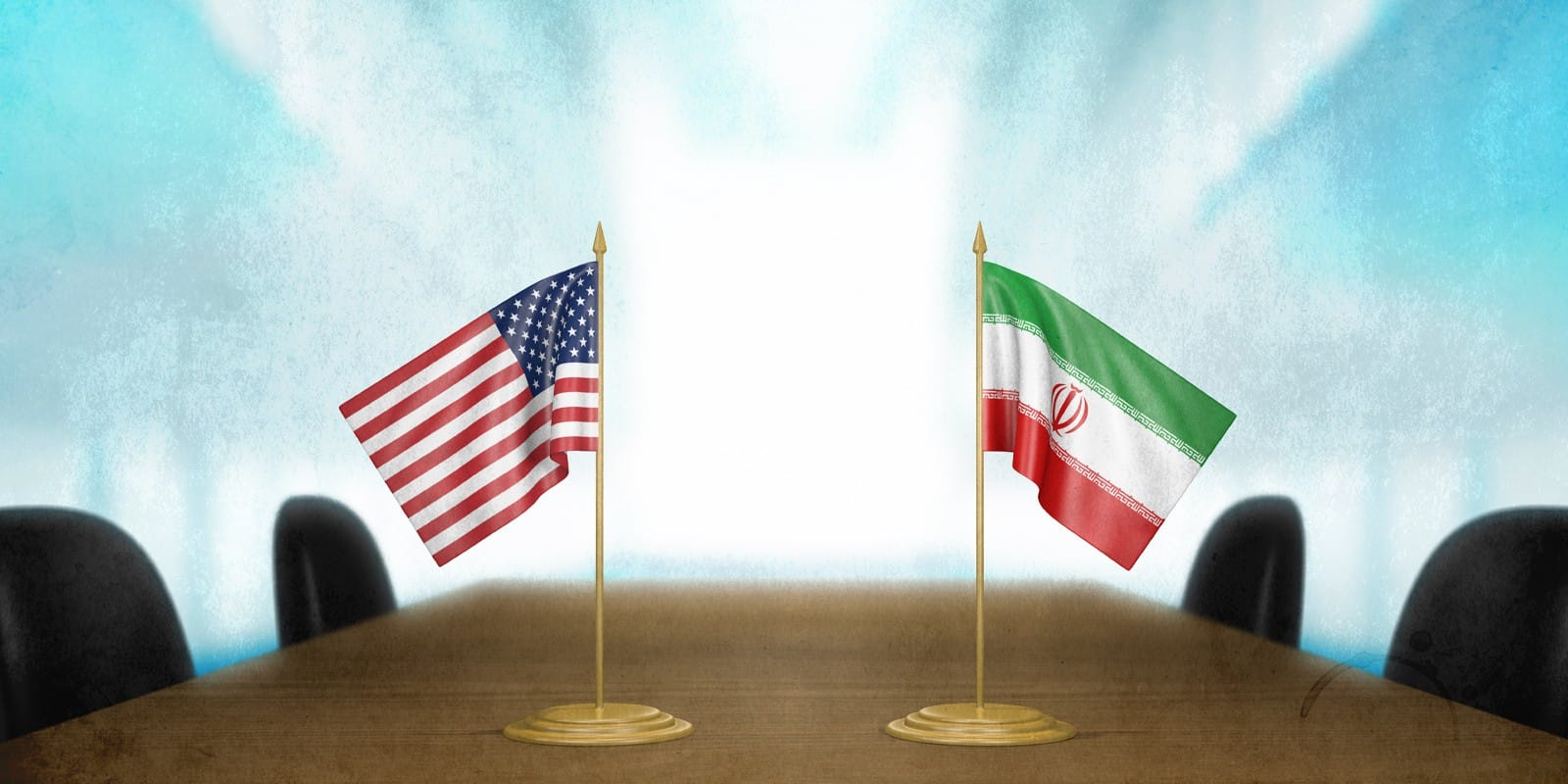
In the theatre of international diplomacy, headlines often speak of “progress,” “positive signals,” and “constructive engagement.” Recently, Donald Trump has suggested that Iran has shown a “good response” to negotiation overtures. Yet beneath these optimistic pronouncements lies a far more complex—and fragile—reality.
As the old saying goes, the devil is in the details.
A Mirage of Convergence
At first glance, the idea of rapprochement between the United States–Israel axis and Iran seems plausible. After all, both sides are under immense strain.
- The United States and Israel, alongside Gulf allies such as Saudi Arabia, face growing reputational costs. Global public opinion has shifted, with criticism mounting over military actions, humanitarian consequences, and perceived double standards.
- Iran, though resilient and defiant, is bleeding in quieter but deeper ways—its economy weakened, infrastructure damaged, and leadership under constant pressure. It has also alienated many wealthy Arab states whose support might otherwise have been a buffer.
Thus, both camps share a common, if unspoken, objective: to stop the bleeding without appearing to surrender.
The Chasm Beneath the Surface
However, when one examines the reported framework—Washington’s alleged 15-point demands versus Tehran’s 10-point counter-proposals—the gap is not merely wide; it is structural.
The United States and its allies typically insist on:
- Limits or dismantling of Iran’s nuclear programme
- Restrictions on missile development
- Cessation of support for regional proxy groups
- Broader alignment with Western security frameworks
Iran, on the other hand, demands:
- Full sanctions relief
- Recognition of its regional role and sovereignty
- Security guarantees against regime change
- Freedom to maintain defensive capabilities
These are not negotiating positions—they are competing worldviews.
Like the horizon where sky and earth appear to meet, convergence is an illusion created by distance.
Where Compromise Might Actually Happen
Yet history shows that even the most entrenched adversaries can find narrow corridors of agreement. The question is not whether either side will achieve total victory—but what each side can afford to concede without losing face.
Realistically, any workable compromise may include:
1. A “Freeze-for-Freeze” Formula
Iran could agree to cap uranium enrichment at a verifiable level, while the United States gradually eases selected sanctions.
2. Phased Sanctions Relief
Instead of immediate full lifting, sanctions could be removed step-by-step, tied to measurable Iranian compliance verified by international bodies.
3. Strategic Ambiguity on Missiles
Rather than outright dismantling, Iran may agree to range limitations or transparency measures—allowing both sides to claim success.
4. Proxy De-escalation Without Admission
Iran may quietly reduce support to regional allies without publicly abandoning them, while the US and Israel reduce direct military pressure.
5. Regional Security Dialogue
Inclusion of Gulf states, especially Saudi Arabia, in a broader security framework could reduce tensions and give all parties a stake in stability.
6. Mutual Non-Aggression Understandings
Though unlikely to be formal treaties, tacit agreements not to target each other’s core territories could emerge.
The Politics of Survival
Ultimately, these negotiations are not driven by trust or goodwill. They are driven by political survival.
- For American leadership, especially figures like Trump, any deal must appear as a “win”—firm, decisive, and advantageous.
- For Iran’s leadership, compromise must not resemble capitulation; it must be framed as resistance forcing concessions.
Thus, the final agreement—if it comes—will likely be deliberately vague, allowing each side to interpret the same text differently for domestic audiences.
Conclusion: Between War and Peace Lies Ambiguity
The world may soon hear declarations of “breakthrough” or “historic agreement.” But seasoned observers will know better.
Peace, in this context, will not be built on harmony or shared values. It will rest on carefully crafted ambiguity, partial truths, and strategic silence.
Because in geopolitics, as in medicine, the outcome often depends not on the diagnosis alone—but on the fine print of the prescription.
And in these negotiations, the devil will remain firmly in the details.