Translated by Dr Ko Ko Gyi
By Wai Moe – Reporter, The New York Times and The Irrawaddy
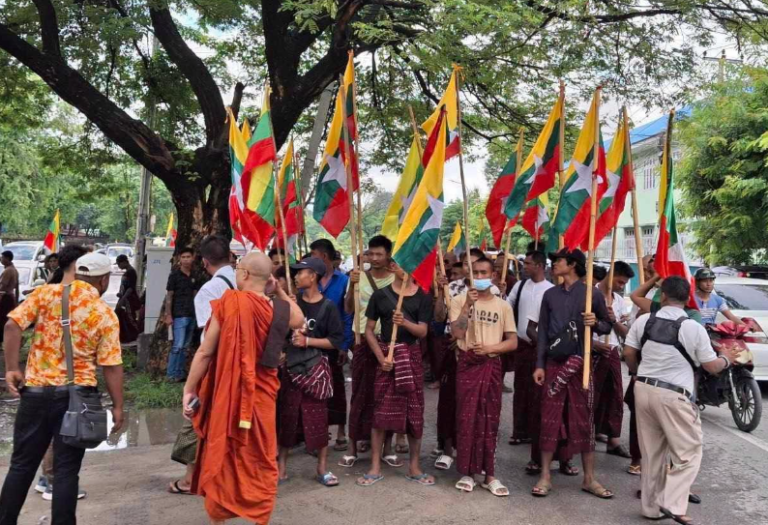
During Myanmar’s historic mass protests in 2021, some young people in downtown Yangon carried posters expressing sympathy and solidarity with the Rohingya.
Following those demonstrations, diplomats, international journalists and researchers interested in the Rohingya issue began asking me a question:
“Has the attitude of the Myanmar public towards the Rohingya changed since the military coup?”
My answer was that it was far too early to draw such a conclusion. If racism has become deeply embedded in people’s thinking and social attitudes, it cannot disappear overnight.
In Myanmar politics, whether on one side or the other, extreme nationalist and right-wing attitudes towards ethnic minorities and the Rohingya have continued to emerge.
There is a Burmese saying: “A cat cannot stay underwater for long.”
In other words, people may temporarily conceal their prejudices, but sooner or later their true attitudes will surface. I told them that they would not have to wait very long to discover the answer.
On 19 November 2026, we saw the cats coming up for air.
Following the International Court of Justice (ICJ) judgment concerning the genocide against the Rohingya, I published several posts expressing my views. Hundreds of people, including both military supporters (the so-called Green camp) and supporters of Daw Aung San Suu Kyi (the Red camp), responded with hateful comments.
Their comments contained abuse and discrimination based on ethnicity, skin colour and religion.
This is a revealing picture of the deeply entrenched discrimination that exists in Myanmar, a country where democracy and equal citizenship have never been firmly established.
If we examine the informal hierarchy of prejudice in Myanmar society, we can see how some people regard the Bamar majority as first-class citizens, other recognised ethnic nationalities as second-class citizens, people of Chinese and South Asian ancestry as third-class citizens, and the Rohingya as fourth-class or even lesser human beings.
This is not a constitutional classification. It is an illustration of the discriminatory attitudes that have become embedded in parts of society.
Between 2012 and 2018, I visited Rohingya villages and internally displaced persons (IDP) camps in Rakhine State on numerous occasions.
Whenever Rohingya villagers heard the Myanmar language spoken in the presence of people they associated with the authorities or the dominant community, I could often see fear on their faces.
Their expressions told me something that statistics alone cannot explain: the psychological consequences of living for decades under discrimination, insecurity and restrictions.
It is shameful that, in this modern age, one human being can treat another so inhumanely simply because of ethnicity or religion.
Understanding the Rohingya genocide and its historical background
To explain the Rohingya genocide in understandable terms, consider the systematic persecution and mass atrocities committed against the Jewish people under Nazi Germany, which culminated in the Holocaust and the murder of approximately six million Jews.
The Rohingya genocide is among the gravest instances of mass atrocity and persecution in the twenty-first century.
It is important, however, to understand that genocide is a specific legal crime. It is not simply another word for mass killing, ethnic cleansing or persecution.
The Rohingya tragedy did not begin in August 2017. Decades of discriminatory laws, administrative restrictions, denial of citizenship and restrictions on basic human rights created the conditions in which the community became increasingly vulnerable.
The 1982 Citizenship Law and its subsequent administration played a particularly important role in the progressive exclusion of Rohingya from citizenship.
Many Rohingya who previously possessed older identity and registration documents were subsequently denied access to full citizenship recognition and new identity documents.
As a result, Rohingya communities in northern Rakhine State faced severe restrictions on movement. Travelling between villages and townships often required official permission.
Their access to education, particularly higher education, employment, healthcare and other public services was also severely restricted.
These were not isolated incidents. They were part of a long-standing system of discrimination.
Restrictions on marriage, childbirth and healthcare
The discrimination extended into some of the most intimate aspects of family life.
Rohingya couples were required to obtain official permission to marry. In northern Rakhine State, discriminatory administrative orders also imposed restrictions on childbirth.
The 2005 regional order known as Order 1/2005 included restrictions on the number of children Rohingya families could have. The authorities themselves described these measures as processes for controlling the Bengali population.
The ICJ’s 19 November 2026 judgment examined these restrictions and found that discriminatory measures concerning marriage, childbirth and birth registration formed part of the historical context of the genocide.
The Court also noted that the authorities had stopped issuing birth certificates to Rohingya during the 1990s and that the difficulties of registering children further restricted their access to identity documents, education and freedom of movement.
There were also disturbing allegations concerning reproductive healthcare.
A 1996 Human Rights Watch report documented allegations that Rohingya women returning from Bangladesh had received contraceptive injections without adequate explanation or informed consent. The report included information from a UNHCR official concerning the use of the contraceptive drug Depo-Provera.
These allegations should not be confused with a judicial finding that every such injection was part of a centrally organised extermination programme. Nevertheless, administering contraception without informed consent is a serious violation of women’s rights and bodily autonomy.
Healthcare was another major problem.
Rohingya patients frequently faced restrictions when attempting to travel to hospitals and medical facilities outside their villages. Obtaining permission could be difficult and time-consuming.
I personally encountered cases during my visits to villages and IDP camps in which delays in obtaining permission for medical treatment contributed to unnecessary suffering and, in some instances, loss of life.
Pregnant women, children and seriously ill patients were particularly vulnerable.
Such restrictions were not merely bureaucratic inconveniences. They could become matters of life and death.
The responsibility of the civilian government and the military
Some people now argue that Daw Aung San Suu Kyi, who headed the civilian government at the time, should not be held responsible for what happened to the Rohingya.
Others insist that she should not be placed on the same level as the military commanders.
We should examine this issue objectively.
The military controlled the Defence Services and retained enormous constitutional and political power under the 2008 Constitution. The civilian government did not exercise the same operational command over the armed forces as an ordinary democratically elected government would.
Nevertheless, this does not mean that the civilian leadership had no political, administrative or moral responsibilities.
The plight of orphaned Rohingya children, widows, survivors of sexual violence and displaced families should never be forgotten in political arguments.
Sexual violence can constitute one of the underlying acts of genocide when it causes serious bodily or mental harm and is committed with the specific intent to destroy a protected group, in whole or in substantial part.
The ICJ has now made important findings concerning sexual violence and other acts committed against the Rohingya.
Many Rohingya men reportedly fled into hiding when security forces entered their villages, while women and children who could not escape sought refuge in pits, shelters and other hiding places.
Survivors reported sexual violence against women and girls, including elderly women.
These human beings must not disappear from our collective memory simply because some people wish to defend their preferred political leaders.
What happened in August 2017?
The military operation that began in August 2017 must also be examined in its proper chronological context.
On 25 August 2017, the Arakan Rohingya Salvation Army (ARSA) attacked approximately 30 police posts and a military facility in northern Rakhine State.
These attacks were real and must not be ignored. Attacks against security personnel and civilians were unacceptable.
However, the existence of ARSA attacks does not justify indiscriminate military retaliation, mass killings, sexual violence, village destruction or collective punishment of an entire population.
The military’s so-called clearance operations resulted in the mass displacement of Rohingya civilians.
More than 700,000 Rohingya fled to Bangladesh following the 2017 military crackdown. By the end of that year, the refugee population had grown to well over 700,000, rather than merely the initial hundreds of thousands who had escaped during the first weeks.
The military and the civilian government must be examined separately when assessing their respective responsibilities.
There have also been reports concerning meetings and discussions between senior military officials and civilian government representatives in August 2017, before the 25 August attacks.
The precise nature of these discussions, the extent of civilian approval and the operational decisions made by the military deserve careful examination.
In particular, allegations concerning a meeting on 9 or 10 August, the deployment of additional military forces before 25 August and the involvement of President U Htin Kyaw require documentary corroboration before they can be presented as established facts.
The key question is not whether the military had a legitimate responsibility to respond to armed attacks. It did.
The key question is whether the response was lawful, proportionate and directed at armed perpetrators, or whether it became a systematic campaign against the Rohingya civilian population.
The ICJ has now answered the central question of state responsibility under the Genocide Convention.
The ICJ judgment: A historic legal finding
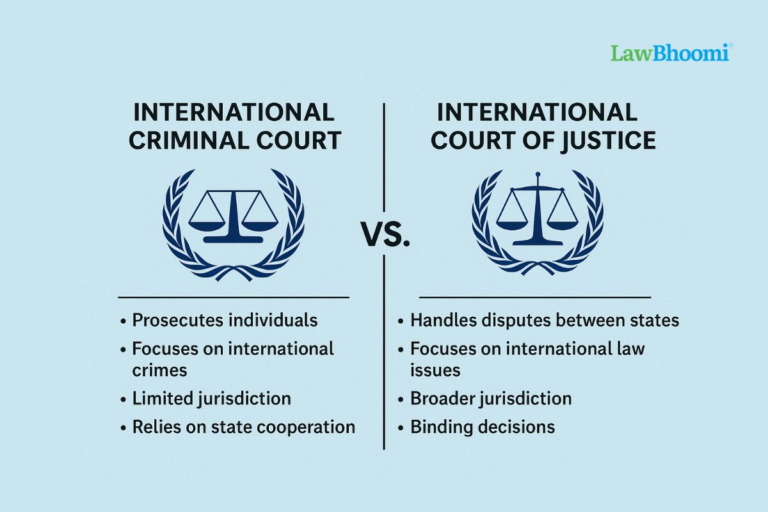
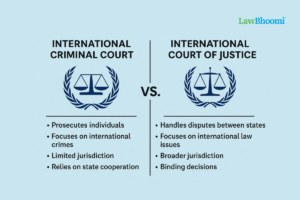
On 19 November 2026, the International Court of Justice delivered its final judgment in The Gambia v. Myanmar.
The Court found, by nine votes to six, that Myanmar had committed genocide against the Rohingya group in northern Rakhine State, violating its obligations under the Genocide Convention.
The Court also found that Myanmar had violated its obligation to prevent genocide, by failing to take appropriate action despite knowing, or having reason to know, of a serious risk of genocidal acts.
By eleven votes to four, it found that Myanmar had violated its obligation to punish genocide and other acts prohibited under the Convention.
By fourteen votes to one, the Court found that Myanmar had failed to enact the necessary domestic legislation to give effect to the Convention.
The judgment also found that Myanmar had violated its obligation to preserve evidence relating to the alleged genocide.
The Court ordered Myanmar to investigate persons reasonably suspected of involvement and, where warranted, prosecute and punish them.
It also ordered guarantees of non-repetition, restitution and compensation for the Rohingya.
Importantly, the Court found that Myanmar had not directly and publicly incited genocide against the Rohingya through private actors, under the specific legal test for that separate allegation. This does not diminish the Court’s finding that Myanmar itself committed genocide.
The judgment is binding and final. It cannot be appealed.
Although six judges dissented from the central finding of genocide, the judgment of the Court is the authoritative decision of the ICJ and must be respected.
A question for Myanmar’s educated citizens
I would like to ask those educated people who still refuse to accept the ICJ’s judgment:
Why is it so difficult to show compassion towards fellow human beings who have suffered so terribly?
Why can you not acknowledge their tears, their suffering and their loss?
Do you believe that their skin colour, ethnicity or religion makes their lives less valuable than yours?
Why can you not remove racism from your hearts and minds?
We may disagree about politics, history and constitutional arrangements. We may support different political parties or movements.
But there must be certain basic principles that transcend political divisions.
No ethnic group should be collectively punished for the actions of armed individuals.
No civilian should lose their citizenship, dignity or fundamental human rights because of their religion or ancestry.
No political leader, military commander or armed organisation should be above accountability.
And no victim should be denied justice simply because their suffering is politically inconvenient.
No Room for Racism! No Room for Fascism!
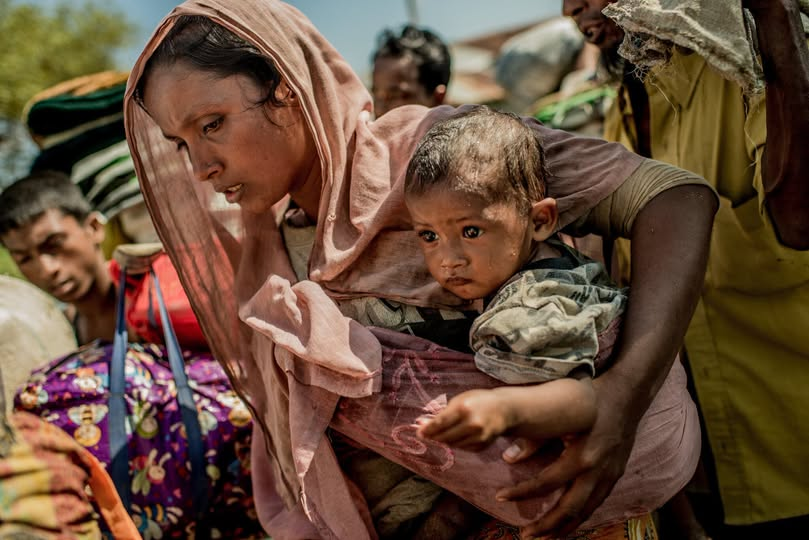
Photo caption: Rohingya refugees fleeing violence in Myanmar in 2017 continued their journey on foot towards refugee camps in Bangladesh. Photograph by Tomas Munita for The New York Times.
Wai Moe Reporter New York Times and Irrawaddy.
ရိုဟင်ဂျာ Genocide နဲ့ ကြာကြာရေမငုပ်နိုင်တဲ့ Racist များ
၂၀၂၁ သမိုင်းဝင်လူထုလှုပ်ရှားမှုဖြစ်တော့ ရိုဟင်ဂျာအရေးကို စာနာနားလည်ကြောင်း ပို့စတာတွေကိုင်ပြီး ရန်ကုန်မြို့လယ်မှာ လူငယ်တချို့လည်း ဆန္ဒပြခဲ့ကြတယ်။ အဲဒီလိုဖြစ်တော့ ရိုဟင်ဂျာအရေးစိတ်ဝင်စားကြတဲ့ သံတမန်တွေ၊ နိုင်ငံတကာသတင်းထောက်တွေရော၊ သုတေသီပညာရှင်များကပါ ကျနော်ကို မေးကြတယ်။ “ရိုဟင်ဂျာအရေးနဲ့ ပတ်သက်လို့ မြန်မာတွေရဲ့အမြင် အာဏာသိမ်းတာဖြစ်တော့ ပြောင်းလဲသွားကြပြီလား”ဆိုပြီး။ အဲဒါနဲ့ ကျနော်က သူတို့ကိုပြန်ပြောတယ်။ ဒီလိုကောက်ချက်ချဖို့ရာ အရမ်းစောသေးတယ်ထင်တယ်။ Racism ဆိုတာ အသွေးအသွားထဲမှာကိုဖြစ်နေတယ်ဆိုရင် လွယ်လွယ်နဲ့ပျောက်လို့မရပါဘူး။ နောက်ပိုင်း ဗမာနိုင်ငံရေးမှာ ဟိုဘက်ရော ဒီဘက်ရော လူမျိုးစုအရေး၊ ရို်ဟင်ဂျာအရေးတွေမှာပေါ့ လက်ယာစွန်းအမျိုးသားရေးဝါဒီတွေပဲဖြစ်နေတယ်။ မြန်မာစကားပုံတခုကတော့ “ကြောင် ကြာကြာ ရေမချိုးနိုင်ပါဘူး။” ဆိုတာပဲ။ အဲဒီတော့ ခင်ဗျားတို့ သိပ်ကြာကြာစောင့်ကြည့်ရမှာမဟုတ်ပါဘူး အဖြေပေါ်မှာ လို့ပြန် ဖြေခဲ့တယ်။
ပြီးခဲ့တဲ့ နိုဝင်ဘာ ၁၉ ရက်နေ့မှာတော့ ကြောင်တွေ ကြာကြာ ရေမငုပ်နိုင်တာ ကျနော်တို့တွေ့ခဲ့ရပါတယ်။ ရိုဟင်ဂျာလူမျိုးတုံးသုတ်သင်မှုနဲ့ပတ်သက်လို့ ICJ အမိန့်နဲ့ပတ်သက်လို့ရေးတဲ့ ကျနော့်ရဲ့ Post တွေကို လူရာနဲ့ချီပြီး (စစ်တပ်ထောက်ခဲ့တဲ့ အစိမ်းရော ဒေါ်အောင်ဆန်းစုကြည့်ကိုထောက်ခံတဲ့ အနီတွေရော) hate speech အမုန်းစကား comment တွေ လာရေးကြတာတွေ့ရပါတယ်။ သူတို့ရဲ့ hate speech ဆိုတာ လူမျိုးရေးအရ၊ အသားအရောင်အရ ၊ ဘာသာရေးအရခွဲခြားပြီး မိုးမွှန်အောင် ဆဲကြတာပေါ့။
ဒီမိုကရေစီမထွန်းကားတဲ့ ဗမာပြည်ရဲ့ လူမျိုးတွေအပေါ်ထားတဲ့ ခွဲခြားမှုကိုကြည့်လိုက်ပါ။ မြန်မာလူမျိုးကြီး က ပထမတန်းစား နိုင်ငံသားဖြစ်ရင်၊ ကျန်တိုင်းရင်းသားလူမျိုးစုတွေက ဒုတိယတန်းစား နိုင်ငံသားတွေပါ၊ အဲဒီမှာ တရုတ်နဲ့ တောင်အာရှအနွယ်ဝင်တွေက တတိယတန်းစား နိုင်ငံသားတွေဖြစ်ပါတယ်။ အဲဒီတော့ အောက်ဆုံးက နင်းပြား ရိုဟင်ဂျာလူမျိုးတွေက စတုတ္ထတန်းစား အဆင့်လိုဖြစ်နေပါတယ်။ ကျနော် ရခိုင်က ရိုဟင်ဂျာ IDP camp တွေနဲ့ ရွာတွေဆီကို ၂၀၁၂ ကနေ ၂၀၁၈ အတွင်း အခေါက်ခေါက် အခါခါ ရောက်ခဲ့ဖူးပါတယ်။ ရိုဟင်ဂျာရွာသားတွေဟာ မြန်မာစကားသံ (အုပ်စိုးသူလူမျိုးရဲ့ ဘာသာစကား) ကြားရင်တော့ ကြောက်နေကြတာ သူတို့ရဲ့ မျက်နှာတွေက ကျနော်ကို ပြောပြနေခဲ့ပါတယ်။ ဒါတွေက ဘာကိုပြောနေလဲဆိုတော့ ဒီခေတ်ကြီးမှာ ဒီလိုမျိုး လူလူချင်း လူမဆန်စွာဆက်ဆံမှုကြီးဟာ အရမ်းရှက်ဖို့ကောင်းတယ်ဆိုတာပါပဲ။
ဒီ ရိုဟင်ဂျာလူမျိုးတုံးသုတ်သင်မှုအကြောင်း ကို ရှင်းရှင်းလင်းလင်းနဲ့ နားလည်လွယ်အောင်ပြောရရင်တော့ ၁၉၄၀ ပြည့်နှစ်များ ဟစ်တလာ ဂျာမန်နာဇီများက ဂျူး ၆ ခြောက်သန်းလောက်ကို သုတ်သင်သတ်ဖြတ်တဲ့ အမှုပြီးတဲ့နောက်ပိုင်း၊ ၂၁ ရာစုအတွင်းဖြစ်တဲ့ အရမ်းစနစ်တကျရက်စက် လူမျိုးရေးသုတ်သင်မှုကို ပြပါဆိုရင် ရိုဟင်ဟင်လူမျိုးတုံးသုတ်သင်မှုက တခု အပါအဝင်ဆိုတာ သိသာထင်ရှားလှပါတယ်။ ဒီနှစ်ပိုင်း ဂါဇာမှာ အစ္စရေးက ပါလစ်စတိုင်းမှာ အပေါ် ကျူးလွန်တဲ့ သုတ်သင်မှုမျိုးပါပဲ။ လူမျိုးရေးအရ စနစ်တကျ စနစ်အရ သုတ်သင်မှုဟာ ၁၉၈၉/၉၀ နောက်ပိုင်းမှာပိုသိသာလာပါတယ်။ ရိုဟင်ဂျာတွေဟာ အရင် သုံးခေါ့က်ချိုး မှတ်ပုံတင်တွေရှိကြပေမဲ့ နိုင်ငံသားစိစစ်ရေးကဒ်ပြားဆိုပြီး ပန်းရောင်ကဒ်ကို ပြောင်းလိုက်တဲ့ အချိန်မှာတော့ အဲဒီကဒ်ပြားကို မရတော့ပါဘူး။ အဲဒီကဒ်ပြား မရှိတော့တဲ့ အတွက် ရိုဟင်ဂျာတွေအနေနဲ့ ရခိုင်မြောက်ပိုင်းမှာ တရွာနဲ့ တရွာတောင် လွတ်လွတ်လပ်လပ်သွားလို့ မရတော့ပဲ၊ တရွာနဲ့ တရွာသွားဖို့ အာဏာပိုင်တွေဆီက ခွင့်ပြုချက် ခရီးသွားလက်မှတ်လိုပါတယ်။ ရိုဟင်ဂျာဖြစ်လို့ ကျောင်းတက်ခွင့်မရတာ အဆင့်မြင့်ပညာရေးကို ကန့်သတ်ထားတာတွေဟာ ၂၀၁၂ နောက်ပိုင်းမှာ ပိုသိသာလာပါတယ်။
နောက် ရိုဟင်ဂျာအမျိုးသမီးတွေ ကိုယ်ဝန်ဆောင်ဖို့ဆိုရင်လည်း အာဏာပိုင်တွေရဲ့ ခွင့်ပြုချက်လိုပါတယ်။ ရိုဟင်ဂျာအမျိုးသမီးတွေကို ကိုယ်ဝန်တားဆေးကို အသိမပေးပဲ ကာကွယ်ဆေးထိုးပေးတာဆိုပြီး အစုလိုက်အပြုံလိုက် လိမ်ညာထိုးခဲ့ အဖြစ်တွေကတော့ ၁၉၉၀ ပြည့်နှစ်များကတည်းကရှိခဲ့တယ်ဆိုတာ စစ်တပ်က အရာရှိတွေ ကိုယ်တိုင်သိတဲ့အကြောင်းအရာတွေဖြစ်ပါတယ်။ ဒါတွေဟာ လူမျိုးတမျိုးကို စနစ်တကျ ဆယ်စုနှစ်ပေါင်းများစွာချီပြီး နိုပ်ကွပ်ခဲ့တယ်ဆိုတဲ့ အကြောင်းအရာတွေဖြစ်ပါတယ်။ ကျန်းမာရေးစောင့်ရှောက်မှုအခြေအနေတွေကလည်း မြို့ပေါ်က ဆေးရုံ၊ဆေးခန်းသွားပြဖို့ အာဏာပိုင်တွေရဲ့ ခွင့်ပြုချက်လိုပြီး ခွင့်ပြုချက်က မလွယ်တာတို့ ကြန့်ကြာတာတို့ကြားမှာ မလိုအပ်ပဲ ရိုဟင်ဂျာကိုယ်ဝန်ဆောင်တွေနဲ့ လူနာတွေဟာ မလိုအပ်ပဲ အသက်ဆုံးရှူံးခဲ့ကြရတာကို ကျနော်တို့ ရွာတွေ camp တွေထဲ သွားတဲ့ အခေါက်တွေမှာတောင် ကြုံ့ခဲ့ဖူးပါတယ်။
ဒါပေမဲ့ ကြာကြာရေမငုပ်နိုင်တဲ့ ကြောင်တွေကတော့ တဖွားဖွားပေါ်လာကြပါတယ်။ တချို့ပညာတတ်ဆိုတံလူတွေလည်းပါပါတယ်။ တချို့ကလည်း ဒီရိုဟင်ဂျာသုတ်သင်မှုမှာ အဲဒီတုန်းက အစိုးရအဖွဲ့ခေါင်းဆောင် ဒေါ်အောင်ဆန်းစုကြည်ကိုတော့ ဆွဲမထည့်နဲ့ ဆိုကြတာပေါ့။ အဲဒီထဲမှာ NLD လူငယ်ကနေ တရုတ်တို့ စင်ကာပူတို့မှာ ကျောင်းသွားတက်ပြီး အခု စင်ကာပူက thinktank ISEAS က ညီ တယောက်လည်းပါပါတယ်။ သူတို့ပြောတာကတော့ ဒေါ်အောင်ဆန်းစုကြည် ဒီအရေးမှာ တာဝန်မရှီဘူး စစ်ခေါင်းဆောင်တွေနဲ့ တတန်းထဲ မထားသင့်ဘူးပေါ့။ ဒါပေမဲ့ သူတို့ ဒီလိုပြောတဲ့အချိန်မှာ ငိုယိုနေတဲ့ မိဘမဲ့ ရိုဟင်ဂျာ ခလေးတွေ့၊ မုဆိုးမတွေ၊ အဓမ္မကျင့်ခဲ့ရတဲ့ ရိုဟင်ဂျာအမျိုးသမီးတွေရဲ့ မျက်နှာကိုမေ့ထားကြပါတယ်။ အဓမ္မကျင့်တယ်ဆိုတာကို စစ်ဆင်ရေးတွေ ဖိနိုပ်ရေးတွေမှာ လက်နက်အဖြစ် လူမျိုးတမျိုးသုတ်သင်ရေးမှာ သုံးရင် အခုပြဒါန်းချက်အရ လူမျိုးတုံးသုတ်သင်မှု မြောက်ပါတယ်။ ရိုဟင်ဂျာတွေက စစ်တပ် သူတို့ ရွာတွေဆီလာပြီဆိုရင် ယောင်္ကျားတွေက လွတ်ရာကိုပြေးကြပြီး မပြေးနိုင်တဲ့ မိန်းမနဲ့ ခလေးတွေကို ကျင်းတွေထဲမှာ ဖွက်ထားခဲ့ကြပါတယ်။ အဲဒီလိုမျိုးမှာ အသက် ၇၀ ကျော်တောင် အလွတ်မပေးတဲ့ အခြေအနေတွေရှီခဲ့ပါတယ်။
ဩဂုတ်လ ၂၅ ၂၀၁၇ ကစတဲ့ နယ်မြေရှင်းစစ်ဆင်ရေး ၃ ပတ် လောက်ကြာတော့ စစ်ဆင်ရေးကြောင့် တဖက်နိုင်ငံကို ထွက်ပြေးသွားတဲ့သူပေါင်းက ၄ သိန်းကျော်လောက်ပဲရှီပါတယ်။ ဒေါ်အောင်ဆန်းစုကြည်က အဲဒီအကြောင်းနဲ့ပတ်သက်လို့ စက်တင်ဘာ ၁၉ ရက်နေ့ က နေပြည်တော်မှာ နိုင်ငံအခြေပြမိန့်ခွန်းအနေနဲ့ မိန့်ခွန်းပြောရာမှာ ရိုဟင်ဂျာဆိုတဲ့အသုံးကို ရှောင်ခဲ့ပြီး ရခိုင်ပြည်နယ်က မူစလင်တွေအနေနဲ့ မထွက်ပြေးခဲ့ပါဘူးလို့ ဆိုခဲ့ပါတယ်။ အဲဒီမိန့်ခွန်းနောက်ပိုင်း စစ်ဆင်ရေးပိုမိုပြင်းထန်လာတဲ့အတွက် ၂၀၁ရ နှစ်ကုန်ပိုင်းလောက်ကျတော့ ထွက်ပြေးတဲ့ ရိုဟင်ဂျာရွာသားပေါင်းဟာ ၂ ဆ လောက်ဖြစ်ခဲ့ပြီး ၈ သိန်းလောက်ဖြစ်သွားပါတယ်။ ဒါကိုကြည့်ရင် ဒေါ်အောင်ဆန်းစုကြည်အစိုးရအနေနဲ့ အခြေအနေကို ထိန်းသိမ်းဖို့ပျက်ကွက်ခဲ့ကြောင်း ထင်ရှားပါတယ်။
ဧပြီ ၂၀၁၈ မှာ ကုလလုံခြုံရေးကောင်စီက သံအမတိ ၁၅ ယောက် နေပြည်တော်ကို အဲဒီ ရိုဟင်ဂျာအရေးစုံးစမိးစစ်ဆေးဖို့ လာခဲ့ကြပါတယ်။ အစိုးရပိုင်းနဲ့ရော စစ်တပ်က တာဝန်ရှိသူတွေနဲပါ တွေ့ခဲ့ပါတယ်။ စစ်တပ်ဘက်ကတွေ့ခဲ့တဲ့ သူကတော့ ဒုချုပ် ဒဗခမက စိုးဝင်းဖြစ်ပါတယ်။ ဒုချုပ်စိုးဝင်းက သံအမတ် ၁၅ ယောက် ပြခဲ့တာက တပ်တွေကို ရခိုင်မြောက်ပိုင်းကို စစ်ဆင်ရေးအတွက်မလွတ်ခင်က စစ်တပ်နဲ့ ဒေါ်အောင်ဆန်းစုကြည်အစိုးရနဲ့ ဩဂုတ် ၉/၁၀ ရက် ၂၀၁၇ ကလုပ်ခဲ့တဲ့ အစည်းအဝေးက memo တွေဖြစ်ပြီး။ စစ်တပ်က အစိုးရရဲ့ ခွင့်ပြုချက်နဲ့ စစ်ဆင်ရေးလုပ်ခဲ့တာဖြစ်တယ်ဆိုတာပါ ဆိုတာ ပြောခဲ့ကြောင်း သံတမန် အသိုင်းအဝန်းက သိခဲ့ရပါတယ်။ စစ်ဆင်ရေးခွင့်ပြုချက်ကို အဲဒီတုန်းက သမ္မတ ဦးထင်ကျော်က လက်မှတ်ထိုးခဲ့ရပါတယ်။ အဲဒီအရင် ကချင်နဲ့ ကိုးကန့်အရေးတွေမှာ ဒေါ်အောင်ဆန်းစုကြည်က စစ်တပ်နဲ့တွေ့တဲ့ အစည်းအဝေးတွေမှာ သောင်းကျန်းသူကို သောင်းကျန်းသူလိုပဲ ဆက်ဆံရမယ် အင်အားသုံးသင့်သုံးရမှာဆိုတာတွေလည်း ကြားဖူးနေတော့ သူနဲ့ စစ်တပ်အကြား ရခိုင်မှာင်္ဖြစ်သွားခဲ့တဲ့ ရှင်းလင်းရေးစစ်ဆင်ရေးတွေမှာ သဘောထားတူနိုင်ခဲ့ခြင်းဆိုတာ ဗမာ့နိုင်ငံရေးမှာ ဖြစ်လာပါတော့တယ်။
ဒီနေရာမှာ ကျနော်အနေနဲ့တော့ အခုတော်တော်များများပြောတဲ့ ဩဂုတ် ၂၅ ၂၀၁၇ မှာ ရဲစခန်း ၃၀ လောက် တိုက်ခံရပြီးမှာ ရှင်းလင်းရေးစစ်ဆင်ရေးတွေ စခဲ့တယ် ဆိုတဲ့ narrative မဝယ်ပါဘူး။ ဒါကို ဝါဒဖြန့်ချီရေးလို့ပဲမြင်ပါတယ်။ အဲဒီတုန်းက သတင်းစာတွေကို ပြန်ဖတ်ကြည့်ရင်တောင် ကျနော်တို့ အဖြစ်မှန်တွေသိနိုင်ပါတယ်။ ဩဂုတ် ၂၀၁၇ လဆန်းပိုင်းမှာ ရခိုင်ရိုးမမှာနေတဲ့ မျို ရွာသားတချို့ ကို ဘယ်သူမှန်းမသိတဲ့ လက်နက်ကိုင်တစုက သတ်သွားတယ်။ ဩဂုတ်လ ၉-၁၀ မှာ ရခိုင်နိုင်ငံရေးသမားတွေနဲ့ ကာကွယ်ရေးဦးစီးချုပ် ဗခမက မင်းအောင်လှိုင်တွေ့ဆုံတယ်။ ဒုချုပ် ဗိုလ်စိုးဝင်း က ဒေါ်အောင်ဆန်းစုကြည်ရဲ့ အစိုးရအဖွဲ့ အစည်းအဝေလုပ်ပြီး ရှင်းလင်းစစ်ဆင်ရေးကို တင်ပြတယ်။ အစိုးရက ခွင့်ပြုတယ်။ တပ်မတွေကို လေကြောင်း၊ ကုန်းကြောင်းနဲ့ ရေကြောင်းက ရခိုင်မြောက်ပိုင်းမှာ ဖြန့်ကျက်ချထားမှုကို ဩဂုတ် ၁၁ ရက်နေ့မှာ စတင်ပါတယ်။ အဲဒီတော့ ဩဂုတ် ၂၅ မတိုင်ခင်မှာ ရခိုင်မြောက်ပိုင်းမှာ တပ်မ ၄ တပ်မလောက် အနည်းဆုံး တင်ပြီးပါပြီ၊ ဒီလောက် တပ်တွေအများကြီးရှိရဲ့သားတဲ့ ဘာလို့ ရဲစခန်း ၃၀ တိုက်ခိုက်ခံရမှု ဖြစ်လဲ ဆိုတာ မေးခွန်းထုတ်စရာဖြစ်နေပါတယ်။
ICJ ကပြောတဲ့ ရိုဟင်ဂျာ လူမျိုးတုံးသုတ်သင်မှုဆိုတာကို လက်မခံနိုင်တဲ့ ပညာတတ်လူကြီးမင်းတို့ကိုလည်း ဒီနေရာမှာ မေးချင်ပါတယ်။ ခင်ဗျားတို့ နစ်နာခဲ့တဲ့လူတွေကို ဘာလို ရင်ဝယ်သားကဲ့သို့ မစာနာပေးနိုင်တာလဲ။ သူတို့ရဲ မျက်ရည်တွေကို ဘာလို့ သုတ်မမေးနိုင်တာလဲ။ ခင်ဗျားတို့နဲ့ သူတို့က အသားအရောင်မတူဘူးလို့ ထင်နေကြတာလား။ ခင်ဗျားတို့ရဲ့ အသွေးအသားထဲမှာ Racism ဘာလို့ ဖောက်ထုတ်မပစ်နိုင်သေးတာလဲ ဆိုတာဖြစ်ပါတယ်။
No Room for Racism! No Room for Fascism!
(ဓာတ်ပုံ- ၂၀၁၇ ခုနှစ်အတွင်း မြန်မာနိုင်ငံရှိ အကြမ်းဖက်မှုများကြောင့် ခြေလျင်ထွက်ပြေးလာကြတဲ့ ရိုဟင်ဂျာဒုက္ခသည်များဟာ ဘင်္ဂလားဒေ့ရှ်နိုင်ငံရှိ ဒုက္ခသည်စခန်းများသို့ ခရီးဆက်လက် ခြေလျင်ထွက်ပြေးခဲ့ကြစဉ်။ ဓာတ်ပုံကို Tomas Munita မှ နယူးယောက်တိုင်းမ်သတင်းစာ အတွက် ရိုက်ကူးခဲ့ပါတယ်။)