“ငါတို့နှင့် ရန်သူ” ဟူသော အတွေးအခေါ် – နိုင်ငံရေးနှင့် လူမှုအသိုင်းအဝိုင်းအတွင်း ပြတ်သားစွာ စည်းခြားမှု
လူ့သမိုင်းတစ်လျှောက်တွင် လူ့အဖွဲ့အစည်းများနှင့် နိုင်ငံရေးလှုပ်ရှားမှုများသည် ထောက်ခံမှုရရှိရန်၊ ကိုယ်ပိုင်ဝိသေသလက္ခဏာကို တည်ဆောက်ရန်နှင့် အာဏာကို ခိုင်မာစေရန်အတွက် အဖြူနှင့်အမည်းကဲ့သို့ နှစ်ခြမ်းခွဲမြင်သော အတွေးအခေါ်များကို မကြာခဏ အသုံးပြုခဲ့ကြသည်။ မြန်မာ့နိုင်ငံရေးနှင့် လူမှုရေးနယ်ပယ်တွင် ဤအတွေးအခေါ်ကို “လူ့စည်း ဘီလူးစည်းခွဲခြင်း” နှင့် “ရန် ငါ ပြတ်သည်” ဟူသော စကားရပ်များဖြင့် ထိထိမိမိ ပုံဖော်လေ့ရှိသည်။ အင်္ဂလိပ်စကားပြော ကမ္ဘာတွင်လည်း ဤသဘောထားမျိုးကို “ငါတို့ဘက်မှာ မရှိရင် ငါတို့ရဲ့ ရန်သူပဲ” (If you are not with us, you are against us) ဟူသော ပြတ်သားသည့် စကားရပ်ဖြင့် ထင်ဟပ်စေသည်။ ဤအသုံးအနှုန်းများအားလုံးသည် ကြားနေဝါဒကို ပယ်ဖျက်ပြီး၊ မတူကွဲပြားသော အမြင်များကို ငြင်းပယ်ကာ လောကကြီးကို မိတ်ဆွေနှင့် ရန်သူဟူ၍ တင်းကျပ်စွာ နှစ်ခြမ်းခွဲမြင်သည့် ကမ္ဘာ့အမြင်ကို ဖော်ပြနေသည်။
အနှစ်သာရအားဖြင့် ဤအတွေးအခေါ်သည် လူထုကို စည်းရုံးလှုံ့ဆော်ရန်နှင့် ရပ်တည်ရှင်သန်နိုင်ရန်အတွက် လက်နက်တစ်ခုသဖွယ် အသုံးတော်ခံသည်။ ဖြစ်တည်မှုဆိုင်ရာ အကျပ်အတည်းများ၊ စစ်ပွဲများ သို့မဟုတ် ပြင်းထန်သော ဖိနှိပ်မှုများနှင့် ကြုံတွေ့ရချိန်တွင် မိမိတို့အုပ်စုကို ကာကွယ်ရန်နှင့် စည်းလုံးညီညွတ်မှုကို ထိန်းသိမ်းရန်အတွက် ပြတ်သားသော စည်းမျဉ်းများ လိုအပ်သည်ဟု ခေါင်းဆောင်များနှင့် လှုပ်ရှားမှုများက အကြောင်းပြလေ့ရှိသည်။ ပဋိပက္ခတစ်ခုကို “လူနှင့် ဘီလူး” တိုက်ပွဲအဖြစ် ပုံဖော်ခြင်းအားဖြင့် မိမိတို့ဘက်က ကိုယ်ကျင့်တရားဆိုင်ရာ တရားဝင်မှုကို အပြည့်အဝ ရယူလိုက်ပြီး တစ်ဖက်ရန်သူကိုမူ လူသားမဆန်သူများအဖြစ် ပုံဖျက်လိုက်သည်။ အလားတူပင် “ရန် ငါ” ပြတ်သားစွာ ခွဲခြားလိုက်ခြင်းသည် လူတစ်ဦးချင်းစီကို တစ်ဖက်ဖက်သို့ ရွေးချယ်ရန် ဖိအားပေးလိုက်ခြင်းဖြစ်ပြီး တွေဝေမှုများကို ဖယ်ရှားကာ မိမိတို့အုပ်စုအတွင်း ပြင်းထန်သော သစ္စာစောင့်သိမှုကို တည်ဆောက်ပေးသည်။ ဤရှုထောင့်မှကြည့်လျှင် ဝေခွဲမရဖြစ်ခြင်း သို့မဟုတ် ကြားနေခြင်းသည် ရန်သူကို အကျိုးပြုစေသည့် အန္တရာယ်ရှိသော အားနည်းချက်တစ်ခုအဖြစ် ရှုမြင်ခံရသည်။
သို့သော်လည်း အစွန်းရောက် နှစ်ခြမ်းကွဲမှု၏ ရေရှည်အကျိုးဆက်များသည် လူမှုရေးသဟဇာတဖြစ်မှုနှင့် ဒီမိုကရေစီနည်းကျ ဆွေးနွေးညှိနှိုင်းမှုများကို ပြင်းထန်စွာ ပျက်စီးစေသည်။ လူ့အဖွဲ့အစည်းတစ်ခုသည် “ငါတို့ဘက်မှာ မရှိရင် ရန်သူ” ဟူသော အယူအဆဖြင့်သာ တင်းကျပ်စွာ လည်ပတ်နေသောအခါ အလယ်အလတ်သမားများ၊ ငြိမ်းချမ်းရေးဖော်ဆောင်သူများနှင့် ဝေဖန်ပိုင်းခြား တွေးခေါ်သူများသည် နှုတ်ပိတ်ခံရခြင်း သို့မဟုတ် သစ္စာဖောက်များအဖြစ် တံဆိပ်ကပ်ခံရခြင်းတို့ ကြုံတွေ့ရတတ်သည်။ သဘောထားကွဲလွဲသူများ သို့မဟုတ် နစ်နာချက်ရှိသူများကို မိမိတို့ကဲ့သို့ လူသားများအဖြစ် မမြင်တော့ဘဲ “ဘီလူး” များအဖြစ် လူသားဂုဏ်သိက္ခာ ချိုးနှိမ်ရှုမြင်ခြင်းသည် အပေးအယူလုပ်ခြင်း၊ ပြန်လည်သင့်မြတ်ခြင်းနှင့် ငြိမ်းချမ်းစွာ ပဋိပက္ခဖြေရှင်းခြင်းတို့ကို မဖြစ်နိုင်သလောက် ခက်ခဲသွားစေသည်။ ပြဿနာ၏ အရင်းအမြစ်များကို ဖြေရှင်းခြင်း သို့မဟုတ် ဘုံသဘောတူညီချက် ရှာဖွေခြင်းထက် လူ့အဖွဲ့အစည်းများသည် အဆုံးမရှိသော ရန်လိုမုန်းတီးမှုနှင့် အယုံအကြည်ကင်းမဲ့မှု သံသရာထဲတွင် ပိတ်မိနေတတ်သည်။
အချုပ်အားဖြင့်ဆိုသော် “ငါတို့” နှင့် “သူတို့” ကြားတွင် ပြတ်သားသော စည်းခြားမှုများ ပြုလုပ်ခြင်းသည် ရေတိုစည်းလုံးညီညွတ်မှုကို ဖန်တီးပေးနိုင်သော်လည်း ရေရှည်တည်တံ့သော ငြိမ်းချမ်းရေးနှင့် တိုးတက်မှုအတွက်မူ တင်းကျပ်သော အစွန်းနှစ်ဖက် အမြင်များကို ကျော်လွန်နိုင်ရန် လိုအပ်ပါသည်။ မတူကွဲပြားမှုများကြားမှ တူညီသော လူသားဆန်မှုကို အသိအမှတ်ပြုခြင်းနှင့် ရှုပ်ထွေးနက်နဲမှု၊ သဘောထားကွဲလွဲမှု၊ တွေ့ဆုံဆွေးနွေးမှုတို့အတွက် နေရာပေးခြင်းသည် ကြံ့ခိုင်ပြီး အားလုံးပါဝင်နိုင်သော လူ့အဖွဲ့အစည်းတစ်ရပ် တည်ဆောက်ရာတွင် မရှိမဖြစ် အရေးပါလှပါသည်။
The “Us vs. Them” Mindset: Absolute Division in Politics and Society
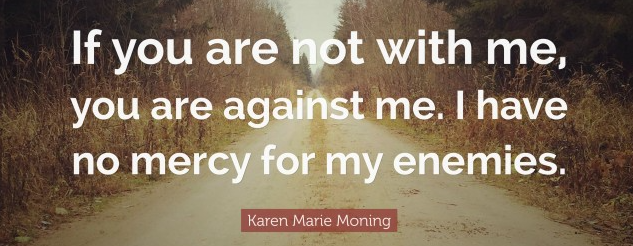
Throughout human history, societies and political movements have often relied on binary thinking to rally support, establish identity, and assert power. In Burmese political and social discourse, this mindset is powerfully captured by the phrases “လူ့စည်း ဘီလူးစည်းခွဲခြင်း” (drawing a boundary between the realm of humans and the realm of ogres) and “ရန် ငါ ပြတ်သည်” (drawing a sharp, uncompromising line between “enemy” and “self”). In the English-speaking world, this exact sentiment echoes in the famous ultimatum: “If you are not with us, you are against us.” Together, these expressions illustrate a worldview where neutrality is erased, nuance is rejected, and the world is divided strictly into allies and adversaries.
At its core, this mindset serves as a tool for mobilization and survival. In times of existential crisis, war, or severe oppression, leaders and movements often argue that clear boundaries are necessary to protect the group and maintain unity. By framing a struggle as “humans versus ogres,” one side claims complete moral legitimacy while dehumanizing the opposition. Similarly, establishing a strict Yan-Nga (enemy-self) distinction forces individuals to choose a side, eliminating hesitation and building fierce loyalty within the in-group. From this perspective, ambiguity is seen as a dangerous weakness that benefits the adversary.
However, the long-term consequences of absolute polarization are deeply destructive to social cohesion and democratic dialogue. When a society operates strictly on the logic of “with us or against us,” moderate voices, peacemakers, and critical thinkers are often silenced or branded as traitors. Dehumanizing opponents—viewing them as Biluu (ogres) rather than fellow human beings with differing views or grievances—makes compromise, reconciliation, and peaceful conflict resolution nearly impossible. Instead of addressing root causes or seeking common ground, communities become locked in endless cycles of hostility and distrust.
Ultimately, while drawing sharp boundaries between “us” and “them” can create short-term solidarity, sustainable peace and progress require moving beyond rigid binaries. Recognizing the shared humanity across divides—and allowing space for complexity, dissent, and dialogue—is essential for building a resilient and inclusive society.
ဝလုံးနဲ့ကျော်စိုးဦးကို နိုင်ငံတော်လျှို့ဝှက်ချက်ဖော်ထုတ်မှုနဲ့ ဖမ်းဆီးထောင်ချတာကို တနိုင်ငံလုံး လက်ခုတ်တီးအားပေးကြတာတင်မကပဲ ခြိမ်းလားခြောက်လားတွေတောင်လုပ်ခဲ့တာ။ ခုတော့ မမျှတဘူးပေါ့လေ။ အမှန်က စစ်တပ်က လောဘကြီးလွန်သွားတာပါ။
၂၀၁၂ သီတာထွေးကိုအကြောင်းပြုပြီး ဇော်ဌေးတို့ ရဲထွတ်တို့ရဲ့ မှိုင်းတိုက်မှုနဲ့အတူ တိုင်းရင်းသားပါဆိုတဲ့ ကမန်တွေရဲ့ ဌာနေဖြစ်တဲ့ ရမ်းဗြဲမြို့အပါအဝင် စစ်တွေကနေ သံတွဲအထိ ရှင်းလိုက်နိုင်တယ်။
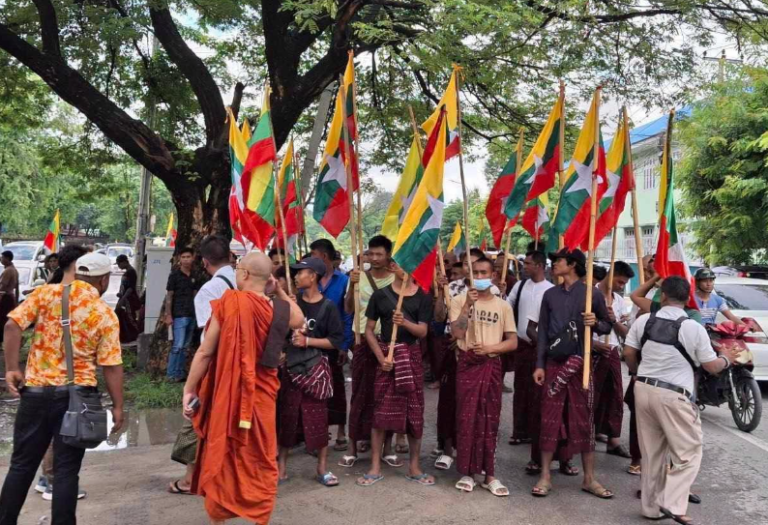
ဒီတုန်းက စစ်တပ်က တိုက်ရိုက်မပါဘူး။ ရှေ့ဆုံးက ရခိုင်အရပ်သားတွေတင်ပြီး မီးရှို့ဖျက်ဆီးခိုင်းတယ်။ နောက်ကနေ သူတို့ ကာကွယ်ပေးထားတယ်။ လူအသေအပျောက်လည်း သိပ် မများဘူး။
ပြီးတော့ မိတ္ထိလာ လားရှိုး ရန်ကုန် စသည်ဖြင့် လုပ်သွားတာ။
အဲ့ဒီတုန်းက ဘယ်လောက်ထိ စိတ်အားထက်သန်နေလဲဆိုရင် မြန်မာနိုင်ငံကိုလာပြီး ညှိနှိုင်းနေတဲ့ ကုလသမဂ္ဂအထူးကိုယ်စားလှယ် ကင်တားနားကိုတောင် ရန်ပြုလွှတ်လိုက်တာ။ ဟိုက ကြောက်လန့်ပြီး အသန်းအသန်ထွက်ပြေးခဲ့ရတာ။
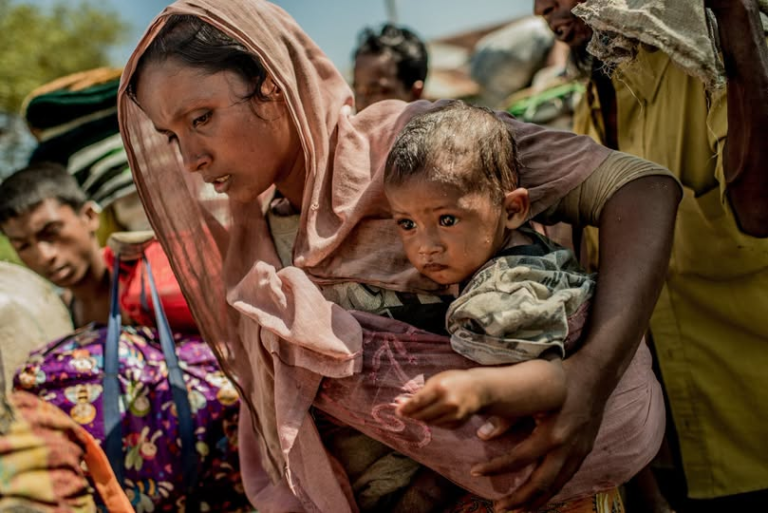
အဲ့လောက်လုပ်လို့မဝသေးပဲဘ၂၀၁၇ စစ်တပ်က သူကိုယ်တိုင် ဝင်ကျုံးလိုက်တာ ခုအခြေအနေထိပဲ။