1/ Preface by Phyo Win Latt
“This article observes that ‘educated elites in Myanmar recognize the logical contradictions of religion, yet lack the courage to question tradition.’ This view evaluates our situation using the Western historical trajectory (Renaissance $\rightarrow$ Reformation $\rightarrow$ Enlightenment). As discussed in our ‘Anyathiyan’ paper, such Eurocentric perspectives can cause us to overlook the intricate details of our unique history and political structure. The problem in Myanmar is not that religion dominates the state, but rather that the state weaponizes religion for its own ends.
The article suggests that the monastic order uses its coercive authority to suppress ideological challengers. While superficially plausible, we must re-examine the statecraft and ‘state technology’ of Burmese monarchs, which we analyzed in detail in the ‘Anyathiyan’ paper. As discussed there, the relationship between the State and the Church (monarchy and sangha) in Burmese history was not one of adversarial contestation as seen in Europe. Burmese monarchs systematically controlled the monastic institution to prevent it from entering the political sphere by leveraging ‘anatta’ (non-self)—an inherent vulnerability in Theravada Buddhism. By assuming the role of Sasana-da-yaka (Patron of the Faith) and undertaking ‘purification’ (shodhana) of the Sasana, kings did not act purely out of piety; they ensured monastic discipline so that monks would remain detached from politics and worldly power.
Therefore, the core problem is not an independent religious institution suppressing free thought, but rather political authorities (monarchs, and later military regimes) using religion as a tool to secure their own rule. As noted in the ‘Anyathiyan’ paper: ‘Kings exerted tremendous effort to ensure monks maintained strict monastic discipline (vinaya). This was not done for the sake of Buddhism itself, but because disciplined monks have fewer desires—greed, hatred, and delusion—and thus will not meddle in politics.’ This observation holds true to this day.
Furthermore, Myanmar’s modern intellectuals do not fail to question religion out of sheer cowardice; rather, their modes of resistance are different. The notion of ‘lacking the courage to question’ can be re-examined through James C. Scott’s concept of ‘Weapons of the Weak’, discussed in the ‘Anyathiyan’ paper. When people do not directly confront the ruling ideology, it is not merely due to fear or lack of intellect; they often possess alternative, subterranean forms of resistance. As argued in the ‘Anyathiyan’ paper, nat worship (nat kyo ko kway hmu) serves as both a form of state evasion (state evasion) away from centralized state control and a ‘People’s Culture’ opposing the ruling elite’s ‘High Culture.’ Though not an intellectualized ideological challenge like the European Reformation, this is a distinct form of resistance whereby ordinary people carve out their own cultural sphere to escape state hegemony.
In conclusion, the problem we face is not a clash between ‘science’ and ‘dogmatic religion’ as seen in Europe, but rather a structural crisis of the ‘Buddhist-Burmancentric State-Building System’, which intertwines political power with religion to perpetuate authoritarian rule. Until this system is dismantled, a true Age of Enlightenment will never reach our shores.”
2/ Excerpts from “Religious Riots are Trump Cards for Dictators and Dirty Politicians”
(By Dr. Ko Ko Gyi — Read original post)
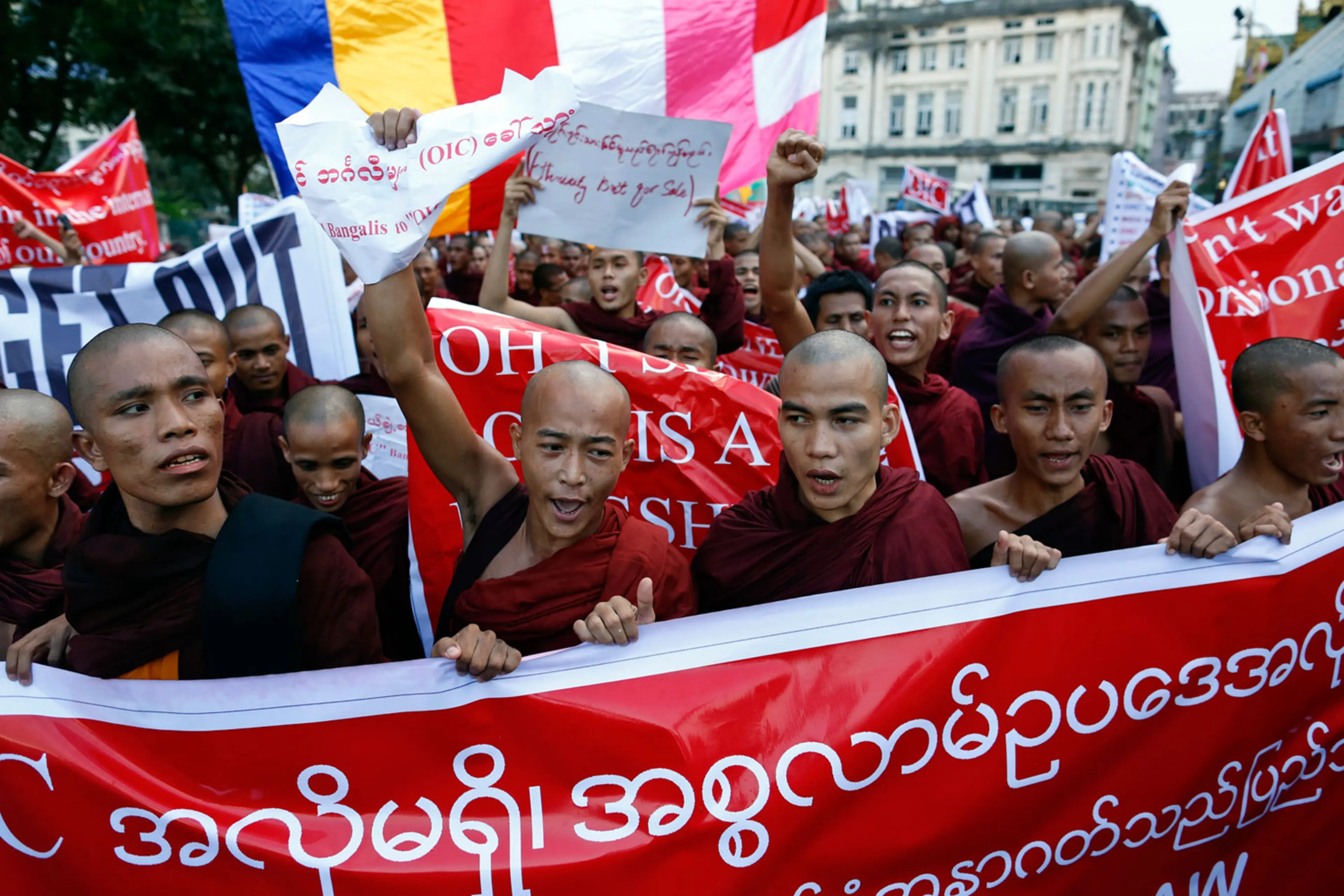
PATRIOTISM is the greatest, most utilized, proven, and DANGEROUS rhetoric—invoking the fear of the disappearance of Race, Religion, and Country. Using patriotism to drive “OTHERS AGAINST US” is a potent rhetoric for elections and national crises. In this dynamic, an easy soft target, scapegoat, or sacrificial lamb (such as “foreigners” or “migrants”) is always sought. Religious minorities are typically marked as “migrants” or “foreigners” to instigate religious riots. As Samuel Johnson rightly observed, “Patriotism is the last resort of scoundrels.”
RELIGION is the trump card of corrupt politicians and regimes:
- They claim politics is dirty, yet claim politics is religion—contradicting themselves in the same breath. Is politics religion? Of course not.
- By doing so, they hope to confuse public discourse and obscure real structural issues. Theirs is opportunism, not politics.
Religion vs. Politics:
- Religion concerns individual conscience and the hereafter, whereas politics is a secular social science.
- As a social science, politics must safeguard individual rights, including freedom of worship. Mixing religion with politics violates the true spirit of religion.
- Slogans regarding race, religion, and language do not constitute nationalism alone. Workers, peasants, clerks, and traders are ultimately concerned with livelihood—fair wages, secure tenure, and decent living conditions. This everyday struggle is true politics. Politics is human, practical, and understandable—not dirty, dangerous, or mystical.
3/ Augustus Linn’s Historical Perspective on the Reformation & Asian Context
■ The European Reformation: The wave of religious conflict in Christendom was far from peaceful, shaking Europe through the European Wars of Religion. Culminating in the mid-17th century, the Peace of Westphalia (1648) established modern sovereign nation-states and guaranteed rights of religious coexistence despite denominational divides. This era diminished the absolute authority of the Pope and divine-right monarchs, cultivating modern nationalism where citizens’ allegiance belongs to the state. It influenced Enlightenment thinkers like Voltaire and inspired resistance against traditional authorities during the French Revolution, giving rise to the Separation of Church and State.
■ The Eastern/Myanmar Context: Unlike Europe’s sequential trajectory (Renaissance $\rightarrow$ Reformation $\rightarrow$ Revolution) accompanied by the rise of science, Myanmar and traditional Eastern societies lack an analogous historical break, possessing instead an unbroken, continuous cultural tradition. Monarchy and religion formed a socio-political structure bound by a patron-client (Sayar-Daka) relationship. While contemporary educated elites across the East recognize the logical fallacies of religion due to modern science, they face intense structural inertia and struggle to challenge traditional authority.
■ The Monastic Institution: Though monastic institutions in Myanmar do not wield the raw temporal power of medieval Catholic popes, they rarely tolerate ideological challenges to Theravada orthodoxy or traditional customs, often backed by coercive state mechanisms or rulers claiming the title of Sasana-da-yaka. The question arises: without indigenous traditions of humanism and reform taking root across conservative Asian societies, can they ever catch up to the Age of Enlightenment?
Part 2: Fact-Check & Historical Context
- “Weapons of the Weak” & State Evasion:
- Fact Check: Accurately attributed to political scientist James C. Scott (from his seminal works Weapons of the Weak: Everyday Forms of Peasant Resistance and The Art of Not Being Governed). Scott’s theories regarding upland or localized alternative practices (such as spirit/nat worship or shifting identities) as structural flight paths (state evasion) from lowland hydraulic despotisms fit Phyo Win Latt’s sociopolitical analysis of Myanmar seamlessly.
- Burmese Monarchy & Monastic Control (State Technology):
- Fact Check: Historically, monarchs like King Mindon and King Thalun heavily utilized the Vinaya (monastic disciplinary code) to legitimize state oversight. Convening ecclesiastical councils (Sangayana) and issuing royal edicts (Sasana-baing appointments) served to purify the monastic order, preventing independent monastic factions from becoming rival power centers or political threats.
- Samuel Johnson Quote:
- Fact Check: Correctly cited. The 18th-century English writer Samuel Johnson famously stated on April 7, 1775, that “Patriotism is the last resort of a scoundrel,” directed at false, inflammatory nationalism rather than genuine civic love of country.
- Peace of Westphalia (1648):
- Fact Check: Accurate. The Westphalian treaties ended the Thirty Years’ War and the Eighty Years’ War, establishing the principle of state sovereignty (cuius regio, eius religio evolved into secular statehood).
Part 3: Further References & Academic Reading
To deepen the analytical framework connecting state-building, religion, and resistance in Southeast Asia, consider referencing these core texts:
- James C. Scott: The Art of Not Being Governed: An Anarchist History of Upland Southeast Asia (Yale University Press) – Essential reading for understanding localized “state evasion” and peasant survival mechanisms.
- Maitrii Aung-Thwin: The Return of the Dhamma: Transitionism and Power in Burma (University of Hawai’i Press) – Examines how state authorities and colonial/post-colonial regimes interacted with Buddhist institutions and political legitimacy.
- E. Sarkisyanz: Buddhist Backgrounds of the Burmese Revolution – A foundational text analyzing how traditional Theravada worldview concepts intertwined with modern political ideology and anti-colonial nationalism in Burma.
- The Peace of Westphalia (1648): Primary documents and historical overviews via Britannica detailing the separation of sovereign statecraft from papal hegemony.
ဒီဆောင်းပါးမှာ “မြန်မာနိုင်ငံက ခေတ်ပညာတတ်တွေဟာ ဘာသာရေးရဲ့ ယုတ္တိမတန်မှုကို သိပေမဲ့ အစဉ်အလာကို မေးခွန်းထုတ်ဖို့ ဝံ့မရဲဖြစ်နေတယ်” လို့ သုံးသပ်ထားပါတယ်။ ဒီအမြင်က ဥရောပရဲ့ သမိုင်းအတွေ့အကြုံ (Renaissance -> Reformation -> Enlightenment) ဆိုတဲ့ ပေတံနဲ့ ကျွန်တော်တို့ရဲ့ အခြေအနေကို တိုင်းတာနေသလို ဖြစ်နေပါတယ်။ ကျွန်တော်တို့ ရဲ့”အညာသီယံ” စာတမ်းမှာ ဆွေးနွေးခဲ့သလိုပဲ၊ ဒီလို ဥရောပဗဟိုပြုအမြင်က ကျွန်တော်တို့ရဲ့ သီးခြားသမိုင်းနဲ့ နိုင်ငံရေးဖွဲ့စည်းပုံရဲ့ အနုစိတ်တဲ့ အချက်တွေကို လွဲချော်သွားစေနိုင်ပါတယ်။ မြန်မာနိုင်ငံရဲ့ ပြဿနာက သာသနာက နိုင်ငံတော်ကို စိုးမိုးတာမဟုတ်ဘဲ၊ နိုင်ငံတော်က သာသနာကို လက်နက်တစ်ခုလို အသုံးချနေတာပါ။ ဒီဆောင်းပါးမှာ သံဃာ့အဖွဲ့အစည်းက အယူဝါဒကို စိန်ခေါ်သူတွေကို အာဏာစက်နဲ့ ဖိနှိပ်တယ်လို့ ဆိုထားပါတယ်။ ဒါဟာ အပေါ်ယံကြည့်ရင် မှန်သလိုရှိပေမဲ့၊ “အညာသီယံ” စာတမ်းမှာ ကျွန်တော်တို့ အသေးစိတ် ခွဲခြမ်းစိတ်ဖြာဆွေးနွေးခဲ့တဲ့ ဗမာဘုရင်တွေရဲ့ နိုင်ငံတည်ဆောက်ရေးနည်းပညာ (state technology) ကိုလည်း ပြန်ကြည့်ဖို့လိုပါလိမ့်မယ်။ အဲ့ဒီစာတမ်းမှာ ဆွေးနွေးခဲ့သလိုပဲ၊ ဗမာ့သမိုင်းမှာ State နဲ့ Church (ဘုရင်နဲ့ သံဃာ) ရဲ့ ဆက်ဆံရေးဟာ ဥရောပကလို အားပြိုင်တဲ့ပုံစံမျိုး မဟုတ်ခဲ့ပါဘူး။ ဗမာဘုရင်တွေဟာ ထေရဝါဒဗုဒ္ဓဘာသာရဲ့ အားနည်းချက်ဖြစ်တဲ့ “အနတ္တ” ကို အသုံးချပြီး သံဃာ့အဖွဲ့အစည်းကို နိုင်ငံရေးအာဏာထဲ ဝင်မလာနိုင်အောင် စနစ်တကျ ထိန်းချုပ်ခဲ့ကြပါတယ် ။ ဘုရင်က “သာသနာ့ဒါယကာ” အဖြစ် ခံယူပြီး သာသနာကို “သန့်စင်ပေးခြင်း” (purification) ဟာ ဘာသာရေးကိုင်းရှိုင်းလို့မဟုတ်ဘဲ၊ ဘုန်းကြီးတွေ ဝိနည်းလုံမှ နိုင်ငံရေးဝင်မရှုပ်မှာဖြစ်တဲ့အတွက်ကြောင့်ပါ။ ဒီတော့ တကယ့်ပြဿနာက ဘာသာရေးအဖွဲ့အစည်းတစ်ခုက လွတ်လပ်စွာတွေးခေါ်မှုကို ဖိနှိပ်နေတာဆိုတာထက်၊ နိုင်ငံရေးအာဏာပိုင် (ဘုရင်၊ နောက်ပိုင်းမှာ စစ်တပ်) က ဘာသာရေးကို သူ့ရဲ့ အာဏာတည်မြဲရေးအတွက် လက်ကိုင်တုတ်အဖြစ် အသုံးချနေတာပါ။ “အညာသီယံ” စာတမ်းမှာ ပြောခဲ့သလို “ဘုရင်က ဘုန်းကြီးများကို ဝိနည်းလုံအောင် အင်မတန် အားထုတ်ရတယ်။ အဲဒါ ဗုဒ္ဓဘာသာအတွက် လုပ်တာမဟုတ်ဘူး။ ဘုန်းကြီးက ဝိနည်းလုံမှ လောဘ၊ ဒေါသ၊ မောဟ နည်းမှာလေ။ နိုင်ငံရေးဝင်မရှုပ်မှာလေ” ဆိုတဲ့ အချက်က ဒီနေ့ခေတ်အထိ မှန်ကန်နေတုန်းပါပဲ။
ပြီးတော့ မြန်မာနိုင်ငံက ခေတ်ပညာတတ်တွေဟာ ဘာသာရေးရဲ့ ယုတ္တိမတန်မှုကို သိပေမဲ့ မေးခွန်းမထုတ်ဝံ့တာမဟုတ်ဘူး၊ ခုခံတွန်းလှန်တဲ့ပုံစံ ကွဲပြားတာပါ။ “မေးခွန်းထုတ်ဖို့ မဝံ့မရဲရှိတယ်” ဆိုတဲ့အချက်ကိုလည်း “အညာသီယံ” စာတမ်းမှာ ဆွေးနွေးခဲ့တဲ့ “Weapons of the Weak” (အားနည်းသူများ၏ လက်နက်များ) ဆိုတဲ့ အမြင်နဲ့ ပြန်လည်ချိတ်ဆက်ကြည့်လို့ရပါတယ်။ လူတွေက အုပ်စိုးသူရဲ့ ideology ကို တည့်တည့်တိုး စိန်မခေါ်တဲ့အခါ၊ ဒါဟာ သူတို့ ကြောက်နေလို့၊ ဒါမှမဟုတ် အသိဉာဏ်မမီလို့ချည်းပဲ မဟုတ်ပါဘူး။ သူတို့မှာ ကိုယ်ပိုင်ခုခံတွန်းလှန်တဲ့ နည်းလမ်းတွေ ရှိနေတတ်ပါတယ်။ “အညာသီယံ” စာတမ်းမှာ “နတ်ကိုးကွယ်မှု” ဟာ နိုင်ငံတော်ရဲ့ ဗဟိုချုပ်ကိုင်မှုကနေ ရှောင်ဖယ်ခွာနေခြင်း (state evasion) ပုံစံတစ်မျိုးဖြစ်သလို ၊ အုပ်စိုးသူရဲ့ “High Culture” ကို ဆန့်ကျင်တဲ့ “People’s Culture” တစ်ခုလည်း ဖြစ်တယ်လို့ ဆွေးနွေးခဲ့ပါတယ် ။ ဒါဟာ ဥရောပက Reformation လို ပညာတတ်ဆန်တဲ့ အယူဝါဒရေးရာ စိန်ခေါ်မှုမျိုးမဟုတ်ပေမဲ့၊ သာမန်လူတွေက သူတို့ရဲ့ ကိုယ်ပိုင်ယဉ်ကျေးမှုနယ်ပယ်လေးကို ဖန်တီးပြီး နိုင်ငံတော်ရဲ့ လွှမ်းမိုးမှုကနေ ရုန်းထွက်နေတဲ့ “ခုခံတော်လှန်ရေး” ပုံစံတစ်မျိုးပါပဲ။ အချုပ်အားဖြင့်ဆိုရရင်၊ ကျွန်တော်တို့ ရင်ဆိုင်နေရတဲ့ ပြဿနာက ဥရောပမှာလိုမျိုး၊”သိပ္ပံပညာ” နဲ့ “ရှေးရိုးစွဲဘာသာရေး” ကြားက ပဋိပက္ခဆိုတာထက်၊ နိုင်ငံရေးအာဏာကို ဘာသာရေးနဲ့ ရောစပ်ပြီး သူ့ရဲ့ အာဏာတည်မြဲရေးအတွက် အသုံးချနေတဲ့ “ဗုဒ္ဓဘာသာ-ဗမာဗဟိုပြု နိုင်ငံတော် တည်ဆောက်ပုံ စနစ်” ကြီးရဲ့ ပြဿနာပဲ ဖြစ်ပါတယ်။ ဒီစနစ်ကို မဖြိုဖျက်နိုင်သမျှကာလပတ်လုံး၊ တကယ့် အသိဉာဏ်အလင်းပွင့်တဲ့ခေတ်ဆိုတာ ကျွန်တော်တို့ဆီကို ဘယ်တော့မှ ရောက်လာမှာ မဟုတ်ပါဘူးခင်ဗျာ။
■ ” The Reformation ” သို့
ဥရောပတိုက်တွင် ( The Age of Enlightenment ) အသိဥာဏ်အလင်းပွင့်သောခေတ်ကို ရောက်ဖို့ရာ Renaissance ကနေ မြစ်ဖျားခံပြီး ပြင်သစ်တော်လှန်ရေးကြီးကနေ တွန်းတင်ပေးလိုက်တယ်လို့ ယူဆကြတယ်။ ခေတ်ပြိုင်ယှဥ်လျက် သိပ္ပံပညာထွန်းကားလာတာကြောင့် ယခင်က သဘာဝလွန်လို့ ယုံကြည်ခဲ့ကြတဲ့ အကြောင်းအရာတွေကို အချက်အလက်နဲ့ ရှင်းပြလို့ရလာတယ်။
တနည်း Facts နှင့် Faith ကွဲသွားတယ်။ ဘာသာရေး အာဏာစက်၏ လူမှုဘဝကို တင်းကြပ်စွာ ထိမ်းချုပ်ထားခြင်းကနေ လွတ်မြောက်ပြီး လွတ်လပ်တဲ့ အတွေးအခေါ်, အယူအဆတွေကို ကွန့်မြူးလာနိုင်တယ်။
■ အနောက်တိုင်း နိုင်ငံရေး ဖြစ်ပေါ်ပြောင်းလဲမှုမှာ အရေးပါလှပေမယ့် Continental Europe ပြင်ပမှာ မထင်ရှားလှတာကတော့ Reformation ပဲ။ ရီနေးစန့်ကာလမှာ လူသားဗဟိုပြု Humanism ပြန်လည်ထွန်းကားလာပြီး ဂရိနှင့် ရောမသမ္မတနိုင်ငံ Classical ခေတ်၏ အတွေးအခေါ် အယူအဆတွေကို ပြန်လည်လေ့လာလိုက်စားလာကြတယ်။ ထိုကနေ ပြင်သစ်တော်လှန်ရေး ခေတ်ပြောင်းစနစ်ပြောင်းတော်လှန်ရေး မဖြစ်မီ ချပ့်ကျောင်းတော်နှင့် ပြည့်ရှင်ပဒေသရာဇ်တို့၏ အကြွင်းမဲ့အာဏာကို စိန်ခေါ်ပြီး အားနည်းသွားစေခဲ့တာက Reformation ဖြစ်တယ်။
■ ၁၆ ရာစုအစတွင် မာတင်လူသာ အစပျိုးလိုက်သော , ( တနည်း မီးစမွှေးလိုက်သော ) ဘာသာရေး အတွေးအခေါ် ပြုပြင်ပြောင်းလဲရေးသည် ခရစ်ယာန်ကမ္ဘာမှာ ယုံကြည်ဆည်းကပ်မှုဆိုင်ရာ အခြေအမြစ်ကိုသာမက နိုင်ငံတော်များ တည်နေဟန် အုတ်မြစ်ကိုပါ ဆွဲနှဲ့ဖြိုဖျက်လိုက်တယ်။
ထိုကာလမတိုင်ခင်က ကက်သလစ်ကျောင်းတော်သည်ပင် The Church ဖြစ်တယ်။ အရှေ့တိုင်း အောက်သိုဒေါ့ , အီဂျစ် Coptic Church နှင့် ရှေးဦးအသင်းတော်များ ရှိကြပေမယ့် အနောက်ဥရောပ Christiandom တွင် ( The Pope ) ရဟန်းမင်းကြီးသည် တဦးသော ဘုရားသခင်၏ ကိုယ်စားလှယ်ဖြစ်တယ်။
မင်းဧကရာဇ်တို့သည် ကက်သလစ်ကျောင်းတော်၏ ကောင်းချီးပေးမှုဖြင့် အာဏာစက်ကို တရားဝင်စေတယ် , သာသနာကို စောင့်ရှောက်သူအဖြစ် ခံယူတယ်။ ရဟန်းမင်းနှင့် ပြည့်ရှင်မင်းတို့၏ သဟဇာတဖြစ်ခြင်းဖြင့် နိုင်ငံရေးစနစ်ကို အခြေခိုင်မာစေတယ်။ HRE ဧကရာဇ်တို့ကို ရဟန်းမင်းကြီးက ဘိသိတ်သွန်း သရဖူဆောင်းပေးတယ်။ ပြည့်ရှင်မင်းတို့၏ အာဏာသည် အကြွင်းမဲ့ဖြစ်နေခြင်းသည် ရဟန်းမင်းမှတဆင့် ဘုရားသခင်၏ Blessing ကို ရယူနိုင်သောကြောင့်ဖြစ်တယ်။
■ တခုတည်းသော ကျောင်းတော်အဖြစ် တည်ရှိနေမှုကို စိန်ခေါ်လာတဲ့ ကွဲပြားသော အယူအဆ, အတွေးအခေါ် ဂိုဏ်းကွဲတွေကို လက်ခံလေ့မရှိဘူး။ ဥပမာအားဖြင့် ပြင်သစ်နိုင်ငံတောင်ပိုင်းတွင် အားကောင်းလာသော Cathar ဝါဒကို Albigensian Crusade ဆင့်ခေါ်ပြီး အမြစ်ဖြတ် နိုမ်နင်းဖို့ ကြိုးပမ်းခဲ့တယ်။ ကရူးဆိတ်ကာလမှာ ကျူးလွန်သမျှသော ပြစ်မှုအတွက် လွတ်ငြိမ်းခွင့်ရပြီး ကောင်းကင်ဘုံကို တိုက်ရိုက်သွားနိုင်မယ်လို့ ကတိပေးတာမို့ ကရူးဆိတ်တွင် ပါဝင်လိုသူ များပြားတယ်။ Béziers မြို့နေလူထု အစုလိုက်အပြုံ -တ်ဖြတ်ခံရတယ်။
စီရင်ခြင်းမပြမီ လူထုကို ကက်သလစ်လား , Cathar လား တဦးချင်းစီ မခွဲခြားတော့ပဲ ခရူးဆိတ်ခေါင်းဆောင် ဘုန်းတော်ကြီး Arnaud Amalric ကနေ
“Caedite eos. Novit enim Dominus qui sunt eius”
( တဦးမကျန် -တ် , ဘုရင်းသခင်က ဘယ်သူက သူ့လူမှန်းသိတယ် ) လို့ ဟစ်ဆိုတယ်။ ကောင်းကင်ဘုံဂိတ်တံခါးရောက်ခါမှ လူခွဲပလေ့စေဟု ဆိုလိုတယ်။
သာသနာပိုင်အဖြစ် နောက်ထပ် လက်ဝယ်ပိုင်ဆိုင်သော လက်နက်သည် Excommunication ဖြစ်မယ်။ ယင်းသည် စစ်သည်သူရဲ သောင်းဂဏန်းထက် အစွမ်းထက်တယ်။ လူပုဂ္ဂိုလ် , ပဒေသရာဇ်တဦးသည် Excommunicate အလုပ်ခံရပါက ကျောင်းတော်ပြင်ပကို ကန်ထုတ်ခံရပြီးဖြစ်တာမို့ ငရဲသွား လက်မှတ်ဖြတ်ထားတာနဲ့တူတယ်။ ဒိဠိဖြစ်သွားသော ပဒေသရာဇ်တဦး ပိုင် နယ်မြေများသည် ကောင်းကင်ဘုံ၏ Mandate နှင့် အစောင့်အရှောက် မရှိတာမို့ ဦးရာလူက သိမ်းယူနိုင်သလို လက်အောက်ခံများသည် သစ္စာဆက်လက်တည်စရာ Obligation မရှိတော့ပြီ။ ပတ္ထနိက္ကုဇ္ဇနကံဆောင်ခြင်းထက် ပိုမို ပြင်းထန်လွန်းသည်ဟုဆိုရမယ်။
အလယ်ခေတ်တွင် ရဟန်းမင်းတို့သည် ဘာသာရေးအာဏာပိုင်အဖြစ်သာမက မြေပိုင်နယ်ပိုင် လောကီသား ပဒေသရာဇ်တွေလည်းဖြစ်လာတာကြောင့် ဘာသာရေးနှင့် နိုင်ငံရေး လက်နက်၂ခုကို အလျဥ်းသင့်သလို သုံးစွဲခဲ့ကြတယ်။ ( Papal States ) ပုပ်ရဟန်းမင်းနိုင်ငံတော်အပြင် ဥရောပတလွှား လွတ်လပ်သော ရဟန်းမင်းပြည်ထောင်များ အလျှိုလျှိုပေါ်ထွန်းခဲ့တယ်။ Holy Roman ဧကရာဇ်ကို ရွေးချယ်သော Prince-Electors ၇ ဦးတွင် ၃ ဦးသည် Mainz , Trier နှင့် ကိုလုန်း Archbishop များဖြစ်ပြီး ယင်းတို့ တိုက်ရိုက်အုပ်ချုပ်သော နယ်မြေများသည် ပမာဏမသေးလှပါ။
■ ကက်သလစ်အသင်းတော်၏ သင်ကြားမှုတွင် လူသားတို့၏ အပြစ်များကို လျော့ပေါ့စေခြင်းငှာ ( Indulgence ) ကောင်းမှုပြုလို့ရတယ်။ Pilgrimage ထွက်ခြင်း , ရွတ်ဖတ်ပူဇော် ပြုခြင်းဖြင့် များဖြင့် ( Purgatory ) ကြားကာလ အပြစ်ဒဏ်ခံရမည့်ကာလကို တိုတောင်းစေနိုင်တယ်။ အများပြည်သူ အကျိုးငှာ လျူဒါန်းပေးကမ်းခြင်းသည်လည်း Indulgence ပြုခြင်း တနည်းလို့ လက်ခံကြတယ်။ Indulgence ပြုခြင်းဖြင့် လွန်လေပြီးသော သူတော်စင်တို့၏ လုပ်ဆောင်ချက်များကို မျှယူခံစားပြီး မိမိ၏ အပြစ်ကို ပိုမိုလျှင်မြန်စွာ ဆေးကြောခွင့်ရစေတယ်။
ပုပ်ရဟန်းမင်းကြီးတို့သည် စိန့်ပီတာကို ဆက်ခံသူ ကိုယ်စားလှယ်တော်အနေဖြင့် အပြစ်သားတွေကို ကယ်တင်ပေးဖို့ အခွင့်အာဏာရှိတယ်လို့လဲ ယူဆထားတယ်။ အလယ်ခေတ်တွင် ( Sin ) အကုသိုလ်နဲ့ အပြစ်ကို လျော့ပေါ့စေခြင်းငှာ ( Indulgence Certificate ) ကယ်တင်ခြင်းလက်မှတ်တွေကို ( ကက်သလစ် ) ကျောင်းတော်က ထုတ်ရောင်းသည့် အလေ့အထ ခေတ်စားလာတယ်။ မိမိအတွက်သာမက ကွယ်လွန်ပြီးသား ဆွေမျိုးသားချင်းများ , အနာဂတ်အတွက် လက်မှတ်များပါ ကြိုတင်ဝယ်ယူနိုင်တယ်။
ယနေ့ မြင်တွေ့ရသော ဗာတီကန်စီးတီးရှိ ခမ်းနားလှသော St. Peter’s Basilica ကို တည်ဆောက်ဖို့ရာ ဘဏ္ဍာငွေ အမြောက်အများလိုအပ်သောအခါ ပုပ်ရဟန်းမင်းကြီး Leo X သည် Indulgence Certificate ရောင်းချခြင်းကို မားကတ်တင်းအစီအစဥ် အကြီးအကျယ်ပြုပြီး စီးပွားဖြစ်လုပ်ရတယ်။ ဒီအခါ စနစ်ကို အလွဲသုံးစားပြုမှု ဖြစ်ပေါ်သလို မကျေနပ်တွေလည်းများပြားလာတယ်။
■ ခရစ်-၁၅၁၇ ခုနှစ် အောက်တိုဘာ ၃၁ ရက်နေ့တွင် မာတင်လူသာဟူသော ဂျာမန်ဘုန်းတော်ကြီးသည် ( Ninety-five These ) ၉၅ စောင်သော ပြဌာန်းချက်ကို ထုတ်ပြန်ပြီး ကယ်တင်ခြင်းလက်မှတ်ရောင်းသည့် လုပ်ငန်းကို ဝေဖန်စိန်ခေါ်ခဲ့တယ်။ တပါတည်း ခရစ်ယာန်ဘာသာရေးတွင် ပုပ်ရဟန်းမင်းကြီးနှင့် ကက်သလစ်ကျောင်းတော်၏ အခန်းကဏ္ဍကိုပါ မေးခွန်းထုတ်လိုက်တယ်။
ဤကစတင်လိုက်သော ဝါဒရေးရာ အငြင်းပွားမှုသည် ပိုမိုကျယ်ပြန့်လာပြီး အနောက်တိုင်းခရစ်ယာန်ကမ္ဘာတွင် ဂိုဏ်းကွဲ အသင်းတော်များ ပေါ်ပေါက်လာတယ်။ ကက်သလစ်အသင်းတော်၏ အာဏာကျဆင်းတယ်။ မာတင်လူသာ၏ အလိုအရ ကက်သလစ်အသင်းတော်နှင့် ရဟန်းမင်းကြီး၏ အာဏာကို ငြင်းပယ်ပြီး The Bible ( သမ္မာကျမ်းစာ ) သည်သာ တခုတည်းသော ပြဌာန်းချက်ဖြစ်တယ်လို့ ခံယူတယ်။ သူတော်စင် ( စိန့် ) တို့၏ အခန်းကဏ္ဍကိုလည်း ဂုဏ်ပြုခံအဆင့်ကို လျော့ချထားတယ်။
■ မာတင်လူသာမတိုင်ခင်ကပင် အလားတူ ပြုပြင်ပြောင်းလဲလိုသော အတွေးအခေါ်များကို ထုတ်ဖော်ကြသူ , ကက်သလစ်ကျောင်းတော်၏ အယူအဆကို စိန်ခေါ်သူများ ရှိခဲ့ကြပြီးသားပါ။ အဂ်လိပ်ဘုန်းတော်ကြီး John Wycliffe နှင့် ဘိုဟီးမီးယန်း Jan Hus တို့ကဲ့သို့ ကျောင်းတော်နှင့် ဝါဒရေးရာ အားပြိုင်မှုသူများ အနေဖြင့် Heresy တံဆိပ်အကပ်ခံရသလို Jan Hus လို ကွပ်မျက်ခံခဲ့ရသူများလည်း များပြားလှတယ်။
မာတင်လူသာလက်ထက် Reformation တခေတ်ဆန်းခဲ့သည်မှာ နည်းပညာအပြောင်းအလဲ ကြောင့်လည်း တစိတ်တပိုင်းပါဝင်တယ်။ ၄င်းလက်ထက်တွင် ပုံနိုပ်နည်းပညာ ပေါ်ပေါက်လာချိန်ဖြစ်ရာ အယူအဆအတွေးအခေါ်သစ်များ လူထုကြားထဲ ပျံ့နှံ့လွယ်တယ်။ သမ္မာကျမ်းစာကို လူတိုင်း လက်လှမ်းမှီအောင် ဘာသာပြန်ဆို၍ ပုံနိုပ်ကြတယ်။ ထိုမတိုင်ခင်က သမ္မာကျမ်းစာသည် လက်တင်ဘာသာဖြင့်သာ ရှိနိုင်ပြီး အုပ်ရေနည်းပါးရှားပါးလှရာ ကျောင်းတော်ကနေ နှုတ်ကပတ်တော်များ၏ အဓိပ္ပါယ်ဖွင့်ဆိုချက် , အစဥ်အလာ နှင့် ဓလေ့များကို မူပိုင်အဖြစ် ကြီးစိုးထားနိုင်ခဲ့တယ်။
■ မာတင်လူသာသည် ကျောင်းတော်ပြိုကွဲပါစေဟူသော ရည်ရွယ်ချက်ဖြင့် ၉၅ စောင်သော ပြဌာန်းချက်ကို လူသိရှင်ကြားချပြ၍ စိန်ခေါ်ခဲ့သည်တော့ မဟုတ်ပါ။ ဘုရားသခင်နှင့် The Bible ကို နှစ်နှစ်ကာကာ မြတ်နိုးလွန်းသူသာဖြစ်တယ်။ သို့သော် ၄င်းစတင်လိုက်သည့် လှုပ်ရှားမှုသည် ဥရောပလူ့ဘောင်ကို ထိမ်းချုပ်ထားခဲ့သော ကျောင်းတော်နှင့် ပဒေသရာဇ် အာဏာတို့၏ တရားဝင်မှုကို မေးခွန်းထုတ်ဖြစ်သွားစေတယ်။ လွတ်လပ်စွာ သီးခြားကွဲပြားသော အတွေးအခေါ်တို့ ဖြစ်ပေါ်လာဖို့ တွန်းအားပေးခဲ့တယ်။
Reformation စတင်ပြီး နှစ်အတန်ကြာကနေ ရာစုနှစ်အတွင်းမှာ ဥရောပရှိ နိုင်ငံတချို့သည် ကက်သလစ်ကျောင်းတော်ကနေ ခွဲထွက်ထားသော သီးခြားအသင်းတော်များကို ကူးပြောင်းကုန်ကြတယ်။ ဘေဆဲလ်မြို့ပြနိုင်ငံသည် Calvinist အဖြစ် ဦးစွာ ပြောင်းလဲယုံကြည်ခဲ့သလို ဆွီဒင်သည် Lutheran ဖြစ်လာတယ်။ Holy Roman Empire အတွင်းက များစွာသော ပဒေသရာဇ်များ , မင်းသားများ , ပြည်ထောင်များသည်လည်း ဆိုင်ရာ Protestant များဖြစ်လာကြတယ်။ ကက်သလစ်ကျောင်းတော်၏ ရှင်သန်မှုကို ကာကွယ်ဖို့ ပြောင်းလဲများကိုလည်း ပြုလုပ်ကြရာ Counter-Reformation လို့သိကြတယ်။
■ အဆိုပါ ခရစ်ယာန်ကမ္ဘာအတွင်းက ဘာသာရေးအယူဝါဒ ကွဲပြားမှုလှိုင်းသည် ငြင်ငြင်သာသာဖြစ်ခဲ့သည်တော့ မဟုတ်ပါ။ ဘာသာရေးစစ်ပွဲများ ဖြစ်ပွားပြီး ဥရောပတတိုက်လုံးကို သွက်သွက်ခါအောင် ကိုင်လှုပ်ခဲ့တယ်။ European wars of religion တွေ ဖြစ်ပွားခဲ့ပြီး ၁၇ ရာစုအလယ် အနှစ် ၃၀ စစ်အပြီးတွင်တော့ Peace of Wesphalia ဖြင့် ယနေ့ခေတ် အချုပ်အခြာအာဏာပိုင် နိုင်ငံတော်များတည်ဟန်ကို လက်ခံခဲ့ကြသလို အသင်းတော်ကွဲပြားသော်လည်း ဘာသာရေးလွတ်လပ်စွာ ကိုးကွယ်ပိုင်ခွင့်ကို သဘောတူခဲ့ကြတယ်။
ယင်းကာလမှာ ဘုရားသခင်ကောင်းချီးပေးသော ပုပ်ရဟန်းမင်းကြီးနှင့် အကြွင်းမဲ့ ပဒေသရာဇ်တို့၏ အာဏာလျော့ကျပြီး နိုင်ငံသားတို့၏ သစ္စာခံမှုသည် နိုင်ငံတော်ကိုသာ ဖြစ်သည်ဟူသော ခေတ်သစ် အမျိုးသားရေးဝါဒကို အားကောင်းလာစေတယ်။ Voltair ကဲ့သို့ အတွေးအခေါ် ပညာရှင်များကို သြဇာသက်ရောက်ခဲ့သလို ပြင်သစ်တော်လှန်ရေးကာလ အတွေးအခေါ်များသော အစဥ်အလာ အာဏာပိုင်များကို တွန်းကန်လိုစိတ်ကို စေ့ဆော်တယ် ။ နိုင်ငံတော်နှင့် ကျောင်းတော်၏ အခန်းကဏ္ဍကို ခွဲခြားလိုသော ( Separation of the Church and State ) ဖြစ်ပေါ်လာဖို့လဲ အတွေးအမြင်သစ်တွေ ကွန့်မြူးလာတယ်။
■ သီးခြား ဆင့်ကဲပြောင်းလဲလာသော အရှေ့တိုင်းကမ္ဘာက မြန်မာလူ့အဖွဲ့အစည်းတွင်တော့ ပြန်လည်တမ်းတရမည့် ကွဲပြားသော ခေတ်ကာလ မရှိပဲ သိမှီသမျှ တဆက်စပ်တည်းသော ယဥ်ကျေးမှုရှိတာကြောင့် Renaissance ဖြစ်စရာ မရှိဘူး။ မင်းနှင့် သာသနာဟာ ဆရာ-ဒကာ ဆက်ဆံရေးဖြင့် Socio-Political Structure ကို ထိမ်းချုပ်ထားတယ်။
ဥရောပ ခေတ်ပြောင်းသည်
Renaissance ( Humanism ) –> Reformation —> Revolution အစဥ်အတိုင်း ဖြစ်လာပြီး သိပ္ပံပညာ ထွန်းကားလာခြင်းက တဖြည်းဖြည်း လိုက်ပါ၍ အတွေးအခေါ်ပြောင်းလဲမှုကို ထောက်ပံ့ထားတယ်။
မြန်မာနိုင်ငံအပြင် ရှေးရိုးစွဲအားကောင်းနေသေးသော အရှေ့တိုင်းနှင့် အစ္စလာမ်ကမ္ဘာရှိ နိုင်ငံသားများသည် ယနေ့ခေတ် သိပ္ပံနှင့် နည်းပညာတို့၏ ကျေးဇူးကြောင့် ဘာသာတရားတို့၏ ယုတ္တိမတန်မှုကို သိရှိကြပြီးသော ခေတ်ပညာတတ်များ ဖြစ်ကြပြီးသားပါ။ သို့သော် ဘာသာရေးနှင့် အစဥ်အလာတို့၏ လွှမ်းမိုးမှုကို စိန်ခေါ်နိုင်မှု နည်းပါးတယ်။ မေးခွန်းထုတ်ဖို့ မဝံ့မရဲရှိတယ်။
■ ပြည်တွင်းတွင် သံဃာ့အဖွဲ့အစည်းဟူသော Monastic Institution သည် အလယ်ခေတ် ကက်သလစ်ကျောင်းတော်လောက် အာဏာမပြင်းသော်လည်း ထေရဝါဒနှင့် မိရိုးဖလာ အလေ့အထများကို အယူဝါဒအားဖြင့် စိန်ခေါ်ခြင်း , မထီမဲ့မြင်ပြုခြင်းများကို ခန္တီပါရမီ ဖြည့်တင်းသည်းခံလေ့ မရှိပဲ ဓမ္မစက်ဖြင့်လည်းကောင်း , သာသနာ့ဒါယကာအဖြစ် ခံယူထားသော အုပ်စိုးသူတို့၏ အာဏာစက်ဖြင့်လည်းကောင်း ဖိနိုပ်လေ့ရှိတယ်။
အစ္စလာမ္မစ် ဘာသာရေးအာဏာပိုင်များ အနေဖြင့်လည်း သာသနာကိုထိပါးခြင်းအတွက် ကမ္ဘာလုံးဆိုင်ရာ အတိုင်းအာဖြင့်ပင် ထိမ်းကွပ်အပြစ်ပေးဖို့ ကြိုးပမ်းလေ့ရှိပြီး စေတန်နစ်ဗာစ့်ကို ရေးသားသူ Salman Rushdie ကို ကွပ်မျက်ဖို့ရာ အီရန်အလာတိုလာမှ Fatwa ထုတ်ပြန် အမိန့်ပေးတာမျိုးရှိတယ်။
■ သည်အခါ ပကတိမှန်ကန်သော သိပ္ပံနှင့် တတ်သိလောကီပညာတို့သည် အသိဥာဏ် လွတ်လပ်ပေါက်မြောက်သော အခြေအနေသို့ ရောက်ရန် သူ့ချည်းသက်သက် လုံလောက်မှု ရှိပါ၏လော။
အရှေ့ဖျားဒေသ ( The Oriental ) မှတပါးသော အာရှတလွှားရှိ ရှေးရိုးစွဲ လူ့အဖွဲ့အစည်းတို့တွင် Age of Enlightenment ကို အမှီလိုက်ရန် လူသားဗဟိုဝါဒနှင့် ပြုပြင်ပြောင်းရေး အတွေးအခေါ်များပါ ဗီဇအရ အားကောင်းလာစေပါမှ တခေတ်ပြောင်းမည်လား မေးခွန်းရှိလာပါတယ်။
၁၆ အောက်တိုဘာ ၂၀၂၅