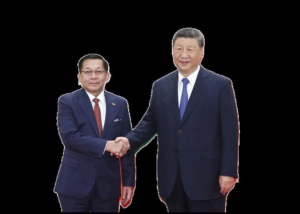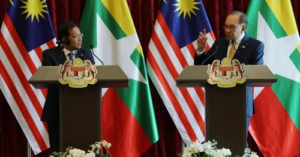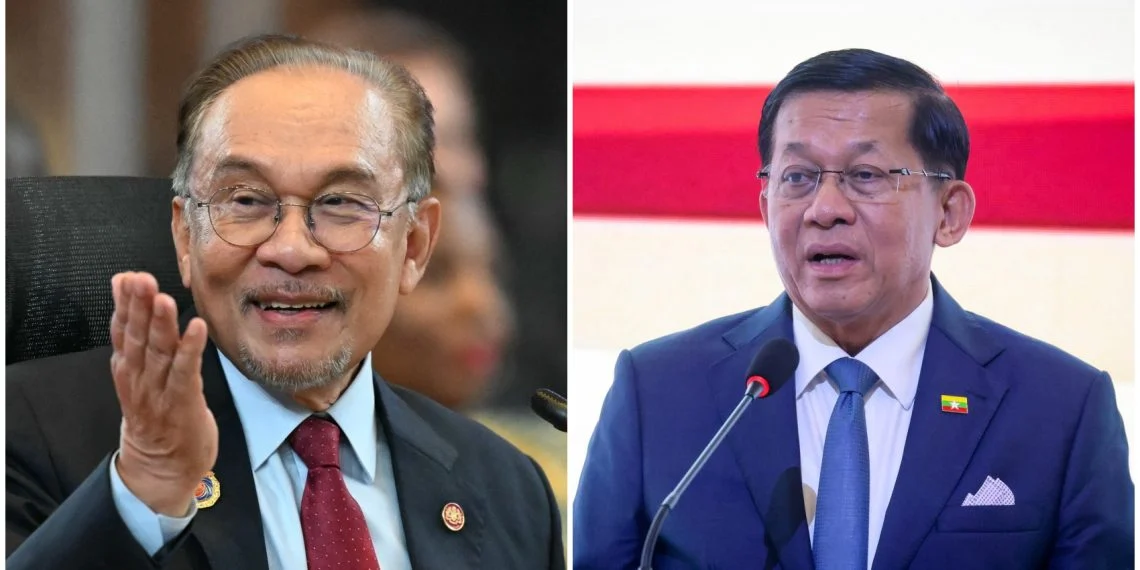
Malaysia is wrong to expect Min Aung Hlaing to help ease its refugee burden. He is the main architect of Myanmar’s refugee crisis, not a solution to it.
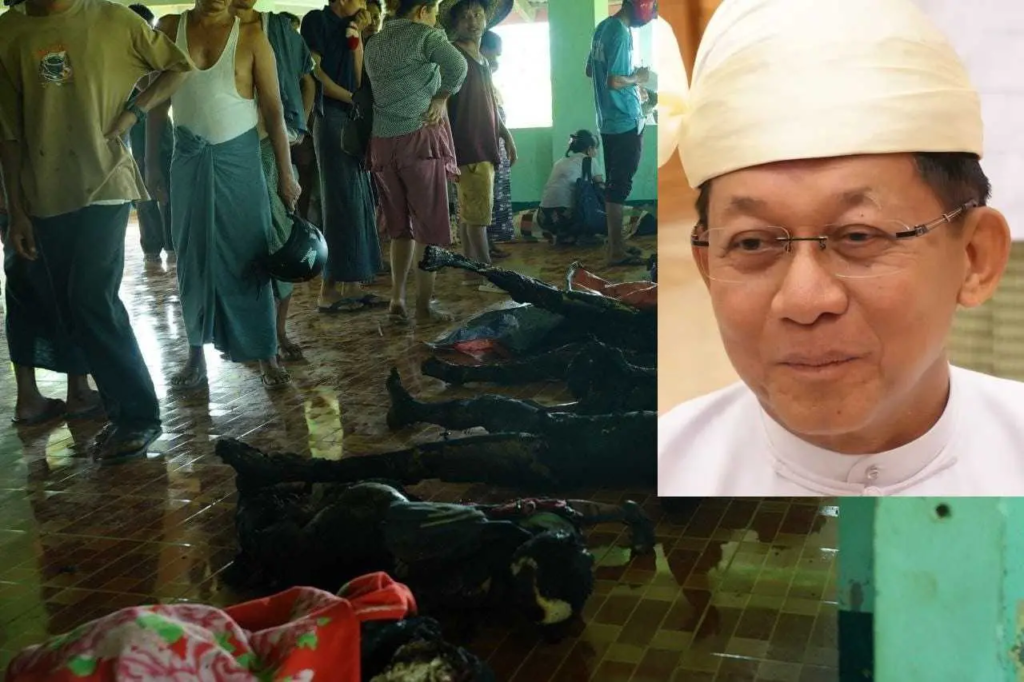
Why he can’t deliver
- Political constraints: If he recognized the Rohingya, his former military comrades and USDP superiors would use Rohingyaphobia to depose him. As long as Islamophobia, Rohingyaphobia, forced recruitment, continued coup rule and the detention of Daw Aung San Suu Kyi persist, there will be no peace. Economic collapse and political discontent will keep pushing people out, and the refugee problem will grow.
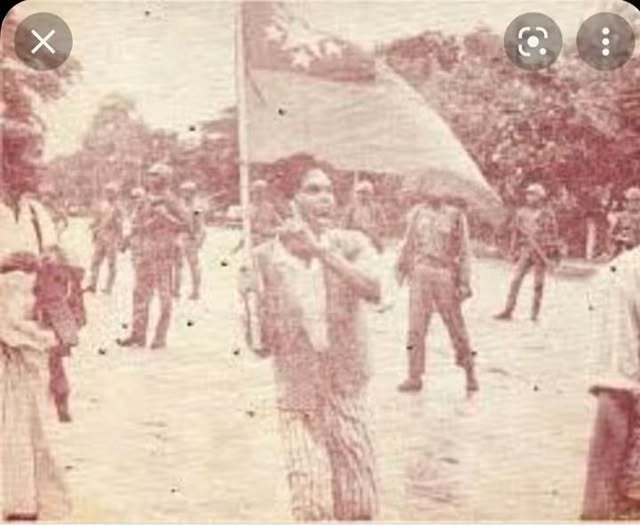
- His record: The military produced refugees long before him, but since he took command in 2011 he has been the chief refugee-maker of the current era. He ended the 17-year ceasefire with the KIA, displacing over 100,000 people. In 2015 the Kokang war sent tens of thousands fleeing to China. In 2017, his “clearance operations” drove over 700,000 Rohingya into Bangladesh. UN investigators called for his prosecution for genocide, crimes against humanity and war crimes, the U.S. determined genocide had occurred, and the ICC prosecutor is seeking his arrest warrant. After the 2021 coup, war spread into the Bamar heartland, with towns bombed and villages burned. UNHCR now counts over 4 million internally displaced and over 1.6 million refugees and asylum-seekers abroad, about 304,000 of them arriving after the coup.
No “safe return” is possible
- Conscription, activated in February 2024, puts everyone at risk, including Bamar Buddhists returning from abroad. The Rohingya have already seen a crueler version: denied citizenship for decades, then forcibly recruited to fight the Arakan Army.
- He no longer controls the places the Rohingya would return to. The Arakan Army now rules most of Rakhine, including Buthidaung and Maungdaw, so no deal in Kuala Lumpur can guarantee safety there.
- The AA is not a clear alternative. It has set up Muslim advisory bodies and promotes a shared “Arakha” identity, but it struggles to recognize Rohingya identity, often saying “Muslims” or the charged term “Bengali,” and faces allegations of abuses and forced displacement.
The takeaway
A genuine return mechanism would need the AA, Bangladesh, Rohingya representatives and international agencies at one table to settle citizenship, security, property, freedom of movement and accountability. Treating engagement itself as the solution is a mistake Malaysia has made before. A refugee crisis ends only when people no longer have reason to flee, and while Min Aung Hlaing’s military keeps bombing, conscripting and expelling civilians, the refugee-maker cannot be the guarantor of their return.
Reference: Malaysia Can’t Trust Min Aung Hlaing to Solve the Crisis He Created