Myanmar Muslim Media — July 17, 2015
Book Notice

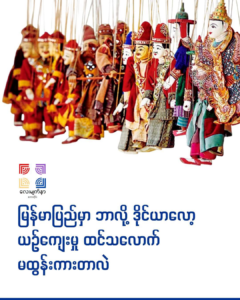
This book is a collection of essays, published in July 2015. It brings together the work of eleven pen-named writers, including Sithu Aung Myint and Nay Phone Latt. The central concern running through these essays is an analysis of the situations currently unfolding inside Myanmar. Rather than summarizing the full contents here, we present the editor’s preface, through which readers can already get a sense of what awaits them in The Public Forced to Wear Green-Tinted Glasses. This is the first printing, distributed by Khit Thit Sarpay (Modern Literature), priced at exactly 1,300 kyats.
Editor’s Preface
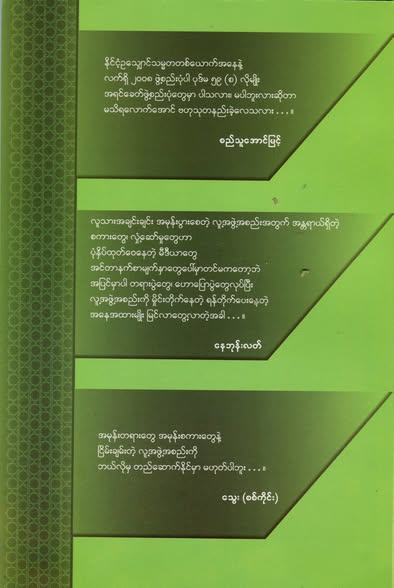
In today’s world, there are many forms of racism, hate propaganda, majoritarian chauvinism, and extremism. Against this backdrop, most of the writers in this collection have written with one goal in mind: to help readers learn to tell these things apart critically, so that they are not “fitted with green glasses” — that is, so they do not end up seeing a manufactured, distorted version of reality as if it were the truth. To help the wider public recognize these dynamics, the writers approach the subject from a range of perspectives, which makes this an unusually engaging book.
At heart, the writers’ wish is simple: that people hold on to reason, resist believing things too easily, and come to understand what is actually true. It is written with compassion, in the hope of contributing to social peace and to a society that lives together in mutual understanding. One point the book asks readers to keep in mind is this: those who spread hatred rarely see themselves as part of the violence that follows. Even when the consequences of their words are plain to see, they tend not to accept any responsibility for them. The book brings such recurring cause-and-effect patterns into the light. It is, in short, a good book for the general public — precisely so that they are not made to wear green glasses.
Context: The “Green Wave” and Its Politics
The metaphor in the book’s title has an unmistakable echo in Malaysian politics, where the language of “green” has itself become contested. PAS president Abdul Hadi Awang has argued that DAP in particular, weaponised Islamophobia by repeatedly invoking the “green wave” to instil fear among voters as the Islamic party made electoral gains. PAS deputy president Tuan Ibrahim Tuan Man has likewise said that such fear-mongering would backfire, and rejected the idea that the “green wave” was aimed at any particular community: “This wave is not against any race, religion or community. We love our people. We love our country. We must be clear about the direction we want to take the nation.”

PAS president Abdul Hadi Awang claimed DAP began using the term ‘green wave’ after PAS won the highest number of seats in the 15th general election and formed the government in four states
What rarely receives the same attention, however, is the reverse phenomenon: Rohingyaphobia, which has widened into a broader Migrantphobia targeting migrants in general and Rohingya in particular. Where “green wave” rhetoric is treated as a political talking point to be debated, the fear and suspicion directed at Rohingya and other migrants is too often simply absorbed into everyday assumptions — unexamined, and rarely called out with the same urgency.
The Green-Tinted Glasses, Explained
The image of being forced to wear “green-tinted glasses” is a powerful metaphor for systemic brainwashing and manufactured reality. It comes from L. Frank Baum’s The Wonderful Wizard of Oz, in which the Wizard requires every citizen and visitor of the Emerald City to wear green spectacles locked onto their heads. Officially, this is to protect their eyes from the city’s brightness. In truth, it is a tool of deception: it forces everyone to perceive the city as fabulously wealthy and built of emeralds, when it is really just an ordinary city.
In modern political and sociological discussion, this metaphor is often used to explain how propaganda works. Applied to Islamophobia, the “green-tinted glasses” represent a heavily distorted, pre-set lens through which the public is conditioned to view Islam and Muslims. The mechanism tends to work in three stages:
1. Distorted media framing. Just as the glasses change the color of everything in Oz, biased coverage, cinematic stereotypes, and sensationalized headlines reshape public perception. Media-representation research has repeatedly found that news coverage tends to frame Muslims through a “green-tinted” lens of terrorism, extremism, or the oppression of women, while the everyday reality of the vast, peaceful Muslim majority goes largely unreported.
2. Manufactured fear and suspicion. Just as the Wizard used the glasses to sustain a fabricated reality that propped up his authority, the deliberate circulation of Islamophobic propaganda — from exaggerated warnings about “creeping Sharia” to the misuse of terms like taqiyya — manufactures an atmosphere of distrust and paranoia. Over time, this conditions the public to see the Muslim community as an inherent threat rather than as fellow citizens.
3. Institutionalized prejudice. When a society wears these glasses long enough, the illusion becomes the accepted reality. It seeps into everyday life, into policy, and into institutional practice — surfacing as targeted surveillance, biased policing, and discrimination in employment and education.
Taking the Glasses Off
Countering Islamophobia — and, by extension, the Rohingyaphobia and Migrantphobia that mirror it in this region — means actively taking the glasses off: rejecting sensationalized propaganda, seeking out unbiased education about Islam, and engaging directly with Muslim communities so that reality can be seen clearly, rather than through a filter of manufactured fear. That, in essence, is also the quiet argument at the center of The Public Forced to Wear Green-Tinted Glasses: reason and firsthand understanding, offered as the antidote to a reality that has been colored for you in advance.
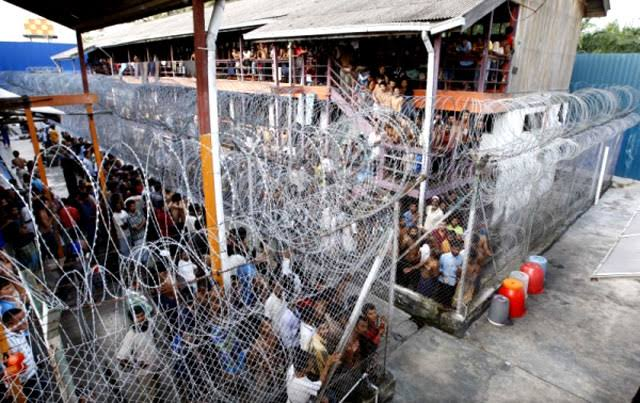
Crackdown on migrants, refugees in Malacca – Aliran
Myanmar Muslim Media
” မျက်မှန်စိမ်းတပ်ခံရတဲ့ ပြည်သူ ”
စာအုပ်အညွှန်း
ဒီစာအုပ်ဟာ ဆောင်းပါးစုစည်းမှု စာအုပ်အမျိုးအစားဖြစ်ပြီး 2015 ဇူလိုင်မှာ
ထွက်ရှိလာပါတယ်.။ ဒီစာအုပ်မှာ စာရေးဆရာ စည်သူအောင်မြင့်၊ နေဘုန်းလတ် အပါအဝင် ကလောင်ရှင်(၁၁) ဦးရဲ့ ဆောင်းပါးတွေကို စုစည်းထားပါတယ်.။ ဆောင်းပါးတွေရဲ့ အဓိက ထောက်ပြချက်တွေကတော့ လက်ရှိ မြန်မာပြည်တွင်းမှာဖြစ်ပေါ်နေတဲ့ အခြေနေတွေကို သုံးသပ် ရေးသားထားတဲ့ဆောင်းပါးတွေပဲ ဖြစ်ပါတယ်။ ဒီစာအုပ်အတွက်တော့ အတွင်းပါ အကြောင်းအရာကို သိပ်ညွှန်းမပြတော့ဘဲ စီစဉ်သူအမှာစကားကိုပဲ တင်ပြလိုက်ပါတယ်.။ ဒီ စီစဉ်သူအမှာစကား ကနေ တဆင့်
” မျက်မှန်စိမ်းတပ်ခံရတဲ့ ပြည်သူ ” ဆိုတဲ့စာအုပ်မှာဘာတွေ ဖတ်ရမယ်ဆိုတာကို စာဖတ်သူများသိနိုင်ပါပြီ။ ပထမအကြိမ် ပုံနှိပ်ခြင်းဖြစ်ပြီး
ခေတ်သစ်စာပေ မှ ဖြန့်ချိပါတယ်။ တန်ဖိုးကတော့ 1300 ကျပ်တိတိ ဖြစ်ပါတယ်။
” စီစဉ်သူအမှာစကား ”
ယနေ့ကမ္ဘာကြီးပေါ်တွင် လူမျိုးခွဲခြားရေးဝါဒ၊ အမုန်းမတရားဖြန့်ချိရေးဝါဒ၊ လူမျိုးကြီးအတ္တဝါဒ၊ အစွန်းတစ်ဘက်ရောက်ဝါဒတို့ အမျိုးမျိုးရှိသည့်အနက် ထိုသို့သော အကြောင်းတရားများကို ဝေဖန်ပိုင်းခြားတတ်ရန် စာရေးဆရာ အများစုက မျက်မှန်စိမ်းအတပ်မခံရအောင် ရေးသားတင်ပြထားသော စာအုပ် ဖြစ်ပါသည်။ ထိုသို့သောအကြောင်း အရာများကို လူအများစုသိရှိစေရန် စာရေးဆရာတို့က ရှုထောင့်အစုံမှ ရေးသားတင်ပြထား၍ အလွန် စိတ်ဝင်စားစရာ ကောင်းသော စာအုပ်တစ်အုပ်ဖြစ်ပါသည်။
အဓိကအားဖြင့် စာရေးသူတို့၏ ဆန္ဒမှာ လူအများစုကို ဆင်ခြင်တုံတရားလက်ကိုင်ထားကြရန်၊ အယုံမလွယ်ကြရန်နှင့် အမှန်တရားသိနားလည်အောင် ကြိုးပမ်းဆောင်ရွက်ထားခြင်း ဖြစ်ပါသည်။ အသိတရားဖြင့် မေတ္တာရှေ့ထား၍ လူအများစုအတွက် လူ့ဘောင်ငြိမ်းချမ်းရေး အတွက် အကျိုးကိုမျှော်၍ နားလည်မှုဖြင့် သဟဇာတဖြစ်သော
လူ့အဖွဲ့အစည်းဖြစ်ရန်အတွက် ရည်ညွှန်းပါသည်။ သတိပြုရန်အချက်မှာ အမုန်းတရားဖြန့်ဝေသူတို့သည် မိမိကိုယ်မိမိ အကြမ်းဖက်မှုဖြစ်စဉ်၏ အစိတ်အပိုင်းဖြစ်သည်ဟု မယူဆကြပါ။ မိမိလုပ်ရပ်ရဲ့ အကျိုးဆက်များ ပါဝင်နေသော်လည်း မိမိတွင် တာဝန်မရှိဟု ခံယူထားတတ်ကြသည်။ ဖြစ်လေ့ဖြစ်ထရှိသော အကျိုးအကြောင်းအဖြစ်အပျက်များသည် မီးမောင်းထိုး
တင်ပြထားသည်။ မျက်မှန်စိမ်းတပ်မခံရအောင် အများပြည်သူများအတွက် စာအုပ်ကောင်းတစ်အုပ်ဖြစ်ပါသည်။
The claim that the British Army put green glasses on donkeys to trick them into eating dry, yellow straw is a myth and a popular satirical fable, not a real historical military practice.
Here is the factual breakdown of the story:
1. The “Green Glasses” Myth
The story of tricking an animal into eating dry food by putting green spectacles on them is an old piece of folklore and literary satire, frequently used in fables or humorous anecdotes. It was never an official or standard practice used by the British Army (or any other military) to ration feed.
2. Donkey Diets vs. The Myth
In reality, donkeys naturally eat and digest dry straw (especially barley straw) as a staple part of their daily diet. Unlike horses, donkeys thrive on a high-fiber, low-sugar diet. They do not need to be tricked into eating straw, nor do they need fresh green grass at every meal to stay healthy.
3. British Military Use of Animals
While the green glasses story is false, the British military did rely extensively on horses, mules, and donkeys throughout history:
- World War I and II: Millions of horses, mules, and donkeys were used by the British Army to transport ammunition, supplies, and wounded soldiers across terrain where motor vehicles could not travel.
- Modern Times: The British Army still uses horses today for ceremonial duties, and donkeys/mules have been used in recent conflicts (such as in Afghanistan) to transport heavy loads through rugged mountains.
Appendix: The Straw That Doesn’t Need Dressing Up
Donkeys, in reality, naturally eat and digest dry straw — barley straw especially — as a staple part of their daily diet. Unlike horses, donkeys thrive on a high-fibre, low-sugar diet. They do not need to be tricked into eating straw, and they do not need fresh green grass at every meal to stay healthy. It is simply what they are conditioned to consume, day after day, without resistance.
The comparison is uncomfortable, but it is the point of this appendix: after decades of steady exposure, a manufactured “green” narrative about Islam and Muslims has, in parts of Myanmar, stopped needing much dressing up at all. A rumour, an unverified post, or a single unconfirmed claim circulated by those with an interest in stirring anger has repeatedly proven sufficient to bring crowds — sometimes people with no connection to the original claim or the neighbourhood in question — to attack mosques and Muslim-owned property, and in some documented cases to harm local Muslims who had no part in whatever the rumour alleged. Human rights investigations into Myanmar’s communal violence since 2012 have repeatedly found that police and military units were present at the scene of such attacks and, in a number of documented instances, failed to intervene to protect the Muslim residents and property under threat.
The underlying warning here is not that any one community is inherently prone to this — propaganda tends to work the same way on any population fed the same diet for long enough. It is that when a distorted narrative is repeated consistently enough, for long enough, it stops requiring much evidence at all to trigger a reaction. That is the “green glasses” effect in its most dangerous form: not persuasion, but reflex.
It also bears saying plainly: this is not a story about Bamar people, or Rakhine people, or Christian Chin and Karen communities, being inherently hostile to their Muslim neighbours. Most people’s daily lives tell a different story — of friendship, of shared streets and shared and visited my clinics, of monks and neighbours who have shown real kindness across religious lines.
The pattern that keeps repeating points elsewhere: toward a military government with a long history of reaching for racial and religious unrest as a release valve whenever public anger over its own failures — economic hardship, repression, lack of accountability — starts to build. Diverting that anger toward a minority community is cheaper, for those in power, than answering for it. The “green glasses” are not something a population puts on itself; they are handed out, deliberately, by whoever benefits from a crowd that is angry at the wrong target.