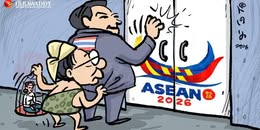
Hla Soewai‘s post translated by MMNN.
According to announcements made by Thailand and Vietnam on Thursday, foreign ministers from ASEAN member states will hold an informal meeting with the military junta’s foreign minister in Bangkok on July 12. This marks a significant turning point for the military junta, which has been barred from attending ASEAN summits due to the coup and the subsequent civil war.
During a summit in May, ASEAN foreign ministers agreed to meet with Myanmar’s foreign minister online. This meeting came about due to pressure from Thailand to engage more with the new government in Naypyidaw. The 11-member ASEAN bloc had kept Myanmar at arm’s length after the military junta leaders failed to implement the peace plan known as the “Five-Point Consensus.” However, a majority of ASEAN member countries have now changed their approach.
The fake president, Min Aung Hlaing, also made a state visit to Laos. Although the visit to Laos was not formal, it was highly significant for Min Aung Hlaing. Laos is an ASEAN member, and this move shows a noticeable break from ASEAN’s traditional consensus that limits high-level engagement with them. Since both Laos and Myanmar practice authoritarian systems, it is assumed they share similar mindsets. Therefore, the South China Morning Post wrote that Laos seems to be viewed as a safe and reassuring country where Min Aung Hlaing will not face criticism for human rights violations, terrorist crimes committed against the public, or demands to release political prisoners.
Thailand reportedly believes it is not yet appropriate to invite Min Aung Hlaing at this time. This is because there are still many critical issues that need to be resolved between the two nations—for example, the massive influx of refugees fleeing Myanmar into Thailand, stray bullets crossing the border due to the ongoing civil war in Myanmar, and strong opposition against the military junta from political factions within Thailand.
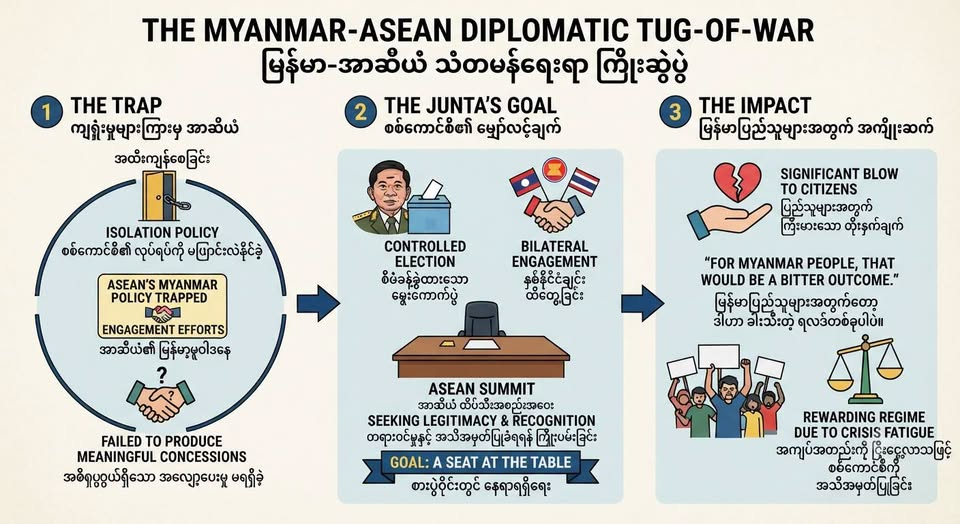
Min Aung Hlaing is attempting to gain legitimacy through alternative means by upgrading bilateral relations with certain ASEAN member states to get his political footsteps recognized and validated.
“ASEAN’s policy on Myanmar is trapped between two failures: the ‘isolation’ policy, which tried to change the junta’s actions, has failed, and the ‘engagement’ policy, which tried to gain meaningful concessions, has also failed,” said historian Phyo Win Latt. “As this crisis drags on, there will be temptations to normalize relations with the junta under the banner of a ‘pragmatic solution,'” he added.
Analysts assess that Min Aung Hlaing is counting precisely on such a scenario. However, observers cannot say for certain whether ASEAN leaders are ready or willing to invite Min Aung Hlaing back to the summit in November. Merely being allowed to sit at the ASEAN table would be a victory for Min Aung Hlaing. According to observers, this move comes at the expense of the ASEAN bloc’s credibility and reputation, and it would be a massive blow to the 55 million citizens of Myanmar.
“For the people of Myanmar, this is a bitter outcome. It would look as if ASEAN is rewarding the junta not because it could restore peace or democracy, but simply because it grew weary of the crisis,” Phyo Win Latt stated.
When ASEAN gives the military junta its place back—despite the junta failing to implement even a single point of the five-point peace plan and without ASEAN even getting to meet the true leaders of the Myanmar people—is that not equivalent to ASEAN surrendering? For Min Aung Hlaing, just getting the right to reattend meetings will be celebrated as a victory, and ASEAN lacks the capacity to realize that he will not care about or consider anything they say anyway.
Whether the military junta will be accepted back due to “Realpolitik” (pragmatic politics) will be seen more clearly at the November summit.
The people’s just war must prevail!!!
Fact Check
- The Meeting Details: True. An informal meeting between the Association of Southeast Asian Nations (ASEAN) foreign ministers and Myanmar’s junta-appointed Foreign Minister, U Tin Maung Swe, was held in Bangkok, Thailand. The meeting was officially chaired by the Philippines, the current rotating chair of ASEAN.
- “Surrendered” Narrative: Misleading / Hyperbole. The original text frames this as ASEAN “surrendering” to the military junta. Officially, ASEAN and individual member nations like Thailand and the Philippines maintain that this is an “informal consultation” and a step toward “gradual and principled engagement.” It does not mean the junta is being formally reinstating to the official ASEAN Leaders’ Summits, from which they remain sidelined due to the non-compliance with the Five-Point Consensus.
- Min Aung Hlaing’s Status: The text references Min Aung Hlaing as “president.” Min Aung Hlaing assumed the role of president following political restructuring and transitions under the military-backed administration, though his legitimacy is rejected by the democratic resistance.
Key References
This post heavily echoes real-time diplomatic reporting and commentary regarding the Myanmar crisis:
- Diplomatic Announcements: The framework of the post mirrors official statements from the Thai Ministry of Foreign Affairs and the Philippine Department of Foreign Affairs, which stressed that the meeting was strictly informal and designed to push for the cessation of violence and humanitarian aid.
- Expert Quotes: The commentary attributed to historian Phyo Win Latt mirrors his public analysis featured in regional publications like The Star / AseanPlus, where he observed that the regime selectively engages with ASEAN only on the terms they dictate to preserve a domestic narrative of total control.
Possible Consequences
1. For the Myanmar Military (Junta)
- Boost to Legitimacy: Even though the meeting is informal, the military junta will spin this domestically as a massive diplomatic victory and proof that the international community is experiencing “crisis fatigue” and moving toward normalization.
- Leverage Against Internal Pressure: It gives the junta a psychological edge, signaling to their ranks that regional neighbors are willing to negotiate directly with them rather than the opposition.
2. For the Spring Revolution (NUG & Resistance)
- Bitter Disappointment: For the National Unity Government (NUG), Ethnic Armed Organizations (EAOs), and the broader resistance, this move feels like a betrayal. It signals that regional actors are prioritizing geopolitical stability and border control over democratic restoration.
- Shift Away from Regional Diplomacy: The resistance may double down on territorial gains and seek alternative international allies (such as direct Western engagement or unilateral support), realizing ASEAN cannot be relied upon to enforce the Five-Point Consensus effectively.
3. For ASEAN
- Severe Blow to Credibility: Engaging with the junta without securing concessions—like access to political prisoners like Aung San Suu Kyi—further weakens ASEAN’s reputation as an effective regional arbiter. It highlights the bloc’s internal division between nations wanting strict isolation and those pushing for pragmatic engagement (Realpolitik).
- Precedent of Weak Enforcement: It establishes a precedent that member states can completely ignore ASEAN directives (like the Five-Point Consensus) and eventually be welcomed back to the table out of sheer regional exhaustion.
Hla Soewai
အာဆီယံ လက်နက် ချ ပြီ
ထိုင်းနှင့် ဗီယက်နမ်တို့၏ ကြာသပတေးနေ့က ထုတ်ပြန်ချက်အရ၊ အာဆီယံအဖွဲ့ဝင်နိုင်ငံများ၏ နိုင်ငံခြားရေးဝန်ကြီးများသည် စစ်အုပ်စု နိုင်ငံခြားရေးဝန်ကြီး နှင့် ဇူလိုင်လ ၁၂ ရက်နေ့တွင် ဘန်ကောက်မြို့၌ အလွတ်သဘော တွေ့ဆုံဆွေးနွေးသွားမည် ဖြစ်ကြောင်း သိရသည်။
အာဏာသိမ်းမှုနှင့် နောက်ဆက်တွဲဖြစ်ပွားခဲ့သော ပြည်တွင်းစစ်များကြောင့် အာဆီယံထိပ်သီး အစည်းအဝေးများတွင် ပါဝင်ခွင့်ပိတ်ပင်ခံထားရသည့် စစ်အုပ်စု အတွက် အရေးပါသည့် အလှည့်အပြောင်းတခု ဖြစ်လာသည်။
အာဆီယံ နိုင်ငံခြားရေးဝန်ကြီးများသည် မေလတွင် ကျင်းပခဲ့သော ထိပ်သီးအစည်းအဝေး၌ မြန်မာနိုင်ငံ၏ နိုင်ငံခြားရေးဝန်ကြီးနှင့် အွန်လိုင်းမှတစ်ဆင့် တွေ့ဆုံရန် သဘောတူညီခဲ့ကြသည်။ ဤတွေ့ဆုံမှုမှာ နေပြည်တော်ရှိ အစိုးရသစ်နှင့် ပိုမိုထိတွေ့ဆက်ဆံရန် ထိုင်းနိုင်ငံ၏ တွန်းအားပေးမှုကြောင့် ဖြစ်ပေါ်လာခြင်းဖြစ်သည်။
၁၁ နိုင်ငံပါဝင်သည့် အာဆီယံအဖွဲ့သည် မြန်မာစစ် အုပ်စုခေါင်းဆောင်များက “ဘုံသဘောတူညီချက် ၅ ရပ်” ဟု ခေါ်ဆိုသည့် ငြိမ်းချမ်းရေးအစီအစဉ်ကို အကောင်အထည်ဖော်ရန် ပျက်ကွက်ခဲ့ပြီးနောက်ပိုင်းတွင် မြန်မာအား လက်တကမ်း အကွာ လောက်တွင် ထားရှိခဲ့သည်။ သို့သော်လည်း လက်ရှိတွင် အာဆီယံအဖွဲ့ဝင်နိုင်ငံအများစုမှာ ၎င်းတို့၏ ချဉ်းကပ်ပုံစနစ်ကို ပြောင်းလဲကျင့်သုံးလာကြပြီဖြစ်သည်။
သမ္မတ တု မင်းအောင်လှိုင်ကလည်း နိုင်ငံတော် ခရီးစဉ် ဆိုကာ လာအိုသို့ သွားရောက်ခဲ့သည်။
လာအို ခရီးစဉ်သည် နိုင်ငံ အနေနှင့် မဟုတ်သော်လည်း မင်းအောင်လှိုင် အတွက် အလွန်အရေးပါလှသည်။ လာအိုသည်အာဆီယံအဖွဲ့ဝင်နိုင်ငံဖြစ်ပြီး ၎င်းတို့နှင့် အဆင့်မြင့်ထိတွေ့ဆက်ဆံမှုများကို ကန့်သတ်ထားသည့် အာဆီယံ၏ အစဉ်အလာ သဘောတူညီချက်မှ သိသိသာသာ ခွဲထွက်လိုက်ခြင်းကို ပြသနေသောကြောင့်ဖြစ်သည်။
လာအိုနှင့် မြန်မာသည် အာဏာရှင်စနစ် ကျင့်သုံးသည့်နိုင်ငံများဖြစ်သည့်အတွက် သဘောထားချင်း တူညီကြသည်ဟု ယူဆရသည်။ ထို့ကြောင့် လာအိုအနေဖြင့် မင်းအောင်လှိုင်အား လူ့အခွင့်အရေး ချိုးဖောက်မှုများ၊ ပြည်သူများအပေါ် ကျူးလွန်သည့် အကြမ်းဖက် ရာဇဝတ်မှုများအတွက် ဝေဖန်ခြင်း သို့မဟုတ် နိုင်ငံရေးအကျဉ်းသားများ လွှတ်ပေးရန် တောင်းဆိုခြင်းမျိုး ပြုလုပ်လိမ့်မည်မဟုတ်၍ စိတ်ချလကိချ သွား၍ ရသည့် နိုင်ငံဟု သုံးသပ်ထားဟန် ရှိသည်ဟု South China Morning Post သတင်းစာက ရေးသားထားသည်။
ထိုင်း က မင်းအောင်လှိုင်အား ဖိတ်ခေါ်ဖို့ လက်ရှိအချိန်တွင် မသင့်လျော်သေးဟု ယူဆထားဟန် ရှိသည်။ နှစ်နိုင်ငံကြားတွင် ဖြေရှင်းရန် လိုအပ်နေသည့် အရေးကြီးသော ပြဿနာများစွာ ရှိနေသေးသောကြောင့် ဖြစ်သည်။ ဥပမာအားဖြင့် မြန်မာနိုင်ငံမှ ထိုင်းနိုင်ငံဘက်သို့ ထွက်ပြေးလာသည့် ဒုက္ခသည်များ အလုံးအရင်းဖြင့် ရောက်ရှိလာခြင်း၊ မြန်မာနိုင်ငံတွင်း ဖြစ်ပွားနေသည့် ပြည်တွင်းစစ်ကြောင့် ကျည်ဆန်များ နယ်စပ်ဖြတ်ကျော် ကျရောက်မှုများ ရှိနေခြင်းနှင့် ထိုင်းနိုင်ငံရှိ အတိုက်အခံများက စစ်အုပ်စု အား ပြင်းပြင်းထန်ထန် ဆန့်ကျင် နေကြခြင်း ကြောင့် ဖြစ်သည်ဟု ဆိုသည်။
မင်းအောင်လှိုင်သည် တရားဝင်မှုရရှိရန် အခြား နည်းလမ်းတရပ် အနေဖြင့် အာဆီယံအဖွဲ့ဝင်နိုင်ငံအချို့နှင့် နှစ်နိုင်ငံချင်း ဆက်ဆံရေး တိုးမြှင့်ခြင်းဖြင့် ၎င်း၏ နိုင်ငံရေးခြေလှမ်းများကို အသိအမှတ်ပြုလာစေရန်နှင့် တရားဝင်မှုရရှိလာစေရန် ကြိုးပမ်းလျက်ရှိသည်။
“အာဆီယံရဲ့ မြန်မာနိုင်ငံဆိုင်ရာ မူဝါဒဟာ ကျရှုံးမှု နှစ်ခုကြားမှာ ပိတ်မိနေပါတယ်၊ စစ်အုပ်စု ရဲ့ လုပ်ရပ်တွေကို ပြောင်းလဲဖို့ ကြိုးစားတဲ့ ‘အထီးကျန်စေခြင်း’ မူဝါဒ ကျရှုံးသလို၊ အဓိပ္ပာယ်ရှိတဲ့ အလျှော့ပေးမှုတွေ ရလာအောင် ကြိုးစားတဲ့ ‘ထိတွေ့ဆက်ဆံခြင်း’ မူဝါဒလည်း ကျရှုံးနေပါတယ်” ဟု သမိုင်းပညာရှင် ဖြိုးဝင်းလတ်က ပြောသည်။
“ဒီအကျပ်အတည်းက ကြာရှည်လာတာနဲ့အမျှ ‘လက်တွေ့ကျတဲ့ ဖြေရှင်းချက်’ ဆိုတဲ့ ခေါင်းစဉ်အောက်မှာ စစ်အုပ်စု နဲ့ ပုံမှန်ဆက်ဆံရေးအတိုင်း ပြန်ဖြစ်လာအောင် လုပ်ဆောင်ဖို့ ဆွဲဆောင်မှုတွေ ရှိလာလိမ့်မယ်” ဟု ၎င်းက ထပ်လောင်းပြောဆိုသည်။
မင်းအောင်လှိုင်အနေဖြင့် ထိုသို့ ဖြစ်လာမည့် အခြေအနေမျိုးကိုသာ မျှော်လင့်နေခြင်းဖြစ်သည်ဟု သုံးသပ်ကြသည်။
သို့သော် အာဆီယံခေါင်းဆောင်များအနေဖြင့် နိုဝင်ဘာလတွင် ကျင်းပမည့် ထိပ်သီးအစည်းအဝေးသို့ မင်းအောင်လှိုင်ကို ပြန်လည်ဖိတ်ကြားရန် အသင့်ရှိမရှိ သို့မဟုတ် ဆန္ဒရှိမရှိကို လေ့လာသူများက တပ်အပ်မပြောနိုင်ပေ။
အာဆီယံစားပွဲဝိုင်းတွင် ထိုင်ခွင့် ရယုံမျှ နှင့်ပင် မင်းအောင်လှိုင်အတွက် အောင်ပွဲ တခု ဖြစ်လာ ပေလိမ့်မည်။
လေ့လာသူများ၏ အဆိုအရ ဤလုပ်ရပ်သည် အာဆီယံအဖွဲ့၏ ယုံကြည်ကိုးစားမှုနှင့် ဂုဏ်သတင်းအတွက် ပေးဆပ်ရသည့် အရာဖြစ်ပြီး မြန်မာနိုင်ငံသား ၅၅ သန်းအတွက်မူ ကြီးမားသော ထိုးနှက်ချက်တခု ဖြစ်လာ ပေလိမ့်မည်။
“မြန်မာပြည်သူတွေအတွက်တော့ ဒါဟာ ခါးသီးတဲ့ ရလဒ်တခုပါပဲ။ အာဆီယံအနေနဲ့ ငြိမ်းချမ်းရေး ဒါမှမဟုတ် ဒီမိုကရေစီကို ပြန်လည်ဖော်ဆောင်ပေးနိုင်လို့ စစ်အုပ်စုကို အသိအမှတ်ပြုတာမျိုး မဟုတ်ဘဲ၊ ဒီအကျပ်အတည်းကို ငြီးငွေ့လာတဲ့အတွက်ကြောင့်သာ ဆုလာဘ်ပေးလိုက်သလို ဖြစ်သွားနိုင်တယ်” ဟု ဖြိုး ဝင်းလတ်က ပြောကြားခဲ့သည်။
အာဆီယံအနေဖြင့် အချက် ငါးချက်ပါ ငြိမ်းချမ်းရေးအစီအစဉ် ကို တချက်တလေမျှ အကောင်အထည်မဖော်နိုင်၊ အနည်းဆုံး မြန်မာ ပြည်သူများ၏ အစစ်အမှန် ခေါင်းဆောင် နှင့် ပင် တွေ့ခွင့်မရသည့်ကြားမှ စစ်အုပ်စု ကိုနေရာပြန်ပေးလိုက်ခြင်းသည်၊ အာဆီယံ အဖို့ လက်နက်ချလိုက် ခြင်း နှင့် အတူတူ ပင် မဟုတ်ပါလော။
မင်းအောင်လှိုင် အဖို့က အစည်းအဝေး ပြန်တက်ခွင့် ရယုံ နှင့် ပင် အောင်ပွဲ ခံပြီဟု ယူဆတော့မည် ဖြစ်ပြီး ၎င်းတို့ ပြောသမျှ ကိုလည်း အရေးတယူလုပ် စဉ်းစားမည့်သူ မဟုတ် ဆိုသည်ကိုပင် တွက်ဆနိုင်စွမ်း မရှိသူများ ဖြစ်သည်။
Realpolitik ဆိုသည့် လက်တွေ့ကျသော နိုင်ငံရေးအရ စစ်အုပ်စု ကို ပြန်လည်လက်ခံလိုက်မည်လားဆိုသည်ကို နိုဝင်ဘာလ ထိပ်သီးအစည်းအဝေးတွင် ပိုမိုရှင်းလင်းစွာ မြင်တွေ့ရမည် ဖြစ်ပါသည်။
ပြည်သူတို့၏ တရားသော စစ် မုချ အောင်ရမည်!!!