By Dr Ko Ko Gyi Abdul Rahman Zafrudin with the help of Chat GPT
Editor’s note explaining that some details (such as exact dates, ethnic classifications, and interpretations of certain dynasties) remain subjects of ongoing scholarly debate, while the overall theme of ancient Indian influence in Myanmar is widely accepted.
This article was written more than a decade ago, yet many of its central ideas—that Myanmar was a crossroads between India and China, that the Pyu civilization was cosmopolitan, and that Indian cultural influence arrived gradually through migration, trade, religion, and intermarriage rather than conquest—remain well supported by modern archaeology.
For more than two thousand years, people of Indian origin have settled in the land now known as Myanmar. Throughout that long history, they have made significant contributions to the country’s political development, religions, social life, culture, and traditions.
References:
- Bagan Culture, p. 42, Professor U Than Tun (M.A., B.L., D.Litt., Ph.D.)
- The Ancient Pyu, pp. 3–4, Professor U Than Tun
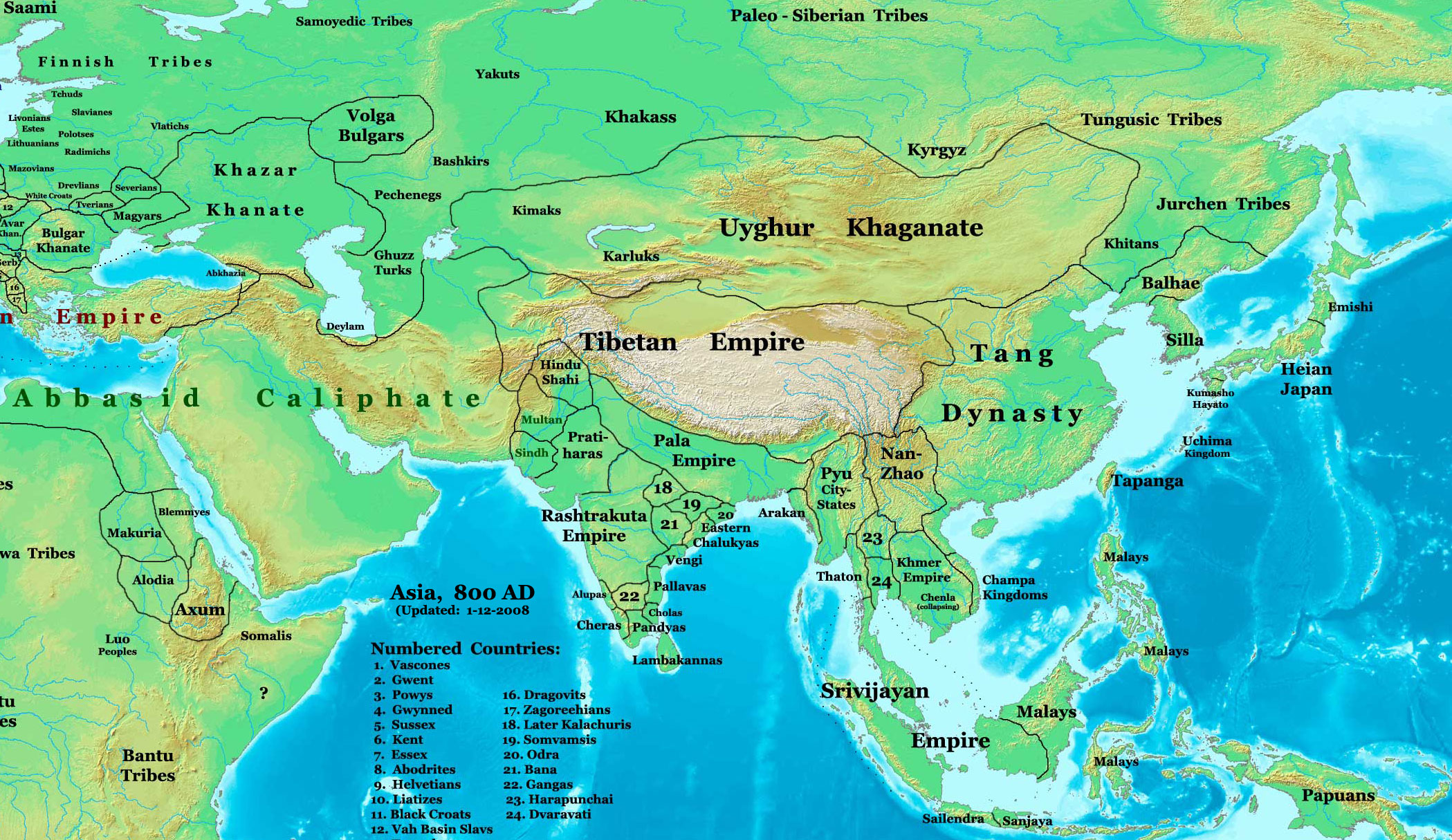
Myanmar: The Natural Bridge Between India and China
China and India are among the world’s oldest continuous civilizations. Throughout history, however, direct communication between these two great civilizations was severely restricted by the massive Himalayan mountain range.
From the perspective of physical geography, the Indian tectonic plate drifted northeastward and collided with the Eurasian plate along the present-day Myanmar frontier. This geological collision created the folded mountain ranges that extend through Myanmar from north to south. While the Himalayas stretch mainly east to west, their eastern extremities gradually descend into the mountains and valleys of Myanmar.
As a result, the formidable Himalayan barrier that separated India and China gradually gave way to a network of mountain passes and river valleys across Myanmar. These natural corridors enabled ancient peoples from Tibet and Yunnan to migrate southward into Myanmar with relative ease.
Several important overland routes—including the Hukawng Valley route, the Ann Pass, and the Taungup Pass—eventually became sections of the famous trade routes linking China and India. In effect, Myanmar became a natural land bridge connecting the two great civilizations.
References:
- Professor U Than Tun, Bagan Culture, p. 42.
- Maung Htin Aung, A History of Burma (Cambridge University Press, 1967), which describes Sri Ksetra as an important entrepôt between India and China.
Because of this strategic location, Myanmar attracted travellers, merchants, refugees fleeing wars, traders, and migrants seeking better opportunities. Many eventually settled permanently, contributing to the country’s ethnic and cultural diversity.
The Pyu People
Reference: Professor U Than Tun, The Ancient Pyu, pp. 3–4.
According to Professor U Than Tun, the Burmese (Bamar) people eventually emerged through the integration of several earlier groups, particularly the Pyu, Kanran (Kanyan), and Thet peoples. Among these, the Pyu constituted the largest and most influential component.
The Pyu themselves were not a single homogeneous people but were formed from three major ancestral groups:
- The indigenous inhabitants — descendants of the Stone Age, Bronze Age, and Iron Age peoples who had continuously lived in Myanmar since prehistoric times.
- Migrants from India — who brought with them not only Hinduism and Buddhism but also Indian culture, literature, architecture, customs, and administrative traditions.
- Tibeto-Burman migrants — who moved southward from the Tibetan plateau into Myanmar.
Early Pyu Settlements
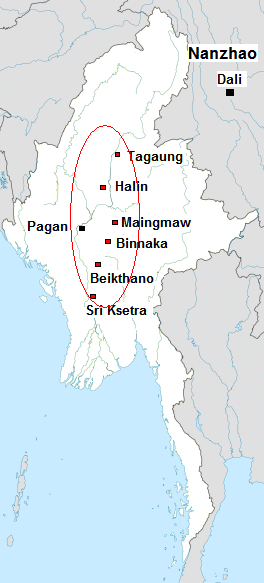
Archaeological evidence suggests that the Pyu had established settlements in Myanmar by around 100 BC, and possibly even earlier.
Among their earliest settlements were:
- Hanlin
- Kutkai
- Along the Salween River
- The eastern coastal region
- Around the Gulf of Martaban
- Sandoway (present-day Thandwe)
- The Arakan Yoma region
(Reference: Professor U Than Tun, Illustrated History of Myanmar.)
Later, the Pyu established important urban centres, including:
- Sri Ksetra (Pyay) — flourishing between the 4th and 8th centuries AD.
- Beikthano (often connected with the Sanskrit name Vishnu) — dating from approximately the 2nd to 5th centuries AD.
- Taungdwingyi.
- Hanlin (Wetlet).
- Tagaung.
- Waddy (Nyaung-U or Natogyi area in some references).
- Mainmaw.
- Myittha.
- Binnaka (Pyawbwe).
- Bilin in present-day Mon State.
These cities formed one of Southeast Asia’s earliest urban civilizations.
The Pyu Script
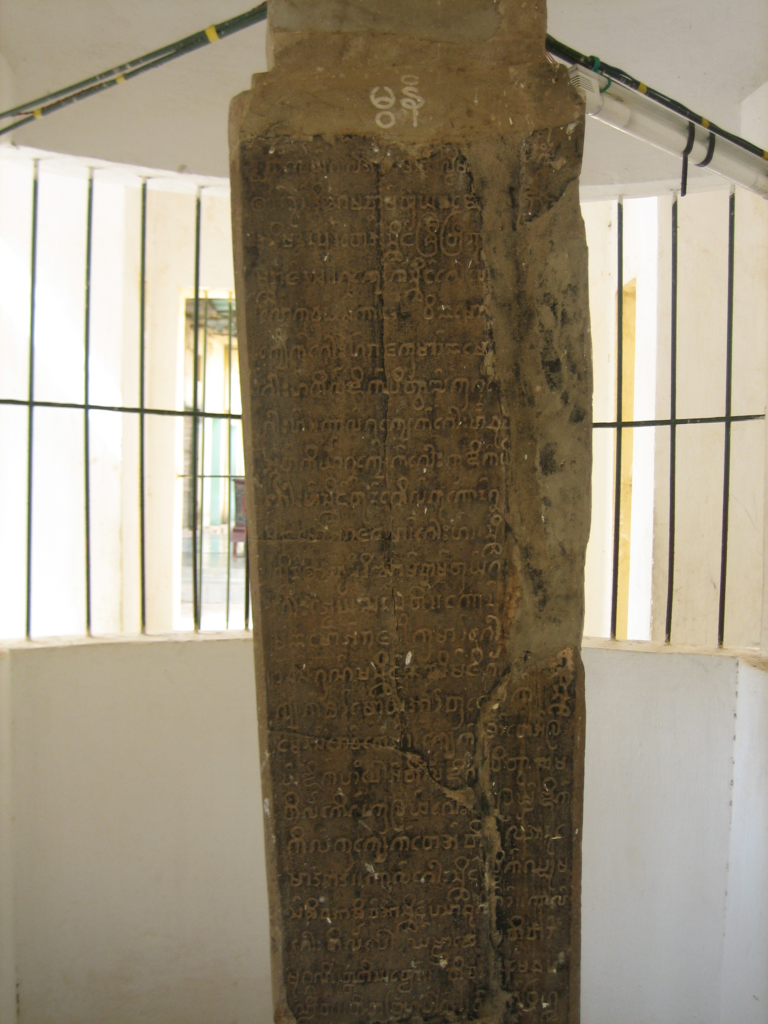
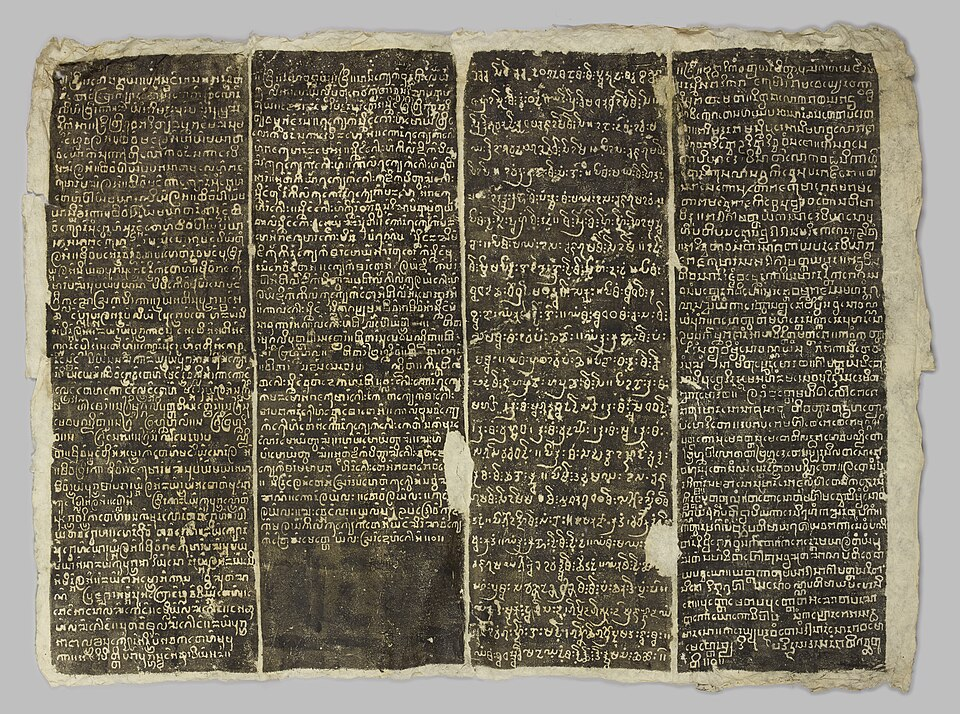
The Pyu inscriptions were written using a script derived from the Indian Gupta adaptation of the ancient Brahmi script. Many inscriptions are composed in the Pali language using the Pyu writing system.
Knowledge of the Pyu civilization also comes from the records of Chinese travellers, merchants, and official dynastic histories, which documented the Pyu kingdom and its people.
Beikthano (Vishnu)
Archaeological evidence shows that Beikthano was one of the earliest Pyu cities.
According to some historical interpretations, the city declined during the early centuries AD. Later, Mon influence became more prominent in the region, and settlements such as Panthwa and eventually Ramannadesa (Ramanñadesa) emerged.
Excavations have uncovered numerous Buddhist images together with Hindu sculptures in the Gupta artistic style, demonstrating that both Buddhism and Hinduism flourished side by side.
References:
- Michael Aung-Thwin, pp. 35–36.
- G. E. Harvey, History of Burma, p. 4.
The Pyu Kings and Their Indian Connections
Chinese historical records referred to the Pyu as P’iao (or P’iao Kingdom). However, inscriptions suggest that the Pyu referred to themselves by another name, often transcribed as Tricul.
Chinese chronicles also record interactions between the Pyu, the Nanzhao Kingdom, and Tibetan powers during periods of conflict involving Tang China.
Interestingly, Chinese records referred to Pyu kings by the Sanskrit royal title Maharaja, while high-ranking ministers were also described using Sanskrit-derived honorifics.
These titles clearly demonstrate the strong influence of Indian political culture on the Pyu kingdom.
Gupta Influence on the Pyu Kingdom
Pyu inscriptions written in a South Indian script record the reign of the Vikrama dynasty between approximately AD 673 and 718.
Reference:
D. G. E. Hall, Burma (3rd Edition, 1960), p. 8.
Many royal names combined Vikrama with Vishnu, the great Hindu deity.
Excavations throughout Myanmar have uncovered statues depicting:
- Vishnu standing upon Garuda,
- Lakshmi standing upon a lotus,
- Brahma,
- Shiva,
- Thrones dedicated to Vishnu,
all of which testify to the profound influence of Indian religious traditions upon early Myanmar civilization.
Researchers have also identified references to a Varman dynasty, suggesting possible connections with the Pallava dynasty of South India.
Reference:
Elizabeth Moore, Myanmar Historical Research Journal (2004).
Dravidian Settlements at Panthwa
Chinese historical sources record that people of Dravidian origin from southern India settled along the Mon coast around the Gulf of Martaban.
These settlers are believed to have influenced Beikthano, eventually contributing to the emergence of Panthwa and later Ramanñadesa.
Reference:
D. G. E. Hall, Burma.
History Never Truly Disappears
Many legendary traditions surrounding Tagaung, King Duttabaung, and the rulers of Beikthano are intertwined with mythology, Hindu royal traditions, Buddhist sectarian influences, and local folklore. Although some legends remain historically uncertain, they nevertheless preserve valuable memories of Myanmar’s ancient past.
The archaeological remains of Sri Ksetra—including the famous Bawbawgyi Pagoda, considered the prototype of later Bagan stupas—continue to remind us that Myanmar’s earliest civilizations were deeply connected with the wider cultures of India and Asia.
History never truly disappears. It waits to be rediscovered, re-examined, and understood.
မြန်မာရာဇဝင်လာ သမိုင်းဝင် အိန္ဒိယလူမျိုးများ (၁)
အိန္ဒိယလူမျိုး များဟာ လွန်ခဲ့သော နှစ်ပေါင်း(၂၀၀၀)ကျော်ကပင် မြန်မာ့မြေပေါ် စတင်အခြေချ ခဲ့ကြပြီး မြန်မာနိုင်ငံ၏ နိုင်ငံရေး၊ ဘာသာရေး၊ လူမှုရေး၊ ယဉ်ကျေးမှု ဓလေ့ထုံးစံများကို အားဖြည့် လွှမ်းမိုးခဲ့နိုင်ကြပါသည်။
(စာညွှန်း (၁) မြန်မာနိုင်ငံသည် တရုတ် အိန္ဒိယနိုင်ငံကြား အဝေးပြေး လမ်းမကြီးဖြစ်သည်။ “ပုဂံယဉ်ကျေးမှု” စာမျက်နှာ (၄၂)၊ ပါမောက္ခဦးသန်းထွန်း M.A.B.L, D. LIT, Ph.D
စာညွှန်း (၂) ရှေးဟောင်းပျူများ – စာမျက်နှာ (၃ နှင့် ၄)၊ ပါမောက္ခဦးသန်းထွန်း)

ကမ္ဘာပေါ်၌ တရုတ်ပြည်နှင့် အိန္ဒိယနိုင်ငံတို့သည် ရှေးအကျဆုံးသော လူမှုအဖွဲ့အစည်း နှစ်ခုဖြစ်ခဲ့ပြီး ၎င်းနှစ်နိုင်ငံကို ဟိမဝန္တာတောင်တန်းကြီးက ကာဆီးထားသဖြင့် နှစ်နိုင်ငံ ကူးလူးဆက်ဆံရေးမှာ တိုက်ရိုက်ပြုလုပ်ရန် ခက်ခဲလှပါသည်။
သို့သော် ပထဝီသဘောအရ အိန္ဒိယတိုက်ကြီးမှာ အနောက်တောင်မှ အရှေ့မြောက်သို့ ရွေ့လျားပြီး မြန်မာနယ်စပ်၌ တိုက်မိသော ကြောင့် တွန့်ခေါက်တောင်များ ဖြစ်ပေါ်လာပြီး ဟိမဝန္တာတောင်တန်းကြီးမှာ အရှေ့အနောက် ရှိသော်လည်း ၎င်းတောင်တန်းကြီးများ၏ အရှေ့ဘက်ဆုံး တိဘက်ကုန်းပြင်မြင့် မှစ၍ တွန့်ခေါက်တောင်များမှာ မြန်မာပြည်ကိုဖြတ်၍ မြောက်မှတောင် သွယ်တန်းလျက်ရှိပါသည်။

ထို့ကြောင့် တရုတ်နှင့် အိန္ဒိယနိုင်ငံသားတို့ ကူးလူးဆက်ဆံရန် အနှောင့်အယှက် ဖြစ်နေသော ဟိမဝန္တာတောင်မှာ မြန်မာပြည်ထဲသို့ ကွေးဝင်ပြီး နိမ့်ဆင်းသွားသဖြင့် တိဘက်နှင့် ယူနန်မှ ရှေးဦးလူများမှာ တောင်ကြားလမ်း၊ မြစ်ချောင်းများအလိုက် လွယ်ကူစွာ မြန်မာပြည်ထဲသို့ ဆင်းသက်လာနိုင်ခြင်း ဖြစ်သည်။

Rivers flowing from China into Burma through the valleys
တဖန် ဟူးကောင်းတောင်ကြားလမ်း၊ အမ်းနှင့်တောင်ကုတ်တောင်ကြားလမ်း များမှတဆင့် တရုတ်-အိန္ဒိယ ရွှေလမ်း-ငွေလမ်း ဖောက်လုပ်ခဲ့ကြပြီး ယနေ့ မြန်မာနိုင်ငံမှာ အိန္ဒိယနှင့် တရုတ်နိုင်ငံတို့ကို ဆက်သွယ်ပေးထားသော သဘာ၀ အဝေးပြေးလမ်းမကြီး အဖြစ်သို့ ရောက်ရှိလာခဲ့ရပါသည်။
(စာညွှန်း 1. “ပုဂံယဉ်ကျေးမှု” စာမျက်နှာ (၄၂)၊ ပါမောက္ခဦးသန်းထွန်း)
2. Sri Ksetra was an important entrepôt between China and India. By Htin Aung, Maung (1967). A History of Burma. New York and London: Cambridge University Press.

ထို့ကြောင့် အိန္ဒိယနှင့် တရုတ်နိုင်ငံမှ ခရီးသွားများ၊ စစ်ပြေးဒုက္ခသည်များ၊ ကုန်သည်ပွဲစားများ၊ ရေကြည်ရာမြက်နုရာ ရွေ့ပြောင်းနေထိုင်သည့် သူများမှာ မြန်မာပြည်အတွင်း၌ တစစ အခြေခံ နေထိုင်လာခဲ့ကြပါသည်။

မြန်မာရာဇဝင်လာ သမိုင်းဝင် အိန္ဒိယလူမျိုးများ (၂)
ပျူလူမျိုးများ
(စာညွှန်း ရှေးဟောင်းပျူများ – စာမျက်နှာ (၃ နှင့် ၄)၊ ပါမောက္ခဦးသန်းထွန်း)
မြန်မာ(ဗမာ) လူမျိုးတို့မှာ ပျူ၊ ကမ်းရံ၊ သက် လူမျိုးတို့ပေါင်းစပ်၍ ဖြစ်ပေါ်လာပြီး ပျူတို့မှာ အင်အားအကောင်းဆုံးနှင့် အဓိက အကျဆုံး လူမျိုးဖြစ်သည်။
ပျူများသည်ပင် အခြေခံလူမျိုး(၃)စုမှ ပေါင်းစပ်ဖြစ်ပေါ်ခြင်း ဖြစ်၏။
(၁) ရှေးဦးလူသားအခြေခံ ပျူများမှာ – ကျောက်ခေတ်၊ ကြေးခေတ် နှင့် သံခေတ်မှ စ၍ အစဉ်အဆက် မြန်မာပြည်တွင် နေထိုင်ခဲ့ကြသူများ။
(၂) အိန္ဒိယနိုင်ငံမှ ရွှေ့ပြောင်းအခြေချလာသော ပျူများ၊ သူတို့က ဟိန္ဒူနှင့် ဗုဒ္ဓဘာသာ သာမက ယဉ်ကျေးမှုနှင့် ဓလေ့ပါသယ်ဆောင်လာသူများ ဖြစ်သည်။
(၃) မြောက်ဘက်မှဆင်းလာသော တိဘက် မြန်မာအနွယ်ဝင်ပျူများ။
ပျူများအခြေချခြင်း
ပျူများသည် မြန်မာနိုင်ငံအတွင်း၌ ဘီစီ(၁၀၀)ခန့် သို့မဟုတ် ၎င်းအလျင်ကပင် အခြေချ နေထိုင်ခဲ့ကြသည်။ ဟန်လင်း ကွတ်ခိုင်၊ သံလွင်မြစ်ကမ်း၊ အရှေ့ဘက်ကမ်းရိုးတန်း၊ မုတ္တမပင်လယ်ကွေ့၊ သံတွဲနှင့် ရိုးမဒေသတို့တွင် စတင်အခြေချကြသည်။
Myazedi inscription – Wikipedia
Myazedi inscription – Wikipedia
(စာညွှန်း- ပါမောက္ခဦးသန်းထွန်း မြန်မာရာဇဝင်ရုပ်ပြစာအုပ်)
ပျူတို့သည် သရေခေတ္တရာ (ပြည်)၌ အေဒီ ၄-၈ ရာစု၊ မိုင်းမော် ဗိတ္တနိုး (အမှန်က ဗစ်ရှနူးခေါ် ဟိန္ဒူ ဘုရားအမည်) (ခမာများက အေဒီ ၂၁၀-၂၂၅သိမ်)၊ တောင်တွင်းကြီး အေဒီ ၁-၄ ရာစု၊ ဟန်လင်း (ဝက်လက်) အေဒီ ၁-၄ ရာစု၊ ဟန်လင်းကြီး တကောင်း (သပိတ်ကျင်း)၊ waddi (နွားထိုးကြီး)၊ မိုင်းမော်၊ မြစ်သား၊ ဘိန္နက (ပျော်ဘွယ်)နှင့် ဘီးလင်း (မွန်ပြည်နယ်) တို့၌ အခြေချနေထိုင်ခဲ့ကြသည်။
အိန္ဒိယ ဂွပ္ပတား (Gupta) မူကွဲ ပျူစာ
Brahmi Script, Gupta script, Pyu script and Burmese script
ပျူကျောက်စာများကို ပါဠိနှင့် ဂွပ္ပတား မူကွဲ ပျူစာများဖြင့် ရေးသားထားပါသည်။ ပျူများအကြောင်းကို တရုတ်ခရီးသည်နှင့် ကုန်သည်များ၏ ကြေငြာချက်ဟူ၍ တရုတ်ရာဇဝင်များ၌ ရေးသားမှတ်တမ်း တင်ထားပါသည်။
ဗိဿနိုးBrikthano (ဗစ်ရှနူး)
ခမာများက အေဒီ ၂၁၀-၂၂၅တွင် ပျက်စီးပြီး မွန်များဝင်လာပြီး ပန်ထွာနှင့် ရာမညမြို့ အဖြစ် ထူထောင်သည်။ ဗုဒ္ဓဘာသာနှင့် ဟိန္ဒူဘာသာ ကိုးကွယ်ကြသည်။ ဗုဒ္ဓရုပ်တုတော်များနှင့် ဂွပ္ပတား (အိန္ဒိယ)ဟန် ဟိန္ဒူဘုရားရုပ်တု မျိုးစုံကို တွေ့ရှိရသည်။
(Ref: Aung-Thwin, pp. 35–36, Harvey, p. 4)
ပျူဘုရင်များကို မဟာရာဂျာများဟုခေါ်ခြင်း
တရုတ်ရာဇဝင်မှတ်တမ်းများ၌ ပျူများကို “P’ aio” ပအိုဟု မှတ်တမ်းတင်ထားပါသည်။ သို့သော် ပျူတို့ကမူ သူတို့ကိုယ်သူတို့ Tricul တီကျူးဟု သမုတ်ပါသည်။ တရုတ်ရာဇဝင်၌ နန်ချိုရှမ်းတရုတ်များနှင့် တိဘက် ပူးပေါင်း၍ တရုတ်ကို တိုက်ခိုက်ခြင်း မှတ်တမ်းများ တွေ့ရပါသည်။ နန်ချိုရှမ်းတရုတ်ဘုရင် Ko-lo-fan ကိုလိုဖင်၏ ပျူများနှင့် ဆက်သွယ်သော မှတ်တမ်းများလည်း တွေ့ရပါသည်။ ပျူဘုရင်များကို မဟာရာဂျာများ၊ မှူးမတ်ချုပ်များကို MAHSINAS မဟာဒီနားဟု မှတ်တမ်းတင်ထားပါသည်။
ပျူဘုရင်များ VISNU (ဗစ်ရှနူး)ဘွဲ့ ကို အိန္ဒိယ ဂွပ္ပတား (Gupta) ဓလေ့အရ ယူခြင်း
တောင်ပိုင်း အိန္ဒိယ အက္ခရာသုံး၍ မှတ်တမ်းတင်ထားသော ပျူကျောက်စာများ၌ ဗစ်ရာမ (VIKRAM) မင်းဆက်က အေဒီ ၆၇၃မှ ၇၁၈အထိ စိုးစံခဲ့ကြောင်း မှတ်တမ်းတင်ထားပါသည်။
(စာညွှန်း Burma, D.G.E.HALL MA D.LIT, F.R.HIST. Professor Emeritus of the University of London and Former Professor of History, Rangoon, Burma 3rd. Eddition 1960 Page 8.)
ထိုကျောက်စာများ၌ ဗစ်ရာမနောက်မှ ဗစ်ရှနူး (ဟိန္ဒူဘုရား) အမည်များကို တွဲဖက် ဖော်ပြလေ့ ရှိကြသည်။
ဗစ်ရှနူး (ဟိန္ဒူနတ်ဘုရား)က ဂရုဒါ (GARUDA) ခေါ် ဂဠုန်ငှက်ပေါ်၌ မတ်တပ်ရပ်နေပြီး လက်ရှမီး (LAKSHMI ဟိန္ဒူနတ်ဘုရားမ) က ကြာပန်းပေါ်၌ ရပ်နေသော ရုပ်တုများနှင့် ဘရာမာ (BRAHMA ဟိန္ဒူနတ်ဘုရား)၊ ရှီဗာ (SIVA)နှင့် ဗစ်ရှနူး ပလ္လင်များ ကို မြန်မာနိုင်ငံအတွက် ပျူတူးဖေါ်ရာ၌ တွေ့ရှိခဲ့ပါသည်။
ထို့ပြင် ဗာမင် (VAMAN)ဘုရင်မင်းဆက် ရှိခဲ့ပြီး အိန္ဒိယနိုင်ငံ ပလာဗာ (PALAVA)မင်းဆက်၏ လွှမ်းမိုးမှု မကင်းကြောင်း တွေ့ရှိရပါသည်။
(စာညွှန်း Elizabeth Moore, Myanmar Historical Research Journal (2004))
ပန်ထွာရှိ အိန္ဒိယ (DRAVIDIAN) ဒြာဗီဒီယန်နွယ်များ
တရုတ်ရာဇဝင် ချန်ယိစိန်၌ မုတ္တမပင်လယ်ကမ်းခြေ မွန်ဌာနေ၌ ဒြာဗီဒီယန် အိန္ဒိယနွယ်ဖွားများ အခြေချ နေထိုင်ခဲ့ကြောင်း မှတ်တမ်း ပါရှိသည်။
၎င်းတို့သည် ဗိဿနိုးကို ဝင်ရောက်လွှမ်းမိုးပြီး ပန်ထွာအဖြစ် အမည်ပြောင်း တွင်စေခဲ့သည်။ ထိုမှတဖန် ရာမညပူရအဖြစ် ပြောင်းလဲခဲ့သည်။
(စာညွှန်း D G E HALL “BURMA”)
တကောင်းမှာ ဒွတ္တဘောင်၏ မိဘတို့ ပါဝင်သော ဒဏ္ဍာရီပုံပြင်၌ ယှက်နွယ်နေသည့် ဗိဿနိုး ဘုရင်မကြီးနှင့် ဆက်သွယ်မှုမှာ အထောက်အထား မခိုင်လုံလှပေ။ သို့သော် သရေခေတ္တရာ အုပ်ချုပ်သော မင်းများနှင့်မူ ဆက်နွယ်နေ၏။ အဓိကအားဖြင့် ဟိန္ဒူဘုရင်များ၏ အရိုက်အရာ ဆက်နွယ်မှု၊ ဗုဒ္ဓဘာသာ ဂိုဏ်းကွဲများ လွှမ်းမိုးမှုနှင့် ဒဏ္ဍာရီဆန်သော အဖြစ်များ ရောမွှေထားသော သမိုင်းကြောင်း ဖြစ်နေသည်။
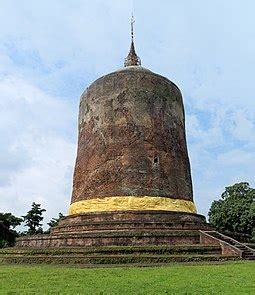
Bawbawgyi Pagoda at Sri Ksetra, prototype of Pagan-era pagodas Wikipedia photo
သမိုင်းဆိုတာ မပျောက်ပါဘူး…..
Creditး AungminKhant