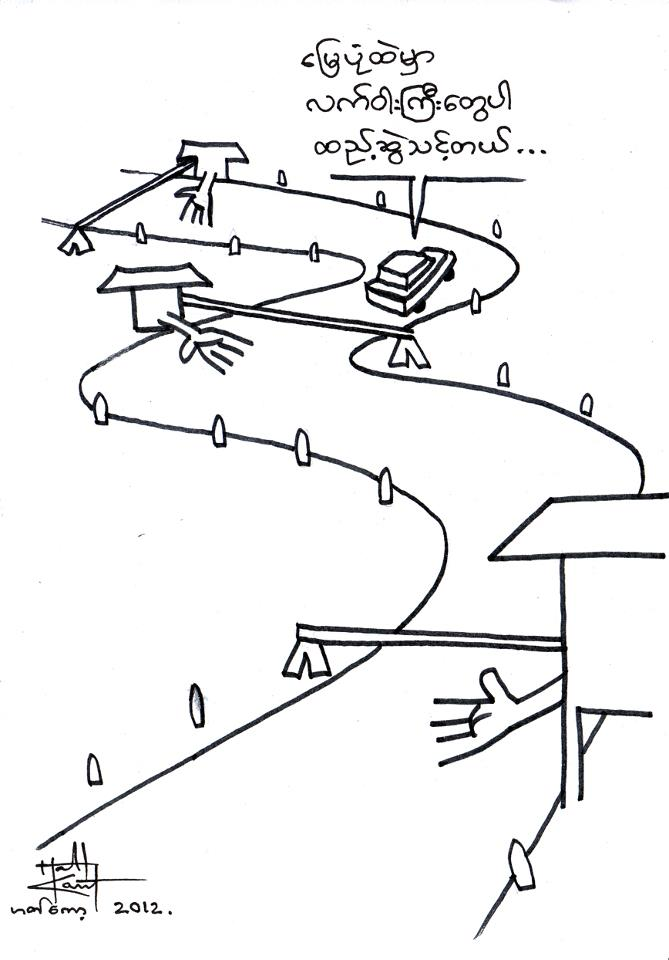
Picture credit:The Irrawaddy cartoon
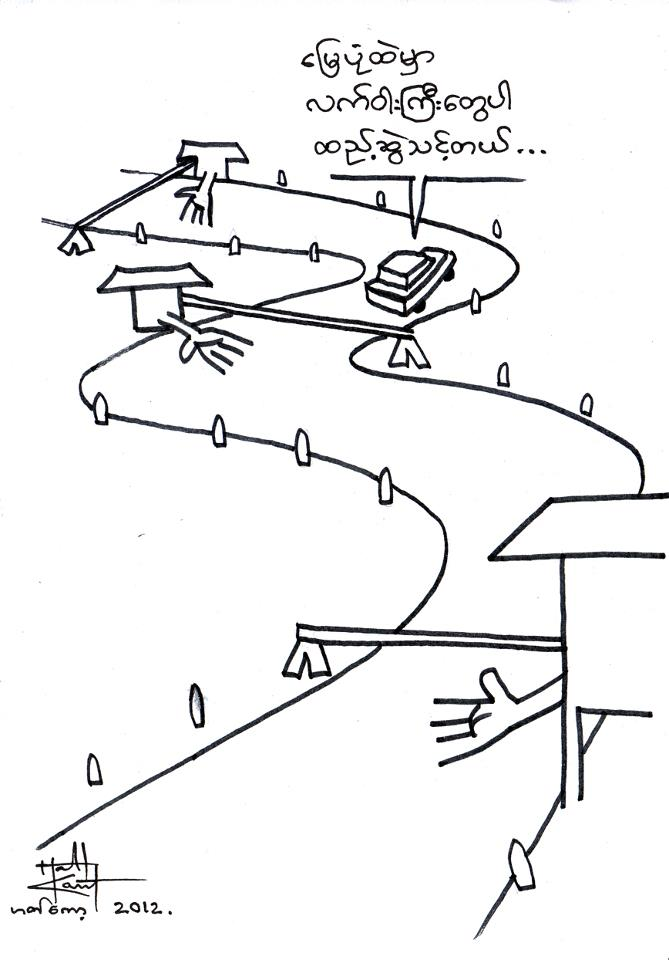
The Irrawaddy cartoon was a powerful visual metaphor for the “Water Gate” system. The winding road with hands reaching out from houses really captures the idea of checkpoints as constant tolls or bribe points, draining travelers along their journey. It’s a striking way to show how corruption feels like an endless series of outstretched hands demanding money.
The symbolism ties directly to the Burmese term you explained:
- War = Bamboo
- Tar = Block
- Gate = Burmanized “Gate” Together, “Water Gate” becomes shorthand for these bamboo roadblocks where money is extorted.
And the phrase “Sit Taung Sar” — literally “check, demand, eat” — makes the cartoon’s message even sharper: corruption is not just an inconvenience, it’s a parasitic system feeding off ordinary people.
It’s fascinating how political cartoons in Myanmar often use simple imagery — a road, a car, a few hands — to convey complex realities like inflation, governance failure, and exploitation. They become a kind of shorthand for public frustration, much like editorial cartoons elsewhere.
Naypyidaw, Myanmar — Former USDP lawmaker Bullet Hla Swe, known for his outspoken and sometimes controversial remarks, has publicly criticized the widespread practice of roadside checkpoint fees, calling them “money suction machines” that are fueling Myanmar’s inflation crisis.
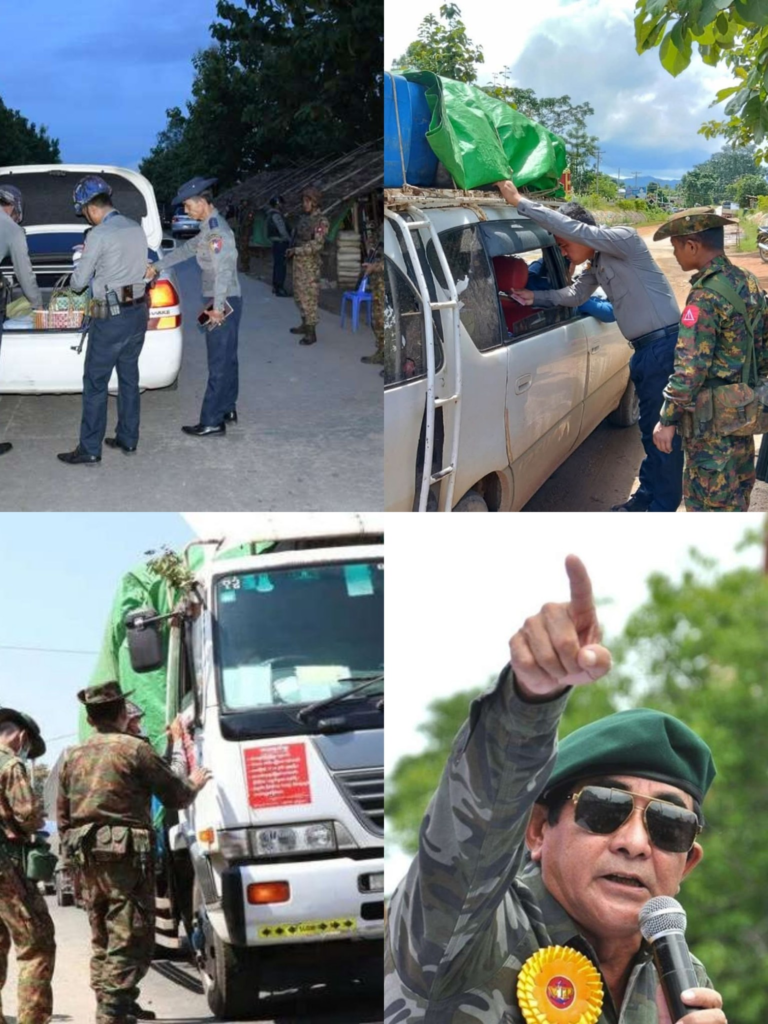
Speaking on social media, Hla Swe described encountering nearly 20 checkpoints during a recent trip through Bago, Mon, and Karen States. He noted that both the military and armed groups such as the PDF and Pyusawhti militias have set up gates along major roads, each demanding payments from travelers and cargo trucks.
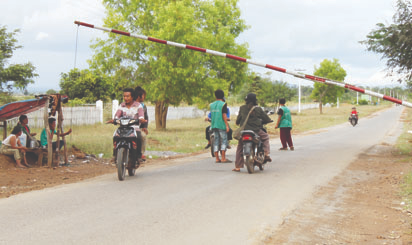
“At almost every gate, money is demanded. Because of these payments, commodity prices have tripled,” Hla Swe said.
Rising Costs Along the Road
Hla Swe illustrated the impact with stark examples:
- A pack of detergent: 12,000 kyat in Hpa-An → 35,000 kyat in Naypyidaw
- Chocolate: 4,200 kyat → 12,000 kyat
- Car tires: 300,000 kyat → 650,000 kyat
- Watermelon: 1,500 kyat in Naypyidaw → 15,000 kyat in Hpa-An
He argued that these inflated prices are directly linked to checkpoint fees, which merchants pass on to consumers.
Burden on Ordinary Citizens
The former MP stressed that the ultimate victims are ordinary people:
- Daily wage earners and low-income families face the harshest impact.
- Salaries remain stagnant while the cost of essentials like rice, oil, and salt continues to climb.
- Political instability, economic decline, and governance failures compound the crisis.
“Merchants cannot absorb these costs forever. Eventually, they add them to the price of goods. It is the people who pay,” Hla Swe noted.
A Shift in Narrative
In the past, rising prices were often explained away by military supporters as consequences of war, foreign exchange fluctuations, or transport difficulties. Hla Swe’s remarks mark a notable shift: a pro-military figure openly acknowledging corruption at checkpoints as a key driver of inflation.
The Bigger Picture
Analysts say the issue reflects a broader breakdown in governance. With multiple armed actors operating checkpoints, corruption has become entrenched, eroding public trust and worsening economic hardship. As Hla Swe himself warned, unless authorities address the problem, Myanmar’s citizens will continue to shoulder the heaviest burden.
Wiper – ဝိုက်ပါ
III ဘူးလက်လှဆွေ ဖော်ထုတ်လိုက်တဲ့ လမ်းပေါ်က ငွေစုတ်စက်များ
“လမ်းပေါ်မှာ ဂိတ် ၂၀ လောက်ရှိတယ်။ ဂိတ်တိုင်းလိုလိုမှာ ပိုက်ဆံပေးနေရတယ်။ အဲဒီတော့ ကုန်ဈေးနှုန်းတွေ ၃ ဆလောက်တက်သွားတာ မဆန်းဘူး” လို့ တပ်ထောက်ခံသူ ဘူးလက်လှဆွေက သူ့လူမှုကွန်ယက်ကနေ ပြောလာပါတယ်။
“ဟိုတလောက ဘားအံဘက် သွားဖြစ်တယ်။ သွားတော့ ပဲခူး၊ မွန်နဲ့ ကရင်ပြည်နယ် သုံးခုကို ဖြတ်သွားရတာပေါ့။ လမ်းတစ်လျှောက်မှာ ဂိတ်တွေက ၂၀ လောက်ရှိတယ်။ စစ်ဂိတ်တွေအပြင် ပြည်သူ့စစ်ဆိုတဲ့သူတွေ၊ ပျူစောထီးဆိုတဲ့သူတွေကလည်း ဂိတ်တွေဖွင့်ထားတာ တွေ့ရတယ်။
ကျွန်တော် နားမလည်တာက အဲဒီဂိတ်တွေ ဘာအတွက်ဖွင့်ထားတာလဲ ဆိုတာပဲ။ ဂိတ်တိုင်းလိုလိုမှာ ငွေတောင်းနေကြတယ်။ ကုန်ကားတွေ၊ ခရီးသည်တွေ သွားရင် ပေးနေရတာပဲ။ အဲဒီလို ဂိတ်တိုင်းမှာ ပိုက်ဆံပေးနေရတော့ ကုန်ဈေးနှုန်းတွေက တက်လာတာပေါ့။
ဥပမာ ဆပ်ပြာမှုန့်တစ်ထုပ် ဘားအံမှာ ၁၂,၀၀၀ ကျပ်လောက်ပဲ ရှိတာကို နေပြည်တော်ရောက်တော့ ၃၅,၀၀၀ ကျပ် ဖြစ်နေတယ်။ ချောကလက်တစ်ထုပ် ၄,၂၀၀ ကျပ်လောက်ကို ဒီဘက်ရောက်တော့ ၁၂,၀၀၀ ကျပ် ဖြစ်သွားတယ်။
ကားတာယာဆိုလည်း ဟိုဘက်မှာ ၃ သိန်းဆို ဒီဘက်မှာ ၆ သိန်းခွဲလောက် ဖြစ်နေတယ်။ အိုဗာတင်းဖျော်ရည်ဘူးလေးတွေကအစ ဈေးသုံးဆလောက် ကွာနေတယ်။
နေပြည်တော်က ထွက်တဲ့ ဖရဲသီးတစ်လုံး ၁,၅၀၀ ကျပ်လောက်ကို ဘားအံရောက်တော့ ၁၅,၀၀၀ ကျပ် ဖြစ်နေတယ်။ ဒီလို ဈေးတွေ အဆမတန်ကွာနေတာဟာ လမ်းမှာ ဂိတ်ကြေးတွေ၊ ဆက်ကြေးတွေ ပေးနေရတာနဲ့ မကင်းဘူးလို့ ထင်တယ်။
ဒါကြောင့် ဒီကိစ္စကို သက်ဆိုင်ရာ တာဝန်ရှိသူတွေ သေချာ စဉ်းစားပြီး အဖြေရှာသင့်တယ်။ မဟုတ်ရင် နောက်ဆုံး ဒုက္ခရောက်တာက ပြည်သူတွေပဲ” လို့ ပြောဆိုလာပါတယ်။
တကယ်တော့ သူပြောတဲ့စကားက ပြည်သူတွေအတွက် အသစ်အဆန်းတော့ မဟုတ်ပါဘူး။ လူအများစုက နေ့စဉ်ကြုံတွေ့နေရတဲ့ အဖြစ်မှန်ကို သူကိုယ်တိုင် မြင်တွေ့ပြီး ထုတ်ပြောလာတာသာ ဖြစ်ပါတယ်။
အရင်တုန်းက တပ်ထောက်ခံသူတွေဟာ ကုန်ဈေးနှုန်းတက်ရင် စစ်ပွဲကြောင့်၊ ဒေါ်လာဈေးတက်လို့၊ လမ်းပန်းဆက်သွယ်ရေး ခက်ခဲလို့ဆိုပြီး အကြောင်းပြချက်အမျိုးမျိုး ပေးခဲ့ကြပါတယ်။ ဒါပေမယ့် အခုတော့ စစ်ကောင်စီကို ထောက်ခံသူတစ်ဦး ကိုယ်တိုင် လမ်းတစ်လျှောက် စစ်တပ်ဂိတ်ကြေးနဲ့ ဆက်ကြေးကောက်ခံမှုတွေဟာ ကုန်ဈေးနှုန်းကြီးမြင့်စေတဲ့ အကြောင်းရင်းတစ်ခု ဖြစ်နေတယ်လို့ ဝန်ခံလာတာ ဖြစ်ပါတယ်။
စဉ်းစားကြည့်ပါ။ ကုန်ကားတစ်စီး သွားတိုင်း ဂိတ်တိုင်းမှာ ငွေပေးရမယ်၊ ဆီဈေးကလည်း မြင့်မယ်၊ လမ်းခရီးကလည်း အန္တရာယ်များမယ်ဆိုရင် အဲဒီကုန်ကျစရိတ်တွေကို ဘယ်သူက ခံရမှာလဲ။ ကုန်သည်က သူ့အိတ်ထဲက အမြဲစိုက်မခံနိုင်ဘူး။ နောက်ဆုံး ကုန်ပစ္စည်းဈေးနှုန်းထဲ ထည့်ပေါင်းလိုက်ရတာပဲ။ အဲဒီအခါ ဝယ်ယူစားသုံးရတဲ့ ပြည်သူတွေပဲ ဈေးကြီးပေးရတော့တာ။
ဒီနေ့ မြန်မာပြည်သူတွေရဲ့ ဘဝကလည်း မလွယ်ပါဘူး။ လစာတွေ မတက်ဘူး၊ အလုပ်အကိုင်တွေ ရှားလာတယ်၊ ဝင်ငွေတွေ ကျဆင်းလာတယ်။ ဒါပေမယ့် ဆန်၊ ဆီ၊ ဆားကအစ နေ့စဉ်သုံးပစ္စည်းတွေကတော့ ဈေးနှုန်းတက်နေဆဲပါပဲ။
အထူးသဖြင့် နေ့စားအလုပ်သမားတွေ၊ အခြေခံလူတန်းစားတွေ၊ လစာနဲ့ ရပ်တည်နေရတဲ့ မိသားစုတွေဟာ အခက်ခဲဆုံး အခြေအနေကို ရင်ဆိုင်နေရပါတယ်။ မနက်ဖြန် ဘာဖြစ်မလဲဆိုတာ မသေချာတဲ့ဘဝနဲ့ နေထိုင်နေကြရတာ ဖြစ်ပါတယ်။
ဘူးလက်လှဆွေ ပြောတဲ့ ဂိတ်ကြေးပြဿနာက ကုန်ဈေးနှုန်းတက်ရတဲ့ အကြောင်းရင်းတွေထဲက တစ်ခုသာ ဖြစ်ပါတယ်။ ဒါပေမယ့် အဲဒီစကားက လက်ရှိ မြေပြင်အခြေအနေကို ထင်ဟပ်ပြနေပါတယ်။ ပြဿနာတွေက သာမန်ပြည်သူတွေ မျက်စိနဲ့ မြင်ရတဲ့အထိ ကြီးထွားလာနေပြီဆိုတာကို ပြသနေပါတယ်။
နောက်ဆုံးတော့ ဂိတ်ကြေးပဲဖြစ်ဖြစ်၊ ဆက်ကြေးပဲဖြစ်ဖြစ်၊ ကုန်ဈေးနှုန်းပဲဖြစ်ဖြစ် အကျိုးဆက်ကို အများဆုံးခံစားနေရတာက သာမန်ပြည်သူတွေပါပဲ။ နိုင်ငံရေး မတည်ငြိမ်မှု၊ စီးပွားရေး ကျဆင်းမှုနဲ့ အုပ်ချုပ်ရေးဆိုင်ရာ ပြဿနာတွေ ဆက်ရှိနေသရွေ့ ပြည်သူတွေရဲ့ စားဝတ်နေရေး အခက်အခဲတွေကလည်း ဆက်ပြီး ကြီးမားနေဦးမှာ ဖြစ်ပါတယ်။