First of all, please read this advanced concept of General Aung San and RACE
Race, religion, and language are thus by themselves not primary factors which go to the making of a nation but the historic necessity of having to lead common life together that is the pivotal principle of nationality and nationalism.
Every student of social and political science knows very well that such slogans as race, religion, language do not alone constitute nationalism. There are one or more races in almost every country. Nowadays, we have different religions being embraced by members of the same nationality.
အမျိုးအနွယ်၊ကိုးကွယ်သည့်ဘာသာတရား၊ ပြောဆိုမည့်ဘာသာစကားတို့ကိုအရေးထားရမည်ဖြစ်သော်လည်း
စင်စစ်မှာ…အေးအတူပူအမျှ ကောင်းတူဆိုးဘက်ပူးပေါင်းလျှက်နေလိုသောအစဉ်အလာ ဆန္ဒပေါ်တွင် ဝံသာနုရက္ခိတတရားသည် တည်နေပေ၏။
လူမျိုးဆိုသည်မှာ… သုခဒုက္ခအတူခံစားကြ၍ နီးနီးစပ်စပ် အကျိုးချင်းထပ်ပြီးလျှင် နှစ်ပရိစ္ဆေဒရှည်လျားစွာ တစ်မျိုးတစ်စားတည်းပင် ဟု စိတ်ထားရှိသူတို့ကို တစ်စုတည်းပေါင်း၍ ခေါ်ဝေါ်ခြင်းသာဖြစ်ပေသည်။
What then constitutes nationalism?
The main factor is the:
- having to lead together one common life
- sharing joys and sorrows,
- developing common interests
- and one or more common things like racial or linguistic communities,
- fostering common traditions of having been and being one which give us a consciousness of oneness and necessity of that oneness.
“I want to address the Indians and Chinese residing in this country. We have no bitterness, no ill will for them, or for that matter for any race and nationality in the world. If they choose to join us, we will welcome them as our own brethren. The welfare of all people of this country irrespective of race or religion has always been the one purpose that I have set out to fulfill. In fact it is my life’s mission.”
I recognize both the virtues and limitations of pure nationalism, I love its virtues, I don’t allow myself to be blinded by its limitations, though I knew that it is not easy for the great majority of any nation to get over these limitations. In so far as nationalism encourages us to love our people and love others. In so far as nationalism inculcates in us a sense of national and social justice which calls upon us to fight any system that is oppressive or tyrannical both in our country and the world, there I am completely with nationalism.
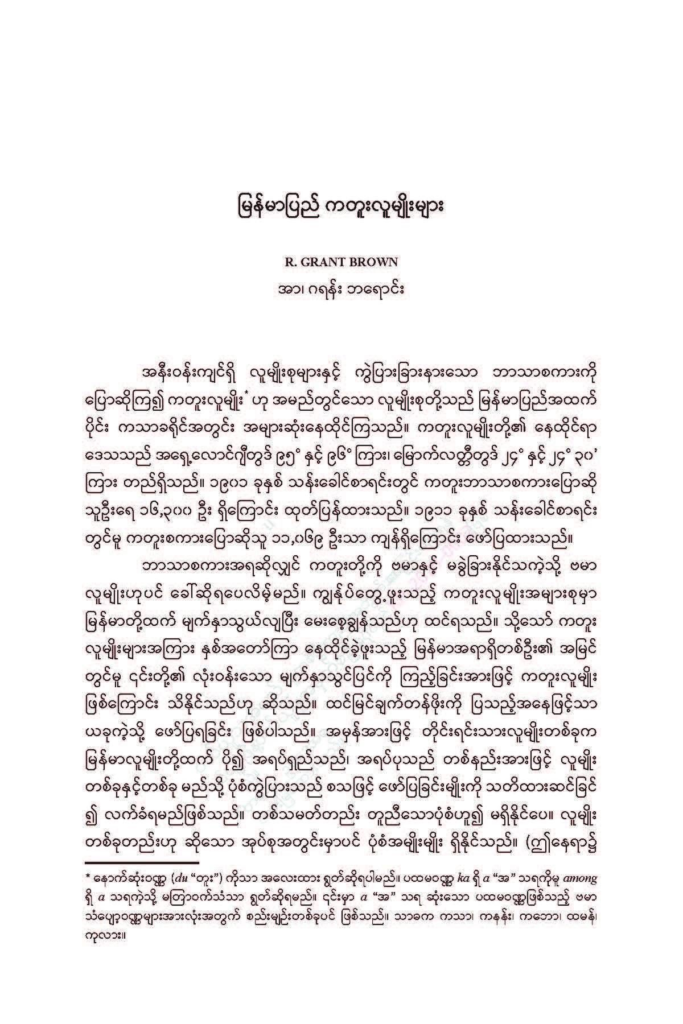
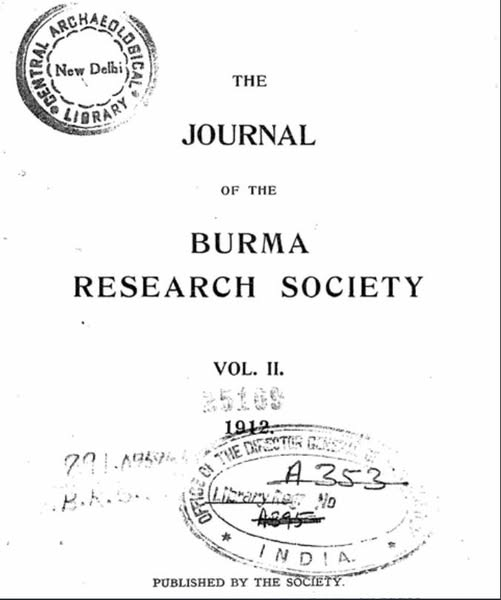
The following is the edited and incorporates the actual factual background from the essay referenced in the text—“The Origin of the Burmese” by R. Grant Brown (ICS), published in the inaugural year of the Journal of the Burma Research Society (1911).
The Myth of Pure Ethnicity: Lessons from Burma’s History
Human identities are built on fluid social constructs rather than fixed biological traits. Ethnic groups like the Bamar (Burmese), Rakhine (Arakanese), and Rohingya did not emerge in isolation as pure, unchanging lineages. Instead, they are the product of thousands of years of migration, assimilation, and cultural integration. Biologically speaking, an unmixed race does not exist; to be human is to be part of a shared, interconnected heritage.
In Myanmar, popular imagination often insists that a “pure” Burman race has existed since prehistoric times. Yet, historical data tells a completely different story. For instance, large segments of the population in Lower Myanmar are historically descended from the Mon (Talaing) people, who gradually adopted the Burmese language and customs over the last few centuries.
This reality was famously observed by colonial scholar R. Grant Brown in his seminal 1911 paper, The Origin of the Burmese, where he argued that “Burmese” is a linguistic and cultural designation rather than a biological one:
- Identity via Assimilation: Anyone, regardless of genetic origin, who speaks the language and adopts the customs becomes culturally Burman. Over generations, distinct groups like the Pyu, Kadu, Thet, and Sak were seamlessly absorbed into what we call the Burmese identity today.
- The Role of Religion and Social Constructs: Historically, external identifiers like religion often disrupted this integration. For example, individuals of mixed Indo-Burmese descent (Zerbadi) who spoke perfect Burmese and followed local customs were often excluded from being called “Burman” solely because they practiced Islam.
- Cultural Fluidity: If a person belonging to the hill tribes (such as the Chin or Naga), or even neighboring regions (like Thailand or Malaysia), adopts the dress, language, and lifestyle of the central plains, they become virtually indistinguishable from a native Burman.
Ultimately, history proves that ethnicity is dynamic. The boundaries we draw today between communities are not ancient walls, but evolving social agreements.
References & Verification
The post specifically references an iconic piece of early 20th-century scholarship. You can look up these records for absolute verification:
- Primary Source: Brown, R. Grant. (1911). “The Origin of the Burmese.”Journal of the Burma Research Society, Vol. 1, Part 1, pp. 1-7.
- Fact-Check: In this text, Brown explicitly states: “The term ‘Burmese’, as commonly used, means those persons who speak the Burmese language and follow Burmese customs… Such a person may belong to any race on the face of the earth, but he is nevertheless a Burman.”
- Historical Assimilation: The paper details how Upper Burma was heavily influenced by the Shans, Kadus, and historical groups like the Pyu and ethnic Mon (Talaing) in the south, proving that the modern Bamar identity is a collective melting pot.
U Aung Tin
သွေးမနှောရင် လူမဟုတ်။
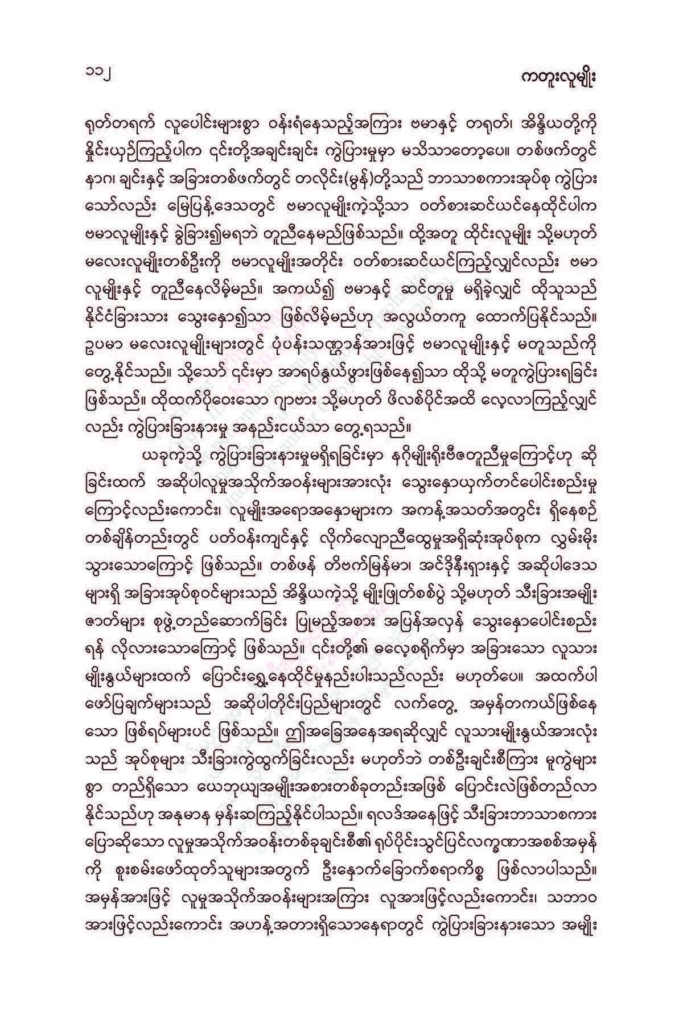
မြန်မာလူမျိုး၊ ရခိုင်လူမျိုး၊ ရိုဟင်ဂျာလူမျိုးဟူ၍ စတင်ခဲ့ကြခြင်း မဟုတ်။ နှစ်ရာထောင်ချီသော သွေးနှောProcessဖြစ်စဉ်အရသာ လူမျိုးတွေဖြစ်လာ၏။ သွေးမနှောသောလူမျိုး လောကတွင်မရှိ။ တနည်းအားဖြင့်ဆိုသော် သွေးမနှောရင် လူမဟုတ်။
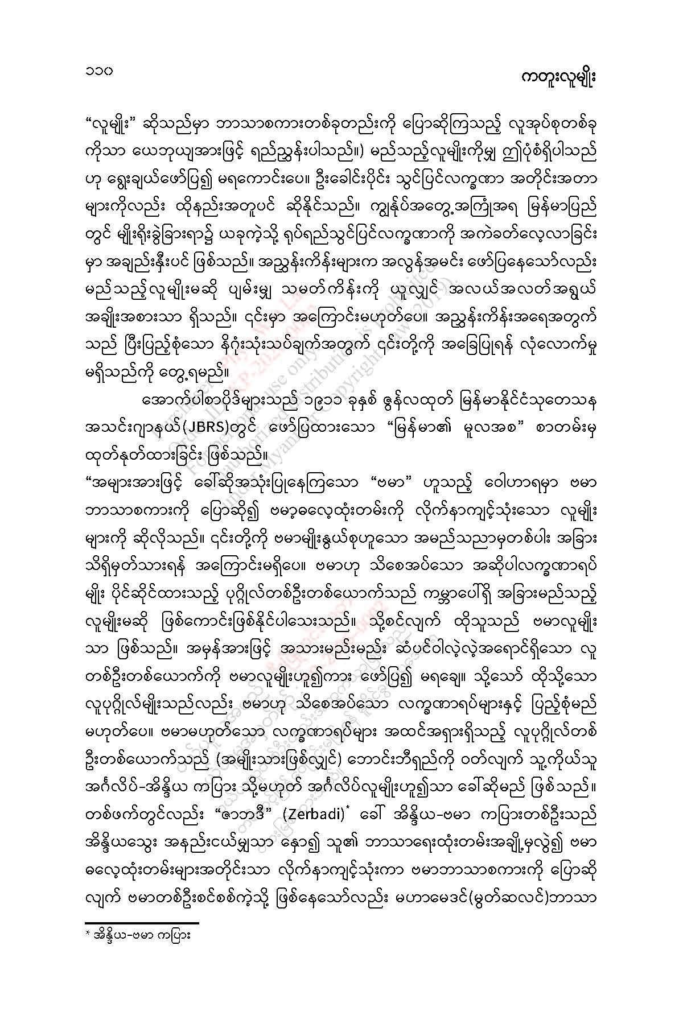
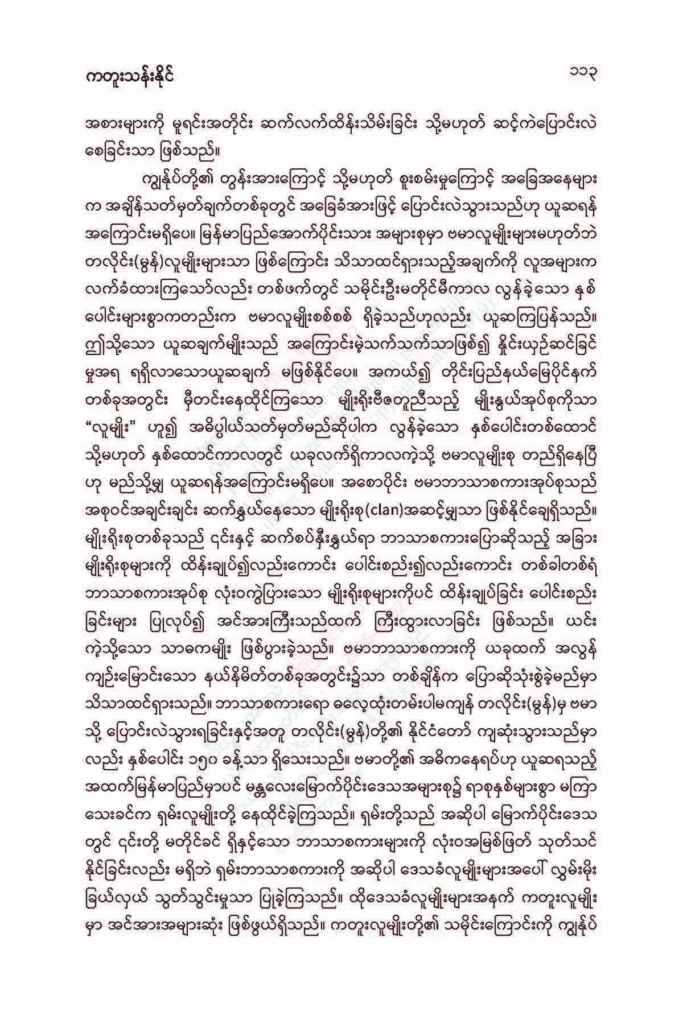
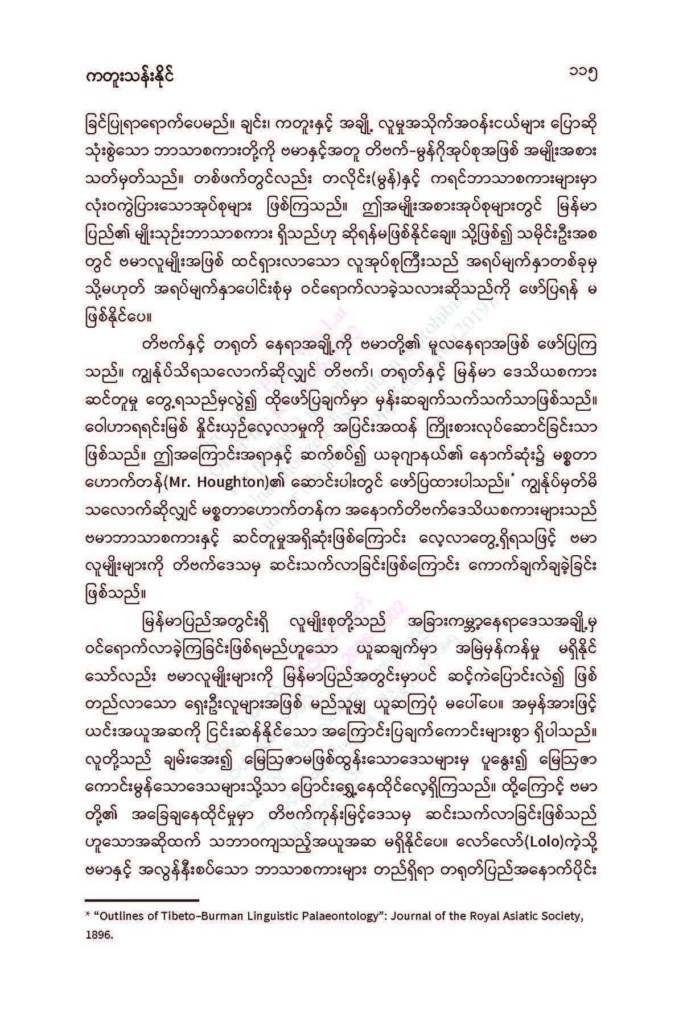
မြန်မာပြည်အောက်ပိုင်းသားအများစုမှာ ဗမာလူမျိုးများမဟုတ်ဘဲ တလိုင်း(မွန်)လူမျိုးများသာဖြစ်ကြောင်း သိသာထင်ရှားသည့်အချက်ကို လူအများက လက်ခံထားကြသော်လည်း တစ်ဖက်တွင် သမိုင်းဦးမတိုင်မီကာလ လွန်ခဲ့သော နှစ်ပေါင်းများစွာကတည်းက ဗမာလူမျိုးစစ်စစ် ရှိခဲ့သည်ဟုလည်း ယူဆကြပြန်သည်။
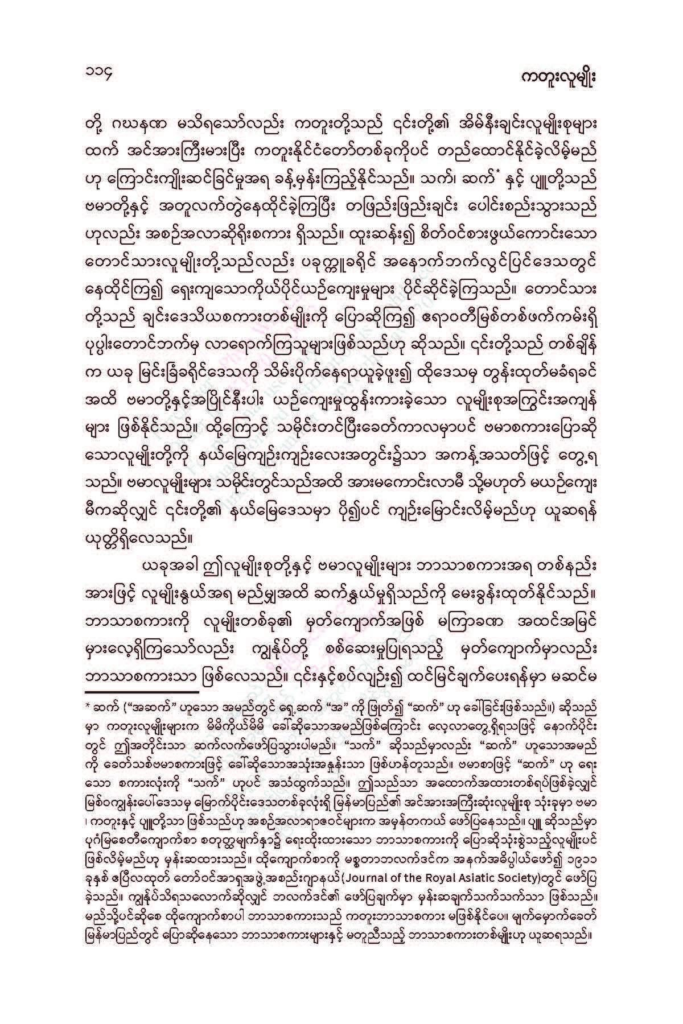
“အများအားဖြင့် ခေါ်ဆိုအသုံးပြုနေကြသော “ဗမာ”ဟူသည့် ဝေါဟာရမှာ
ဗမာဘာသာစကားကို ပြောဆို၍
ဗမာ့ဓလေ့ထုံးတမ်းကို လိုက်နာကျင့်သုံးသော လူမျိုးများကို ဆိုလိုသည်။
၎င်းတို့ကို ဗမာမျိုးနွယ်စုဟူသော အမည်သညာမှတစ်ပါး အခြားသိရှိမှတ်သားရန် အကြောင်းမရှိပေ။ ဗမာဟု သိစေအပ်သော အဆိုပါလက္ခဏာ ရပ်မျိုး ပိုင်ဆိုင်ထားသည့် ပုဂ္ဂိုလ်တစ်ဦးတစ်ယောက်သည် ကမ္ဘာပေါ်ရှိ အခြားမည်သည့်လူမျိုးမဆို ဖြစ် ကောင်းဖြစ်နိုင်ပါသေးသည်။
တစ်ဖက်တွင်လည်း “ဇေရ်ဘာဒီ” (Zerbadi) ခေါ် အိန္ဒိယ-ဗမာကပြားတစ်ဦးသည်
အိန္ဒိယသွေး အနည်းငယ်မျှသာနှော၍
သူ၏ဘာသာရေး ထုံးတမ်းအချို့မှလွဲ၍
ဗမာဓလေ့ထုံး တမ်းများအတိုင်းသာ လိုက်နာကျင့်သုံးကာ
ဗမာဘာသာစကားကို ပြောဆိုလျက်
ဗမာတစ်ဦးစစ်စစ်ကဲ့သို့ ဖြစ်နေသော်လည်း
မဟာမေဒင်(မွတ်ဆလင်) ဘာသာဝင်ဖြစ်ပါက ….
သူ့ကိုယ်သူ ဗမာလူမျိုးဟူ၍ မည်သည့်အခါမျှ ခေါ်ဆိုမည်မဟုတ်ပေ။ အချုပ်အားဖြင့်ဆိုလျှင် ဗမာ၊ ဇာဘာဒီအစရှိသော ဝေါဟာရများမှာ “လူမျိုး”ကို မရည်ညွှန်းဘဲ လူမှုအသိုက်အဝန်းတစ်ခုကိုသာ ဖော်ညွှန်းလေသည်။
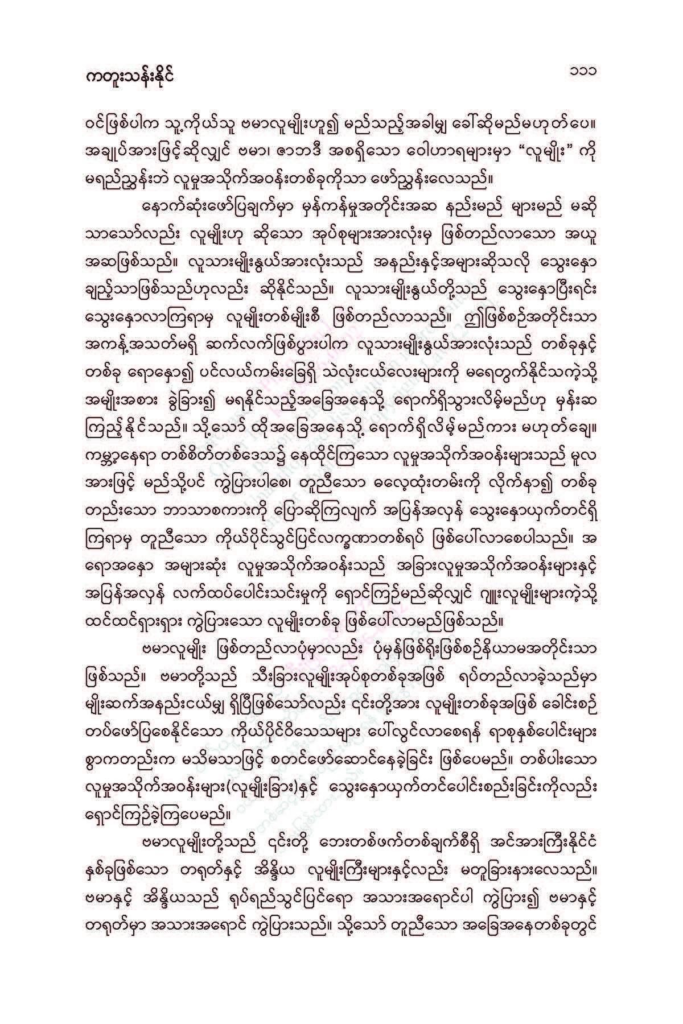
တစ်ဖက်တွင် နာဂ၊ ချင်းနှင့် အခြားတစ်ဖက်တွင် တလိုင်း(မွန်)တို့သည် ဘာသာစကားအုပ်စု ကွဲပြားသော်လည်း မြေပြန့်ဒေသတွင် ဗမာလူမျိုးကဲ့သို့သာ ဝတ်စားဆင်ယင်နေထိုင်ပါက ဗမာလူမျိုးနှင့် ခွဲခြား၍မရဘဲ တူညီနေမည်ဖြစ်သည်။
ထို့အတူ ထိုင်းလူမျိုး သို့မဟုတ် မလေးလူမျိုး တစ်ဦးကို ဗမာလူမျိုးအတိုင်း ဝတ်စားဆင်ယင်ကြည့်လျှင်လည်း ဗမာလူမျိုးနှင့် တူညီနေလိမ့်မည်။
၁၉၁၁ ခုနှစ် ဇွန်လထုတ် မြန်မာနိုင်ငံသုတေသနအသင်းဂျာနယ်(JBRS)တွင် ဖော်ပြထားသော “မြန်မာ၏ မူလအစ” စာတမ်းမှ ထုတ်နုတ်ထားခြင်း ဖြစ်သည်။
ခရက်ဒစ် ကတူးသန်းနိုင်