Translated, Expanded and Edited for International Readers with the Assistance of ChatGPT by Dr Ko Ko Gyi @ Abdul Rahman Zafrudin
When discussing the history of Muslims in Myanmar, many people mistakenly assume that Islam arrived only in recent centuries through migration from India during the British colonial period. Historical evidence, however, suggests a much older story.
Long before the emergence of modern Myanmar, long before colonial rule, and even before many of the great Burmese kingdoms reached their peak, Muslim merchants, sailors, scholars, and travelers were already sailing across the Bay of Bengal and the Andaman Sea. They were part of the vast maritime trading networks that connected Arabia, Persia, India, Southeast Asia, and China.
Among the places most closely associated with these early contacts was the coastal region of present-day Tanintharyi, particularly the historic port of Myeik (formerly known to Europeans as Mergui).
The Indian Ocean Highway
For more than a thousand years, the Indian Ocean functioned as one of the world’s greatest commercial highways.
Arab, Persian, Indian, Malay, Mon, and Chinese merchants crossed its waters carrying spices, textiles, precious stones, ceramics, timber, and ideas. Alongside trade came languages, technologies, cultures, and religions.
After the emergence of Islam in the seventh century, Muslim merchants became important participants in these maritime networks. By the eighth and ninth centuries, Muslim traders had established commercial links throughout South and Southeast Asia.
The coastline of southern Myanmar occupied a strategic position along these routes. Ships sailing between India and the kingdoms of Southeast Asia frequently stopped at natural harbors along the Tanintharyi coast.
Among these harbors, Myeik became one of the most important.
Why Myeik?
Nature itself helped shape Myeik’s destiny.
Its sheltered deep-water harbor provided protection from storms and offered an ideal location for ships waiting for seasonal monsoon winds.
Ancient voyages depended entirely on these winds. Merchants often remained in port for weeks or months while awaiting favorable sailing conditions.
As a result, foreign traders did not merely visit Myeik; many lived there temporarily, established relationships with local communities, and in some cases settled permanently.
Through these interactions, Islam gradually became part of the cultural landscape of the region.
Early Muslim Communities
Historical references by Arab geographers and travelers indicate that Muslim merchants were active throughout the Bay of Bengal and the coasts of Southeast Asia by the ninth century.
While precise dates remain debated among historians, there is broad agreement that Muslim trading communities appeared in parts of coastal Myanmar many centuries before British rule.
Local traditions in Myeik speak of Arab and Persian merchants establishing settlements, building places of worship, and marrying into local families.
Archaeological evidence is limited, but old Muslim cemeteries, Arabic inscriptions, and long-standing community traditions suggest a continuous Muslim presence extending back several centuries.
Sheikh Madinah and the Memory of Early Islam
One of the most fascinating traditions preserved by Myeik’s Muslim community concerns the revered figure known as Sheikh Madinah.
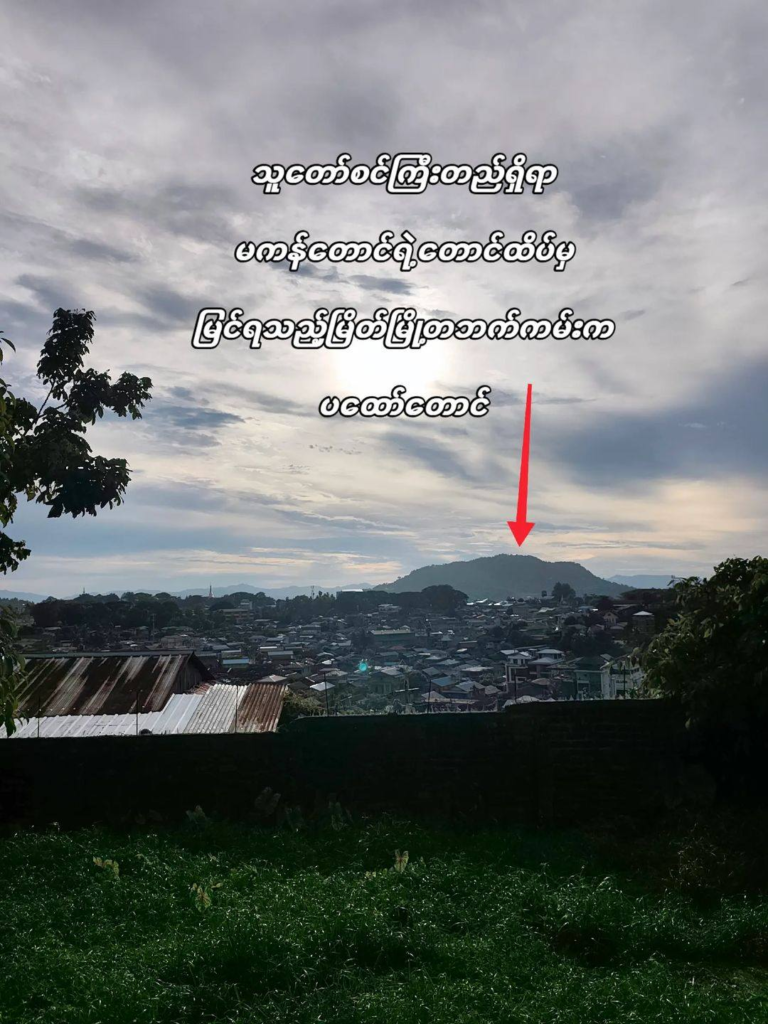
According to local oral histories, Sheikh Madinah was a Muslim saint and spiritual teacher who arrived in the region many centuries ago. His shrine, situated atop Makan Hill near Myeik, remains a place of reverence today.
Historical verification of the details surrounding Sheikh Madinah is difficult. Much of his story survives through oral tradition rather than contemporary written records.
Yet regardless of whether every detail can be historically proven, the tradition itself is significant.
It reveals how generations of local people remembered the presence of Muslim scholars and spiritual leaders as part of their shared heritage.
The shrine continues to attract visitors from different parts of Myanmar and serves as a symbol of the region’s multicultural past.
A Tradition of Coexistence
Perhaps the most remarkable aspect of Myeik’s history is not merely the arrival of Islam but the manner in which different communities lived together.
For centuries, Muslims, Buddhists, Hindus, and people of other beliefs shared the same neighborhoods, markets, ports, and livelihoods.
Local traditions describe mutual respect between religious communities and a willingness to preserve one another’s customs and sacred places.
Such accounts remind us that coexistence was not an exception in Myanmar’s history—it was often the norm.
Beyond Myths and Misconceptions
Modern political conflicts have sometimes encouraged the mistaken belief that Muslims are newcomers to Myanmar.
Historical evidence tells a different story.
Muslims were present in the region centuries before colonial rule. They arrived not as conquerors but largely as merchants, sailors, craftsmen, scholars, and settlers participating in the commercial life of the Indian Ocean world.
Like many other communities in Myanmar, they became part of the country’s complex and diverse historical fabric.
Preserving a Shared Heritage
The history of early Muslims in Myanmar belongs not only to Muslims but to all Myanmar people.
The story of Myeik demonstrates how geography connected Myanmar to global civilizations and how cultural exchange enriched local societies.
Whether through documented history, archaeological remains, or cherished community traditions, the memory of those early interactions deserves preservation.
As future generations study Myanmar’s past, they should recognize that diversity was not imported into the country in modern times. It has existed for centuries.
The sea routes that brought Arab and Persian merchants to Myeik also brought ideas, friendships, and traditions that became part of Myanmar’s heritage.
In remembering that history, we may find inspiration for building a future based on mutual respect, understanding, and peaceful coexistence.
Acknowledgement
This article draws upon local traditions preserved by the Myeik Muslim History Committee, community oral histories, historical studies of Indian Ocean trade, and regional accounts concerning the Shrine of Sheikh Madinah on Makan Hill, Myeik.
Bagan period (From Wikipedia)
In the early Bagan era (652–660 AD), Arab chronicles document merchants landing at ports such as Thaton and Martaban while sailing from Madagascar to China.[46] Arab travellers visited the Andaman Islands in the Bay of Bengal south of Burma.[47]
The first Muslims landed in Myanmar’s Irrawaddy delta and on the Tanintharyi coast. By the 9th century, they were also present in Arakan, prior to the establishment of the first Burmese empire in 1055 AD by King Anawrahta of Bagan.[16][24] The sea ports of Burma are rife with the legendary accounts of early shipwrecks in their vicinity, which are supported by archaeological remnants. However, long-term settlement by Muslim traders appear to date to later centuries following the First Mongol invasion of Burma.[48]
Ko Naing Myeik
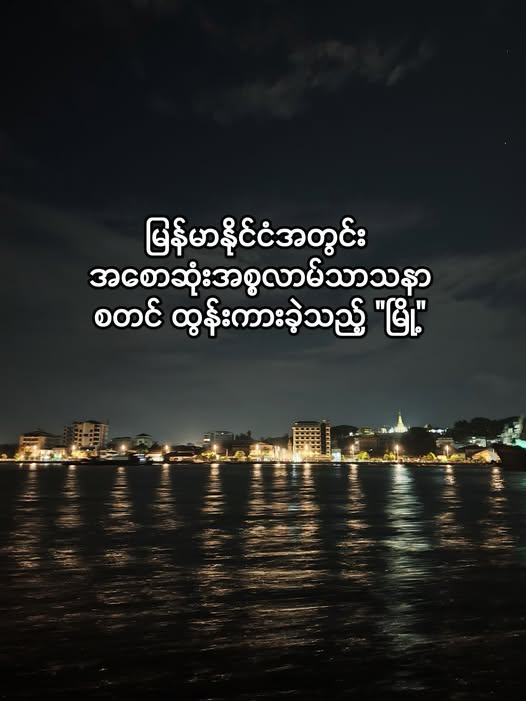
မြန်မာနိုင်ငံအတွင်း အစောဆုံးအစ္စလာမ်သာသနာစတင် ထွန်းကားခဲ့သည့်မြို့…
ယနေ့အဖြစ်အပျက်သည် မနက်ဖြန်အတွက် သမိုင်းဖြစ်သည်။ သမိုင်းဟုမည်မျှပင်ဆိုသော်လည်း ယနေ့ပေါင်းများစွာအား မှတ်တမ်းတင်ထားခြင်းမရှိက မနက်ဖြန်များစွာသည်လည်း အဓိပ္ပာယ်မဲ့သော သမိုင်းမရှိသောနေ့သစ်များ ဖြစ်နေပေလိမ့်မည်။
အစ္စလာမ် သာသနာသည် မြန်မာနိုင်ငံအတွင်း စတင်ထွန်းကားခဲ့သည်မှာ နှစ်ပေါင်း ၁၀၀၀ ကျော် သို့မဟုတ် ၁၂၀၀ ကျော်ခန့် ရှိခဲ့ပြီဖြစ်သည်။ မြိတ်မြို့သည် မြန်မာနိုင်ငံအတွင်း အစောဆုံးအစ္စလာမ်သာသနာစတင် ထွန်းကားခဲ့သည့်မြို့တစ်မြို့ဖြစ်သည်။
 အဘယ်ကြောင့် “မြိတ်မြို့” ဖြစ်နေရသနည်း (သမိုင်းကြောင်းနောက်ခံ)
အဘယ်ကဲ့သို့ မြန်မာနိုင်ငံအတွင်း အစောဆုံးအစ္စလာမ်သာသနာစတင် ထွန်းကားခဲ့သည့်မြို့ဟာ မြိတ်မြို့ဖြစ်နေရသလဲဆိုတဲ့ အကြောင်းအရင်းကတော့ ပထဝီဝင်အနေအထားနဲ့ ရှေးဟောင်းပင်လယ်ရေကြောင်း ကုန်သွယ်မှုသမိုင်းတို့ကြောင့် ဖြစ်ပါတယ်။
 ၁။ အချက်အချာကျသော ဆိပ်ကမ်းမြို့ ဖြစ်ခြင်း
မြိတ်မြို့ ဟာ အိန္ဒိယသမုဒ္ဒရာနဲ့ ပစိဖိတ်သမုဒ္ဒရာကို ဆက်သွယ်ပေးထားတဲ့ ကုန်းကောက်ကွေ့ ကုန်သွယ်ရေးလမ်းကြောင်းပေါ်မှာ တည်ရှိပြီး ရှေးယခင်ကတည်းက ကမ္ဘာသိ ဆိပ်ကမ်းမြို့ကြီးတစ်မြို့ ဖြစ်ခဲ့ပါတယ်။ အေဒီ (၇) ရာစုနှင့် (၈) ရာစု (အစ္စလာမ်သာသနာ စတင်ပေါ်ထွန်းပြီးစ ကာလများ) ကတည်းက အာရပ်၊ ပါရှန်း (အီရန်) နဲ့ အိန္ဒိယက အစ္စလာမ်ဘာသာဝင် ကုန်သည်ကြီးတွေဟာ သင်္ဘောလွှင့်ပြီး အရှေ့ဖျားနိုင်ငံတွေဆီ ကုန်သွယ်ဖို့ သွားကြတဲ့အခါ မြိတ်မြို့ကို အဓိက ဝင်ထွက်နားခိုရာ ဆိပ်ကမ်းအဖြစ် အသုံးပြုခဲ့ကြပါတယ်။
 ၂။ ကုန်သည်များနှင့် သာသနာပြုများ အခြေချနေထိုင်ခြင်း
ရှေးခေတ် ပင်လယ်ကူးသင်္ဘောတွေဟာ မုတ်သုံလေကို စောင့်ဆိုင်းပြီး ခရီးနှင်ရတာဖြစ်လို့ အာရပ်နဲ့ ပါရှန်းကုန်သည်တွေဟာ မြိတ်မြို့မှာ လနဲ့ချီပြီး နေထိုင်ခဲ့ကြရပါတယ်။ ထိုသို့ နေထိုင်ရင်း ရိုးသားဖြောင့်မတ်တဲ့ ကုန်သွယ်မှုဓလေ့၊ သန့်ရှင်းသပ်ရပ်တဲ့ နေထိုင်မှုပုံစံတွေကြောင့် ဒေသခံတွေနဲ့ ရင်းနှီးကျွမ်းဝင်ကာ အချို့မှာ အခြေချအိမ်ထောင်ရက်သားကျပြီး သာသနာတော်ကိုပါ တစ်ပါတည်း မိတ်ဆက်ပေးခဲ့ကြပါတယ်။
 ၃။ သမိုင်းမှတ်တမ်းများနှင့် အထောက်အထားများ
အာရပ်ပထဝီဝင်ပညာရှင်များ၏ မှတ်တမ်းများ…
အေဒီ (၉) ရာစုခန့်က အာရပ်ခရီးသွားများနှင့် ပထဝီပညာရှင်များ (ဥပမာ- အိဗ်နုခရ်ဒါးဒ်ဗေးဟ် ကဲ့သို့သော ပညာရှင်များ) ၏ မှတ်တမ်းများတွင် မြန်မာ့ကမ်းရိုးတန်းနှင့် မြိတ်ကျွန်းစုတစ်ဝိုက်သို့ အာရပ်ကုန်သည်များ ရောက်ရှိကုန်သွယ်ခဲ့ကြောင်း ဖော်ပြချက်များ ရှိပါတယ်။
ရှေးဟောင်းအဆောက်အအုံများနှင့် အုတ်ဂူများ…
မြိတ်မြို့နှင့် အနီးတစ်ဝိုက်ကျွန်းများတွင် ရှေးကျသော ပါရှန်းဗိသုကာလက်ရာ အရိပ်အမြွက်များ၊ ရှေးဟောင်းအာရပ်စကားလုံးများ ပါရှိသည့် အုတ်ဂူများနှင့် ရှေးဟောင်းဗလီဝတ်ကျောင်းတော်အချို့၏ သမိုင်းကြောင်းများက ဤဒေသတွင် အစ္စလာမ်ဘာသာဝင်များ နှစ်ပေါင်းထောင်ချီ စောစီးစွာ အခြေချခဲ့ကြောင်း သက်သေခံနေပါတယ်။
 နိဂုံးချုပ်ဆိုရသော်
မြိတ်မြို့ဟာ သဘာဝက ပေးထားတဲ့ ဘေးကင်းလုံခြုံတဲ့ ပင်လယ်အော်ဆိပ်ကမ်းကောင်း ဖြစ်နေခြင်းကြောင့် ကမ္ဘာလှည့် အာရပ်၊ ပါရှန်း သာသနာပြု ကုန်သည်ကြီးတွေ မြန်မာနိုင်ငံထဲကို အစောဆုံး ခြေချမိရာ တံခါးပေါက် ဖြစ်ခဲ့ရပါတယ်။ ဒါကြောင့်မို့လို့ မြိတ်မြို့ဟာ သာသနာစတင်ရာ သမိုင်းဝင်မြေဖြစ်သလို၊ ဘာသာဝင်စုံလင်စွာနဲ့ ရာစုနှစ်ပေါင်းများစွာ ငြိမ်းချမ်းစွာ အတူယှဉ်တွဲနေထိုင်လာတဲ့ “ချစ်ကြည်ရေးဗဟိုပြုမြို့” ဖြစ်နေရခြင်း ဖြစ်ပါတယ်။
ဘာသာပေါင်းစုံ ချစ်ကြည်ရာမြေမြတ်တစ်ခွင်
ထိုသို့ နှစ်ထောင်ချီသည့် ကာလမှစတင်ကာ သာသနာစတင် ထွန်းကားခဲ့သည့်မြို့တစ်မြို့ဖြစ်သည်နှင့်အညီ မြိတ်မြို့သည် ရှေးယခင်ကတည်းကပင် ဘာသာစုံ၊ လူမျိုးစုံ သဟဇာတဖြစ်ဖြစ် အတူယှဉ်တွဲ နေထိုင်လာခဲ့ကြသည့် “ဘာသာပေါင်းစုံ ချစ်ကြည်ရာ မြေမြတ်တစ်ခွင်” လည်း ဖြစ်ပါတယ်။
ကမ်းရိုးတန်းပင်လယ်ပြင်က တိုက်ခတ်လာတဲ့ လေညင်းတွေဟာ လူမျိုး၊ ဘာသာ မခွဲခြားဘဲ မြိတ်သူမြိတ်သားအားလုံးကို အေးမြစေသလိုပါပဲ၊ ရာစုနှစ်ပေါင်းများစွာ ဖြတ်သန်းလာခဲ့တဲ့ သမိုင်းတစ်လျှောက်မှာလည်း ဘာသာဝင်အသီးသီးဟာ တစ်ဦးကိုတစ်ဦး ဖေးမကူညီရင်း၊ အေးအတူပူအမျှ ရိုးရာဓလေ့တွေကို အပြန်အလှန် လေးစားတန်ဖိုးထားရင်း လက်တွဲလာခဲ့ကြတာပါ။
 သမိုင်းအတွက် ဂုဏ်ယူခြင်းနှင့် နွေးထွေးသော အနာဂတ်
 ဒီပို့စ်လေးကို ဖတ်ရှုနေကြတဲ့ အစ္စလာမ်ဘာသာဝင် ညီအစ်ကိုမောင်နှမများအနေနဲ့ မိမိတို့ သက်ဝင်ယုံကြည်တဲ့ သာသနာတော် ထွန်းကားပြန့်ပွားရာ၊ သမိုင်းအစဉ်အလာ ကြီးမားလှတဲ့ မြိတ်မြေမှာ မွေးဖွားကြီးပြင်းခွင့်ရပြီး ဒေသအကျိုးကို တစ်တပ်တစ်အား သမိုင်းဝင် သယ်ပိုးခွင့်ရနေခြင်းအတွက် အတိုင်းထက်အလွန် ဝမ်းမြောက်ဂုဏ်ယူမိကြလိမ့်မယ်လို့ ယုံကြည်ပါတယ်။
 တစ်ချိန်တည်းမှာပဲ ကျွန်တော်တို့နဲ့အတူ တစ်မြေတည်းနေ တစ်ရေတည်းသောက်ပြီး ချစ်ချစ်ခင်ခင် နေထိုင်ကြတဲ့ ဗုဒ္ဓဘာသာဝင်များနှင့်တကွ အခြားဘာသာဝင် စာဖတ်သူများရဲ့ ရင်ထဲမှာလည်း— ရာစုနှစ်ပေါင်းများစွာ သမိုင်းအထောက်အထား ခိုင်ခိုင်မာမာနဲ့ ကောင်းတူဆိုးဖက် အတူရှိခဲ့ကြတဲ့ အစ္စလာမ်ဘာသာဝင်တွေအပေါ် ပိုမိုနားလည် စာနာစိတ်၊ ပိုမို လေးစား အကောင်းမြင်စိတ်တွေနဲ့အတူ “ငါတို့မြိတ်မြို့က တကယ့်ကို ချစ်စရာကောင်းတဲ့ ဘာသာပေါင်းစုံ ရိုးရာအလှတွေ စုံလင်ရာ မြို့လေးပါလား” ဆိုပြီး နွေးထွေးတဲ့ အပြုံးတွေ၊ အသိအမှတ်ပြုမှုတွေ ပေးချင်လာလိမ့်မယ်လို့ မျှော်လင့်မိပါတယ်။
အမုန်းတရားတွေထက် အပြန်အလှန် ချစ်ကြည်ခြင်း၊ နားလည်ခြင်းတွေနဲ့သာ မနက်ဖြန်တွေအတွက် လှပတဲ့ မှတ်တမ်းသစ်တွေကို ဆက်လက် ရေးထိုးသွားကြပါစို့။ 
အထူးကျေးဇူးတင်လွှာ
သမိုင်းအချက်အလက် ကဏ္ဍအတွက်
( မြိတ် မွတ်စ်လင်မ် သမိုင်းကော်မတီ ) အား
အထူးပင်ကျေးဇူးတင်ရှိပါသည်။

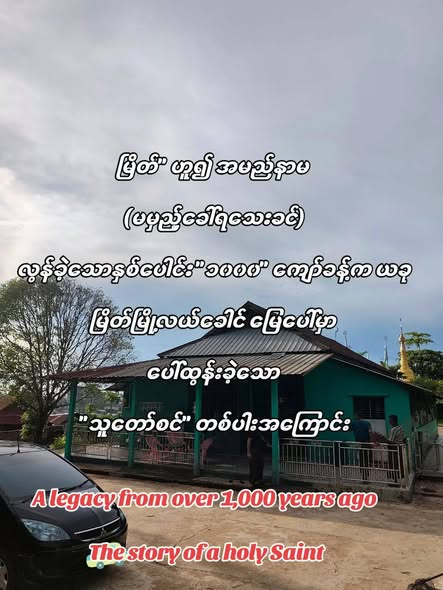
မြိတ်မြို့ပေါ်တွင် “လွန်ခဲ့သော နှစ်ပေါင်းတစ်ထောင်ကျော်ခန့်”
(အေဒီ ၁၀ ရာစု သို့မဟုတ် ၁၂ ရာစု) ကာလ က
အာရပ်ခရီးသွား သူတော်စင်ကြီး
“ရှိုက်ခ်မဒီနာသခင်၏”အကြောင်းဖတ်ရှု့လိုပါက…
Ko Naing Myeik
မြိတ်မြို့ရဲ့ ရာစုနှစ်ချီ သမိုင်းကမ္ပည်းနဲ့ မကန်တောင်ထိပ်က “ရှိုက်ခ်မဒီနာသခင်ဒရ်ဂါတော်”…
“မာရိတ်၊ မာဝှီး၊ မြိတ်” ဟူ၍ အမည်နာမ ကင်ပွန်းမတပ်ခင်…
ယနေ့ ကျွန်တော်တို့ ချစ်ရတဲ့ မြိတ်မြေကြီး ပေါ်ထွန်းမယ့် ပထဝီရပ်ဝန်းမှာ အစောဆုံး အခြေချနေထိုင်ခဲ့ကြတဲ့ ရှေးဦးလူစုအဝေးကတည်းက သမိုင်းအစဉ်အလာကြီးမားခဲ့တဲ့ နေရာတစ်ခု ရှိပါတယ်။
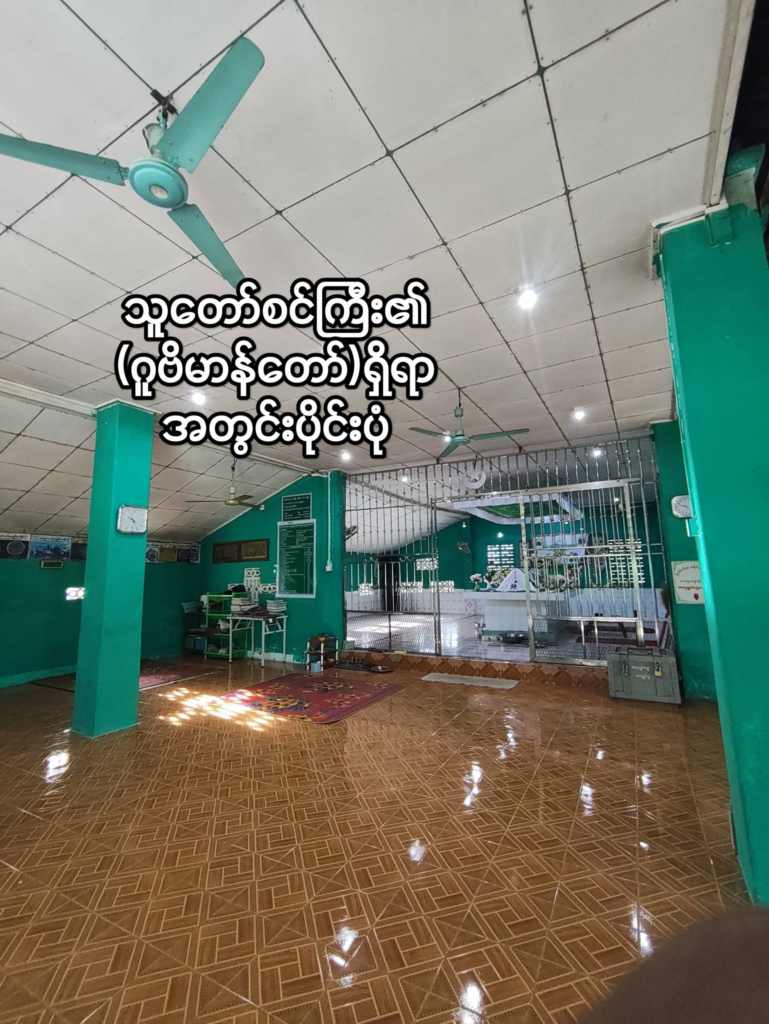
ဒါကတော့ တနင်္သာရီတိုင်းဒေသကြီး၊ မြိတ်မြို့နယ်၊ မြိတ်တောင်နယ်မြေ၊ မကန်တောင်ရဲ့ တောင်ထိပ်မှာ တည်ရှိပြီး ရာစုနှစ်ပေါင်းများစွာ ဒေသခံတို့ အလေးအမြတ် ထိန်းသိမ်းလာခဲ့ကြတဲ့ “ရှိုက်ခ်မဒီနာသခင်ဒရ်ဂါတော် (ဂူဗိမာန်တော်)” ပဲ ဖြစ်ပါတယ်။
လွန်ခဲ့သော နှစ်ပေါင်း ၇၀၀ မှ ၁၀၀၀ ကျော်ခန့် (အေဒီ ၁၀ ရာစု သို့မဟုတ် ၁၂ ရာစု) ကာလ… ရေပြင်အတိပြီးနေတဲ့မြိတ်မြို့ရဲ့ ကုန်းပိုင်းတောင်ကုန်းတွေပေါ်မှာ လူသားတို့ ခဏတဖြုတ် ခိုနားရာကနေ အစပြုခဲ့တဲ့ သမိုင်းကြောင်းထဲမှာ ဆွဲဆောင်မှုအပြည့်ရှိတဲ့ သမိုင်းမှတ်တမ်းတွေကို ပြန်လည်မျှဝေပေးချင်ပါတယ်။
“ရှိုက်ခ်မဒီနာဒရ်ဂါတော်” ဆိုတာ ဘာလဲ။
ရှိုက်ခ် (Sheikh)…
အများက ကြည်ညိုလေးစားရတဲ့ သက်ကြီးဝါရင့် ပညာရှင်၊ သူတော်စင် သို့မဟုတ် အကြီးအကဲ။
မဒီနာဟ် (Medinah)…
ဆော်ဒီအာရေဗျနိုင်ငံရှိ အစ္စလာမ်သာသနာဝင်တို့ရဲ့ ထူးမြတ်ရာ မြို့တော် (သို့မဟုတ်) “ယဉ်ကျေးမှုမြင့်မားတဲ့ ရပ်ဝန်း”။
ဒရ်ဂါ (Dargah)…
ဖာရစီဘာသာစကားအရ (ဒရ် = တံခါးဝ၊ ဂါဟ် = နေရာ) ဖြစ်ပြီး “သူတော်စင်တစ်ပါးရဲ့ တမလွန်သို့ ကူးပြောင်းခဲ့ရာ နောက်ဆုံးနေရာ တံခါးဝ (ဂူဗိမာန်တော်)” လို့ အဓိပ္ပာယ်ရပါတယ်။
ရှိုက်ခ်မဒီနာသခင်၏ ရုပ်ရည်ရူပါလက္ခဏာနှင့် အံ့ဖွယ်ကျင့်စဉ်များ
သမိုင်းမှတ်တမ်းများအရ ရှိုက်ခ်မဒီနာသခင်သည် အယုဒ္ဓယ (ယိုးဒယား) ဘက်မှ အိန္ဒိယဘက်သို့ ရေကြောင်းခရီးဖြင့်
ဟာဂျီပြုလုပ်ရန် သွားရောက်ကြမည့် အစ္စလာမ်သာသနာဝင် ခရီးသွားအုပ်စုကြီးတစ်ခု၏ လမ်းညွှန်ဥပဇ္ဈာယ်ဆရာ ဖြစ်ပါတယ်။ လမ်းခရီးတွင် ရာသီဥတုနှင့် အကြောင်းအမျိုးမျိုးကြောင့် မြိတ်မြေတွင် ခရီးတစ်ထောက်နားရင်း အတည်တကျ သာသနာပြု ကျင့်ကြံနေထိုင်ခဲ့ခြင်း ဖြစ်ပါတယ်။
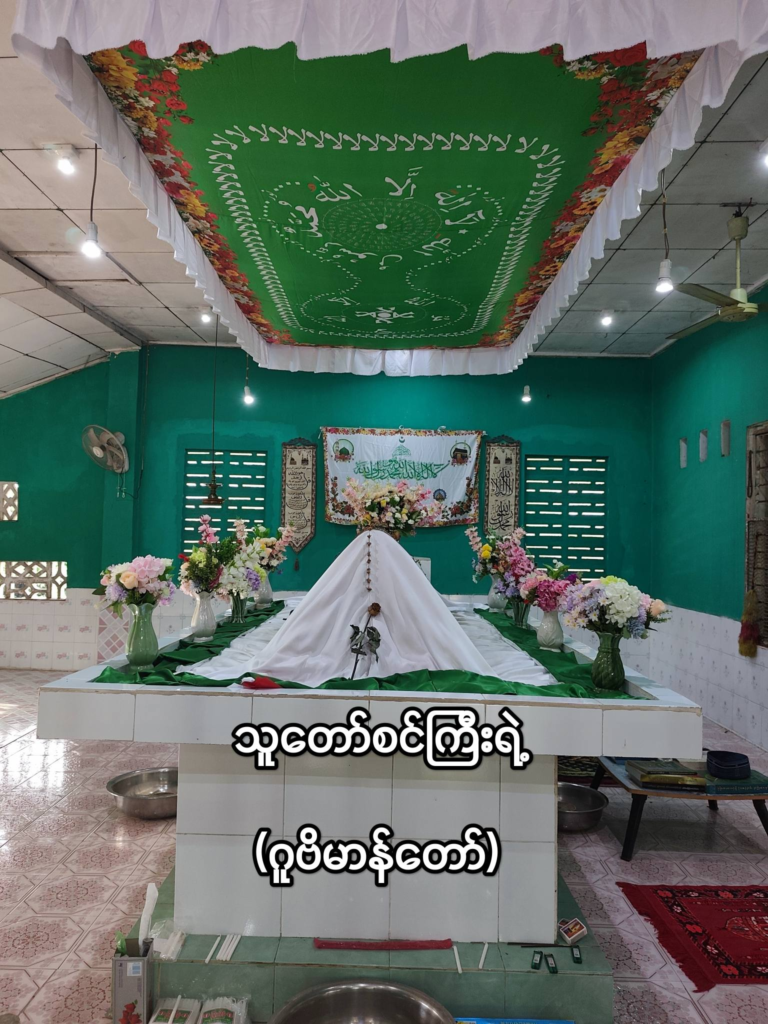
ရုပ်လက္ခဏာ…
အရပ် ၆ ပေခန့်မြင့်ပြီး အသက် ၇၀ ခန့်ရှိသော်လည်း
ထွားကြိုင်းသန်မာသည်။ ဆံပင်၊ မုတ်ဆိတ်နှင့် မွေးညှင်းများ ဖြူဆွတ်နေကာ အဖြူရောင် လောင်းကုတ်အင်္ကျီကို အမြဲဝတ်ဆင်ပြီး၊ ဦးခေါင်းတွင် စောင်းထုပ်အဖြူပေါင်းကာ လက်တွင် တောင်ဝှေးနှင့် စိတ်ပုတီးကြီးတစ်ကုံး အမြဲဆင်မြန်းထားလေ့ရှိသည်။
စူးရှသောမျက်လွှာ…
တစ်နေရာရာသို့ ကြွမြန်းသည့်အခါ ဘေးဘယ်ညာကို
မကြည့်ဘဲ မျက်လွှာချကာ မိမိရည်မှန်းရာဆီသို့သာ
တရိုးတိုက် ကြည့်ရှုကြွမြန်းတတ်သည်။
တန်ခိုးအံ့ဖွယ်ကျင့်စဉ်…
ကန်ခေါင်းရပ်ကွက်ရှိ “တကြာဗလီ”၊ ရှေးဟောင်းဗလီနှင့်
ပထော်တောင်ခြေရှိ “မကန်ကျောက်ဖျာ” နေရာတို့သည်
သခင်ကြီး တရားဘာဝနာ အားထုတ်ခဲ့ရာ နေရာများဖြစ်သည်။ သခင်ကြီးသည် ရေပြင်ပေါ်၌ လမ်းလျှောက်ကြွမြန်းခြင်း၊
ရေပေါ်၌ ဝတ်ပြုဆုတောင်းခြင်းများ လုပ်ဆောင်သည်ဟု အဆိုရှိခဲ့သည်။
ဆန်းကြယ်လှသော အစွဲအလမ်းနှင့် သမိုင်းဝင် “တကြာဗလီ”
သခင်ကြီး ကွယ်လွန်သောအခါ တပည့်သားမြေးများက
သခင်ကြီး တရားကျင့်ကြံခဲ့ရာနေရာကို ဗလီအဖြစ် ဆောက်လုပ်လှူဒါန်းခဲ့ကြပြီး ယနေ့တိုင် သခင်ကြီး (သို့မဟုတ်) သခင်ကြီးရဲ့ မျိုးဆက်သူတော်စင် သုံးစွဲခဲ့တဲ့ “ကျောက်ခေါင်းအုံး” ကို အစွဲပြုကာ “တကြာဗလီ” ဟု အမည်တွင်လာခဲ့ခြင်း ဖြစ်ပါတယ်။
ထူးခြားသော ဒေသန္တရအစွဲ…
ရှိုက်ခ်မဒီနာသခင်ကြီး စိုးစံရာ မကန်တောင်ပတ်လည်တွင် နေထိုင်ကြသူ အစ္စလာမ်ဘာသာဝင်များမဟုတ်တဲ့ ရှေးလူကြီးများသည် သခင်ကြီး၏ အရှိန်အဝါကို လေးစားသောအားဖြင့် မိမိတို့ သားသမီးများကို “ဝက်သားမစားရန်” တားမြစ်ခဲ့ကြပြီး၊ စားမိပါက ဘေးဒုက္ခကြုံရတတ်သည်ဟူသော အစွဲအလမ်း ယနေ့တိုင် ရှိနေဆဲ ဖြစ်ပါတယ်။
ယနေ့ခေတ်အထိ တည်ရှိနေသော ဘာသာပေါင်းစုံ ချစ်ကြည်ရေး သင်္ကေတ
ရှိုက်ခ်မဒီနာသခင်ဒရ်ဂါတော်သည် ယနေ့အချိန်အထိ ကျန်းမာရေး၊ စီးပွားရေး၊ လူမှုရေးကိစ္စအဝဝအတွက်
အလ္လာဟ်အရှင် နဲ့ ဗန္ဒာဟ်ကြား အကြောင်းအခံတစ်ခုအဖြစ် လာရောက် တောင်းဆုပြုရာ နေရာတစ်ခုအဖြစ် တည်ရှိနေဆဲ ဖြစ်ပါတယ်။
နှစ်စဉ် မတ်လ ၂၈ ရက်နေ့မှ ၃၀ ရက်နေ့အထိ ရန်ကုန်၊ မန္တလေး၊ မော်လမြိုင်၊ သံတွဲ၊ ပဲခူး၊ ထားဝယ် စတဲ့ မြန်မာနိုင်ငံအနှံ့အပြားက ဝတ်ပြုဆုတောင်းသူများ စုပေါင်းလာရောက်လေ့ရှိသလို၊ မြိတ်မြို့နယ် ဘာသာပေါင်းစုံ ညီညွတ်ရေးအဖွဲ့များနှင့် ဘာသာရေးခေါင်းဆောင်များလည်း မကြာခဏ
လာရောက်လေ့လာရာ သမိုင်းဝင် နယ်မြေတစ်ခု ဖြစ်ပါတယ်။
 ကျွန်ုပ် စာရေးသူ၏ သုံးသပ်ချက်…
ဒီသမိုင်းမှတ်တမ်းတွေကို အသေအချာ ပြန်လည်ဆန်းစစ်ကြည့်ရင်… ကျွန်တော်တို့ရဲ့ “မြိတ်မြေ” ဟာ လွန်ခဲ့တဲ့
နှစ်ပေါင်း တစ်ထောင်ဝန်းကျင်ကတည်းက ကမ္ဘာလှည့်ခရီးသည်တွေ၊ ကူးသန်းရောင်းဝယ်သူတွေနဲ့ အစ္စလာမ်ဘာသာဝင် ရှေးဦးလူ့အစုအဝေးတွေ ငြိမ်းချမ်းစွာ အခြေချနေထိုင် ခိုနားခဲ့ကြတဲ့ “သမိုင်းဝင် ရေနက်ဆိပ်ကမ်းမြို့ကြီး” တစ်မြို့ ဖြစ်ခဲ့တယ်ဆိုတာ ထင်ရှားပေါ်လွင်နေပါတယ်။
ပိုပြီး လေးစားမြတ်နိုးဖို့ကောင်းတာက… မတူကွဲပြားတဲ့ ဘာသာတရားတွေကြားမှာ “အပြန်အလှန် လေးစားတန်ဖိုးထားမှု” ဆိုတဲ့ အနှစ်သာရဟာ ခေတ်သစ်မှ ပေါ်ပေါက်လာတာမဟုတ်ဘဲ၊ ရှေးယခင်ကတည်းက မြိတ်မြို့သားတို့ရဲ့ သွေးထဲသားထဲမှာ စီးဆင်းခဲ့တာ ဖြစ်ပါတယ်။ အစ္စလာမ်သူတော်စင်ကြီး ရှိုက်ခ်မဒီနာသခင်ရဲ့ အရှိန်အဝါနဲ့ ကျေးဇူးတရားကို ဗုဒ္ဓဘာသာဝင် အပါအဝင် အခြားဘာသာဝင် ရှေးလူကြီးများကပါ ယုံကြည်လေးစားစွာနဲ့ “ဝက်သားမစားဘဲ” အစဉ်အလာတစ်ခုလို အလေးအမြတ် ထိန်းသိမ်းခဲ့ကြတာဟာ…
ဘာသာပေါင်းစုံ သဟဇာတဖြစ်မှုရဲ့ အလှပဆုံးနဲ့ အခိုင်မာဆုံး သမိုင်းသက်သေတစ်ခုပါပဲ။
ဘာသာတရားဆိုတာ လူသားအချင်းချင်း စည်းခြားဖို့မဟုတ်ဘဲ အေးတူပူအမျှ ငြိမ်းချမ်းစွာ အတူယှဉ်တွဲ နေထိုင်ကြဖို့ဆိုတာကို ရှိုက်ခ်မဒီနာသခင်ကြီးရဲ့ သမိုင်းကြောင်းနဲ့ မကန်တောင်ထိပ်က ဒရ်ဂါတော်ကြီးက ကျွန်တော်တို့ မြိတ်မြို့သားတွေကို အမြဲတမ်း သတိပေး နှိုးဆော်နေသယောင် ခံစားရပါတယ်ခင်ဗျာ။
ခေတ်စနစ်တွေ ပြောင်းလဲပြီး နှစ်ကာလတွေ ကြာညောင်းလာပေမယ့် နောင်လာနောင်သားတွေ သမိုင်းအမှန်ကို ဆက်လက်သိရှိပြီး မေ့မှိန်မသွားစေဖို့အတွက် စာရေးဆရာ
ဝါးခယ်မ မောင်မင်းနိုင်ရဲ့ “ရှိုက်ခ်မဒီနာသခင်၏ ဒရ်ဂါတော်သမိုင်း” စာအုပ်နှင့် ရှေးမှတ်တမ်းများကို အခြေခံကာ ယခုကဲ့သို့ အကျဉ်းချုပ် ကမ္ပည်းတင် မျှဝေပေးလိုက်ရပါတယ်ခင်ဗျာ။
သမိုင်းအချက်အလက် ကဏ္ဍအတွက်
( မြိတ် မွတ်စ်လင်မ် သမိုင်းကော်မတီ )အား
အထူးပင်ကျေးဇူးတင်ရှိပါသည်။
Myeik (Burmese: မြိတ်, MLCTS: mrit, pronounced [mjeɪʔ] or [beɪʔ]; Mon: ဗိက်, [pòik]; Thai: มะริด, RTGS: Marit, [má(ʔ).rít]; formerly Mergui, /mɜːrˈɡwiː/) is a rural city in Tanintharyi Region, Myanmar, located in the extreme south of the country on the coast of the Andaman Sea. As of 2010, the estimated population was over 209,000.[1] Myeik is the largest city in Tanintharyi Region, and serves as the regional headquarters of the Myanmar Navy‘s Tanintharyi Regional Command. The area inland from the city is a major smuggling corridor into Thailand. The Singkhon Pass, also known as the Maw-daung Pass, has an international cross-border checkpoint.[citation needed]
History
Myeik was the southernmost part of the Pagan Kingdom from the 11th to 13th centuries. After the Pagan Empire’s collapse in 1287, Myeik became part of successive Thai kingdoms from the late 13th century to the middle of 18th century: first the Sukhothai Kingdom and later the Ayutthaya Kingdom. A brief period of Burmese rule interrupted this between 1564 and 1593.
From the 16th century on, the city was an important seaport and trading center with the Europeans, who would land at Mergui, travel upriver to Tenasserim and then cross the mountains to reach Ayutthaya. The French officer Chevalier de Beauregard was made Governor of the city of Myeik after the Anglo-Siamese War (1687) that resulted in the English being expelled from Siam.[2] De Beauregard was named Governor by Narai, the king of the Ayutthaya Kingdom, replacing an Englishman, Samuel White.[3] The French were then expelled from Myeik following the Siamese revolution of 1688.
The Burmese captured Myeik in 1765 as part of an invasion that would ultimately topple the Ayutthaya Kingdom in 1767. In 1826, the Burmese ceded the region to the British after the First Anglo-Burmese War (1824–1826).
In the Pacific Theater of World War II, Imperial Japanese forces used laborers to hastily construct the Mergui Road to aid their retreat after the rail tracks were destroyed by Allied bombings.
မြိတ်မြို့ သည် မြန်မာနိုင်ငံ၊ တနင်္သာရီတိုင်းဒေသကြီး၊ မြိတ်ခရိုင်တွင် ပါဝင်သည့် မြိတ်မြို့နယ်၏ ခရိုင် မြို့နယ်ရုံးစိုက်ရာမြို့ ဖြစ်သည်။ တနင်္သာရီတိုင်းဒေသကြီးတွင် လူဦးရေအများဆုံးနှင့် ဒုတိယအကြီးဆုံးမြို့လည်းဖြစ်သည်။ ၂၀၁၄ ခုနှစ် သန်းခေါင်စာရင်းအရ လူဦးရေ ၂၈၄,၄၈၉ ဦး ရှိသည်။ ကျား ၁၃၉,၅၉၂ ဦး၊ မ ၁၄၄,၈၉၇ ဦး ရှိသည်။ နေဝင်ရာ အနောက်အရပ်တွင် ပထော်ပထက်တောင်ဟု ခေါ်သော ကျွန်းညီနောင် ရှိသည်။ ရေလုပ်ငန်း ထွန်းကားသော ကမ်းရိုးတန်းဆိပ်ကမ်းမြို့တစ်ခုဖြစ်သည်။ တည်နေရာအရ အပူပိုင်းဒေသဖြစ်သည့်အတွက် ရော်ဘာ၊ ဆီအုန်းတို့ကိုလည်း စီးပွားဖြစ်စိုက်ပျိုးကြသည်။ မြိတ်မြို့သည် ဘက်ပေါင်းစုံမှ အချက်အခြာကျသော မြို့တစ်မြို့ဖြစ်သည့်အတွက် တနင်္သာရီတိုင်းဒေသကြီး၏ ပင်မစီးပွားရေးမြို့အဖြစ်တည်ရှိသည်သာမက ကမ်းရိုးတန်းဒေသတိုင်းစစ်ဌာနချုပ် အခြေစိုက်ရာ မြို့ဖြစ်သည်။ မြိတ်ကျွန်းစု၏ ကျွန်းပေါင်း ၈၀၀ ကျော်က မြိတ်မြို့၏ အနောက်ဘက်တွင် တံတိုင်းသဖွယ်ကာရံထားသည့်အတွက် သာမန်အားဖြင့် သဘာဝဘေးအန္တရာယ်များ အထိုက်အလျောက်ကင်းလွတ်ရာ မြို့ဖြစ်သည်။
မြိတ်ခရိုင်တစ်ခုလုံးလူဦးရေမှာ ၆၉၃,၀၈၇ ဦးရှိသဖြင့် တနင်္သာရီတိုင်းဒေသကြီးတွင် လူဦးရေအများဆုံးရှိသော ခရိုင်ဖြစ်သည်။
သမိုင်း နောက်ခံ
ယိုးဒယား(ထိုင်း)နှင့် နယ်ချင်းဆက်စပ်နေသောကြောင့် မြိတ်မြို့မှာ မြန်မာဘုရင်နှင့် ယိုးဒယား ဘုရင် တို့၏ လက်အောက်သို့ အပြန်အလှန်ကျရောက်ခဲ့ပြီး မြိတ်ဒေသမှာလည်း စစ်တလင်း ဖြစ်ခဲ့ရသည်။ မြိတ်ရာဇဝင်ကို ရေးသားပြုစုခဲ့သူ ဆရာကြီး ဦးကြီးစိန်က မြိတ်ရာဇဝင်ကို ပြုစုရသည်မှာ အလွန်ခဲယဉ်းသည်ဟု ဆိုသည်။ အေဒီ ၇၂၃ ခုနှစ်၌ ထိုင်းနိုင်ငံ မြောက်ပိုင်းရှိ ကျမိုင်း၊ ယခုအခေါ် ဇင်းမယ် (ချင်းမိုင်) မင်းဆက်မှာ တနင်္သာရီတိုင်း အထိ တန်ခိုးထွားခဲ့ပြီး ၎င်းကျမိုင်းအနွယ်ဝင်က ရမ္မာဝတီ (ပျော်ဖွယ်ရာပေါသောမြို့)ကို အေဒီ ၇၅၅၌ ကော့ဘိန်းအရပ်၌ တည်ခဲ့သည်ဟု သိရသည်။ မြို့သက်တမ်း (၂၈)နှစ်ကြာလျှင် ကြက္ကလင်းမြို့ (ကံမော်)ကို ပြောင်းခဲ့၍ မြို့သက်တမ်း ၁၁၈ နှစ်ရှိခဲ့သည်။ ထို့နောက် အေဒီ ၉၀၁ ခုနှစ်၌ ထောင့်ကွာ (မြို့သက်တမ်း ၂၂၀) သို့ ရွှေ့ခဲ့သည်။ ထိုအချိန်များမှာ အလောင်းစည်သူမင်းကြီး စိုးစံအုပ်ချုပ်နေသည့် (၁၁၁၂-၁၁၆၇) ကာလများအတွင်း ရှိနေပြီး အေဒီ ၁၁၅၂ ခုနှစ်က အောင်သာဝရမြို့ကို စိုးစံခဲ့သည့် ပရမရစာ မင်းလက်ထက်တွင် ကျမိုင်း (ချင်းမိုင်)မင်းဆက် သုဉ်းသွားခဲ့သည်ဟု သိရသည်။ ပုဂံ၌ နရပတိစည်သူမင်း (၁၁၇၃ – ၁၂၁၀) စိုးစံဆဲ အဆိုပါ အဖြစ်အပျက်မှာ အေဒီ ၁၂၇၆ တွင် အောင်သာဝရမင်း (ဧကဒယ်ရာဇာ)က ခရင်းသေ အရပ်တွင် တနင်္သာရီမြို့ကို တည်ခဲ့သည်။ တနင်္သာရီမြို့၌ မြို့ရံ (၁၄)မြို့ ရှိခဲ့၍ သမုဒ္ဒရာကင်းမြို့ အဖြစ် သန်ထုပ်( သန္တုတ် – ယခု တောနောက်လယ်ကျေးရွာ)မြို့ကို အေဒီ ၁၂၇၇ တွင် စတင် တည်ဆောက် ခဲ့သည်။ အေဒီ ၁၂၇၆ မှ ၁၇၃၁ အထိ နှစ်ပေါင်း ၄၅၄ သည် တနင်္သာရီ ခေတ်ဖြစ်ပြီး မာရိတ်(မြိတ်)၏ ဖြစ်စဉ် မှာတော့ မှေးမှိန်သွားခဲ့သည်။ မာရိတ်မှာ ပရမရစာ မင်းသားငယ်၏ မြင်းခယ်တိုင် (မြင်းချည်တိုင်) အစွဲပြု၍ မာရိတ်ကျွန်းဟု ခေါ်သည်။ မာ = မြင်း၊ ရိတ် = ခယ်တိုင်၊ မြင်းခယ်တိုင် (မြင်းချည်တိုင်) ဟု အဓိပ္ပာယ်ရသည်။ ရှမ်းအခေါ် (ယိုးဒယား ) စကား ဖြစ်သည်။ ကာလရွေ့လျားလာသဖြင့် မာရိတ်ကို မြန်မာအခေါ် မြိတ်မြို့ဟု ခေါ်တွင် ကြသည်။
မြို့တည်ရခြင်းအကြောင်း
အေဒီ ၁၅၃၁ ၌ ဆင်တစ်သန်းရှင် (ယခု – လာအိုနိုင်ငံ၏ မြို့တော် ဗီယန်ကျင်း) ၏ သားတော် ဗြိရာမသွန်တိဿ မင်းသားက တနင်္သာရီမြို့ကို သိမ်း၍ နှစ် ၂၀၀ ကြာသော် သန်းထုပ် (သန္တုတ်) မြို့ဆိပ်ကမ်းမှာ ရေတိမ်လာ၍ အေဒီ ၁၇၃၁ တွင် ခယ်တောင်ခြေ ( ယခု သိမ်တော်ကြီး တောင်ခြေ)သို့ ပြောင်းရွေ့ပြီး မာရိတ်မြို့ကို တည်ခဲ့သည်။ ရှေးကတည်းက ခယ်တောင်ခြေရင်း၌ တံငါလုပ်ကိုင် နေထိုင် ကြသော အိမ်ခြေ ၂၀ ခန့်သာ ရှိခဲ့သည်။ တနင်္သာရီမြို့ကြီးကား ဆိပ်ကမ်းကင်းမြို့သာ ဖြစ်လာခဲ့ပြီး မြိတ်မြို့တွင် သင်္ဘောဆိပ်မြို့တည်ရန် ဒေသအသီးသီးမှ လူများခေါ်၍ နေရာချထားခဲ့ကာ မြစ်မရပ်၊ မြစ်ငယ်ရပ်၊ ထားဝယ်စု၊ တလိုင်းစု၊ ဈေးတန်း၊ ဈေးခေါင်း၊ ကန်ဖျား၊ ကန်ခေါင်း၊ ကန်ကြီး၊ အလယ်ကျွန်း၊ နောက်လယ်၊ သံဖို(သန်းဖို)၊ လှည်းထိန်စု၊ ဆိပ်ငယ်၊ စတိန်ရပ်(ဆိပ်ငယ်) စသည်ဖြင့် အစွဲပြု ဖြစ်လာခဲ့ ကြသည်။ မြိတ်ဒေသမှာ မြန်မာဘုရင်နှင့် ယိုးဒယား ဘုရင်တို့၏ အကြိမ်ကြိမ် အုပ်ချုပ်ခြင်းကို ခံခဲ့ရသည်။ တပင်ရွှေထီး၊ ဘုရင့်နောင်မင်းတို့က ပြန်သိမ်းယူ ရသည်။ အေဒီ ၁၇၅၉ တွင် အလောင်းမင်းတရားကြီး ဦးအောင်ဇေယျ ပြန်သိမ်းမှ မြန်မာနိုင်ငံအတွင်း ရောက်ရှိခဲ့သည်။
မြန်မာမင်းလက်ထက် မြိတ်မြို့
ဆိပ်ခံမြို့ငယ် မာရိတ်(မြိတ်)မှာ ကြွယ်ဝ တိုးတက်နေခဲ့သည်။ အလောင်းဘုရား(ဦးအောင်ဇေယျ)၏ ရွှေဘိုသည် မာရိတ်မြို့မှ မိုင် ၅၅ဝခန့် ကွာဝေးသည်။ နယ်ချဲ့ကိုလိုနီများကလည်း အချက်အချာကျသော မြိတ်မြို့ကို မျက်စိ ကျနေခဲ့သည်။ ကုန်စည် ကူးသန်းရောင်းဝယ်ရာတွင် အရှေ့တိုင်း၊ အနောက်တိုင်းသားများ ဝင်ထွက်သွားလာ နေခဲ့ကြပြီး စီးပွားရေးလုပ်ကိုင်နိုင်ရန်အတွက် အကွက်အကွင်းကောင်း ဖြစ်ခဲ့သည်။ ဆင်ဖြူရှင် နန်းစိုက်သည့် အင်းဝမြို့မှ ၅၁၅ မိုင်ဝေးသည့် မြိတ်မြို့ကို ၁၇၇၀ ပြည်နှစ်ရောက်မှ အပြီးသတ် တည်ဆောက် ပြီးစီးခဲ့သည်။ ခေမရာစာ မြို့ဝန်မင်းအဖြစ် ထမ်းရွက်စဉ် ကာလများအတွင်းမှ တရားဝင် မြိတ်မြို့ဟု တွင်သည်။ ၁၈၂၄ ခုနှစ် ရောက်သည့်အခါ ပထမ အင်္ဂလိပ် – မြန်မာ စစ်ပွဲ၌ ကိုလိုနီပိုင်နက်အတွင်းသို့ သွတ်သွင်းခံရသည်။ ထိုနောက်တွင် မြိတ်မြို့မှာ ကမ္ဘာရပ်ခြား စီးပွားရှာသမားများနှင့် ပင်လယ် ခရီးသည်တို့အတွက် မားဂွီး(Mergui) အမည်ဖြင့် ထင်ရှား လူသိများလာခဲ့သည်။ မားဂွီးအမည် မရမီကပင် “ဘိတ်မြို့နှင့် မြိတ်မြို့” ဟူ၍ နှစ်မည် ရှိနှင့် ပြီးဖြစ်သည်။ မားဂွီး ဆိုသည့် အသုံးအနှုန်းကို အာရပ်၊ ပေါ်တူဂီနှင့် ဒတ်ခ်ျ ဘာသာစကားတို့မှ ရှာဖွေ တွေ့ရှိ နိုင်ကြောင်း သုတေသီတို့ မှန်းဆထားသည်။ ကမ်းရိုးတန်းဒေသများဖြစ်သည့် ရခိုင်နှင့် တနင်္သာရီ ဒေသများသည် ပင်လယ်ရေကြောင်းမှ အလွယ်တကူ ဝင်ထွက်ခဲ့၍ ကိုလိုနီနယ်ချဲ့တို့၏ ဒဏ်ကို အစောဆုံး ခံစားခံရသည်။ နှစ် (၁၀၀)ကျော်တိုင်အောင် ကျွန်သက်ရှည်ခဲ့ပြီးမှ ပြည်ထောင်စုကြီးနှင့်အတူ လွတ်လပ်ရေး ရခဲ့သည်။ ကျွန်သက်ရှည်သော်လည်း မြိတ်မြို့သူ မြို့သားများ မျိုးချစ်စိတ်ဓာတ် ထက်သန်ခဲ့သည့် သာဓက များစွာရှိသည်။