U Aung Tin
I wish to see our land — a land of justice, freedom, and peace for all people.
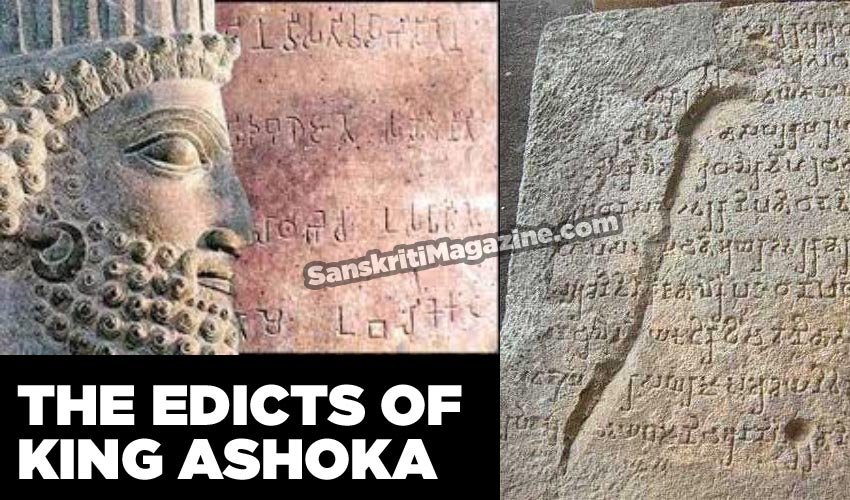
In King Ashoka’s (Asoka’s) Rock Edict No. 12, it is written that if you wish to elevate your own religion, you should uplift the religions of others. King Ashoka supported and donated to help other religions flourish.
King Mindon built mosques. He built a rest house (Daung Zayat) in Mecca for Burmese Muslim pilgrims performing Hajj.
Muslim Arab countries, Turkey, Iran, and other Muslim nations in Asia have long been building and donating religious structures for other faiths as well.
— Aung Tin
The Stone Inscription Written by King Kyansittha
When enemies destroyed Bagan, the four classes of people became prisoners of war — some were taken downstream, some were taken upstream. May they return to Bagan through my help.
So many people were separated — children from parents, wives from husbands, friends from friends, fathers from sons.
May I extinguish their suffering. May I wipe away their tears. With my right hand, may I give them rice and provisions. With my left hand, may I give them clothing. Just as a mother comforts her young child at her breast, so may I comfort the people of my land.
This was inscribed in the Mon language around AD 1102 on the Shwezigon Pagoda stone inscription during the Bagan period.
Furthermore, when his father King Kyansittha said “the grandchild has become the root, and the son has become the tip,” — in order to preserve the Myanmar nation his father was building, the unity of ethnic nationalities his father was consolidating, and the Buddhist religion his father was upholding — Prince Yazakumar, a Burman prince, willingly and graciously accepted his father’s wish by not taking the Bagan throne for himself, and instead passed the Myanmar throne to Alaungsithu, who carried Mon-Burman blood.
The Stone Inscription of King Ashoka (Siri Dhammasoka)
King Ashoka was once a king known for his cruelty and his passion for waging war. He personally witnessed countless innocent people dying during battles.
Prisoners of war were sent into exile. Children were separated from parents, husbands lost, sons lost, wives lost — Ashoka witnessed the terrible face of war and the suffering it brought upon the people, and he became deeply disturbed and came to despise war.
He no longer regarded victory achieved through killing and conquest as a true victory, and instead came to desire and cherish a peace accompanied by loving-kindness.
After embracing the Dhamma, he built 84,000 wells and ponds, as well as countless pagodas and stupas. He sent missionary groups to nine regions. He established animal sanctuaries and veterinary clinics everywhere, and reduced and restricted the slaughtering of animals in slaughterhouses.
All his meritorious deeds were recorded in inscriptions, which became known as the Ashokan Edicts.
The Ashokan Rock Edict No. 12, inscribed in 268 BC, expresses King Ashoka’s philosophy as follows:
“The growth of the essence (of all things) is to be found not so much in promoting one’s own sect, but in refraining from disparaging others’ sects. One should not belittle other religions or sects without reason just to glorify one’s own. On appropriate occasions, one should honor and praise other religions and sects as well. By doing so, one helps one’s own religion to grow further, and also renders service to other sects.
If one does otherwise, one weakens one’s own religion and causes harm and destruction to other religions.
Seeking to make one’s own religion prominent by gathering all followers of one’s own sect and mocking and belittling all followers of other sects — this is to destroy and ruin one’s own sect.
It becomes a danger to other religions and beliefs, and at the same time buries and destroys one’s own. Harmony between one religion and another, between one sect and another — that alone is truly noble.”
(Translated from Hindi to Burmese by U Thaw Zin)
From the inscriptions left by these two kings — one Burmese, one Indian — we can clearly see their hearts and minds.
King Kyansittha pledged to bring back the Burmese people who had fled upstream and downstream from the Bagan region due to war, to wipe away their tears, to give them food and clothing. Through his inscriptions, we can see how deeply he respected and valued the Burmese people.
Rather than passing the throne to his own biological Burman son Yazakumar, he transferred the Myanmar throne to his grandson Alaungsithu — who carried Mon-Burman blood — for the sake of Mon-Burman friendship and unity, thereby avoiding future Mon-Burman conflicts.
And looking at King Ashoka — after witnessing the horrors of war, he built temples, monasteries, conducted religious missions, established sanctuaries and clinics, dug wells and ponds, and moreover elevated all other religions equally, and even issued edicts forbidding the mockery and disparagement of one religion by another.
Dar Dar has researched and written this so that the younger generation of Burmese people may come to know and admire the qualities, strength, character, and noble heart that are worthy of emulation.
Aung Tin
တရားမျှတ လွတ်လပ်ခြင်းနဲ့မသွေ၊ များလူခပ်သိမ်း ငြိမ်းချမ်းစေတဲ့ တို့ပြေတို့မြေကို မြင်လိုပါ၏။
အသောက (Ashoka အရှုက)မင်းကြီးရဲ့ ကျောက်စာအမှတ်၁၂မှာ မိမိသာသနာကိုမြင့်ချင်ရင် သူများသာသနာကို မြှင့်တင်ပါလို့ ရေးထိုးထားတယ်။ အသောကမင်းကြီးက အခြားသာသနာတွေစည်ပင်အောင် ထောက်ပံ့လှူဒါန်းခဲ့တယ်။
မင်းတုန်းမင်းကြီးက ဗလီတွေဆောက်ခဲ့တယ်။ မက္ကာဟ်မှာ ဟဂျ်သွားသူမြန်မာပြည်က မွတ်စလင်တွေတည်းဖို့ ဒေါင်း ဇရပ်ဆောက်ခဲ့တယ်။
မွတ်စလင်အာရဗ်မွတ်စလင်နိုင်ငံတွေ၊ တူရကီ၊ အီရန်နဲ့ အာရှက မွတ်စလင်နိုင်ငံတွေကလည်း ဘာသာခြားသာသနာအဆောက်အဦးတွေ အများအပြား ဆောက်လုပ်လှူဒါန်းနေကြတာ ကြာပါပြီ။
အောင်တင်
@@@@@@@@@@@@@@@@
ကျန်စစ်မင်းရေးထိုးသော ကျောက်စာ
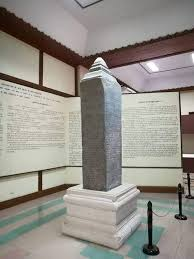
ပုဂံကို ရန်သူတို့ ဖျက်ဆီးသောအခါ အမျိုးလေးပါးသည် စစ်သုံ့ပန်းဖြစ်၍ အချို့လည်း အောက်အကြေသို့ ပါကြရသည်။ အချို့လည်း အထက်အညာသို့ ပါကြရသည်။ ငါ၏ အကူအညီဖြင့် ထိုသူတို့ ပုဂံသို့ ပြန်ရောက်စေပါအံ့။
များစွာသော သူခပ်သိမ်းတို့သည် သားတကွဲ ၊မယားတကွဲ ၊ မိတကွဲ ၊ ဖတကွဲ ဖြစ်ကြရကုန်၏။
ထိုသူတို့၏ ဒုက္ခကို ငါငြိမ်းပါအံ့။
ထိုသူတို့၏ မျက်ရည်ကို ငါသုတ်ပါအံ့။
ငါ၏ ယာလက်ဖြင့် ဆန်စပါးရိက္ခာကိုပေးအံ့။
ငါ၏ဝဲလက်ဖြင့် ဝတ်စားတန်ဆာကို ပေးအံ့။
အမိသည် သားငယ်အား ရင်ခွင်၌ နှစ်သိမ့်သကဲ့သို့ ငါသည်လည်း တိုင်းသူပြည်သားတို့ကို နှစ်သိမ့်ပါအံ့။
ဟု ပုဂံခေတ်အေဒီ၁၁၀၂ခန့်မှာ ရွှေစည်းခုံဘုရားကျောက်စာမှာ မွန်ဘာသာနဲ့ ရေးထိုးခဲ့ပါတယ်။
ဒါတင်မက မြေးကအရင်း သားကအဖျားဖြစ်လေပြီဟု ဖခင်ကျန်စစ်သားမင်းကြီး ရေရွတ်သောအခါ ဖခင်တည်ဆောက်နေသည့် မြန်မာနိုင်ငံတော် ဖခင်စုစည်းနေသည့် တိုင်းရင်းသားစည်းလုံးညီညွှတ်မှု၊ ဖခင်ကိုးကွယ်နေသည့် ဗုဒ္ဓသာသနာတော် ထာဝရတည်တံ့ခိုင်မြဲအောင် ဗမာလူမျိုး မင်းသားရာဇာကုမာရ်က ပုဂံထီးနန်းကို ဖခင်အလိုဆန္ဒအတိုင်းမယူတော့ဘဲ မွန် ဗမာသွေးပါသူ အလောင်းစည်သူကိုသာ မြန်မာဘုရင်ထီးနန်း လွှဲအပ်တာကို ကြည်ကြည်ဖြူဖြူ လက်ခံခဲ့ပါတယ်
=============================
အသောကမင်း(သို့)သီရိဓမ္မာသောကမင်း ရေးထိုးခဲ့သောကျောက်စာ
အသောကမင်းဆိုတာ တချိန်က ရက်စက်ကြမ်းကြုတ်ပြီး စစ်တိုက်တာ ဝါသနာပါတဲ့ ဘုရင်တပါးပါ။ စစ်ပွဲအတွင်းမှာ အပြစ်မဲ့ ပြည်သူများစွာ သေကြေခဲ့ရတာကို အသောကဘုရင် ကိုယ်တိုင် မြင်တွေ့ခဲရပါတယ်။
စစ်သုံ့ပမ်းတွေကို ပြည်နှင်ဒဏ်ပေးခဲ့တယ်။ ကလေးသူငယ်တွေ မိတကွဲ၊ ဖတကွဲ ဖြစ်ခဲ့ကြရသလို၊ လင်ဆုံး၊ သားဆုံး၊ မယားဆုံးလို့ ပူဆွေးသောက ရောက်နေတဲ့ စစ်ဒဏ်ထိပြည်သူတွေ စစ်ရဲ့ အနိဋ္ဌာရုံမြင်ကွင်းကို မြင်တွေ့ခဲ့ရတဲ့ အသောက ဘုရင်ဟာ အလွန်စိတ်မချမ်းမသာမယာမဖြစ်ခဲ့ရပြီး စစ် ကိုစက်ဆုပ်ရွံရှာသွားခဲ့တယ်။
တိုက်ခိုက်သတ်ဖြတ်ပြီးမှ ဖြစ်ပေါ်ရရှိလာတဲ့ အောင်ပွဲကို အစစ်အမှန်အောင်ပွဲဟု မသတ်မှတ်တော့ဘဲ၊ မေတ္တာနဲ့ယှဥ်သော ငြိမ်းချမ်းရေးကိုသာ လိုလားတပ်မက်လာတယ်။
ဓမ္မကိုသက်ဝင်ယုံကြည်ပြီးနောက်ပိုင်းမှာ ရေတွင်း ရေကန်ပေါင်း ရှစ်သောင်းလေးထောင်အပြင် ဘုရားစေတီပုထိုးပေါင်း မြောက်များစွာကိုလည်းတည်ခဲ့ပါတယ်။ ကိုးတိုင်းကိုးဌာနကိုလည်း သာသနာပြုအဖွဲ့တွေ စေလွှတ်ခဲ့ပါတယ်။ တိရစ္ဆာန်ဘေးမဲ့ရုံ တိရစ္ဆာန်ဆေးခန်းတွေ နေရာအနှံ့ တည်ဆောက်ပြီး သားသတ်ရုံတွေမှာလည်း အကောင်သတ်တာကို အရေအတွက် လျှော့ချပြီး တားမြစ်ခဲ့တယ်။
ကုသိုလ်ကောင်းမှု အစုစုကို ကမ္ဗည်းထိုးခဲ့ရာကနေ အသောကကျောက်စာလို့ ထင်ရှားလာတယ်။
ဘီစီ ၂၆၈၌ ရေးထိုးသော အသောကကျောက်စာ၊ ကျောက်ပြားအမှတ်၁၂တွင် အောက်ပါအတိုင်း အသောကဘုရင်ရဲ့ အယူအဆကို ဖော်ပြထားသည်။
အသောကကျောက်စာ
******************
“အလှူအတန်းမျိုးစုံ ပြုလုပ်ခြင်းထက် နှုတ်စောင့်စည်းခြင်းကသာ အနှစ်သာရတိုးပွားခြင်း၏ မူလဖြစ်သည်ဟု မှတ်ယူရမည်။ မိမိဘာသာကိုသာ ချီးမြှောက်လို၍ အခြားဘာသာ၊ အခြားဂိုဏ်းကို အကျိုးမဲ့ မကဲ့ရဲ့ရာ။ အခါအားလျော်စွာ အခြားဘာသာဂိုဏ်းများကိုလည်း ဂုဏ်ပြု ချီးမွမ်းရာ၏။ သို့ဖြင့်သာ မိမိဘာသာသာသနာကို ပိုမိုကြီးပွားစေမည်ဖြစ်၍ အခြားဂိုဏ်းကိုလည်း ကျေးဇူးပြုသည် မည်၏။
ထိုသို့မဟုတ်ပါလျှင် မိမိဘာသာကိုလည်း အားနည်းအောင် ပြုသည်မည်၍ အခြားဘာသာကိုလည်း၊ ဆုတ်ယုတ်ပျက်စီးအောင် ပြုသည်မည်၏။
မိမိဘာသာကို ထင်ပေါ်စေလိုသဖြင့် မိမိဘာသာဝင်အားလုံးတို့အား သိမ်းရုံး ချီးမြှောက်ပြီး၊ တပါးသောဂိုဏ်းဝင် အားလုံးအား သိမ်းရုံးကဲ့ရဲ့ခြင်းသည် မိမိဂိုဏ်းကို ပျက်စီးအောင် ဖျက်ဆီးသည် မည်၏။
အခြားဘာသာ အယူဝါဒများအတွက် ဘေးအန္တရာယ်ဖြစ်စေသလို မိမိဘာသာကိုလည်း မြေမြှုပ်သင်္ဂြိုဟ်ပြီးသား ဖြစ်သွားလိမ့်မည်။ ဘာသာတစ်ခုနှင့်တစ်ခု၊ တစ်ဂိုဏ်းနှင့်တဂိုဏ်း ညီညွတ်ခြင်းသည်သာ ကောင်းမြတ်၏”
(ဆရာဦးသော်ဇင် ဟိန္ဒီဘာသာမှ မြန်မာပြန်)
မြန်မာဘုရင်နဲ့ အိန္ဒိယဘုရင်နှစ်ပါး ရေးထိုးခဲ့တဲ့ ကျောက်စာတွေကနေ သူတို့ရဲ့ စိတ်နေစိတ်ထားကို အတိုင်းသား မြင်တွေ့ရတယ်။
ကျန်စစ်သားမင်းဆို စစ်ကြောင့်ပုဂံဒေသက၊ ဗမာလူမျိုးတွေ အထက် အောက် စစ်ဘေးရှောင်ထွက်ပြေးသွားရသူတွေကို ပုဂံကိုရအောင်ပြန်ခေါ်မယ် မျက်ရည်တွေသုတ်ပေးမယ်။ အဝတ်အစားတွေ အစားအသောက်တွေပေးမယ်။ ဗမာလူမျိုးအပေါ် ဘယ်လောက်ထိ လေးစားတန်ဖိုးထားတဲ့ဘုရင်ဆိုတာ ကျောက်စာတွေကနေ သိရတယ်။
သူ့သားအရင်းဖြစ်တဲ့ ဗမာလူမျိုးရာဇကုမာရ်ကို ထီးနန်းမလွှဲဘဲ မွန် ဗမာ ချစ်ကြည်ရေးအတွက် မြေးဖြစ်သူ မွန်သွေးပါတဲ့အလောင်းစည်သူကို မြန်မာထီးနန်းလွှဲအပ်ခဲ့တာကို ကြည့်ခြင်းအားဖြင့် မွန် ဗမာစစ်ပွဲတွေကို ရှောင်ရှားနိုင်ခဲ့တယ်။
အသောကဘုရင်ကြီးကို ကြည့်လိုက်ပြန်တော့လည်း စစ်ရဲ့အနိဠာရုံကို မြင်တွေ့ပြီးနောက်ပိုင်းမှာ ဘုရားတည် ကျောင်းဆောက် သာသနာပြု ဘေးမဲ့ ဆေးခန်း ရေတွင်းရေကန် အပြင် တခြားဘာသာတွေကိုလည်း တန်းတူ ချီးမြှင့်မြောက်စားခဲ့တဲ့အပြင် တဘာသာနဲ့တဘာသာ စော်ကားပုတ်ခတ်ခြင်း ခွင့်မပြုရဆိုတဲ့ အမိန့်ကိုလည်း ထုတ်ပြန်ထားတာကို ကြည့်ခြင်းအားဖြင့် အတုယူလေးစားဖွယ်ကောင်းတဲ့ အရည်အချင်း လက်ရုံးရည် စိတ်နေစိတ်ထား နှလုံးရည်ကို ဗမာလူငယ်မျိုးဆက်တွေ သိခွင့်ရအောင် Dar Darက ရှာဖွေရေးသားပေးလိုက်ရပါတယ်။