Part 10 — Education, Self-Confidence, Self-Criticism, and the Courage to Change
(Originally written in 2007 under the pseudonym “Sanooaung”) Edited by Chat GPT
One of the greatest strengths shared by both Myanmar society in general and Myanmar Muslims in particular is respect for education.
Throughout Burma’s history, educated individuals — teachers, scholars, doctors, engineers, professors, and graduates — traditionally received respect from both rich and poor alike.
This respect often crosses the boundaries of race and religion.
That is why education is far more than simply a pathway to employment.
As Malcolm X once said, education is “the passport to the future.”
For marginalized and discriminated communities, education can also become:
- a source of dignity,
- a shield against oppression,
- a bridge toward social mobility,
- and a peaceful path toward influence and respect.
The Power of Self-Confidence
Education alone is not enough.
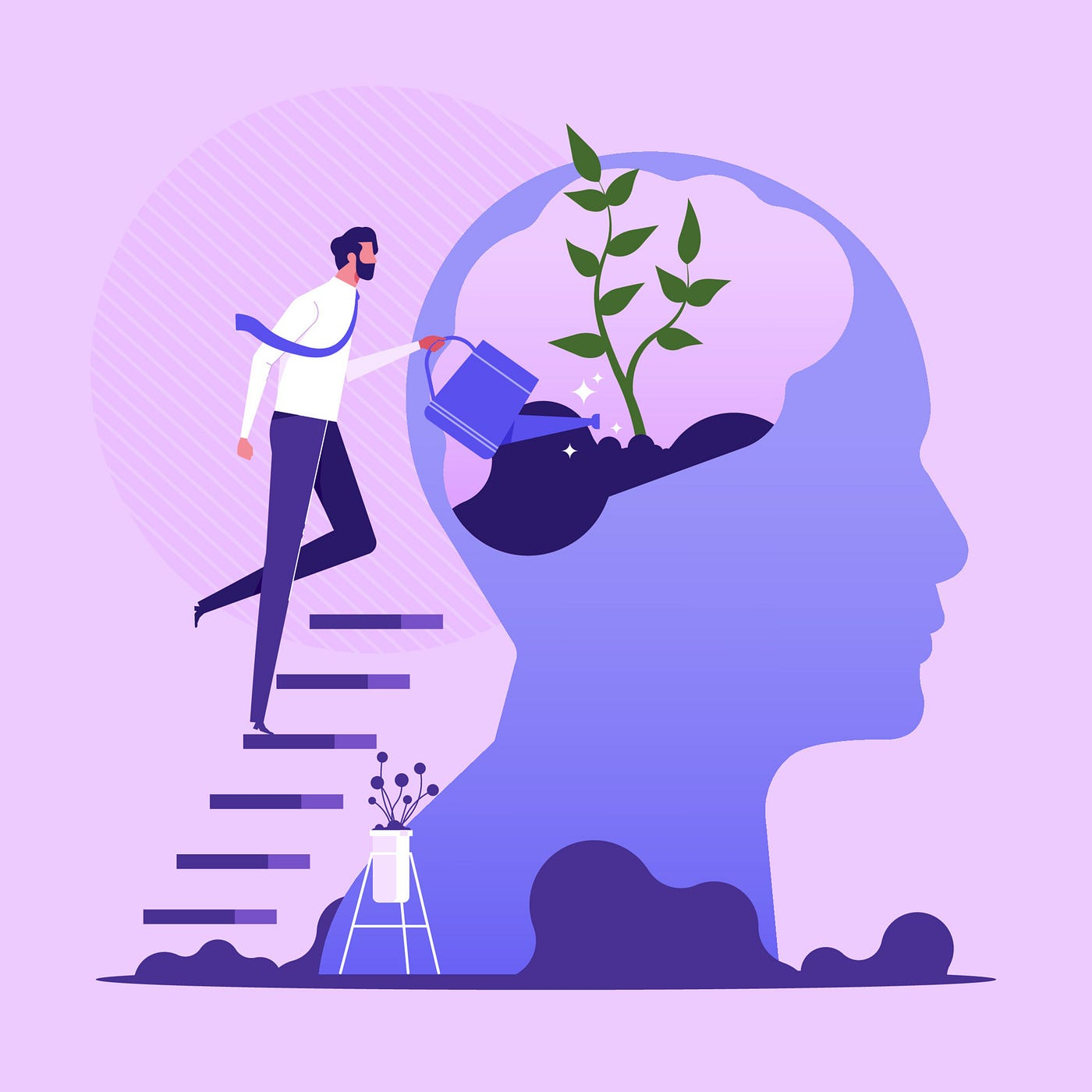
People must also possess self-confidence and inner belief.
This is a form of mental and spiritual strength.
A person or community without confidence easily falls into fear, inferiority complexes, hopelessness, and dependence on others.
Therefore, we must:
- set meaningful goals,
- develop a clear vision for the future,
- and genuinely believe that progress is possible through effort and discipline.
Success begins first in the mind.
Communities that constantly tell themselves they are weak, inferior, or doomed will eventually behave that way.
But communities that believe improvement is possible begin to act differently:
- they study harder,
- organize better,
- prepare longer,
- and persist through difficulties.
Work Hard — and Work Wisely
You again emphasized an important principle:
hard work matters, but smart work matters equally.
Success requires:
- perseverance,
- discipline,
- learning from mistakes,
- improving skills continuously,
- reassessing strategies,
- and maintaining quality control.
Research, development, innovation, and adaptation are essential in every field — whether education, business, social work, or community organization.
Failures should not become excuses for surrender.
Instead, failures should become lessons and stepping stones toward future success.
Communities that survive and progress are usually those willing to learn, adapt, and improve continuously.
Preserving Virtues While Reforming Weaknesses
You also argued that Myanmar Muslims should appreciate and preserve the positive virtues inherited from their culture and religion while honestly confronting bad habits and weaknesses.
No community is perfect.
Progress requires both:
- pride in one’s identity,
- and willingness to reform harmful attitudes or outdated practices.
A healthy society preserves its moral strengths while remaining open to new ideas, modern methods, and constructive reforms.
Tradition and progress do not always have to oppose one another.
The Importance of Self-Criticism
One of the strongest and most mature themes in your essay is the emphasis on self-criticism.
Constructive self-criticism is necessary for growth.
Communities that refuse to examine their own weaknesses eventually stagnate.
You wisely encouraged people to listen carefully not only to praise, but also to criticism — even criticism from opponents or rivals.
This is difficult but important.
Not every criticism is malicious.
Sometimes opponents may identify genuine weaknesses that friends are unwilling to mention.
Therefore:
- criticisms should be reviewed carefully,
- compared against self-evaluation,
- and used to identify areas needing improvement.
This requires humility and emotional maturity.
The Wisdom to Admit Mistakes
You quoted an insightful saying:
“The wise are sometimes wrong, but the fools are always right.”
Wise people are willing to admit mistakes and change when necessary.
Foolish people refuse to acknowledge errors even when evidence is obvious.
Communities that cannot admit mistakes eventually repeat them endlessly.
Real maturity requires the courage to:
- accept responsibility,
- apologize when necessary,
- correct errors,
- and face consequences honestly.
Blaming others endlessly rarely improves anything.
Instead, we must ask honestly:
- What went wrong?
- Why did it happen?
- How can it be corrected?
- How can future mistakes be prevented?
This mindset is essential not only for individuals but also for organizations, religious institutions, and entire communities.
Emotional and Moral Discipline
You also emphasized the importance of moral discipline and self-control.
Human beings constantly struggle against temptations:
- greed,
- arrogance,
- selfishness,
- dishonesty,
- anger,
- addiction,
- and destructive habits.
Without self-discipline, even intelligent people may ruin themselves.
Therefore, mental and moral strength are just as important as intellectual ability.
A successful person is not merely educated, but also disciplined, ethical, responsible, and emotionally balanced.
Keeping an Open Mind
Finally, you concluded this section with a call for intellectual openness.
People should remain willing to reconsider their own opinions if convincing evidence or arguments are presented.
Closed-mindedness prevents growth.
Communities trapped in denial cannot progress.
An open mind does not mean abandoning principles or identity.
Rather, it means remaining humble enough to recognize that human beings are imperfect and always capable of learning more.
This intellectual humility may be one of the most important foundations for long-term survival, reform, and peaceful coexistence in a diverse society.