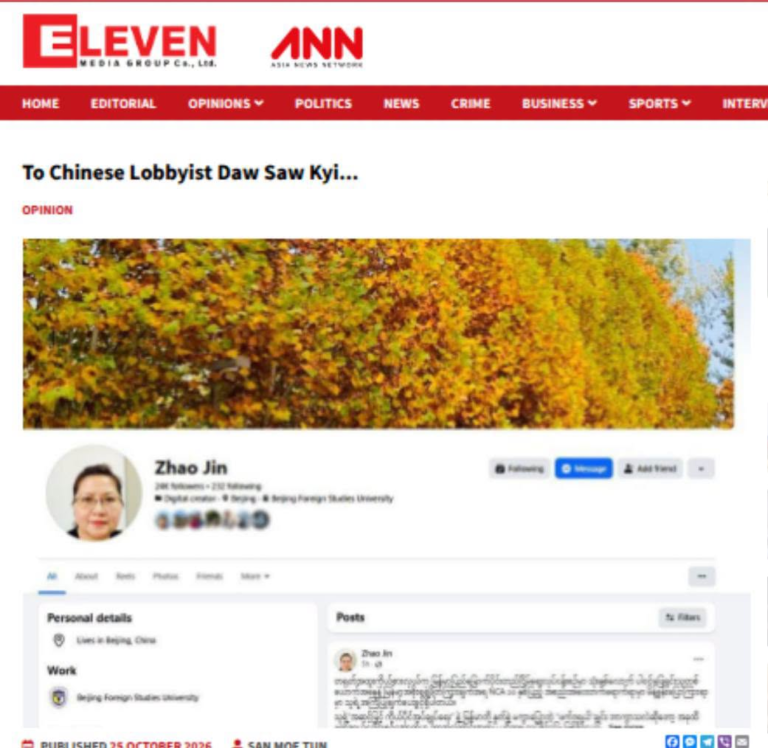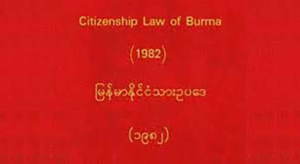
Myanmar’s military and nationalist networks are intensifying campaigns of ethnic and religious hostility, echoing past waves of Islamophobia against Rohingya and now extending into Sinophobia targeting Chinese communities. Analysts warn that these strategies, rooted in the 1982 Citizenship Law and amplified by influential monks, risk repeating the cycle of violence and international isolation.
The 1982 Citizenship Law remains the cornerstone of Myanmar’s exclusionary policies. It denies citizenship to groups not recognized as present before 1824, the start of British colonial rule. This law has historically disenfranchised Rohingya Muslims, Kokang, Wa, Chinese migrants, and other minorities.
- Under General Ne Win, these groups were stripped of nationality.
- Later, General Than Shwe restored recognition to Kokang and Wa, while Rohingya were briefly issued voting cards.
- In 2014, however, U Khin Yi oversaw the systematic withdrawal of Rohingya identity cards, under pressure from nationalist monks such as Sitagu Sayadaw and activists like U Moe Hein.
Nationalist rhetoric has been amplified through both state-backed and independent-seeming outlets.
- Journals such as Thuriya Naywon attacked Bangladeshi Prime Minister Sheikh Hasina and criticized Chinese President Xi Jinping.
- Platforms like Khit Thit Journal and Voice of Unity have published stories portraying Muslims as infiltrators and Chinese as encroaching migrants. This media ecosystem has fueled xenophobia, echoing propaganda that previously incited communal violence in Rakhine State.
Evidence suggests the military has funded lobbyists and propagandists to pit communities against each other.
- Rakhine were turned against Rohingya, creating cycles of hatred and violence.
- Testimonies indicate U Moe Hein himself received military support to write in favor of Than Shwe’s regime. Such campaigns demonstrate that large-scale ethnic incitement cannot occur without institutional backing.
History shows that repression often backfires:
- In 2017, military massacres forced Rohingya to flee across the border, triggering sanctions and boycotts from Europe and beyond.
- In 2018, when unarmed Rakhine civilians were killed, many joined the Arakan Army (AA), proving that armed resistance can emerge from state violence. Analysts warn that attempts to disenfranchise Kokang and Wa today may face similar resistance, with risks of property confiscation and renewed conflict.
Sitagu Sayadaw and nationalist monks are now supervising campaigns of Sinophobia, echoing earlier Islamophobic mobilizations. Their influence over the Sangha has pressured political leaders to adopt hardline measures. Yet the military faces a dilemma: fully embracing these demands risks repeating the disastrous consequences of past campaigns, while resisting them could alienate powerful religious networks.
The central question remains: how far will U Khin Yi, Chairman of the USDP, go to satisfy the demands of Sitagu Sayadaw and the Sangha?
- Will he fully embrace their agenda of disenfranchisement and ethnic exclusion?
- Or will he stop short, mindful of the international sanctions and domestic armed resistance that followed the Rohingya crisis?
Observers say the answer will shape Myanmar’s political trajectory — and determine whether the country repeats its cycle of xenophobic violence or seeks a different path.
References
- Cheesman, Nick. “How in Myanmar ‘National Races’ Came to Surpass Citizenship and Exclude Rohingya.” Journal of Contemporary Asia, 2017.
- Walton, Matthew J. Buddhism, Politics and Political Thought in Myanmar. Cambridge University Press, 2016.
- Human Rights Watch. “All You Can Do is Pray”: Crimes Against Humanity and Ethnic Cleansing of Rohingya Muslims in Burma’s Arakan State, 2013.
- Amnesty International. Caged Without a Roof: Apartheid in Myanmar’s Rakhine State, 2017.