Background: Ethnic and Religious Conflict in Myanmar
Myanmar’s history has been marked by recurring ethnic and religious strife. From the colonial period through independence, tensions between communities have often erupted into violence. Successive governments—whether military or civilian—have failed to resolve these divisions, and in many cases, state authorities have been complicit in or indifferent to the persecution of minorities.
The Rohingya crisis in Rakhine State is the most internationally recognized example, where mass killings, forced displacement, and systematic persecution took place under different regimes. Yet, beyond Rakhine, Muslim communities across Myanmar have also faced repeated waves of violence, with mosques destroyed, cemeteries desecrated, and homes burned. The events in Bago in 1997 stand as a stark reminder of this broader pattern.
The Spark: Mandalay, March 1997
The violence in Bago was not an isolated incident but part of a chain reaction that began in Mandalay. In March 1997, tensions escalated when the military desecrated the revered Mahamuni Buddha image by cutting into its stomach in search of a sacred relic. This act outraged Buddhist monks and laypeople alike.
Amid this unrest, rumors spread that a Muslim man had raped a Buddhist woman. Whether true or fabricated, the rumor became the trigger for mob attacks against Muslims. In Mandalay, at least three people were killed and 18 mosques destroyed. The violence quickly spread to other towns, including Bago, Taungoo, Pyay, Yangon, and Taunggyi.
The Bago Incident
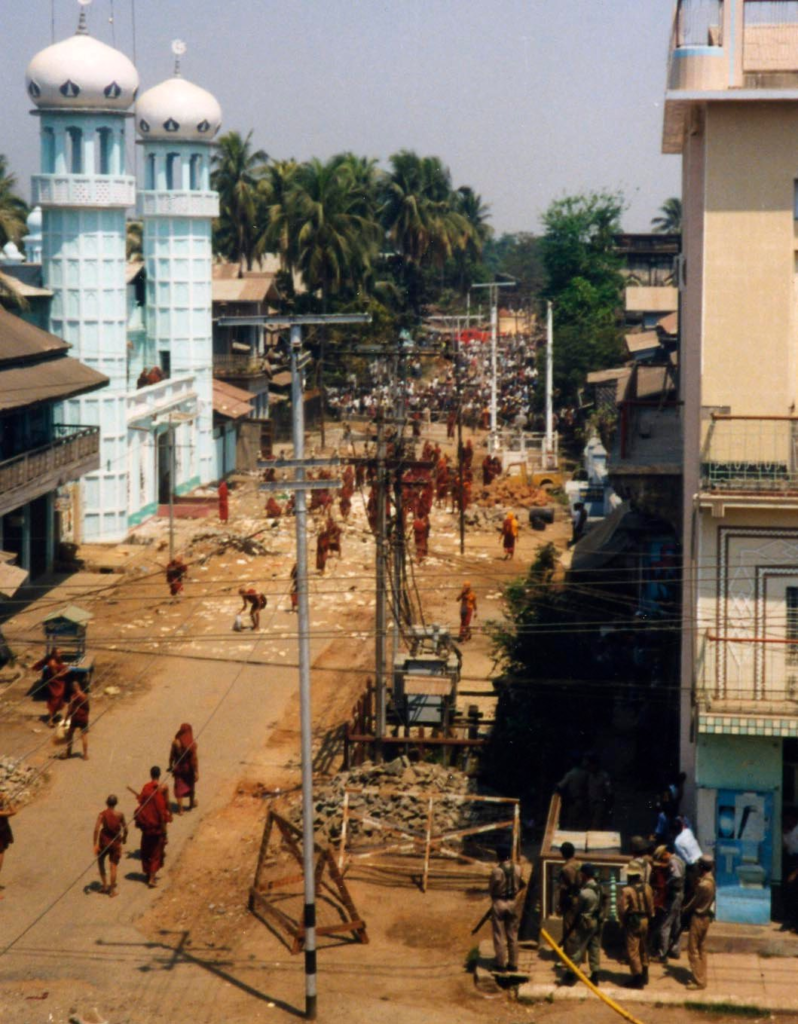
In Bago, approximately 200 monks led coordinated attacks on Muslim religious sites. Five mosques were destroyed, including:
- Kaylar Mosque (Hinthagon Ward)
- Dargha Mosque (Yonegyi Ward)
- Panhlain Mosque (Panhlain Ward)
- Jame Mosque (5th Street, Zigon North Ward)
- Another mosque in Panhlain Ward
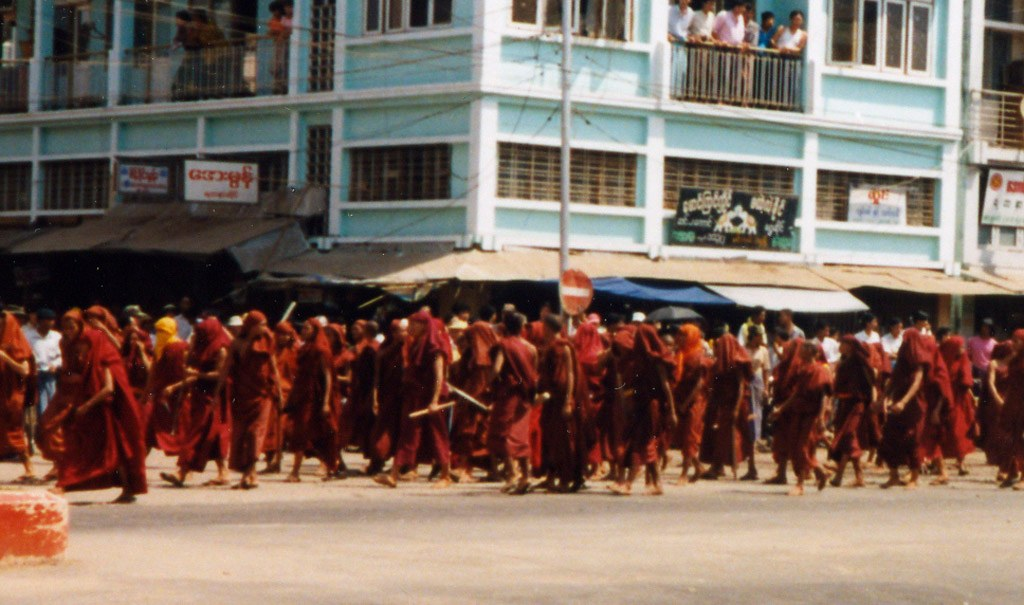
Eyewitnesses reported that local authorities and security forces did not intervene. Muslims, a minority in the town, received no protection. Some witnesses claimed that among the attackers were men disguised as monks, evidenced by military trousers found beneath their robes.
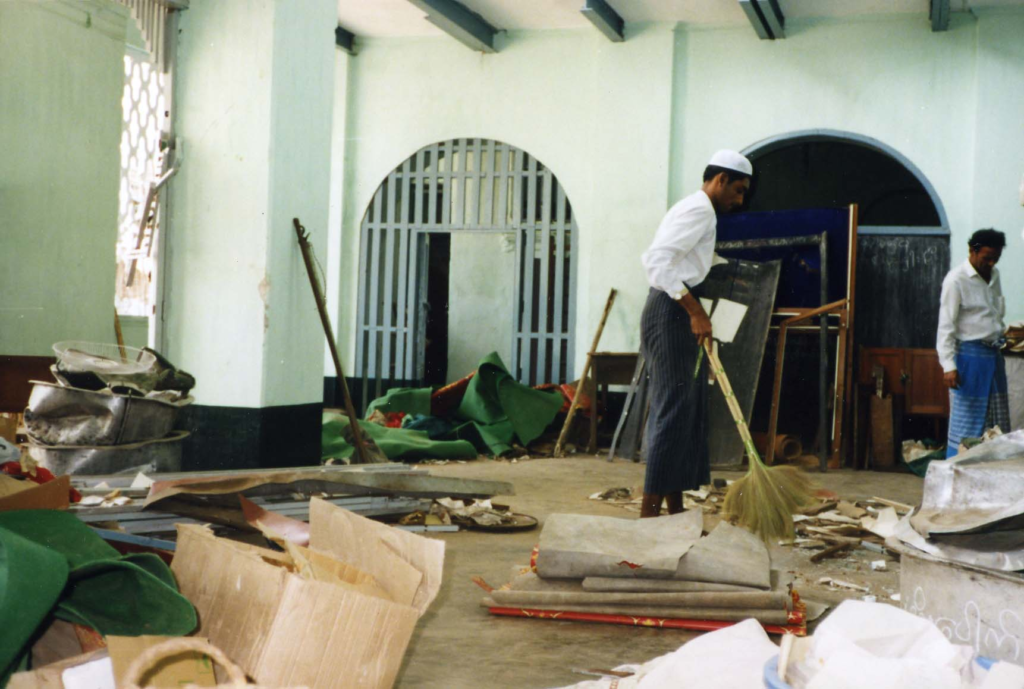
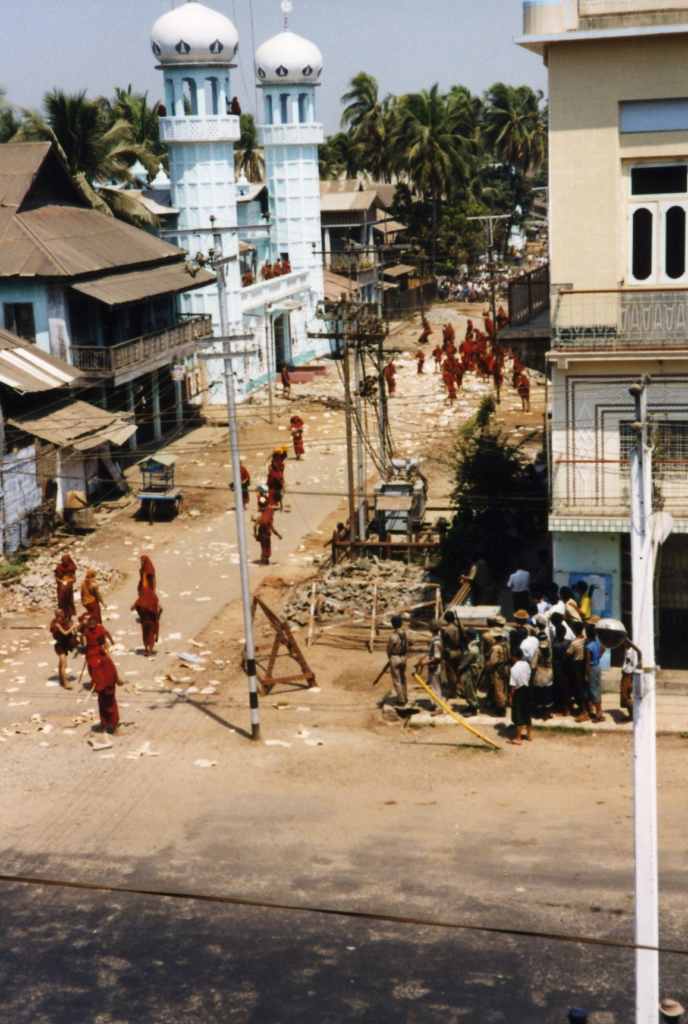
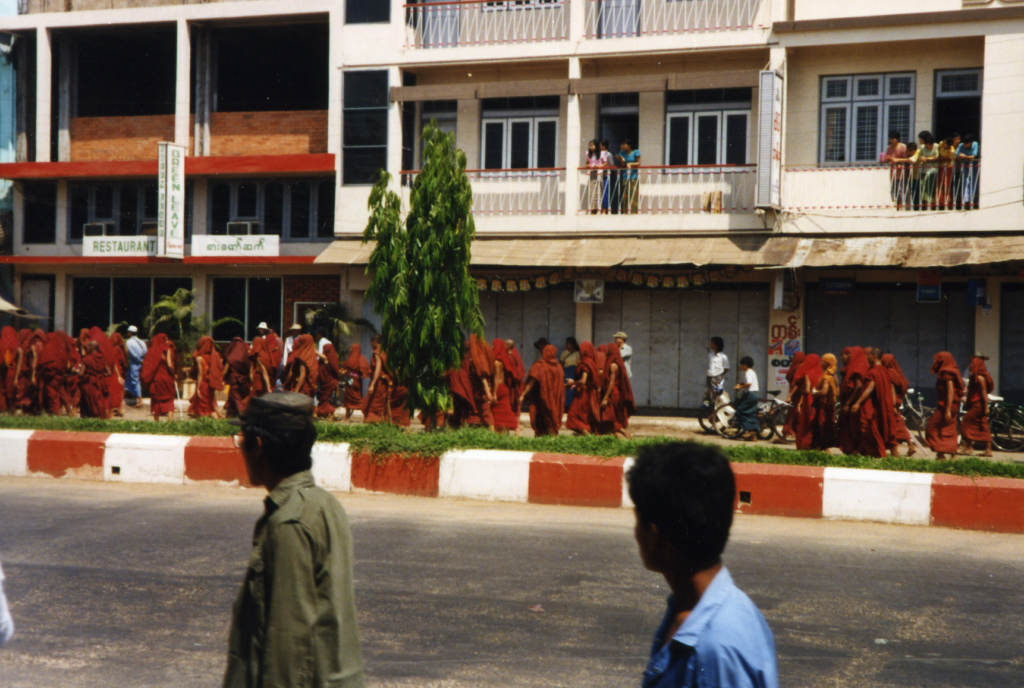
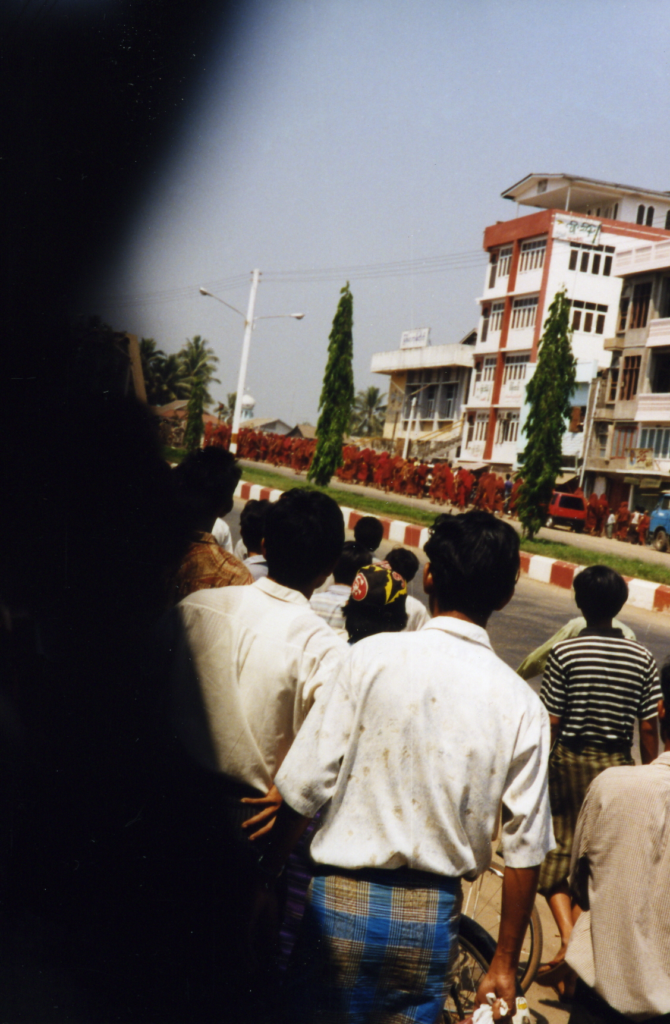
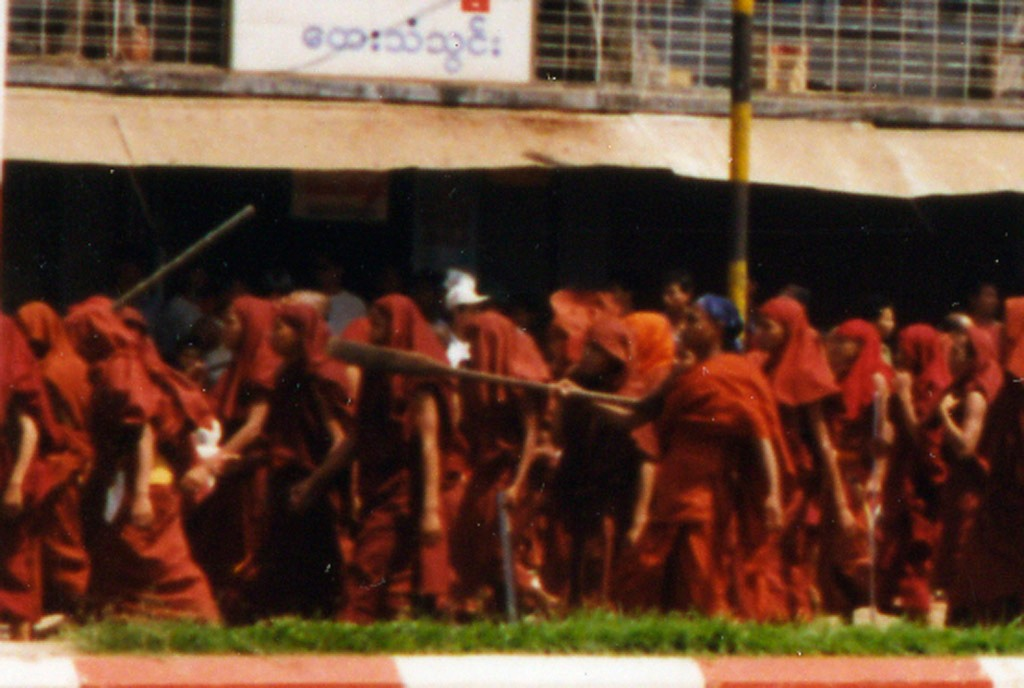
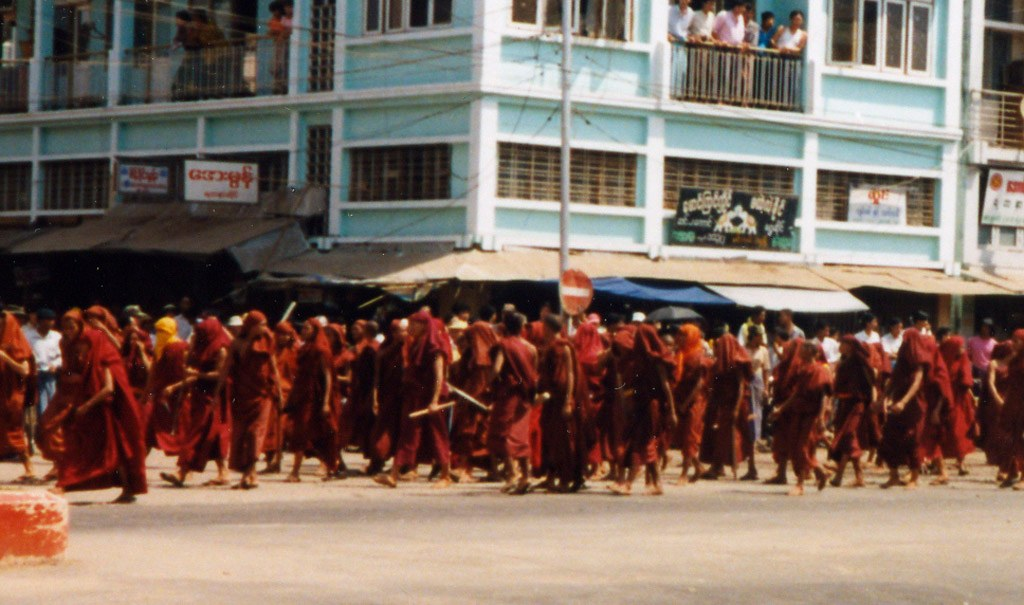
Photographs from the time show monks openly demolishing mosques while civilians looked on. No one attempted to stop the destruction, reflecting both the climate of fear under military rule and the lack of respect for religious freedom.
State Complicity and Impunity
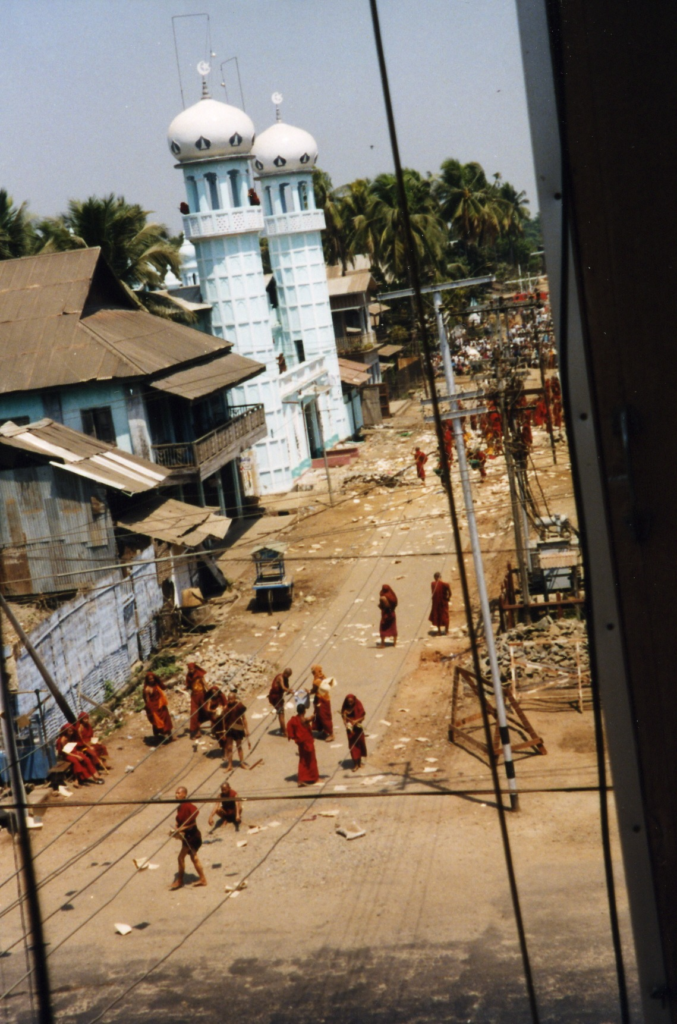
The Bago violence illustrates a broader pattern of state complicity. Authorities failed to prevent the attacks, protect victims, or prosecute perpetrators. Instead, the violence was allowed to unfold unchecked.
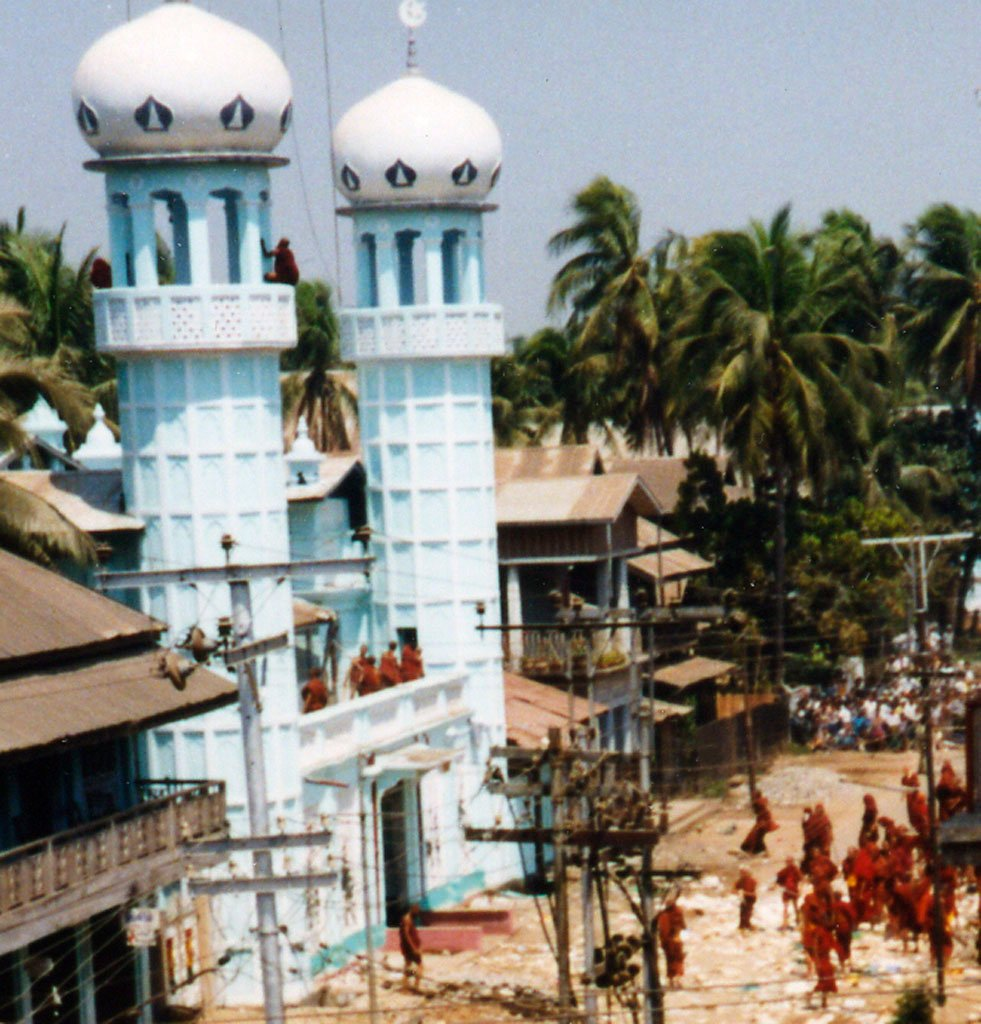
This failure cannot be separated from the military regime’s political calculations. By permitting violence against Muslims, the regime diverted public anger away from its own desecration of the Mahamuni Buddha image. At the same time, it reinforced a climate of fear and division that strengthened military control.
Religious Freedom Violated
From a human rights perspective, the Bago incident was a direct violation of the right to freedom of religion. Mosques were destroyed, worshippers were attacked, and communities were terrorized. These acts were not isolated but part of a recurring pattern across Myanmar, where minority faiths have been systematically targeted.
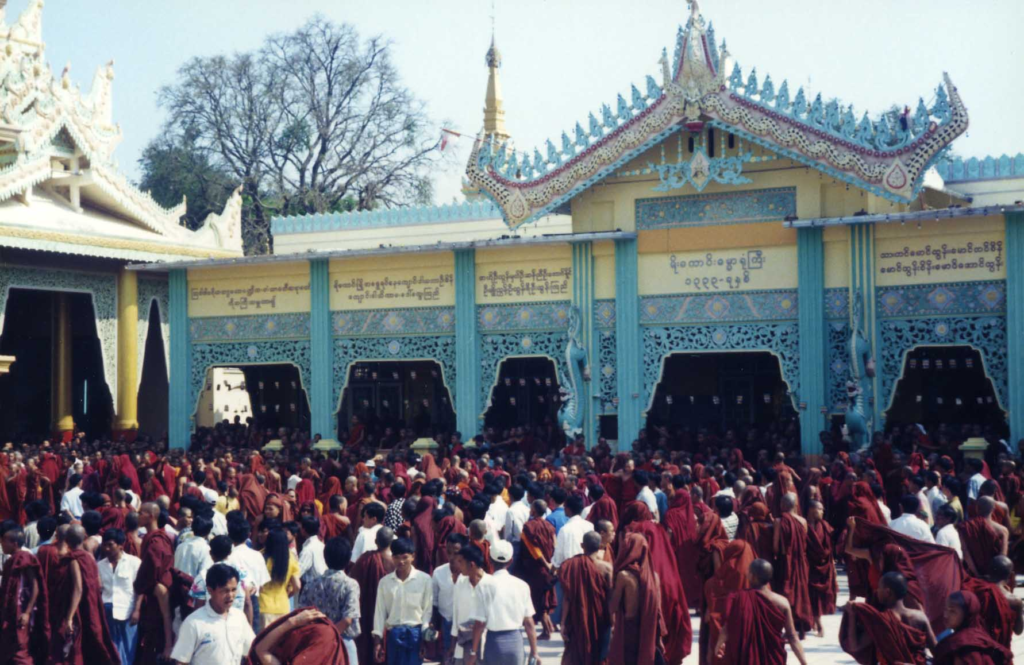
The violence also underscores how fragile religious coexistence has been in Myanmar. Instead of protecting diversity, successive governments have allowed or encouraged persecution, undermining the foundations of a pluralistic society.
Documentation and Memory
The events of 1997 were documented by a foreign photographer, whose images captured the destruction of mosques in Bago. These photographs, later shared on Flickr under the account andrewjudededo, remain vital evidence of what occurred. They show monks tearing down mosques in broad daylight, with civilians watching silently.
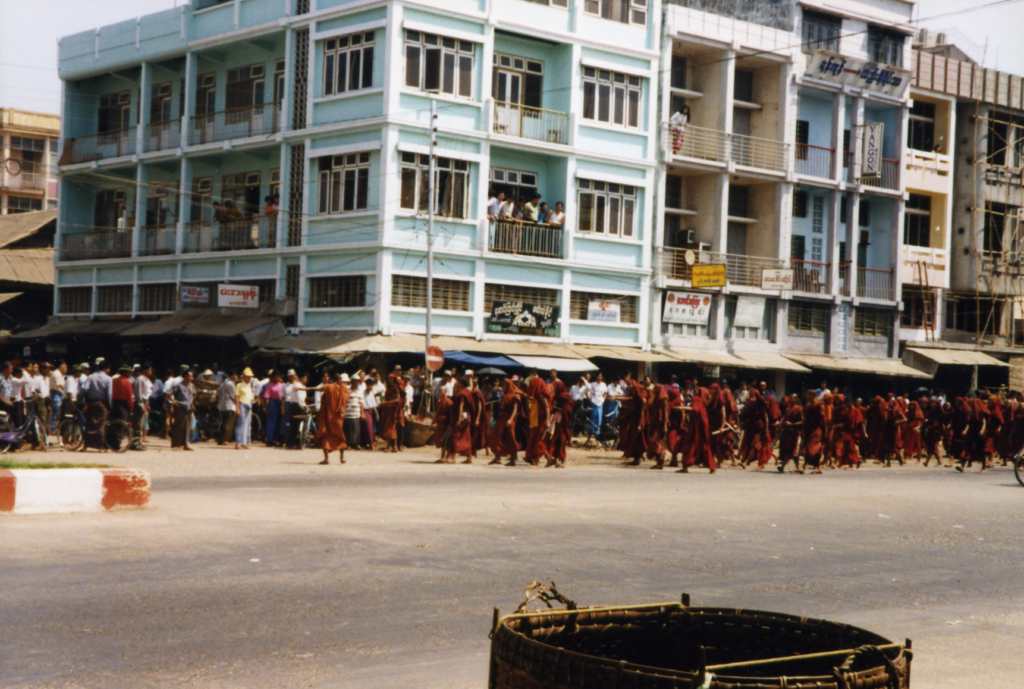
Such documentation is crucial. In a country where official narratives often deny or distort reality, photographs and eyewitness accounts preserve the truth for future generations. They remind us that these acts were not accidents but deliberate, organized campaigns of violence.
Conclusion
The Bago violence of 1997 was part of a larger wave of anti-Muslim attacks across Myanmar. Sparked by unrest in Mandalay, it revealed the vulnerability of minority communities, the complicity of state authorities, and the deep fractures within Myanmar’s society.
Nearly three decades later, these events remain relevant. They highlight the urgent need for accountability, protection of religious freedom, and recognition of the rights of all communities. Without confronting this history, Myanmar risks repeating the same cycles of violence and repression.
Ye Hein Aung
ပဲခူးမြို့က ဘာသာရေး အကြမ်းဖက်မှု
ကိုလိုနီခေတ်ဗမာပြည် ကာလကတည်းက ဗမာပြည်မှာ လူမျိုးရေး၊ ဘာသာရေး ပဋိပက္ခတွေ၊ အကြမ်းဖက်မှုတွေ ဖြစ်ပွားခဲ့ပါတယ်။ လွတ်လပ်ရေးရပြီးနောက်ပိုင်းလည်း ဒီလို ပဋိပက္ခတွေ အကြမ်းဖက်မှုတွေက ပိုမိုပြင်းထန်ဆိုးရွာတဲ့ ပုံစံနဲ့ ဆက်လက်ဖြစ်နေတာ အားလုံးအသိပါ။ မတူတဲ့နေရာ၊ အချိန်တွေမှာ ဘာသာရေး အကြမ်းဖက်မှုတွေ လူမျိုးရေး အကြမ်းဖက်မှုတွေက တူညီတဲ့ ပုံစံတွေနဲ့ ဖြစ်ပွားခဲ့ပါတယ်။ ရခိုင်ပြည်က ရိုဟင်ဂျာ လူမျိုးစုတွေကို မဆလ၊ နဝတနဲ့ NLD အစိုးရခေတ်တွေမှာ အစုလိုက် အပြုံလိုက် သတ်ဖြတ်မောင်းနှင်း ထုတ်ခဲ့ပြီး လူမျိုးတုန်း သတ်ဖြတ်မှု ကျူးလွန်ခဲ့ကြပါတယ်။
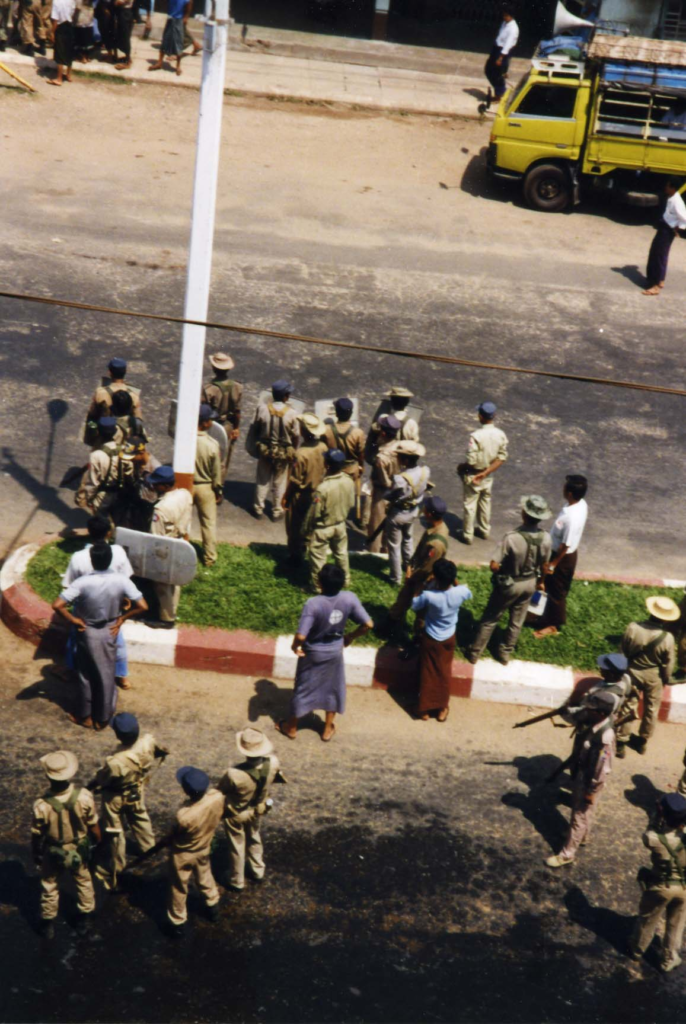
ထို့အတူပဲ ဗမာပြည်မှာ ရှိနေတဲ့ အစ္စလာမ်ဘာသာဝင်တွေကို ပစ်မှတ်ထားပြီး ဝတ်ပြုစရာ ဗလီ အဆောက်အဦတွေ၊ ကာဗာစတန် (အစ္စလာမ်ဘာသာဝင်များ၏ သင်္ချိုင်)တွေ၊ အိုးအိမ်းတွေကို ဖျက်ဆီးတာ၊ မီးရှို့တာ၊ ဘာသာဝင်တွေအပေါ် တိုက်ခိုက်တာ၊ သတ်ဖြတ်တာတွေကို အကြိမ်ပေါင်းများစွာ တိုင်းပြည်အနှံ့ ကျူးလွန် အကြမ်းဖက်ခဲ့ကြပါတယ်။ ပဲခူးမြို့ကလည်း ဒီလိုအကြမ်းဖက်ခံရတဲ့ မြို့ပေါင်းများစွာအနက်က မြို့တမြို့ ဖြစ်ပါတယ်။ အခုဆောင်းပါးမှာတော့ ၁၉၉၇ ခုနှစ်အတွင်းက ဖြစ်ပွားခဲ့တဲ့ ပဲခူးမြို့က အစ္စလာမ်ဘာသာဝင်တွေအပေါ် ကျူးလွန်ခဲ့ကြတဲ့ အကြမ်းဖက်မှုဖြစ်စဉ်အကြောင်းကို ဖော်ပြပေးသွားမှာပါ။
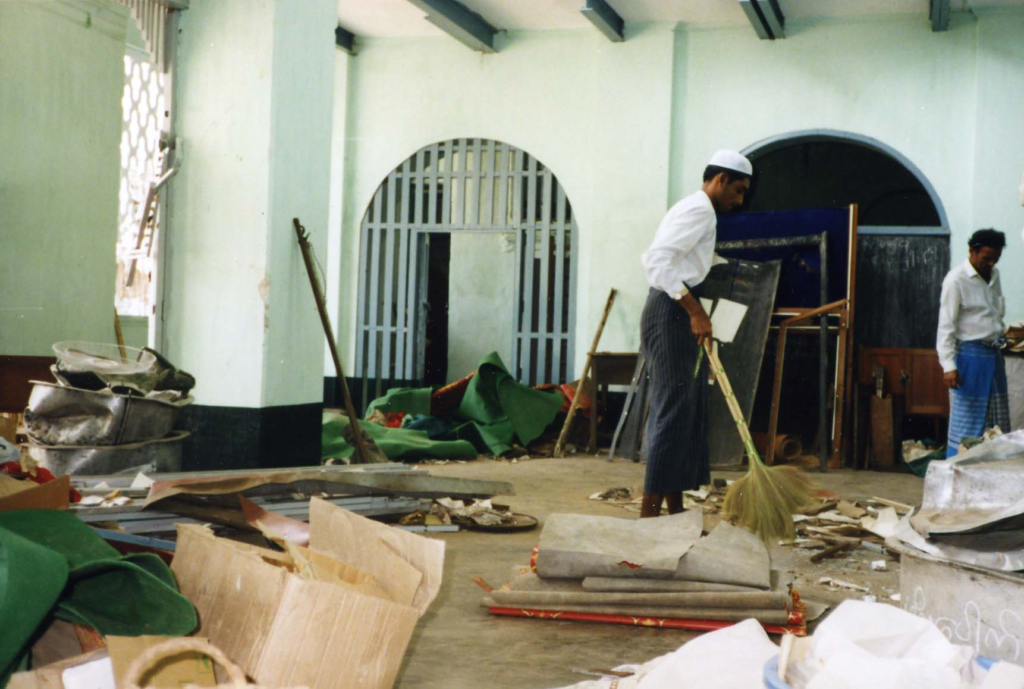
တကယ်တမ်းကတော့ ပဲခူးမြို့ ဖြစ်စဉ်က မန္တလေးမြို့မှာ ဖြစ်ပွားခဲ့တဲ့ ဖြစ်စဉ်ရဲ့ အကျိုးဆက်လို့ ပြောရမှာပါ။ ၁၉၉၇ ခုနှစ် မတ်လအတွင်းမှာ မန္တလေးမြို့မှာရှိတဲ့ မဟာမုနိ ရုပ်ပွားတော်ကြီးနဲ့ ပတ်သက်ပြီး ဗုဒ္ဓဘာသာသံဃာတော်တွေကြားမှာ တင်းမာမှုတွေရှိနေခဲ့ပါတယ်။ အကြောင်းအရင်းကတော့ မြန်မာစစ်တပ်က ပတ္တမြားမျက်ရှင်ကို ရှာဖွေဖို့အတွက် မဟာမုနိရုပ်ပွားတော်ကြီးရဲ့ ဝမ်းဗိုက်တော်ကို ဖောက်ထွင်းခဲ့တာကြောင့်ပါ။ ဒီကိစ္စနဲ့ ပတ်သက်လို့ သံဃာတွေနဲ့ အာဏာပိုင်တွေကြား တင်းမာမှုတွေ ရှိနေတဲ့အချိန်မှာ အစ္စလာမ်ဘာသာဝင်တဦးမှ ဗုဒ္ဓဘာသာဝင် အမျိုးသမီးတဦးကို အဓမ္မပြုကျင့်ကြောင်း သတင်းများထွက်ပေါ်လာခဲ့သည်။ ထိုနောက် အဆိုပါ ပတ္တမြားမျက်ရှင် ပတ်သက်သော အချက်အလက်ကိစ္စရပ်များကို ကြားသိရချင်း မရှိတော့ပဲ အစ္စလာမ်ဘာသာဝင်များအပေါ် ဦိးတည် တိုက်ခိုက်မှုများ အဖြစ် ပြောင်းလဲသွားခဲ့ပါတော့တယ်။ မန္တလေးမြို့မှာ ဖြစ်ခဲ့တဲ့ ဒီအကြမ်းဖက်မှု ဖြစ်စဉ်ထဲမှာ အနည်းဆုံး ပြည်သူ ၃ ဦးသေဆုံးခဲ့ပြီး ဗလီ ၁၈လုံး ဖျက်ဆီးခံခဲ့ရတယ်လို့ သိရပါတယ်။ ဒီလို မန္တလေးမြို့ အကြမ်းဖက်မှု ဖြစ်စဉ်နောက်ပိုင်းမှာ ပဲခူး၊ တောင်ငူ၊ ပြည်၊ ရန်ကုန်၊ တောင်ကြီး မြို့တွေမှာပါ အကြမ်းဖက်မှုတွေ ပျံနှံ့ခဲ့ပါတယ်။
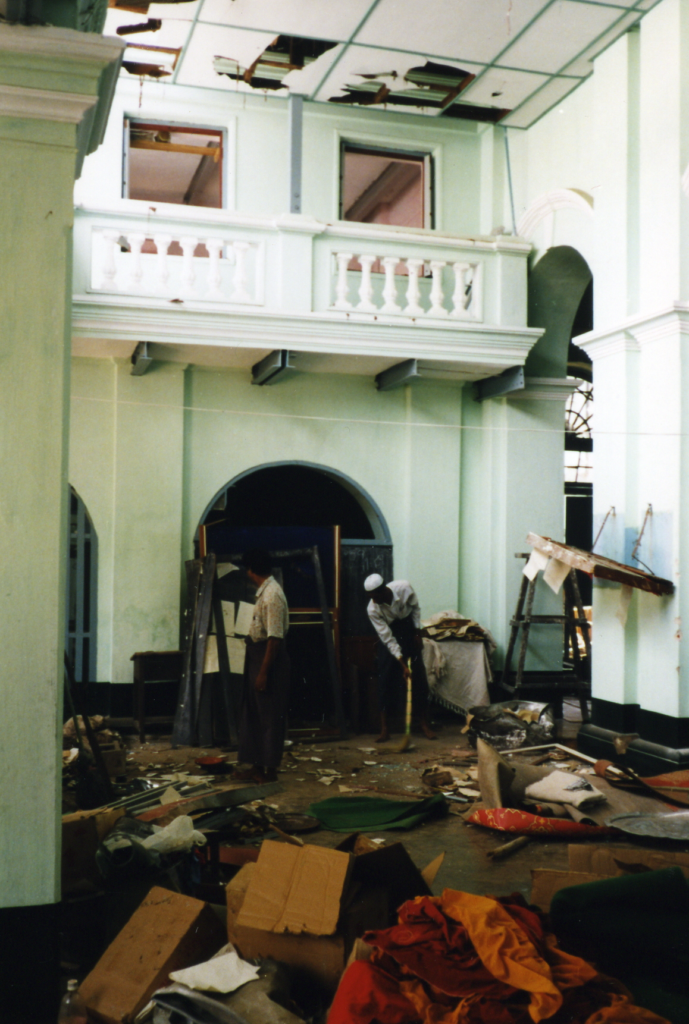
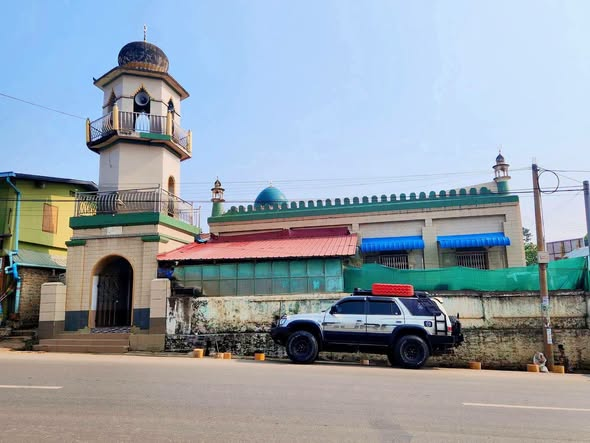
အဲ့ဒီတော့ ပဲခူး ဖြစ်စဉ်ကတော့ သံဃာတော် ၂၀၀ခန့်က အစ္စလာမ်ဘာသာဝင်တွေရဲ့ ဗလီဝတ်ကျောင်းတော်တွေကို ပစ်မှတ်ထားတိုက်ခိုက်ခဲ့တာ ဖြစ်ပါတယ်။ ဒီအကြမ်းဖက်မှုကြောင့် ပဲခူးမြို့ ဟင်္သာကုန်ရပ်က ကေလာဗလီ၊ ရုံးကြီးရပ်က ဒါရ်ဂါဗလီ၊ ပန်းလှိုင်ရပ်က ပန်းလှိုင်ဗလီ၊ ဇိုင်ဂနိုင်(မြောက်) ရပ်ကွက်က ၅လမ်း ဂျာမေဗလီတို့ အပါအဝင် စုစုပေါင်း ဗလီဝတ်ကျောင်းတော် (၅) လုံးခန့် ဖျက်စီးခံခဲ့ရပါတယ်။
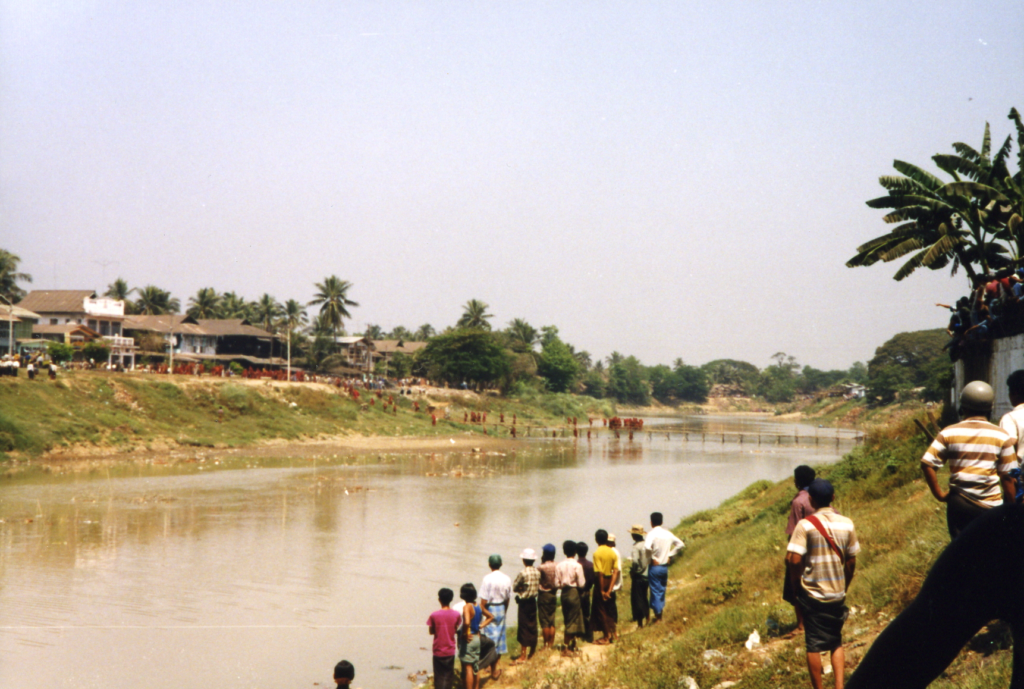
အကြမ်းဖက်မှုအတွင်း ဗလီတွေကို ဖျက်စီးဖို့ ဘုန်းကြီးတွေ လာရောက်ချိန်မှာ ဒေသအာဏာပိုင်တွေနဲ့ လုံခြုံရေး အဖွဲ့အစည်းတွေက တားမြစ်ခဲ့တာ မရှိသလို၊ လူနည်းစု အစ္စလာမ်ဘာသာဝင်တွေ အပေါ် အကာအကွယ်ပေးမှုတွေလည်း မရှိခဲ့ဖူးလို့ သိရပါတယ်။ အဲ့တာအပြင် လာရောက်ဖျက်ဆီးတဲ့ ဘုန်းကြီးတွေမှာ အတုတွေ ဖြစ်နိုင်တယ်လို့ ဆိုပါတယ်။ ဘာကြောင့်လဲဆိုတော့ သူတို့ရဲ့ သင်္ကန်တွေ အောက်မှာ စစ်ဘောင်းဘီတွေကို တွေ့ရှိခဲ့ရတာကြောင့်လို့ ဖြစ်စဉ်ကိုကိုယ်တွေ့ကြုံခဲ့ရသူတိချို့က ပြန်ပြောပြခဲ့ကြပါတယ်။
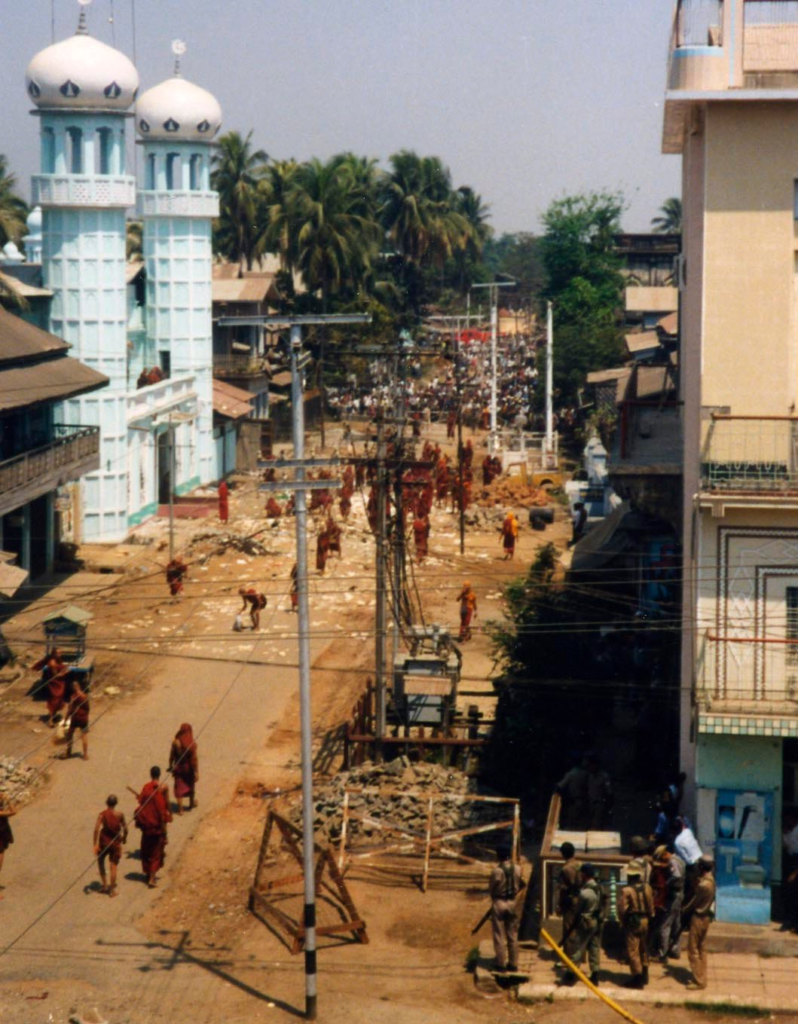
ဒါကတော့ ပဲခူးမြို့က အစ္စလာမ်ဘာသာဝင်တွေအပေါ် အကြောင်းမဲ ဖိနှိပ်မှုနဲ့ အကြမ်းဖက်မှုလို့ ဆိုလို့ရပါတယ်။ အခုဖော်ပြထားတဲ့ ဓာတ်ပုံတွေထဲမှာ ဇိုင်ဂနိုင်(မြောက်) ရပ်ကွက်က ၅လမ်း ဂျာမေဗလီကို အကြမ်းဖက်ဘုန်ကြီးတွေက ဖျက်စီးနေတာကို တွေ့ရမှာပါ။ အဲ့ဒီဓာတ်ပုံမှာ ကျူးလွန်သူ အကြမ်းဖက်ဘုန်းကြီးတွေက ဖျက်ဆီးမှုတွေကို လွတ်လွတ်လပ်လပ်ကို လုပ်ကိုင်နေတာပါ။ အနီးတဝိုက်မှာ အရပ်သားပြည်သူတွေရှိနေပေမယ့် ဘယ်သူမှ တားဆီးခြင်း၊ ဖြန်ဖြေပေးခြင်း၊ ကာကွယ်ပေးခြင်းများကို လုပ်ဆောင်ခြင်း မရှိကြောင်းကိုလည်း တွေ့ရမှာပါ။ ဒါကလည်း ခေတ်အဆက်ဆက် မြန်မာစစ်တပ်ရဲ့ အကြောက်တရားနဲ့ ဖိနှိပ်ထားမှု အကျိုးဆက်လည်း ဖြစ်သလို ဘာသာရေး လွတ်လပ်ခွင်နဲ့ ပတ်သက်လို အသိအမြင်နည်းပါတာကြောင့်လည်း ဖြစ်နိုင်ပါတယ်။
ဒီအကြမ်းဖက်မှု ဖြစ်စဉ်ကို လေ့လာကြည်မယ်ဆိုရင် လွတ်လပ်စွာ ယုံကြည်ကိုးကွယ်မှုရဲ့ စံနှုန်းတရပ်ဖြစ်တဲ့ အပြင်ပိုင်းလွတ်လပ်ခွင့်ဆိုင်ရာ ချိုးဖောက်မှု ဖြစ်ပါတယ်။ အဲ့တာတွေအပြင် အဲ့ဒီအချိန်က တိုင်ပြည်အာဏာကို သိမ်းပိုက်ထားတဲ့ မြန်မာစစ်တပ်ရဲ့ ပတ္တမြားမျက်ရှင်ကိစ္စနဲ့ ပတ်သက်ပြီး အာရုံလွှဲလုပ်ဆောင်မှု၊ အာဏာပိုင် အဖွဲ့အစည်းတွေရဲ့ အကြမ်းဖက်မှု ကျူးလွန်သူတွေကို ထိန်းသိမ်းတာ၊ တားဆီးတာ၊ ဖမ်းဆီး ပြစ်ဒဏ်ပေးတာတွေ လုပ်ဖို့ ပျက်ကွက်ခဲ့သလို၊ ကျူးလွန်ခံရသူတွေ (သို့) အဆောက်အဦတွေကိုလည်း အကာအကွယ်ပေးဖို့ ပျက်ကွက်ခဲ့တာတွေကိုလည်း တွေ့ရှိရပါတယ်။
အခုကျနော် တင်ပြခဲ့တဲ့ ပဲခူးမြို့ အကြမ်းဖက်ခံရမှု ဖြစ်စဉ်နဲ့ ပတ်သက်တဲ့ အချက်အလက်တွေထဲမှာ လိုအပ်ချက်တွေရှိခဲ့ရင် သိမှီသူတွေက ထပ်ဖြည့်ပေးကြပါဦး ခင်ဗျ။
အခုဒီဆောင်းပါးမှာ ဖော်ပြထားတဲ့ ဓာတ်ပုံတွေကတော့ ၁၉၉၇ ပဲခူးမြို့က အစ္စလာမ်ဘာသာဝင်တွေကို အကြမ်းဖက်ခဲ့တဲ့ ဖြစ်စဉ်တွေကို မှတ်တမ်းတင်ထားတဲ့ ဒီဓာတ်ပုံတွေကို နိုင်ငံခြားသား ဓာတ်ပုံဆရာတယောက်က ရိုက်ကူးခဲ့တာလို့ သိရပါတယ်။ ဒီဓာတ်ပုံတွေကတော့ flicker.com မှာ andrewjudededo ဆိုတဲ့ အကောင့်မှာ တင်ထားတာဖြစ်ပါတယ်။ မူးရင် ရိုက်ကူးသူ ဓါတ်ပုံပညာရှင်ကို credit ပေးပါတယ် ခင်ဗျ။