Dr Ko Ko Gyi
Author: Augustus Linn
Date: November 18, 2026
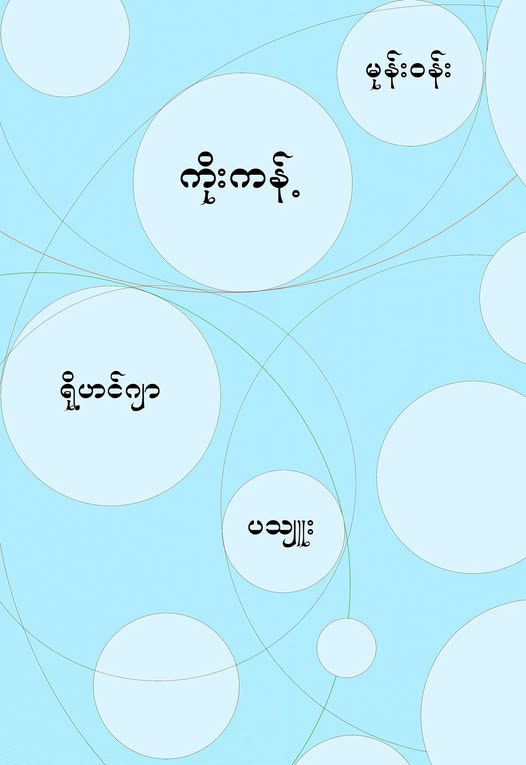
When asking whether ethnic groups such as the Kokang, Rohingya, or Monewun Bamar exist, determining this is not the business of outsiders. If a group itself defines its existence or adopts a new name, others must accept that it exists. Saying things like, “Oh, they didn’t exist in history,” or “Their race and language are nearly identical to those across the border,” are not valid barriers either. Even if a group of people only came together yesterday, agreed upon a new name for their community, and embraced it, a new ethnic identity is formed. Whether an ethnic name can be adopted is not something to be debated using massive historical texts, minor chronicles, or archival evidence. People have the right to name themselves.
No one alive today descended from the Brahma realm all at once onto the Earth with a magic spell to become an eternal, unchanging ethnic group. If you trace history back over millennia, none of the major or minor ethnic groups existing today would be found in their current forms. Out of the differently named groups that existed back then, people migrated, intermarried, and changed the gods they worshipped—giving rise to new ethnicities. The Jurchens changed their name to Manchu. By adhering to a new faith, some inhabitants of the Punjab region emerged with a collective identity known as Sikh. One cannot argue that they must keep their old names or claim these groups did not exist before a certain year. Regardless of whether they existed under that name in the past, they have the right to claim an identity in the present. Whether outsiders accept it or governments officially recognize it matters little in the long run; if they persevere and survive, they will become a distinct ethnic group.
So, if you say, “Let’s gather a few people and invent a new ethnicity too,” go ahead if you can. If logical conditions allow, a new ethnicity will indeed emerge. However, inventing a new ethnic label among people who already share the exact same language, religion, region, and lifestyle is unnatural and unlikely to endure. Without distinct characteristics or firm boundaries to separate them from others, the identity will vanish like mist before it even begins. Living inside the Yangon Region and trying to declare a “Hmawbi ethnicity” or “Taikkyi ethnicity” would be difficult. Yet, if you relocated those very same people from Hmawbi en masse to Papua New Guinea or Siberia and their community survived intact, conditions over a few generations would allow a distinct ethnicity to form.
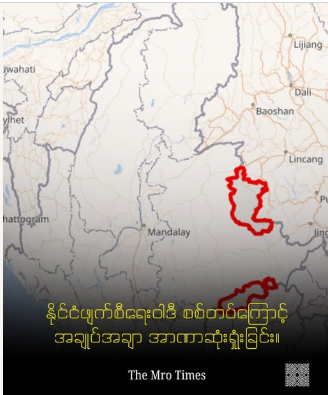
We can view the disputed ethnic groups within Myanmar’s borders through this exact framework. Had the territory across the Kunlong Ferry not become part of Myanmar and remained part of China, a distinct Kokang identity would never have grown strong. Even with slight geographical variations, they would have remained merely a regional subgroup of the broader Han Chinese majority, with no need to be designated as a separate ethnicity as they are in Myanmar. Once a political border drew a line separating them, those residing within Myanmar’s boundaries naturally came to embrace the Kokang identity.
While a group can adopt a new ethnic name, what cannot be erased is its primary origin. Without even needing to look at DNA testing, this is clearly evident in linguistic classifications. Even when the Rohingya language is recognized and accepted as distinct, the linguistic fact remains that it belongs to the Bengali-Assamese branch of the broader Indo-Aryan language family. That cannot be altered.
The root of Myanmar’s internal ethnic entanglement lies in the flawed logic of Taingyintha (“national races” / indigenous peoples). Based on the misconception that only indigenous national races deserve citizenship, fierce debates rage over whether certain ethnic names exist or whether a group qualifies as Taingyintha. In practical reality, the issue is simply about citizenship—whether one is a citizen or not. Being indigenous/native and holding citizenship cannot be directly equated. Aside from a few Tibeto-Burman groups like the Bamar, Danu, Yaw, and Rawang, most recognized indigenous groups—such as the Shan, Jingpo, Lisu, Chin, Naga, and Mon—also live in neighboring countries in equal or vast numbers. Simply being Shan or Naga does not automatically make someone a Myanmar citizen. Conversely, due to massive outward migration today, there will soon be millions of Bamar from central Myanmar (Anyar and Myaylat) living in the diaspora who are no longer Myanmar citizens.
Accepting that the Rohingya ethnicity exists does not mean Rohingya from all over the world will automatically become Myanmar citizens. Recognizing Kokang citizenship does not make over a billion ethnically related Han Chinese eligible to apply for Myanmar National Registration Cards—nor would they want to come. All of Myanmar’s neighbors have surpassed the “Golden Land” in both GDP and personal freedoms. Complaining that Chinese businessmen are taking Myanmar IDs under the guise of Kokang or Monewun, or worrying about what happens if wealthy Muslims become citizens by claiming to be Kaman or Rohingya—and blaming ethnic naming for this—is completely missing the mark. The real culprit is a corrupt, loophole-ridden, and broken administrative system. In a properly functioning system, whether a Chinese businessman from Beijing, an Arab from Abu Dhabi, or a German from Berlin wants permanent residency or citizenship while doing business in Myanmar, they wouldn’t need to pretend to be Kokang or Kaman; they could simply follow a legal pathway.
When it comes to granting citizenship, Asian countries are notoriously strict. Across a continent where rules are uniformly tight from Japan to the Middle East, Myanmar does not need to make its citizenship laws overly lax. However, its laws must not be illogical or laughable. Turning the clock back to 1823 is simply impractical. Using the First Anglo-Burmese War as a starting cutoff—and relying on a British colonial legacy to argue that human migration could not or should not happen afterward—is akin to denying a natural human process. Keeping a country cohesive requires building a majority, not necessarily based on race or religion, but by fostering a shared civic identity that the majority believes in, much like “American” or “Indian” identity.
Favoring a single bloodline while suppressing smaller groups might work in a homogeneous country like Japan (99% vs. 1%), but it is impossible in a country like Myanmar (roughly 60% vs. 30–40%). Pushing minorities into a corner breeds racial defensiveness, fear, and tribalism, multiplying unnecessary conflict and hatred. What should be done is to harmoniously blend everyone within the country—whether called Monewun Bamar, Bamar Muslim, Rohingya, Gurkha, Pashu (Malay), Parsi, Tai Lue, Wa, Hmong, or Meitei (Kathe)—into a shared Myanmar civic identity. Only when a sense of citizenship and connection to the Irrawaddy basin civilization rises above ethnic, religious, and regional identities will the nation truly cohere. State policies are also needed to gradually move the role of organized religion into the background.
While freedom of religion should be guaranteed, the state must monitor and regulate it so it does not dominate the public sphere. This applies across the board: from ultra-conservative Islamic ideologies like Deobandism, to groups like Ma Ba Tha that drag Buddhism into politics, to extremist Christian churches obsessed with religious absolutism. If religious encroachment is left unchecked, the state will collapse—or at least severely decay. Recognizing an ethnicity or granting citizenship does not include granting a license for religious extremism. Like the United States or the UAE, any extremist agitation should be swiftly crushed. At the same time, we must not demonize or oppress an entire community out of fear of religious extremists; those are two separate issues.
If citizenship is to be granted fairly, what should it be based on? Old World countries typically base citizenship on bloodline (jus sanguinis), while New World countries (the Americas and Australia) base it on birthplace (jus soli). Under Myanmar’s 1982 Citizenship Law, citizenship is largely restricted to those born to citizen parents. It would be appropriate to amend this slightly to introduce clear pathways to citizenship: specifically for those born on this soil, for descendants of the Myanmar diaspora whose ancestors originated here, and for long-term foreign residents. How strict the criteria are is up to the state, but having a legal pathway makes the country look respectable and humane. We must consider both basic humanity and a person’s connection to their birthplace. While border crossings can be classified as illegal immigration, I believe there should be a legal pathway to citizenship for the new generation born here; the state simply needs to integrate and shape them into becoming part of our own society.
Creating a pathway to citizenship is not the same as handing out passports like charity. Even the most liberal nations have mandatory checkboxes that applicants must fulfill. They scrutinize continuous residency (5, 10, or 20 years depending on the track) and how much the applicant has contributed to the system. While details vary by pathway, one non-negotiable requirement must be language proficiency. Even when people differ in race, religion, and lifestyle, a common language enables closeness and integration—it is the first step toward harmony. Therefore, applicants must pass reading, writing, and speaking tests. Since it is impossible to standardize tests across Myanmar’s dozens of minority languages, the Burmese language must serve as the single standard. Anyone seeking citizenship in a country must be able to speak and understand its national language fluently. If someone fails to clear the language barrier and is denied citizenship, that is not the government’s fault.
No one other than the individuals themselves has the right to deny their human existence or ethnic self-identification. Granting citizenship, however, is the prerogative of the sovereign state. The Kokang exist. The Rohingya exist. The Monewun Bamar exist. The Pashu exist. Yet, being of Kokang descent, being Rohingya, or even being an ethnic Bamar does not automatically guarantee full citizenship—it depends entirely on existing legal frameworks. If those laws are illogical, they simply need to be amended to be fair and practical. There is no need to be cruel, nor is there a need to be overly generous; a reasonable, balanced middle ground is best. Only when we separate the question of ethnic identity from the legal status of citizenship will we arrive at a solution. Of course, if people are deliberately keeping the issue tangled because they don’t actually want a solution, nothing can be done.
Fact-Check & Historical/Legal Analysis
The post is primarily an opinion essay grounded in sociological theory (social constructivism of identity) and political philosophy (civic nationalism). However, the author makes several specific historical, linguistic, and legal claims. Below is a verification of those claims:
1. Historical & Sociological Claims
- “The Jurchens changed their name to Manchu.” — ACCURATE
- Verification: In 1635, Hong Taiji (leader of the Later Jin dynasty) officially decreed that the Jurchen people (Jušen) would henceforth be known exclusively as “Manchu” (Manju), and banned the use of the older ethnonym to forge a unified political and military identity prior to conquering Ming China.
- “By adhering to a new faith, some inhabitants of the Punjab region emerged with a collective identity known as Sikh.” — ACCURATE
- Verification: Sikhism originated in the Punjab region in the late 15th century with Guru Nanak. Over the following two centuries—particularly with the formalization of the Khalsa by Guru Gobind Singh in 1699—followers developed a distinct religious, social, and collective cultural identity separate from the surrounding Hindu and Muslim populations.
- “Even when the Rohingya language is recognized… it belongs to the Bengali-Assamese branch of the broader Indo-Aryan language family.” — ACCURATE
- Verification: Linguistically, Rohingya (Ruáingga) is classified as an Eastern Indo-Aryan language belonging to the Bengali-Assamese sub-branch. It shares high mutual intelligibility with the Chittagonian dialect spoken in southeastern Bangladesh, though it has also absorbed vocabulary from Burmese, Arabic, and Urdu.
- “Monewun Bamar” (မုန်းဝန်းဗမာ) — CONTEXTUALLY ACCURATE
- Verification: The Monewun (or Mongwun) are a Mandarin/Yunnanese-speaking group primarily located in northern Shan State (Tamoenye area). Historically classified as ethnic Chinese, they were controversially reclassified and issued National Registration Cards under the label “Monewun Bamar” (recognizing them as a Bamar subgroup) by President Thein Sein’s administration in early 2016 just before leaving office.
2. Legal & Demographic Claims
- “Under Myanmar’s 1982 Citizenship Law, citizenship is largely restricted to those born to citizen parents… Turning the clock back to 1823 is simply impractical.” — ACCURATE
- Verification: Section 3 of the 1982 Burma Citizenship Law restricts full citizenship to eight major “national races” (Kachin, Kayah, Karen, Chin, Bamar, Mon, Rakhine, Shan) and other ethnic groups settled within the territory prior to 1823 (1185 Burmese Era—the year before the First Anglo-Burmese War of 1824–1826). Under Section 5, individuals born inside or outside the state are citizens only if both parents are already citizens (with specific provisions for mixed associate/naturalized parentage). Pure jus soli (birthright citizenship by soil) does not exist in Myanmar.
- “…in a country like Myanmar (roughly 60% vs. 30–40%).” — APPROXIMATELY ACCURATE
- Verification: While exact modern figures are contested due to the omission of ethnic breakdowns from the 2014 census release, long-standing demographic estimates place the ethnic Bamar majority at roughly 68% of the population, with non-Bamar ethnic minorities collectively making up around 32%. The author’s “60–30” shorthand aligns with standard ballpark figures.
- “All of Myanmar’s neighbors have surpassed the ‘Golden Land’ in both GDP and personal freedoms.” — PARTIALLY INACCURATE / NUANCED
- Verification: Myanmar borders five countries: China, India, Thailand, Laos, and Bangladesh.
- GDP: In terms of total nominal GDP and GDP per capita, China, India, and Thailand significantly surpass Myanmar. Bangladesh and Laos also surpassed Myanmar in GDP per capita during the 2010s/2020s following Myanmar’s post-2021 economic collapse.
- Personal Freedoms: While India and Thailand rank higher on global freedom indices, China and Laos are one-party authoritarian states with severe restrictions on political and civil liberties (often scoring comparably low alongside Myanmar on indices such as Freedom House). Thus, the claim that all neighbors surpass Myanmar in personal freedoms is an overgeneralization.
- Verification: Myanmar borders five countries: China, India, Thailand, Laos, and Bangladesh.
References & Further Reading
- 1982 Citizenship Law & the 1823 Cutoff:
- Burma Citizenship Law (Pyithu Hluttaw Law No. 4 of 1982) – Refworld / UNHCR (See Chapter II, Sections 3–5 regarding the 1823 cutoff and parentage requirements).
- Myanmar Nationality Law – Wikipedia (Overview of Full, Associate, and Naturalized citizenship tiers).
- Jurchen to Manchu Identity Formation:
- Crossley, Pamela Kyle (1999). A Translucent Mirror: History and Identity in Qing Imperial Ideology. University of California Press.
- Hong Taiji & the Renaming of the Jurchens (1635) – Wikipedia
- Linguistic Classification of Rohingya:
- Eberhard, David M., Gary F. Simons, and Charles D. Fennig (eds.). Ethnologue: Languages of the World (Classification of Rohingya [rhg] under Indo-European > Indo-Iranian > Indo-Aryan > Eastern Zone > Bengali-Assamese).
- Social Constructivism & Civic Nationalism (Theoretical Framework):
- Anderson, Benedict (1983). Imagined Communities: Reflections on the Origin and Spread of Nationalism. Verso. (Supports the author’s argument that nations and ethnicities are socially constructed political communities rather than primordial biological entities).
- Ignatieff, Michael (1993). Blood and Belonging: Journeys into the New Nationalism. Farrar, Straus and Giroux. (Contrasts ethnic nationalism based on bloodline with civic nationalism based on shared citizenship and institutions).
Augustus Linn is with Augustus.Linn.
■ ကိုးကန့် ၊ ရိုဟင်ဂျာ ၊ မုန်းဝန်းဗမာ စတဲ့ အမည်တွေနဲ့ လူမျိုးရှိပါသလားဆိုရင် ဒါကို သတ်မှတ်ပေးရမှာက ပြင်ပကပုဂ္ဂိုလ်များ၏ အရေးအရာ မဟုတ်ပါ။ ၄င်းအစုအဖွဲ့ ကိုယ်တိုင်က ရှိတယ်လို့သတ်မှတ်ရင် သို့မဟုတ် အမည်ပြောင်းပေးထားရင် ရှိတယ်လို့သာ လက်ခံကြရပါမယ်။
ဟ … သမိုင်းထဲမှာ မရှိခဲ့ဘူး။ တဖက်နှင့်လည်း လူမျိုးဘာသာစကား တူညီလုနီးပါးပဲ။ ဒါတွေလည်း အဆီးအတား ဟုတ်မနေပြန်ပါ။ မနေ့တနေ့ကမှ လူညီလို့ မိမိတို့လူအစုအဝေးကို ဘယ်လိုတော့ဖြင့် အမည်သစ်ပေး၍ ခေါ်ဆိုကြမယ်လို့ ခံယူကြရင် လူမျိုး Identity အစုအသစ်ဖြစ်လာမှာပါ။ ဤသို့ လူမျိုးအမည် သတ်မှတ်လို့ရမရကို သမိုင်းကျမ်းကြီးတွေ ၊ ကျမ်းငယ်တွေ ၊ အထောက်အထားတွေနဲ့ ငြင်းနေရမည့်အလုပ်ကို မဟုတ်ပါ။ ကိုယ့်အမည်ကိုယ်ပေးခွင့်ရှိကြတယ်။
■ ယနေ့ရှိနေသည့် ဘယ်သူဘယ်ဝါကမှ ဗြဟ္မာ့ပြည်ကနေ တစုတည်း ကမ္ဘာပေါ် ဆင်းလာပြီး ဟတ်ချလောင်းဆိုကာ ရာသက်ပန်တည်မြဲနေသော လူမျိုးတစုဖြစ်လာခြင်း မဟုတ်ပါ။ လွန်ခဲ့သော ထောင်စုနှစ်တွေကို နောက်ပြန်လိုက်သည်နှင့် ယနေ့ ရှိနေကြသော လူမျိုးကြီးငယ်များကို တွေ့ကြရတော့မည် မဟုတ်ပါ။ ထိုစဥ်ကရှိနေကြသည့် တမျိုး ခေါ်ဝေါ်ကြသော လူမျိုးအစုအဖွဲ့များကနေ ဟိုရွေ့သည်ပြောင်း၊ ဟိုစပ်သည်စပ် ၊ ကိုးကွယ်ရာဘုရားပြောင်းကြရာနေ လူမျိုးသစ်များ ဖြစ်လာကြတယ်။
Jurchens များကို မန်ချူးလို့ အမည်ပြောင်းခဲ့ကြ၏။ ကိုးကွယ်ယုံကြည်ရာအသစ်ကို ဆည်းကပ်ဆွဲမြဲရာက ပန်ဂျပ်နယ်သားအချို့ ဆစ်ခ်ဟူသော Collective Identity ပေါ်ထွန်းလာကြတယ်။ ဒါကို ယခင်အမည်အတိုင်းရှိရမယ်တို့ ၊ ဘယ်နခုနှစ် မတိုင်ခင်က သည်လူမျိုး မရှိပါဟု သွားငြင်းလို့မရ။ ယခင်ကရှိရှိ၊ မရှိရှိ ယခုအမည်ဖြင့် ပစ္စုပ္ပန်တွင် အမည်ယူလို့ရပါ၏။ ဘေးလူများကလက်ခံမခံ ၊ အစိုးရများက တရားဝင်သတ်မှတ် မသတ်မှတ်သည်က ရေရှည်အတွက် အရေးမပါလှပါ။ ပေကပ်ပြီး ရှင်သန်နိုင်သော် သီးခြားလူမျိုးဖြစ်လာပါလိမ့်မယ်။
■ ဒါဆို ငါတို့လည်း ရှိရာလူစုပြီး လူမျိုးအမည်အသစ်ဖန်တီးမယ်ကွာဆိုလျှင်လည်း လုပ်နိုင်လျှင် လုပ်လိုက်ပါ။ ယုတ္တိတန်သော အခြေအနေပေးလျှင် လူမျိုးအသစ်ဖြစ်လာပါလိမ့်မယ်။ ဘာသာစကား၊ ကိုးကွယ်ရာ ၊ အရပ်ဒေသေ ၊ လူနေမှုပုံစံ အားလုံးတူညီနေသည့်သူများအကြား လူမျိုးအသစ်ကို နာမည်ထတပ်လျှင်တော့ သဘာဝမကျသဖြင့် တည်မြဲဖို့ခက်၏။ အခြားသူများနှင့် အဘယ်သော ဝိသေသကွဲသည်ဟု ပြောစရာမရှိ။ စည်းတားစရာ မခိုင်မာသော် မစခင်ကပင် အငွေ့ခြင်းရောသလို ဖျောက်ခနဲပြန်ပျောက်သွားပါမယ်။
ရန်ကုန်တိုင်းထဲနေပြီး မော်ပီလူမျိုး ၊ တိုက်ကြီးလူမျိုး သတ်မှတ်မယ်ကွာဆိုလျှင် ခက်ခဲ၏။ ဤမော်ပီသားများကိုပဲ ပါပူအာကိုဖြစ်စေ၊ ဆိုက်ဘေးရီးယားကိုဖြစ်စေ အစုလိုက်ပို့လိုက်လို့ အသိုက်အအုံမပျက် ရှင်သန်ခဲ့မယ်ဆိုလျှင် မျိုးဆက်အနည်းငယ်အကြာတွင် လူမျိုးသီးခြားဖြစ်လာဖို့ အခြေနေပေးတယ်။
မြန်မာနိုင်ငံ နယ်နိမိတ်ထဲက အငြင်းပွားနေကြသော လူမျိုးတို့၏ အနေအထားကို ဤပုံစံခွက်ထဲကနေ မြင်ကြည့်နိုင်တယ်။ ကွမ်းလုံဆိပ် တဖက်ကမ်းသာ မြန်မာ့ပိုင်နက်ဖြစ်မလာခဲ့ပဲ တရုတ်နိုင်ငံအစိတ်အပိုင်းသာဆိုလျှင် ကိုးကန့် Identity အားကောင်းလာဖို့ မရှိပါ။ ပထဝီအရ ဝိသေသကွဲအချို့ ဖြစ်ထွန်းလာသည့်တိုင် ပင်မဟန်လူမျိုးကြီး၏ ဒေသိယခွဲအဆင့်သာ ဖြစ်နေလိမ့်မယ်။ မြန်မာနိုင်ငံထဲမှာလို လူမျိုးတမျိုး သတ်မှတ်ပေးဖို့ မလိုအပ်ပါ။ Political နယ်ခြားလိုင်းက စည်းခြားသွားသည့်အခါ မြန်မာ့နယ််နိမိတ်အတွင်း နေထိုင်ရောက်ရှိနေသူတို့အဖို့ ကိုးကန့် Identity ကို ကိုင်စွဲဖို့ ဖြစ်လာတယ်။
■ လူမျိုးအမည်သစ် သတ်မှတ်ခံယူလို့ရပေမယ့် ဖျောက်မရသည်က ပင်မဇစ်မြစ်ဖြစ်၏။ ယင်းကို DNA စစ်ဆေးမည်ဘာညာကို မသွားနှင့်အုံး။ ဘာသာစကားအုပ်စုခွဲမှုတွင်ပင် သိသာထင်ရှားစွာ တွေ့ရမည်။
ရိုဟင်ဂျာဘာသာစကားလို့ သတ်မှတ်လက်ခံလိုက်လျှင်လည်း ယင်းဘာသာစကားသည် အင်ဒို-အာရိယန်အစုကြီးထဲက ဘင်ဂါလီ-အာသံစကားအုပ်စုဝင် ဖြစ်နေသည့်အချက်က ဆက်၍ မှန်ကန်နေလိမ့်မယ်။ ပြင်ဆင်၍မရပါ။
■ မြန်မာ့ပြည်တွင်း လူမျိုးရေး ပြသာနာအရှုပ်အထွေး၏ ဇစ်မြစ်မှာ တိုင်းရင်းသားဟူသော လော့ဂျစ်ကြောင့်ဖြစ်၏။ တိုင်းရင်းသားဖြစ်သူသာလျှင် နိုင်ငံသားဖြစ်ရမည်ဟူသော အထင်မှားမှုကို အခြေခံပြီး လူမျိုးအမည်ရှိမရှိ ၊ ယင်းလူမျိုးသည် တိုင်းရင်းသား ဟုတ်မဟုတ် လယ်ဗယ်တွင် ငြင်းခုန်မှု အကျယ်အကျယ် ဖြစ်နေကြတယ်။
လက်တွေ့တွင် နိုင်ငံသားဖြစ်ခြင်း၊ မဖြစ်ခြင်းသာရှိ၏။
တိုင်းရင်းသား ( Indigenous / Native ) ဖြစ်မဖြစ်နှင့် နိုင်ငံသားဖြစ်ခြင်း မဖြစ်ခြင်းကို တိုက်ရိုက် ညီမျှချင်းချ၍ မရပါ။ တိဘက်တိုဘားမားအုပ်စုထဲက မြမ္မာ၊ ဓနု၊ ယော၊ ရဝမ် စသော တချို့တလေကလွဲရင် ဌာနေတိုင်းရင်းသားဟု သတ်မှတ်ထားသော သျှမ်း၊ ဂျိမ်းဖော၊ လီဆူ၊ ချင်း၊ နာဂ၊ မွန် စသဖြင့်တို့သည် တဖက်အိမ်နီးချင်းနိုင်ငံများတွင်လည်း ဆတူမဟုတ်လျှင်ပင် အလွန်များသော ပမာဏနေထိုင်ကြတယ်။ သျှမ်းဖြစ်ယုံ ၊ နာဂဖြစ်ယုံမျှဖြင့် မြန်မာနိုင်ငံသား အော်တို ဖြစ်မလာနိုင်ပါ။
ယခုအခါ အလွန်များပြားလာသည့် ပြည်ပရွေ့ပြောင်း Diaspora လူဦးရေကြောင့် မြန်မာနိုင်ငံသားမဟုတ်သည့် အညာသား၊ မြေလတ်သားများပင် သန်းချီများပြားလာတော့မယ်။
■ ရိုဟင်ဂျာလူမျိုးရှိတယ်လို့ လက်ခံလိုက်ခြင်းက ကမ္ဘာတလွှားက ရိုဟင်ဂျာများ မြန်မာနိုင်ငံသား အလိုအလျောက်ဖြစ်လာမည်ဟု အဓိပ္ပါယ်ဖွင့်ပေးစရာ မလိုပါ။ ကိုးကန့်လူမျိုးနိုင်ငံသား ဖြစ်တည်မှုသည် အမျိုးအနွယ်တူ ဟန်လူမျိုး သန်းတထောင်ကျော်သည် မှတ်ပုံတင်လျှောက်ထားဖို့ Eligible ဖြစ်မလာပါ။ လာကြမည်လည်း မဟုတ်ပါ။ မြန်မာ့အိမ်နီးချင်းများအားလုံးသည် GDP အရကော၊ လွတ်လပ်ခွင့်အရပါ ရွှေပြည်ထက် မြင့်မားသော အနေအထားတွင် ရောက်နေကြပြီ။
တရုတ်လုပ်ငန်းရှင်တွေဟာ ကိုးကန့် ၊ မုန်းဝန်းလို့ အမည်ခံပြီး မြန်မာနိုင်ငံသား မှတ်ပုံတင်တွေ ယူကုန်ကြပြီ၊ အစ္စလာမ်ဘာသာဝင်သူဌေးတွေက ကမန်၊ ရိုဟင်ဂျာဆိုပြီး နိုင်ငံသားဖြစ်ကုန်လျှင် ဘယ်လိုလုပ်ရမလဲဟု ငြီးတွားပြီး လူမျိုးအမည်တပ်မှုကို အပြစ်ပုံချနေခြင်းဟာ ခုတ်ရာတခြား ထိရာတခြားဖြစ်နေတယ်။
အဂတိထူပြွန်းပြီး ဂယ်ပေါက်များစွာနှင့် ချိနဲ့ပျက်စီးနေတဲ့ ယန္တရားကသာ အပြစ်ဖြစ်၏။ ကောင်းမွန်စွာလည်ပတ်နေတဲ့စနစ်မှာ ဘေဂျင်းကတရုတ်လုပ်ငန်းရှင်ဖြစ်ဖြစ် ၊ အဘူဒါဘီကအာရဗ်ဖြစ်ဖြစ် ၊ ဘာလင်ကဂျာမန်ဖြစ်ဖြစ် မြန်မာနိုင်ငံမှာ နေထိုင်စီးပွားလုပ်ရင်း လမ်းကြောင်းအတိုင်း အမြဲနေခွင့်ရဖို့၊ နိုင်ငံသားဖြစ်လာဖို့ ကိုးကန့်အမည်ခံစရာလည်းမလို ကမန်ဖြစ်စရာလည်း မလိုအပ်ပါ။
■ နိုင်ငံသားဖြစ်တည်မှုဟုဆိုသည့်အခါ အာရှနိုင်ငံများအားလုံးတို့သည် နိုင်ငံသားဖြစ်ခွင့် အလွန်အမင်းတင်းကြပ်၏။ နေထွက်ဂျပန်ပြည်ကစလို့ အရှေ့အလယ်ပိုင်းနိုင်ငံများအထိ ထူးမခြားတင်းကြပ်သည့် တိုက်ကြီးတွင် မြန်မာနိုင်ငံသားဖြစ်မှုကို အလွန်အမင်း ဖြေလျော့ပေးစရာ မလိုအပ်ပါ။
ယုတ္တိမတန် လူရီစရာဖြစ်သော ဥပဒေမျိုးမဖြစ်ဖို့တော့ လိုအပ်တယ်။ ၁၈၂၃ အထိ နောက်ပြန်လှည့်ခြင်းမျိုးကတော့ လက်တွေ့ကျမနေပါ။ ဗြိတိသျှနှင့် ပထမစစ်ကို စမှတ်ယူကာ ယင်းနောက်ပိုင်းတွင် လူသားများရွေ့ပြောင်းခြင်း မဖြစ်ရ၊ မဖြစ်နိုင်ဟု ဗြိတိသျှ Legacy ကို မှီခိုအကြောင်းပြ၍ သဘာဝဖြစ်စဥ်ကို ငြင်းနေသည်နှင့်တူ၏။
နိုင်ငံတခု အစေးကပ်ဖို့ရာတွင် လူများစုဖန်တီးနိုင်ခြင်းလည်း ပါဝင်တယ်။ လူများစုဆိုရာမှာ လူမျိုးဘာသာတင်မက လူများစုက ယုံကြည်သော ဘုံဝိသေသတခုကို ဖန်တီးခြင်းလည်း ဖြစ်နိုင်တယ်။ အမေရိကန်ဖြစ်မှု ၊ အိန္ဒိယဖြစ်မှုတွေမှာ ကြည့်လို့ရတယ်။
■ လူမျိုးသွေးသားတခုကိုသာ ဦးစားပေး၍ ကျန်အစုလေးများကို ကြပ်မတ်ထားခြင်းဟာ ဂျပန်လို ၉၉ ရာနှုန်း vs ၁ ရာနှုန်း နိုင်ငံတွင် ဖြစ်နိုင်ပေမယ့် မြန်မာလို ၆၀-၃၀ အရပ်တွင် မဖြစ်နိုင်တော့။ လူမျိုးရေးအရ ခုခံမှုနှင့် ကြောက်ကန်ကန်၍ ကိုယ့်အစုအတွင်းပူးကပ်သွားစေခြင်းဖြင့် မလိုလားအပ်သော ပဋိပက္ခနှင့် အမုန်းတရားတွေကိုသာ ပွားများစေလိမ့်မယ်။
ဖြစ်သင့်လုပ်သင့်သည်က ပြည်တွင်းရှိ မုန်းဝန်းဗမာခေါ်ခေါ် ၊ ဗမာမွတ်ဆလင်ခေါ်ခေါ် ၊ ရိုဟင်ဂျာခေါ်ခေါ် ၊ ဂေါ်ရခါး၊ ပသျူး၊ ဖာရစီ ၊ လူးသျှမ်း၊ ဝ ၊ မြောင်ဇီး၊ ကသည်း အားလုံးတို့ကို မြန်မာဖြစ်မှု Civic Identity အတွင်း သဟဇာတဖြစ်အောင် ရောဖျော်ဖို့ဖြစ်၏။ လူမျိုးရေး ဘာသာရေးနှင့် ဒေသိယဝိသေတို့အထက်တွင် နိုင်ငံသားဖြစ်မှု ၊ ဧရာဝတီမြစ်ဝှမ်း ယဥ်ကျေးမှုအစုအဖွဲ့နှင့် ဆက်နွယ်သွားပြီဆိုသော သိစိတ်က ရောက်နေမှသာ အစေးကပ်နိုင်ကြမယ်။ ဆည်းကပ်ကိုးကွယ်ရာ ဘာသာတရားများ၏ အခန်းကဏ္ဍကိုလည်း တဖြေးဖြေးနှင့် နောက်တန်းသို့ရွေ့ဖို့ရာ နိုင်ငံတော်မူဝါဒများ လိုအပ်၏။
■ ဘာသာရေးကို ယုံကြည်ရာကိုးကွယ်ခွင့်ပေးထားနိုင်ပေမယ့် အလွန်အမင်းရှေ့တန်းတင်မလာအောင် စတိတ်ကစောင့်ကြည်် ကြပ်မတ်ရမယ်။ သည်နေရာမှာ ဒီယိုဗန်တွေလို အစ္စလာမ္မစ်ရှေးရိုးစွဲ အစွန်းရောက်အတွေးအခေါ်တွေ ၊ မဘသကဲ့သို့ ဗုဒ္ဓဘာသာကို နိုင်ငံရေးအတွင်း ဆွဲထည့်လာခြင်းတွေ ၊ တဖက်စွန်းသည်အထိ ဘုရားသခင်စွဲဖြစ်လာသည့် ခရစ်ယာန်အသင်းတော်များအထိ အားလုံးပါဝင်တယ်။ ဘာသာရေးနေရာယူလာမှုကို မထိမ်းနိုင်လျှင် ပြည်ပျက်လိမ့်မည်။ ပျက်သည့်အဆင့် မရောက်သော် ယိုယွင်းမည်။
လူမျိုးကိုလက်ခံခြင်း ၊ နိုင်ငံသားဖြစ်ခွင့်ပေးခြင်းတွေမှာ ဘာသာရေးတဖက်စွန်းရောက်ခွင့် ပါဝင်မနေပါ။ အမေရိကန်နှင့် ယူအေအီးတို့လိုပင် ရုတ်ရုတ်လှုပ်သည်နှင့် ပြားဝပ်သွားအောင် နိုမ်နင်းသင့်၏။ ဘာသာရေးအစွန်းရောက် အန္တရာယ်ကို ကြောက်လန့်လက်ညှိးထိုး၍ အစုအဖွဲ့တစုလုံးကို မကောင်းဆိုးရွားသမုတ်၍ ဖိနိုပ်ဖို့လည်း မလိုပြန်ပါ။ တကဏ္ဍစီ ဖြစ်ပြန်တယ်။
■ တန်းတူညီမျှ နိုင်ငံသားပေးမည်ဆိုလျှင် ဘယ်အရာကို အခြေခံသင့်ပြန်သလဲ။ ကမ္ဘာဟောင်းနိုင်ငံများတွင် လူမျိုးသွေးသားကိုအခြေခံ၍ ကမ္ဘာသစ်နိုင်ငံများ ( အမေရိကတိုက်များ + သြစတြေးလျ )သည်မွေးဖွားရာအရပ်ကို အခြေခံလေ့ရှိတယ်။ မြန်မာတွင်လည်း ၁၉၈၂ နိုင်ငံသားဥပဒေအရ နိုင်ငံသားဖြစ်သည့် မိဘများက မွေးဖွားသင့်စင်သူများကိုသာ နိုင်ငံသားဖြစ်ခွင့် ပေးထားသေးတယ်။
ယင်းကို အတန်ငယ်ဖြည့်စွက်ပြင်ဆင်ပြီး နိုင်ငံသားဖြစ်ခွင့်လမ်းကြောင်းကို ထည့်သွင်းပါကလည်း သင့်တော်တယ်။
အထူးသဖြင့် ဤမြေတွင် မွေးဖွားသူများအတွက် နိုင်ငံသားဖြစ်ခွင့်လမ်းကြောင်း၊
ကမ္ဘာအရပ် ပြန့်နှံ့သွားသော မြန်မာနွယ်ဖွားနှင့် ဘိုးဘွားရှိခဲ့ဖူးသူ မျိုးဆက်များအတွက် နိုင်ငံသားဖြစ်ခွင့်လမ်းကြောင်း၊
နှစ်ရှည်လများ အခြေချနေထိုင်သူ နိုင်ငံခြားသားများအတွက် နိုင်ငံသားဖြစ်ခွင့်လမ်းကြောင်း တို့ကတော့ ဥပဒေကြောင်းအရ ရှိထားသင့်၏။ မည်မျှ တင်းကြပ်မည်ကတော့ စတိတ်၏ သဘောသာဖြစ်၏။ လမ်းကြောင်းရှိနေခြင်းဖြင့် လူမြင်ကောင်းတယ်။ လူသားဆန်သော လမ်းကြောင်းရှိနေကြောင်း သိသာစေမယ်။
လူသားဖြစ်မှုနှင့် မွေးဖွားရာမြေနှင့် ပတ်သတ်မှုကိုလည်း ထည့်သွင်းစဥ်းစားသင့်တယ်။ နိုင်ငံဖြတ်ကျော်ခြင်းတွင် တရားမဝင်ရွေ့ပြောင်းဟူ၍ သတ်မှတ်နိုင်သော်လည်း မွေးဖွားလာသည့် လူသားမျိုးဆက်သစ်အတွက်မူ တရားဝင်နိုင်ငံသားဖြစ်ခွင့် လမ်းကြောင်းရှိသင့်တယ်လို့ ယုံကြည်မိတယ်။ ယင်းတို့ကို ကိုယ့်လူဖြစ်လာစေရန် ပုံသွင်းဖို့သာလိုအပ်တယ်။
■ နိုင်ငံသားဖြစ်ခွင့်လမ်းကြောင်းချပေးခြင်းသည် နိုင်ငံသားပတ်ပိုစ့်များကို အလျူပေးသလို ရက်ရောလိုက်ခြင်းမဟုတ်။ လစ်ဘရယ်ဖြစ်လှသည့်နိုင်ငံများတွင်ပင် မဖြစ်မနေ အောင်မြင်ပြည့်မှီရမည့် Tickbox များရှိပါ၏။ စဥ်ဆက်မပျက် နေထိုင်ခြင်း ( လမ်းကြောင်းကိုမူတည်၍ ၅ နှစ် ၊ ၁၀ နှစ်် ၊ ၂၀ နှစ် ) နှင့် စနစ်ကို မည်မျှ အကျိုးပြုထားသနည်းကို စိစစ်ကြတယ်။ လမ်းကြောင်းအမျိုးအစားကို မူတည်၍ အကွဲအပြားရှိနိုင်တယ်။
မဖြစ်မနေ တချက်ကတော့ ဘာသာစကား ကျွမ်းဝင်မှုဖြစ်၏။ လူမျိုး၊ ဘာသာ၊ လူနေမှုကွဲပြားသည့်တိုင် ဘုံဘာသာစကားတူညီပါက နီးစပ်ရောယှက်မှု ဖြစ်နိုင်တယ်။ သဟာဇာတဖြစ်စေဖို့ ပထမအဆင့်ပင်။ ထို့ကြောင့် နိုင်ငံသားပေးနိုင်ဖို့ အရေး၊ အဖတ်၊ အပြော ဘာသာစကားစွမ်းရည်ကို စစ်ဆေးရမယ်။ မြန်မာနိုင်ငံရှိ များမြောင်လှသော ဘာသာစကားအမျိုးမျိုးဖြင့် စံပြုစစ်ဆေးဖို့ မဖြစ်နိုင်ရာ မြန်မာဘာသာစကားတခုကိုသာ စံပြုလို့ရမယ်။ နိုင်ငံတနိုင်ငံ၏ နိုင်ငံသားခံယူမည့်သူသည် ယင်းဘာသာစကားကိုတော့ ကျင်လည်စွာ ပြောဆိုနားလည်နိုင်ဖို့လိုအပ်တယ်။ ဘာသာစကား အဆီးအတားကိုမှ မကျော်နိုင်လို့ နိုင်ငံသားမပေးသေးသော် အစိုးရ အလွန်မဟုတ်ပါ။
■ လူသားဖြစ်တည်မှုနှင့် လူမျိုးသတ်မှတ်ခြင်းကို ကာယကံရှင်မှအပ ငြင်းဆန်ခွင့် မရှိပါ။ နိုင်ငံသားဖြစ်ခြင်းကတော့ တည်ဆဲစတိတ်၏ လုပ်ပိုင်ခွင့်ဖြစ်၏။
ကိုးကန့်လည်း ရှိ၏။ ရိုဟင်ဂျာလည်းရှိ၏။ မုန်းဝန်းဗမာလည်းရှိပါ၏။ ပသျူးလည်းရှိပါ၏။ သို့သော် ကိုးကန့်အနွယ်ဖြစ်ခြင်း ၊ ရိုဟင်ဂျာဖြစ်ခြင်း ယုတ်စွအဆုံး မြမ္မာလူမျိုးစစ်စစ်ဖြစ်နေခြင်းသည်ပင် တင်းပြည့်နိုင်ငံသားဖြစ်မှု အတွက် အာမခံချက်ရှိမနေသေးပါ။ ရေးဆွဲထားသော တည်ဆဲလမ်းကြောင်းအပေါ်သာ မူတည်နေတယ်။ ယင်းဥပဒေပိုင်းသည် ယုတ္တိမတန်သော် ဥပဒေကို ဆီလျော်အောင် ပြင်ဆင်ဖို့သာရှိ၏။ ယုတ်ပတ်စရာလည်းမလို ရက်ရောစရာလည်းမလို သင့်တင့်လျောက်ပတ်သော အနေအထားဖြစ်သော်ကောင်း၏။
ဤတွင် လူမျိုးဖြစ်တည်မှုနှင့် နိုင်ငံသားဖြစ်မှုတို့၏ ကဏ္ဍကို အကန့်ခွဲခြား၍ ရှင်းလင်းပါမှ အဖြေကို ရောက်ပါလိမ့်မယ်။ အဖြေမထွက်ချင်သောကြောင့် တမင်သက်သက် ရှုပ်ထားကြသည်ဆိုလျှင်တော့လည်း မတတ်နိုင်ပါ။
၁၈ နိုဝင်ဘာ ၂၀၂၆