Here is the direct English translation of the Chinese article (reflecting its original Chinese terminology and perspective):Based on the original Chinese article by 知识TNT (Knowledge TNT) published on NetEase News (网易新闻)
on November 5, 2026,
TQVM the The Mro Times’s Post in Burmese translation for the clue.
By Knowledge TNT (Yunnan) | November 5, 2026
Would you believe it? Even after crossing the national border, your phone still has full signal bars. The streets are lined entirely with Chinese-character signboards. Even when buying a bottle of water, the shopkeeper opens their mouth and asks, “WeChat Pay or Alipay?” And from inside the classrooms comes the sound of students reading aloud in standard Mandarin.
This isn’t a movie set, nor is it a parallel universe—it is the real-life Wa State in northeastern Myanmar.
Many people wonder: Why does this place look so much like our home? Is it a deliberate imitation?
Not Out of Desire to Imitate, But Out of Having No Choice
Let’s start with the map and history. Rewind the clock back to 1960, when the Sino-Burmese Boundary Treaty was signed. Because of that single piece of paper, the majority of the Wa ethnic group, who had lived in these mountains for generations, were drawn into Myanmar’s map.
However, this arrangement was deeply awkward. While nominally citizens of Myanmar, Wa State is separated from Myanmar’s heartland by layers of mountains and rivers, making transportation extremely difficult. Conversely, if you head north, a single step takes you straight into Cangyuan and Ximeng in China’s Yunnan Province. Historically, the locals here have maintained exceptionally close ties with people across the Yunnan border—to the extent that they “meet on market days, intermarry, and become relatives.”
Back then, Wa State faced only two paths:
- Blindly turn toward Myanmar—a government that not only ignored them, but constantly sought to subdue them by force—and try to integrate by learning Burmese and using Burmese currency.
- Turn north and hold tightly onto their familiar, longtime neighbor.
This was never a multiple-choice question; it was a question of survival. Wa State’s “Sinicization” was not originally about cultural expansion, but purely about staying alive. In such a rugged, mountainous region, whoever could provide food and buy their timber and minerals was their “closest kin.”
In 1989, Bao Youxiang led his troops to break away from the Communist Party of Burma (CPB) and established the United Wa State Army (UWSA). At that time, the identity crisis became even more pronounced: the Myanmar government gave neither money nor grain, and was perpetually scheming to “assimilate and annex” them. Seeing this, Wa State decided: “Fine. Since we can’t rely on that side, we will look entirely toward the north.”
To put it bluntly, this choice was pure pragmatism. Chinese was already the lingua franca in the area (Southwestern Mandarin), making it the lowest-cost option for communication. The Renminbi (RMB) was the hard currency along the border, making it the most stable medium for trade. Thus, this was not intentional copying, but the “optimal solution” dictated by geography and livelihood.
“Copying Homework” Through Pragmatic Borrowing
Simply speaking the same language wasn’t enough; to govern a territory spanning over 30,000 square kilometers, they needed a functional administrative system. The Wa State leadership looked around, saw ready-made “homework” sitting right next door, and saw no reason to hold back—adopting direct “take-and-use” pragmatism (拿来主义).
Their adoption of the system is remarkably thorough:
- Administration: They organize their territory into counties (县), townships (乡), and village tracts, addressing officials as “Secretary” (书记) and “County Magistrate” (县长). Even when issuing official “Red-Headed Documents” (红头文件 – official Chinese government directives), the formatting, layout, and font styles mirror ours down to the smallest detail. This isn’t just for show—this system offers high grassroots governance efficiency, ensuring orders reach villages at the fastest possible speed.
- Military: Look at their army, and it’s even more striking. The UWSA currently maintains roughly 40,000 regular troops and 60,000 militia members. Watch videos of their military drills: they shout commands in Chinese (“At ease! Attention!” — 稍息、立正), march in Chinese-style goose-step formations, and carry Type 81-1 rifles and Type 03 assault rifles. Why? Because most of their early instructors received Chinese-style military training, and their tactical doctrine emphasizes “People’s War” (人民战争), focusing on discipline and mass mobilization. In Myanmar’s environment of squabbling warlords, this gives them an overwhelming, generational edge (降维打击).
After 2020, veteran leader Bao Youxiang gradually stepped back, handing the reins to a younger generation, including his son Bao Santai. With broader horizons, these younger leaders have become even more adept at utilizing this “Chinese framework.” For instance, the case-handling procedures of the Wa State police force are now virtually identical to those of police stations on our side of the border.
This high degree of institutional alignment keeps Wa State’s internal governance orderly and neat—worlds apart from the chaotic ethnic armed organizations (民地武) elsewhere in Myanmar. It also explains why, no matter how displeased Myanmar’s military government is internally, it has never dared to casually touch Wa State for decades: this bone is simply too hard and too well-organized to chew.
The “Future” Written in RMB and Textbooks
If institutions are the skeleton, then the economy and education are the flesh and blood. Let’s let the numbers speak here.
First, money. If you pull out Myanmar Kyat in Wa State, the shopkeeper will stare blankly for a moment before reluctantly pulling out a calculator to check the exchange rate. Why? Because the Kyat depreciates too rapidly, with inflation frequently surging past 15%—the longer you hold it, the more worthless it becomes.
In contrast, the Chinese RMB is stable with strong purchasing power. Over 90% of Wa State’s goods are imported from China, so settling accounts in RMB eliminates the hassle of currency exchange and avoids exchange-rate losses. According to 2025 border trade statistics, the circulation coverage of RMB inside Wa State has reached 100%. Even elderly women selling goods from roadside baskets know that the “red notes” (100-yuan bills) are the most valuable.
Chinese-funded enterprises are the absolute backbone here. The three pillar industries—tin mining, tungsten mining, and rubber—account for 70% of Wa State’s GDP and are largely driven by Chinese capital. The cooperation model is straightforward: You build my roads, bridges, and power grids; I grant you extraction and development rights. Consequently, communication towers from China Telecom and China Mobile have sprung up in rows, bringing 4G network coverage to 90% of villages. Ordinary people’s lives have transformed as well: in the past, they grew opium and still couldn’t get enough to eat; today, tapping rubber or working in mines has raised average daily incomes from just a few dozen yuan a decade ago to over 200 yuan.
Now look at education—this is the strongest “binding” of all. Step into a classroom in Wa State, and the textbooks in the children’s hands are no different from elementary school textbooks in Yunnan Province. Chinese language, mathematics, and history are taught verbatim from start to finish.
Why do this? Beyond lacking the capacity to compile their own curriculum, the deeper reason is their future path. Where do the prospects for Wa State’s youth lie? Either working for local Chinese enterprises, or going to China to study and do business. Speaking fluent Mandarin and mastering Simplified Chinese characters is essentially a ticket to a prosperous life. By 2026, the Mandarin proficiency rate among Wa State’s younger generation has surpassed 90%. They scroll through Douyin (TikTok), chat on WeChat, and watch mainland Chinese TV dramas. This seamless cultural integration is more binding than any treaty on paper.
Refusing to Be a Pawn, Acting as a Buffer Zone
At this point, some might ask: With Wa State so heavily “Sinicized,” doesn’t the Myanmar government try to rein it in? And what is China’s attitude? This involves the highest level of “the art of survival”—geopolitical balancing.
Wa State is very shrewd; it defines itself as a “non-state entity.” In other words: I have guns, I have artillery, and I have a government, yet I never declare independence. I recognize that I am part of Myanmar, provided I enjoy a high degree of autonomy. For Myanmar’s central government, while deeply unwilling to accept this, facing a fully equipped 40,000-strong UWSA capable of manufacturing its own ammunition leaves them with the will but not the strength. As long as Wa State doesn’t demand formal independence, Naypyidaw simply turns a blind eye—it already has too many internal and external enemies to poke this massive hornet’s nest.
For China, Wa State’s existence serves as an ideal buffer zone. Think about it: Myanmar’s domestic situation is turbulent, with warfare flaring endlessly. Without Wa State sitting in the middle, massive negative spillover would directly impact the Yunnan border. Now, with Wa State in place, they cooperate in cracking down on cross-border crime and promote opium-substitution crop farming to eradicate narcotics—effectively acting as a security shield for China’s southwestern frontier.
Therefore, Wa State’s “Sinicization” is both a gesture of goodwill toward China and a strategy for self-protection. Neither subservient nor confrontational, they have carved out a space for survival in the gray zone by relying on “cultural and economic binding” alongside “hard military strength.” This stands in stark contrast to India’s northeastern states: both involve border ethnic minorities, yet India’s central government resorted to forceful suppression, resulting in decades of turmoil. Wa State, through pragmatic cooperation, achieved rapid economic development and regional stability—proving that mutually beneficial coexistence is far more effective than forced assimilation.
Conclusion
In summary, Wa State—this “other China in the world”—is not a “showroom” deliberately fabricated by anyone. It is a miracle of survival built brick by brick, tile by tile, by a group of people left behind on a border line by history, striving to live better and more securely. They speak Chinese, spend RMB, and read Chinese textbooks not to become someone else, but simply to protect their own home.
Translator’s Note on the Context:
- Selected Text Translation: The Burmese snippet you highlighted reads: “An article titled ‘Another “China” in the World: Not Only Do They Speak Chinese and Spend RMB, Even Their Textbooks Are Identical’ by columnist Knowledge TNT (Yunnan), published on November 5, 2026, on NetEase News (网易新闻), one of China’s leading internet technology and media companies.”
- Editorial Framing: As noted in The Mro Times Facebook post, the original Chinese piece is written from a distinctly mainland Chinese nationalist/pragmatic perspective (referring to China in the first-person plural as “our side” / 咱们这边 and framing Wa State’s reliance on Chinese systems as a positive development story), whereas the Burmese Facebook page republished it with a critical headline warning about Myanmar’s loss of sovereignty under the military junta.
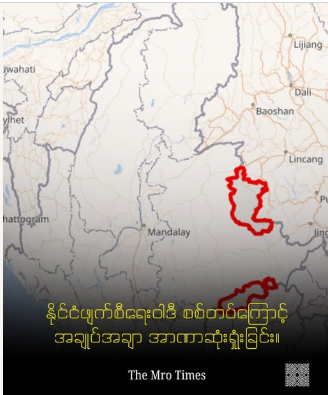
The Mro Times’s Post
နိုင်ငံဖျက်ဆီးရေးဝါဒီ စစ်တပ်ကြောင့် အချုပ်အချာ အာဏာဆုံးရှုံးခြင်း – ကမ္ဘာပေါ်က နောက်ထပ် “တရုတ်ပြည်”
The Mro Times | ဆောင်းပါး
ဤ ဆောင်းပါးသည် ရှမ်းမြောက်တွင် တရုတ် ပိုမိုကြီးထွားလာချိန်နှင့် တိုက်ဆိုင်ပြီး ပေါ်ထွက်လာသည့် တရုတ်၏ ဝါဒဖြန့် ဆောင်းပါး တစ်ပုဒ်ဖြစ်သဖြင့် တရုတ်၏ အာဘော်ကို မပျက်ယွင်းစေရန် အတတ်နိုင်ဆုံး တိုက်ရိုက်ဘာသာပြန်ထားခြင်း ဖြစ်သည်။
သင် ယုံနိုင်ပါ့မလား။ နိုင်ငံနယ်နိမိတ် အပြင်ဘက် ရောက်သွားတာတောင် ဖုန်းလိုင်းက အပြည့်မိနေတုန်းပဲ။ လမ်းမကြီးတစ်လျှောက်လုံးမှာလည်း တရုတ်စာလုံး ဆိုင်းဘုတ်တွေချည်းပဲ၊ ရေတစ်ဘူး ဝယ်ရင်တောင် ဆိုင်ရှင်က ပါးစပ်ဟလိုက်တာနဲ့ “WeChat နဲ့ ရှင်းမလား၊ Alipay နဲ့ ရှင်းမလား” လို့ မေးတယ်၊ စာသင်ကျောင်းထဲက စာအံသံတွေကအစ စံထားတဲ့ ရုံးသုံးတရုတ်စကား (Mandarin) တွေချည်းပါပဲ။
ဒါဟာ ရုပ်ရှင်ရိုက်နေတာ မဟုတ်သလို၊ အပြိုင်စကြဝဠာ (Parallel Universe) တစ်ခုလည်း မဟုတ်ပါဘူး၊ မြန်မာနိုင်ငံ အရှေ့မြောက်ပိုင်းမှာ တကယ်တည်ရှိနေတဲ့ ‘ဝ’ ပြည်နယ် (Wa State) ပဲ ဖြစ်ပါတယ်။ လူအများစုက သိချင်ကြတယ်၊ ဒီနေရာက ဘာလို့ ကျွန်တော်တို့ဆီနဲ့ ဒီလောက်တူနေရတာလဲ။ တမင်တကာ အတုခိုးထားတာလား။
အတုခိုးချင်လို့ မဟုတ်ပါဘူး၊ ရွေးချယ်စရာ မရှိလို့ပါ
အရင်ဆုံး မြေပုံနဲ့ သမိုင်းကြောင်းကနေ စပြောရအောင်။ အချိန်ကို ၁၉၆၀ ပြည့်နှစ်ဆီ ပြန်ဆွဲခေါ်သွားရင် တရုတ်-မြန်မာ နယ်နိမိတ်စာချုပ်ကို ချုပ်ဆိုခဲ့ကြပါတယ်။ အဲဒီ စာချုပ်တစ်ရွက်ကြောင့် တောင်တန်းတွေပေါ်မှာ မျိုးဆက်ပေါင်းများစွာ နေထိုင်လာခဲ့ကြတဲ့ ‘ဝ’ တိုင်းရင်းသား အများစုဟာ မြန်မာ့မြေပုံထဲကို ရောက်ရှိသွားခဲ့ရပါတယ်။
ဒါပေမဲ့ ဒီကိစ္စက တော်တော်လေး ကသိကအောက် နိုင်ပါတယ်။ နာမည်ခံအရတော့ မြန်မာနိုင်ငံသားတွေ ဖြစ်ပေမဲ့ ‘ဝ’ ပြည်နယ်ဟာ မြန်မာ့အချက်အချာ ဒေသတွေနဲ့ တောင်တန်းမြစ်ချောင်းပေါင်းများစွာ ခြားနားနေပြီး လမ်းပန်းဆက်သွယ်ရေး အလွန်ခက်ခဲပါတယ်။
အဲဒီအစား မြောက်ဘက်ကို သွားမယ်ဆိုရင် ခြေတစ်လှမ်း လှမ်းလိုက်တာနဲ့ တရုတ်နိုင်ငံ၊ ယူနန်ပြည်နယ်ထဲက ချန်းယွမ် (Cangyuan) နဲ့ ရှီးမုန် (Ximeng) တို့ကို ရောက်ပါပြီ။ သမိုင်းကြောင်းအရလည်း ဒီဒေသခံတွေဟာ ယူနန်နယ်စပ်က လူတွေနဲ့ “ဈေးနေ့တွေမှာ ဆုံကြတယ်၊ လက်ထပ်ထိမ်းမြားပြီး ဆွေမျိုးတော်စပ်ကြတယ်” ဆိုတဲ့အထိ ဆက်ဆံရေးက အထူးခိုင်မာခဲ့ပါတယ်။
အဲဒီအချိန်တုန်းက ‘ဝ’ ပြည်နယ်ရဲ့ ရှေ့မှာ လမ်းနှစ်လမ်းပဲ ရှိခဲ့ပါတယ် – ကိုယ့်ကို ဂရုမစိုက်ဘဲ နေရုံတင်မက စစ်ရေးအရပါ အင်အားသုံးချင်နေတဲ့ မြန်မာဘက်ကို မျက်စိမှိတ်ပြီး မြန်မာစကားသင်၊ မြန်မာငွေသုံးပြီး ပေါင်းစည်းမလား၊ ဒါမှမဟုတ် မြောက်ဘက်ကို လှည့်ပြီး ရင်းနှီးကျွမ်းဝင်ပြီးသား အိမ်နီးချင်းဟောင်းကြီးကို ကျစ်ကျစ်ပါအောင် ဖက်ထားမလား ဆိုတာပါပဲ။ ဒါဟာ ရွေးချယ်ရမယ့် ပုစ္ဆာ လုံးဝမဟုတ်ပါဘူး၊ အသက်ရှင်သန်ရေး ပုစ္ဆာပါ။
‘ဝ’ ပြည်နယ်ရဲ့ “တရုတ်ဆန်လာမှု” ဟာ အစပိုင်းမှာ ယဉ်ကျေးမှု ပျံ့နှံ့စေဖို့ မဟုတ်ဘဲ သက်သက် အသက်ဆက်ရှင်နိုင်ဖို့အတွက် ဖြစ်ပါတယ်။ တောင်တန်းထူထပ်လှတဲ့ ဒေသကြီးထဲမှာ ဘယ်သူက စားနပ်ရိက္ခာ ပေးနိုင်သလဲ၊ ဘယ်သူက သစ်နဲ့ သတ္တုရိုင်းတွေကို ဝယ်ယူနိုင်သလဲ ဆိုရင် အဲဒီလူဟာ “ဆွေမျိုးရင်းချာ” ပါပဲ။
၁၉၈၉ ခုနှစ် ရောက်တဲ့အခါ ပေါက်ယူချန်း (Bao Youxiang) ဟာ တပ်ဖွဲ့တွေကို ဦးဆောင်ပြီး ဗမာပြည်ကွန်မြူနစ်ပါတီ (ဗကပ) ကနေ ခွဲထွက်ကာ ‘ဝ’ ပြည် သွေးစည်းညီညွတ်ရေး တပ်မတော် (UWSA) ကို တည်ထောင်ခဲ့ပါတယ်။
အဲဒီအချိန်မှာ ဝိသေသလက္ခဏာ ခံယူမှုဆိုင်ရာ အကျပ်အတည်းက ပိုပြီး သိသာထင်ရှားလာခဲ့ပါတယ် – မြန်မာအစိုးရက ပိုက်ဆံလည်း မပေး၊ ရိက္ခာလည်း မပေးတဲ့အပြင် အမြဲတမ်း “လက်အောက်ခံအဖြစ် သွတ်သွင်းဖို့” ပဲ ကြံစည်နေခဲ့ပါတယ်။ ‘ဝ’ ပြည်နယ်က ဒါကို မြင်တော့ “ကောင်းပြီလေ၊ ဟိုဘက်က အားကိုးလို့ မရမှတော့ ငါတို့ မြောက်ဘက်ကိုပဲ လုံးလုံးလျားလျား မျှော်ကြည့်ကြတာပေါ့” လို့ ဆုံးဖြတ်လိုက်ပါတယ်။
ဒီလို ရွေးချယ်မှုမျိုးဟာ ရှင်းရှင်းပြောရရင် လက်တွေ့အသုံးချဝါဒ (Pragmatism) သက်သက်ပါပဲ။ တရုတ်စကားဟာ ဒီတစ်ဝိုက်မှာ အများသုံးနေကြ အနောက်တောင်ပိုင်း တရုတ်စကား (Southwestern Mandarin) ဖြစ်နေပြီးသားမို့ ဒါကို သုံးရတာ ဆက်သွယ်ရေး ကုန်ကျစရိတ် အနည်းဆုံး ဖြစ်စေပါတယ်။ ယွမ်ငွေဟာ နယ်စပ်မှာ ခိုင်မာတဲ့ ငွေကြေးဖြစ်လို့ ဒါနဲ့ စီးပွားရေးလုပ်ရတာ အတည်ငြိမ်ဆုံးပါ။ ဒါကြောင့် ဒါဟာ တမင်တကာ အတုခိုးတာ မဟုတ်ဘဲ ပထဝီဝင် အနေအထားနဲ့ စားဝတ်နေရေးက တွန်းပို့လိုက်တဲ့ “အကောင်းဆုံး အဖြေ” ပဲ ဖြစ်ပါတယ်။
အသင့်ယူသုံးခြင်းဖြင့် “အိမ်စာကူးချခြင်း”
ဘာသာစကားချင်း ပေါက်ရုံနဲ့ မလုံလောက်သေးပါဘူး၊ စတုရန်းကီလိုမီတာ ၃ သောင်းကျော် ကျယ်ဝန်းတဲ့ နယ်မြေကြီးကို ကောင်းကောင်း အုပ်ချုပ်နိုင်ဖို့အတွက် အသုံးတည့်တဲ့ စနစ်တစ်ခု ရှိဖို့ လိုအပ်ပါတယ်။ ‘ဝ’ ပြည်နယ် ခေါင်းဆောင်ပိုင်းက ပတ်ဝန်းကျင်ကို ဝေ့ဝဲကြည့်လိုက်တော့ အသင့်ဖြစ်နေတဲ့ အိမ်စာက ကပ်လျက် အိမ်နီးချင်းဆီမှာ ရှိနေတာကို တွေ့လိုက်ရပါတယ်၊ ဒီတော့ ဘာအားနာနေစရာ ရှိတော့မလဲ။ တိုက်ရိုက် “အသင့်ယူသုံးဝါဒ” ကို ကျင့်သုံးလိုက်ပါတော့တယ်။
သူတို့ အတုယူပုံက တော်တော်လေးကို ပြည့်စုံလှပါတယ်။
အုပ်ချုပ်ရေးပိုင်းကို ကြည့်မယ်ဆိုရင်လည်း ခရိုင်၊ မြို့နယ်၊ ကျေးရွာအုပ်စု ဆိုပြီး ဖွဲ့စည်းထားသလို အရာရှိတွေကိုလည်း “အတွင်းရေးမှူး” (书记)၊ “ခရိုင်မှူး” (县长) လို့ ခေါ်ဝေါ်ကြပါတယ်။ တရားဝင် ခေါင်းစီးနီစာရွက် (红头文件) တွေ ထုတ်ပြန်ရင်လည်း ပုံစံက ကျွန်တော်တို့ဆီကအတိုင်း တစ်ထပ်တည်း ဖြစ်ပြီး စာလုံးဒီဇိုင်းကအစ ရင်းနှီးနေတဲ့ အငွေ့အသက်တွေ ပါနေပါတယ်။
ဒါဟာ ကြည့်ကောင်းအောင် လုပ်ထားတာ မဟုတ်ပါဘူး၊ ဒီစနစ်ဟာ အခြေခံလူတန်းစား အုပ်ချုပ်မှု စွမ်းဆောင်ရည် မြင့်မားပြီး အမိန့်ညွှန်ကြားချက်တွေကို ကျေးရွာတွေဆီ အမြန်ဆုံး ရောက်ရှိစေနိုင်လို့ပါပဲ။
စစ်တပ်ကို ထပ်ကြည့်ရင် ပိုတောင် ကြမ်းပါသေးတယ်။ ‘ဝ’ ပြည် သွေးစည်းညီညွတ်ရေး တပ်မတော်မှာ လက်ရှိ အမြဲတမ်းတပ်ဖွဲ့ဝင် ၄ သောင်းခန့်နဲ့ ပြည်သူ့စစ် ၆ သောင်းခန့် ရှိပါတယ်။ သူတို့ စစ်ရေးလေ့ကျင့်တဲ့ ဗီဒီယိုတွေကို ကြည့်ရင် တရုတ်စကားနဲ့ “သက်သာ၊ သတိ” (稍息、立正) လို့ အမိန့်ပေးတာ၊ တရုတ်ပုံစံ ခြေလှမ်းမှန် လျှောက်တာတွေ လုပ်ကြပြီး လက်ထဲမှာ ကိုင်ထားတာကလည်း Type 81-1 ရိုင်ဖယ်တွေ၊ Type 03 ချေမှုန်းရေး ရိုင်ဖယ်တွေ ဖြစ်ပါတယ်။
ဘာလို့ ဒီလိုလုပ်ရတာလဲ။ ဘာလို့လဲဆိုတော့ သူတို့ရဲ့ နည်းပြအများစုဟာ အစောပိုင်းကာလတွေမှာ တရုတ်ပုံစံ စစ်သင်တန်းတွေ တက်ခဲ့ဖူးကြပြီး စစ်နည်းဗျူဟာ အတွေးအခေါ်ကလည်း “ပြည်သူ့စစ်ပွဲ” (人民战争) ကို အလေးထားကာ စည်းကမ်းနဲ့ လူထုစည်းရုံး လှုံ့ဆော်နိုင်စွမ်းကို အဓိကထားလို့ပါပဲ။ မြန်မာနိုင်ငံက စစ်ဘုရင်တွေ အချင်းချင်း တိုက်ခိုက်နေကြတဲ့ ပတ်ဝန်းကျင်မှာ ဒါဟာ အဆင့်ချင်း မတူအောင် သာလွန်နေတဲ့ (降维打击) အနေအထားပါ။
၂၀၂၀ ပြည့်နှစ် နောက်ပိုင်းမှာတော့ မျိုးဆက်ဟောင်း ခေါင်းဆောင်ကြီး ပေါက်ယူချန်းဟာ နောက်ကွယ်ကို တဖြည်းဖြည်း ဆုတ်ခွာသွားခဲ့ပြီး သားဖြစ်သူ ပေါက်ဆမ်ထိုင်း (Bao Santai) စတဲ့ မျိုးဆက်သစ်တွေက တာဝန်လွှဲပြောင်း ယူခဲ့ကြပါတယ်။ ဒီလူငယ်တွေက အမြင်ပိုကျယ်ကြပြီး ဒီ “တရုတ်ပုံစံ အခွံ” ကို ပိုပြီး ကျွမ်းကျွမ်းကျင်ကျင် အသုံးချလာကြပါတယ်။
ဥပမာတစ်ခု ပြောရရင် အခုဆို ‘ဝ’ ပြည်နယ် ရဲတပ်ဖွဲ့ အမှုစစ်ဆေးတဲ့ လုပ်ငန်းစဉ်တွေဟာ ကျွန်တော်တို့ဆီက ရဲစခန်းတွေနဲ့ အတူတူနီးပါး ဖြစ်နေပါပြီ။ ဒီလို စနစ်ပိုင်းဆိုင်ရာ မြင့်မားစွာ ထပ်တူကျနေမှုကြောင့် ‘ဝ’ ပြည်နယ်ရဲ့ ပြည်တွင်းအုပ်ချုပ်ရေးဟာ စနစ်တကျနဲ့ သပ်ရပ်နေပါတယ်။
မြန်မာနိုင်ငံက တခြား ရှုပ်ထွေးပွေလီနေတဲ့ တိုင်းရင်းသား လက်နက်ကိုင် အဖွဲ့အစည်း (民地武) တွေနဲ့ ယှဉ်လိုက်ရင် ကမ္ဘာနှစ်ခုလို ကွာခြားပါတယ်။ ဒါကပဲ မြန်မာအစိုးရ စစ်တပ်အနေနဲ့ စိတ်ထဲက ဘယ်လောက်ပဲ မကျေနပ်နေပါစေ၊ ဆယ်စုနှစ်ပေါင်းများစွာ ‘ဝ’ ပြည်နယ်ကို အလွယ်တကူ လက်မပါရဲတဲ့ အကြောင်းရင်းကို ရှင်းပြနေပါတယ် — ဒီအရိုးက မာလွန်းသလို စနစ်တကျလည်း ရှိလွန်းနေလို့ပါ။
ယွမ်ငွေနဲ့ ကျောင်းသုံးစာအုပ်ထဲက “အနာဂတ်”
စနစ်ဆိုတာ အရိုးစု ဖြစ်တယ်ဆိုရင် စီးပွားရေးနဲ့ ပညာရေးက အသားနဲ့ သွေးတွေပါပဲ။ ဒီအပိုင်းမှာတော့ ကျွန်တော်တို့ ကိန်းဂဏန်းတွေနဲ့ စကားပြောကြရအောင်။ အရင်ဆုံး ပိုက်ဆံအကြောင်း ပြောပါမယ်။ ‘ဝ’ ပြည်နယ်မှာ သင်က မြန်မာကျပ်ငွေ ထုတ်ပေးလိုက်ရင် ဆိုင်ရှင်က ခဏလောက် ကြောင်ကြည့်နေမှာ ဖြစ်သလို ငွေလဲနှုန်းနဲ့ တွက်ချက်ရဦးမှာမို့ စိတ်မပါတပါ မျက်နှာထားမျိုး ဖြစ်သွားပါလိမ့်မယ်။ ဘာလို့လဲ။ မြန်မာကျပ်ငွေ တန်ဖိုးကျဆင်းနှုန်းက မြန်လွန်းပြီး ငွေကြေးဖောင်းပွမှုနှုန်းက ခဏခဏ ၁၅% အထက်ကို ခုန်တက်သွားတတ်လို့ ပိုက်ဆံကို လက်ထဲမှာ ကိုင်ထားလေ တန်ဖိုးမဲ့လေ ဖြစ်နေလို့ပါပဲ။
ဆန့်ကျင်ဘက်အနေနဲ့ တရုတ်ယွမ်ငွေကတော့ ငွေတန်ဖိုး တည်ငြိမ်ပြီး ဝယ်ယူနိုင်စွမ်း အားကောင်းပါတယ်။ ‘ဝ’ ပြည်နယ်ရဲ့ ကုန်ပစ္စည်း ၉၀% ကျော်ကို တရုတ်နိုင်ငံကနေ တင်သွင်းတာဖြစ်လို့ ယွမ်ငွေနဲ့ စာရင်းရှင်းတာဟာ ငွေလဲရတဲ့ အလုပ်ရှုပ်မှုကို သက်သာစေသလို ငွေကြေးဆုံးရှုံးနိုင်ခြေကိုလည်း ရှောင်ရှားနိုင်ပါတယ်။
၂၀၂၅ ခုနှစ် နယ်စပ်ကုန်သွယ်ရေး စာရင်းအင်း အချက်အလက်တွေအရ ‘ဝ’ ပြည်နယ်အတွင်း တရုတ်ယွမ်ငွေ လည်ပတ်သုံးစွဲမှု လွှမ်းခြုံနှုန်းဟာ ၁၀၀% အထိ ရောက်ရှိနေပြီ ဖြစ်ပါတယ်။ လမ်းဘေးမှာ ဈေးဗန်းခင်းရောင်းတဲ့ အဘွားအိုကအစ စက္ကူအနီရောင် (ယွမ် ၁၀၀ တန်) က တန်ဖိုးအရှိဆုံးဆိုတာ သိနေကြပါတယ်။ ဒီနေရာက တရုတ်အရင်းအနှီး ကုမ္ပဏီတွေဟာ လုံးဝကို အဓိက ကျောထောက်နောက်ခံတွေ ဖြစ်ပါတယ်။
သံဖြူသတ္တုတွင်း၊ အဖြိုက်နက်သတ္တုတွင်းနဲ့ ရာဘာ ဆိုတဲ့ အဓိက မဏ္ဍိုင်စီးပွားရေး လုပ်ငန်းကြီး ၃ ခုဟာ ‘ဝ’ ပြည်နယ် GDP ရဲ့ ၇၀% ရှိပြီး အခြေခံအားဖြင့် တရုတ်အရင်းအနှီးတွေက အဓိက ဦးဆောင်နေတာ ဖြစ်ပါတယ်။
ဒီလို ပူးပေါင်းဆောင်ရွက်မှု ပုံစံက အရမ်းရိုးရှင်းပါတယ် – မင်းက ငါ့ကို လမ်းဖောက်ပေး၊ တံတားဆောက်ပေး၊ လျှပ်စစ်မီးသွယ်ပေး၊ ငါက မင်းကို တူးဖော်ထုတ်လုပ်ခွင့် ပေးမယ် ဆိုတာပါပဲ။
ဒီလိုနဲ့ China Telecom နဲ့ China Mobile တို့ရဲ့ ဆက်သွယ်ရေး တာဝါတိုင်တွေ အစီအရီ ပေါ်ထွက်လာခဲ့ပြီး 4G ကွန်ရက်ဟာ ကျေးရွာပေါင်း ၉၀% ကို လွှမ်းခြုံသွားခဲ့ပါတယ်။
သာမန်ပြည်သူတွေရဲ့ ဘဝတွေလည်း ပြောင်းလဲသွားခဲ့ပါပြီ၊ အရင်တုန်းက ဘိန်းစိုက်ခဲ့ကြပေမဲ့ ထမင်းတောင် ဝအောင် မစားခဲ့ရပါဘူး၊ အခုတော့ ရာဘာခြံတွေမှာ အစေးခြစ်တာ၊ သတ္တုတွင်းတွေမှာ အလုပ်ဆင်းတာတွေ လုပ်ကိုင်ရင်း တစ်ရက်ပျမ်းမျှ ဝင်ငွေဟာ လွန်ခဲ့တဲ့ ဆယ်နှစ်က ယွမ်ဆယ်ဂဏန်းလောက်ပဲ ရှိရာကနေ အခုဆို ယွမ် ၂၀၀ ကျော်အထိ မြင့်တက်လာခဲ့ပါပြီ။
ပညာရေးကို ထပ်ကြည့်ရအောင်၊ ဒါကမှ အပြင်းထန်ဆုံး “ချည်နှောင်မှု” ပါပဲ။ ‘ဝ’ ပြည်နယ်က စာသင်ကျောင်းတွေထဲ ဝင်ကြည့်လိုက်ရင် ကလေးတွေ လက်ထဲက ကျောင်းသုံးစာအုပ်တွေဟာ ယူနန်ပြည်နယ်က မူလတန်း ဖတ်စာအုပ်တွေနဲ့ ဘာမှ မခြားနားပါဘူး။ တရုတ်စာ၊ သင်္ချာ၊ သမိုင်း အစအဆုံး တစ်ပုံစံတည်း ကူးယူသင်ကြားတာ ဖြစ်ပါတယ်။
ဘာလို့ ဒီလိုလုပ်ရတာလဲ။ ကိုယ်တိုင် သင်ရိုးစာအုပ် ပြုစုနိုင်စွမ်း မရှိတာအပြင် ပိုနက်ရှိုင်းတဲ့ အကြောင်းရင်းကတော့ “ထွက်ပေါက်” ပါပဲ။ ‘ဝ’ ပြည်နယ်က လူငယ်တွေရဲ့ အနာဂတ် မျှော်လင့်ချက်က ဘယ်မှာ ရှိသလဲ။ ဒေသတွင်းက တရုတ်ကုမ္ပဏီတွေမှာ အလုပ်ဝင်လုပ်မလား၊ ဒါမှမဟုတ် တရုတ်နိုင်ငံကို သွားပြီး ပညာတော်သင်မလား၊ စီးပွားရေးလုပ်မလား ဆိုတာပါပဲ။ တရုတ်စကားကို ကောင်းကောင်းတတ်ပြီး တရုတ်စာလုံးအတိုကောက် (Simplified Chinese) ကို ကျွမ်းကျင်ရင် ချမ်းသာကြွယ်ဝတဲ့ ဘဝဆီ သွားရာ လက်မှတ်ကို ရလိုက်တာနဲ့ အတူတူပါပဲ။
၂၀၂၆ ခုနှစ် ရောက်တဲ့အခါ ‘ဝ’ ပြည်နယ် မျိုးဆက်သစ် လူငယ်တွေရဲ့ တရုတ်စကား တတ်မြောက်နှုန်းဟာ ၉၀% ကျော်သွားပါပြီ။ သူတို့ဟာ Douyin (TikTok) ကြည့်ကြတယ်၊ WeChat ပြောကြတယ်၊ တရုတ်ပြည်တွင်းဖြစ် ဇာတ်လမ်းတွဲတွေ ကြည့်ကြတယ်၊ ဒီလို ယဉ်ကျေးမှုပိုင်းဆိုင်ရာ အဆက်အစပ်မရှိ ချိတ်ဆက်နိုင်မှုဟာ ဘယ်စာချုပ်စာတမ်းထက်မဆို ပိုပြီး ခိုင်မြဲပါတယ်။
နယ်ရုပ်အဖြစ် မခံဘဲ ကြားခံနယ်မြေ လုပ်ခြင်း
ဒီအထိ ပြောလာပြီးတဲ့နောက် တချို့လူတွေက မေးကောင်းမေးပါလိမ့်မယ် – ‘ဝ’ ပြည်နယ်က ဒီလောက်အထိ “တရုတ်ဆန်” နေတာကို မြန်မာအစိုးရက မထိန်းချုပ်ဘူးလား။ တရုတ်ဘက်ကရော ဘယ်လို သဘောထား ရှိသလဲ။
ဒီနေရာမှာ အဆင့်အမြင့်ဆုံး “ရှင်သန်ရပ်တည်မှု အနုပညာ” ဖြစ်တဲ့ ပထဝီနိုင်ငံရေး ချိန်ခွင်လျှာညှိခြင်း (Geopolitical Balance) ပါဝင်ပတ်သက်လာပါတယ်။ ‘ဝ’ ပြည်နယ်က အရမ်းပါးနပ်ပါတယ်၊ သူ့ကိုယ်သူ သတ်မှတ်ထားတဲ့ အနေအထားက “နိုင်ငံမဟုတ်သော အဖွဲ့အစည်း” (Non-state entity) ဖြစ်ပါတယ်။ ဆိုလိုတာက ငါ့မှာ သေနတ်ရှိတယ်၊ အမြောက်ရှိတယ်၊ အစိုးရရှိတယ် ဆိုပေမဲ့ လုံးဝ လွတ်လပ်ရေး မကြေညာဘူး။ ငါဟာ မြန်မာနိုင်ငံရဲ့ အစိတ်အပိုင်းတစ်ခု ဖြစ်တယ်ဆိုတာကို အသိအမှတ်ပြုတယ်၊ ဒါပေမဲ့ အဆင့်မြင့် ကိုယ်ပိုင်အုပ်ချုပ်ခွင့်တော့ ရှိရမယ် ဆိုတာပါပဲ။
မြန်မာဗဟိုအစိုးရ အတွက်တော့ စိတ်ထဲမှာ လုံးဝ မလိုလားပေမဲ့ လက်နက်အပြည့်အစုံ တပ်ဆင်ထားပြီး ကိုယ်တိုင်လည်း ခဲယမ်းမီးကျောက် ထုတ်လုပ်နိုင်စွမ်းရှိတဲ့ အင်အား ၄ သောင်းရှိ UWSA တပ်မတော်ကြီးကို ရင်ဆိုင်ရတဲ့အခါ တကယ်ပဲ စိတ်ရှိပေမဲ့ အင်အားမရှိ ဖြစ်နေရပါတယ်။
‘ဝ’ ပြည်နယ်ဘက်က လွတ်လပ်ရေး မတောင်းဆိုသရွေ့ မြန်မာအစိုးရဘက်ကလည်း မျက်စိတစ်ဖက်မှိတ် ထားလိုက်ရုံပါပဲ — ဘာလို့လဲဆိုတော့ ပြည်တွင်းပြည်ပ ရန်သူတွေက များလွန်းနေပြီမို့ ဒီ “ဆူးခက်” ကြီးကို ထပ်ပြီး မဆွချင်တော့လို့ပါ။
တရုတ်နိုင်ငံ အတွက်တော့ ‘ဝ’ ပြည်နယ် တည်ရှိနေခြင်းဟာ အလွန်ကောင်းမွန်တဲ့ “ကြားခံနယ်မြေ” (Buffer Zone) တစ်ခု ဖြစ်ပါတယ်။ စဉ်းစားကြည့်ပါ၊ မြန်မာ့ပြည်တွင်းရေး အခြေအနေက မတည်မငြိမ် ဖြစ်နေပြီး စစ်မီးတွေ အဆက်မပြတ် တောက်လောင်နေပါတယ်။
အကယ်၍ အလယ်မှာ ‘ဝ’ ပြည်နယ်သာ ခံမထားဘူးဆိုရင် မကောင်းတဲ့ အကျိုးဆက်တွေ အများကြီးဟာ ယူနန်နယ်စပ်ဆီ တိုက်ရိုက် ကူးစက်လာနိုင်ပါတယ်။ အခုတော့ ‘ဝ’ ပြည်နယ် ရှိနေတဲ့အတွက် သူတို့က နိုင်ငံဖြတ်ကျော် ရာဇဝတ်မှုတွေကို ပူးပေါင်းနှိမ်နင်းပေးတယ်၊ ဘိန်းအစားထိုး သီးနှံစိုက်ပျိုးရေး လုပ်ပြီး မူးယစ်ဆေးဝါး ပပျောက်အောင် လုပ်ပေးတယ်၊ လက်တွေ့မှာ တရုတ်နိုင်ငံ အနောက်တောင်ပိုင်း နယ်စပ်ရဲ့ လုံခြုံရေး အကာအကွယ် တံတိုင်းတစ်ခု ဖြစ်လာခဲ့ပါတယ်။
ဒါကြောင့် ‘ဝ’ ပြည်နယ်ရဲ့ “တရုတ်ဆန်လာမှု” ဟာ တရုတ်နိုင်ငံဘက်ကို ချစ်ကြည်ရင်းနှီးတဲ့ အချက်ပြမှု ပေးတာ ဖြစ်သလို အကာအကွယ် ရှာဖွေတဲ့ မဟာဗျူဟာလည်း ဖြစ်ပါတယ်။ သူတို့ဟာ မှီခိုအားထားခြင်းလည်း မလုပ်၊ ထိပ်တိုက်ရင်ဆိုင်ခြင်းလည်း မလုပ်ဘဲ ကြားနယ်မြေမှာ “ယဉ်ကျေးမှုနဲ့ စီးပွားရေး ချည်နှောင်မှု” နဲ့ “စစ်ရေး မာကျောတဲ့ အင်အား” တို့ကို အမှီပြုပြီး ရှင်သန်ရပ်တည်ရာ နေရာတစ်ခုကို မရမက ဖန်တီးယူခဲ့ကြတာ ဖြစ်ပါတယ်။
ဒါဟာ အိန္ဒိယနိုင်ငံ အရှေ့မြောက်ပိုင်း ပြည်နယ်တွေနဲ့ သိသိသာသာ ကွဲပြားခြားနားနေပါတယ်။ နယ်စပ်ဒေသ တိုင်းရင်းသား လူနည်းစုတွေချင်း တူပေမဲ့ အိန္ဒိယဘက်မှာတော့ ဗဟိုအစိုးရက အင်အားသုံး ဖိနှိပ်ထိန်းချုပ်ပြီး သယံဇာတတွေကို လုယူခဲ့တဲ့အတွက် စိတ်ဝမ်းကွဲပြားမှုတွေ ဖြစ်ပေါ်ကာ ခွဲထွက်ရေး လှုပ်ရှားမှုတွေ အဆက်မပြတ် ဖြစ်ပေါ်နေခဲ့ပါတယ်။
‘ဝ’ ပြည်နယ်ကတော့ အိမ်နီးချင်း အင်အားကြီးနိုင်ငံနဲ့ နက်နက်ရှိုင်းရှိုင်း ချိတ်ဆက်ခြင်းအားဖြင့် စီးပွားရေး ဖွံ့ဖြိုးတိုးတက်မှုနဲ့ ဒေသတွင်း တည်ငြိမ်အေးချမ်းမှုကို ရရှိခဲ့ပါတယ်။ ဒါဟာ အပြန်အလှန် အကျိုးပြု အတူယှဉ်တွဲ နေထိုင်ခြင်းက အတင်းအကျပ် သွတ်သွင်းပေါင်းစည်းခြင်းထက် အများကြီး ပိုမိုထက်မြက်တယ် ဆိုတာကို လုံလုံလောက်လောက် သက်သေပြနေပါတယ်။
အနှစ်ချုပ်ပြောရရင် ‘ဝ’ ပြည်နယ် ဆိုတဲ့ ဒီ “ကမ္ဘာပေါ်က နောက်ထပ် တရုတ်ပြည်တစ်ခု” ဟာ ဘယ်သူကမှ တမင်တကာ ဖန်တီးထားတဲ့ “နမူနာပြခန်း” မဟုတ်ပါဘူး။
ဒါဟာ သမိုင်းကြောင်းအရ နယ်စပ်မျဉ်းပေါ်မှာ ကျန်ရစ်ခဲ့ရတဲ့ လူတစ်စုက ပိုမိုကောင်းမွန်စွာနဲ့ ပိုမိုလုံခြုံစွာ အသက်ရှင်နေထိုင်နိုင်ဖို့အတွက် အုတ်တစ်ချပ် သဲတစ်ပွင့်ချင်းစီ တည်ဆောက်ထားတဲ့ ရှင်သန်မှု အံ့ဖွယ်ဖြစ်ရပ်တစ်ခုပဲ ဖြစ်ပါတယ်။ သူတို့ တရုတ်စကား ပြောကြတယ်၊ ယွမ်ငွေ သုံးကြတယ်၊ တရုတ်စာအုပ်တွေ ဖတ်ကြတယ် ဆိုတာ ဘယ်သူတစ်ဦးတစ်ယောက် ဖြစ်လာဖို့အတွက်မှ မဟုတ်ဘဲ ကိုယ့်ရဲ့ အိမ်ကို ကာကွယ်စောင့်ရှောက်ဖို့အတွက်ပဲ ဖြစ်ပါတယ်။
ဤဆောင်းပါးသည် တရုတ်နိုင်ငံ၏ ထိပ်တန်း အင်တာနက်နည်းပညာနှင့် မီဒီယာကုမ္ပဏီကြီးတစ်ခုဖြစ်သည့် NetEase News (网易新闻) တွင် ၂၀၂၆ ခုနှစ်၊ နိုဝင်ဘာလ ၅ ရက်နေ့က ဖော်ပြခဲ့သည့် ဆောင်းပါးရှင် Knowledge TNT (ယူနန်) ၏ “全球另一个“中国”:不仅说汉语花人民币,而且连教材都如出一辙” အမည်ရှိ ဆောင်းပါးကို မြန်မာဘာသာသို့ ဆီလျော်အောင် ပြန်ဆိုဖော်ပြထားခြင်း ဖြစ်ပါသည်။
Credit to Original Writer
·
ဝ စစ်တပ်အင်အား၄သောင်း၊ပြည်သူ့စစ်အင်အား၆သောင်းစုစုပေါင်းလက်နက်ကိုင်၁သိန်းလောက်ရှိတယ်၊ဒါကပြည်ပရန်ကိုကာကွယ်ဖို့လား၊ရီစရာတောင်ကောင်းသေးတယ်၊တရုတ်ပြည်မကြီးကစစ်တပ်ကြီးကရှုရှုး နဲ့ပန်းရင်တောင်ဝလက်နက်ကိုင်တွေအဲဒီနေရာကနေဘင်္ဂလားပင်လယ်အော်ထဲစီးမြောပါကုန်မယ်၊ဒါဆိုရင်ဝ လက်နက်ကိုင်တွေကဘာလို့အဖွဲ့ဖွဲ့ထားတာလဲ၊အဖြေကရှင်းတယ်၊အင်အားခြင်းမကွာတဲ့မြန်မာစစ်တပ်ကိုပခုံးယှဥ်ဖို့ဘဲ၊လူအင်အားကလဲပခုံးတံဆိပ်ပြောင်းလိုက်ရင်ပုံစံမျိုးနွယ်တူတရုတ်တွေကြောင့်တကယ်တိုက်ရင် ဝ လက်နက်ကိုင်အင်အားလျော့သွားနိုင်စရာအကြောင်းမရှိဘူး၊လုပ်သင့်တာကတော့UNကိုကြားခံထား၊တရုတ်ကိုအချိုသပ်ပြီးအခိုင်အမာနယ်စပ်ခြံစည်းရိုးဆောက်ပြီး ဝ တွေကိုပြည်တွင်းမှာထိန်းချုပ်ထားဖို့လုပ်ရမှာဘဲ၊ဆေးကခါးပေမယ့်အနာဂါတ်မျိုးဆက်မြန်မာနိုင်ငံအတွက်လိုအပ်ရင်လုပ်ကိုလုပ်ရမယ်၊