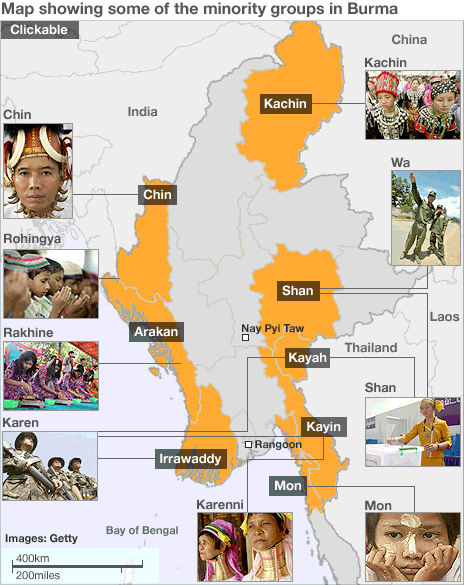
How in Myanmar “National Races” Came to Surpass Citizenship and Exclude Rohingya
Pages 461-483 | Published online: 15 Mar 2017
ABSTRACT
The idea of “national races” or taingyintha has animated brutal conflict in Myanmar over who or what is “Rohingya.” But because the term is translated from Burmese inconsistently, and because its usage is contingent, its peculiar significance for political speech and action has been lost in work on Myanmar by scholars writing in English. Out of concern that Myanmar’s contemporary politics cannot be understood without reckoning with taingyintha, in this article I give national races their due. Adopting a genealogical method, I trace the episodic emergence of taingyintha from colonial times to the present. I examine attempts to order national races taxonomically, and to marry the taxonomy with a juridical project to dominate some people and elide others through a citizenship regime in which membership in a national race has surpassed other conditions for membership in the political community “Myanmar.” Consequently, people who reside in Myanmar but are collectively denied citizenship – like anyone identifying or identified as Rohingya – pursue claims to be taingyintha so as to rejoin the community. Ironically, the surpassing symbolic and juridical power of national races is for people denied civil and political rights at once their problem and their solution.
Acknowledgements
I am grateful to the many people who offered thoughts on drafts of this article, including Mary Callahan, Jane Ferguson, Ian Holliday, Nyi Nyi Kyaw, Tom Pepinsky, Elliott Prasse-Freeman, Craig Reynolds, Jayde Lin Roberts, Derek Tonkin, and two peer reviewers, as well as Kevin Hewison, both for his comments and edits. The article also benefited from conversations with audience members at a seminar in the Department of Political and Social Change, Australian National University, where I presented a draft in 2015, and with Ben Schonthal and colleagues in the South and Southeast Asian Study Group, University of Otago, to whom I presented a revised version at their inaugural seminar in 2016.
Disclosure statement
No potential conflict of interest was reported by the author.
Notes
1. The authoritative Burmese-English dictionary for the period contains an entry for taingthu-pyitha but none for taingyintha (Judson Citation1893). A widely used English-Burmese dictionary published in 1906 translates “native” as taingyintha or pyiyintha but makes no reference to it under entries for national or nationality (Tun Nyein Citation1906). Significantly, one of the most comprehensive dictionaries published after 1964 contains no less than seven entries for taingyintha, including two referring to it as a signifier for national solidarity (Hoke Sein Citation1978).
2. In the pre-colonial period lumyo operated across a variety of classificatory schema, which were class and caste-based. The radical bifurcation of lumyo was between noble and commoner. Consistent with Indic political theory, a fourfold stratification further divided lumyo into rulers and warriors, priests (Brahmin), traders and merchants and labourers (Tin Citation1965, 11).
3. An exception was the Arakan National Congress, established in 1939, which despite its translation to English as “national,” in Burmese was not amyotha but taingyintha, or rather, the All Arakan Nationalities Congress (Ba San Citation1996, 48–64). Another exception was the United Mon Association, or Mon Taingyintha Association, formed in late 1945 and active from 1946 as the first Mon group with an overtly political agenda (Pantha Citation2014, 66–67; South Citation2003, 101). Thanks to Ashley South for his communication on this topic.
4. The published text of the draft constitution does not offer a definition of minority taingyintha, but in his book published over a decade later U Thant (Citation1961, 189) identifies “majority” taingyintha as Mon, Burman and Arakanese, and “minority” taingyintha as “Shan, Chin, Karen, Karenni, and so on.”
5. Pyidaungzu Taingyintha Lumyomya Punbyoye Theikpan. In 1991 the academy was rebadged as a university (Sabebiman Citation1996); and later was replaced by two degree colleges for “union national-race youths” (Myanma Alin, September 22, 2011).
6. The chairman of the military junta, General Saw Maung, made a passing reference to the 135 national-race groups in a press conference on July 5, 1989 (Working People’s Daily Citation1989, 41); however, it was not until the following year that the junta began referring to the number routinely. I thank Derek Tonkin for drawing my attention to the 1989 speech.
7. The tables in 1953 list data for Burmese, Karen, Shan, Chin, Kachin and Karenni followed by “other indigenous races,” then Indian and Pakistani, Chinese, European and American, and other races. The 1983 published data contain the same categories for national races; however, other categories are Chinese, Indian, Pakistani, Bangladeshi, Nepalese, “mixed foreign and Burmese,” and “other foreign” (Immigration and Manpower Department Citation1986). The published data for Arakan State from 1983 suggests that Rohingya were classed among Bangladeshi, who officially constituted 24.3% of the total population in that state (Immigration and Manpower Department Citation1987, 1–14).
8. On March 21, 2016, the newly elected National League for Democracy-majority legislature approved the establishment of the new union-level Ministry of National Race Affairs, or Taingyintha-yeya Wungyi-dtana (Myanma Alin, March 22, 2016). In English, it has been designated the Ministry of Ethnic Affairs, concealing its distinctive nomenclature.
9. The preamble invokes national races seven times in two pages, repeatedly addressing the “national people” as taingyintha. The term for “the state” features 18 times, “sovereignty,” thrice, “citizen,” not once.
10. Section 56 establishes special autonomous regions for designated national race groups, while under section 161, taingyintha get seats reserved in the legislatures of states and regions where they reside if they have a population of at least 0.1% of the nationwide total (see TNI-BCN Citation2014, 12).
11. Paragraph 5 of the Procedures Concerning the Citizenship Law (Council of Ministers Notification No. 13/83), stresses that Kachin, Karenni, Karen, Chin, Burmans, Mon, Arakanese, Shan and others who had not settled in the territory of Burma for the requisite period are not taingyintha for the purposes of the law.
12. However, paragraph 7 of the 1983 Procedures Concerning the Citizenship Law is clear that these persons are “not citizens by birth” and therefore they can be prosecuted and can have their citizenship revoked if they have acquired it by deceit (see Cheesman Citation2015a, 112–114).
13. A pink card may have multiple hyphenated identities indicating parentage and lineage. For discussion and illustrations see Nyi Nyi Kyaw (Citation2015, 52–53).
14. Accounts differ on when the law was first implemented. Tun Tun Aung (Citation2007, 278) says 1985; Aye Chan (Citation2005, 413), 1987. U Kyaw Min (Interview, Yangon, July 18, 2015) says that the new regime was not rolled out on the border of Bangladesh until 1989. His account is consistent with state documentation showing renewed interest in firm application of the 1982 law and its regulations under the junta that seized government in 1988. See State Law and Order Restoration Council Letter No. 057/1-1/NaWaTa, August 24, 1989 (in Burmese), circulated to the chairmen of military councils in all states and divisions, concerning work for the issuance of new identity cards.
15. The percentage of the Muslim population on the border with Bangladesh holding identity documentation at the time is difficult to estimate. Tonkin (Citation2015, 18–19) notes that some 65% of repatriates from Bangladesh held green cards. The estimated percentage is complicated by the presence of children under the age of 12 who were not entitled to cards, suggesting that the percentage of eligible returnees holding cards would have been somewhat higher. The returnees reportedly included relatively few young men (Farrer Citation1979, 4), who would have had more difficulty getting cards after 1962 than their elders in earlier periods.
16. Under pressure from a Rakhine political party, at the end of March 2015 the government cancelled the white cards and replaced them with new interim documentation (President’s Office Notification 19/2015, February 12, 2015; see Chit Win and Kean Citation2017). The card’s annulment might have resolved some of the ambiguity associated with the earlier regime, but the new document in effect confirms the existence of a category of persons that the state refuses to admit to any established legal or political category.
17. The question of why, for instance, certain groups like the Muslim Kaman (see Nyi Nyi Kyaw Citation2015), or Kokang of the border with China (see Maung Aung Myoe Citation2011), have obtained nominal recognition on the list of 135 national race groups while the Rohingya have not cannot be answered logically absent of a coherent set of criteria for determining whether or not a group is eligible for membership, or an epistemology permitting the objective identification, classification and perhaps measurement of each group of persons according to these criteria.
18. Under the 1982 law, the Council of State had this authority. Its successor military junta assumed the power of the Council of State via the 1988 Adaptation of Expressions Law. Since the 2008 Constitution took effect, presumably authority to make determinations under section 4 would fall to the Union Government, comprising the president, vice presidents, ministers and the attorney general.
၂၀၁၇ခုနှစ်က Nick Cheesman ရေးသားထားတဲ့ “How in Myanmar ‘National Races’ Came to Surpass Citizenship and Exclude Rohingya” (မြန်မာနိုင်ငံမှာ ‘တိုင်းရင်းသား’ ဆိုတဲ့ သတ်မှတ်ချက်က နိုင်ငံသားဖြစ်မှုထက် ဘယ်လိုလွှမ်းမိုးသွားပြီး ရိုဟင်ဂျာတွေကို ဘယ်လို ဖယ်ကျဉ်ပစ်ခဲ့သလဲ) ဆိုတဲ့ သုတေသနဆောင်းပါးကို ကျွန်တော် သေသေချာချာ ဖတ်ဖြစ်ခဲ့ပါတယ်။ ဒီဆောင်းပါးဟာ ၂၀၁၇ ခုနှစ်က Journal of Contemporary Asia မှာ ဖော်ပြခဲ့တာပါ။ ဒီဆောင်းပါး ကို ဖတ်ပြီးတဲ့နောက်မှာ ကျွန်တော်တို့ နေ့စဉ်သုံးနေတဲ့ “တိုင်းရင်းသား” (taingyintha / national races) ဆိုတဲ့ စကားလုံးရဲ့ နောက်ကွယ်က နိုင်ငံရေး သမိုင်းကြောင်းနဲ့ အဲဒီစကားလုံးက ရိုဟင်ဂျာ ပြဿနာအပေါ် ဘယ်လောက်အထိ အမြစ်တွယ် သက်ရောက်နေသလဲ ဆိုတာကို ရှင်းရှင်း လင်းလင်း မြင်လာရပါတယ်။ ဒါကြောင့် ကျွန်တော် နားလည်မိသလောက် အချက်အလက် တွေနဲ့တကွ ပြန်လည် ရှင်းပြချင်ပါတယ်။
အဓိက အဆိုပြုချက်နှင့် သုတေသန ပြဿနာ
စာရေးသူရဲ့ အဓိက အဆိုပြုချက်က ရိုးရှင်းပေမယ့် အလွန်လေးနက်ပါတယ်။ “တိုင်းရင်းသား” ဆိုတာ ရှေးပဝေသဏီကတည်းက သဘာဝအလျောက် အတည်တကျ ရှိနေတဲ့ လူမျိုးစု အမျိုးအစား (natural or fixed category) မဟုတ်ပါဘူး။ အဲဒီအစား ခေတ်အဆက်ဆက် အစိုးရတွေက သူတို့ရဲ့ နိုင်ငံရေးရည်ရွယ်ချက်တွေအတွက် တမင်ဖန်တီး၊ ပြောင်းလဲ၊ အသုံးချခဲ့တဲ့ “နိုင်ငံရေး အယူအဆတစ်ခု” (historically contingent political idea) သာ ဖြစ်တယ်လို့ စာရေးသူက သမိုင်းအထောက်အထားတွေနဲ့ ငြင်းခုံထားပါတယ်။ နောက်ပြီး အဲဒီ “တိုင်းရင်းသား” ဆိုတဲ့ အယူအဆဟာ မြန်မာနိုင်ငံရဲ့ ဥပဒေနဲ့ နိုင်ငံရေးစနစ်မှာ “နိုင်ငံသားဖြစ်မှု” (Citizenship) ထက်တောင် ပိုပြီး အရေးပါ အရာရောက်လာတဲ့အခါ၊ ရိုဟင်ဂျာလို့ ခံယူထားသူတွေကို နိုင်ငံရေးအသိုက်အဝန်းထဲကနေ ဖယ်ကျဉ်ပစ်ဖို့ အဓိက လက်နက်တစ်ခု ဖြစ်လာခဲ့တယ်လို့ ဆိုပါတယ်။
“တိုင်းရင်းသား” ၏ သမိုင်းကြောင်း ခြေရာကောက်ခြင်း (Genealogy of Taingyintha)
စာရေးသူက ဒီအကြောင်းကို ရှင်းပြဖို့ Genealogy လို့ခေါ်တဲ့ သမိုင်းကြောင်း ခြေရာခံတဲ့ နည်းလမ်း ကို သုံးထားပါတယ်။ ဒီနည်းလမ်းက လက်ရှိဖြစ်တည်နေတဲ့ အယူအဆတွေကို သဘာဝကျတယ်လို့ မယူဆဘဲ၊ အတိတ်ကနေ ဘယ်လို အဆင့်ဆင့် ပြောင်းလဲလာသလဲဆိုတာကို ဖော်ထုတ်တာ ဖြစ်ပါ တယ်။
ကိုလိုနီခေတ်နှင့် လွတ်လပ်ရေးရခါစ ကာလ
ကိုလိုနီခေတ် ကိုလိုနီဆန့်ကျင်ရေး နိုင်ငံရေးလှုပ်ရှားမှုတွေမှာ “တိုင်းရင်းသား” ဆိုတဲ့ စကားလုံးဟာ အခုလို နိုင်ငံရေးအရာမရောက်သေးပါဘူး။ အမျိုးသားရေးခေါင်းဆောင်တွေက ပြည်သူတွေကို ခေါ်ဝေါ်တဲ့အခါ “တိုင်းသူပြည်သား”၊ “ပြည်သူ”၊ ဒါမှမဟုတ် “လူထု” ဆိုတဲ့ စကားလုံးတွေကိုသာ သုံးလေ့ရှိပါတယ်။ ၁၉၁၀ နဲ့ ၁၉၂၀ ပြည့်လွန်နှစ်တွေမှာ “တိုင်းရင်းသား” ဆိုတာကို ပြည်တွင်းဖြစ် လက်မှုပစ္စည်းတွေ၊ ဆေးဝါးတွေကို ရည်ညွှန်းတဲ့နေရာမှာသာ သုံးလေ့ရှိပါတယ်။ နိုင်ငံရေးအရ သုံးရင်တောင် ဥရောပသား၊ အိန္ဒိယသားနဲ့ တရုတ်လူမျိုး မဟုတ်သူတွေ (Non-aliens) ဆိုတဲ့ အနုတ်လက္ခဏာပြ အဓိပ္ပာယ်လောက်နဲ့သာ သုံးခဲ့တာပါ။ ၁၉၄၇ ခုနှစ် ဖွဲ့စည်းပုံအခြေခံဥပဒေမှာ လူနည်းစုအခွင့်အရေးနဲ့ ပတ်သက်ပြီး “တိုင်းရင်းသား” ဆိုတဲ့ စကားလုံးကို အထူးတလည် ထည့်သွင်းနိုင်ခြင်း မရှိခဲ့သလို၊ ပင်လုံစာချုပ်မှာတောင် ဒီစကားလုံးကို မသုံးခဲ့ပါဘူး။ လွတ်လပ်ရေး ရပြီး ပြည်တွင်းစစ်ကာလမှာ ဝန်ကြီးချုပ် ဦးနုက တိုင်းပြည်စည်းလုံးဖို့အတွက် ခြိမ်းခြောက်မှုတွေ ကို ကာကွယ်ရန် “တိုင်းရင်းသား” ဆိုတဲ့ စကားလုံးကို သုံးခဲ့ပေမယ့် အဲဒီအချိန်အထိ ဒီစကားလုံးဟာ နိုင်ငံရေးရဲ့ အဓိက မဏ္ဍိုင် မဖြစ်သေးပါဘူး။
၁၉၆၄ ခုနှစ် (နေဝင်းခေတ်)
ဒါပေမယ့် ၁၉၆၄ ခုနှစ်၊ ဖေဖော်ဝါရီ ၁၂ ရက်နေ့၊ ပြည်ထောင်စုနေ့မှာ ဗိုလ်ချုပ်ကြီးနေဝင်း ပြောကြားခဲ့တဲ့ မိန့်ခွန်းကနေစပြီး “တိုင်းရင်းသား” ဆိုတဲ့ စကားလုံးရဲ့ ကံကြမ္မာဟာ လုံးဝ ပြောင်းလဲ သွားခဲ့ပါတယ်။ အဲဒီအချိန်ကစလို့ တိုင်းရင်းသားဆိုတာ ဆိုရှယ်လစ် နိုင်ငံတော်တည် ဆောက်ရေးရဲ့ အဓိက အုတ်မြစ်ဖြစ်လာပါတယ်။ ဒီလုပ်ငန်းစဉ်ဟာ နိုင်ငံခြားသားပိုင် စီးပွားရေးလုပ်ငန်းတွေကို ပြည်သူပိုင်သိမ်းတာ၊ အိန္ဒိယနဲ့ တရုတ်နွယ်ဖွားတွေကို နှင်ထုတ်တာတွေနဲ့ တိုက်ရိုက် ဆက်စပ်နေပြီး၊ “တိုင်းရင်းသား” ဟာ တိုင်းပြည်ရဲ့ ပိုင်ရှင်အစစ်အမှန်ဆိုတဲ့ အယူအဆကို အစိုးရက စနစ်တကျ သွတ်သွင်းခဲ့ပါတယ်။ ၁၉၆၄ နောက်ပိုင်းမှာ တိုင်းရင်းသားရေးရာ အကယ်ဒမီကို တည်ထောင်ခဲ့ပြီး၊ နိုင်ငံတော်က ဦးဆောင်ကာ တိုင်းရင်းသားယဉ်ကျေးမှုဆိုင်ရာ စာအုပ်စာတမ်းတွေကို အကြီး အကျယ် ထုတ်ဝေခဲ့ပါတယ်။
၁၉၉၀ ပြည့်လွန်နှစ်များ (စစ်အစိုးရခေတ်)
၁၉၈၈ နောက်ပိုင်း တက်လာတဲ့ စစ်အစိုးရလက်ထက်မှာတော့ တိကျတဲ့ နိုင်ငံရေးဝါဒ မရှိတဲ့ အတွက် “တိုင်းရင်းသား စည်းလုံးညီညွတ်ရေး မပြိုကွဲရေး” ဆိုတာကို အဓိက အာဏာထိန်းချုပ်ရေး လက်ကိုင်တုတ်အဖြစ် သုံးခဲ့ပြန်ပါတယ်။ “ဗမာ” အစား “မြန်မာ” လို့ ပြောင်းလဲခေါ်ဝေါ်တာဟာ တိုင်းရင်းသားအားလုံးကို ကိုယ်စားပြုဖို့လို့ အကြောင်းပြပေမယ့်၊ တကယ့်လက်တွေ့မှာတော့ ဗမာယဉ်ကျေးမှုနဲ့ ဘာသာစကားကိုသာ နိုင်ငံတော်ရဲ့ စံအဖြစ် သတ်မှတ်တဲ့ “Myanmafication” (ဗမာမှုပြုခြင်း) လုပ်ငန်းစဉ်သာ ဖြစ်တယ်လို့ စာရေးသူက ထောက်ပြထားပါတယ်။
အမျိုးအစားခွဲခြားခြင်းဆိုင်ရာ ပြဿနာများ (Taxonomic Troubles)
ဒီနေရာမှာ ကျွန်တော် သတိထားမိတဲ့ စိတ်ဝင်စားစရာ အချက်က “တိုင်းရင်းသား ၁၃၅ မျိုး” ဆိုတဲ့ ကိန်းဂဏန်းပါပဲ။ ၁၉၉၀ ပြည့်လွန်နှစ်တွေမှာ စစ်တပ်အရာရှိတွေက “မြန်မာနိုင်ငံမှာ တိုင်းရင်းသား ၁၃၅ မျိုး ရှိတယ်” ဆိုတာကို စတင်ပြောဆိုလာကြပါတယ်။ စာရေးသူရဲ့ အထောက်အထားတွေအရ ဒီ ၁၃၅ မျိုးဆိုတာဟာ ၁၉၈၃ သန်းခေါင်စာရင်းကို အခြေခံတယ်လို့ အစိုးရက ဆိုပေမယ့်၊ အဲဒီ သန်းခေါင်စာရင်းမှာ ဒီကိန်းဂဏန်းအတွက် ခိုင်လုံတဲ့ သုတေသန အခြေခံမရှိပါဘူး။ ၁၉၃၁ နဲ့ ၁၉၅၃-၅၄ သန်းခေါင်စာရင်းတွေမှာလည်း ဒီလို တိကျတဲ့ အမျိုးအစားခွဲခြားမှု မရှိခဲ့ပါဘူး။ ဒါဟာ နိုင်ငံရေး လုပ်ကြံဖန်တီးမှု (political fiction) တစ်ခုသာ ဖြစ်ပါတယ်။
၂၀၁၄-၂၀၁၅ ခုနှစ်မှာ ပြဋ္ဌာန်းဖို့ ကြိုးစားခဲ့တဲ့ တိုင်းရင်းသားလူမျိုးများ အခွင့်အရေး ကာကွယ် စောင့်ရှောက်သည့် ဥပဒေကို ရေးဆွဲရာမှာတောင် လွှတ်တော်ကိုယ်စားလှယ်တွေ ကိုယ်တိုင် “တိုင်းရင်းသား” ဆိုတာ ဘယ်သူတွေကို ခေါ်တာလဲ ဆိုတာကို တိတိကျကျ အဓိပ္ပာယ်မဖွင့် နိုင်ခဲ့ပါဘူး။ နောက်ဆုံးမှာ အတည်ပြုခဲ့တဲ့ ဥပဒေမှာ “မြန်မာနိုင်ငံကို အမိမြေအဖြစ် သတ်မှတ်ပြီး အစဉ်အဆက် နေထိုင်လာသူများ” ဆိုတဲ့ ဝေဝါးဝါး အဓိပ္ပာယ်ဖွင့်ဆိုချက်နဲ့ပဲ အဆုံးသတ်ခဲ့ရ ပါတယ်။ ဒီအချက်က တိုင်းရင်းသားဆိုတဲ့ သတ်မှတ်ချက်ဟာ စနစ်တကျရှိတဲ့ အရာမဟုတ်ဘဲ၊ အစိုးရက အချိန်အခါအလိုက် လိုသလို သတ်မှတ်နေတဲ့ အရာဖြစ်ကြောင်း သက်သေပြနေပါတယ်။
နိုင်ငံသားဖြစ်မှုထက် သာလွန်သွားသော တိုင်းရင်းသားဖြစ်မှု (National Race Surpasses Citizenship)
ဒီဆောင်းပါးရဲ့ အရေးအကြီးဆုံး အချိုးအကွေ့ကတော့ နိုင်ငံရေးနဲ့ ဥပဒေပိုင်းဆိုင်ရာ ပြောင်းလဲမှု ပါပဲ။ ၂၀၀၈ ခုနှစ် ဖွဲ့စည်းပုံအခြေခံဥပဒေမှာ “တိုင်းရင်းသား” ဆိုတဲ့ စကားလုံးဟာ “နိုင်ငံသား” ဆိုတဲ့ စကားလုံးထက် ပိုမိုလွှမ်းမိုးလာပြီး၊ နိုင်ငံရေးအသိုက်အဝန်းကို နိုင်ငံသားတွေနဲ့ ဖွဲ့စည်းထား တာထက် တိုင်းရင်းသားတွေနဲ့ ဖွဲ့စည်းထားတယ်လို့ အလေးပေး ဖော်ပြလာပါတယ်။
ဒီလို လွှမ်းမိုးသွားမှုဟာ ၁၉၈၂ ခုနှစ် မြန်မာနိုင်ငံသား ဥပဒေကနေ စတင်ခဲ့တာပါ။ ၁၉၄၈ ခုနှစ် နိုင်ငံသားဥပဒေမှာ “နိုင်ငံသားဖြစ်မှု” က ပထမပါ။ တိုင်းရင်းသားဖြစ်ခြင်းဆိုတာ နိုင်ငံသားဖြစ်ခွင့် ရတဲ့ နည်းလမ်းတစ်ခုသာဖြစ်ပြီး၊ တိုင်းရင်းသား မဟုတ်ရင်တောင် နိုင်ငံတွင်းမှာ အခြေချနေထိုင် လာတာ မျိုးဆက် ၂ ဆက်ရှိရင် နိုင်ငံသားဖြစ်ခွင့် ရှိခဲ့ပါတယ်။ အဲဒီခေတ်က ထုတ်ပေးတဲ့ အမျိုးသား မှတ်ပုံတင်ကတ် (အစိမ်းရောင်ကတ်) တွေမှာ တိုင်းရင်းသားလူမျိုး ဟုတ်/မဟုတ် ဆိုတာကို ထည့်သွင်းဖော်ပြလေ့ မရှိပါဘူး။
ဒါပေမယ့် ၁၉၈၂ ခုနှစ် နိုင်ငံသားဥပဒေ ပြဋ္ဌာန်းလိုက်တဲ့အခါမှာတော့ အခြေအနေက ပြောင်းပြန်ဖြစ် သွားပါတယ်။ ပုဒ်မ ၃ အရ “တိုင်းရင်းသားဖြစ်ခြင်း” သည်သာ နိုင်ငံသားဖြစ်မှုအတွက် ပင်မ အခြေ ခံ (gold standard) ဖြစ်လာပါတယ်။ အမိမြေမှာ ၁၈၂၃ ခုနှစ် မတိုင်ခင်ကတည်းက နေထိုင်လာတဲ့ တိုင်းရင်းသားဖြစ်မှသာ နိုင်ငံသားအဖြစ် အလိုအလျောက် အသိအမှတ်ပြုခံရမယ့် အခြေအနေ ဖြစ်သွားပါတယ်။ ပုဒ်မ ၅ အရ မိဘနှစ်ပါးစလုံး တိုင်းရင်းသားဖြစ်မှသာ မွေးဖွားလာသူဟာ နိုင်ငံသားဖြစ်ခွင့် ရှိတယ်လို့ ပြဋ္ဌာန်းခဲ့ပါတယ်။
ဒါပေမယ့် စာရေးသူက အရေးကြီးတဲ့ အချက်တစ်ခုကို ထောက်ပြထားပါတယ်။ ၁၉၈၂ ဥပဒေထဲမှာ ရိုဟင်ဂျာတွေကို နိုင်ငံသားအဖြစ်ကနေ ရုပ်သိမ်းဖို့ တိုက်ရိုက် ရေးသားထားတာ မရှိသလို၊ ဥပဒေ ပုဒ်မ ၆ အရ အရင်က နိုင်ငံသားဖြစ်ပြီးသူတွေဟာ ဆက်လက်ပြီး နိုင်ငံသားအဖြစ် တည်ရှိနေရပါ မယ်။ ဒါဆို ရိုဟင်ဂျာတွေ ဘယ်လိုလုပ် နိုင်ငံမဲ့ ဖြစ်သွားရတာလဲ။
စာရေးသူရဲ့ အဓိပ္ပာယ်ကောက်ယူချက်အရ၊ နိုင်ငံမဲ့ဖြစ်သွားခြင်းဟာ ဥပဒေအရ တိုက်ရိုက်ဖြစ်သွား တာ (de jure) မဟုတ်ဘဲ၊ မြေပြင်မှာ အာဏာပိုင်တွေက ဥပဒေကို ချိုးဖောက်ပြီး ရွေးချယ်ကျင့်သုံး ခဲ့တာ (de facto) ကြောင့် ဖြစ်ပါတယ်။ ၁၉၈၀ နောက်ပိုင်းနဲ့ ၁၉၉၀ ပြည့်လွန်နှစ်တွေမှာ အစိုးရက အရင်ကတ်အစိမ်းတွေကို သိမ်းပြီး မှတ်ပုံတင်ကတ်အသစ် (ပန်းရောင်ကတ်) တွေ လဲလှယ်ပေးတဲ့ အခါ၊ ရိုဟင်ဂျာတွေကို ပန်းရောင်ကတ် မထုတ်ပေးဘဲ ယာယီသက်သေခံကတ် (White cards – ကတ်ဖြူ) တွေကိုသာ အတင်းအကျပ် ထုတ်ပေးခဲ့ပါတယ်။ ဥပဒေအရ နိုင်ငံသားဖြစ်ခွင့်ရှိတဲ့ ဘွဲ့ရ ပညာတတ်တွေ၊ အစိုးရဝန်ထမ်း ရိုဟင်ဂျာတွေတောင်မှ ကတ်အသစ် လုပ်ခွင့်မရခဲ့ပါဘူး။ ဒီလိုနဲ့ “တိုင်းရင်းသား” ဆိုတဲ့ သတ်မှတ်ချက်ဟာ နိုင်ငံသားဖြစ်မှုထက် ပိုမိုအရေးပါလာပြီး၊ တိုင်းရင်းသား စာရင်းမှာ မပါဝင်တဲ့ ရိုဟင်ဂျာတွေဟာ တဖြည်းဖြည်း နိုင်ငံမဲ့အဖြစ်ကို ရောက်ရှိသွားခဲ့ရပါတယ်။
အမှန်တရားစနစ်ကို ပြန်လည်သက်ဝင်စေခြင်း (Reproducing the Truth Regime)
အဲဒီအခါမှာ ရိုဟင်ဂျာတွေဘက်က ဘယ်လိုတုံ့ပြန်သလဲ။ နိုင်ငံတော်ရဲ့ နိုင်ငံရေးအသိုက်အဝန်းထဲ ပြန်ဝင်ခွင့်ရဖို့ သူတို့မှာ ရွေးချယ်စရာ လမ်းကြောင်းက တစ်ခုပဲ ရှိပါတော့တယ်။ အဲဒါကတော့ သူတို့ကိုယ်သူတို့လည်း “တိုင်းရင်းသား” ဖြစ်ကြောင်း သက်သေပြဖို့ ကြိုးစားရတာပါပဲ။ ရိုဟင်ဂျာ တက်ကြွလှုပ်ရှားသူတွေဟာ “တိုင်းရင်းသား ၁၃၅ မျိုး” ဆိုတဲ့ နိုင်ငံတော်က ချမှတ်ထားတဲ့ အမှန် တရားစနစ် (truth regime) ကြီးကို မေးခွန်းထုတ် ဝေဖန်ရမယ့်အစား၊ အဲဒီစနစ်ရဲ့ ယုတ္တိကို လက်ခံ ပြီး “ငါတို့လည်း ၁၈၂၃ မတိုင်ခင်ကတည်းက ရှိခဲ့တယ်၊ ငါတို့လည်း နယ်ချဲ့ကို တိုက်ခဲ့တယ်” ဆိုပြီး တိုင်းရင်းသားဖြစ်ကြောင်း အထောက်အထားတွေနဲ့ သက်သေပြဖို့ ကြိုးစားကြပါတယ်။
စာရေးသူရဲ့ အဓိပ္ပာယ်ကောက်ယူချက်အရ ဒီလိုလုပ်ဆောင်ခြင်းဟာ ရိုဟင်ဂျာတွေအတွက် တကယ့်လွတ်မြောက်ရာလမ်း မဟုတ်ဘဲ၊ သူတို့ကို ဖိနှိပ်ဖယ်ကျဉ်ထားတဲ့ “တိုင်းရင်းသားစနစ်ကြီး” ကို ပိုပြီး ခိုင်မာသွားအောင် သူတို့ကိုယ်တိုင် ပြန်လည် အသက်သွင်းပေးနေသလို ဖြစ်နေတယ်လို့ ဆိုပါတယ်။ အာဏာပိုင်တွေရဲ့ သတ်မှတ်ချက်ဘောင်ထဲကနေပဲ တုံ့ပြန်နေသရွေ့ ဒီဖိနှိပ်မှုစနစ်ကြီး က ဆက်လက်လည်ပတ်နေဦးမှာ ဖြစ်ပါတယ်။
နိဂုံးနှင့် ကျယ်ပြန့်သော သက်ရောက်မှုများ (Conclusion & Implications)
နောက်ဆုံးအနေနဲ့ စာရေးသူ Nick Cheesman က အလွန်အရေးကြီးတဲ့ ကောက်ချက်တစ်ခုကို ချထားပါတယ်။ မြန်မာနိုင်ငံမှာ ဖြစ်ပွားနေတဲ့ ပြဿနာဟာ သာမန် “ရိုဟင်ဂျာ ပြဿနာ” သက်သက် မဟုတ်သလို၊ “နိုင်ငံသားဖြစ်မှု အကျပ်အတည်း” သက်သက်လည်း မဟုတ်ပါဘူး။ အခြေခံအကျ ဆုံး ပြဿနာဟာ “တိုင်းရင်းသားဟူသော သတ်မှတ်ချက် ပြဿနာ” (national-races problem) သာ ဖြစ်ပါတယ်။ “တိုင်းရင်းသား” ဆိုတဲ့ အယူအဆက နိုင်ငံသားဖြစ်ခွင့်နဲ့ လူ့အခွင့်အရေးတွေ ထက် ပိုပြီး လွှမ်းမိုးနေသရွေ့၊ နိုင်ငံသားဖြစ်မှုကို ထိုသတ်မှတ်ချက်အောက်မှာ သိမ်းသွင်းထားသရွေ့ ဒီပဋိပက္ခတွေဟာ ဘယ်တော့မှ ပြီးဆုံးမှာ မဟုတ်ပါဘူး။
ဒီနေရာမှာ ယေဘုယျစာဖတ်သူတွေ ပိုမိုနားလည်နိုင်အောင် ရှင်းပြရရင် (Explanatory clarification)၊ လူတစ်ယောက်ရဲ့ ရပိုင်ခွင့်၊ နိုင်ငံရေးအရ ပါဝင်ခွင့်တွေကို သူ မွေးဖွားလာတဲ့ လူမျိုး၊ သွေးသားအပေါ် မူတည်ပြီး ခွဲခြားသတ်မှတ်နေတဲ့ စနစ်ကြီးရှိနေသရွေ့ စစ်မှန်တဲ့ ဒီမိုကရေစီနဲ့ တန်းတူညီမျှရေးကို မရနိုင်ဘူးဆိုတာပါပဲ။ စစ်မှန်တဲ့ ဒီမိုကရေစီ နိုင်ငံရေးဆိုတာ လူတစ်ယောက်ကို သူ့ရဲ့ မွေးရာပါ အမျိုးအစား (တိုင်းရင်းသား ဟုတ်/မဟုတ်) နဲ့ မဆုံးဖြတ်ဘဲ၊ သူ့ရဲ့ လုပ်ရပ်၊ သူ့ရဲ့ ယုံကြည်ချက်၊ သူ့ရဲ့ အမြင်တွေနဲ့သာ ဆုံးဖြတ်ရမှာ ဖြစ်ပါတယ်။
ဒါကြောင့် ရိုဟင်ဂျာတွေအပေါ် ဖိနှိပ်မှုတွေကို ကန့်ကွက်ရှုတ်ချရုံနဲ့ မလုံလောက်ဘဲ၊ အဲဒီဖိနှိပ်မှု တွေကို တရားဝင်ဖြစ်အောင် ဖန်တီးပေးထားတဲ့ “တိုင်းရင်းသား” ဆိုတဲ့ အယူအဆကြီးတစ်ခုလုံးကို ပညာရှင်တွေ၊ နိုင်ငံရေးသမားတွေနဲ့ အထူးသဖြင့် အဲဒီစနစ်ရဲ့ အကျိုးကျေးဇူးကို ခံစားနေရတဲ့ “တိုင်းရင်းသားအစစ်” လို့ ခံယူထားသူတွေ ကိုယ်တိုင်က ရဲရဲဝံ့ဝံ့ မေးခွန်းထုတ်၊ စိန်ခေါ်၊ ပြောင်းလဲ ပစ်ဖို့ အထူးတာဝန်ရှိတယ်လို့ စာရေးသူက အလေးအနက် တိုက်တွန်းထားပါတယ်။ သုတေသီတွေ အနေနဲ့လည်း တိုင်းရင်းသားဆိုတဲ့ ခေါင်းစဉ်အောက်ကနေ လေ့လာနေတာတွေကို ရပ်တန့်ပြီး၊ ပိုမိုလွတ်လပ်တဲ့ ရှုထောင့်အသစ်တွေကနေ ချဉ်းကပ်လေ့လာဖို့ လိုအပ်ကြောင်း ထောက်ပြထားပါ တယ်။
ကျွန်တော့်အနေနဲ့ ဒီဆောင်းပါးကို ဖတ်ပြီးချိန်မှာတော့၊ ကျွန်တော်တို့ မြန်မာ့နိုင်ငံရေးမှာ အမြစ် တွယ်နေတဲ့ “တိုင်းရင်းသား” ဆိုတဲ့ စိတ်ကူးပုံဖော်မှုကြီးကို ကိုယ်တိုင် ပြန်လည်သုံးသပ်ဖို့ အချိန် တန်ပြီဆိုတာကို အသေအချာ သဘောပေါက်မိပါတယ်။ အားလုံးပဲ ဒီရှုထောင့်အသစ်ကနေ ကျွန်တော်တို့ရဲ့ နိုင်ငံရေးနဲ့ လူမှုရေး ပြဿနာတွေကို ပြန်လည်သုံးသပ်ကြည့်ကြဖို့ တိုက်တွန်းချင် ပါတယ်။