“Bring the Buddha Back: A Poetic Lament on the State of Contemporary Buddhism”
A Poem I Dare Not Write
If you disagree, slap me across the face.
I found this poem on Facebook. I pay my respects to the unknown author.
Bring the Buddha Back
I
I returned from Kapilavatthu.
Ten long years of searching ended with a simple truth:
“Attā hi attano nātho” “One is one’s own refuge.”
II
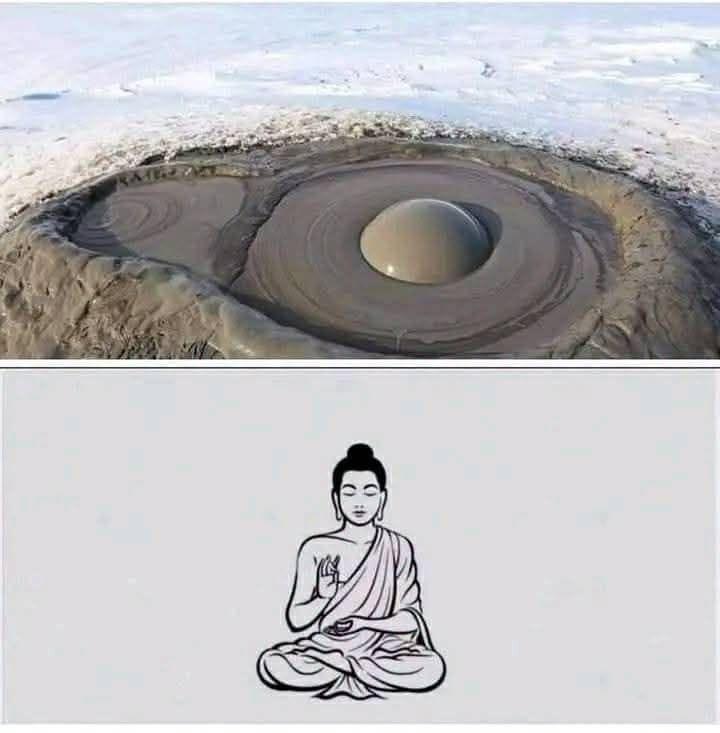
A dead volcano, with nothing but bubbling mud, is now called a sacred dragon shrine.
People pour milk into the earth.
People bow before pools of mud.
To witness it is embarrassing.
III
Snakes kept in iron cages.
Fish confined in ponds.
And then…
Fenced-in rabbits and deer,
Monkeys tied with ropes.
Many temples today look less like places of spiritual liberation and more like breeding farms or zoos.
IV
Through all three seasons of the year,
Fundraisers and donation campaigns never cease.
Some even operate Buddhism like a commercial franchise.
But the Buddha was never a product.
The Buddha cherished silence and tranquility.
Yet full-moon and new-moon festivals are filled with orchestras, stage performers, and committees seeking revenue.
If shame still exists, one could die from it.
V
Temple grounds have become parking lots.
Monastic halls have become guesthouses.
Wedding halls stand inside temple compounds.
Many followers now turn their faces toward dollars rather than toward the Noble Eightfold Path.
VI
The Buddha’s simple truths
are divided into camps:
Ledi, Mahasi, Mogok,
and countless others.
People search for Dhamma through sectarian disputes and ideological battles.
The Dhamma has been transformed into a weapon.
VII
From livelihoods to political power,
people exploit religion as a stepping stone.
Yet discovering oneself is the truest way to repay the Buddha’s kindness.
Living according to his teachings,
that alone
is genuine propagation of the Sasana.
VIII
Still,
there is no point in despair.
From what is broken,
let us repair whatever we can,
and step by step
move closer
to the Buddha.
(Attributed to: Mhaw Nat Pyo)
Editorial Interpretation
The poem’s central complaint is that modern Buddhism is increasingly affected by four trends:
1. Commercialization of Religion
The author criticizes the transformation of temples and festivals into sources of revenue generation, where fundraising activities sometimes overshadow spiritual practice.
This criticism echoes concerns raised by many Buddhist scholars regarding the commodification of religious activities in modern Buddhist societies.
2. Ritual Over Reflection
The poem contrasts popular devotional practices with the Buddha’s emphasis on personal effort and inner transformation.
The phrase:
“Attā hi attano nātho”
comes from the Dhammapada and is commonly translated as:
“The self is one’s own protector (or refuge).”
The verse emphasizes personal responsibility rather than dependence on external rituals.
3. Sectarianism
The references to Ledi, Mahasi, and Mogok point to influential Myanmar meditation traditions associated with:
- Ledi Sayadaw
- Mahasi Sayadaw
- Mogok Sayadaw
The poem is not criticizing these teachers themselves. Rather, it criticizes followers who become attached to schools, traditions, or personalities and lose sight of the broader Dhamma.
4. Religion and Power
The poem expresses concern that religion is sometimes used to gain:
- social influence,
- financial benefits,
- political authority.
This criticism has appeared repeatedly throughout Buddhist history, not only in Myanmar but across many Buddhist societies.
Fact Check
Accurate Reference 1:
“Attā hi attano nātho”
This is an authentic Pali verse from the Dhammapada:
“Attā hi attano nātho”
commonly translated as:
“One is one’s own refuge.”
It teaches personal responsibility and self-development.
Accurate Reference 2:
Kapilavatthu
Kapilavatthu (Kapilavastu) is traditionally regarded as the capital of the Sakya clan and the homeland of Prince Siddhattha (Siddhartha Gautama) before his enlightenment.
The author’s “return from Kapilavatthu” is symbolic, suggesting a return to the Buddha’s original teachings rather than modern religious institutions.
Interpretative Rather Than Factual
The following statements are poetic and subjective rather than factual claims:
- temples becoming “breeding farms”
- Buddhism becoming a “franchise”
- Dhamma becoming a “weapon”
- people worshipping money rather than the Eightfold Path
These are literary metaphors expressing the author’s dissatisfaction with contemporary religious culture.
Historical Context
Interestingly, the poem’s criticisms are not new.
Early Buddhist texts contain warnings against:
- attachment to rituals,
- competition among monks,
- pursuit of fame,
- pursuit of wealth,
- sectarian disputes,
- misuse of religion for worldly gain.
In that sense, the poem is not anti-Buddhist.
Rather, it is written from the perspective of someone who believes contemporary Buddhists have drifted away from the Buddha’s original emphasis on:
- ethical conduct (sīla),
- meditation (samādhi),
- wisdom (paññā),
- self-transformation.
“Bring the Buddha Back: A Poetic Lament on the State of Contemporary Buddhism”
Possible MMNN Conclusion
The poem’s challenge is uncomfortable but not unfamiliar. Throughout Buddhist history, reformers have repeatedly called on believers to distinguish between the Buddha’s teachings and the institutions built around them. Whether one agrees with every criticism or not, the poem raises a fundamental question: Has Buddhism become too occupied with ritual, commerce, factionalism, and power, while neglecting the inward journey that the Buddha himself described as the path to liberation? For the author, the answer lies not in abandoning the religion, but in returning to its simplest principle: understanding oneself, living ethically, and taking one step at a time toward awakening.
Conclusion
The poem’s challenge is uncomfortable but not unfamiliar. Throughout Buddhist history, reformers have repeatedly called on believers to distinguish between the Buddha’s teachings and the institutions built around them. Whether one agrees with every criticism or not, the poem raises a fundamental question: Has Buddhism become too occupied with ritual, commerce, factionalism, and power, while neglecting the inward journey that the Buddha himself described as the path to liberation? For the author, the answer lies not in abandoning the religion, but in returning to its simplest principle: understanding oneself, living ethically, and taking one step at a time toward awakening.
U Min Thu · မဟုတ်ဘူးဆိုရင် ပါးလာရိုက် ကျနော် မရေးရဲသောကဗျာ
Fb မှာတွေ့ရ ဖတ်ရတယ် စာရေးသူကို အလေးပြု ပါတယ် ဗုဒ္ဓကိုပြန်ခေါ် ပေးပါ ႌ
၁။ ကပိလဝတ်ပြည်ကနေ ပြန်လာခဲ့တယ် ၁၀ နှစ်လုံးလုံး ကြိုးစားရှာဖွေမှုဟာ အတ္တာဟိ အတ္တနော နာထော မှာ ဆုံးတယ်
၂။ မီးတောင်သေ…ချော်ရည်ဆူ ပွက်မှုဟာ နဂါးပွက်တောင် အမည်ရတယ် နွားနို့တွေ မြေထဲ သွန်းလောင်းနေတာ ရွှံ့ဗွက်ကြီး ရှိခိုးနေတာ မြင်ရတာရှက်လိုက်တာ
၃။ သံအိမ်ထဲက မြွေတွေ ရေကန်ထဲက ငါးတွေ ပြီးတော့….. ခြံခတ်ထားတဲ့ ယုန်သမင်တွေ ကြိုးချည်ထားတဲ့ မျောက်တွေ ဒီနေ့ခေတ် ဘုရားကျောင်းကန်ဟာ မွေးမြူရေးခြံ နဲ့ တူနေတယ်။
၄။ သုံးရာသီ စက်ဝန်းမှာ အလှူခံတွေ ခြေချင်းလိမ် နေကြတယ် ဗုဒ္ဓကို ကန်ထရိုက်ဆွဲနေတာ ဒီနေ့ခေတ်မှာရှိတယ်.. ဗုဒ္ဓဟာ…ထုတ်ကုန်မဟုတ်ဘူး။ တိတ်ဆိတ်ငြိမ်သက်ခြင်း ကို ဗုဒ္ဓဟာ နှစ်သက်တော်မူတယ်။ သံစုံ တီးဝိုင်းတွေ အဆိုတော်တွေနဲ့ လပြည့်လကွယ် ဂေါပက အဖွဲဟာ ဗုဒ္ဓကို ငွေရှာခိုင်းတယ်။ ရှက်တတ်ရင် သေလို့ရတယ်
၅။ ဘုရားရင်ပြင်ဟာ.. ကားပါကင်ဖြစ်လာခဲ့တယ်။ ကျောင်းသင်္ခန်းဟာ.. တည်းခိုခန်း ဖြစ်လာခဲ့တယ်။ မင်္ဂလာ မဏ္ဌပ်ဟာ… ကျောင်းဝန်းထဲမှာရှိတယ် သာဝကတွေဟာ မဂ္ဂင်ရှစ်ပါးထက် ဒေါ်လာဘက်မျက် နှာမူလာကြတယ်။
၆။ ဗုဒ္ဓ ရဲ့ သစ္စာလေးပါ ကို လယ်တီ မဟာစည် မိုးကုတ် ခွဲရင်း ရန်သတ်ပွဲနဲ့ ရှာကြတယ် ဓမ္မ ဟာ ဓါးမ ဖြစ်လာခဲ့တယ်။
၇။ ဝမ်းစာကနေ စပြီး အာဏာ အဆုံးအထိ သာသနာ ကို ခုတုံး လုပ်ကြတယ်။ ကိုယ့်ကိုကိုယ် တွေ့ရှိခြင်းဟာ ဗုဒ္ဓကို ကျေးဇူးဆပ်ခြင်းဘဲ။ အဆုံးအမ လိုက်နာမှု။ ဒါ……..သာသနာပြုတာဘဲ။
၈။ မထူးပါဘူး….. ပျက်နေတဲ့ အထဲကပဲ ရသလောက်ပြင်ရင်း ဗုဒ္ဓ ဆီကို တစ်လှမ်းခြင်းရွေ့ကြတာပေါ့…
crd: :မှော်နတ်ပျို Photo: :crd #စိုးသိဏ်း သီလဝါ #မူရင်းရေးသားသူအားလေးစားစွာဖြင့်ပြန်လည်မျှဝေပါသည် …