By MMNN
One of the most common claims heard today is that the Rohingya issue is an ancient problem that has existed for centuries and therefore has no practical solution.
Yet Burma’s own historical record tells a more complicated story.
Long before the current crisis, a previous Burmese government faced similar challenges in northern Arakan: armed rebellion, communal distrust, competing political aspirations, and deep social divisions. Unlike later governments, however, the parliamentary administration led by U Nu attempted to address the conflict through an approach based on dialogue, citizenship, and political accommodation.
Whether one agrees or disagrees with every aspect of that policy, one fact is difficult to deny:
For a period during the 1950s and early 1960s, conflict in northern Arakan significantly declined, armed insurgents surrendered, and the region entered a period of relative stability.
The question deserves to be asked:
How did that happen?
The Challenges Facing Independent Burma
When Burma gained independence in January 1948, the new Union inherited numerous political and ethnic conflicts.
In Arakan, memories of the 1942 communal violence remained fresh. Trust between communities was weak, and tensions frequently resurfaced.
At the same time, parts of northern Arakan experienced the emergence of Mujahid armed groups. The government responded militarily, but military operations alone proved insufficient to eliminate the conflict.
By the early 1950s, the government confronted three interrelated problems:
- Communal mistrust between Rakhine Buddhists and Rohingya Muslims.
- Armed insurgent activities.
- Political disagreements about the future administration of Arakan.
Rather than relying exclusively on force, the government began examining the underlying causes of unrest.
Investigative commissions were established, parliamentary debates were held, and senior officials travelled to northern Arakan to study conditions directly.
Prime Minister U Nu himself visited the region and met local community leaders.
The government’s assessment appears to have been that inequality, mistrust, and insecurity were contributing significantly to instability.
Recognition as a Government Policy
One of the most significant steps taken by the parliamentary government was public recognition of the Rohingya community.
On 25 September 1954, Prime Minister U Nu referred in a radio broadcast to Rohingya residents of northern Arakan as citizens of the Union. [newmandala.org]
This policy of recognition continued in subsequent years.
In 1959, Deputy Prime Minister and Defence Minister U Ba Swe publicly stated that Rohingya were among the ethnic groups of the Union alongside Kachin, Karen, Kayah, Shan, Mon, Chin, and Rakhine peoples. [newmandala.org]
These statements were not isolated remarks.

They reflected a broader government policy aimed at incorporating northern Arakan into the Union through participation rather than exclusion.
The Creation of the Mayu Frontier Administration
Perhaps the most important institutional reform occurred on 1 May 1961 when the government established the Mayu Frontier Administration, also known as the Mayu Frontier District. The area included Maungdaw, Buthidaung, and part of Rathedaung and was administered directly from Rangoon. [everything…ined.today], [wikiwand.com]
The objective was not secession and not the creation of an independent Muslim state.
Rather, it was intended as a special administrative arrangement designed to improve security and address local concerns in a sensitive border region. [rohingya.no], [everything…ined.today]
Additional measures included:
- Rohingya-language broadcasts through Burma Broadcasting Service beginning in May 1961. [rohingyalanguage.com], [newmandala.org]
- Representation in public life.
- Participation in Union Day events.
- Inclusion in official publications and educational materials.
Whatever one’s present political position may be, these policies formed part of the official state framework of parliamentary Burma.
Evidence from Military Publications
An often-overlooked aspect of this history is that recognition of Rohingya identity was not limited to civilian politicians.
Evidence also appears in publications issued by Burma’s military establishment before the 1962 coup.
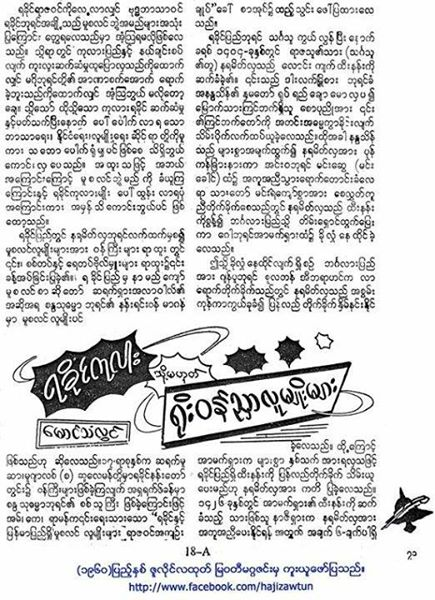
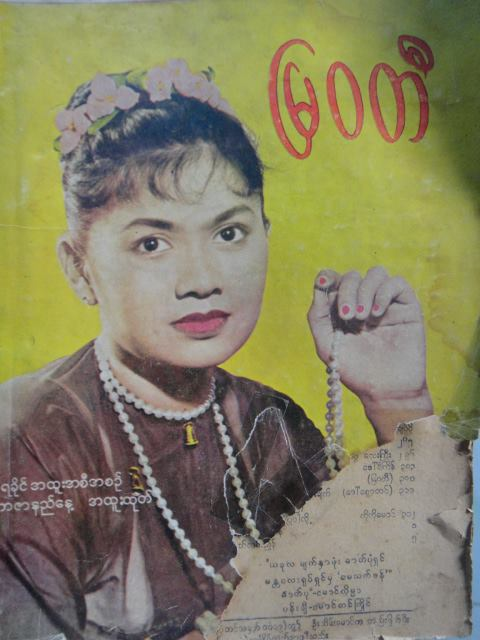
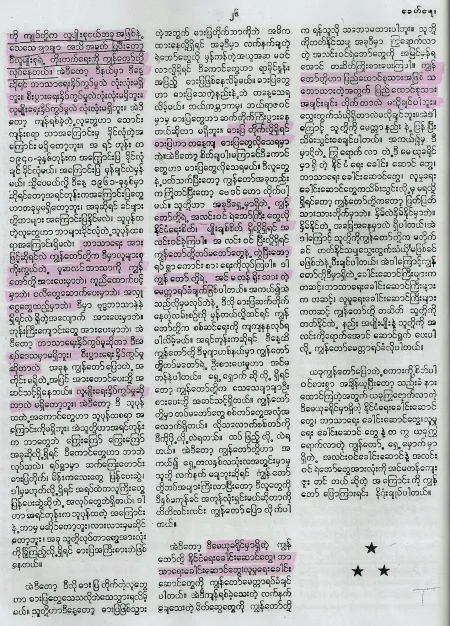
In July 1960, military-published Myawaddy Magazine carried a lengthy article entitled:
“Rakhine Kalas or Rohwanja People”
written by Maung Than Lwin.
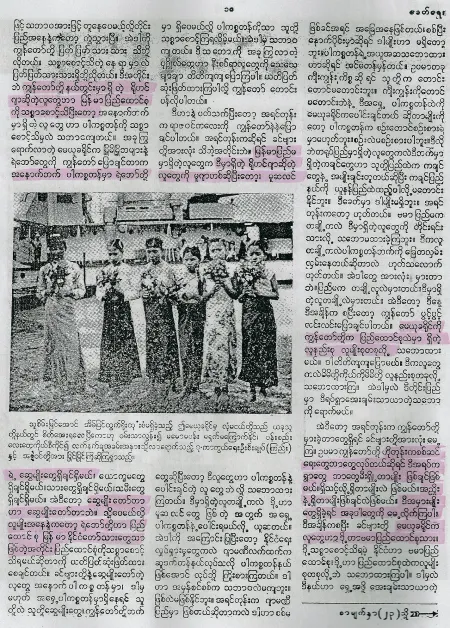
The article discussed the history of Muslim communities in Arakan, Muslim officials in Arakanese royal administrations, cultural exchanges between Bengal and Arakan, and the emergence of a Muslim population identified as “Rohwanja.” The very publication of such an article demonstrates that discussion of Rohingya-related identity and history was not prohibited in official military publications during that period.
While some historical interpretations within the article may be debated by modern scholars, the historical importance lies in the fact that the Burmese military’s own magazine openly used terminology associated with Rohingya identity decades before later official denials emerged.
The Surrender of the Mujahids
The most important test of any government policy is whether it produces results.
In this regard, developments in 1961 are especially significant.
As political recognition, administrative reforms, and security arrangements were introduced, large sections of the Mujahid insurgency began abandoning armed struggle.
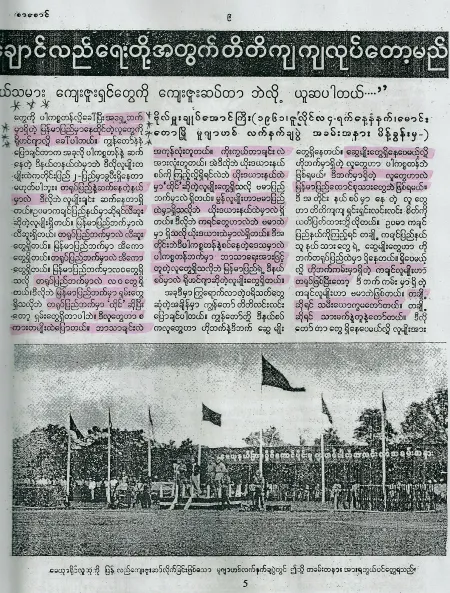
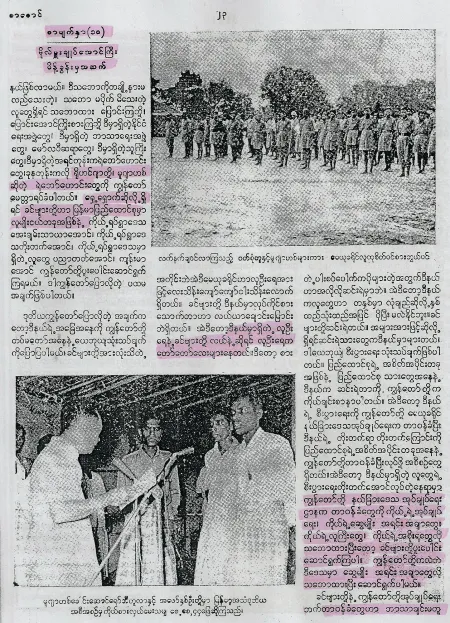
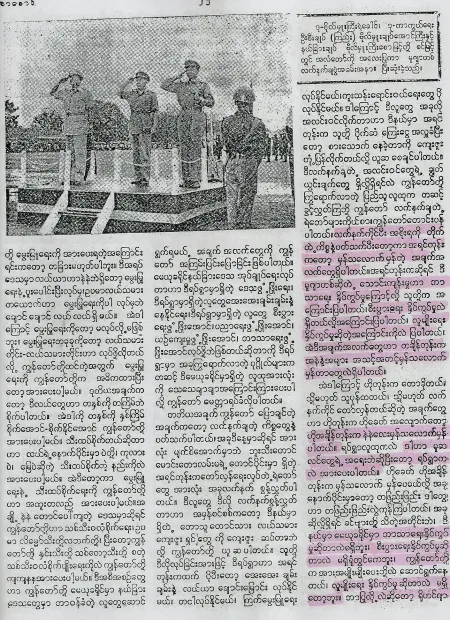
Historical records indicate that surrender ceremonies took place in stages during 1961.
One major surrender occurred on 4 July 1961.
Another significant surrender followed on 15 November 1961.
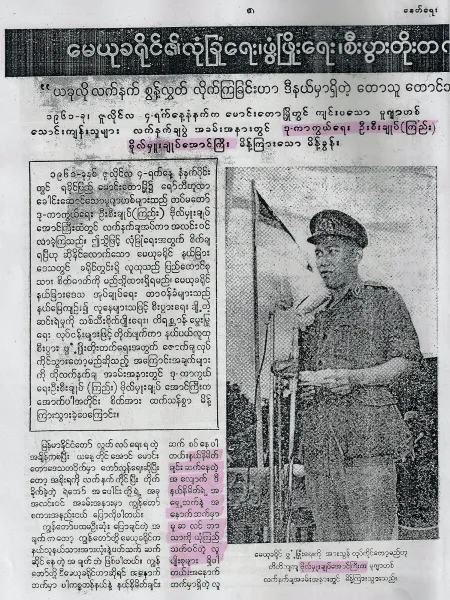
Senior military officers attended these ceremonies, including Burma Army Vice Chief of Staff Aung Gyi and other senior commanders responsible for operations in Arakan.
According to contemporary military publications, the surrender ceremonies were treated as important milestones in restoring peace to the region.
The significance of these events should not be underestimated.
For more than a decade, northern Arakan had experienced insurgency and instability. Yet by 1961, many insurgents had voluntarily surrendered their weapons and accepted reintegration into peaceful civilian life.
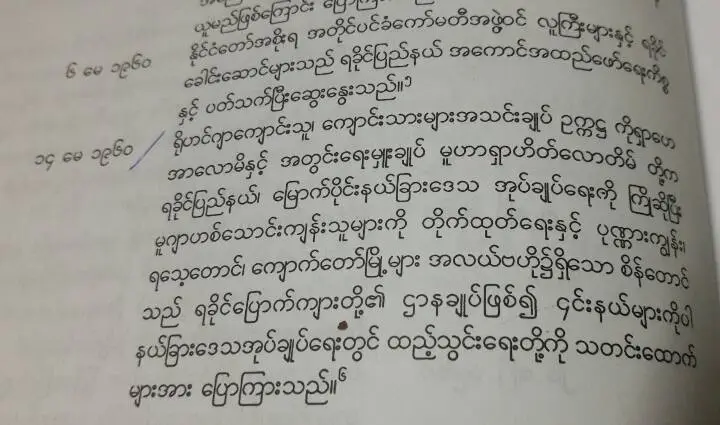
Brigadier General Aung Gyi’s Speech
Perhaps the most remarkable documentary evidence comes from the surrender ceremony itself.
According to material reproduced from the Ministry of Defence publication Khit Yay Journal (May Yu Special Issue) dated 15 July 1961, Aung Gyi addressed the local population using language that would later become highly controversial.
He reportedly referred to:
“Our ethnic nationality brothers and sisters, the Rohingya citizens of Burma.”
The speech also reportedly contained promises of protection, development assistance, social support, and religious freedom.
Whether one views later policies as justified or unjustified, the historical record shows that senior Burma Army leadership in 1961 publicly used terminology acknowledging Rohingya identity and citizenship.
This is not an activist claim.
It is a matter of documentary record preserved in military publications from that period.
Why Did the Insurgency Collapse?
The surrender of large numbers of Mujahid fighters raises an important historical question.
If the movement’s sole objective had been permanent separation from Burma, why would so many insurgents surrender after the introduction of recognition, administrative reforms, and security guarantees?
A reasonable interpretation is that at least a substantial portion of the movement sought security, equal treatment, and meaningful participation within the Union rather than perpetual armed conflict.
Once those objectives appeared attainable, continued insurgency became harder to justify.
This does not mean every grievance disappeared.
Nor does it mean every disagreement was resolved.
But conflict levels declined dramatically compared with earlier years.
The Turning Point of 1962
The trajectory changed following General Ne Win’s coup in March 1962.
The parliamentary system was abolished.
The Mayu Frontier Administration was eventually dismantled and abolished in 1964. [everything…ined.today], [wikiwand.com]
Over subsequent decades, policies concerning identity, citizenship, and ethnic recognition moved in an increasingly restrictive direction.
The result was the gradual re-emergence of instability, distrust, and communal conflict.
By the late twentieth and early twenty-first centuries, the situation had deteriorated far beyond the levels seen during the parliamentary era.
A Historical Lesson Worth Remembering
History rarely provides perfect solutions.
The U Nu government did not solve every problem in Arakan.
However, the historical record suggests that its approach achieved something later governments struggled to accomplish:
It persuaded armed insurgents to surrender.
It reduced violence.
It improved stability.
And it did so not only through military action but through political recognition, administrative reform, and efforts at inclusion.
The lesson is not that the past can be recreated exactly.
Rather, the lesson is that peace was pursued through engagement rather than exclusion.
Contemporary debates about Arakan are often dominated by anger, fear, and competing historical narratives.
Yet Burma’s own archives, government speeches, military journals, and administrative records remind us that there was once another path.
Whether that path can offer lessons for the future remains a question worthy of careful reflection.
Selected References
- Speech of U Nu, Burma Broadcasting Service, 25 September 1954. [newmandala.org]
- Speech of U Ba Swe, October-November 1959. [newmandala.org]
- Establishment of the Mayu Frontier Administration, 1 May 1961. [everything…ined.today], [wikiwand.com]
- Rohingya-language broadcasts on Burma Broadcasting Service. [rohingyalanguage.com], [newmandala.org]
- Myawaddy Magazine, July 1960, Vol. 8, No. 9, “Rakhine Kalas or Rohwanja People.”
- Khit Yay Journal, May Yu Special Issue, Ministry of Defence, 15 July 1961.
- Jacques P. Leider, Rohingya: The Foundational Years. [toaep.org]
ဦးနုအစိုးရက ရိုဟင်ဂျာအရေးကို ဘယ်လိုဖြေရှင်းခဲ့သလဲ?
ဦးနုအစိုးရက ရိုဟင်ဂျာအရေးကို ဘယ်လိုဖြေရှင်းခဲ့သလဲ
” ဒီပြသနာကို ၁၈ လအတွင်း ဖြေရှင်းပေးဖို့ ကျမတို့ကို မျှော်လင့်တာက နည်းနည်း ယုတ္တိမတန်ပါဘူး။ …. ရခိုင်ပြည်နယ်က ဒီအရေးဟာ ဆယ်စုနှစ်များစွာကတည်းက ရှိလာခဲ့တာပါ။ ကိုလိုနီခေတ်မတိုင်ခင်ကပင် ဒီပြသနာ ရှိနေတယ်။ …. “
အထက်ပါစကားဟာ လူထုခေါင်းဆောင် ဒေါ်အောင်ဆန်းစုကြည်က ရိုဟင်ဂျာအရေးနဲ့ ပတ်သက်လို့ပြောကြားခဲ့တဲ့ Asian News International နဲ့ အင်တာဗျူးတစ်ခုကနေ ကောက်နုတ်ထားခြင်းဖြစ်ပါတယ်။။
ဒေါ်စု ပြောလိုတာက ဒီရိုဟင်ဂျာအရေးဟာ ကိုလိုနီခေတ်မတိုင်ခင်ကပင် ရှိလာခဲ့တဲ့ ပြဿနာဖြစ်တယ်။ ယခင်အစိုးရတွေက မဖြေရှင်းပေးခဲ့လို့ ယနေ့ထိ သက်ဆိုးရှည်လာတာ…လို့ ယခင်အစိုးရတွေကို အပြစ်တင်ပုံချတာပဲ ယူဆတယ်။ တကယ်တမ်းတော့ ဒေါ်စုရဲ့ ဒီမှတ်ချက်စကားက ကျပ်ပြည့် မှန်ကန်မှုမရှိဘူးဗျာ။ စစ်အာဏာရှင်တွေကို အကာအကွယ်ပေးနေသလို ဖြစ်နေတယ်။ ရိုဟင်ဂျာတွေကို မတရားနှိပ်စက်ချုပ်ချယ်နေတဲ့ပြဿနာက တကြော့ပြန်ဖြစ်လာတဲ့ ပြဿနာဖြစ်တယ်။ အရင်က ရခိုင်ပြည်အရေးကို နိုင်ငံတော်အဆင့် မျှမျှတတဖြေရှင်းပေးခဲ့တဲ့ အစိုးရလဲ ရှိခဲ့တယ်ဆိုတာ ဒေါ်စုကြည် မေ့လျော့နေသလို ထင်ရပါတယ်။ အဲ့ဒီခေတ်က ခေါင်းဆောင်တွေရဲ့ ကြိုးပမ်းဖြေရှင်းပေးမှုကြောင့် ရခိုင်ပြည်နယ်ရဲ့ ပဋိပက္ခဟာ လုံးဝဖြေရှင်းသွားခဲ့ပြီး ရခိုင်ပြည်ဟာ နိဗ္ဗာန်လောကလို အေးချမ်းသာယာသွားခဲ့ဖူးတယ်။ အဲဒါကို စာဖတ်ပရိသတ်တွေသိအောင် နည်းနည်းတင်ပြပါရစေ။
မြန်မာပြည် လွတ်လပ်ရေးရရှိခဲ့တဲ့အခါ လွတ်လပ်ရေးကြေညာစာတမ်းမှာ ဒီဗမာပြည်ဟာ လူတစ်စုတစ်ယောက်ရဲ့ အမွေဆိုင်ပစ္စည်း မဟုတ်ကြောင်း၊ ဒီပြည်အတွင်း မှီတင်းနေထိုင်တဲ့ ပြည်သူပြည်သားတို့ရဲ့ စုပေါင်းမြေဖြစ်ကြောင်း၊ တောင်တန်း မြေပြန့် မခွဲခြားဘဲ အားလုံးခွင့်တူတန်းတူညီမျှဖြစ်ကြောင်း ကြေညာခဲ့တယ်လေ။ ဒါပေမဲ့ နောက်ပိုင်းကာလမှာ ဘာသာရေးနဲ့ ရုပ်ရည်အသားအရောင်ကို အခြေခံ၍ ခွဲခြားအုပ်ချုပ်မှုတွေရှိလာခဲ့တယ်။ ၁၉၄၉ ခု ရခိုင်အများစုနဲ့ ဖွဲ့စည်းထားတဲ့ နယ်စပ်စောင့်တပ် BTF (စစ်ဝန်ထမ်း)ကို ဖွဲ့စည်းပြီး နယ်စပ်ဒေသကို ထိန်းသိမ်းလာတဲ့အခါ ရခိုင်ပြည်မှာ ယခင် လူမျိုးရေးပဋိပက္ခ (၁၉၄၂) အငွေ့အသက်ကြောင့် နယ်စပ်စောင့်တပ်က ရိုဟင်ဂျာတွေကို ခွဲခြားဆက်ဆံ ညှဥ်းပမ်းနှိပ်စက်လာခဲ့ကြတယ်။ နိုင်ကျင့်မှုတွေ၊ မတရားဖမ်းဆီးမှုတွေ၊ သတ်ဖြတ်မှုတွေ၊ မုဒိမ်းမှုတွေ၊ နှိပ်စက်မှုတွေ တဖြေးဖြေး အရှိန်မြင့်လာခဲ့တယ်။ ဘာသာရေးကို အကြောင်းပြု၍ အစိုးရက ရခိုင်နဲ့ ရိုဟင်ဂျာကို တန်းတူသဘောမထားဘဲ ခွဲခွဲခြားခြား ဆက်ဆံလာတဲ့အခါ ရိုဟင်ဂျာအမျိုးသားအချို့က မခံမရပ်နိုင်ဘဲ ရရာလက်နက်ဆွဲကိုင်ကာ တော်လှန်ခဲ့ကြတယ်။ မတရား ဖိနှိပ်မှုများလာရင် ဆန့်ကျင်တော်လှန်ရေးက ရှိစမြဲပဲ။ ဒါက ဓမ္မတာတစ်ခုဖြစ်တယ်။
မတရားမှုကို ဆန့်ကျင်တဲ့ ရိုဟင်ဂျာအမျိုးသားလက်နက်ကိုင် တော်လှန်ရေးဟာ အစိုးရအတွက် စိန်ခေါ်မှုတစ်ခုဖြစ်လာခဲ့တယ်။ ဦးနုအစိုးရက တပ်မတော်အင်အားနဲ့ ပြန်တိုက်ချေတယ်။ အောင်မြင်မှုတော့ ရရှိခဲ့တယ်။ ဒါပေမဲ့ အမြစ်ပြတ်သွားအောင် လုပ်ဖို့က မလွယ်ဘူး။ တစ်ဘက်က နှိမ်နင်းရင် တခြားတစ်ဘက်က ပြောက်ကျားတိုက်ပွဲတွေ ပြန်ပေါ်လာတော့တယ်။ ဒါ့အပြင် ရခိုင်ပြည်ရဲ့ အဓိကလူမျိုးစုနှစ်စုဖြစ်တဲ့ ရခိုင်နှင့် ရိုဟင်ဂျာ အကြားသင့်မြတ်မှုမရှိတာကလဲ အခါမသင့် ပဋိပက္ခတွေ ဖြစ်ပေါ်လာနိုင်စရာရှိတယ်။ ပုစိပုစိ ပြသနာတွေ အနည်းအများ ဖြစ်တာလည်း ရှိခဲ့တယ်။
အဲဒီတုန်းက နောက်ပြသနာတစ်ချက်က ရခိုင်အမျိုးသားတွေက သီးခြားပြည်နယ်လိုချင်ကြတယ်။ အစိုးရက ရခိုင်နဲ့ ဗမာ တစ်မျိုးတည်း၊ သီးခြားပြည်နယ် ပေးစရာမလိုဘူး၊ အချင်းချင်း စိတ်ဝမ်းမကွဲချင်ဘူးလို့ တုန့်ပြန်ကြတယ်။ အဲဒါကို ရိုဟင်ဂျာတွေကလည်း စိုးရိမ်ကြတာပေါ့။ လူမျိုးတစ်စုကို အမည်စွဲ၍ ရခိုင်ပြည်နယ်လို့ သီးခြားအမည်တွင်ပေးလိုက်ရင် ရိုဟင်ဂျာတွေက မတရားခံရမယ်။ ခွဲခြားနှိပ်စက်လာမယ်။ အနိုင်ကျင့်ခံရမယ်။ ဒါနဲ့ ရိုဟင်ဂျာတွေက ပြည်မနဲ့ပဲ ပေါင်းနေချင်ကြတယ်။ ဒါက အစိုးရအတွက်တော့ ခေါင်းခဲတဲ့ နောက်ထပ် စိန်ခေါ်မှုတစ်ခုပေါ့။
ဒီတော့ ဦးနုအစိုးရက ရခိုင်ပြည်အရေးမှာ အချက်သုံးချက်တွေ့လာတယ်။
(၁) လူမျိုးစု နှစ်စုအချင်းချင်း သင့်မြတ်မှု မရှိခြင်း
(၂) လက်နက်ကိုင်အဖွဲ့များ အုံကြွလာခြင်း
(၃) သီးခြားပြည်နယ် တောင်းဆိုမှုအပေါ် သဘောထားကွဲပြားခြင်း
စတဲ့ဟာတွေ ဖြစ်တယ်။
ဦးနုအစိုးရက အချိန်ဆွဲပြီး စုံစမ်းရေးကော်မရှင်တွေ အမျိုးမျိုးဖွဲ့စည်းကာ ပြဿနာရဲ့ ထိရောက်တဲ့အဖြေတစ်ခု ရှာဖွေဖို့ ကြိုးစားလာခဲ့တယ်။ လွှတ်တော်ထဲမှာ အချေအတင်ဆွေးနွေးကြတယ်။ ၁၉၄၉ ခု ဇူလိုင်လ ၃၀ ရက်မှာ ရခိုင်တိုင်းမင်းကြီးကို သဘာပတိအဖြစ်ထား၍ ရခိုင်အမျိုးသား ၃ ဦးနဲ့ ရိုဟင်ဂျာအမျိုးသား ၃ ဦး ပါဝင်တဲ့ စုံစမ်းရေး ကော်မရှင်ကို ဖွဲ့စည်းပြီးတော့ ကွင်းဆင်းလေ့လာစေခဲ့တယ်။ ၁၉၅၀ ပြည့်နှစ်၊ မတ်လ ၁၀ ရက်နေ့မှာ နိုင်ငံတော်ဝန်ကြီးချုပ် ဦးနု ကိုယ်တိုင်လည်း ရခိုင်ပြည်မြောက်ပိုင်းသို့ ခရီးထွက်ကာ လေ့လာခဲ့တယ်။ နှစ်ဖက်အသိုင်းအဝိုင်း လူကြီးမိဘတွေနဲ့ တွေဆုံခဲ့တယ်။ ဒါတွေကနေ တစ်ဖက်နဲ့တစ်ဖက် အယုံအကြည် ကင်းမဲ့နေခြင်း၊ ခွဲခြားဆက်ဆံရေး အားသန်နေခြင်း၊ တန်းတူအခွင့်အရေး မျှတမှုမရှိခြင်းတို့ဟာ ပြဿနာရဲ့ မူလဇာတ်မြစ်ဆိုတာ တွေ့ရှိလာတော့တယ်။
ဒီနေရာမှာ တစ်ခု သိထားရမှာက အဲဒီတုန်းက အခုလို ရိုဟင်ဂျာတွေရဲ့ နိုင်ငံသားအခွင့်အရေးကို ရုတ်သိမ်းမခံရသေးဘူး။ ဘယ်တိုင်းရင်းသားအုပ်စုကမှ ရိုဟင်ဂျာတွေကို နိုင်ငံခြားသားလို့ မယူဆခဲ့ကြဘူး။ နိုင်ငံသား ရုတ်သိမ်းခံရတာက စစ်အာဏာရှင်အစိုးရ လက်ထက်ကဖြစ်တယ်။
ကဲ့… ဒါနဲ့ ဦးနုအစိုးရရဲ့ ပထမခြေလှမ်းအဖြစ် ရိုဟင်ဂျာတွေကို မြန်မာ့ပြည်ထောင်စုသား တိုင်းရင်းသား တစ်စုအနေနဲ့ တန်းတူအခွင့်အရေးတွေ မပိုမေလျာ့ အတူတူခံစားခွင့်ရှိကြောင်း ကြေညာခဲ့တယ်။ ၁၉၅၄ ခု စက်တင်ဘာလ ၂၅ ရက် ညနေ ၈ နာရီ နိုင်ငံတော်အသံလွင့်ဌာနမှ ဝန်ကြီးချုပ်ဦးနုက “….စစ်တွေခရိုင်အတွင်း နေထိုင်ကြတဲ့ ပြည်ထောင်စုသားများမှာ များသောအားဖြင့် ရိုဟင်ဂျာအမျိုးသားများဖြစ်ကြပြီး မွတ်စလင်(မ်) များ ဖြစ်ကြပါတယ်” လို့ သူတို့ရဲ့အခွင့်အရေးဆိုင်ရာ မိန်းခွန်းပြောကြားခဲ့တယ်။
အလားတူ ၁၉၅၉ ခု အောက်တိုဘာလ ၃-၄ ရက်တွင် နိုင်ငံတော်ဒုဝန်ကြီးချုပ်နဲ့ ကာကွယ်ရေးဝန်ကြီး ဦးဘဆွေကလည်း “ကချင်၊ ကရင်၊ ကယား၊ ရှမ်း၊ မွန်၊ ချင်း၊ ရခိုင် ကဲ့သို့ပင် ရိုဟင်ဂျာလူမျိုးများသည်လည်း တိုင်းရင်းသားလူမျိုးတစ်မျိုး ဖြစ်ကြသည်” လို့ ရိုဟင်ဂျာလူမျိုး၏ အခွင့်အရေးဆိုင်ရာ မိန့်ခွန်းပြောကြားခဲ့တယ်။ ဒီခြေလှမ်းက ရခိုင်ပြည်ရဲ့ ပူခြိုက်ခြိုက်အခြေအနေမှာ လေပြည်ယူဆောင်လာခဲ့တယ်။
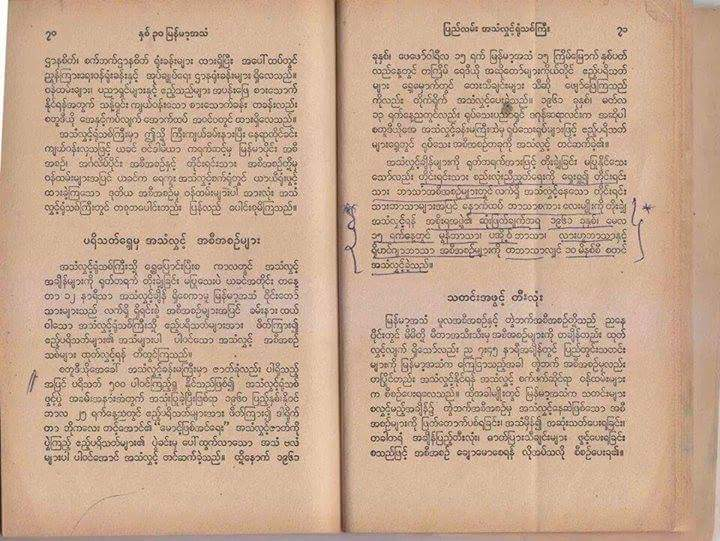
ဒုတိယခြေလှမ်းအနေနဲ့ ၁၉၆၁ ခု မေလ ၁ ရက်နေ့မှာ အစိုးရကဘိနက်ရဲ့ တညီတညွတ် ဆုံးဖြတ်ချက်အရ ရိုဟင်ဂျာအများစု နေထိုင်တဲ့မယုဒေသကို ဗဟိုအစိုးရက တိုက်ရိုက်အုပ်ချုပ်တဲ့ မေယုနယ်ခြားခရိုင်အဖြစ် သတ်မှတ်ပေးခဲ့တယ်။ ပြီးတော့ တိုင်းရင်းသားတစ်စုအနေနဲ့ ရထိုက်ရသင့်တဲ့ အခွင့်အရေးတွေမှာ ချွက်ယွင်းနေတဲ့ဟာတွေကို ပြည့်ပြည့်စုံစုံ ဖြည့်ဆည်းပေးခဲ့တယ်။ ကျောင်းသုံးပြဌာန်းစာအုပ်တွေမှာ ဖော်ပြခြင်း၊ စွယ်စုံကျမ်းမှာ ဖော်ပြခြင်း(၁၉၆၄)၊ ၁၉၆၁ ခုနှစ် မေလ ၁၅ ရက်မှာ ရိုဟင်ဂျာဘာသာစကားနဲ့ ဗမာ့အသံကနေ ရေဒီယိုအသံလွင့်ခြင်း၊ အစိုးရလက်နက်ကိုင်အဖွဲ့အစည်းတွေမှာ တန်းတူညီမျှ အလုပ်ခန့်ခြင်း၊ ပြည်ထောင်စုနေ့အခမ်းအနားတွေမှာ တက်ရောက်ခွင့်ပေးခြင်း၊ ရိုဟင်ဂျာ ရိုးရာယဥ်ကျေးမှုတွေကို အမြတ်တနိုးပြသခွင့်ပေးခြင်း စတဲ့ အခွင့်အရေးတွေကို ဘယ်ကန့်ကွက်မှုတစ်မတ်တစ်စေ့မှ မရှိဘဲ တညီတညွတ်တည်း ဖော်ဆောင်ပေးခဲ့ကြတယ်။
အစိုးရရဲ့ ဒီဗျူဟာကျကျဖြေရှင်းချက်က ဘယ်လောက်အထိ ထိရောက်ခဲ့သလဲဆိုရင် မီးတဟုန်းဟုန်း တောက်နေတဲ့ ရခိုင်ပြည်ကြီးဟာ ငြိမ်သက်သွားပြီးတော့ လုံးဝအေးချမ်းသာယာ သွားခဲ့တယ်။ ရိုဟင်ဂျာလက်နက်ကိုင်တပ်ဖွဲ့ (မူဂျာဟစ် = စစ်သူရဲ )တွေမှာလဲ လက်နက်ကိုင်ထားစရာ အကြောင်းမရှိတော့ဘူး။ တိုင်းပြည်က အေးချမ်းသွားပြီလေ။ ဒီတော့ လက်နက်ကိုင်အဖွဲ့တွေကလည်း ၁၉၆၁ ခု ဇူလိုင်လ ၄ ရက်မှာ တစ်သုတ်၊ ၁၉၆၁ ခု နိုဝင်ဘာလ ၁၅ ရက်မှာတစ်သုတ် ဦးစီးချုပ်ဗိုလ်မှူးချုပ်အောင်ကြီး၊ ဒုဗိုလ်မှူးကြီးကျော်စိုး၊ ရခိုင်တပ်ပေါင်းစုမှူးချုပ် ဒုဗိုလ်မှူးကြီးရဲခေါင်နဲ့ ဒုတပ်ရင်းမှူးဗိုလ်မှူးအံ့ကြွယ်၊ ဗိုလ်မှူးကြီး စောမြင့်၊ ဗိုလ်မှူးကြီ သန်းဖေစတဲ့ တပ်မတော်အရာရှိကြီးတွေလက်အောက်တွင် အေးအေးချမ်းချမ်း လက်နက်ချကာ အလင်းဝင်လာခဲ့ကြတယ်။ လက်နက်ချအခမ်းအနားတွေကို အုတ်အုတ်ကြားကြား ကျင်းပခဲ့တယ်။ လက်နက်ကိုင်အဖွဲ့လည်း မရှိတော့ဘူး။ စစ်ပွဲစစ်မက်တွေလည်း နိဂုံးချုပ်ခဲ့လေပြီ။ အနောက်ဝေဟင်ကောင်းကင်မှာ လေပြည်တွေ သန်းလာခဲ့တယ်။ တပ်မတော်ရဲ့ မြဝတီမဂ္ဂဇင်း၊ ခေတ်ရေးစာစောင်၊ မြန်မာ့အလင်း၊ ကြေးမုံသတင်းစာတွေမှာ “မေယုနယ်မှာလေ ဘယ်လိုအခြေ ရှိပါလိမ့်”၊ “မေယုနယ်ခြားခရိုင် အေးချမ်းလေပြီ” စတဲ့ ဆောင်းပါးတွေ၊ ဗိုလ်ချုပ်အောင်ကြီးက “ကျွန်တော်ဖြေရှင်းခဲ့ရသော ရိုဟင်ဂျာပြသနာ” စတဲ့အောင်ပွဲခံ ဆောင်းပါးတွေ၊ မောင်သံလွင်ရဲ့ “ရခိုင်ကုလား သို့မဟုတ် ရိုဝန်ဂါ”(၁၉၆၀) စတဲ့ဆောင်းပါးတွေ မြန်မာ့စာနယ်ဇင်းစာမျက်နှာတွေမှာ ဝေဆာလာခဲ့တယ်။ ဒီလိုနည်းနဲ့ ဦးနုအစိုးရနဲ့ ခေါင်းဆောင်ကြီးတွေက ရိုဟင်ဂျာအရေးကို ဥပဒေဘောင်အတွင်းကနေ အောင်အောင်မြင်မြင် စနစ်တကျ ဖြေရှင်းပေးခဲ့တယ်။
ဒီငြိမ်သက်ပြေလည်ခဲ့တဲ့ ပြဿနာ ဘယ်လိုပြန်ပေါ်လာသလဲဆိုရင် ကြိုးကိုင်ရှင် စစ်အုပ်စုရဲ့ ကျေးဇူးကြောင့်ပေါ့။
အာဏာရှင်ဗိုလ်နေဝင်းက တိုင်းပြည်အာဏာကို မတရားသိမ်းလိုက်တဲ့အခါ အာဏာအဓွန့်ရှည် တည်မြဲရေးအတွက် လမ်းစတွေ စဥ်းစားလာတယ်။ မတရားတဲ့အာဏာ ချုပ်ကိုင်ထားဖို့အတွက် တိုင်းပြည်ကို မတည်မငြိမ်ဖြစ်အောင်တော့ လုပ်ရမှာလေ။ သွေးခွဲအုပ်ချုပ်ရေးက ထိရောက်တယ်။ လွှတ်တော်အမတ်တွေ၊ ဝန်ကြီးတွေကို လိုက်လံဖမ်းဆီး ထောင်ချတယ်။ သူက လူမျိုးရေးဘာသာရေးကို အခြေခံတဲ့ အင်မတန် ထိရှလွယ်တဲ့ အနာဟောင်းကို ဆားခတ်လာခဲ့တယ်။ အေးချမ်းနေတဲ့ ရခိုင်ပြည်နယ်ကို ပြန်လည် အမုန်းလှိုင်း ခတ်ပေးတယ်။ ရိုဟင်ဂျာတွေကို ပစ်မှတ်ထား နှိပ်စက်လာခဲ့တယ်။ ရခိုင်-ရိုဟင်ဂျာ သဟဇာတကို ပျက်ပယ်သွားအောင်၊ အချင်းချင်းအမုန်းအာဃာတာပွားလာအောင် လုပ်ကြံသမိုင်း ဂျင်းပုပ်တွေနဲ့ ပြန်လည်အသက်သွင်းပေးခဲ့တယ်။ ရိုဟင်ဂျာကို သတ်မှတ်ပေးခဲ့တဲ့ မေယုနယ်ခြားခရိုင် အုပ်ချုပ်ရေးကို ပြန်လည်ရုတ်သိမ်းခဲ့တယ်။ ချက်ချင်းတူး ချက်ချင်းသောက် သလိုတော့ မဟုတ်ဘူး။ အချိန်ကြာဆွဲ စီမံကိန်းတွေ စနစ်တကျချမှတ်ပြီးတော့ နည်းဗျူဟာမျိုးစုံနဲ့ ဖိနှိပ်လာခဲ့တယ်။ ၁၉၇၈ မတိုင်ခင်မှာ သူကတောင် ရိုဟင်ဂျာတွေကို နိုင်ငံခြားသားလို့ မယူဆခဲ့ဘူး။ ရိုဟင်ဂျာ ဆိုတဲ့နာမည်လည်း ပြဿနာ မရှိခဲ့ဘူး။ အဲ့ဒါကြောင့် ၁၉၇၈ ခု ဒုက္ခသည်များ ပြန်လည်လက်ခံရာတွင် လက်ခံရေးပုံစံမှာ လူမျိုးနာမည်ကို ရိုဟင်ဂျာလို့ အတိအလင်း ဖော်ပြထားခဲ့တယ်။ လူမျိုးရေးဘာသာရေးဖက်ကိုပဲ မီးမွေးလေပင့်ပေးခဲ့တာလောက်ပါပဲ။ ကုလားကို နှိမ်နေတာဆိုတော့ ဒီစီမံကိန်းမှာ သူ့ရဲ့ ဂျင်းမိတဲ့ ပြည်သူတွေလည်း ရှိခဲ့ရာ ထောက်ခံအားပေးမှုလည်း ရရှိခဲ့တာပေါ့။ ဆက်လက်၍ မတရားဥပဒေအမျိုးမျိုးဖွဲ့ပြီး ရိုဟင်ဂျာတွေရဲ့ တရားဝင်ရရှိခဲ့တဲ့ တိုင်းရင်းသား အခွင့်အရေးတွေကို တစ်ဆင့်ပြီးတစ်ဆင့်၊ တစ်ခုပြီးတစ်ခု အာဏာရှင်ယုတ်ဆန်ဆန် မတရားပြန်လည်လုယူခဲ့တယ်။ လူမျိုးစုစာရင်း ၁၃၅ မျိုးလို့ ကိုယ့်မြင်းကိုယ်စိုင်းသလို သူတို့စိတ်လိုရာပြုစုပြဌာန်းပြီး ရိုဟင်ဂျာလူမျိုးကို ဖယ်ထုတ်ခဲ့တယ်။ အမျိုးသားရေးမျိုးချစ်တုတ်ကို အသုံးပြုပြီး ပြည်သူအချင်းချင်း စိတ်ဝမ်းကွဲအောင် ကလိမ်ကကျစ် ဝါဒဖြန့်ခဲ့တယ်။ ၁၉၈၂ ဥပဒေကို ဖွဲ့စည်းပြီး ဒီလူတွေဟာ နိုင်ငံခြားသားတွေ၊ နယ်မြေလုနေတာ ဆိုတဲ့ ဝါဒမှိုင်းတိုက်ပေးခဲ့တယ်။ အစအစမှာတော့ ကုလား၊ ရခိုင်ကုလား ဆိုပြီး နှိပ်ကွပ်ခဲ့ရာ စစ်တကောင်းသား၊ ခေါတော ဆိုလို့တစ်မျိုး၊ နောက်ပိုင်းမှာ ဘင်္ဂလီ မှ ဘင်္ဂလီကုလား မှ ခိုးဝင်ဘင်္ဂလီ အထိ အောက်ကျစေတဲ့ နာမည်တွေ အဆင့်ဆင့် သုံးလာခဲ့တယ်။ ဒီလို ယုတ်မာတဲ့နည်းနဲ့ ယခင်အစိုးရ ခေါင်းဆောင်တွေက သွေးချွေးကုန်ခမ်း ကြိုးပမ်းဖြေရှင်းပေးခဲ့တဲ့ ရိုဟင်ဂျာအရေးကို တဖန်မီးစလောင်စေခဲ့သတဲ့။
ဒီနေရာမှာ စွပ်စွဲချက်တစ်ချက်နှစ်ချက်ကို သံသယကင်းအောင် ထောက်ပြပေးချင်တယ်။ ပထမအချက်က အာဏာရှင်နေဝင်းရဲ့ ယုတ်မာမှုတွေကို တစ်ချို့ မွတ်စလင်မုန်းတီးတဲ့ အစွန်းရောက်မျိုးချစ်တွေက ကျေးဇူးတင်ကြတယ်။ အမျိုးကို ကယ်တင်ပေးတယ်လို့ ယူဆကြတယ်။ ဝမ်းနည်းစရာ။ တကယ်တော့ မျိုးချစ်တစ်ဖက်ကန်းတွေမှာ မြင်နိုင်စွမ်း အားနည်းနေတာဖြစ်တယ်။
တကယ်လို့ ရိုဟင်ဂျာတွေကို ဒီပြည်ဖွား မဟုတ်လို့ အာဏာရှင်အုပ်စုက နင်ထုတ်ချင်တာဆိုရင် ၁၉၇၈ ခုမှာ မတရားနှိပ်စက်မှုကြောင့် ထွက်ပြေးသွားတဲ့ ရိုဟင်ဂျာဒုက္ခသည်တွေကို ပြန်ခေါ်လာစရာအကြောင်းမရှိဘူးလေ။ ကိုယ့်ပြည်က မဟုတ်တဲ့ လူတစ်စုကို ဘယ်နိုင်ငံတကာ စကားမှနားမထောင်တဲ့ အာဏာရှင်က အလကားခေါ်လာမှာ မဟုတ်ဘူး။ အဲ့တုန်းကလဲ ခိုင်လုံတဲ့ သက်သေအထောက်အထားတွေနဲ့ပဲ လက်ခံခဲ့တာကိုး။ စစ်ခေါင်းဆောင် ဗိုလ်ခင်ညွှန့် ကိုယ်တိုင် သူ့စာအုပ် ကြုံတွေ့ခဲ့ရ ကျွန်တော့်ဘဝ အထွေထွေ” မှာ ဝန်ခံရေးသားခဲ့တယ်။ အာဏာရှင်ရဲ့ ရည်ရွယ်ချက်ကတော့ ပြည်သူလူထုရဲ့ အာရုံလွဲရန် တိုင်းပြည် မတည်မငြိမ်ဖြစ်အောင် လုပ်ဆောင်ကာ အာဏာချုပ်ကိုင်ထားရေးသာ အဓိက ဖြစ်တယ်။ ဒါကို နားမလည်မိလို့ စစ်အုပ်စုရဲ့ အဓမ္မ အာဏာသိမ်းမှုကို မြန်မာပြည်သူတွေက ထပ်တလဲလဲ ခံနေရတာဖြစ်ပါတယ်။ စစ်အုပ်စုရဲ့ ဓါးစားခံဖြစ်နေရတာမဟုတ်လား။ ထောင်နဲ့ မြေကြီး နေရာမလပ် ဖြစ်နေတယ်။
ဒုတိယအချက်က မျိုးချစ်တွေ ဂျင်းထည့်တဲ့ အစ္စလာမစ်နိုင်ငံအဖြစ်နဲ့ ခွဲထွက်ရေး ဖြစ်တယ်။ တကယ်လို့ ရိုဟင်ဂျာ လက်နက်ကိုင်တွေက ခွဲထွက်ဖို့ တော်လှန်တာ ဖြစ်မယ်ဆိုခဲ့ရင် အလင်းပြန်ဝင်စရာ အကြောင်း မရှိပါဘူး။ ဘယ်လို အခွင့်အရေးတွေ ပေးပေး အလုံးအရင်း လက်နက်ချမှာတော့ မဟုတ်ဘူးလေ။ မတရားမှုကို တွန်းလှန်တော်လှန်ဖို့အတွက်သာ လက်နက်ကိုင်ကြတာဖြစ်လို့ တန်းတူညီမျှမှု ရရှိသွားတဲ့အခါ တန်းအလင်းဝင်ကြတာပဲ မဟုတ်ပါလော့။
နောက်တစ်ချက်က ဦးနုက မဲနိုင်ဖို့အတွက် အရှေ့ပါကစ္စတန်က ခေါ်လာတဲ့လူလို့ ပုဇွန်ဦးနှောက်နဲ့ မျိုးချစ်အချို့က စွပ်စွဲတာလည်း တွေ့ရတယ်။ ယုတ္တိမရှိတဲ့စကားပါပဲ။ ဒီနိုင်ငံအတွက် ဦးနုရဲ့ပေးဆပ်မှုလည်း မနည်းလှဘူး။ အဲဒီလို ခေါင်းဆောင်ကြီးတစ်ယောက်က မဲလိုချင်လို့ တိုင်းပြည်ကို သစ္စာဖောက်မှာဆိုတာ ဘယ်လိုနည်းနဲ့မှ ယုံနိုင်စရာမဟုတ်ပါဘူး။ ယုတ္တိရှိရှိ စဥ်းစားကြည့်ရင်လည်း အဖြေက ပေါ်လွင်ပါတယ်။ မေယုဒေသမှာ ဘယ်ခေတ်က ကြည့်ကြည့် ရခိုင်လူဦးရေက လက်တစ်ဆုပ်စာလောက်ပဲ ရှိတာကိုး။ ဘယ်ရွေးကောက်ပွဲလုပ်လုပ် မူစလင်တွေ ထောက်ခံတဲ့အုပ်စုကပဲ အနိုင်ရမှာလေ။ အဲဒီမှာ လူသွင်းပြီးတော့ အနိုင်ရကောင်းလား။ ဆင်ဆင်ခြင်ခြင် စွပ်စွဲကြပါ မျိုးချစ်ရာ။
ဆက်လက်ပြီးတော့ အာဏာရှင်နေဝင်းရဲ့ ရိုဟင်ဂျာ ချေမုန်းရေး စီမံကိန်းကို နောက်တက်လာခဲ့တဲ့ စစ်ခေါင်းကြီးတွေက သစ္စာရှိရှိ လက်ဆင့်ကမ်း အကောင်အထည်ဖော်ပေးခဲ့တယ်။ ပြည်သူ့ကို အမှန်တရားအမှောင်ချပြီး ဂျင်းချိုချိုနဲ့ နိုးဆွခဲ့တယ်။ ပညာတတ်၊ ပညာမဲ့၊ ဆင်းရဲချမ်းသား လူတန်းစားအလွှာအားလုံး စစ်ဂျင်းမိခံရကာ ရိုဟင်ဂျာတွေရဲ့ ဘဝကို ဝိုင်းဝန်းမောင်းခတ် ရိုက်ချိုးခဲ့လေတယ်။ ဘယ်လောက်အထိ ယုတ်မာလာခဲ့သလဲဆိုရင် တိရိစ္ဆာန် သန်းခေါင်စာရင်းတောင် ကောက်ယူသေးတယ်။ လူမျိုးရေးဘာသာရေး ပဋိပက္ခတွေ တရစပ် ဖြစ်ပေါ်လာအောင် လုံ့ဆော်ခဲ့တယ်။ ၂၀၁၇ ခုမှာ လူမျိုးတုံးသတ်ဖြတ်မှုအထိတောင် လက်လွန်ခဲ့တယ်။ အေးချမ်းသာယာတဲ့ ရခိုင်ပြည်ကြီး ပြန်လည်ငရဲဘုံဖြစ်လာခဲ့တယ်။ ဒါက စစ်အုပ်စုနဲ့ စစ်ကျွန်သပေါက်တို့ရဲ့ ကျေးဇူးကြောင့်ပဲလေ။
အချုပ်အနေနဲ့ ရိုဟင်ဂျာအရေးဟာ ကိုလိုနီခေတ်ကပင် အမြစ်တွယ်လာခဲ့တာတော့ မဟုတ်ပါဘူး။ စစ်အာဏာရှင်တွေက ပျိုးလိုက်တဲ့ ဂျင်းစေ့ရဲ့ ကျေးဇူးကြောင့်သာ အပင်ကြီး ဖြစ်ပေါ်လာတာ ဖြစ်ပါတယ်။ ဒီပြသနာ ဖြေရှင်းဖို့ဆိုရင် ဘာသာရေး၊ လူမျိုးရေးကို ဘေးဖယ်ထားပြီးတော့ လူသားဆန်ဖို့က အရေးကြီးတယ်။ လူကိုလူလို မြင်ပြီးတော့ ယခင်အစိုးရရဲ့ နည်းဗျူဟာတွေကို စနစ်တကျ ကျင့်သုံးမယ်ဆိုရင် ရခိုင်ပြည်မှာ ငြိမ်းချမ်းရေးရောင်နီ ပြန်လည်ပျိုးပါလိမ့်မယ်သတဲ့။
(၁၃-၇-၂၀၂၃)
ကိုးကား
– ပြည်ထဲရေးဌာနပြန်ထမ်းစာ ၁၉၄၉၊ ဇူလိုင်လ ၃၀ရက်။
– နိုင်ငံတော်ဝန်ကြီးချုပ်ဦးနု၏ အသံလွင့်မိန့်ခွန်း။
– တပ်မတော်ခေတ်ရေးစာစောင် အတွဲ ၁၂၊ အမှတ် (၆)။
– အေအက်ဖ်ကေ ဂျီလာဏီ၊ အာရကန်ပြည်၏ ရိုဟင်ဂျာလူမျိုး။
– ခင်ညွှန့် ၊ ကြုံတွေ့ခဲ့ရ ကျွန်တော့်ဘဝ အထွေထွေ။
– နိုင်ငံတော်ကာကွယ်ရေးဝန်ကြီး၏ မိန့်ခွန်း။
– နှစ် ၃၀ မြန်မာ့အသံ ၊ ဦးကျော်ညိန်း (မာတလိ)၊ စာမျက်နှာ ၇၁။