Nippon Foundation Chairman Sasakawa Meets Bangladesh Prime Minister Tarique Rahman to Discuss Rohingya Issues and Myanmar Political Situation
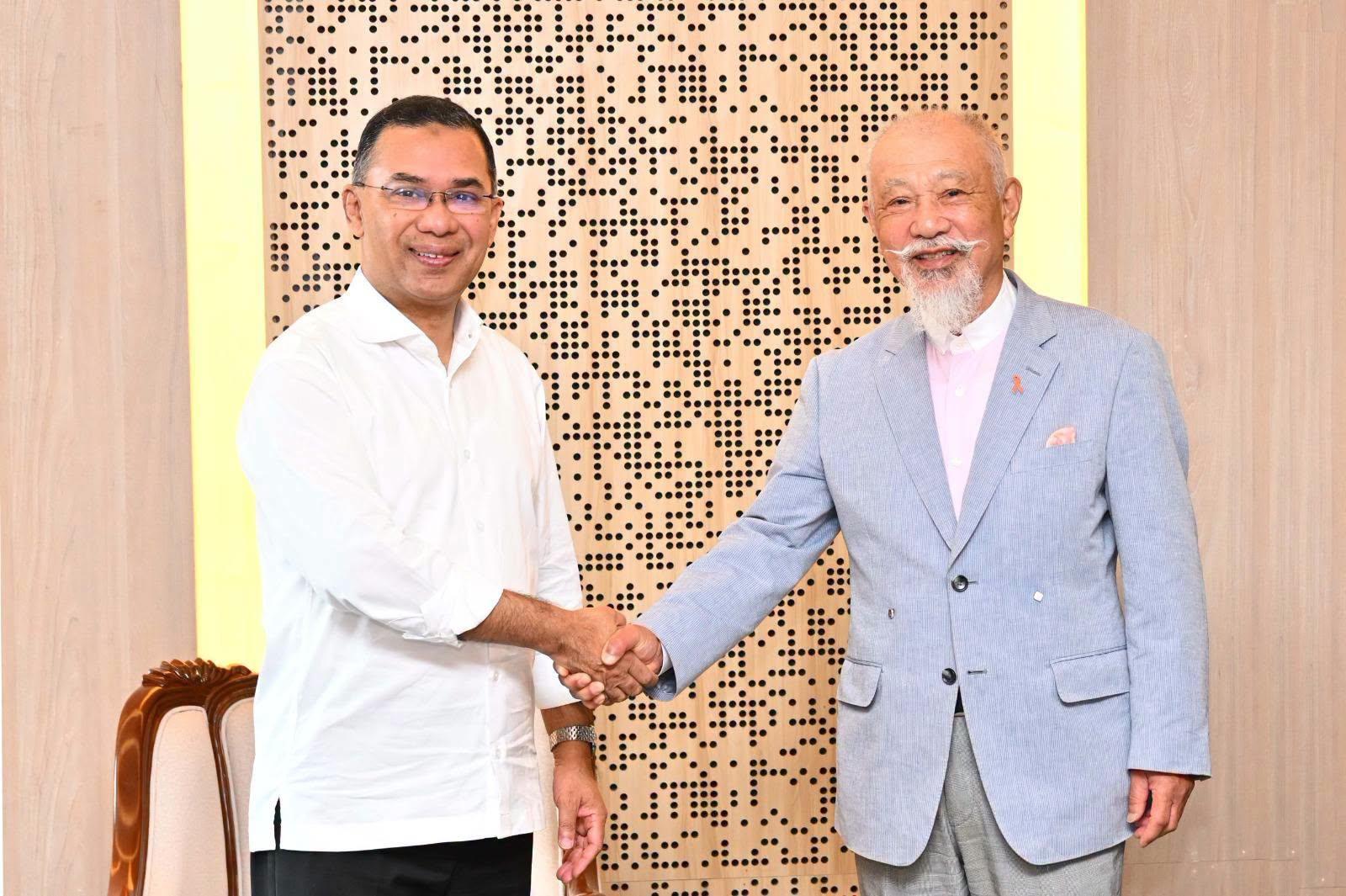
Yangon, September 8: Bangladesh Prime Minister and BNP Chairman Tarique Rahman met with Nippon Foundation Chairman Yohei Sasakawa on September 5 at the Prime Minister’s Office in Bangladesh. They discussed the Rohingya refugee crisis and the ongoing situation in Myanmar.
Sasakawa highlighted his nearly 50 years of global peacebuilding efforts and his role as Special Envoy of the Japanese Government for National Reconciliation in Myanmar. He acknowledged the immense pressure on Bangladesh and outlined Japan’s ongoing humanitarian aid and grants. Prime Minister Tarique Rahman expressed gratitude for Japan’s support, noting that host pressures on Bangladesh’s economy, infrastructure, and governance make safe, voluntary, and dignified repatriation urgent. He assured that Bangladesh is ready to assist in post-return rehabilitation in Myanmar.
Sasakawa mentioned that he discussed the issue with Myanmar junta leader Min Aung Hlaing, who expressed a willingness to address the crisis; however, the complex situation in Rakhine State continues to delay the repatriation process. Both leaders agreed that broader international and multilateral efforts—rather than solely bilateral coordination—are essential. Additionally, PM Tarique requested Japanese support for establishing a vaccine manufacturing plant and attracting Japanese investment.
Fact-Check & Contextual Analysis
- Political Leadership Context: The news reflects the current administration in Bangladesh under PM Tarique Rahman and diplomatic engagement with Yohei Sasakawa, Japan’s Special Envoy for Myanmar Reconciliation.
- Control of Rakhine State: Ground reality contradicts the junta’s ability to execute repatriation plans. The Arakan Army (AA) now controls almost all of Rakhine State (14 out of 17 townships). The Myanmar junta retains very little operational control or territory in Northern Rakhine.
- On-Ground Security Risks: Rohingya remaining in Rakhine face severe human rights violations, including forced recruitment, movement restrictions, and violence from both the military junta and local armed groups (including AA, RSO, and ARA).
Analytical Assessment & Key Concerns
1. Territorially Unfeasible Repatriation
The Myanmar military regime claims willingness to take back refugees, but it lacks physical control over the majority of Rakhine State. Negotiating repatriation solely through the military junta ignores the Arakan Army (AA), which is the primary de facto administrative power on the ground. Any real repatriation framework without structural security guarantees or AA dialogue remains purely hypothetical.
2. Threat of Internal Displacement & Detention Camps
If refugees return without clear legal protections, they face high risks of being placed in IDP camps or closed containment zones—similar to the Internally Displaced Persons (IDP) camps in Kyaukpyu and Sittwe—rather than returning to their ancestral lands. Relocation into other parts of Myanmar outside Rakhine is politically and logistically improbable given widespread active conflict across the country.
3. Exploitation & Forced Conscription
Returning refugees face acute protection risks. Reports highlight that both the junta and active Rohingya militant factions (e.g., RSO, ARA) have subjected Rohingya youth to forced recruitment and forced labor. Without robust international monitoring (UNHCR/UN body presence), returnees remain vulnerable to militarized exploitation.
4. Citizenship Status: Full Rights vs. “White Cards” / NVC
- White Cards / National Verification Cards (NVC): Historically, temporary identification documents like “White Cards” or NVCs stripped Rohingya of voting rights and reinforced a status as “foreigners,” failing to guarantee freedom of movement or property rights.
- Full Citizenship Requirements: Lasting peace and voluntary return require full citizenship rights under a revised framework (repealing or amending the 1982 Citizenship Law), recognizing Rohingya as an indigenous ethnic group with standard constitutional guarantees, access to public services, and freedom of movement. Returning under provisional identity cards would leave them perpetually vulnerable to statelessness.
Similar Malaysia’s plan to send 5,000 refugees back to Myanmar creates a major debate over the international rule of non-refoulement, which bans returning people to places where they face severe danger or persecution. [1, 2]
What Is Non-Refoulement?
- Core Rule: It is a core principle of international law.
- Protection: It stops countries from forcing refugees back to a homeland where their lives or freedom are at risk.
- No Exceptions: Countries must obey this rule even if they have not signed the main 1951 Refugee Convention. [1, 2, 3, 4, 5]
The Repatriation Plan
- The Announcement: Malaysian Prime Minister Anwar Ibrahim stated that Myanmar agreed to take back an initial group of 5,000 refugees.
- The Timeline: Reports indicate preparations to begin returning a first wave of individuals, mostly Rohingya, have moved forward.
- Official Stance: Malaysian officials claim they will review cases and avoid sending people back if their lives face clear danger. [1, 2, 3]
Why Rights Groups Object
- Ongoing Conflict: Myanmar remains deep in a violent civil war and political crisis following the 2021 military coup. [1, 2]
- Safety Risks: Groups like Amnesty International Malaysia warn that returning the Rohingya exposes them to forced military service, abuse, and human rights violations. [1, 2]
- UNHCR Concerns: The United Nations refugee agency states it is not part of the plan and that Myanmar is still unsafe for dignified returns. [1]
ဘင်္ဂလားဒေ့ရှ်ဝန်ကြီးချုပ် တာရိခ် ရာမန်ကို နီပွန်ဖောင်ဒေးရှင်းဥက္ကဋ္ဌ ဆာဆာကာဝါက သွားရောက် တွေ့ဆုံပြီး ရိုဟင်ဂျာအရေး အပါအဝင် မြန်မာ့နိုင်ငံရေးအခြေအနေများ ဆွေးနွေး
ရန်ကုန်၊ စက်တင်ဘာ ၈
ဘင်္ဂလားဒေ့ရှ်ပြည်သူ့သမ္မတနိုင်ငံ ဝန်ကြီးချုပ်နှင့် BNP ပါတီဥက္ကဋ္ဌ တာရိခ် ရာမန်က နီပွန်ဖောင်ဒေးရှင်း ဥက္ကဋ္ဌ ယိုဟေး ဆာဆာကာဝါတို့ တွေ့ဆုံ၍ ရိုဟင်ဂျာအရေးအပါအဝင် မြန်မာနိုင်ငံအခြေအနေများကို ဆွေးနွေးခဲ့ကြောင်း ဘင်္ဂလားဒေ့ရှ်မှလာသော သတင်းများအရ သိရှိရသည်။
အဆိုပါ တွေ့ဆုံပွဲကို စက်တင်ဘာလ ၅ ရက်နေ့တွင် ဘင်္ဂလားဒေ့ရှ်အစိုးရအဖွဲ့ရုံး၌ ပြုလုပ်ခဲ့ခြင်းဖြစ်သည်။
နီပွန်ဖောင်ဒေးရှင်း ဥက္ကဋ္ဌ ယိုဟေး ဆာဆာကာဝါက ၎င်းအနေဖြင့် ကမ္ဘာ့နိုင်ငံအသီးသီးတွင် ငြိမ်း ချမ်းရေးဖော်ဆောင်ရေးနှင့် မညီမျှမှုများ လျှော့ချရေးလုပ်ငန်းများကို နှစ်ပေါင်း ၅၀ နီးပါး ဆောင်ရွက်လာခဲ့ကြောင်း ပြောဆိုခဲ့ပြီး မြန်မာနိုင်ငံအတွက် ဂျပန်အစိုးရ၏ အမျိုးသားပြန်လည်သင့်မြတ်ရေး အထူးကိုယ်စားလှယ်အဖြစ် ဆောင်ရွက်နေသည့် အခန်းကဏ္ဍကိုလည်း ဘင်္ဂလားဒေ့ရှ်ဝန်ကြီးချုပ်အား ရှင်းလင်းပြောကြားခဲ့သည်။
ရိုဟင်ဂျာအရေးအကျပ်အတည်းကြောင့် ဘင်္ဂလားဒေ့ရှ်နိုင်ငံအပေါ် ဖိအားများစွာ ကျရောက်နေသည်ကို မိမိကောင်းစွာနားလည်ကြောင်း ဆာဆာကာဝါက ပြောဆိုခဲ့ပြီး၊ ရိုဟင်ဂျာများအတွက် ဂျပန်အစိုးရက ထောက်ပံ့ငွေနှင့် လူသားချင်းစာနာထောက်ထားမှု အကူအညီများ ပေးအပ်နေသည့် အခြေအနေကိုလည်း ထည့်သွင်းပြောကြားခဲ့သည်။
ဘင်္ဂလားဒေ့ရှ်ဝန်ကြီးချုပ် တာရိခ် ရာမန်က ဆာဆာကာဝါ၏ ဘင်္ဂလားဒေ့ရှ်ခရီးစဉ်နှင့် ကာလရှည်ကြာ လူသားချင်းစာနာထောက်ထားရေး လုပ်ငန်းများအတွက် ကျေးဇူးတင်ကြောင်း ပြောဆိုခဲ့ပြီး၊ ရိုဟင်ဂျာအရေးသည် ဘင်္ဂလားဒေ့ရှ်နိုင်ငံ ရင်ဆိုင်နေရသည့် အရေးကြီးဆုံးစိန်ခေါ်မှုများအနက် တစ်ခုဖြစ်ကြောင်း ပြောသည်။
ဘင်္ဂလားဒေ့ရှ်သည် လူဦးရေသိပ်သည်းစွာ နေထိုင်သည့်နိုင်ငံဖြစ်ပြီး ရိုဟင်ဂျာဒုက္ခသည် အများအပြားကို ကာလရှည်ကြာ လက်ခံထားရခြင်းကြောင့် နိုင်ငံ၏ စီးပွားရေး၊ အခြေခံအဆောက်အအုံနှင့် အုပ်ချုပ်စီမံရေးကဏ္ဍများအပေါ် ထပ်မံဖိအားများ ဖြစ်ပေါ်နေကြောင်း ဝန်ကြီးချုပ်က ပြောဆိုခဲ့သည်။
ထို့ကြောင့် ရိုဟင်ဂျာများကို ၎င်းတို့၏ မူလနေရပ်သို့ လုံခြုံစိတ်ချရစွာ၊ ဆန္ဒအလျောက်နှင့် ဂုဏ်သိက္ခာရှိစွာ ပြန်လည်ပို့ဆောင်နိုင်ရေးအတွက် ဆာဆာကာဝါအနေဖြင့် တက်ကြွစွာ ပါဝင်ကူညီပေးရန် ဝန်ကြီး ချုပ်က တိုက်တွန်းခဲ့သည်။
ရိုဟင်ဂျာများ မြန်မာနိုင်ငံသို့ ပြန်လည်ရောက်ရှိပြီးနောက် ပြန်လည်ထူထောင်ရေးလုပ်ငန်းများအတွက် လိုအပ်သည့် အကူအညီများကို ဘင်္ဂလားဒေ့ရှ်ဘက်က ပေးအပ်ရန် အသင့်ရှိကြောင်းလည်း ပြောဆိုခဲ့သည်။
နီပွန်ဖောင်ဒေးရှင်း ဥက္ကဋ္ဌ ယိုဟေး ဆာဆာကာဝါက ရိုဟင်ဂျာအရေးနှင့်ပတ်သက်၍ မင်းအောင်လှိုင်နှင့် ဆွေးနွေးခဲ့ပြီးဖြစ်ကြောင်း၊ မြန်မာနိုင်ငံက အဆိုပါအကျပ်အတည်းကို ဖြေရှင်းလိုသည့် ဆန္ဒရှိသည်ဟု မိမိယုံကြည်ကြောင်း ပြောဆိုခဲ့သည်။
သို့ရာတွင် လက်ရှိ ရခိုင်ပြည်နယ်အတွင်းရှိ ရှုပ်ထွေးသောအခြေအနေများကြောင့် ရိုဟင်ဂျာများ နေရပ်ပြန်ပို့ရေးလုပ်ငန်းစဉ်မှာ နှောင့်နှေးနေကြောင်း ၎င်းက ရှင်းပြခဲ့သည်။
ဘင်္ဂလားဒေ့ရှ်ဝန်ကြီးချုပ် တာရိခ် ရာမန်က ဘင်္ဂလားဒေ့ရှ်နိုင်ငံအနေဖြင့် နေရပ်ပြန်ပို့ရေးလုပ်ငန်းစဉ် အောင်မြင်စေရန် လိုအပ်သည့် ပူးပေါင်းဆောင်ရွက်မှုအားလုံးကို ပေးအပ်သွားမည်ဖြစ်ကြောင်း ထပ်မံအတည်ပြု ပြောဆိုခဲ့သည်။
ရိုဟင်ဂျာများအနေဖြင့် မိမိတို့၏ နေရပ်ဒေသသို့ ပြန်လည်ရောက်ရှိနိုင်မှသာ ပညာရေး၊ ကျန်းမာရေးနှင့် လူနေမှုဘဝအခြေအနေများကို ပိုမိုတိုးတက်ကောင်းမွန်အောင် ဖန်တီးနိုင်မည်ဖြစ်ကြောင်းလည်း ၎င်းက ပြောသည်။
ဆာဆာကာဝါကလည်း ရိုဟင်ဂျာအရေးအကျပ်အတည်း ဖြေရှင်းနိုင်ရေးအတွက် မိမိတတ်နိုင်သမျှ ဆက် လက်ကြိုးပမ်းဆောင်ရွက်သွားမည်ဟု ဝန်ကြီးချုပ်အား ကတိပြုခဲ့သည်။
တွေ့ဆုံပွဲတွင် ရိုဟင်ဂျာအရေးကို ရေရှည်တည်တံ့စွာ ဖြေရှင်းနိုင်ရန် နှစ်နိုင်ငံအကြား ပူးပေါင်းဆောင် ရွက်မှုတစ်ခုတည်းကိုသာ အားကိုးခြင်းမပြုဘဲ နိုင်ငံစုံပူးပေါင်းဆောင်ရွက်မှုနှင့် နိုင်ငံတကာအသိုင်း အဝိုင်း၏ ပိုမိုကျယ်ပြန့်သော ပူးပေါင်းပါဝင်မှု လိုအပ်ကြောင်းလည်း ဆွေးနွေးခဲ့ကြသည်။
ထို့အပြင် ဘင်္ဂလားဒေ့ရှ်တွင် ကာကွယ်ဆေးထုတ်လုပ်ရေးစက်ရုံတစ်ခု တည်ထောင်နိုင်ရေးအတွက် ဆာဆာကာဝါ၏ အကူအညီကို ဝန်ကြီးချုပ်က တောင်းခံခဲ့ရာ၊ ယင်းကိစ္စအတွက် စိတ်အားထက်သန်စွာ ကူညီဆောင်ရွက်သွားမည်ဟု ဆာဆာကာဝါက ပြောဆိုခဲ့သည်။
ဘင်္ဂလားဒေ့ရှ်နိုင်ငံအတွင်း ဂျပန်ရင်းနှီးမြှုပ်နှံမှုများ ပိုမိုဝင်ရောက်လာရေးကိုလည်း ဝန်ကြီးချုပ်က စိတ် ဝင်စားကြောင်း ထုတ်ဖော်ပြောဆိုခဲ့ပြီး ရင်းနှီးမြှုပ်နှံသူများအတွက် စီးပွားရေးလုပ်ငန်းဆောင်ရွက်ရန် အဆင်ပြေသည့် ပတ်ဝန်းကျင်တစ်ရပ် ဖန်တီးနိုင်ရေး အစိုးရက ကြိုးပမ်းနေကြောင်း ရှင်းလင်းပြောကြားခဲ့သည်။ ထို့အပြင် မြန်မာနိုင်ငံနှင့် နှစ်နိုင်ငံဆက်ဆံရေး ပိုမိုခိုင်မာတိုးတက်လာရေးကိုလည်း ဘင်္ဂလားဒေ့ရှ်ဘက်က စိတ်ဝင်စားကြောင်း သိရသည်။
အဆိုပါတွေ့ဆုံပွဲသို့ ဘဏ္ဍာရေးနှင့် စီမံကိန်းဝန်ကြီး Amir Khasru Mahmud Chowdhury၊ ဘဏ္ဍာရေးနှင့် စီမံကိန်းဆိုင်ရာ အကြံပေးပုဂ္ဂိုလ် ဒေါက်တာ Rashed Al Mahmud Titumir၊ နိုင်ငံခြားရေးဝန်ကြီး ဌာန ဒုတိယဝန်ကြီးများဖြစ်သည့် Humayun Kabir နှင့် Shama Obaed တို့အပြင် ဝန်ကြီးချုပ်၏ အထူးလက်ထောက် Shakirul Islam Khan တို့လည်း တက်ရောက်ခဲ့ကြောင်း သိရသည်။