By Dr. Ko Ko Gyi @ Abdul Rahman Zafrudin
1. Introduction: Re-examining the Cambodian Template for Myanmar
Recent diplomatic engagements—such as discussions hosted in Tokyo involving U.S. and Myanmar administrative representatives—have brought renewed attention to the possibilities and limits of international mediation. To evaluate whether external facilitation by major powers like the United States and Japan can help forge a viable peace in Myanmar, it is instructive to look back at the historical precedent of the 1991 Paris Peace Agreements for Cambodia.
While structural differences run deep, comparing the Cambodian settlement model with Myanmar’s current multi-polar conflict offers a conceptual roadmap for how an inclusive political transition could theoretically unfold.
2. Historical Fact-Check: The Cambodian Peace Process (1991)
The 20-year Cambodian civil war—sparked by the 1970 U.S.-backed coup led by General Lon Nol against Prince Norodom Sihanouk—was ultimately brought to a close through a comprehensive multilateral framework involving:
- The Paris International Conference: Bringing together the Coalition Government of Democratic Kampuchea (led by Prince Sihanouk, uniting the Khmer Rouge, KPNLF, and FUNCINPEC) and the Phnom Penh government (CPP led by Hun Sen).
- The United Nations Transitional Authority in Cambodia (UNTAC): Established under UN Security Council Resolution 745, deploying over 22,000 personnel to oversee the transition.
- Disarmament and Demobilization: Cantonment and disarmament of rival armed factions to pave the way for a unified national military.
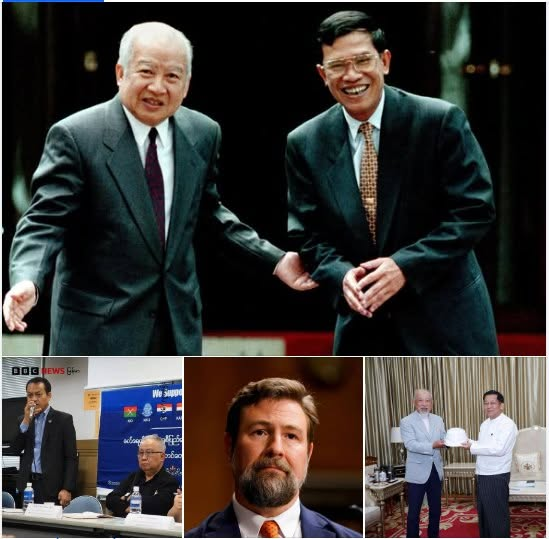
- Elections and Power-Sharing: Following the 1993 elections won by Prince Sihanouk’s FUNCINPEC party, a coalition government was formed with Prince Sihanouk as First Prime Minister and Hun Sen as Second Prime Minister, securing over three decades of subsequent national peace.
3. Comparative Analysis: Cambodia vs. Myanmar
| Comparative Dimension | Cambodian Settlement (1991–1993) | Myanmar Conflict Dynamic (2021–Present) |
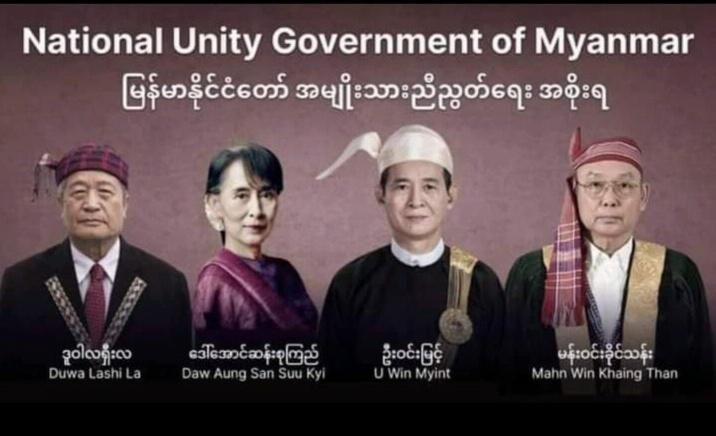
| Main Opposition / Resistance Alliances | Sihanouk-led coalition (FUNCINPEC, Khmer Rouge, KPNLF) | National Unity Government (NUG), Leading Councils like the Supreme Consultative and Executive Council (SCEF), and Ethnic Resistance Organizations (EROs). |
| Northern / Regional Armed Actors | Autonomous factions within the multi-party coalition framework. | The Three Brotherhood Alliance (including the Arakan Army – AA) and associated regional forces. |
| Central Administration | Phnom Penh government (CPP led by Hun Sen). | The State Administration Council (SAC) led by Senior General Min Aung Hlaing. |
| International Guarantors | 19 nations (including the US, USSR/Russia, China, France, UK, Japan, ASEAN members, etc.) signing as witnesses. | Potential multilateral engagement involving ASEAN, the UN, the US, Japan, China, India, and regional partners. |
Key Divergences and Complexities
- Accountability and Transitional Justice: In Cambodia, signatories included factions later subjected to international tribunal scrutiny for past atrocities (such as the Khmer Rouge leadership). In Myanmar, accountability questions involve multiple actors across eras, including historical and current leadership figures.
- The Hun Sen Factor vs. Present Leadership: Hun Sen emerged from the forces that fought against the Khmer Rouge regime, anchoring his domestic legitimacy. Whether current military leadership can muster the political courage, compromise, and public standing required for genuine national reconciliation remains a central question.
4. Myanmar Strategic Peace Roadmap (2025–2030): Version 2.0 Integration
Building upon the earlier framework published on Myanmar Muslim News Network (which I published in Bilingual (English and Burmese), sent by hand to the Malaysian Foreign Minister and his ASEAN representative to Myanmar), an actionable, phased transition requires structured international backing and internal dialogue:
Phase 1: Humanitarian Truce and Confidence-Building (2025)
- Facilitating Powers: Led by Malaysia and ASEAN, backed by the United Nations, with guarantees from China, the United States, the European Union, Japan, India, and institutional partners like Norway, Switzerland, and the OIC.
- Core Measures:
- Immediate cessation of hostilities with designated “Safe Humanitarian Corridors.”
- Deployment of joint ASEAN-UN ceasefire and humanitarian monitoring teams.
- Reciprocal release of political prisoners and detained civilians.
- Convening a Pre-Talks Roundtable (welcoming the NUG, the military administration, EROs, People’s Defense Forces, and minority religious leaders) without pre-conditions of unilateral surrender.
Phase 2: Federal Dialogue and National Convention 2.0 (2026)
- Guiding Principles: Rooted in the spirit of the 1947 Panglong Agreement and foundational federal-democratic principles.
- Core Agenda Items:
- Drafting a new Federal Democratic Constitution enshrining genuine power-sharing.
- Enforcing robust minority rights and anti-discrimination legal frameworks.
- Establishing a Transitional Justice Mechanism to address displacement, refugee repatriation, and community healing.
- Agreeing to a comprehensive nationwide ceasefire during the convention period.
5. Conclusion
While drawing direct parallels between 1990s Cambodia and contemporary Myanmar risks oversimplification—given divergent ground realities, complex stakeholder interests, and the entrenched political economy of military leadership—the Cambodian model underscores a fundamental truth: sustainable peace requires inclusive multilateral architecture, structured security sector transformation, and genuine political courage.
Whether current exploratory talks in Tokyo and diplomatic maneuvers can transcend tactical posturing to achieve historic compromise will depend entirely on whether leadership on all sides prioritizes long-term national survival over narrow institutional preservation.
ကမ္ဘောဒီးယား ငြိမ်းချမ်းရေးပုံစံမှ မြန်မာနိုင်ငံအတွက် မဟာဗျူဟာမြောက် ငြိမ်းချမ်းရေးလမ်းပြမြေပုံသို့
အားလုံးပါဝင်သော အသွင်ကူးပြောင်းရေး အမြင် (Version 2.0)
အမေရိကန်နှင့် ဂျပန်တို့၏ ကြားဝင်ပံ့ပိုးမှုဖြင့် မြန်မာ့ငြိမ်းချမ်းရေး မည်သို့ ဖြစ်ပေါ်လာနိုင်သနည်း
Dr. Ko Ko Gyi @ Abdul Rahman Zafrudin
၁။ နိဒါန်း – မြန်မာနိုင်ငံအတွက် ကမ္ဘောဒီးယားပုံစံကို ပြန်လည်သုံးသပ်ခြင်း
မကြာသေးမီက တိုကျိုမြို့တွင် ကျင်းပခဲ့သည့် အမေရိကန်နှင့် မြန်မာအုပ်ချုပ်ရေးကိုယ်စားလှယ်များ အကြား ဆွေးနွေးပွဲများက နိုင်ငံတကာ ကြားဝင်ညှိနှိုင်းမှု၏ အခွင့်အလမ်းများနှင့် ကန့်သတ်ချက်များအပေါ် ပြန်လည်အာရုံစိုက်လာစေခဲ့သည်။
အမေရိကန်နှင့် ဂျပန်ကဲ့သို့သော အင်အားကြီးနိုင်ငံများ၏ ကြားဝင်ပံ့ပိုးမှုသည် မြန်မာနိုင်ငံတွင် လက်တွေ့ကျသော ငြိမ်းချမ်းရေးတစ်ရပ် တည်ဆောက်နိုင်မနိုင်ကို သုံးသပ်ရာတွင် ၁၉၉၁ ခုနှစ် ကမ္ဘောဒီးယား ပါရီငြိမ်းချမ်းရေး သဘောတူညီချက်များ (Paris Peace Agreements) ကို ပြန်လည်လေ့လာရန် လိုအပ်သည်။
ကမ္ဘောဒီးယားနှင့် မြန်မာနိုင်ငံတို့၏ အခြေအနေများမှာ အခြေခံအားဖြင့် မတူညီမှုများစွာ ရှိသော်လည်း ကမ္ဘောဒီးယား၏ ငြိမ်းချမ်းရေးဖြေရှင်းမှုပုံစံနှင့် ယနေ့မြန်မာနိုင်ငံ၏ အင်အားဗဟိုစုံပါဝင်သော ပဋိပက္ခအခြေအနေတို့ကို နှိုင်းယှဉ်ကြည့်ခြင်းဖြင့် အားလုံးပါဝင်သော နိုင်ငံရေးအသွင်ကူးပြောင်းမှု မည်သို့ဖြစ်ပေါ်လာနိုင်မည်ကို အယူအဆဆိုင်ရာ လမ်းပြမြေပုံတစ်ခုအဖြစ် မြင်တွေ့နိုင်သည်။
၂။ သမိုင်းဆိုင်ရာ အချက်အလက်စစ်ဆေးမှု – ကမ္ဘောဒီးယား ငြိမ်းချမ်းရေးလုပ်ငန်းစဉ် (၁၉၉၁)
၁၉၇၀ ခုနှစ်တွင် အမေရိကန်၏ အထောက်အပံ့ဖြင့် ဗိုလ်ချုပ်ကြီး လွန်နော် (Lon Nol) က မင်းသား နိုရိုဒမ် ဆီဟာနု (Norodom Sihanouk) ကို အာဏာချခဲ့သည့် အာဏာသိမ်းမှုမှ စတင်ခဲ့သော ကမ္ဘောဒီးယား ပြည်တွင်းစစ်သည် နှစ်ပေါင်း ၂၀ ကျော် ကြာမြင့်ပြီးနောက် အောက်ပါ နိုင်ငံတကာ ပူးပေါင်းဆောင်ရွက်မှုပုံစံမှတစ်ဆင့် အဆုံးသတ်နိုင်ခဲ့သည်။
(၁) ပါရီ နိုင်ငံတကာ ညီလာခံ
ဒီမိုကရက်တစ် ကမ်ပူးချီးယား ညွန့်ပေါင်းအစိုးရ (Coalition Government of Democratic Kampuchea) နှင့် ဖနွမ်းပင်အစိုးရ (Hun Sen ဦးဆောင်သော CPP) တို့ကို တစ်နေရာတည်းတွင် ဆွေးနွေးပွဲပြုလုပ်နိုင်အောင် စုစည်းပေးခဲ့သည်။
ဒီမိုကရက်တစ် ကမ်ပူးချီးယား ညွန့်ပေါင်းတွင် မင်းသား ဆီဟာနု ဦးဆောင်သည့် FUNCINPEC၊ ခမာနီ (Khmer Rouge) နှင့် KPNLF တို့ ပါဝင်ခဲ့သည်။
(၂) ကမ္ဘောဒီးယားဆိုင်ရာ ကုလသမဂ္ဂ အသွင်ကူးပြောင်းရေး အုပ်ချုပ်မှုအဖွဲ့ (UNTAC)
ကုလသမဂ္ဂ လုံခြုံရေးကောင်စီ ဆုံးဖြတ်ချက် အမှတ် ၇၄၅ အရ UNTAC ကို ဖွဲ့စည်းခဲ့ပြီး ဝန်ထမ်းနှင့် ငြိမ်းချမ်းရေးထိန်းသိမ်းရေးတပ်ဖွဲ့ဝင် ၂၂,၀၀၀ ကျော်ကို စေလွှတ်ကာ အသွင်ကူးပြောင်းရေးကို ကြီးကြပ်ခဲ့သည်။
(၃) လက်နက်ဖြုတ်သိမ်းခြင်းနှင့် တပ်ဖျက်သိမ်းခြင်း
အင်အားစုအသီးသီး၏ တပ်ဖွဲ့များကို သတ်မှတ်နေရာများတွင် စုစည်းထားပြီး လက်နက်များ ဖြုတ်သိမ်းကာ နိုင်ငံတော်တပ်မတော်တစ်ခုတည်း အဖြစ် ပြန်လည်ဖွဲ့စည်းနိုင်ရန် လမ်းခင်းပေးခဲ့သည်။
(၄) ရွေးကောက်ပွဲနှင့် အာဏာခွဲဝေမှု
၁၉၉၃ ခုနှစ် ရွေးကောက်ပွဲတွင် FUNCINPEC ပါတီ အနိုင်ရပြီးနောက် ညွန့်ပေါင်းအစိုးရ ဖွဲ့စည်းခဲ့သည်။ မင်းသား ဆီဟာနုက ပထမ ဝန်ကြီးချုပ်အဖြစ်လည်းကောင်း၊ Hun Sen က ဒုတိယ ဝန်ကြီးချုပ်အဖြစ်လည်းကောင်း တာဝန်ယူခဲ့ကြပြီး ကမ္ဘောဒီးယားနိုင်ငံအတွက် ဆယ်စုနှစ် သုံးခုကျော် ငြိမ်းချမ်းရေးနှင့် တည်ငြိမ်မှုကို အခြေခံချမှတ်နိုင်ခဲ့သည်။
၃။ နှိုင်းယှဉ်သုံးသပ်ချက် – ကမ္ဘောဒီးယားနှင့် မြန်မာ
အတိုက်အခံနှင့် တော်လှန်ရေး မဟာမိတ်အင်အားစုများ
ကမ္ဘောဒီးယား (၁၉၉၁-၁၉၉၃)
- မင်းသား ဆီဟာနု ဦးဆောင်သော ညွန့်ပေါင်းအဖွဲ့
- FUNCINPEC
- Khmer Rouge
- KPNLF
မြန်မာ (၂၀၂၁ မှ ယနေ့အထိ)
- အမျိုးသားညီညွတ်ရေးအစိုးရ (NUG)
- Supreme Consultative and Executive Council (SCEF) ကဲ့သို့ ဦးဆောင်ကောင်စီများ
- တိုင်းရင်းသားတော်လှန်ရေး အဖွဲ့အစည်းများ (EROs)
မြောက်ပိုင်းနှင့် ဒေသဆိုင်ရာ လက်နက်ကိုင်အင်အားစုများ
ကမ္ဘောဒီးယား
- ညွန့်ပေါင်းမဟာမိတ်အတွင်း ကိုယ်ပိုင်လွတ်လပ်စွာ လှုပ်ရှားသည့် အင်အားစုများ
မြန်မာ
- ညီနောင်မဟာမိတ်သုံးဖွဲ့ (Three Brotherhood Alliance)
- ရက္ခိုင့်တပ်တော် (AA)
- ဒေသဆိုင်ရာ မဟာမိတ်တပ်ဖွဲ့များ
ဗဟိုအုပ်ချုပ်ရေး
ကမ္ဘောဒီးယား
- Hun Sen ဦးဆောင်သော CPP အစိုးရ
မြန်မာ
- ဗိုလ်ချုပ်မှူးကြီး မင်းအောင်လှိုင် ဦးဆောင်သော နိုင်ငံတော်စီမံအုပ်ချုပ်ရေးကောင်စီ (SAC)
နိုင်ငံတကာ အာမခံပံ့ပိုးသူများ
ကမ္ဘောဒီးယား
- အမေရိကန်
- ဆိုဗီယက်ယူနီယံ/ရုရှား
- တရုတ်
- ပြင်သစ်
- ဗြိတိန်
- ဂျပန်
- အာဆီယံအဖွဲ့ဝင်နိုင်ငံများ အပါအဝင် နိုင်ငံ ၁၉ နိုင်ငံ
မြန်မာ
- အာဆီယံ
- ကုလသမဂ္ဂ
- အမေရိကန်
- ဂျပန်
- တရုတ်
- အိန္ဒိယ
- အခြား ဒေသတွင်း မိတ်ဖက်နိုင်ငံများ
ကွဲပြားမှုများနှင့် ပိုမိုရှုပ်ထွေးသော အချက်များ
(၁) တာဝန်ခံမှုနှင့် အသွင်ကူးပြောင်းရေး တရားမျှတမှု
ကမ္ဘောဒီးယားတွင် ငြိမ်းချမ်းရေးသဘောတူညီချက် လက်မှတ်ရေးထိုးခဲ့သော အဖွဲ့အစည်းအချို့သည် နောက်ပိုင်းတွင် အပြည်ပြည်ဆိုင်ရာ ခုံရုံးများ၏ စုံစမ်းစစ်ဆေးမှုနှင့် တရားစီရင်မှုကို ရင်ဆိုင်ခဲ့ရသည်။
မြန်မာနိုင်ငံတွင်မူ တာဝန်ခံမှုဆိုင်ရာ မေးခွန်းများသည် အတိတ်နှင့် ပစ္စုပ္ပန် ခေါင်းဆောင်များ အပါအဝင် ပါဝင်ပတ်သက်သူ အများအပြားနှင့် ဆက်စပ်နေသည်။
(၂) Hun Sen အချက်အလက်နှင့် လက်ရှိ ခေါင်းဆောင်မှု
Hun Sen သည် Khmer Rouge အစိုးရကို ဆန့်ကျင်တိုက်ခိုက်ခဲ့သည့် အင်အားစုများမှ ပေါ်ထွက်လာခဲ့သူဖြစ်သောကြောင့် ပြည်တွင်းနိုင်ငံရေး တရားဝင်မှုကို တည်ဆောက်နိုင်ခဲ့သည်။
လက်ရှိ မြန်မာစစ်ဘက်ခေါင်းဆောင်မှုအနေဖြင့် အမျိုးသားပြန်လည်သင့်မြတ်ရေးအတွက် လိုအပ်သော နိုင်ငံရေးသတ္တိ၊ အလျှော့အတင်းလုပ်နိုင်စွမ်းနှင့် ပြည်သူလူထုထံမှ ယုံကြည်လက်ခံမှုတို့ကို ရရှိနိုင်မည်လားဆိုသည်မှာ အဓိကမေးခွန်းတစ်ရပ်အဖြစ် ဆက်လက်တည်ရှိနေသည်။
၄။ မြန်မာနိုင်ငံအတွက် မဟာဗျူဟာမြောက် ငြိမ်းချမ်းရေးလမ်းပြမြေပုံ (၂၀၂၅-၂၀၃၀)
Version 2.0
Myanmar Muslim News Network တွင် ယခင်က ထုတ်ဝေခဲ့သော လမ်းပြမြေပုံ (အင်္ဂလိပ်-မြန်မာ နှစ်ဘာသာဖြင့် ရေးသားပြီး မလေးရှားနိုင်ငံခြားရေးဝန်ကြီးနှင့် မြန်မာရေးရာ အာဆီယံကိုယ်စားလှယ်ထံ ကိုယ်တိုင်ပေးပို့ခဲ့သော စာတမ်း) ကို အခြေခံ၍ လက်တွေ့ကျသော အသွင်ကူးပြောင်းရေးအတွက် နိုင်ငံတကာ အထောက်အပံ့နှင့် ပြည်တွင်းဆွေးနွေးမှုကို အဆင့်လိုက် တည်ဆောက်ရမည်။
အဆင့် (၁) လူသားချင်းစာနာမှုဆိုင်ရာ အပစ်ရပ်ရေးနှင့် ယုံကြည်မှုတည်ဆောက်ရေး (၂၀၂၅)
ဦးဆောင်ပံ့ပိုးသူများ
- မလေးရှားနှင့် အာဆီယံ
- ကုလသမဂ္ဂ
- တရုတ်
- အမေရိကန်
- ဥရောပသမဂ္ဂ
- ဂျပန်
- အိန္ဒိယ
- နော်ဝေ
- ဆွစ်ဇာလန်
- OIC နှင့် အခြား အဖွဲ့အစည်းများ
အဓိကလုပ်ဆောင်ချက်များ
- သတ်မှတ်ထားသော ‘‘လုံခြုံသော လူသားချင်းစာနာမှု လမ်းကြောင်းများ’’ ဖြင့် တိုက်ခိုက်မှုများ ချက်ချင်းရပ်ဆိုင်းရန်။
- အာဆီယံ-ကုလသမဂ္ဂ ပူးတွဲ အပစ်ရပ်စောင့်ကြည့်ရေးနှင့် လူသားချင်းစာနာမှုဆိုင်ရာ စောင့်ကြည့်ရေးအဖွဲ့များ ဖြန့်ကျက်ရန်။
- နိုင်ငံရေးအကျဉ်းသားများနှင့် ဖမ်းဆီးထိန်းသိမ်းထားသော အရပ်သားများကို နှစ်ဖက်အပြန်အလှန် လွှတ်ပေးရန်။
- NUG၊ စစ်ဘက်အုပ်ချုပ်ရေးအဖွဲ့၊ EROs၊ ပြည်သူ့ကာကွယ်ရေးတပ်ဖွဲ့များ (PDFs) နှင့် ဘာသာရေးလူနည်းစုခေါင်းဆောင်များ ပါဝင်နိုင်သော ကြိုတင်ဆွေးနွေးပွဲ (Pre-Talks Roundtable) ကို တစ်ဖက်ဖက်က လက်နက်ချရမည်ဟူသော ကြိုတင်သတ်မှတ်ချက်မပါဘဲ ကျင်းပရန်။
အဆင့် (၂) ဖက်ဒရယ်ဆွေးနွေးရေးနှင့် အမျိုးသားညီလာခံ 2.0 (၂၀၂၆)
လမ်းညွှန်မူများ
- ၁၉၄၇ ပင်လုံစာချုပ်၏ စိတ်ဓာတ်
- ဖက်ဒရယ်ဒီမိုကရေစီ အခြေခံမူများ
အဓိက ဆွေးနွေးရမည့် အကြောင်းအရာများ
- စစ်မှန်သော အာဏာခွဲဝေမှုကို အာမခံသည့် ဖက်ဒရယ်ဒီမိုကရေစီ ဖွဲ့စည်းပုံအခြေခံဥပဒေသစ် ရေးဆွဲခြင်း။
- လူနည်းစုအခွင့်အရေးများကို အားကောင်းစွာ ကာကွယ်ပေးသော ဥပဒေများနှင့် ခွဲခြားဆက်ဆံမှု တားဆီးရေးမူဘောင်များ တည်ဆောက်ခြင်း။
- ပြည်တွင်းနေရပ်စွန့်ခွာမှုများ၊ ဒုက္ခသည်များ ပြန်လည်နေရာချထားရေးနှင့် လူမှုအသိုက်အဝန်း ပြန်လည်ကုစားရေးတို့ကို ကိုင်တွယ်ဖြေရှင်းရန် အသွင်ကူးပြောင်းရေး တရားမျှတမှု ယန္တရား (Transitional Justice Mechanism) ထူထောင်ခြင်း။
- ညီလာခံကာလတစ်လျှောက် နိုင်ငံတစ်ဝန်း အပစ်အခတ်ရပ်စဲရေးကို သဘောတူညီခြင်း။
၅။ နိဂုံး
၁၉၉၀ ပြည့်လွန်နှစ်များက ကမ္ဘောဒီးယားအခြေအနေနှင့် ယနေ့မြန်မာနိုင်ငံ၏ အခြေအနေကို တိုက်ရိုက်နှိုင်းယှဉ်ခြင်းသည် မြေပြင်အခြေအနေများ၊ သက်ဆိုင်သူများ၏ အကျိုးစီးပွားများနှင့် စစ်တပ်ဗဟိုပြု နိုင်ငံရေးစီးပွားရေးဖွဲ့စည်းပုံများ မတူညီသောကြောင့် အလွန်အကျွံ ရိုးရှင်းသွားနိုင်သည်။
သို့သော် ကမ္ဘောဒီးယား မော်ဒယ်က အခြေခံသင်ခန်းစာတစ်ခုကို ပြသနေသည်။
ရေရှည်တည်တံ့သော ငြိမ်းချမ်းရေးသည် အားလုံးပါဝင်သော နိုင်ငံတကာ ပူးပေါင်းဖွဲ့စည်းမှု၊ စနစ်တကျ လုံခြုံရေးကဏ္ဍ ပြုပြင်ပြောင်းလဲမှုနှင့် စစ်မှန်သော နိုင်ငံရေးသတ္တိတို့ မရှိဘဲ မဖြစ်နိုင်ပါ။
တိုကျိုတွင် စတင်ပေါ်ပေါက်လာသော ဆွေးနွေးမှုများနှင့် သံတမန်ရေးရာ လှုပ်ရှားမှုများသည် သမိုင်းဝင် အလျှော့အတင်းနှင့် သင့်မြတ်မှုသို့ ဦးတည်နိုင်မနိုင် ဆိုသည်မှာ ပါဝင်သည့် အဖွဲ့အစည်းအားလုံးက မိမိတို့၏ အဖွဲ့အစည်းအကျိုးစီးပွားထက် နိုင်ငံ၏ ရေရှည်ရှင်သန်ရေးနှင့် ပြည်သူလူထု၏ အနာဂတ်ကို ဦးစားပေးနိုင်မနိုင် အပေါ် မူတည်နေမည် ဖြစ်သည်။
ရည်ညွှန်းကိုးကားချက်များ
Reference Framework: Myanmar Strategic Peace Roadmap: A Path Toward Inclusive Stability and Reconciliation Version 2.0
အမေရိကန် နဲ့ ဂျပန်က လုပ်ပေးမယ့် မြန်မာ့ ငြိမ်းချမ်းရေး ဘယ်လို ဖြစ်ပေါ်လာနိူင်သလဲ။
အမေရိကန် နဲ့ ဂျပန်က ကမ္ဘာဒီးယား မှာ ဗီယက်နမ်၊ အာဆီယံ တရုတ်နဲ့ အတူလုပ်သွားတာက
၁။ ဘုရင် သီဟာနူ ဦးဆောင်တဲ့ ထိုင်းနယ်စပ်က Khmer Rouge, KPNLF, and PRK မဟာမိတ်တပ်ပေါင်းစု နှင့် ဖနွယ်ပင် မြို့တော်က CPP ပါတီကို ပဲရစ်မှာ ငြိမ်းချမ်းရေး လက်မှတ်ရေးထိုးစေတယ်။
၂။ the United Nations Transitional Authority in Cambodia (UNTAC) ဆိုတာကို စစ်တိုက်နေတဲ့ လက်နက်ကိုင်အဖွဲတွေပေါင်းဖွဲ့ပြီး ကြားဖြတ်အစိုးရဖွဲ့လိုက်တယ်။
၃။ ကုလသမဂ္ဂ လုံခြုံရေးကောင်စီ ဆုံးဖြတ်ချက် resolutiom 745 ဖြင့် ကုလသမဂ္ဂ တပ် အင်အား ၂၂၀၀၀ ကျော် ဝင်ရောက်လာတယ်။
၄။ စစ်ပွဲမှာ ပါဝင်ပက်သက်နေသော လက်နက်ကိုင်တွေရဲွ လက်နက်တွေ ကို ဖြုတ်သိမ်းပြီး နောက် တစ်ခုထဲသာ ကမ္ဘောဒီးယား စစ်တပ်ကို ဖွဲ့စည်းတယ်။
၅။ ရွေးကောက်ပွဲ ကျင်းပြီး ဘုရင် သီဟာနု ရဲ့ FUNCINPEC ပါတီက မဲနိုင်တယ်။ ၁၉၉၂ မတိုင်ခင်က ဖနွယ်ပင်မှာ ရုံးထိုင်တဲ့ အစိုးရလည်းဖြစ်၊ ကုလသမဂ္ဂ က အသိအမှတ်မပြုသော ဟွန်ဆန်က မဲရှူံးတယ်။
၆။ အစိုးရအဖြစ် အာဏာခွဲဝေပြီး သီဟာနု က ပထမဝန်ကြီးချူပ်၊ ဟွန်ဆန်က ပူးတွဲဝန်ကြီးချုပ်ဆိုပြီး ပေါင်း၍ အုပ်ချုပ်ကြတယ်။
ထိုနည်းအားဖြင့် ၁၉၇၀ ခုနစ်မှာ ကမ္ဘောဒီးယား စစ်ဦးစီးချူပ် ဗိုလ်ချုပ်ကြီးလွန်နွိုင် က အမေရိကန် အကူအညီဖြင့် အာဏာသိမ်းမှုကြောင့် စတင်ဖြစ်ပေါ်လာတဲ့ နှစ် ၂၀ ပြည်တွင်းစစ်က ရပ်ဆဲသွားပြီးယနေ့ ဆိုရင် ငြိမ်းချမ်းတာ နှစ်ပေါင်း ၃၀ ကျော်သွားပါပြီ။
မြန်မာပြည်မှာဆို
၁။ အမေရိကန်က ထောက်ခံတဲ့ SCEF ဆိုတဲ့ NUG + တိုင်းရင်းသား လက်နက်ကိုင်တချို့ရှိမယ်။
၂။ AA နဲ့ မြောက်ပိုင်းမဟာမိတ်သုံးဖော်ရှီမယ်။
၃။ နေပြည်တော်ကို အုပ်ချုပ်နေတဲ့ မင်းအောင်လှိုင်ရှိတယ်။
အကယ်၍ AA တို့မြောက်သုံးဖော် နှင့် NUG ရဲ့ SCEF ပေါင်းနိုငိရင် ကမ္ဘောဒီးယားက FUNCINPEC ပုံစံမျိုးဖြစ်လာ၍ FUNCINPEC လို ထိုင်း၊ အမေရိကန်၊ တရုတ်ထောက်ခံတဲ့ အဖွဲ့ မျိုးဖြစ်လာမယ်။
မအလ ရဲ့ ပြည်ခိုင်ဖြိုးက CCP လို ရုရှားနဲ့ ဗီယက်နမ် ထောက်ခံတဲ့ အဖွဲနဲ့ သဏ္ဍာန်တူတယ်။
ဒါကြောင့် ကမ္ဘာဒီးယားမှာ လို အမေရိကန်၊ တရုတ်၊ ရုရှား၊ ဂျပန် ၊ အာဆီယံ က ဦးဆောင်မယ်ဆိုရင်
Australia, Brunei, Democratic Kampuchea, State of Cambodia, Canada, China, France, India, Indonesia, Japan, Laos, Malaysia, Philippines, Singapore, Soviet Union, Thailand, United Kingdom, United States, Vietnam, and Yugoslavia နိုင်ငံတွေ သက်သေအဖြစ်လက်မှတ်ရေးထိုးတဲ့ ၁၉၉၁ ကမ္ဘောဒီးယား ငြိမ်းချမ်းရေး လမ်းစဥ်က မဝေးဘူးဆိုရမယ်။
ဒီမှာ ကမ္ဘောဒိးယားမှာ က Khmer Rouge တွေက လက်မှတ်ရေးထိုးပြီးမှ သူတို့ခေါင်းဆောင်တွေ၏ တချိန်က လုပ်ဆောင်ချက်တွေကို လူသားမျိုးနွယ်အပေါ် ကျူးလွန်တဲ့ ရာဇဝတ်မှုတွေ အဖြစ် UN က တရားရုံးထောင်စစ်ဆေးမှာ ဖြစ်၍ ငြိမ်းချမ်းရေး လုပ်ငန်းစဥ်က ခဏ သွေဖယ်ခဲ့သော်လည်းနောက်ပိုင်းမှာ ပြန်လည်ပူးပေါင်းခဲ့တာ တွေ့ရပါတယ်။
မြန်မာပြည်မှာကတော့ နိုင်ငံတကာ က လူသားမျိူးနွယ်အပေါ် ကျူးလွန်ထားတဲ့ ရာဇဝတ်တွေနဲ့ ပက်သက်၍ တရားစွဲ မည့် သူတွေက သမ္မတ ဦးထင်ကျော်၊ ဒေါ်အောင်ဆန်းစုကြည်၊ လက်ရှိ သမ္မတနဲ့ ကာချုပိ မင်းအောင်လှိုင် ဆိုပြီး တွေ့ရပါတယ်။
ကမ္ဘောဒိးယား နဲ့ မတူတာက ဖနွယ်ပင်က ဟွန်ဆန်က Genocide လုပ်တယ်ဆိုပြီး စွပ်စွဲခံရသူတွေကို တိုက်ထုတ်ခဲ့တဲ့ အဖွဲ့ရဲ့ခေါင်းဆောင်ဖြစ်တယ်။
ဒါဟာ ကမ္ဘောဒီယားနှင့် မြန််မာမတူတဲ့ အချက်ဖြစ်ပါတယ်။
ဒီတော့ အမေရိကန် က တိုက်ရိုက်ပါဝင်ပြီး ဂျပန်မှာ SCEF က သွားလိုက်၊ မင်းအောင်လှိုင် အုပ်စုက သွားလိုက်၊ အမေရိကန် ဝန်ကြီး က ဂျပန်လာလိုက်နှင့် ညှိနေသော မြန်မာငြိမ်းချမ်းရေး ဆွေးနွေးပွဲတွေကတော့ အတော်စိတ်လာတာ တွေ့ရပါတယ်။
ထိုကနေ တဆင့် UN ရဲ့ ဦးဆောင်မှုမှာ စစ်တိုက်နေကြတဲ့ အဖွဲ့တွေ အကုန်လက်မှတ်ရေးထိုးကြမယ်။
NUG ဦးဆောင်သော အတိုက်အခဲ ညွန့်ပေါင်းနဲ့ မင်းအောင်လှိုင်တို့ ပြင်သစ်မှာ ငြိမ်းချမ်းရေး လက်မှတ်ရေးထိုးမယ်။ ဒေါ်ဇင်မာအောင်တို့ နဲ့ မင်းအောင်လှိုင် တို့ ပေါင်းပြီး ကြားဖြတ်အစိုးရဖွဲ့မယ်။
ပြီးရင် နိုင်ငံတကာ ငြိမ်းချမ်းရေး ထိန်းသိမ်းရေးတပ်တွေ ဝင်လာပြီး မြန်မာ့တပ်မတော် နှင့် PDF တွေ၊ တိုင်းရင်းသားလက်နက်ကိုင်တွေကို ဖျက်သိမ်းမယ်။
ဒုတိယကမ္ဘာစစ်ပြီးနောက် မြန်မာပြည်က BDA တပ်ကို ဖျက်သိမ်းပြီး မဟာမိတ်တွေက တိုင်းရင်းသားတပ်တွေ၊ ကွန်မြူနစ်တပ်တွေ၊ အင်္ဂလိပ်ရဲ့ စစ်ရဲတပ်တွေကို ပေါင်းပြီး မြန်မာ့တပ်မတော်ဖွဲ့စည်းပေးသ လို မြန်မာ့ စစ်တပ်အသစ်တစ်ခုပေါ်လာမယ်။
ထို နောက် ရွေးကောက်ပွဲ ကို UN ကြီးကြပ်မှု ဖြင့်လုပ်ပြီး ပြည်သူရွေးသူက အုပ်ချုပ်ကြမယ် ဆိုရင် မြန်မာပြည် အနာဂတ်ဟာ တောက်ပလာမှာဖြစ်ပါတယ်။
သို့သော မင်းအောင်လှိုင်က ဟွန်ဆန်လို နိုင်ငံရှေ့ရေးအတွက် သတ္တိရှိသလား။ ဟွန်ဆန်လောက် လူကြိုက်များရဲ့လား ဆိုတဲ့ အဖြေတွေမှာ မူတည်နေတာဖြစ်၍ စိတ်ကူးယဥ်ဖို့ မသင့် စောသေးတယ်ဟု သုံးသပ်မိပါတယ်။