Adapted and fact-checked by Dr Ko Ko Gyi, from a 2013 Burmese-language post by U Aung Tin. Editorial note: the original was written in 2013; developments since (the 2017 Rohingya crisis, the 2021 coup, the ICJ case) are added where relevant and marked as such.
1. How many “ethnic races” does Myanmar have: 144, 135 or 101?
In 2013, officials repeatedly cited “135 national races” (taingyintha). Shortly before, other officials, including the Election Commission chair, had used the figure 101. Earlier official lists used 144. Three different numbers within a few decades raise an obvious question: where did they come from?
What the record shows
- Pre-colonial and colonial periods. Chronicles from the Konbaung back to the Bagan era name only a handful of major peoples (Burman, Mon, Shan, Rakhine, Chin, Kachin, Karen and others) and occasionally smaller groups. No source before the late 20th century lists 135 “races”. The British censuses did record many ethnic and linguistic categories, and the 1931 census is often linked to the number 135. However, scholars such as Gustaaf Houtman and Mandy Sadan caution that colonial census categories mixed language, tribe, religion and race, and were not the same as the later official list.
- 1970s: the 144 list. The first widely cited official breakdown is the 144 categories used around the 1973 census under the Ne Win government. It included groups later removed, such as Rohingya, Burman Muslims (Pathi), Panthay, Malay (Pashu) and others.
- 1989–1990: the 135 list. After 1988 the military government (SLORC) issued the list of 135 “national races” in 1989–1990. It is not fully clear how it was compiled, and no public consultation took place. Compared with the 144 list, Rohingya and several other Muslim-identified communities were dropped, while some groups previously treated as foreign, such as the Kokang, were added.
- The 101 figure. A figure of 101 circulated around 2010–2013 in statements by officials, including in the context of party registration, when the Zomi National Congress was reportedly told that Zomi was not among the recognised races. We could not find an authoritative published list behind the 101 figure, and its origin remains unexplained.
The numerology claim. The original author notes that 1+4+4, 1+3+5 all equal 9, and suggests that the numbers were chosen for astrological reasons. This is speculation. It is historically true that General Ne Win was devoted to numerology (the 1987 demonetisation into 45- and 90-kyat notes is the best-known example), but no document shows that the ethnic totals were chosen this way.
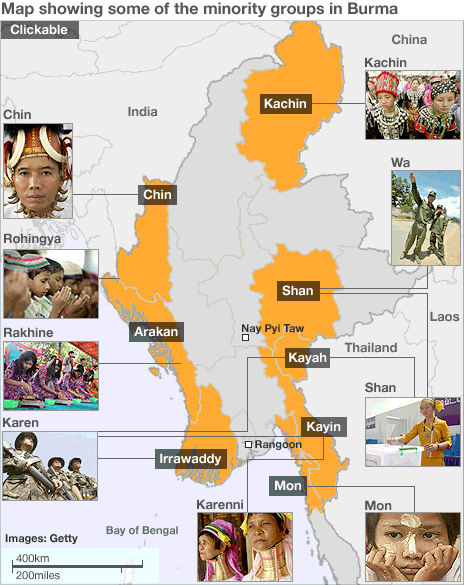
How the 135 are structured. The list groups the peoples into eight “major national ethnic races” with the following sub-counts: Kachin 12, Kayah 9, Kayin (Karen) 11, Chin 53, Bamar 9, Mon 1, Rakhine 7 and Shan 33 (total 135). Many scholars and ethnic representatives have criticised these groupings:
- Several entries are duplicates, alternate names or sub-dialects of the same group (for example, Kayah subgroups such as Zayein, Kayan/Padaung and others, and Kachin subgroups).
- Some groups are placed under a “major race” they do not belong to linguistically or historically (for example, Wa and Palaung under Shan, and Khami and Mro under Rakhine).
- Others, such as Chin communities, are divided into 53 entries with little consultation of the communities themselves.
In March 2013, a federation of seven ethnic parties (the Nationalities Brotherhood Federation) and Shan MP Sai Mo Aung publicly objected to the official presentation, noting overlaps (for example Shan, Shan-gyi and Tai-Leng being the same people) and warning that an inflated count could be used to argue that each group’s rights cannot be addressed separately.
The original author’s own estimate that the real number is around 60 is his personal opinion, not an established figure. No one has produced a rigorous census of distinct groups, and the honest answer is that the number depends entirely on how a group is defined. Linguists count over 100 languages; the government counts 135 “races”; and self-identification often cuts across both.
2. Stop discrimination among the rights of citizens
The author argues that the exact number matters less than ending unequal treatment between citizens. This is consistent with the following legal baseline:
- The 2008 Constitution, Article 347, guarantees equal protection of the law, and Article 348 prohibits discrimination against citizens on grounds of race, birth, religion, official position, status, culture, sex and wealth.
- The 1982 Citizenship Law nevertheless creates three tiers: full citizens (those belonging to a recognised “national race” residing in the country before 1823), associate citizens and naturalised citizens. Because full citizenship depends on belonging to the official list, who is on the list directly decides who has full rights. This is the point scholars such as Nick Cheesman make: the “national race” category has come to override citizenship itself.
- Universal Declaration of Human Rights, Articles 2 and 15, provide for rights without distinction of race or religion and the right to a nationality.
The author’s argument is that a state which keeps a large group in a lower status wastes national resources, produces permanent instability, and hurts everyone: the disadvantaged must struggle against their situation, while those with automatic privileges have less incentive to excel. This is an argument from policy, not a statistic, but it is widely made by political scientists.
He also supports controlling immigration and border security, a legitimate concern for a country bordering large neighbours, and stresses that this has nothing to do with the treatment of people who are already lawful citizens.
3. Stop discrimination based on religion
- The 2008 Constitution (Art. 361) recognises Buddhism’s “special position” as the faith of most citizens, while Art. 362 recognises Islam, Christianity, Hinduism and animism, and Art. 34 guarantees freedom of conscience. In practice, the official list’s removal of Muslim-identified groups (Rohingya, Pathi, Panthay, Malay and others) made religion a factor in recognition.
- Inter-communal violence in 2012 (Rakhine State) and in Meiktila and other towns in 2013 showed how religion and race can be used together. In 2015 Parliament passed four “Protection of Race and Religion” laws (on religious conversion, interfaith marriage, monogamy and population control), which human rights groups say discriminate against women and religious minorities.
- The author’s conclusion is simple: race-based politics driven by religion must stop immediately.
4. Stop the Rohingya atrocities
Background. The Rohingya are a Muslim minority concentrated in northern Rakhine State. They were excluded from the 135 list and, under the 1982 law, were largely rendered stateless. Officials describe them as “Bengali” immigrants; Rohingya and many historians point to long residence in Arakan, and early post-independence governments in the 1950s and the Mayu Frontier Administration (1961–64) treated them as an established community. Some Rohingya were able to vote and sit in parliament until the 1990s.
What happened.
- Large-scale expulsions took place in 1978 and 1991–92 (each sent a few hundred thousand people into Bangladesh).
- The 2012 violence displaced over 100,000, mostly Rohingya, into camps.
- In 2015 many fled by boat, causing the Andaman Sea “boat people” crisis, which affected Thailand, Malaysia and Indonesia (the regional impact the author describes). The Rohingya were also excluded from the 2014 census as a self-identified group and their temporary identity cards were revoked in 2015.
- Update since 2013: In August 2017, military “clearance operations” drove more than 700,000 Rohingya into Bangladesh. Médecins Sans Frontières estimated at least 6,700 deaths in the first month. The UN Independent International Fact-Finding Mission (2018) found evidence of killings, mass rape and arson, and concluded that senior military officials should be investigated for genocide. The Gambia brought a case against Myanmar at the International Court of Justice in 2019; provisional measures were ordered in January 2020 and Myanmar’s preliminary objections were rejected in July 2022. The United States formally determined in March 2022 that the military committed genocide and crimes against humanity.
On the original’s criticism of officials. The author criticises official statements that denied armed incursions in some cases while describing the Rohingya as “terrorist infiltrators” in others, and says the minority’s second-class treatment has made peace and development in Rakhine State impossible. Note that Rakhine Buddhists are the majority in the state, and the claim that Rohingya were the second-largest group before 2017 reflects pre-crisis estimates of around one million, which were never verified by a reliable census.
Conclusion
Whether Myanmar has 144, 135, 101 or some other number of peoples is a question that should be answered by research and by the communities themselves, not decided by decree. What does not change is the principle: equal rights for all citizens, no discrimination on grounds of race or religion, and an end to violence against the Rohingya.
References
- Burma Citizenship Law (1982).
- Constitution of the Republic of the Union of Myanmar (2008), Articles 34, 347, 348, 361, 362.
- Cheesman, N. (2017). “How in Myanmar ‘National Races’ Came to Surpass Citizenship and Exclude Rohingya.” Journal of Contemporary Asia, 47(3).
- Houtman, G. (1999). Mental Culture in Burmese Crisis Politics: Aung San Suu Kyi and the National League for Democracy. ILCAA, Tokyo.
- Callahan, M. (2003). Making Enemies: War and State Building in Burma. Cornell University Press.
- Walton, M. & Hayward, S. (2014). Contesting Buddhist Narratives: Democratization, Nationalism, and Communal Violence in Myanmar. East-West Center.
- Census of India 1931, Vol. XI, Burma.
- UN Human Rights Council, Report of the Independent International Fact-Finding Mission on Myanmar (A/HRC/39/64, 2018).
- International Court of Justice, The Gambia v. Myanmar (order of 23 January 2020; judgment on preliminary objections, 22 July 2022).
- Médecins Sans Frontières (December 2017), mortality survey of Rohingya refugees in Bangladesh.
- UNHCR, Rohingya emergency situation data.
- Universal Declaration of Human Rights (1948), Articles 2 and 15.
Aung Tin updated his status.
တိုင်းရင်းသားတွေကို ဖုတ်စား၊ ပြုတ်စား၊ သုတ်စားကြသူများ (၂၀၁၃)
ခုတလော တိုင်းရင်းသားလူမျိုး (၁၃၅)မျိုးဆိုပြီး ဝန်ကြီးဦးခင်ရီခမျာ ထပ်တလဲလဲ ပြောနေလိုက်ရတာ တတွေး(တံတွေး)တောင် သီးလောက်ပေပြီ။ မကြာသေးခင်က တိုင်းရင်းသားလူမျိုး (၁၀၁)မျိုးဆိုပြီး သူဘဲ အခုလို ထပ်တလဲလဲ မြည်ခဲ့တာကို မေ့သွားရှာပြီနဲ့ တူပါတယ်။ မှတ်ညာဏ်က တိုသကိုး။
ဒီတော့ တိုင်းရင်းသား (၁၃၅)မျိုး ဘယ်ကရသလဲ ဆိုတာကို ဆန်းစစ်ဖို့လိုပါတယ်။ တစ်ကယ်တော့ စစ်အစိုးရတွေက တိုင်းရင်းသားတွေ ဘယ်လို ပြန့်နှံ့နေထိုင် ဝတ်စားကြတယ်၊ အသက်မွေးကြတယ်။ ဘယ်လို ယဉ်ကျေးမှုတွေ၊ ဓလေ့တွေ ရှိကြတယ်။ ဘာကြောင့် တိုင်းရင်းသား (၁၃၅)မျိုးဆိုတဲ့ အရေအတွက်ကို ရခဲ့တယ်ဆိုပြီး တိုင်းရင်းသား ပြည်သူလူထုကို တင်ပြတာမျိုး၊ ညှိနှိုင်းတိုင်ပင်တာမျိုး၊ ဘယ်တုန်းကမှ မရှိခဲ့ဘူး။ ဒါ့အပြင် ဘာကြောင့် ၁၃၅ဆိုတဲ့ ဂဏန်းကိုမှ ရွေးခဲ့တာလဲ ဆိုတာက မေးခွန်းထုတ်စရာ ဖြစ်တယ်။ (၁+၃+၅= ၉)
ဒေါ်စုက မြန်မာပြည်မှာ တိုင်းရင်းသားဆိုပြီး တိတိကျကျ သတ်မှတ်ထားတဲ့ အဓိပ္ပါယ်ဖွင့်ဆိုချက်တွေ မရှိတဲ့အတွက် ရှုပ်ထွေးမှုတွေဖြစ်နေတယ်။ တိကျရှင်းလင်းစွာ သတ်မှတ်မှုတွေ လိုအပ်နေပြီလို့ ဆိုခဲ့တာ ကြာပါပြီ။
တိုင်းရင်းသားပါတီ ခုနစ်ပါတီဖြင့် စုဖွဲ့ထားတဲ့ “ညီနောင် တိုင်းရင်းသားများ ဖက်ဒရေးရှင်း”ကလည်း မြန်မာနိုင်ငံမှာ အဓိက လူမျိူးကြီး ရှစ်မျိုးရှိပြီး မျိုးနွယ်စုပေါင်း (၁၃၅)မျိုးရှိတယ်လို့ အစိုးရက ပြောဆိုနေမှုကို ကန့်ကွက်ကြောင်း၊ ၂၀၁၃ခု မတ်လ(၂-၃)ရက်နေ့က ပြုလုပ်သော နှစ်လတကြိမ် လွှတ်တော် အစည်းအဝေးအပြီးမှာ ကြေညာချက် ထုတ်ပြန်ခဲ့တယ်။
“လွှတ်တော်မှာ လဝကဒုတိယဝန်ကြီး ဦးဝင်းမြင့်က တိုင်းရင်းသား ၁၃၅မျိုး နာမည်တွေ ချပြတယ်၊ နာမည်ထပ်နေတာ တွေ့ရတယ်။ ရှမ်းမှာဆိုလျှင် ရှမ်း၊ရှမ်းကြီး၊ တိုင်းလျမ်တို့ဆို တမျိုးတည်းပဲ၊ တိုင်းရင်းသားမျိုးနွယ်စု ၁၃၅ မျိုးရှိသည်ဟု သုံးနှုန်းခြင်းသည် မျိုးနွယ်စုများလွန်း၍ တစ်မျိုးစီ၏ အခွင့်အရေးအား သီးခြား ဆောင်ရွက်ပေးရန် ခက်ခဲသည်ဟု နိုင်ငံရေးအရ အကြောင်းပြရန် ဖြစ်နိုင်တယ်လို့ ရှမ်းတိုင်းရင်းသားများ ဒီမိုကရက်တစ်ပါတီမှ ပြည်သူ့လွှတ်တော် ကိုယ်စားလှယ် ဦးစိုင်းမိုးအောင်ကလည်း ကန့်ကွက် ထောက်ပြခဲ့ပြီးဖြစ်တယ်။
တိုင်းရင်းသား(၁၃၅)မျိုးကို လက်မခံနိုင်ဘူးဆိုရင် အဲဒီ(၁၃၅)မျိုးကို ရယူခဲ့တဲ့ မူလအခြေခံ တိုင်းရင်းသား (၁၄၄)မျိုးကိုကော ဘယ်လိုသတ်မှတ်ထားခဲ့သလဲ။
ဘာကြောင့် (၁၄၄)ဆိုတဲ့ ဂဏန်းကို ရခဲ့ပြန်တာလဲ။ ဒါကလည်း စိတ်ဝင်စားစရာပါ။ (၁+၄+၄=၉)
တလောတုန်းက ဝန်ကြီးဦးခင်ရီနှင့် ရွေးကောက်ပွဲကော်မရှင် ဥက္ကဌ ဦးတင်အေးတို့ ထပ်တလဲလဲ ရွတ်ခဲ့တဲ့ တိုင်းရင်းသားလူမျိုး (၁၀၁)မျိုးကိုကော အခု ဘယ်နေရာမှာ ချောင်ထိုးလိုက်ပြန်ပလဲလို့ မေးလိုပါတယ်။
ဇိုမီးအမျိုးသား ကွန်ဂရက်ပါတီက ပါတီမှတ်ပုံတင်တော့ ဇိုမီးလူမျိုးဆိုတာ တိုင်းရင်းသားလူမျိုး (၁၀၁)မျိုးထဲမှာ မပါဘူးဆိုပြီး ရွေးကောက်ပွဲ ကော်မရှင်က ပယ်ချတယ်။
ဦးသိန်းစိန်အစိုးရလက်ထက်မှာမှ ကြားဖူးရတဲ့ တိုင်းရင်းသားလူမျိုး(၁၀၁)မျိုးကို ဘယ်သူက ဘယ်တုန်းက ပြည်ထောင်စုလွှတ်တော်ကို ဘေးချိတ်ပြီး တိတ်တိတ်ကြိတ် သတ်မှတ်ခဲ့တာလဲ။ ပြည်သူကို တာဝန်ခံမဲ့ ပွင့်လင်းမြင်သာသော ပြည်သူ့အစိုးရ ဖြစ်တယ်လို့ ဦးသိန်းစိန် အကြိမ်ကြိမ်ဆိုခဲ့တာနဲ့ မဆန့်ကျင်နေဘူးလား။
ဒါဆို တိုင်းရင်းသားလူမျိုး (၁၃၅)မျိုးထဲက (၁၀၁)မျိုးဘဲကျန်အောင် တိုင်းရင်းသား(၃၄)မျိုးကို ဘယ်ချောင်မှာ ဘယ်သူ့အမိန့်နဲ့ လူမသိ သူမသိ သွားသတ်(GENOCIDE)လိုက်ပြီလဲလို့ မေးရပါမယ်။
ဇိုမီးတွေက တင်းခံတော့ ဇိုမီးကို တိုင်းရင်းသားအဖြစ် လက္ခံလိုက်ရတယ်။ ဒါဆို တိုင်းရင်းသား (၁၀၂)မျိုးဖြစ်ရမှာပေါ့။ မဟုတ်ရပါဗျာ။ ဇိုမီးကို တိုင်းရင်းသားအဖြစ် လက္ခံပြီးနောက်ပိုင်းလည်း တိုင်းရင်းသားလူမျိုးက (၁၀၁)မျိုးပါဘဲ။
တိုင်းရင်းသား(၁၀၁)မျိုးထဲက ကံဆိုးသူမောင်ရှင် ဘယ်တိုင်းရင်းသားကို ဖြုတ်ထုတ်သတ် လုပ်လိုက်လဲ မသိပြန်ဘူး။
တော်တော် လက်ယဉ်ကြတယ်နော်။ မူလတိုင်းရင်းသား (၁၄၄)က ထင်ရာမြင်ရာ ခုတ်ဖြတ်ပြီး (၁၃၅) လုပ်တယ်။ နောက် (၁၃၅)ကနေ ဖြုတ်ချင်ရာ ဖြုတ်ပြီး (၁၀၁)မျိုး လုပ်ချလိုက်ပြန်တယ်။ နောက်တစ်ခါ မဖြစ်ချေဘူး ပြန်ထဲ့ပြန်ထဲ့ဆိုပြီး (၁၃၅)ပြန်တိုး လိုက်ပြန်တယ်။ တိုင်းရင်းသားတွေ ရှိစေ၊ ပျောက်စေ၊ ရှင်စေ၊ သေစေ၊ ပြန်ရှင်စေဆိုတဲ့ အခွင့်အာဏာ သူတို့ကို ဘယ်တိုင်းရင်းသား ပြည်သူက အပ်နှင်းထားသလဲ။
ဒီနေရာမှာ ဘာကြောင့် (၁၃၅)ဆိုတဲ့ ဂဏန်းက (၁၀၁)ဆိုတဲ့ ဂဏန်းကို ဗိုလ်ချုပ်တွေ တန်းတန်းစွဲ ကြိုက်သွားပြန်ရတာလဲဆိုတာ မေးခွန်းထုတ်စရာ ဖြစ်ပါတယ်။ ဒါကလည်း တစ်မျိုး စိတ်ဝင်စားစရာပါ။
တစ်ကယ်တော့ သူတို့တွေဟာ တိုင်းရင်းသားတွေ တစ်ကယ်ရှိတာ၊ မရှိတာ၊ တိုင်းရင်းသားဘဝ တိုးတက်တာ မတိုးတက်တာ၊ တရားတာ၊ မတရားတာတွေကို ဘယ်တုန်းကမှ ဂရုမစိုက်ခဲ့ကြဘူး။ သူတို့နားလည်တဲ့ တိုင်းရင်းသားဆိုတာ တစ်နှစ်တစ်ခါ ပြည်ထောင်စုနေ့တွေမှာ တိုင်းရင်းသူချောချောလေးတွေက သူတို့ကို ကပြဖျော်ဖြေတာရယ်၊ ခေါ်ရင်လာ၊ ခိုင်းတာလုပ်၊ ပေးတာယူ၊ ပြန်မပြောနဲ့ရယ်နဲ့၊ သူတို့ရဲ့ တန်းတူညီမျှမှုဆိုတာက ကရင်တစ်ကျပ် ဗမာတစ်ကျပ်၊ ချင်းတစ်ကျပ် ဗမာတစ်ကျပ်၊ မွန်တစ်ကျပ် ဗမာတစ်ကျပ်နဲ့ နောက်ဆုံး တိုင်းရင်းသား အသီးသီးက တစ်ကျပ်စီ ရသွားတဲ့အခါမှာ သူတို့က ခုနှစ်ကျပ်တိတိကို သပိတ်ဝင် အိတ်ဝင် ရသွားတာဘဲဖြစ်တယ်။ ဒါ့ထက် ဘယ်တုန်းကမှ ပို မသိဘူး။
မြန်မာ့သမိုင်းမှာ တိုင်းရင်းသားလူမျိုးစာရင်း မှတ်တမ်းမှတ်ရာ ဘယ်လိုရှိခဲ့သလဲ ဆိုတာကို လေ့လာကြရအောင်။
ကုန်းဘောင်ခေတ်က ပုဂံခေတ်အထိ အဓိကကျတဲ့ လူမျိုးအုပ်စုကြီးတွေဖြစ်တဲ့ မြန်မာ၊ ကရင်၊ ချင်း၊ ရှမ်း၊ ရခိုင်၊ မွန်၊ ကချင်စတဲ့ အမည်တွေသာ မှတ်တမ်းတင်ခံရတာ များပါတယ်။ ဂျွန်း၊ တောင်သူ၊ ပျူ၊ ကဒူး၊ သက်၊ တရုတ်(စိန့်)၊ တရက်(မွန်ဂို)၊ ကုလား၊ ပသီ၊ ပန်းသေး(ပန်းသီ)တို့ကိုလည်း ရံဖန်ရံခါ ဖေါ်ပြခဲ့တယ်။ ဒါလောက်ဘဲ။ ဘယ်တုန်းကမှ တိုင်းရင်းသား (၁၃၅)မျိုးဆိုတာ မရှိခဲ့ဘူး။
အင်္ဂလိပ်ခေတ်မှာ လူမျိုးအမည်အချို့ကို ဖေါ်ပြခဲ့သော်လည်း တိုင်းရင်းသား (၁၃၅)မျိုး ရှိကြောင်းမှတ်တမ်း မရှိဖူးဘူး။ ဒေသိယဘာသာစကားအပါအဝင် ဘာသာစကားပေါင်း (၆၅)မျိုးရှိကြောင်းကို ၁၉၁၁သန်းခေါင်စာရင်းနှင့် တရုပ်နှင့် အိန္ဒိယစကားအပါအဝင် ဘာသာစကား (၁၃၅)မျိုးရှိကြောင်းကို ၁၉၃၁သန်းခေါင်စာရင်းမှာ ဖေါ်ပြခဲ့ဘူးတယ်။
လွတ်လပ်ရေးရပြီး ဖဆပလ၊ ပထစ၊ အိမ်စောင့်အစိုးရ ဘယ်ကာလမှာမှ တိုင်းရင်းသား (၁၃၅)မျိုးဆိုတာ နတ္ထိ မရှိ။ မဆလခေတ်ဦးမှာလည်း ကြားတောင် မကြားဖူးဘူး။
ပထမဆုံး တိုင်းရင်းသားစာရင်းကို မှတ်တမ်းမှတ်ရာနဲ့ တွေ့မိတာက ၁၉၇၂ခု ဒီဇင်္ဘာ(၉)ရက်နေ့ ပြည်ထောင်စု မြန်မာနိုင်ငံတော်၊ ပြည်ထဲရေးနှင့် သာသနာရေး ဦးစီးဌာနက ထုတ်ပြန်တဲ့ တိုင်းရင်းသား (၁၄၄)မျိုး စာရင်းဖြစ်တယ်။ (၁၄၄)ထဲမှာ မြန်မာမွတ်စလင်(ပသီ)၊ ရိုဟင်ဂျာ၊ မြေဒူး၊ ပသျှူး(မလေး)၊ ပန်းသေးတို့ ပါဝင်တယ်။
စဉ်းစားစရာ ကောင်းတာက လူမျိုး(၁၄၄)ကို ၁+၄+၄လုပ်ကြည့်ရင် ၉ ဂဏန်းကို ရခြင်းဘဲ။ လူမျိုး (၁၄၄)မျိုးရှိလို့ ၁၄၄လို့ သတ်မှတ်တာလား။ ကိုးဂဏန်းရအောင် (၁၄၄)မျိုးလို့ သတ်မှတ်ခဲ့တာလား။
နောက်တိုင်းရင်းသား (၁၃၅)မျိုးဆိုတာကို မူလ(၁၄၄)မျိုးထဲမှာ ပါဝင်တဲ့ အစ္စလာမ်သာသနာဝင် တိုင်းရင်းသား အများအပြားကို ဖြုတ်၊ ဖဆပလ၊ မဆလ ခေတ်အဆက်ဆက်က တရုပ်တွေဖြစ်တယ်ဆိုပြီး ဖယ်ထားခဲ့တဲ့ ကိုးကန့်ကို တိုင်းရင်းသားလုပ် အသစ်ဖြည့်ထဲ့ပြီး ဗိုလ်ချုပ်မှူးကြီးစောမောင်က ၁၉၈၉ ဇူလိုင် (၅) သုံးနာရီကြာ မိန့်ခွန်းမှာ မာရှယ်လောနဲ့ ကြေငြာသွားခဲ့တာဖြစ်တယ်။
တိုင်းရင်းသားလူမျိုး (၁၃၅)မျိုးထက် မာရှယ်လောလူမျိုး(၁၃၅)မျိုးလို့သာ ခေါ်သင့်တယ်။ စဉ်းစားစရာ ဖြစ်ရပြန်တာက လူမျိုး(၁၃၅)ကို ၁+၃+၅ ဆိုရင် ၉ ဂဏန်းကို ရနေပြန်ခြင်းဘဲ။
နောက်တခါ တိုင်းရင်းသား (၁၀၁)မျိုးဆိုတာက ဘယ်လိုဂဏန်းမျိုးဖြစ်လို့ တန်းတန်းစွဲ နေကြပြန်သလဲ။
ကမ္ဘာ့နိုင်ငံတွေမှာ ကိုယ့်ပြည်သူတွေ ရေတွက်ရလွယ်အောင် ၁၀တန်၊ ၂၀တန်၊ ၁၀၀တန် ငွေစက္ကူတွေ ထုတ်နေကြပေမဲ့ လူထုဒုက္ခရောက်တာကို ဂရုမစိုက်တဲ့ မြန်မာစစ်အစိုးရ ဗေဒင်ရူး၊ ယတြာရူးတွေက ထူးထူးဆန်းဆန်း ၁၅ကျပ်တန်၊ ၄၅ကျပ်တန်၊ ၉၀ကျပ်တန် ငွေစက္ကူတွေ ထုတ်ခဲ့ကြတယ်။
အခုလည်း တိုင်းရင်းသား တစ်ကယ်ရှိတာ၊ မရှိတာထက် သူတို့ အာဏာသက် ရှည်ရေးအတွက် ကိန်းဂဏန်းကောင်းကောင်းရပြီး ယတြာချေဖို့လောက်သာ အာရုံရှိတဲ့ လူတစ်စုပါ။
ဇိုမီးတွေကို တိုင်းရင်းသား လူမျိုး(၁၀၁)မျိုးထဲမှာ မပါဘူးလို့ လူသိရှင်ကြား ငြင်းခဲ့တယ်။ ဇိုမီးတွေကို တိုင်းရင်းသားအဖြစ် ပြန်လက်ခံပြီးတော့လည်း (၁၀၁)မျိုးဘဲဆိုခဲ့တာကို ကြည့်ခြင်းဖြင့် လူမျိုး (၁၀၁)ပါး ခစားရတဲ့ ထီးဖြူဆောင်း မြန်မာစကြာဝတေးမင်းရူး ရူးနေကြပြန်ပြီ တူပါရဲ့ဗျာ။ တခြား ဘာရောဂါ ရှိအုံးမှာလဲ။
ဦးခင်ရီတို့ အခု ပြောနေတဲ့ ဒီတိုင်းရင်းသား (၁၃၅)မျိုးကိုဘဲ ဘယ်လောက် မှန်သလဲဆိုတာ ဆန်းစစ် ကြည့်ရအောင်။
လူမျိုးအုပ်စုကြီး ရှစ်စု(ဗမာ၊ ကရင်၊ ကချင်၊ ချင်း၊ ရှမ်း၊ ကယား၊ မွန်၊ ရခိုင်)ဆိုတဲ့ အုပ်စုကြီး ရှစ်အုပ်စုလုံး တစ်အုပ်စုမကျန် အကုန်လွဲပါ။ မဆီမဆိုင်တဲ့ လူမျိုးငယ်တွေကို ဗရမ်းဗတာ ပေါင်းထဲ့ ချဲ့ကားထားတာက မြင်မကောင်း ရှုမကောင်းပါဘဲ။
ကချင်အုပ်စုမှာ ကချင်နဲ့ ဂျိန်းဖော အတူတူဘဲကို နှစ်မျိုးခွဲလိုက်တယ်။ ဂေါ်ရီ၊ ခခူ၊ ဒူးလန်းတို့ဟာ ဂျိန်းဖော(ကချင်)ဖြစ်လျှက်နဲ့ ထပ်ခွဲထုတ်ပြန်တယ်။ တစ်ကယ်ဖြစ်သင့်တာက (၆)မျိုးကို (၁၂)မျိုးလုပ်ထားတယ်။
ကယားလူမျိုး (၉)မျိုးမှာ ဇယိမ်း၊ ကယန်း၊ ပဒေါင်၊ ကဲ့ခို၊ ယင်းဘော်ဆိုတာ မျိုးတူ အမည်ကွဲတွေဖြစ်တယ်။ ကယားလူမျိုး (၅)မျိုးရှိမဲ့နေရာမှာ (၉)မျိုးလုပ်ပစ်တယ်။
ကရင်ကိုလည်း ကရင်၊ စကော၊ ပိုး၊ ဘွဲဆိုပြီး ကရင်ကို ကရင်အဖြစ်က ခွဲထုတ်ပြီး (၃)မျိုးဖြစ်ရမှာကို (၁၁)မျိုး လုပ်ပြန်တယ်။
ချင်းလူမျိုးကွဲတွေ သတ်မှတ်ပုံက တာဝန်အမဲ့ဆုံးနှင့်၊ အကျည်းတန်ဆုံးဖြစ်တယ်။ ချင်းလူမျိုး(၅၃၀) မလုပ်ဘဲ (၅၃)မျိုးဘဲလုပ်ခဲ့လို့ သူတို့ကို ကျေးဇူးပြန်တင်ရမလိုပါဘဲ။ ကာယကံရှင် ချင်းတိုင်းရင်းသားတွေကို အချင်းချင်း ပွင့်လင်းစွာ တိုင်ပင်ခွင့်ပြုမယ်ဆိုရင် ချင်းလူမျိုး (၈)မျိုးမှ (၁၀)မျိုးကျော်ကျော်လောက် ဖြစ်သွားနိုင်ပါတယ်။
ဗမာအုပ်စုကို ဗမာဖြစ်တဲ့ ယော၊ ထားဝယ်၊ ဘိတ်ကို အတင်းခွဲထုတ်ပြီး ကိုးနဝင်းကြေတဲ့လူမျိုး ကိုးမျိုး လုပ်ချလိုက်ပြန်ရော။ ငါရှင်ဘုရင် ဘယ်နှစ်ပတ် လှည့် လှည့်ပေါ့။
မွန်ကျတော့ မွန်ခမာအနွယ်ဝင် ဝ၊ ပလောင်တွေကို ရှမ်းအုပ်စုမှာ ထဲ့လိုက်ပြီး မွန်ကို တစ်မျိုးတည်းဖြစ်အောင် လုပ်တယ်။ ကျန်တဲ့လူမျိုးတွေကို မတရားဖောင်းပွခိုင်းပြီး မွန်ကျမှ အထီးကျန်ဖြစ်အောင် ထားချင်ဟန်တူပါရဲ့။
ရခိုင်အုပ်စုထဲမှာ ချင်းတွေဖြစ်တဲ့ ခမွီးနဲ့ မြိုကို နှစ်မျိုးခွဲပြီး ထဲ့ထားတယ်။ ခမွီးနဲ့ မြိုက လူမျိုးတစ်မျိုးတည်းက မျိုးနွယ်ကွဲတွေဖြစ်တယ်။ ရခိုင်အုပ်စုနဲ့ မဆိုင်ပါ။
ရှမ်းတွေကိုလည်း အစိပ်စိပ်အမွှာမွှာ ခွဲခြားဖြစ်တဲ့အပြင် တိဗက်မြန်မာ၊ မွန် ခမာတွေကို ထဲ့ထားတယ်။ ရှမ်းလူမျိုး (၃၃)က (၂၁)မျိုးလောက်ဘဲ တစ်ကယ်ရှိနေနိုင်တယ်။
အသေအချာစိစစ်ရင် တိုင်းရင်းသား (၁၃၅)က လူမျိုး (၆၀)လောက်ဘဲရှိမယ်။
ပါသင့်လျှက် ချန်ထားတဲ့ ဂေါ်ရခါး၊ ပန်းသေး၊ ပသီ(မြန်မာမွတ်စလင်)၊ ရိုဟင်ဂျာ၊ ပသျှူး(မလေး)၊ မြေဒူး စသည်တို့ကို ပေါင်းထဲ့ရင် (၇၀)တောင် ပြည့်မယ် မထင်ပါ။
တိုင်းရင်းသားအဖြစ် သတ်မှတ်ခြင်းနှင့် ရပိုင်ခွင့်ပြသနာတွေကို ဖြေရှင်းဖို့ ပထမခြေလှမ်းအဖြစ် ဦးသိန်းစိန်အစိုးရ အခုကိုင်စွဲကျင့်သုံးနေတဲ့ တိုင်းရင်းသားအဖြစ် သတ်မှတ်ခြင်းနှင့် ပယ်ဖျက်ခြင်း အာဏာကို ပြည်ထောင်စု လွှတ်တော်ကို ချက်ချင်းလွှဲအပ်သင့်ပါတယ်။ ဒီအာဏာမျိုးကို အစိုးရထက် လွှတ်တော်ကသာ ကိုင်တွယ်ကျင့်သုံးသင့်တယ်။
နောက်တဆင့်အနေနဲ့ ဦးသိန်းစိန်အစိုးရက ပါတီစွဲ မရှိဘဲ၊ သမိုင်းအချက်အလက်နှင့် တိုင်းပြည်တည်ငြိမ်၊ တိုးတက်ရေးကို အာရုံထားပြီး ဒီမိုကရေစီနှင့် ကိုယ်ပိုင်ပြဌာန်းခွင့်ကို လက်တွေ့ကျကျ ပေါင်းစပ်နိုင်တဲ့ တိုင်းရင်းသားရေးရာ ညီလာခံတစ်ရပ်ကို စနစ်တကျ အလျှင်အမြန် ကျင်းပပေးခြင်းဖြင့် လမ်းကြောင်းမှန်ပေါ် တက်သင့်တယ်။
ဒီလိုညီလာခံမျိုးကို အဆင့်နှစ်ဆင့်ခွဲပြီး ဖြတ်သန်းဖို့ ပြင်ဆင်ထားသင့်တယ်။
ကာလရှည်ကြာ အဖိနှိပ်ခံနေရတဲ့ တိုင်းရင်းသားတွေရဲ့ မိမိကိုယ်ကို တန်ဖိုးပြန်မြှင့်လိုမှုတွေ (Identity Protection or Reassertion)နှင့် မိမိကိုယ်ကို လုံခြုံမှု၊ ကိုယ်ပိုင်ပြဌာန်းခွင့်တွေ (Security and Self-determination)ကို အဆင့်တစ်ခုထားရှိ ဖြတ်သန်းရေးက ပထမအဆင့်ဖြစ်တယ်။
အဲဒီ ပထမအဆင့်ကို တပ်မတော်နှင့် ဦးသိန်းစိန်အစိုးရက အမျှော်အမြင်ကြီးမှု၊ သဘောထားကြီးမှု၊ သတ္တိရှိမှုဖြင့်သာ ဖြတ်သန်းနိုင်မယ်။ နို့မဟုတ်ရင် တိုင်းပြည်က ဒုံရင်းပြန်ဖြစ်သွားမယ်။ ဘယ်အဆင့်တွေနှင့် ဘယ်လိုဖြတ်ကျော်ရမယ်ဆိုတဲ့ အသေးစိပ်ကို တစ်ဖွဲ့ကောင်း၊ တစ်ဦးတစ်ကောင်း မည်သူမျှ စွမ်းဆောင်နိုင်မှာ မဟုတ်ဘူး။ တိုင်းရင်းသားများ၊ နိုင်ငံရေးအင်အားစုများ၊ တပ်မတော်အားလုံး တန်းတူရည်တူ ပါဝင်ဆွေးနွေး ဆုံးဖြတ်ကြရမှာဖြစ်တယ်။
ပထမအဆင့်ကို ကာလတစ်ခုဖြတ်ကျော်နေစဉ် လုံခြုံမှုတွေ၊ စိတ်ချမှုတွေ၊ ယုံကြည်မှုတွေ ရရှိလာအောင် အားလုံးဝိုင်း ကြိုးစားကြရမယ်။ တရားဥပဒေကလည်း စိုးမိုးလာမယ်ဆိုရင် တိုင်းရင်းသားအခွင့်အရေးနှင့် နိုင်ငံသားအခွင့်အရေးနှစ်ခု တူညီတဲ့ ကာလတစ်ခုကို ရောက်လာမှသာ ခြံစည်းရိုး ခတ်ထားတာတွေ၊ တံခါးတပ်ထားတာတွေ၊ သံသယကြောင့် ဖန်တီးထားတဲ့ အတားအဆီးတွေကို အားလုံးသဘောတူ ဖယ်ထုတ်နိုင်မှာ ဖြစ်တယ်။
တစ်ကယ်တော့ တိုင်းပြည်တပြည်မှာ တိုင်းရင်းသား (၁၄၄)မျိုးဖြစ်ဖြစ်၊ (၁၃၅)မျိုးဖြစ်ဖြစ်၊ (၁၀၁)မျိုးဖြစ်ဖြစ်က အရေးမကြီးပါဘူး။ အရေးကြီးတာက တိုင်းရင်းသား၊ နိုင်ငံသားအချင်းချင်း ခွဲခြားဆက်ဆံမှုတွေ မရှိကြဖို့ဖြစ်တယ်။
တိုင်းပြည်တပြည်မှာ အဆင့်နှိမ့်ခံထားရတဲ့ ကြီးမားသော လူအုပ်စုကြီးတစ်စု တည်ရှိနေခြင်းကို ခွင့်ပြုထားခြင်းကိုက တရားမျှတမှု၊ လွတ်လပ်မှုအတွက် စိန်ခေါ်မှုကြီးဖြစ်နေပါပြီ။ အဖိနှိပ်ခံရသူတွေက ဖိနှိပ်မှုမှ လွတ်မြောက်အောင် ကြိုးစားကြမယ်။ ဖိနှိပ်သူတွေက ဖိနှိပ်ရေးယန္တရား ရှင်သန်နေအောင် မောင်းနှင်နေကြမယ် ဆိုကတည်းက တိုင်းပြည်ရဲ့ အရင်းအမြစ်တွေ၊ အချိန်တွေကို ဖြုံးတီးရာလည်း ကျနေတယ်။ တိုင်းပြည် မတည်ငြိမ်အောင် တမင် ဖန်တီးထားသလိုလည်း ဖြစ်တယ်။
တဖန် အနှိမ်ခံထားရသူတွေက သဘာဝအရ ပိုကြိုးစားဖို့လိုလို့ ပိုကြိုးစားကြတော့ ပိုတော်လာကြတယ်။ အလိုအလျှောက် အပေါ်စီးရနေသူတွေက အခွင့်ထူးခံဖြစ်လာပြီး ကြိုးစားမှု လျှော့လျှဲလာမယ်ဆိုရင် ပိုညံ့လာကြမယ်။ ကျနော်တို့လို ဖူးသစ်စ နိုင်ငံတစ်ခုရဲ့ နိုင်ငံသားတွေအတွက် ဘယ်လိုမှ မကောင်းနိုင်တဲ့ ရေခံမြေခံတွေလည်းဖြစ်တယ်။
လူဦးရေ ထူထပ်တဲ့ နိုင်ငံကြီးတွေကြား ညှပ်နေတဲ့ မြန်မာပြည်ရဲ့ လုံခြုံရေးက အရေးကြီးတယ်ဆိုတာနဲ့ နိုင်ငံခြားသားတွေကို အလွယ်တကူ နိုင်ငံသား မပေးသင့်ဘူး ဆိုတာကို ထောက်ခံပါတယ်။ နယ်စပ်လုံခြုံရေးကို တင်းကြပ်ထားရပါမယ်။ သို့သော် ဒါကြောင့် တရားဝင်ရှိနေတဲ့ နိုင်ငံသားတွေကို မတရား ဖိနှိပ်တာက ဘာမှ မဆိုင်ပါဘူး။
ရိုဟင်ဂျာတွေ မြန်မာပြည်က အခွင့်သင့်တိုင်း ခိုးထွက်နေလို့ ရိုဟင်ဂျာ လှေစီးဒုက္ခသည်(Boat People) ပြသနာက ဒေသဆိုင်ရာ ပြသနာ(Regional Issue)မက သြစတေလျအထိတောင် ရိုက်ခတ်နေလို့ ကမ္ဘာ့ပြသနာ ဖြစ်နေတာလည်း ကြာပါပြီ။
သမ္မတဦးသိန်းစိန်နှင့် လူဝင်မှုဝန်ကြီး ဦးခင်ရီတို့က ခိုးဝင်လာသူဆိုတာ မရှိသလောက် ဖြစ်ပါတယ်လို့ လူသိရှင်ကြား ပြောကြားခဲ့သော်လည်း ခိုးဝင် ဘင်္ဂါလီဆိုပြီး ကျားကျား မီးယပ် မလုပ်ကောင်းပါဘူး။ ဆင်ခြင်သင့်ပြီ။
သမ္မတရုံးညွန်ကြားရေးမှူး ဗိုလ်မှူးဇော်ဌေးက ဘင်္ဂါလီ အကြမ်းဖက် လက်နက်ကိုင်တွေ ကျူးကျော်လာလို့ ကာကွယ်ရမယ် ဆိုပါတယ်။ နယ်စပ်ရေးရာ ပြည်ထောင်စုဝန်ကြီး ဒုဗိုလ်ချုပ်ကြီးသိန်းဌေးက ဘင်္ဂလားဒေ့ရှ်က ဘယ်လက်နက်ကိုင်မှ မဝင်လာဘူးဆိုခဲ့တဲ့ သာဓကကိုလည်း သင်္ခန်းစာ ယူဖို့လိုပါတယ်။
၂၁ရာစုလို ခေတ်မျိုးမှာ ရခိုင်ပြည်နယ်ရဲ့ ဒုတိယ လူဦးရေအများဆုံးဖြစ်တဲ့ ရိုဟင်ဂျာတွေကို အဆင့်နိမ့်ထားပြီး ရခိုင်ပြည်နယ် လုံခြုံရေး၊ တိုးတက်အေး၊ အေးချမ်းရေးကို လုံးဝ မဖေါ်ဆောင်နိုင်ဘူးဆိုတာလောက်ကို ရခိုင်အမျိုးသားတွေ မြင်သင့်ပြီ။ တိုင်းရင်းသားပြသနာကို နောက်မှာခဏထားပြီး နိုင်ငံသားချင်း တန်းတူထား မဆက်ဆံနိုင်ရင် အဖြေ မရှိပါဘူး။
နိဂုံးချုပ်အနေနှင့် ဘာသာရေးကို အခြေခံပြီး လူမျိုးရေးတရား လုပ်နေတာမျိုးကို ချက်ချင်း ရပ်ပစ်ဖို့ တောင်းဆိုပါတယ်။
ဒီနေရာမှာ ဝန်မင်းဦးခင်ရီ ကိုယ်တိုင်က အင်မတန်လိုက်ဖက်တဲ့ ပုံစံ(Perfect Candidate) ဖြစ်နေလို့ ဥပမာဆောင်ချင်ပါတယ်။ နားနဲ့ မနာ၊ ဖဝါးနဲ့ နာပါ ဝန်မင်း။
ဦးခင်ရီဆိုတဲ့ နာမည်ကိုက ဦးစန်းယု၊ ဦးရှုမောင်ကဲ့သို့ မြန်မာတွေ မှဲ့လေ့မှဲ့ထမရှိသော တရုတ်နာမည်ကို မြန်မာသံ ဖလှယ်ယူထားတာဖြစ်တယ်။ ဦးခင်ရီမှာ ကုလားကဲ့သို့သော မဲမှောင်သော အသားအရေနှင့် တရုပ်ကဲ့သို့သော ဗန်ဒါစေ့ မျက်လုံးလည်း ရှိပါတယ်။
တစ်ကယ်လို့ ဦးခင်ရီသာ အစ္စလာမ်ဘာသာ ကိုးကွယ်ရင် ဦးခင်ရီရဲ့ ဘိုးဘေးတွေက မြန်မာပြည်မှာ ၁၈၂၃ခုနှစ် မတိုင်မီကတည်းက နေထိုင်ခဲ့ကြောင်း အထောက်အထား ပြရမှာဖြစ်တယ်။
သန်း(၆၀)သော မြန်မာပြည်သူတွေ ဘယ်သူမှ သက်သေမထူနိုင်တာကို မြန်မာမွတ်စလင်တွေကိုမှ ကွက်ပြီး မရှက်မကြောက် သက်သေထူခိုင်းတာ ဖြစ်တဲ့အတွက် ဦးခင်ရီလည်း သက်သေထူနိုင်မယ် မဟုတ်ပါဘူး။
ဒါဆို ဦးခင်ရီဟာ ဘင်္ဂါလီ+တရုပ်+မြန်မာလူမျိုး ဖြစ်သွားပြီး ဝန်ကြီးရာထူးလည်း ပြုတ်၊ ဗိုလ်ချုပ်လည်း ဘယ်တော့မှ မဖြစ်တော့ဘဲ၊ နေရာတကာမှာ လူတကာ အထင်သေးခံ၊ အစော်ကားခံနေရမှာကို မြင်ယောင်မိပါရဲ့။
မြန်မာပြည်က အစ္စလာမ်ဘာသာဝင်တွေ ခံစားနေရတဲ့ နေ့တဓူဝ ဒုက္ခတွေကို ကိုယ်ချင်းစာနိုင်ဖို့ ခဏလောက်ဖြစ်ဖြစ်၊ စိတ်ကူးထဲမှာဘဲဖြစ်ဖြစ် မွတ်စလင်ဖြစ်ကြည့်ပါလား ဝန်မင်းရယ်။