Here is the complete English translation of the economic post shared by former Union Minister U Tin Naing Thein, followed by supplementary references for MMNN.
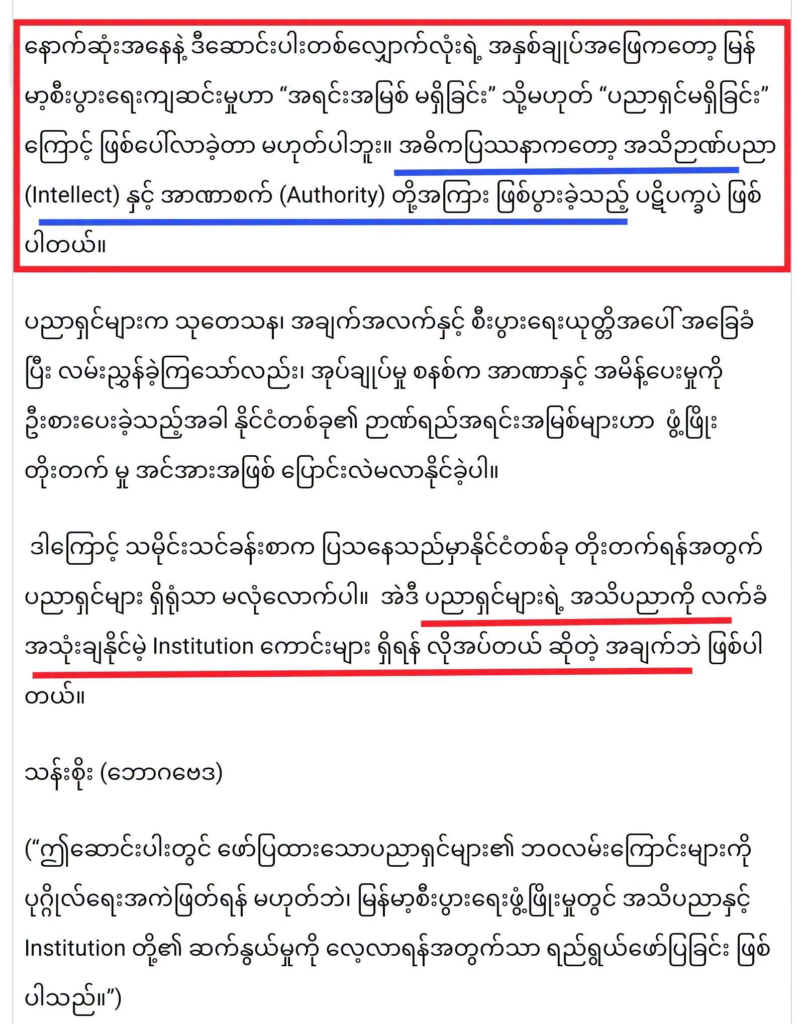
Than Soe (Economics) once noted that Myanmar’s economic decline does not stem from a “lack of resources” or a “dearth of experts.” Rather, the core issue lies in the historical conflict between Intellect (academic expertise) and Authority (policymaking power).
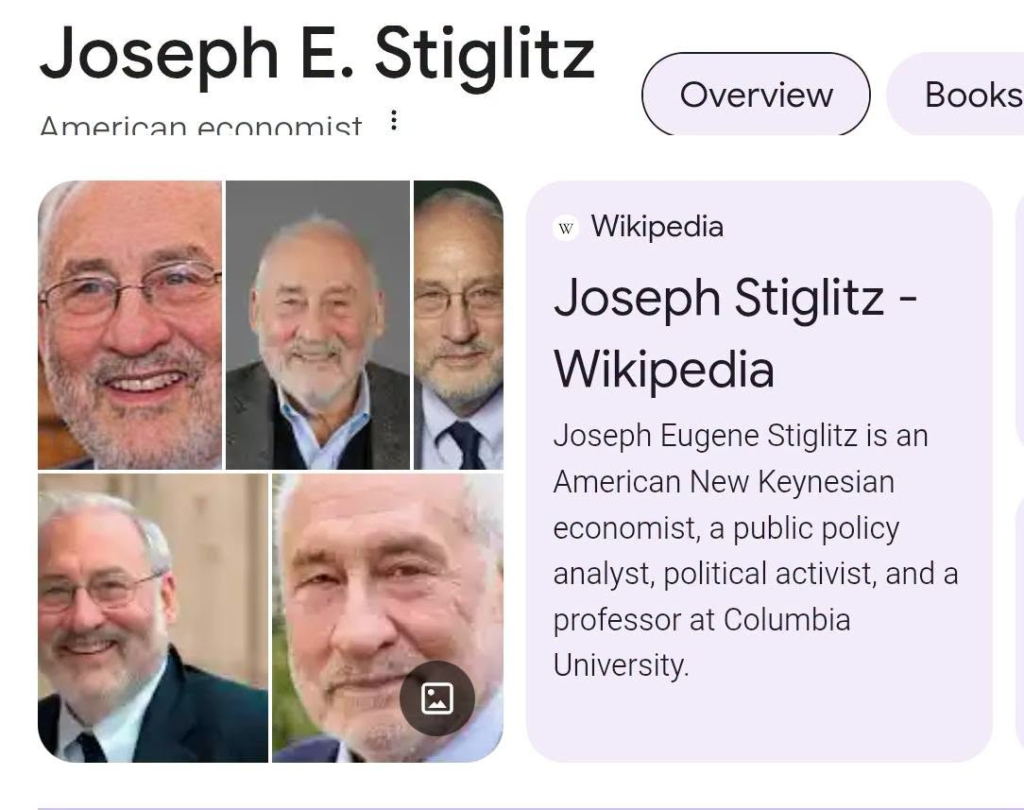
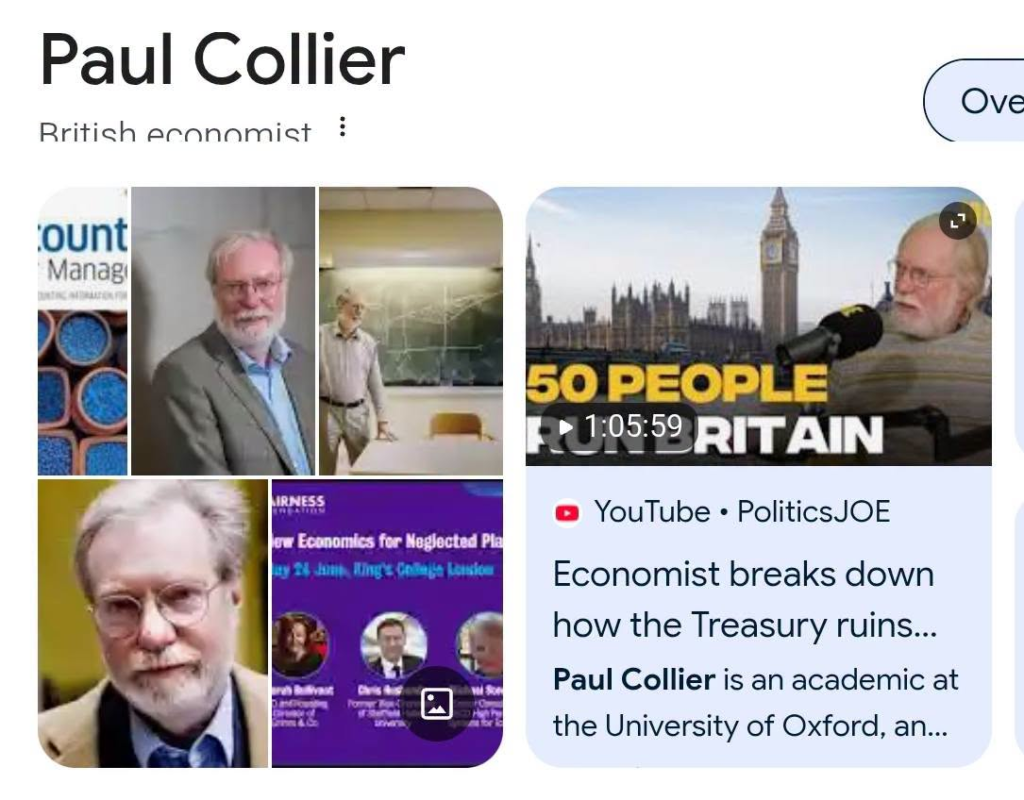
Reading his perspective brought back a vivid memory from 2011. At the time, the Ministry of National Planning and Economic Development was visited by the late prominent Burmese economist Dr. Hla Myint, alongside world-renowned economists Joseph E. Stiglitz and Paul Collier, for high-level consultative discussions. I distinctly recall how Dr. Hla Myint made an immense personal effort to attend in a wheelchair, which stood as a testament to his profound goodwill toward the country.
When I first assumed leadership of the Ministry of National Planning and Economic Development, I looked up at our office signboard and confided in my Head of Office, U Maung Maung Tint (who later became a Minister):
“Formulating plans and projecting progress on paper is not the difficult part. But whenever I ponder how to translate this into actual economic development and genuinely uplift the socio-economic reality of our citizens… my shoulders feel incredibly heavy with the weight of this responsibility.”
The rare opportunity to engage with Dr. Hla Myint and his esteemed colleagues provided the answers I had been searching for. During our private session, I posed just one fundamental question:
“What is your practical advice for cultivating real economic development and improving the socio-economic welfare of our people?”
The response from all three—Dr. Hla Myint, Joseph E. Stiglitz, and Paul Collier—was entirely unanimous:
“We do not offer you a rigidly isolated academic formula. Instead, the most effective strategy is to deeply examine the successful blueprints of regional neighbors alongside the cautionary failures of nations that collapsed. Extract those lessons, adapt them carefully, and implement the best-fitting practices tailored to your country’s unique landscape.”
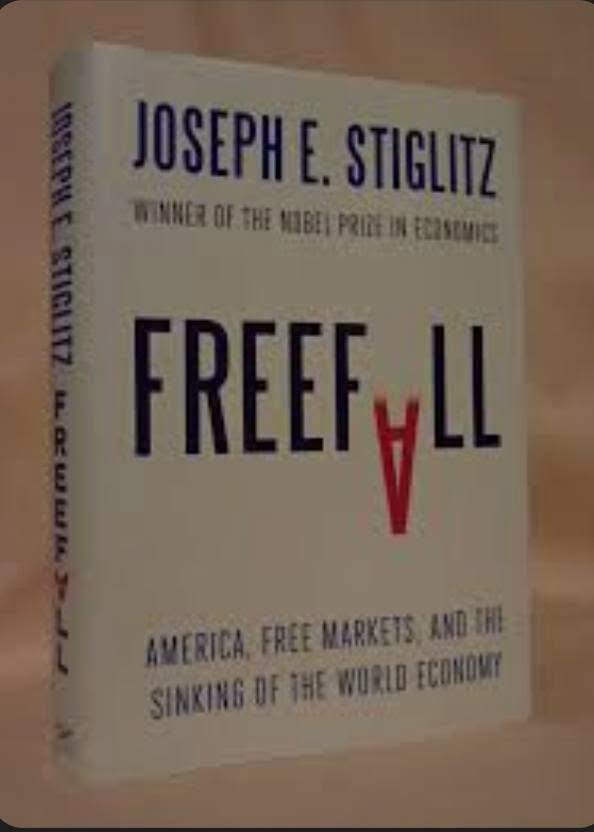
The Nobel laureate Joseph E. Stiglitz graciously gifted me a copy of his book, Freefall, emphasizing that prioritizing tangible socio-economic improvement on the ground is infinitely more critical than chasing superficial GDP growth metrics.
Borrowing the terminology used in Than Soe’s article, I define this encounter as a genuinely “valuable meeting experience between Intellect and Authority.” It profoundly shifted my paradigm, proving that real progress comes from meticulous regional study, expansive reading, rigorous research, and fostering institutional wisdom. For someone like myself, who did not graduate with a formal degree in economics, this guidance was invaluable for both my leadership and the nation. Furthermore, these experts approached the task completely free of geopolitical or ideological biases, offering pure academic insight out of genuine benevolence. To maximize this opportunity, I invited Directors-General from various ministries to the main ministry hall to listen, learn, and engage with them directly.
This experience catalyzed a permanent habit in me to read more, study deeper, and listen more intently. Surrounded by domestic and international economics PhDs, I began evaluating our academic resources and noticed distinct archetypes:
- Those who possessed brilliant theoretical knowledge but lacked any practical implementation skills.
- Those who effortlessly bridged the gap between complex theory and execution.
- Those who simply echoed the views of their superiors (“whatever the boss says is good”) without offering substantive, critical insights.
- Highly qualified economists who merely functioned as passive order-takers.
Navigating these dynamics underscored that Authority (the policymaker) must possess the discernment to choose and utilize Intellect (the expert) correctly if a government hopes to demonstrate viable economic progress in the short term.
A practical example of this occurred when the World Bank and ADB initially assigned young PhD economists to provide technical assistance. Because they lacked first-hand experience in guiding an underdeveloped country through its foundational growth phases, their recommendations leaned heavily on textbook growth models. When we pressed for practical, grassroots structural advice, they struggled to provide it. Consequently, we requested the World Bank to replace them with seasoned, veteran experts who possessed historical, hands-on experience—a request they fulfilled. This reinforced the lesson that policymakers must actively strategize on how to select and deploy intellect.
This reflection is not meant to dismiss the writing of Than Soe (Economics); his core points hold substantial merit. Rather, it serves to synthesize his views with my own lived experiences. By exploring these multi-dimensional perspectives, my hope is to encourage a collaborative, harmonious relationship between Authority and Intellect, driving both sides toward the common goal of national economic prosperity.
(Posted on: June 30, 2026)
Further References & Analytical Context
To provide robust background for MMNN reporting, here is the context behind the figures and concepts mentioned in the post:
1. Key Figures Mentioned
- U Tin Naing Thein: A retired Brigadier General who served as a crucial civilian reformer during President U Thein Sein’s transitional administration. He held portfolios as the Minister for National Planning and Economic Development (2011–2012) and later as the Minister of the President’s Office.
- Dr. Hla Myint (1920–2017): One of Myanmar’s most prestigious academic figures globally. He was a pioneer in development economics, a former professor at the London School of Economics (LSE), and an early advisor to post-independence Myanmar before living abroad for decades. His return in 2011 to advise the reformist government was a landmark event.
- Joseph E. Stiglitz: An American economist, Columbia University professor, and recipient of the 2001 Nobel Memorial Prize in Economic Sciences. He is well-known for his critiques of unfettered free markets and his focus on income inequality and flawed metrics like pure GDP.
- Paul Collier: A prominent British economist and Professor of Economics and Public Policy at the Blavatnik School of Government, Oxford University. He is famous for his work on bottom-tier developing nations, notably authored in his seminal book The Bottom Billion.
2. Literature Reference
- “Freefall: America, Free Markets, and the Sinking of the World Economy” (Joseph Stiglitz, 2010): The book gifted to U Tin Naing Thein. It outlines the structural failures that led to the 2008 global financial crisis and warns developing countries against adopting blind market fundamentalism without establishing strong regulatory foundations and social safety nets.
3. Historical and Institutional Context
- The 2011 Economic Shift: This post highlights the early days of Myanmar’s democratic and economic opening. The Ministry of National Planning and Economic Development was tasked with transitioning the state away from a highly centralized, military-dominated economic model toward a market-oriented economy.
- The World Bank/ADB Dilemma: The author’s critique of “young PhD economists” vs. “veteran practitioners” echoes a common debate in institutional development. It underscores a frequent disconnect between Western-centric academic theory and the messy, highly localized realities of executing policy in transitional states.
အသိဉာဏ်ပညာ (Intellect) နှင့် အာဏာ(Authority) တို့ ၏
တန်ဖိုးရှိသော တွေ့ဆုံမှု အတွေ့အကြုံ
********************************
သန်းစိုး (ဘောဂဗေဒ)က
မြန်မာ့စီးပွားရေးကျဆင်းမှုဟာ
“အရင်းအမြစ် မရှိခြင်း” သို့မဟုတ်
“ပညာရှင်မရှိခြင်း” ကြောင့်
ဖြစ်ပေါ်လာခဲ့တာ မဟုတ်ပါဘူး။
အဓိကပြဿနာကတော့
အသိဉာဏ်ပညာ (Intellect) နှင့်
အာဏာစက် (Authority) တို့အကြား ဖြစ်ပွားခဲ့သည့်
ပဋိပက္ခပဲ ဖြစ်ပါတယ် …ဟူ၍
ရေးသားထားတဲ့ ဆောင်းပါး ကို
ဖတ်ရှုရတဲ့အခါ ,…
၂၀၁၁ ခုနှစ်တွင် စီမံစီးပွား ဝန်ကြီးဌာနသို့
ဆရာကြီး ဒေါက်တာလှမြင့်နှင့်
ကမ္ဘာကျော် စီးပွားရေးပညာရှင် များဖြစ်ကြ သော
Joseph E. Stiglitz , Paul Collier တို့
လာရောက် တွေ့ဆုံ ဆွေးနွေးခဲ့ကြပုံ ကို
ပြန်လည် အမှတ် ရတဲ့အတွက် မျှဝေလ်ိုပါတယ်။
ထိုစဉ်က ဆရာကြီး ဒေါက်တာလှမြင့်ဟာ
Wheelchair နဲ့ ကြိုးစားပြီး တစ်ကူးတစ်ကန့် လာ
ရောက်ခဲ့တာ ဖြစ်လို့ ဆရာကြီး၏ စေတနာ ကို
ခန့်မှန်းမိပါတယ်။
အမျိုးသား စီမံကိန်း နှင့် စီးပွားရေး ဝန်ကြီးဌာန ကို
စတင်တာဝန်ယူချိန်ကတည်းက ရုံးဆိုင်းဘုတ်ကြီးကို
ဖတ်ရှုပြီး …
” စီမံကိန်းဆွဲပြီး စာရွက် ပေါ်မှာ တိုးတက်အာင် လုပ်တာက
မခက်သော်လည်း …နိုင်ငံစီးပွားဖွံ့ဖြိုးဖို့နဲ့ ပြည်သူများ၏
လူမှု စီးပွား လက်တွေ့ တိုးတက် အောင် ဘယ်လို
လုပ်ရပါ့မလဲ …ဟုစဉ်းစားမိတိုင်း
ကျွန် တော် ထမ်းတင်ရမဲ့ အလုပ် ကြောင့်
ပခုံး တွေ လေးလံ နေမိ တယ်ဗျာ …”
ဟူ၍ ရုံးအဖွဲ့မှူး ဦးမောင်မောင်တင့် (နောင် – ဝန်ကြီး )ကို
ပြောပြခဲ့ဖူးပါတယ်။
ဆရာကြီး ဒေါက်တာလှမြင့် တို့အဖွဲ့ လာရောက် တွေ့ဆုံမှု
အခွင့်အလမ်း ကောင်း ကြောင့်
စာရေးသူ၏ တွေးတော စဉ်းစားနေခဲ့ရတဲ့
သိလိုစိတ် ဆန္ဒ များ ပြည့်ဝခဲ့ပါတယ်။
စာရေးသူက ဆရာကြီး ဒေါက်တာလှမြင့် တို့အဖွဲ့ ကို
သီးခြား တွေ့ဆုံချိန်တွင်
စာရေးသူ မေးခဲ့သည့် မေးခွန်း မှာ တစ်ခုတည်းပါ …
” နိုင်ငံစီးပွားဖွံ့ဖြိုးဖို့နဲ့ ပြည်သူများ၏
လူမှု စီးပွား ဖွံ့ဖြိုးဖို့ အတွက် လက်တွေ့ တိုးတက် အောင်
ဘယ်လိုလုပ်ရမလဲ …ဆိုတာ ကို အကြံပြု ပေးကြပါ “
ဟူ၍ ဖြစ်ပါတယ်။
ဆရာကြီး ဒေါက်တာလှမြင့်၊ Joseph E. Stiglitz နှင့်
Paul Collier တို့ သုံးဦးလုံး၏ တစ်ညီတစ်ညွတ်တည်းသော
အကြံပြုချက်ကလည်း တစ်ခုတည်းပါ …
” ကျွန်တော်တို့ အနေနဲ့ စီးပွားရေးပညာရပ်ဆိုင်ရာ
သီးခြားအကြံပြုစရာမရှိသော်လည်း …
အကောင်းဆုံး မှာ ဒေသတွင်းနိုင်ငံများ၏
အောင်မြင် သောသင်ခန်းစာများနှင့်
မအောင်မြင်ဘဲ ကျရှုံးသည့် နိုင်ငံတို့၏
သင်ခန်းစာများကို လေ့လာပြီး
မိမိတို့နိုင်ငံ နှင့် လိုက်လျာညီထွေဆီလျော်မည့်
အကောင်းဆုံး လုပ်ပုံလုပ်နည်း များကို
လေ့လာနမူနာယူ ကြိုးစားဆောင်ရွက်ပါ “
ဟူ၍ ဖြစ်ပါတယ်။
နိုဘယ်ဆုရှင် စီးပွားရေးပညာရှင် Joseph E. Stiglitz က
သူရေး သော Free fall စာအုပ် ကို လက်ဆောင်ပေးပြီး
GDP တိုးတက်မှုထက် လက်တွေ့ လူမှုစီးပွား တိုးတက်ရန်
အရေးကြီး ကြောင်း ပြောပြခဲ့ပါတယ်။
သန်းစိုး (ဘောဂဗေဒ)၏ ဆောင်းပါးအသုံးအနှုန်း ကို
ယူ၍
စာရေးသူ ၏ အတွေ့အကြုံ ရှုထောင့်မှ ပြောရလျှင် …
ဆရာကြီး ဒေါက်တာလှမြင့်၊ Joseph E. Stiglitz နှင့်
Paul Collier တို့ စီးပွားရေးပညာရှင်ကြီးများ နှင့်
တွေ့ဆုံပြီး အကြံပြုချက်များ ရယူခွင့် ရရှိခဲ့ခြင်းအပေါ်
” အသိဉာဏ်ပညာ (Intellect) နှင့် အာဏာ(Authority) တို့ ၏
တန်ဖိုးရှိသော တွေ့ဆုံမှု အတွေ့အကြုံ “ဟု
ဆိုပါရစေ။
အဘယ်ကြောင့်ဆိုသော် …
” နိုင်ငံစီးပွားဖွံ့ဖြိုးဖို့နဲ့ ပြည်သူများ၏
လူမှု စီးပွား ဖွံ့ဖြိုးဖို့ အတွက် လက်တွေ့ တိုးတက် အောင်
လုပ်နည်း ဟာ …ပတ်ဝန်းကျင် နိုင်ငံများ ကို
များများ လေ့လာ…များများ စာဖတ် …သုတေသနလုပ်
ကိုယ်ပိုင် အသိဉာဏ်ပညာ(Wisdom) ရှိအောင် ကြိုးစားလျှင်
အောင်မြင်နိုင် ကြောင်း …
ဉာဏ်အမြင် ကို ပွင့်စေခဲ့ တဲ့အတွက်
မိမိကဲ့သို့ စီးပွားရေးဘွဲ့ရ ပညာရှင် မဟုတ်သူအတွက်သာမက
နိုင်ငံ အတွက် တန်ဖိုးကြီးမားလှပြီး ကျေးဇူးတင်မိပါတယ်။
ထိုအပြင် ထို ပညာရှင်များသည် နိုင်ငံရေးအတွေးအခေါ်
အရောင်ဆိုး မှု (လုံးဝမပါ) …ပညာရပ်အမြင်ကို
စေတနာ ဖြင့် အကြံ ပြု ကြောင်း
သိသာ ထင်ရှား တဲ့အတွက်
ထိုစီးပွားရေးပညာရှင်များ၏ ဟောပြောချက်ကို
ကျန်သောဝန်ကြီး ဌာနများက နားထောင်သိရှိ
မေးမြန်းခွင့်ရှိစေရန် စီမံစီးပွား ဝန်ကြီး ဌာနခန်းမသို့
DG များအားဖိတ်ကြား တွေ့ဆုံ ပေးခဲ့ပါတယ်။
ထို့နောက်ပိုင်း တွင် စာရေးသူ အနေနဲ့
များများ ဖတ် …များများ လေ့လာ …
များများနားထောင် သော
အလေ့ အကျင့် ပို များလာခဲ့ပါတယ်။
စာ ရေးသူ ၏ ပတ်ဝန်းကျင် တွင်
ပြည်တွင်း ပြည်ပ စီးပွားရေး ပါရဂူဘွဲ့ရ
ပညာရှင် များ ရှိသဖြင့်
များများ မေးမြန်း …များများ လေ့လာခွင့် ရရှိခဲ့ရာ —
* အချို့က စာတွေ့သာ ရပြီး ၊လက်တွေ့ အကောင်အထည်
မဖေါ်တတ်သူ၊
* အချို့ က စာတွေ့ လက်တွေ့ ကျွမ်းကျင်ပိုင်နိုင်သူ
* အချို့ က အထက်လူကြီး လုပ်သမျှ ကောင်းပါတယ်
ဟူ၍ Follow လိုက်သာ်လည်း ၊အကြံဉာဏ် ကောင်း
မပေးနိုင်သူ၊
* အချို့က စီးပွား ရေးပညာရှင် ဖြစ်သော်လည်း
အထက်က ခိုင်းတာကို သာ လုပ်တတ်သူ
ဟူ၍ စီးပွားရေးပညာရှင် အမျိုးအစား အမျိုးမျိုးကို
တွေ့ကြုံ ဖူးတဲ့အတွက် …
မူဝါဒချမှတ်သူ / အာဏာ(Authority) က
အသိဉာဏ်ပညာ (Intellect) ကို မှန်ကန်စွာ ရွေးချယ်
အသုံးပြုတတ်မှသာလျှင် …
ကာလတို အတွင်း နိုင်ငံ့ စီးပွား တိုးတက် အောင်
လက်ရည် ပြနိုင်မှာ ..ဖြစ်ပါတယ်။
ထို့အပြင် World Bank, ADP တို့မှ နည်းပညာအကူအညီ
အဖြစ်
ပါရဂူ ဘွဲ့ ရ စီးပွားရေးပညာရှင် လူငယ်လေး များကို
အစကနဦး၌ ပေးခဲ့ရာ …
သူတို့နိုင်ငံ စတင် ဖွံ့ဖြိုးအောင် လုပ်ခဲ့တဲ့ အတွေ့အကြုံမရှိဘဲ
စာတွေ့ အရ တိုးတက်မှု Growth ရမည့် နည်းလမ်းများကို
သာ အကြံပေးတတ်ပြီး ..
အခြေခံ အုတ်မြစ်ကောင်း ချရန် လိုအပ်မည့် လက်တွေ့
လုပ်သင့်သော အကြံဉာဏ် တောင်းရာ …မပေးနိုင်သဖြင့်
အသက်ကြီးပြီး ရှေးမီ နောက်မီ ပါရဂူပညာရှင် များနဲ့
လဲလှယ် စေခဲ့ရာ
World Bank, က လဲလှယ် ပေးခဲ့ပါတယ်။
အသိဉာဏ်ပညာ (Intellect) ကို မှန်ကန်စွာ ရွေးချယ်နိုင်ရန်
မူဝါဒ ချမှတ်သူ /Authority က စဉ်းစားစီမံတတ်ရန်
လိုအပ်ပုံ အတွေ့အကြုံဖြစ်ပါတယ်။
ဤ ဆောင်းပါးသည်
သန်းစိုး (ဘောဂဗေဒ)၏ ဆောင်းပါး ပါ အတွေးအမြင်များကို
မမှန်ဟု ဆိုလိုခြင်း မရှိဘဲ …မှန်ကန်သောအချက်များ
ရှိနေသကဲ့သို့…
စာရေးသူ၏ အတွေ့အကြုံ အမြင် ကို ပေါင်းစပ်လျက်
ဘက်ပေါင်းစုံ ရှုထောင့်အမြင် တို့ဖြင့်
သင်ခန်းစာ ဖေါ်ထုတ်လျက် …
မူဝါဒချမှတ်သူ / အာဏာ(Authority) နှင့်
အသိဉာဏ်ပညာ (Intellect) တို့ က
နိုင်ငံစီးပွား ရေး ဖွံ့ဖြိုးတိုးတက်ရေး ဦးတည် မျှော်မှန်းချက်
စေတနာ ကို ရှေ့ရှုပြီး …
ပူးပေါင်းဆောင်ရွက်နိုင်ရန်
ရေးသားမျှဝေခြင်း ဖြစ်ပါတယ်။
( ၃၀ – ၆ -၂၀၂၆ )