By Dr Ko Ko Gyi MMNN Editorial Desk
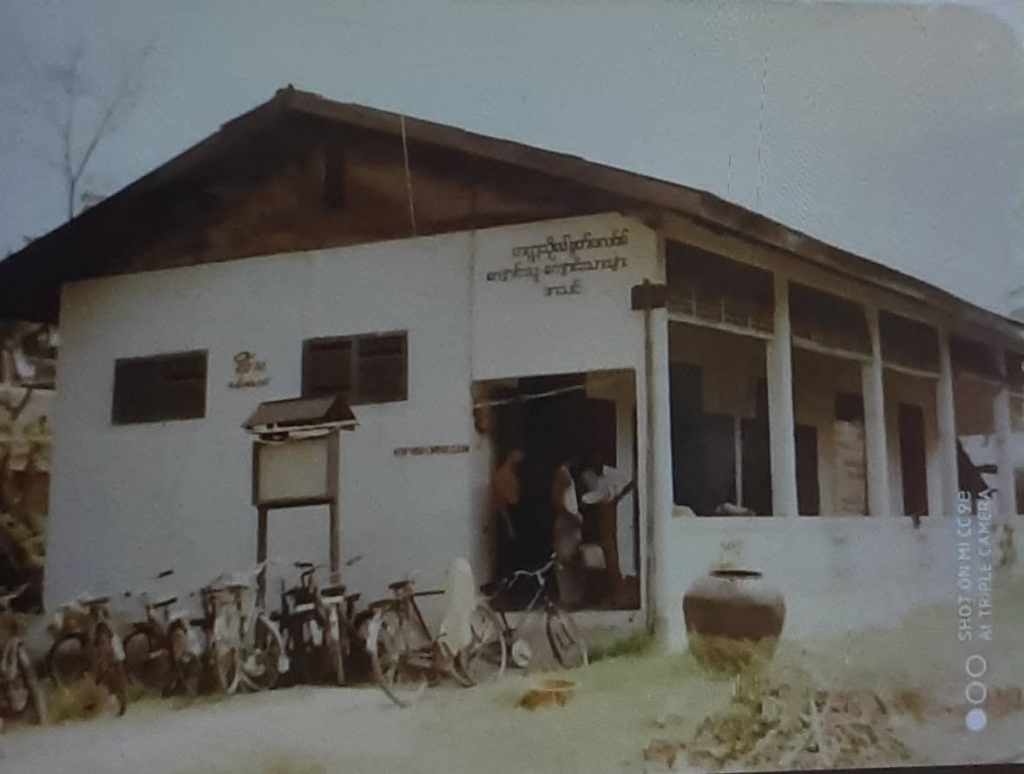
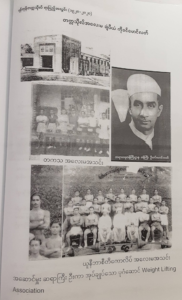
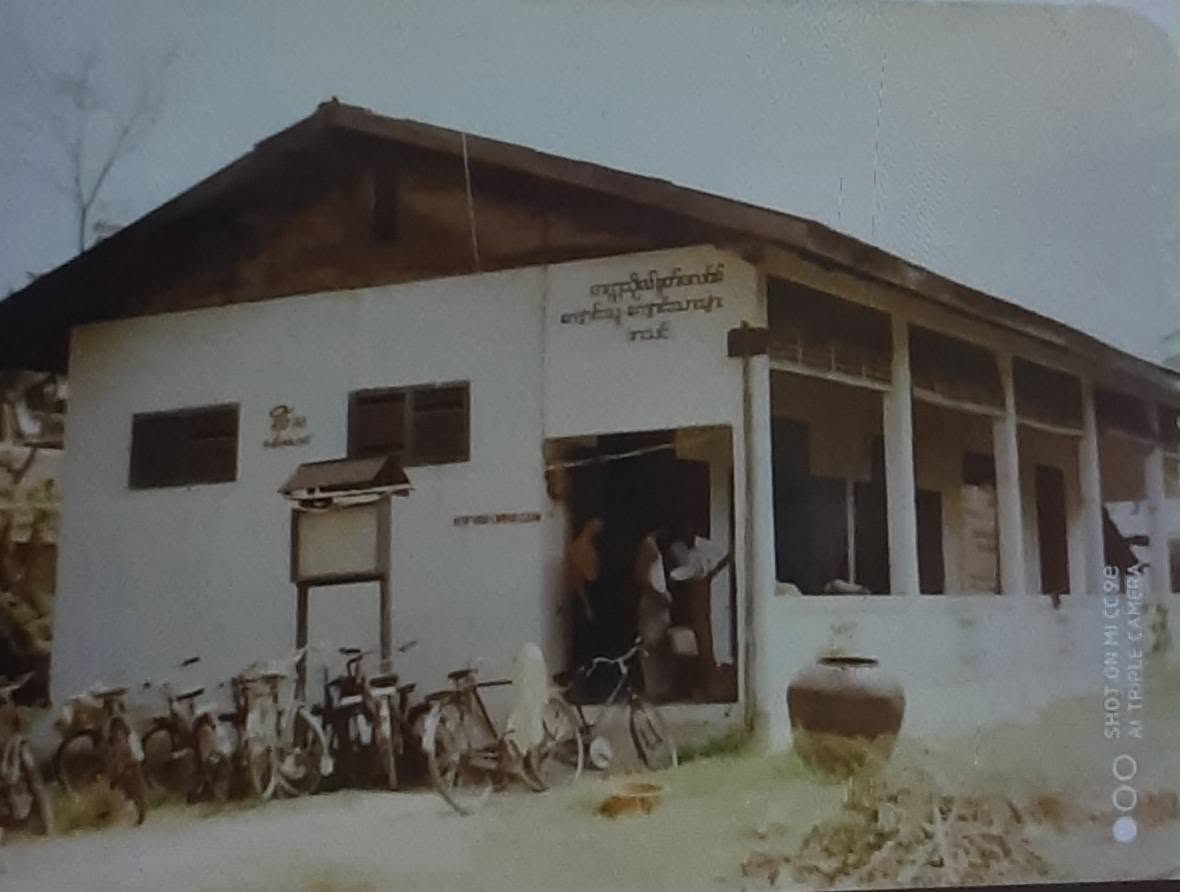
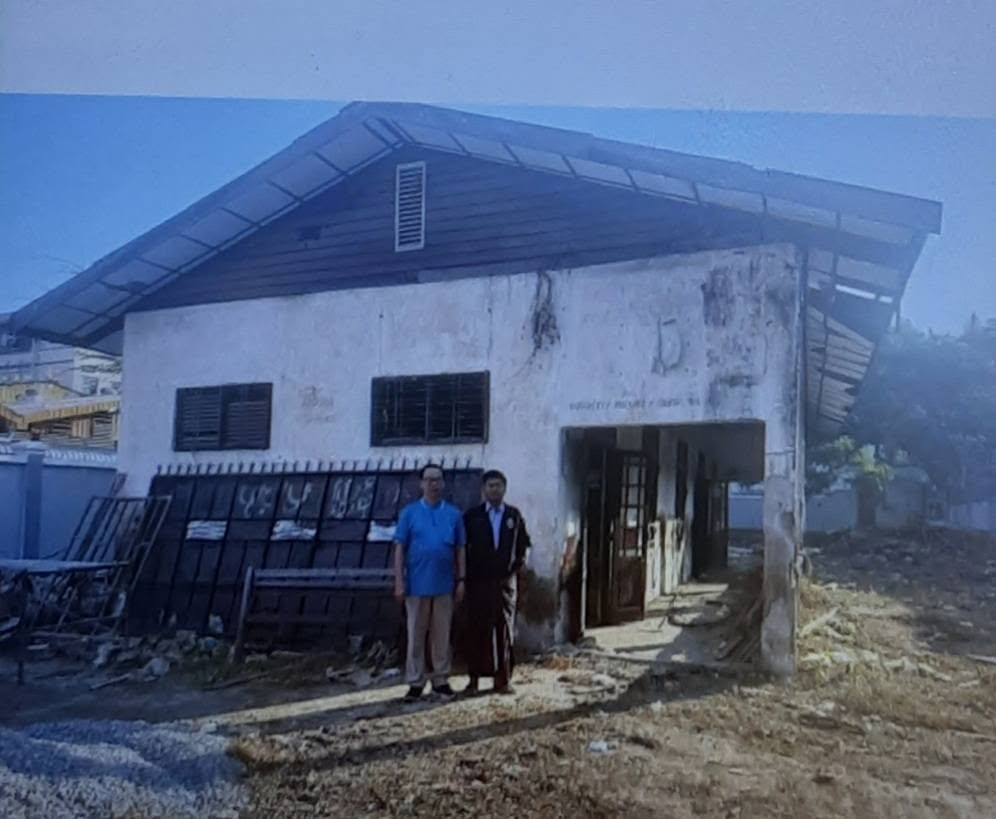
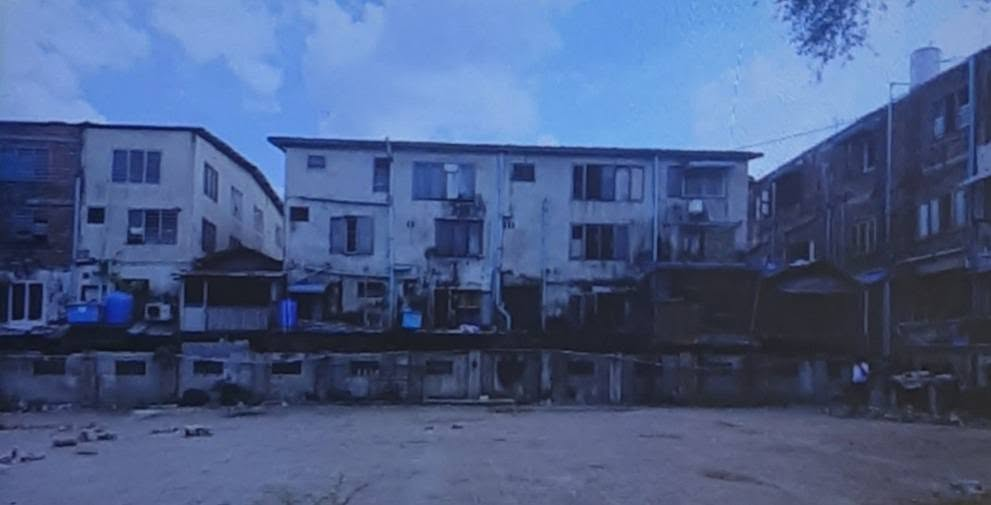
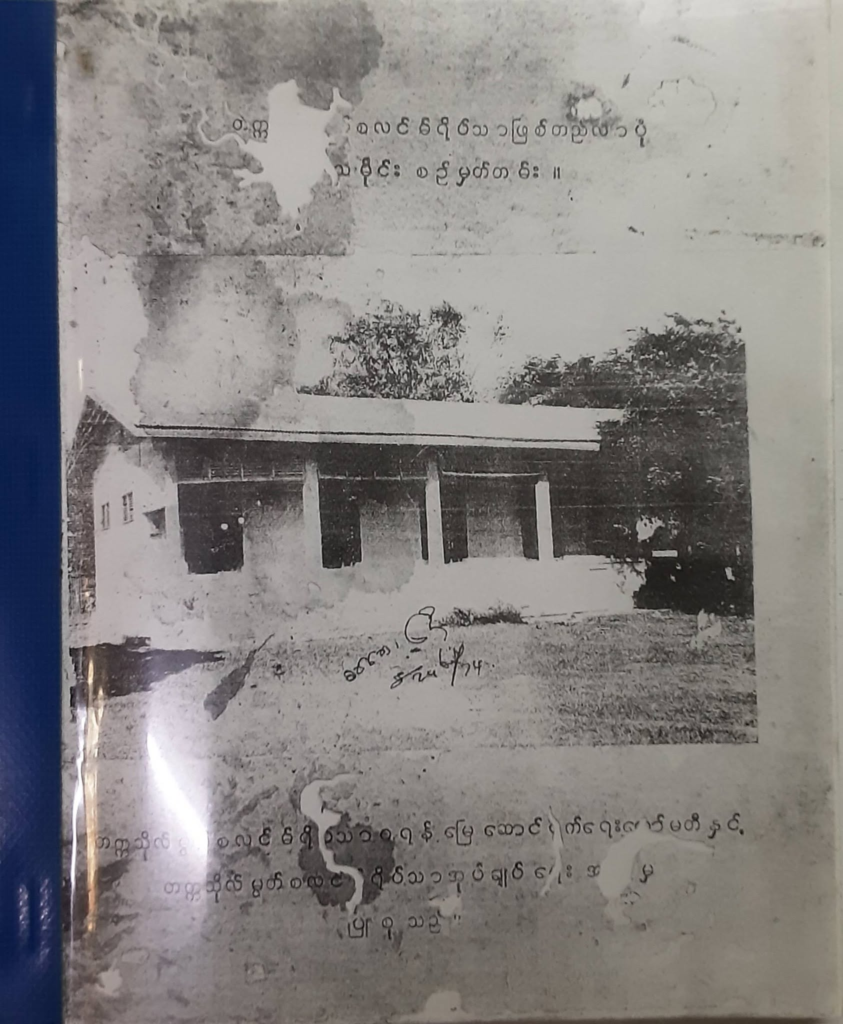
In the heart of Mandalay, near the corner of 39th and 73rd Streets, stands a modest but symbolically powerful institution: the Mandalay University Muslim Students’ Centre. Established in the late 1950s, it became a sanctuary for Muslim students seeking not only shelter but also dignity in an era when minority communities faced persistent challenges to their rights, property, and identity.
Origins in Faith and Community
The hostel was envisioned as a place where Muslim students could gather for religious affairs, nurture social relations, engage in sports, and find temporary accommodation while pursuing higher education. It also aimed to support poor students who struggled financially to continue their studies.
In July 1958, Mandalay’s Muslim elders and the Central Fund Committee raised 8,750 kyats in donations. With this, they purchased land in Maha Nwe Zin Quarter, laying the foundation for what would become a landmark of Muslim student life.
Building Amid Suspicion
The early years were marked by both progress and suspicion. In 1964, while construction was underway, authorities accused the committee of building a mosque rather than a hostel. The chairman firmly denied the claim, underscoring the precarious position of Muslim institutions in a climate of mistrust.
By the mid-1960s, the hostel was formally transferred to the Mandalay Muslim Central Fund Committee, part of a nationwide network with branches in Yangon, Mawlamyine, Meiktila, Bhamo, Taunggyi, Pyinmana, Pyay, and Pathein. This reflected the broader organizational strength of Myanmar’s Muslim community, even as political currents grew increasingly hostile.
The Political Climate: 1950s–1980s
The hostel’s history unfolded against the backdrop of Myanmar’s turbulent politics. The post-independence era of the 1950s saw fragile democracy, but by 1962, General Ne Win’s coup ushered in authoritarian rule under the “Burmese Way to Socialism.”
For minorities, including Muslims, this period was fraught with land disputes, property seizures, and restrictions on religious practice. The hostel itself faced repeated challenges from authorities and non-Muslim groups who sought to undermine its legitimacy. Yet, through perseverance, the community secured grants, built facilities, and maintained its presence.
Festivals, Grants, and Resistance
In 1974, the Muslim Students’ Association organized a grand fundraising festival, demonstrating resilience and solidarity. However, bureaucratic obstacles persisted: applications for land grants were contested, and only in 1976 was a new grant secured. Funds were used to build toilets and dig wells, practical necessities that symbolized survival amid adversity.
By 1981, the hostel’s administration was formally handed to a new Management Committee, composed of doctors, lawyers, and educators. Their leadership ensured continuity, even as Myanmar’s political climate remained repressive.
Legacy of Perseverance
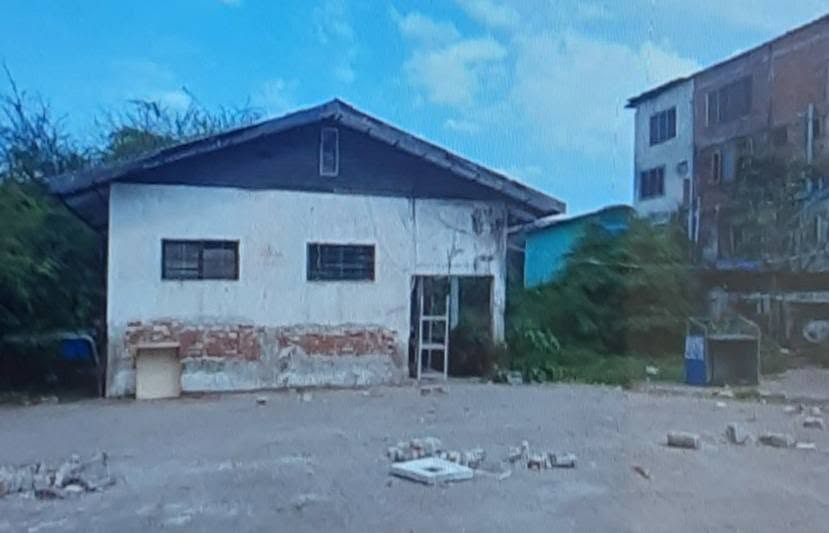
In 1983–84, a constitution was drafted and approved, codifying the hostel’s governance. The committee repaired buildings, planted trees, and organized commemorative ceremonies. Dreams of a library reflected the enduring aspiration for intellectual and cultural growth.
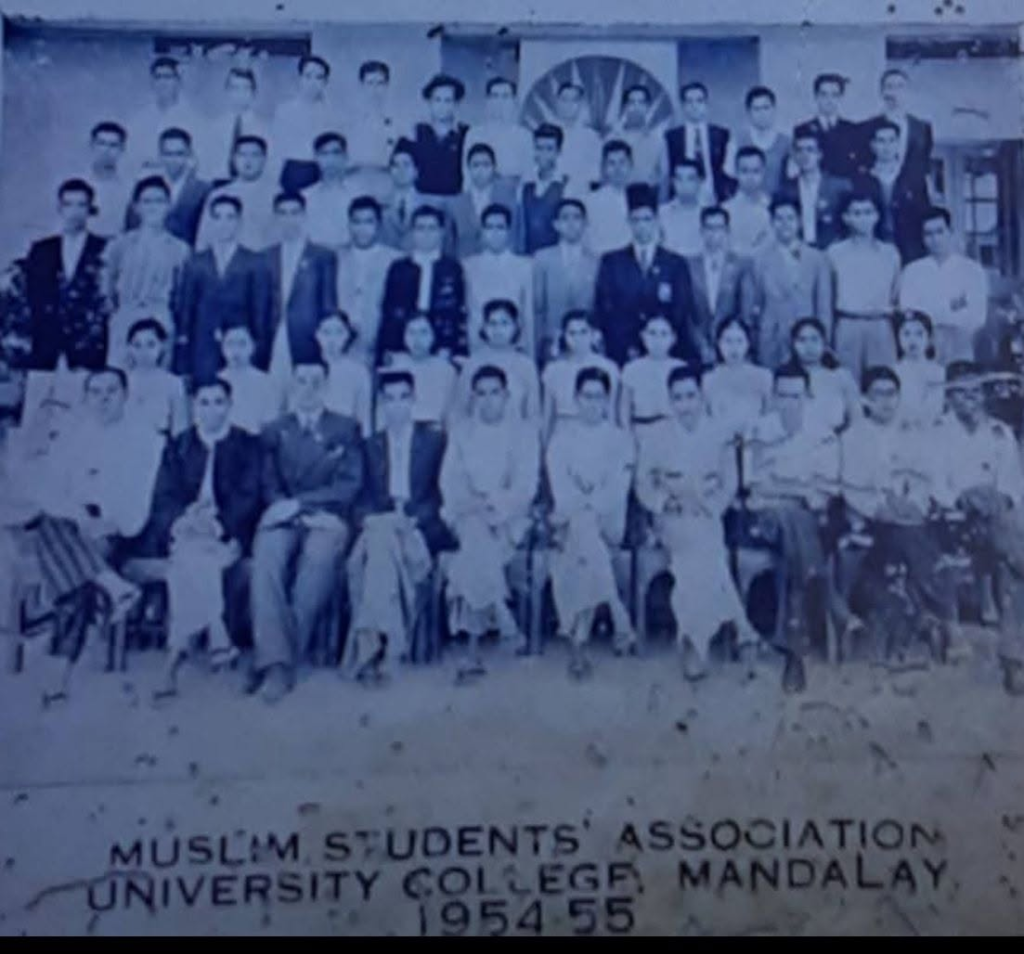
Despite obstacles—such as authorities refusing permits for temporary student stays—the hostel endured. Its survival was a testament to the faith, determination, and solidarity of Mandalay’s Muslim community.
Historical Significance
The Mandalay University Muslim Students’ Hostel is more than a building. It is a symbol of resistance against marginalization, a reminder of how minority communities fought to preserve their rights to education, faith, and community life during decades of authoritarian rule.
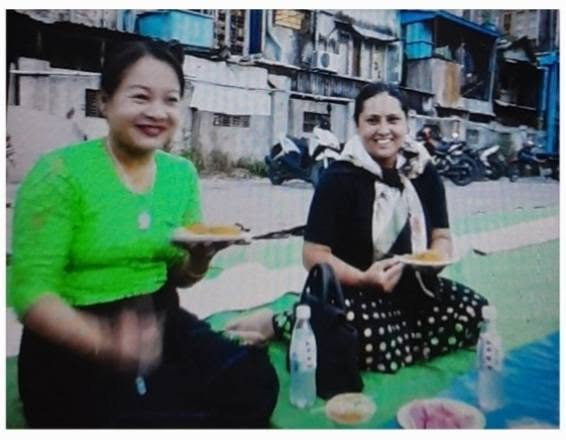
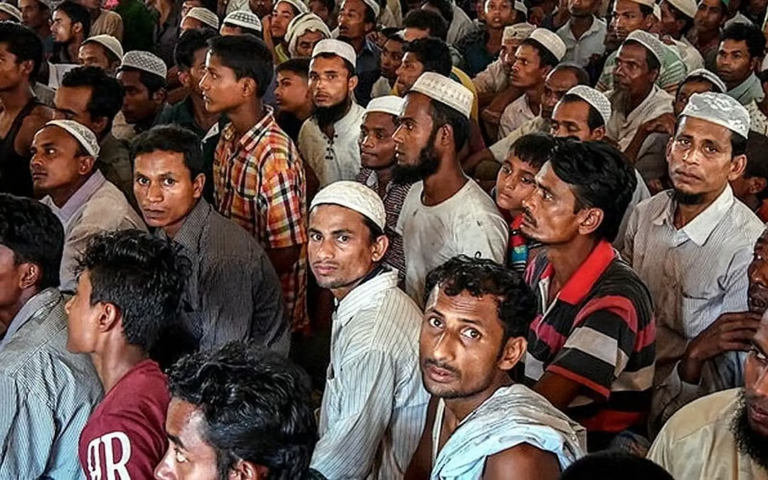
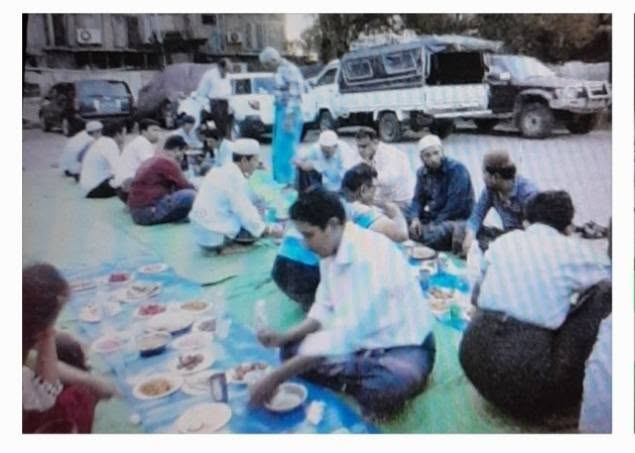
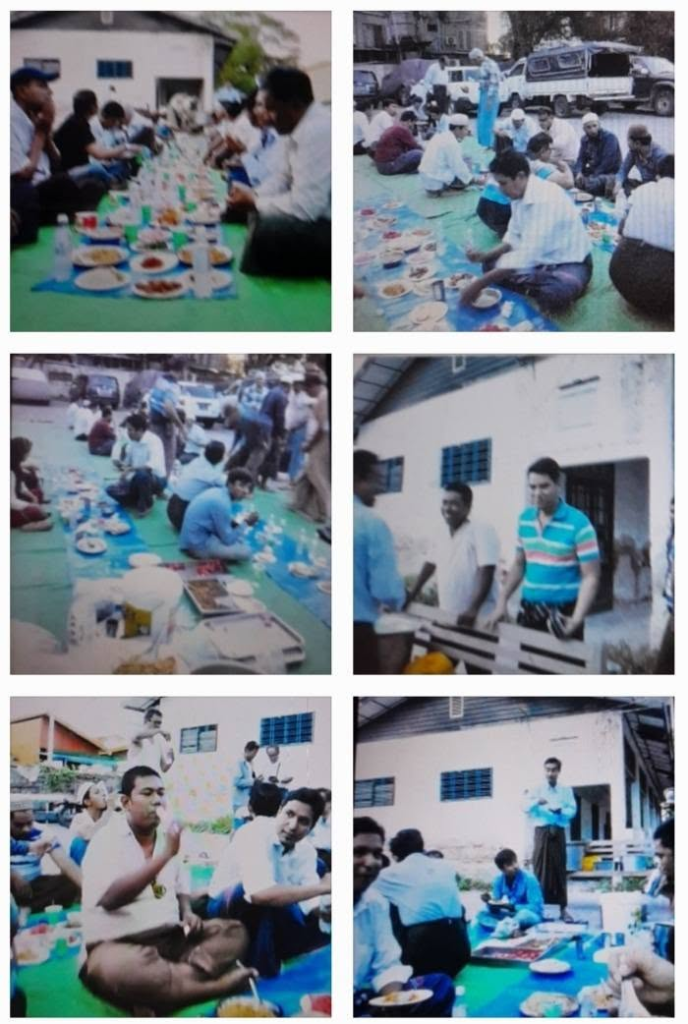
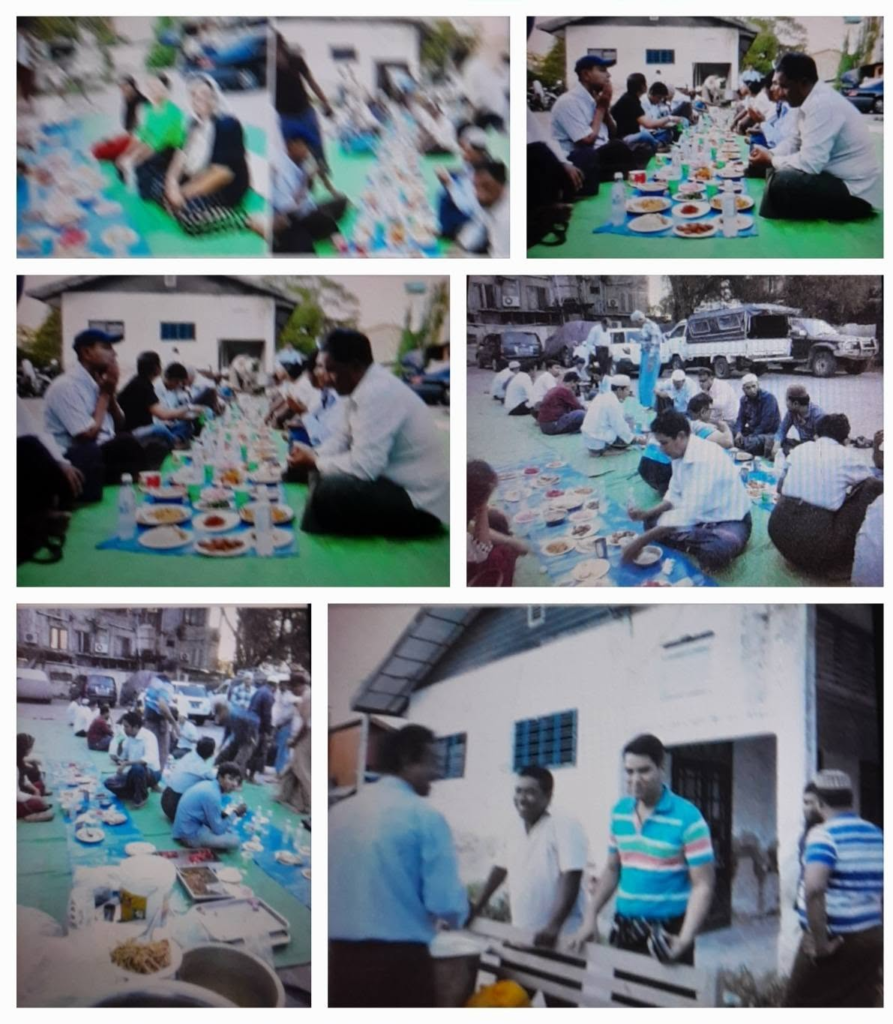
Ramdan (Ramzam) Fasting month’s breaking of FAST Iftar
As Retired Professor Dr. Aung Zaw’s account emphasizes, the hostel’s history is not only about bricks and mortar but about the collective will of teachers, students, elders, and donors who refused to let their identity be erased. Their perseverance remains a source of pride and inspiration.
Editorial Note
This article draws on historical records and testimonies, including evidence provided by Mandalay University graduate Ko Aung Myint Tun, underscoring the hostel’s immense historical value. In the broader narrative of Myanmar’s minorities, the Mandalay Muslim Students’ Hostel stands as a beacon of resilience.
**********************
The Mandalay University Muslim Students’ Hostel is located at the corner of 39th Street and 73rd Street, near Mandalay University. It was established to serve Muslim students of Mandalay University in several ways:
- Religious affairs Matters related to Islam and religious practice.
- Social relations Activities fostering community and interaction among students.
- Sports activities Organizing games and physical development.
- Temporary accommodation For Muslim students arriving from other regions who had not yet secured housing.
- Support for poor students Helping those struggling financially to continue their university education.
Because of these needs, Mandalay’s Muslim elders believed strongly in establishing such a hostel. With their support, interested individuals worked together to create it.
Early Fundraising and Land Purchase
- In July 1958, donations began. Sixteen local elders and the Muslim Central Fund Committee raised a total of 8,750 kyats.
- On 11 July 1958, representatives U Ba Kywe, U Tin Pu, U Ni, and Mr. Issahat purchased plot No. 695 in Maha Nwe Zin Quarter from retired Agriculture Minister U San Maung.
Organization and Administration
- In 1959–60, the Mandalay University Muslim Students’ Hostel Supervisory Committee was formed.
- Chairman: U Tin Pu
- Secretary: Mr. M. Y. Khan
- Treasurer: U Ba Kywe
- On 4 December 1962, U Ba Kywe applied for a 30-year grant. On 25 February 1963, a 10-year grant was approved.
- Government religious support funds of 20,000 kyats were deposited in the People’s Bank on 16 December 1963.
Challenges and Expansion
- In 1964, while constructing the building, accusations arose that a mosque was being built. The District Security and Administration Committee summoned the chairman, who denied the claim.
- Additional committee members were appointed:
- Professor Ali Ahmad
- Lecturer U Ko
- Lecturer Dr. Di
- In 1966, the land and building were transferred to the Mandalay Muslim Central Fund Committee, which was part of a nationwide network with branches in Yangon, Mawlamyine, Meiktila, Bhamo, Taunggyi, Pyinmana, Pyay, and Pathein.
Later Developments
- On 2 January 1969, the land was officially fenced.
- In May 1974, the Muslim Students’ Association held a grand fundraising festival.
- On 11 January 1976, a new grant was obtained, and the old grant committee was dissolved. Remaining funds were used to build two toilets and dig a well.
- On 17 December 1981, the Central Fund Committee handed over administration to the Mandalay University Muslim Students’ Hostel Management Committee.
Hostel Management Committee (1981)
- Chairman: Dr. Zaw Win (M.B.B.S)
- Vice-Chairmen: Hajji Ko Ko Gyi (B.A, B.L), U Tin Win Chit (Chairman of Muslim Students’ Association)
- General Secretary: U Khin Maung Htwe (M.Sc Q)
- Secretaries: U Sein Win (B.Sc), U Khin Maung Lat (B.Sc, H.G.P)
- Treasurer: Dr. U Khin Maung Win (M.B.B.S)
- Auditors: Dr. Bhathu (M.B.B.S), U Tin Shwe (B.A)
- Public Relations: U Tin San (B.Ag)
- Members included U Khin Maung Oo, U Ko Ko Gyi, U Soe Win, Dr. U Khin Soe, and U Khin Maung Myint.
Constitution and Activities
- On 13 June 1983, a draft constitution was prepared and approved on 22 January 1984. It contained 15 articles, from naming to voting procedures.
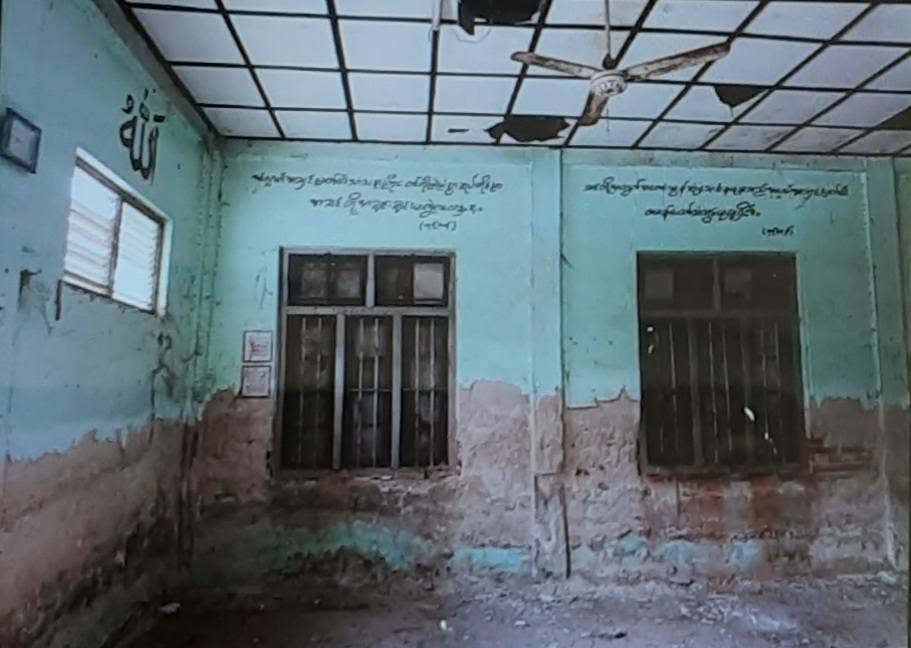
- The committee repaired deteriorating buildings, planted trees for a pleasant environment, and organized commemorative ceremonies.
- They dreamed of establishing a library.
- Poor students faced difficulties because authorities refused to issue guest permits for temporary stays at the hostel.
Legacy
Despite many obstacles, the hostel endured thanks to the dedication, faith, and perseverance of teachers, students, elders, and supporters. Their contributions are deeply appreciated and remain a source of pride.
Evidence provided by Ko Aung Myint Tun, a Mandalay University graduate, confirms the immense historical value of this institution.
Professor DrAung Zaw
တက္ကသိုလ် မွတ်စလင်ရိပ်သာ ၊ မန္တလေး
တက္ကသိုလ် မွတ်စလင်ရိပ်သာသည် ၃၉-လမ်းနှင့် ၇၃-လမ်းထောင့် (မန်းတက္ကသိုလ်အနီး)တွင်တည်ရှိသည်။
မန္တလေးတက္ကသိုလ်မွတ်စလင် ကျောင်းသူကျောင်းသားများအတွက်
(က)ဘာသာ၊သာသနာဆိုင်ရာ ကိစ္စရပ်များ
(ခ)လူမှုရေးနှင့်ပေါင်းသင်းဆက်ဆံရေးဆိုင်ရာ ကိစ္စရပ်များ
(ဂ)အားကစားလုပ်ငန်းများ
(ဃ)မွတ်စလင်ကျောင်းသူကျောင်းသားများနယ်မှရောက်လာပြီး အဆောင်မရသေးမီ ယာယီ
နေရာချထားရန်
(င)ဆင်းရဲနွမ်းပါး၍ တက္ကသိုလ်ပညာ ဆက်လက်ဆည်းပူးရန် အခက်အခဲတွေ့နေသော မွတ်စလင် ကျောင်းသူကျာင်းသားများအား ကူညီ အားပေးရန် မန္တလေးတက္ကသိုလ်အနီးတွင် အများပိုင်မြေနှင့် အဆောက်အဦများမလွဲမသွေလိုအပ်ေနပါသည်။
ဤသည်ကို မန္တလေးမြို့ပေါ်ရှိ မွတ်စလင်လူကြီးမိဘများက ယုံကြည်သဘောပေါက်လာကြပေသည်။ဤယုံကြည်ချက်ကို အဓိကထားလျက် မန္တလေးတက္ကသိုလ် မွတ်စလင် ကျောင်းသူ ကျောင်းသားများ ရိပ်သာ တည် ထောင်ရေးအတွက်စိတ်ဝင်စားသူများကဝိုင်းဝန်းကြိုးပမ်းခဲ့ကြသည်။
၁၉၅၈ ခု၊ဇူလိုင်လ ပထမပတ်တွင် အလှူငွေစတင် ကောက်ခံသည်။မြို့မိမြို့ဖ ၁၆-ဦးနှင့် မွတ်စလင် ဗဟိုရန်ပုံငွေအဖွဲ့ တို့မှ အလှူငွေ စုစုပေါင်း
၈၇၅ဝိ/ကျပ် ကောက်ခံရရှိသည်။
အလှူရှင်များကိုယ်စား ဦးဘကြွယ်၊ဦးတင်ပု၊
ဦးနီ နှင့် မစ္စတာ အစ္စဟတ် တို့က ၁၉၅၈-ခု ၊ဇူလိုင်လ
၁၁-ရက်နေ့တွင် မန္တ လေးမြို့ မဟာနွယ်စဉ်ရပ် အကွက်အမှတ် ၆၉၅ ကို အငြိမ်းစား စိုက်ပျိုးရေးဝန်
ဦးစန်းမောင်ထံမှ စာချုပ်စာတမ်းဖြင့် အပြီးအပိုင်ဝယ်ယူခဲ့ကြသည်။
၁၉၅၉-၆၀ခုနှစ်တွင် မန္တလေးတက္ကသိုလ် မွတ်စလင် ကျောင်းသူ ကျောင်းသားများစောင့်ရှောက် ရေးအဖွဲ့ ကိုဖွဲ့ခဲ့သည်။ဖွဲ့စည်းအုပ်ချုပ်ပုံစည်းမျဉ်း ဥပဒေကိုလည်းရေးဆွဲခဲ့သည်။ဥက္ကဌ ဦးတင်ပု၊အတွင်းရေးမှူး မစ္စတာအမ်ဝိုင်ခန်၊ဘဏ္ဍာရေးမှူး ဦးဘကြွယ်တို့ပါဝင်သည်။
၁၉၆၂-ခု ဒီဇင်ဘာ ၄-ရက်နေ့တွင် အုပ်ချုပ်ရေးအဖွဲ့ကိုယ်စား စည်သူ ဦးဘကြွယ်က နှစ် ၃၀-ဂရန်ထုတ်ပေးရန် သက်ဆိုင်ရာသို့ လျှောက်ထားခဲ့သည်။
လျှောက်ထားချက်အရ ၁၉၆၃ -ခုဖေဖေါ်ဝါရီ ၂၅ ရက်စွဲဖြင့် ၁၀နှစ် ဂရန် ရရှိခဲ့သည်။
အစိုးရသာသနာ့ထောက်ပံ့ကြေးငွေ လက်ခံ သုံးစွဲရေးကော်မတီမှ လက်ခံရသော ငွေနှစ်သောင်းကို ဘဏ္ဍာရေးမှူး ဦးဘကြွယ်က ပြည်သူ့ဘဏ် (၂၆)တွင် ၁၉၆၃-ခု၊ဒီဇင်ဘာ ၁၆ နေ့က အပ်နှံထားသည်။
၁၉၆၄-ခုတွင် ဝယ်ယူထားသောမြေပေါ်၌ လက်ရှိ
အဆောက်အဦကို ဆောက်လုပ်နေစဉ် ဗလီ ဆောက် လုပ်နေသည်ဟု စွပ်စွဲပြီး ညှိနှိုင်းဆွေးနွေးရန်ခရိုင် လုံခြုံရေးနှင့်အုပ်ချုပ်မှုကော်မတီကဆင့်ခေါ် သည်။ဥက္ကဌက ငြင်းဆိုပြန်ကြားသည်။
မူလကော်မတီဝင်များအပြင်၁။ပါမောက္ခ အလီအဟ်မဒ် ၂။ကထိက ဦးကို ၃။ကထိက ဒေါက်တာဒီတို့ကိုဖြည့်စွက် အမှုဆောင်များအဖြစ် ခန့်အပ်ခဲ့သည်။
၁၉၆၆-ခုတွင် ရိပ်သာမြေနှင့် အဆောက်အဦကို
မွတ်စလင်ဗဟို ရန်ပုံငွေအဖွဲ့၊မန္တ လေးသို့ လွဲပြောင်းပေးအပ်ခဲ့သည်။ထိုကာလ ရန်ကုန် မွတ်စလင် ဗဟိုရန်ပုံငွေအဖွဲ့ဌာနချုပ်တွင် ဝန်ကြီး ဦးရာရှစ်က အဖွဲ့ဝင်ဖြစ်သည်။အဆိုပါအဖွဲ့သည် မန္တလေး၊မော်လမြိုင်၊ မေမြို့၊ဗန်းမော်၊တောင်ကြီး၊ပျဉ်းမနား၊ပြည်၊နှင့်ပုသိမ်
မြို့များတွင် အဖွဲ့ခွဲများရှိနေသည်။
၂၊၁၊၁၉၆၉ နေ့တွင် ရိပ်သာမြေကို ဝင်းအခိုင်အမာ ဝင်းခတ်ခဲ့သည်။၁၉၇၄- မေလတွင် တက္ကသိုလ်မွတ်စလင်ကျောင်းသူကျောင်းသားများအသင်း ငွေရတုသဘင် အခမ်းအနားကို စည်ကားသိုက်မြိုက်စွာကျင်းပခဲ့သည်။
ထိုအတောအတွင်း မဟာနွယ်စဥ်ပြည်သူ့ကောင်စီက မိမိတို့အားဂရန်ထုတ်ပေးရန် လျှောက်ထားခြင်းကို ကန့်ကွက်ရပြန်သည်။၁၁၊၁၊၁၉၇၆ နေ့တွင် ဂရန််အသစ်ရရှိပြီးဖြစ်သဖြင့် ဂရန်မြေကိစ္စဆောင်ရွက်ရေးကော်မတီကို ဖျက်သိမ်းခဲ့သည်။ငွေရတုသဘင်မှလက်ကျန်ငွေဖြင့် ရေလောင်းအိမ်သာ ၂-လုံးနှင့်အလှူရှင်များဦးစီး၍ရေတွင်းတူးပေးခဲ့သည်။
၁၇၊၁၂၊၁၉၈၁ ဗဟိုရန်ပုံငွေအဖွဲ့၏ စည်းဝေးဆုံးဖြတ်ချက်အရ မန္တလေးတက္ကသိုလ်မွတ်စလင်ရိပ်သာအုပ်ချုပ်ရေးအဖွဲ့ ဖွဲ့စည်းပြီး ရိပ်သာကို လွှဲ ပြောင်းပေးအပ်သည်။
တက္ကသိုလ်မွတ်စလင် ရိပ်သာအုပ်ချုပ်ရေးအဖွဲ့
အမှုဆောင်စာရင်း
*ဥက္ကဌ-ဒေါက်တာဇော်ဝင်းM.B.B.S
*ဒုတိယဥက္ကဌ-ဟာဂျီ ကိုကိုကြီး B.A,B.L
*ဒုတိယဥက္ကဌ-ဆရာ ဦးတင်ဝင်းချစ်(တက္ကသိုလ် မွတ်စလင်အသင်းဥက္ကဌ) *အထွေထွေအတွင်းရေးမှူး-ဦးခင်မောင်ထွေး M.Sc(Q)
*အတွင်းရေးမှူး(၁)-ဦးစိန်ဝင်းB.Sc
*အတွင်းရေးမှူး (၂)-ဦးခင်မောင်လတ်B.Sc,H.G.P
*ဘဏ္ဍာရေးမှူး-ဒေါက်တာဦးခင်မောင်ဝင်း M.B.B.S
*စာရင်းစစ်( ၁)-ဒေါက်တာဗထူး။ M.B.B.S
*စာရင်းစစ် (၂)-ဦးတင်ရွှေ B.A
*ပြန်ကြားရေးမှူး-ဦးတင်စန်း B.Ag
အဖွဲ့ဝင်များ
၁။ဦးခင်မောင်ဦး BSc ,H.G.P,R.L ၂။ဦးကိုကိုကြီး B.S.c
၃။ဦးစိုးဝင်း B.S.c
၄။ဒေါက်တာဦးခင်စိုး M.B.B.S
၅။ဦးခင်မောင်မြင့်။ ( တက္ကသိုလ် မွတ်စလင် အသင်းအတွင်းရေးမှူး)
၁၃၊၆၊၁၉၈၃ နေ့က တိုင်ပင်ရေးဆွဲ့ခဲ့သော ဖဲ့့စည်းပုံစည်းမျဉ်းကို ၂၂၊၁၊၁၉၈၄ အစည်းဝေးတွင် အတည်ပြုခဲ့ကြသည်။ အမည်ဖွင့်ဆိုခြင်းမှစ၍ ဆန္ဒပြုခြင်းအထိ ပုဒ်မ -၁၅ ခုပါဝင်သည်။
အဖွဲ့က ပျက်ဆီးယိုယွင်းနေသော အဆောက်အဦ
ကို ပြင်ဆင်ခဲ့သည်။၊ရိပ်သာဝင်း သာယာ စိုပြည်စေရန်
သစ်ပင်များ စိုက်ပျိုးခဲ့သည်။အထိမ်းအမှတ်အခမ်း အနားများကျင်းပခဲ့ကြသည်။မွတ်စလင်မိသားစုရင်းနှီးမှုရခဲ့ကြသည်။စာကြည့်ပိဋကတ်အတွက်လည်းအိပ်မက်ခဲ့ကြသည်။အခက်အခဲရှိသော ကျောင်းသားများ ရိပ်သာတွင် ယာယီ တည်းခွင့်ကိုမူသက်ဆိုင်ရာမှ ဧည့်စာရင်း ထုတ်မပေးသဖြင့် အခက်အခဲ ကြုံခဲ့ရသည်။
အနှောက်အရှက်အမျိုးမျိုး၊အခက်အခဲအမျိုးမျိုးကြားမှ ဇွဲ လုံ့လ ဝီရိယဖြင့် ရိပ်သာတည်တံ့ရေး တာဝန်သိသိ၊တာဝန်ရှိရှိ စေတနာ သဒ္ဓါ ထက်သန်စွာ
ဆောင်ရွက် သော ဆရာ၊ကျောင်းသား၊မြို့မိ မြို့ဖနှင့်
ကူညီပံ့ပိုးသူ အားလုံးကို ကျေးဇူးအထူးတင်အပ်ပါသည်။ဂုဏ်ယူဖွယ်လည်းဖြစ်ပါသည်။
(မန္တလေးတက္ကသိုလ်ထွက် ကိုအောင်မြင့်ထွန်း ထံမှ
အထောက်အထားများသည် သမိုင်းတန်ဖိုးကြီးမားလှပါသည်။အရှင်မြတ်အစားပေးတော်မူပါစေ)