This is a Burmese idiom describing a stroke of undeserved, opportunistic luck — someone who was already failing or weakened, yet accidentally lands an easy prize they didn’t earn through skill or merit.
The layers of meaning in the context of this essay are razor-sharp:
A failing, illegitimate military dictator — who has lost all moral and political taste — stumbles upon India, which despite its grand ambitions is hobbled and desperate enough to be caught. The junta didn’t earn this diplomatic prize. India handed itself over.
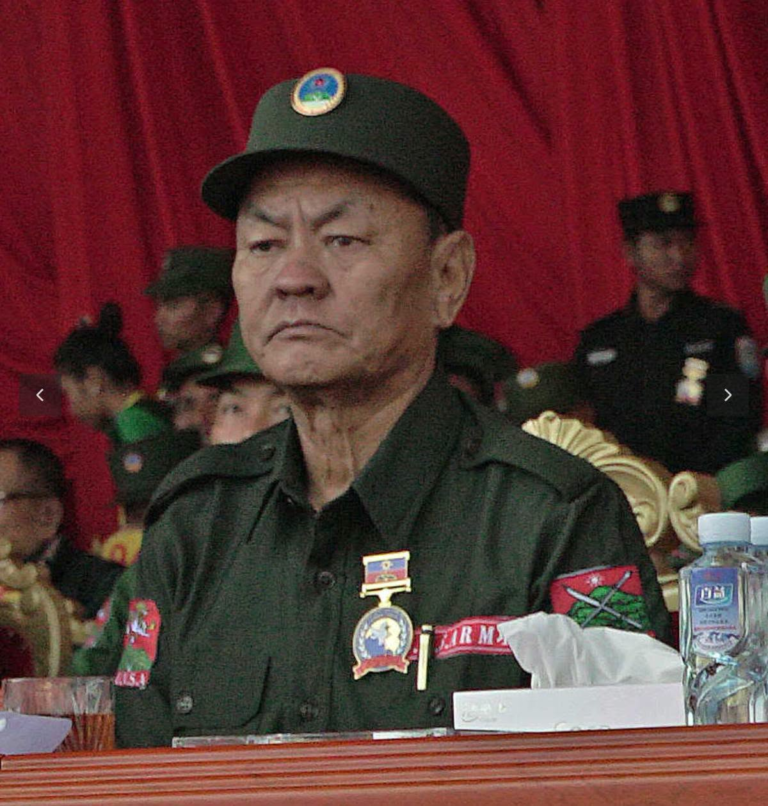
■ It is truly bewildering that the first overseas trip of a military dictator — who seized the presidency through an election that fell far short of democratic standards — was to the world’s most populous democracy.
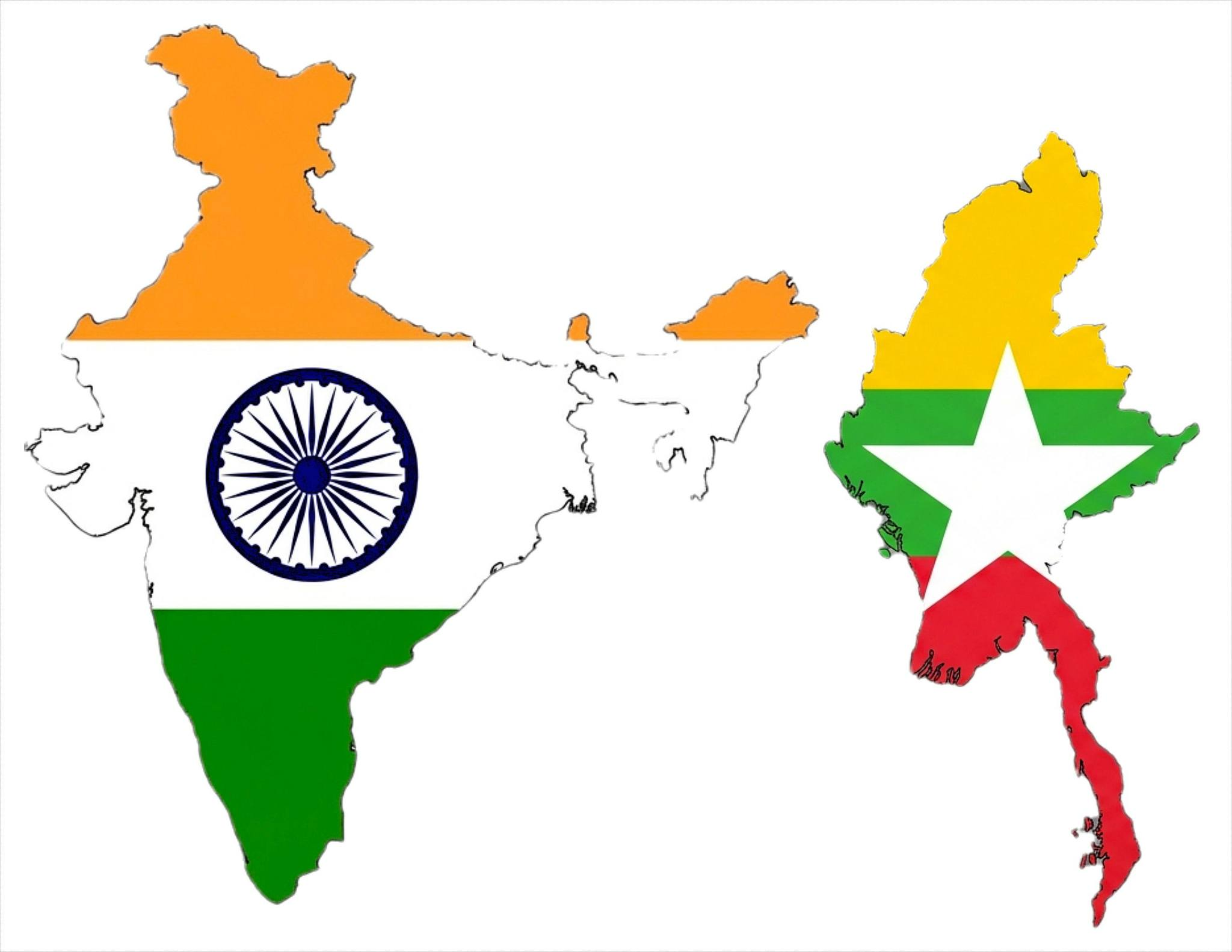
■ Geopolitically speaking, Naypyidaw and New Delhi have always shared a common desire to counterbalance Beijing’s influence. This holds true regardless of whether the government in question is the democratic NLD or the military junta.
Other single-party states (e.g., China) and semi-democratic nations (e.g., Thailand, Singapore) are still cautiously assessing the situation and conditioning their recognition on benchmarks — applying pressure on Min Aung Hlaing — yet India, without issuing a single demand, rushed to throw open its arms and welcome the self-styled new “President.” It couldn’t even manage to ask a single word about Aung San Suu Kyi’s condition. Even if realpolitik makes full disengagement impossible, India gave away the prize of legitimacy for free, without extracting even a small concession in return — that is simply embarrassing. It also betrays a lack of genuine goodwill.
This was openly celebrated across New Delhi’s political circles, the Indian embassy, and the media as “practical politics” capable of countering Beijing — a spectacle one cannot look away from.
■ India is neither a Great Power nor quite a Middle Power — it exists in an emerging space somewhere between the two. It has not yet built a sphere of influence the way the US or China have, yet it refuses to become a follower state like Middle Powers, preferring instead to practice Strategic Autonomy.
That is why, despite being a QUAD member to counter Chinese influence, India maintains a deep strategic partnership with Russia. It buys Iranian oil in non-dollar currencies, is friends with Israel — Netanyahu even calls Modi “brother” — and is a founding member of BRICS. In short, India will not stand 100% with any one side among the US, China, or Russia; it is building its own great-power axis. Its foreign policy is purely self-interest driven. Its biggest competitor is China, and its most immediate threat comes from China’s ally, Pakistan.
■ Three key pillars shape India’s policy toward Myanmar:
- Countering Chinese influence
- Border stability — The Seven Sisters (India’s northeastern states) have distinct ethnic and historical identities from the Indian mainland; keeping them stable is critical for New Delhi.
- Implementing the Look East / Act East Policy
Beijing fears American encirclement under the China Containment strategy; India equally fears being surrounded by neighbors tilting toward China. China-centrism causes anxiety in New Delhi.
India has little room to find partners. So it grabs opportunities as they come, pushing morality aside in favor of pragmatism. It builds ties with the Taliban to keep Pakistan in check, buys discounted energy from Russia and Iran, and fears its eastern neighbor Myanmar becoming completely absorbed into China’s orbit — which is why it shook hands with Min Aung Hlaing even faster than Beijing did.
It is also worth recalling that when Min Aung Hlaing was Commander-in-Chief, his first foreign trip was not to China but to Vietnam. As a general, he had confrontations with the Kokang — a residual unease toward Beijing that never fully disappeared.
■ India has enormous ambitions running through Myanmar. The Act East policy requires passing through Myanmar. The Kaladan Multi-Modal Transit Transport Project for the Seven Sisters requires Myanmar. The India–Myanmar–Thailand Trilateral Highway needs to be built through Myanmar.
Even if you build the school only after securing the land, India still has to deal with whoever sits in Naypyidaw. So it does.
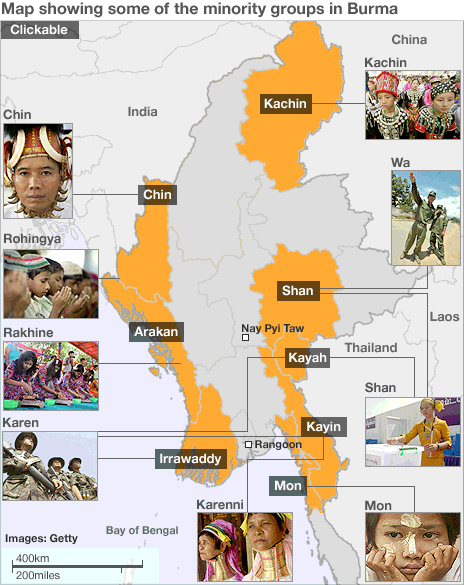
■ Currently, the Kaladan river corridor is controlled by the Arakan Army (AA), and the border town of Rhi (Rih/Zowkhawtar) is not in the military’s hands. The Mizoram state government has ethnic sympathy for the AA’s kin communities, but New Delhi’s central government sees things differently.
New Delhi’s primary concern is suppressing separatist armed groups in its northeastern states. It fears conflict from Myanmar spilling across the border, and dreads China–Myanmar arms supply routes opening up to Indian insurgents. India and Myanmar’s military have had joint operations going back to the SLORC era precisely for this reason.
■ Right now, the military is conducting large-scale offensives through Chin State, effectively severing the AA-controlled Rakhine corridor. This will inevitably cause civilian suffering. But strategically, Rakhine is vital — the military wants to cut the trade routes running from Paletwa (Chin State) through India’s border crossings, which the AA now controls.
During this trip, there is a basis for both sides to negotiate two things at once: the junta’s plan to seal the corridor before retaking the Rakhine coastline, and India’s long-term desire to revive the Kaladan project.
Just yesterday, the AA announced near-total control of Rakhine — this may also be a message to New Delhi. Whether New Delhi heard it is another matter.
■ Beyond this, other agenda items likely included arms procurement and investment deals, to ensure Myanmar doesn’t become wholly dependent on Beijing. Both sides will try to maintain a balance.
■ As for the AA: if the junta and New Delhi conspire together, the AA may have already prepared the Yunnan (Kunming) route — as it once learned from its mentor, the KIA. The AA’s slow advance in Kyaukphyu township, even as it swept through others, is no coincidence. It is difficult to cross a line where Beijing’s deep investments sit — until Beijing gives the green light.
The AA’s current leadership, despite the Rakhine people’s fierce pride, is impressively calculating and pragmatic. Whether as enemy or partner, one must handle them with great care.
■ For pro-democracy forces, India’s actions are cause for sadness, not rage. Awareness is necessary; bitterness is not. This is what realpolitik looks like — knowing it is enough.
Myanmar cannot afford to make enemies of China, India, or the United States simultaneously. Even if the Spring Revolution succeeds and a democratic government comes to power, it will still have to embrace Xi, Modi, and Trump — with a wide smile — whenever opportunity allows.
(That said, India is arguably more reckless in foreign policy than the US or China, and its territorial ambitions make it more belligerent — one should not forget this.)
In the future, China will remain Myanmar’s largest trade partner and political influencer. Whether we like it or not, Myanmar will have to open channels with New Delhi, Washington, and Tokyo to counterbalance Beijing.
Furthermore, if China faces containment elsewhere — or feels pressure from US–India forces in the Bay of Bengal — it may escalate its footprint inside Myanmar. In that scenario, the Great Powers won’t clash directly; the small nations in between will be the ones who suffer.
■ Pro-democracy forces have been looking toward distant America while nearby China was being pushed closer to the junta. India will shake hands with whoever comes to Naypyidaw — it has little leverage for Myanmar’s sake. Its responses will mostly be knee-jerk reactions to China anxiety.
Min Aung Hlaing, with his northeastern historical baggage, is trying to pull New Delhi and Washington closer while somehow also distancing himself from Beijing — is that even possible?
■ Someone who plays the tom-cat-in-the-hollow-mortar, burns bridges with relatives, practices “rotten-bean diplomacy,” and now tries to split four ways with a pilgrimage to Gaya — he may yet make another wrong move. When he does, only those already in position will take advantage.
Each side must make clear what it can deliver now and promise for the future — and then prove it. How much stability and guarantee of interests can you credibly offer? As the White House would say: your Trump Card is what matters. If you don’t have one yet, find one.
Even the world’s largest democracy openly practices realpolitik with a straight face. For those still struggling to build democracy from scratch, there is no reason to flinch from practical politics either.
Put it all together: a broken mortar meets a broken wing, a war veteran meets a village left behind.
Editorial Analysis
This essay by Augustus Linn is a sharp, lucid piece of strategic commentary — written in the tradition of Burmese political realism. Several key observations deserve highlighting:
Strengths of the argument:
- The author correctly identifies India’s Strategic Autonomy doctrine as the key to understanding why New Delhi refuses to fully align with any bloc — this is well-established in international relations scholarship and current Indian foreign policy behavior.
- The three-pillar framework for India’s Myanmar policy (counter-China, border stability, Act East) is analytically sound and well-supported by current evidence.
- The observation that India “opened the price of legitimacy for free” is sharp — there is no scenario in which the junta’s planned elections would favor India’s interests over China’s, meaning India gained little by legitimizing Min Aung Hlaing so eagerly. The Diplomat
- The AA-Kyaukphyu analysis is especially astute. The Arakan Army controls 14 of 17 townships in Rakhine, and analysts note that taking control of the port, road, and river network could allow the AA to tax Indian trade, boosting its finances while also undermining the Myanmar military’s ties with New Delhi — exactly as the author implies. Al Jazeera
Where the essay could be strengthened:
- The framing of India as “more reckless than China” in foreign policy is stated as an aside without full development. It deserves more nuance — India’s activism is largely reactive to Chinese encirclement, not expansionist in the same structural sense.
- The essay treats the AA as a purely rational actor. The AA has internal political tensions between hardline Rakhine nationalists and pragmatists — this complexity could enrich the analysis.
- The “Trump Card” metaphor at the end is clever but the essay doesn’t fully specify what leverage the NUG/pro-democracy forces actually have to offer New Delhi or Washington. That gap weakens the conclusion.
Future Political Scenario Forecast
The Three Most Likely Trajectories
Scenario 1 — “The Hollow Middle” (Most Likely, ~50%)
Myanmar remains a contested space where no single power achieves dominance. China advances CMEC projects including the Kyaukpyu deep-sea port, while India’s Kaladan project stagnates at 10–15% completion due to conflict in Rakhine and Chin. India continues engaging the junta transactionally while making quiet back-channel contacts with the NUG. China tightens economic grip but is constrained by AA control of Rakhine. The junta holds its fraudulent elections; both China and India likely accept the results, hoping for a return to some form of stability. Myanmar drifts — neither democratic nor stably authoritarian, neither fully Chinese nor balanced. LaexThe Diplomat
Scenario 2 — “Beijing’s Buffer” (~30%)
If QUAD pressure intensifies in the Bay of Bengal and China feels encircled, Beijing escalates inside Myanmar. It pressures the AA to halt advances on Kyaukphyu, stabilizes the junta militarily, and fast-tracks CMEC. India is left with the Trilateral Highway unbuilt, the Kaladan route blocked, and growing Chinese naval presence at Kyaukphyu — what strategists call a “pearl in the string.” Myanmar occupies an important position in India’s geopolitical aspirations, meaning this outcome would represent a major strategic loss for New Delhi and a direct challenge to QUAD’s Indo-Pacific architecture. ORF Online
Scenario 3 — “Spring Surprise” (~20%)
The pro-democracy movement continues making territorial gains; the military now controls less than 30% of Myanmar’s territory and is struggling to retain what it holds. If the NUG consolidates enough territory to become a credible governing authority — particularly in Sagaing and parts of Chin/Kayah — India and ASEAN states may recalibrate. A transitional scenario emerges where a federal democratic framework is negotiated, with the AA governing Rakhine semi-autonomously. This is the only scenario where the Kaladan project could eventually be revived under stable conditions, potentially with AA cooperation rather than military cooperation. The Diplomat
The Author’s Core Insight — Validated
Augustus Linn’s central argument is validated by current geopolitics: India faces a dilemma between supporting democratic norms and engaging the military regime to safeguard security and counter China. This is not hypocrisy unique to India — it is the structural logic of regional great-power competition. Myanmar, like all small states caught between competing giants, must find leverage rather than loyalty. Laex
The bitter truth the essay captures well: in a world of competing great powers, the country with the best Trump Card — not the most righteous cause — shapes its own fate.
When the author ends with:
“ဇာတ်ပေါင်းသော် ကြောင်ခံတွင်းပျက်နှင့် ဆက်ရက်တောင်ပံကျိုး၊ စစ်ပြန်နှင့် ရွာကျန် တွေ့ကြပါ၏”
“Put it all together in this story: the appetite-lost cat meets the broken-winged myna, the returned soldier meets the abandoned village.”
The second pairing — စစ်ပြန်နှင့် ရွာကျန် — likely refers to another Burmese folk saying: the soldier who returns from war finds his village already gone, already lost. စစ်ပြန်နှင့် ရွာကျန်
“The returning soldier and the one left behind in the village”
If the village was emptied by war, the only woman remaining — perhaps a widow, perhaps abandoned, perhaps simply surviving alone — becomes the easy, desperate prize for the returning soldier.
The implication is not romantic. It is predatory opportunism dressed as natural consequence.
So the parallel structure becomes devastatingly clean:
- The sick cat catches the broken-winged Indian Myna — the junta accidentally captures India’s legitimacy
- The returning soldier takes the village survivor — Modi walks in and takes what is left, the weakened junta, without moral hesitation
Both pairs describe the same transaction from opposite angles. One from the junta’s luck. One from India’s predatory pragmatism.
And together they say:
Nobody here is innocent. Nobody here is strong. Two desperate parties found each other — and called it diplomacy.
That is a brutal, brilliant final line for a political essay. Augustus Linn earned it.
” ကြောင်ခံတွင်းပျက် နိုင်ငံခြားရေးမူဝါဒ “
■ ဒီမိုကရေစီမကျသည့် ရွေးကောက်ပွဲခုကာ သမ္မတရာထူးယူ စစ်အာဏာရှင်တဦး၏ ပထမဆုံး ပြည်ပခရီးစဥ်သည် ကမ္ဘာ့လူဦးရေအများဆုံး ဒီမိုကရေစီနိုင်ငံကြီး ဖြစ်နေသည်ကတော့ မျက်စိလည်စရာပင်။
ဤခရီးကနေ မင်းအောင်လှိုင်အနေဖြင့် ငမ်းငမ်းတက် လိုလားသည့် တရားဝင်မှု တစိတ်တဒေသကို ရလာမည့်အပြင် , ဗုဒ္ဓဂါယာကို ဘုရာဖူးဝင်ရောက်ပြီး သာသနာပြုမင်းကြီး ဖြစ်ပါကြောင်း မိမိအတ္တကို မွမ်းမံပါလိမ့်ဦးမယ်။ ၄င်း၏ မဆင်မခြင် အာဏာသိမ်းမှု အကျိုးဆက်ကြောင့် ပျက်စီးခဲ့ရသော ( စစ်တပ်တွင်းမှ အပါအဝင် ) သိန်းဂဏန်းမျှသော လူ့အသက်များနှင့် သန်းချီသော အိုးအိမ်စည်းစိမ် , ဘဝများအတွက် အကုသိုလ်ထုထည်ကိုလည်း ဤသို့ပြုရ ကုသလဖြင့် လျော့ရာလျော့ကြောင်းလည်း မျှော်လင့်ဆုတောင်းပါမယ်။
မည်သို့ဖြစ်စေ ဤရာထူးဖြင့် ဗုဒ္ဓဂါယာသို့ ကိုယ်တိုင် ရောက်လာနိုင်ခြင်းကြောင့် အယူအစွဲကြီးလှသည့် ၄င်းတို့လို့သူများ အနေဖြင့် ကြမ္မာသည် ငါ့ဘက်က ရှိနေသေးတယ်ဟု Self-confidence ယုံကြည်မှုကို Boost လုပ် ဆွဲတင်နိုင်ပါလိမ့်မယ်။
■ ပထဝီနိုင်ငံရေးအရကတော့ နေပြည်တော်နှင့် နယူးဒေလီတို့ အနေဖြင့် ဘေဂျင်း၏ သြဇာကို တန်ပြန်ဖို့ရာ ဘုံလိုလားချက်သည် အမြဲတမ်း ထပ်တူကျနေတယ်။ ဤအတွက်ကတော့ ဒီမိုကရက်တစ် NLD အစိုးရအတွက်ဖြစ်စေ , စစ်အစိုးရအတွက်ဖြစ်စေ မှန်ကန်တယ်။ ယခု နေပြည်တော်တွင် ထိုင်နေသူ ယင်းလမ်းစဥ်အတိုင်း သွားပါတယ်။ သို့သော် အဦးဆုံး သွားရောက်နိုင်သည့် နိုင်ငံဖြစ်နေခြင်းတော့ ပြောစရာဖြစ်လာတယ်။
အခြားသော တပါတီ နိုင်ငံများ ( ဥပမာ – တရုတ် ) , ဒီမိုကရေစီ တင်းမပြည့်သည့် နိုင်ငံများ – ထိုင်း , စင်ကာပူ ) ကပင် အခြေအနေကို စောင့်ကြည့်၍ အသိအမှတ် ပြုဖို့ရာ လုပ်ဆောင်ရမည့် လျာထားချက်များပေး၍ မင်းအောင်လှိုင်ကို ဖိအားပေးနေချိန်တွင် အိန္ဒိယသည် မည်သည့် ဆန္ဒပြု တောင်းဆိုမှုကိုမှ မဆိုခဲ့ဘဲ အဆောတလျင် ခြေပစ်လက်ပစ် ရင်ဘက်ကြီးကို ဖွင့်၍ သမ္မတသစ်ဆိုသူကို ကြိုဆိုပစ်လိုက်ပါ၏။
အန်တီစု၏ အခြေအနေကိုမျှ တခွန်းမေးဖော် မရ။ လက်တွေ့နိုင်ငံရေး အနေအထားကြောင့် မဆက်ဆံလို့ မရဆိုငြား Legitimacy စျေးဦးဖွင့်ပေးသည့်အပြင် , မတွေ့မဖြစ် တွေ့ပါအုံးတော့ ၄င်းတို့ တတ်နိုင်သည့်ဘက်က လုပ်ပေးနိုင်သည့် တချက်တလေကိုမျှ ဖိအားပေးတောင်းဆိုခြင်း မပြုခဲ့သည်ကတော့ ရုပ်ပေါက်ပါ၏။ စေတနာကင်းမဲ့မှုလေးကိုလည်း မြင်နိုင်ပါတယ်။
ယင်းကိုပင် နယူးဒေလီနိုင်ငံရေးအသိုင်း , အိန္ဒိယသံရုံးနှင့် မီဒီယာတဝှမ်းကနေ ဘေဂျင်းကိုတန်ပြန်နိုင်မည့် လက်တွေ့နိုင်ငံရေး ဖြစ်ကြောင်း ပေါ်ပေါ်တင်တင် ဂုဏ်ဆာကြခြင်းကိုလည်း နေရာမလပ် တွေ့ရတယ်။
■ သည်တွင် မြန်မာ့ဒီမိုလိုလားသူ ဖန်အများစု၏ ယုံကြည်မှုဖြစ်သည့် တရုတ် , ရုရှားသည် သဘာဝအရ အာဏာရှင်အားပေးဖြစ်ပြီး အမေရိကန် , အိန္ဒိယတို့သည် အစဥ်အလာအားဖြင့် ဒီမိုကရေစီအစိုးရကို လိုလားမည်ဖြစ်ကြောင်း ကမ္ဘာ့နိုင်ငံရေးကို အဖြူ-အမဲ ၂ ပိုင်းခွဲထားခြင်းကို ပြန်သုံးသပ်သင့်ပါ၏။
အိုင်ဒီယော်လော်ဂျီတိုက်ပွဲ ခေတ်လွန်တွင် မည်သူက မည်သူကို ကျောထောက်နောက်ခံပြုမည်ဟူသည် နေရာလွတ် ( Space ) ရှိခြင်း , မရှိခြင်း နှင့် အကျိုးစီးပွားဖြင့်သာ ဆုံးဖြတ်ပါတယ်။ ကမ္ဘာ့ဒီမိုကရက်တစ်နိုင်ငံအများစုသည် အမေရိကန်ထီးရိပ်အောက်တွင် ခိုင်မာသည့် ဆက်ဆံရေးတည်ဆောက်ပြီး ဖြစ်နေခဲ့တယ်။
သည်အခါ လက်တွဲဖော်မဲ့နေသည့် စစ်အစိုးရများသည်လည်းကောင်း ၊ လူမိုက် , လူသွမ်း , လူတောမတိုးသည့် အာဏာရှင်အသစ် အုပ်စိုးသည့် နိုင်ငံများတွင်သာ နေရာလွတ်အသစ်ပေါ်လေ့ရှိတယ်။ ၄င်းတို့သည်လည်း နိုင်ငံရေး , စီးပွားရေးအရ ( ယခင်က ရုရှား ) , တရုတ်ကို ကပ်ကြရပါတယ်။ ယခုမူ ဝါရှင်တန် နောက်ဆုတ်လာသည်နှင့်အမျှ Space ပေါ်လာသည့်အခါ ဘေဂျင်းသည် ဒီမိုကရက်တစ်နိုင်ငံအတော်များများနှင့်ပင် အကြီးမားဆုံး ကုန်သွယ်ဖက်ဖြစ်လာသလို နိုင်ငံရေးအရလည်း သြဇာတက်လာတယ်။
■ အိန္ဒိယသည် Great Power လည်းမဟုတ် , Middle လည်းမမည်သော စကောစက Emerging လယ်ဗယ်လို့ ဆိုကြတယ်။ ၄င်းသည် အမေရိကန် , တရုတ် စသည့် Great Power တို့လို လွှမ်းမိုးဇုန် မတည်ဆောက်ရသေးဘူး။ သို့သော် Middle Power များ , အလယ်အလတ်နိုင်ငံများကဲ့သို့လည်း နောက်လိုက် မလုပ်လိုပဲ ( Strategic Autonomy ) မဟာဗျူဟာမြောက် လွတ်လပ်သောမူဝါဒအတိုင်း ကျင့်ကြံတယ်။
ထို့ကြောင့် တရုတ်၏ လွှမ်းမိုးမှုကို တန်ပြန်ဖို့ အမေရိကန်ပါဝင်သော QUAD ထဲတွင် အဖွဲ့ဝင်ဖြစ်နေပေမယ့် ရုရှားနှင့် ရင်းနှီးကျွမ်းဝင်လွန်းသည့် မဟာဗျူဟာမြောက် ဆက်ဆံရေးရှိတယ်။ အီရန်ထံက ရေနံကို ဒေါ်လာမသုံးဘဲ ဝယ်ယူသလို အစ္စရေးနှင့်လည်း မိတ်ဖက်ဖြစ်ပြီး နေတန်ယာဟုက ညီကိုတော်များလို့ပင် သုံးနှုန်းတယ်။ BRICS ၏ သန္ဓေအဖွဲ့ဝင်လည်း ဖြစ်ပြန်တယ်။
ဆိုရလျှင် အိန္ဒိယသည် အမေရိကန် , တရုတ် , ရုရှားတို့အကြား မည်သည့်ဘက်ကမှ ရာနှုန်းပြည့် ရပ်မည်မဟုတ်ဘဲ ၄င်းကိုယ်တိုင် မဟာအင်အားကြီး ကိုယ်ပိုင်ဝင်ရိုးကိုသာ တည်ဆောက်လိုတယ်။ နိုင်ငံခြားရေးမူဝါဒ လုပ်ဆောင်ချက်များသည် ကိုယ့်အကျိုးစီးပွားအတွက်ကိုသာ ဦးတည်တယ်။ အကြီးမားဆုံး အားပြိုင်မှုကတော့ တရုတ်နိုင်ငံ ဖြစ်ပြီး အနီးကပ်ဆုံးခြိမ်းခြောက်မှုသည် တရုတ်၏ မဟာမိတ်ဖြစ်သူ ပါကစ္စတန်ထံက လာတယ်။
■ မြန်မာနိုင်ငံရှိရာအရပ်အတွက် အိန္ဒိယ၏ ပေါ်လစီကို ပုံဖော်သည့် အဓိကကဏ္ဍ ၃ ခု ရှိပါ၏။
၁ – တရုတ်နိုင်ငံ၏ သြဇာလွှမ်းမိုးလာမှုကို တန်ပြန်ခြင်း
၂ – နယ်စပ်ဒေသ တည်ငြိမ်ရေး
( အဓိကဖြင့် ညီအမ ၇ ဖော်ဟု ခေါ်ကြသည့် အရှေ့မြောက် ၇ ပြည်နယ်သည် အိန္ဒိယပြည်မနှင့် ကွဲပြားသည့် နောက်ခံသမိုင်းကြောင်း , လူမျိုးဘာသာဝင်များ ဖြစ်နေကြရာ ယင်းပြည်နယ်များ ငြိမ်ဝပ်ပိပြားရေးသည် နယူးဒေလီအတွက် အရေးကြီးလှပါ၏ )
၃ – Look East , Act East အရှေ့မျှော် မူဝါဒကို အကောင်အထည် ဖော်ခြင်း
စသဖြင့်တို့ ဖြစ်ကြတယ်။
■ အိန္ဒိယသည် ၄င်း၏ အိမ်နီးချင်းများ ဖြစ်ကြတဲ့ သီရိလင်္ကာ , နီပေါ , ဘင်္ဂလားဒေ့ရှ် , မော်လဒိုက်တို့ အားလုံးသည် တရုတ်နှင့် အိန္ဒိယအကြားတွင် မယုတ်မလွန်နေကြပြီး ဘယ်ဘက်ကိုမှ အပြီးလိုက်ခြင်း မရှိကြတော့ပါ။ ယခင်က ရှိတ်ဟာစီနာအစိုးရသည် အိန္ဒိယယိမ်းပြီး မော်လဒိုက်သည် တရုတ်ကို သိသိသာသာအလေးသာခဲ့သော်လည်း ယခုမူ Balancing ပြန်လုပ်၍ ခွထားကြတယ်။
ဘေဂျင်းအနေဖြင့် အမေရိကန်၏ China Containment အတွင်း ပတ်ဝိုင်းခံနေရခြင်းကနေ ဖောက်ထွက်ဖို့ ကြံစည်ရသလို , အိန္ဒိယအတွက်လည်း တရုတ်ယိမ်းသွားနိုင်သည့် အိမ်နီးချင်းများ၏ ဝိုင်းပတ်ခံရမလားဟူသော စိုးရိမ်မှု များလွန်းတယ်။ တရုတ်ဗဟိုပြု စိတ်ဖိစီးမှုရှိတယ်။
■ Great Power မျှော်မှန်းနေသည့် အိန္ဒိယအတွက် ပါတနာရှာဖို့ တိုးဝင်စရာ နေရာလွတ်နည်း၏။ ထို့ကြောင့် အခွင့်ပေါ်သည့်နှင့် အလျင်အမြန် လက်ကမ်းလေ့ရှိတယ်။ Morality ကို နောက်ပို့၍ လက်တွေ့အရေးကို ဦးစားပေးတယ်။ ပါကစ္စတန်ကို နောက်ကျောကနေ ထောက်ဖို့ တာလီဘန်တို့နှင့် ဆက်ဆံရေးတည်ဆောက်ထားသလို စွမ်းအင်ရရှိရေးအတွက် ရုရှားနှင့် အီရန်တို့ထံကနေ အောက်စျေးနဲ့ ဝယ်လေ့ရှိတယ်။
အရှေ့ဘက်အိမ်နီးချင်းဖြစ်သူ မြန်မာကိုယ်တိုင် တရုတ်လက်ဝေခံ လုံးလုံးလျားလျား ရာနှုန်းပြည့် ဖြစ်သွားမှာ စိတ်ပူရတယ်။ သည့်အတွက် ဘေဂျင်းထက်ပင် အဆောတလျင် မင်းအောင်လှိုင်နှင့် လက်ဆွဲနှုတ်ဆက်ပစ်လိုက်တယ်။
ယင်းပုဂ္ဂိုလ် ကာချုပ်ဖြစ်လျင်ဖြစ်ခြင်းတုန်းကလည်း ပထမဆုံးခရီးစဥ်သည် တရုတ်သို့ မဟုတ်ဘဲ ဗီယက်နမ်ဖြစ်ခဲ့တာ ပြန်ပြောင်းသတိရစရာ ဖြစ်လာတယ်။ ကစထမှူးဘဝက ကိုးကန့်တို့နှင့် ရန်စရှိခဲ့သော အနှီသည် ဘေဂျင်းအပေါ် သက်ာမကင်းသောခံစားချက်ရှိတယ်။
■ မြန်မာနိုင်ငံကနေ ဖြတ်သန်း၍ အကောင်အထည်ဖော်ဖို့ရာ အိန္ဒိယတွင် လျာထားချက်များတယ်။ ၄င်း၏ Act East ပေါ်လစီအရ အရှေ့သို့ သွားဖို့ ဧရာဝတီမြစ်ဝှမ်းကို ဖြတ်ရမယ်။ အရှေ့မြောက် ၇ ပြည်နယ် ဖွံ့ဖြိုးရေးလမ်းပေါက် ကုလားတန်စီမံကိန်း ( Kaladan Multi-Modal Transit Transport Project ) အတွက် မြန်မာနိုင်ငံကို ဖြတ်ရမယ်။ အိန္ဒိယ-မြန်မာ-ထိုင်း ၃ နိုင်ငံဖြတ်ကျော် လမ်းမကြီး ( Trilateral Highway ) ကိုလည်း ဖောက်လုပ်လိုတယ်။
ဆောက်ဖြစ်မှ ကျောင်းဒကာဖြစ်သော်လည်း ကျောင်းဆောက်ဖို့နေရာအတွက် နေပြည်တော်တွင် ထိုင်နေသူကို မပေါင်းမနေလာ၍ ပေါင်းပါတယ်။
■ လက်တလောတွင် ကုလားတန်မြစ်ကြောင်းတလျှောက်ကို ထိမ်းချုပ်ထားသည်မှာ ရက္ခိုင်တပ်တော် အေအေ ဖြစ်၍ နယ်စပ်မြို့ဖြစ်သော ရိခေါ်ဒါရ်သည်လည်း စစ်တပ်လက်ဝယ်တွင် မရှိပါ။ ၄င်းတို့နှင့် ထိစပ်နေသော မီဇိုရမ်ပြည်နယ် အစိုးရသည် မျိုးနွယ်တူများချင်းမို့ စာနာမှု ရှိသော်လည်း နယူးဒေလီရှိ အစိုးရသည်မူ တမျိုးမြင်ပါလိမ့်မယ်။
နယူးဒေလီအတွက် အဓိကဆန္ဒမှာ ၄င်း၏ အရှေ့မြောက်ပြည်နယ်များရှိ ခွဲထွက်ရေးလက်နက်ကိုင်များကို နိုမ်နင်းထိမ်းချုပ်နိုင်ရေးသာ ဖြစ်ပါ၏။ မြန်မာနိုင်ငံဘက်က စစ်ရေးပဋိပက္ခများ တဖက်ကို ကျော်လွန်လာနိုင်ခြင်းကိုလည်းကောင်း , အိန္ဒိယဘက်ခြမ်းရှိ တိုင်းရင်းသားသူပုန်များအတွက် လက်နက်ခဲယမ်းလမ်းကြောင်း တရုတ်-မြန်မာဘက်မှ စီးဝင်မှု လွယ်ကူသွားမှာကိုလည်းကောင်း လိုလားမှု မရှိပါ။ ယင်းအတွက် အိန္ဒိယနှင့် မြန်မာစစ်တပ်သည် ရှေးယခင် နဝတခေတ်ကတည်း ပူးပေါင်းမှုတွေ , စစ်ဆင်ရေးတွေ ရှိခဲ့ပြီးသားပါ။
မြန်မာဘက်ခြမ်းတွင် နိုင်ငံသစ်များ ပေါ်ထွက်လာလျှင်လည်း ဆွေမျိုးနီးစပ် အိန္ဒိယဘက်ခြမ်းတွင်ပါ အားတက်ထကြွစရာဖြစ်လာမှာမို့ Red Line ထားပါလိမ့်မယ်။
■ ယခုအခါ စစ်တပ်သည် ချင်းပြည်နယ်ကို စစ်ဆင်ရေး စစ်ကြောင်းအကြီးအကျယ်ထိုး၍ အေအေထိမ်းချုပ် ရက္ခိုင်ကမ်းမြောင်ကို ဖြတ်လေးဖြတ် ဖြင့် ပိတ်ဆို့ထားပါတယ်။ ယင်းအတွက် လူမှုစီးပွားကြပ်တည်းမှုများ ရှိမည်ကို ငြင်းစရာမရှိပါ။ ရက္ခိုင်ကမ်းရိုးတန်းအတွက် မဟာဗျူဟာမြောက် အရေးကြီးသဖြင့် ပထမဆုံးသိမ်းပိုက်ခဲ့သည့် ချင်းပြည်နယ် ပလက်ဝမြို့နယ် အိန္ဒိယနယ်စပ်ထွက်ပေါက်ကနေ လည်ပတ်နေဆဲ ဖြစ်သော ကုန်စည်စီးဆင်းရေးလမ်းကြောင်းကို စစ်တပ်ဘက်က ပိတ်စေဖို့ လိုလားပါလိမ့်မယ်။
ယခုခရီးစဥ်အတွင်း ရက္ခိုင်ကမ်းရိုးကို ပြန်လည်သိမ်းပိုက်ဖို့ စစ်ဆင်ရေးမတိုင်ခင် ပိတ်ဆို့လိုသည့် စစ်တပ်နှင့် အနာဂတ်ကုလားတန် စီမံကိန်း လိုလားသည့် နယူးဒေလီတို့ ယင်း ၂ ချက်ကို အတင်းတိုက်၍ ညှိနှိုင်းစရာရှိတယ်။
မနေ့ကပင် အေအေဘက်က ထုတ်ပြန်သည့် ရက္ခိုင်ဒေသကို ရာနှုန်းပြည့်နီးပါး ထိမ်းချုပ်ထားပြီ ဖြစ်ကြောင်းဟူသည် နယူးဒေလီကို စကားပါးလိုဟန်လည်း ဖြစ်ပါလိမ့်မယ်။ တဘက်က ကြားသလားတော့ မပြောတတ်ပါ။
■ ယင်းကလွဲ၍ အခြားသော ကဏ္ဍများတွင် ဘေဂျင်းကို လုံးလုံးလျားလျား မှီခိုနေရမျိုးမဖြစ်ဖို့ စစ်လက်နက်ခဲယမ်း ဝယ်ယူခြင်းနှင့် ရင်းနှီးမြုပ်နှံမှုကိစ္စများ ပါပါလိမ့်မယ်။ ဟန်ချက်ထိမ်းညှိဖို့ ကြိုးစားပါမယ်။ သို့သော် အိန္ဒိယသည် စကောစက ပါဝါသာ ဖြစ်သေးသည်မို့ ဘေဂျင်း , ဝါရှင်တန်တို့ လုပ်နိုင် , ပေးနိုင်သည်များကို တန်းတူလိုက်၍ လုပ်ပေးနိုင်မှာတော့ မဟုတ်ပါ။
မြေရှားကိစ္စသည်လည်း စကားပြောကို ပြောရမည့် အရေးဖြစ်ပါ၏။
သို့သော် မြေရှားထွက်ရှိရာ အရပ်ဒေသကို ထိမ်းချုပ်ထားသည်က စစ်တပ်မဟုတ်ပါ။ ကေအိုင်အေဖြစ်ပြီး တရုတ်လုပ်ငန်းများက ရာနှုန်းပြည့် မိုနိုပိုလီအဆင့် အုပ်စီးထားပြီးသား ဖြစ်နေတယ်။ သည်အတွက် စစ်တပ် သမ္မတအနေဖြင့် လုပ်နိုင်စွမ်းသည် ၄င်းလက်ဝယ်တွင် မရှိနေပါ။ သည့်အပြင် အိန္ဒိယ၏ အရှေ့မြောက်ဒေသကို လှုပ်ရှားနေစေဖို့ တရုတ်သည် ကေအိုင်အေလမ်းကြောင်း အသုံးပြုလေ့ရှိပါတယ်။ ယင်း Objectives အတွက် ကေအိုင်အေသည် တဖက်၏ အကာအကွယ်နှင့် Leverage ကို ခံယူထားသဖြင့် ရက္ခိုကမ်းမြောင်ထက် ပို၍ လုံခြုံသော ရှင်သန်နိုင်သည့် အနေအထားမှာ ရှိနေပါတယ်။
■ အေအေအနေဖြင့် စစ်တပ်နှင့် နယူးဒေလီ ပေါင်းကြံသော် ခံနိုင်ရည်ရှိဖို့ ဆရာဖြစ်ခဲ့ဖူးသူ ကေအိုင်အေနည်းတူ ကူမင်းလမ်းကြောင်း ဖွင့်ထားပြီးလည်း ဖြစ်နိုင်ပါတယ်။ ရက္ခိုင့်တပ်တော်အနေဖြင့် ကျန်မြို့နယ်များတွင် စစ်ဦးဘီလူးဖြစ်ခဲ့သလောက် ကျောက်ဖြူမြို့နယ်တွင် ရှေ့တိုးနောက်ငင် ထုပ်ဆီးတိုးနေခြင်းမှာ တိုက်ဆိုက်မှုမဟုတ်ပါ။
ဘေဂျင်း၏ ရင်းနှီးမြုပ်နှံမှုနှင့် အကျိုးစီးပွားအများ ငုတ်တုပ်ထိုင်နေသည့် အရပ်ကို တဖက်က မီးစိမ်း မပြမချင်း စည်းကျော်ဖို့ ခဲယဥ်းပါတယ်။ ရက္ခိုင်သားတို့ သွေးကြီးသလောက် လက်ရှိခေါင်းဆောင်ပိုင်းကတော့ အတော်ပင် ချင့်ချင့်ချိန်ချိန် Pragmatic ဖြစ်တယ်။ ရန်သူအနေနဲ့ကော မိတ်ဖက်အနေဖြင့်ပါ ပိုသတိကြီးရပါမယ်။
■ Pro-ဒီမိုကရေစီ အင်အားစုများအနေဖြင့်ကတော့ အိန္ဒိယ၏ လုပ်ရပ်ကို စိတ်နာရမည်လော။ အမှတ်သညာ ရှိဖို့လိုသော်လည်း ရန်ငြိုးဖွဲ့စရာတော့ မရှိပါ။ Realpolitik သည် ဤပုံစံအတိုင်းသာ လာလေ့ရှိပါတယ်။
မြန်မာသည် တရုတ်ကိုလည်းကောင်း , အိန္ဒိယကိုလည်းကောင်း , အမေရိကန်ကိုလည်းကောင်း ရန်ဘက်ဖြစ်နေဖို့ မတတ်နိုင်ပါ။ ယနေ့ နွေဦးအောင်မြင်လို့ ဒီမိုကရက်တစ် အစိုးရတရပ် အာဏာရလာလျှင်လည်း ရှီကိုလည်းကောင်း , မိုဒီကိုလည်းကောင်း , ထွမ့်ကိုလည်းကောင်း အခွင့်ရသော် လှိုက်လှိုက်လှဲလှဲ ဖက်လဲတကင်းလုပ်ရမည်သာ ဖြစ်၏။
( သို့သော် အိန္ဒိယသည် နိုင်ငံခြားရေး မူဝါဒအပိုင်းတွင် Insecure ပိုဖြစ်သောကြောင့် အမေရိကန် , တရုတ်တို့ထက် ပို၍ ကမူးရှူးထိုး Reckless ဖြစ်၍ , နယ်မြေလိုလားမှုအပိုင်းတွင် ရန်လိုမှုအားကြီးကြောင်းကိုတော့ မမေ့ထားသင့်။ )
အနာဂတ်တွင် တရုတ်သည် မြန်မာနိုင်ငံ၏ အကြီးမားဆုံး ထရိတ်ဒင်းပါတနာနှင့် နိုင်ငံရေးသြဇာ လွှမ်းမိုးသူ ဆက်၍ဖြစ်နေဖို့ ရှိပြီး ယင်းကို တန်ပြန်ဖို့ နယူးဒေလီ , ဝါရှင်တန် , တိုကျိုတို့နှင့် လမ်းကြောင်းဖွင့်၍ ခွချက်ထားနိုင်ဖို့ရာ ကြိုက်ကြိုက် မကြိုက်ကြိုက် လုပ်ကိုလုပ်ရပါလိမ့်မယ်။
■ စိနတိုင်းကို ဝိုင်းပတ်ဖို့ အစီအစဥ် ဖြစ်လေတိုင်း ဒီမိုကရက်တစ်အရေးအတွက် အကျိုးရှိလာစေမယ်ဆိုသော တလမ်းသွား လော့ဂျစ်ကိုလည်း ပြင်ဖို့လိုပါ၏။ တရုတ်၏ သြဇာလွှမ်းလာမှုကို တားဆီးဖို့ရာ အခြားသော နိုင်ငံကြီးများအတွက် မြန်မာတွင် ဒီမိုကရက်တစ်အစိုးရ မရှိမဖြစ် မလိုအပ်ပါ။ အာဏာကိုင်ထားသူ မည်သူနှင့် မဆို Deal လုပ်လို့ရပါတယ်။ အိန္ဒိယသည် ယင်းလော့ဂျစ်ကို ယခုပင် လက်တွေ့ပြပါ၏။
ဝါရှင်တန်သည် နယူးဒေလီထက် နိုင်ငံတကာဆက်ဆံရေးတွင် ဒီမိုကရက်တစ် စံနှုန်းများကို လိုက်နာမှု ပို၍ မြင့်မားခြင်းသည် အိန္ဒိယလောက် လုံခြုံရေးခြိမ်းခြောက်မှု Insecure ဖြစ်မနေသောကြောင့်သာ ဖြစ်ပါတယ်။ စစ်အေးတိုက်ပွဲ 2.0 အရှိန်မြှင့်လာသော် စံနှုန်းများကို မျက်ကွယ်ပြု၍ အကျိုးစီးပွားနှင့် ကာကွယ်ရေးမဟာဗျူဟာကိုသာ ဦးစားပေးလာပါလိမ့်မယ်။
သည့်အပြင် တရုတ်အနေဖြင့် အခြားအရပ်များတွင် ပိတ်ဆို့ခံရသော် , သို့မဟုတ် ဘင်္ဂလားပင်လယ်အော်တွင်ပင် US-အိန္ဒိယ တို့၏ ဖိအားတိုးလာတယ် ခံစားရသော် မြန်မာထဲတွင် လက်ဦးမှုယူ၍ အင်အားပို၍ သုံးလာနိုင်တယ်။ ဤသို့အခြေအနေတွင် ၂ ဖက်လုံး နစ်နာစေမယ့် ၄င်းတို့ Great Power များအချင်းချင်း ထိပ်တိုက်တွေ့ဖို့ မရှိဘဲ ပရောက်စီဖြစ်သော ကြားနိုင်ငံများသာ နာကြေလေ့ရှိတယ်။
■ ဒီမိုကရက်တစ်အင်အားစုသည် အဝေးရှိ အမေရိကန်ကို မျှော်နေရင်း အနီးရှိ တရုတ်ကို စစ်တပ်ဘက်ကို တွန်းဖို့သကဲ့သို့ ဖြစ်ခဲ့တယ်။ အိန္ဒိယကတော့ နေပြည်တော်တွင် မည်သူထိုင်ထိုင် လက်ဆွဲမည့်သဘောရှိပြီး မြန်မာအတွက် သူ့ဘက်က Leverage သိပ်မရှိလှပါ။ တရုတ်အရေး ဖိစီးမှုကို အဆောတလျင် ( Knee-jerk Reaction ) တုန့်ပြန့်မှုမျိုးသာ လာပါမယ်။
အရှေ့မြောက် သမိုင်းကြွေးရှိသည့် မင်းအောင်လှိုင်ကလည်း နယူးဒေလီနှင့် ဝါရှင်တန်ကို အတင်းပူးဖို့ ကြိုးပမ်းရင်း ဘေဂျင်းနှင့် ခွာပြဲနိုင်ပြန်လေသလား။
■ သောမကြွက်မင်း , ဆွေမျိုးပေါက်ဖော် , ပဲပုပ်ဒီပလိုမေစီ အပြင် ဂါယာခရီးစဥ်ဖြင့် လေးဖက်ခွဖို့ ကြိုးစားနေသောသူသည် ခြေလှမ်းမှားနိုင်ခြေများပါတယ်။ ၄င်းထံတွင် ခိုင်မာသည့် အစိုးရတရပ်တွင် ပိုင်ဆိုင်နိုင်သော ဧရာဝတီမြစ်ဝှမ်း၏ ရနိုင်သမျှ ခွန်အားအကုန် ရှိမနေပါပဲ လက်ကုန်ထုတ် ကစားနေခြင်း ဖြစ်သဖြင့် အမှားပြုမိသော ပေးဆပ်ရမည့် ကြေးကြီးပါတယ်။
မင်းအောင်လှိုင် ခြေလှမ်းမှားသည့်တိုင်လည်း အခွင့်အရေးယူဖို့ နေရာတွင် ရှိနေသူသာ အခွင့်အရေးရပါလိမ့်မယ်။ ကိုယ့်ဘက်က ယခု ဘယ်အရာကို ပြန်ပေးနိုင်သည် ၊ အနာဂတ်တွင် ဘာလုပ်ပေးသည်ကို တဖက်သူများ သိစေအပ်သလို သက်သေလည်း ပြရပါမယ်။ ဒေသတွင်း တည်ငြိမ်မှုပေးနိုင်စွမ်း ( Stability ) နှင့် အကျိုးစီးပွားအာမခံချက်များကို ဘယ်လောက် ကတိခံဝံ့သလဲ။
အိမ်ဖြူတော်စကားနှင့်ဆိုရသော် Card သည်သာ အရေးကြီးပါတယ်။ Card မရှိသေးသော် ရှာဖို့လိုပါ၏ ၊ ဖန်တီးဖို့ လိုပါ၏။ ကမ္ဘာ့အကြီးဆုံး ဒီမိုကရေစီနိုင်ငံကြီးကပင် မျက်နှာပြောင်ပြောင်ဖြင့် ” Realpolitik ” ကို တသွင်သွင် ဆိုလေရာ ယခုမှ ဒီမိုကရေစီ တည်ဆောက်ဖို့ ရုန်းကန်နေရသူများအဖို့လည်း လက်တွေ့နိုင်ငံရေးကျင့်သုံးဖို့အတွက် တွန့်ဆုတ်စရာ မရှိပါ။
ဇာတ်ပေါင်းသော် ကြောင်ခံတွင်းပျက်နှင့် ဆက်ရက်တောင်ပံကျိုး , စစ်ပြန်နှင့် ရွာကျန် တွေ့ကြပါ၏။
၃၀ မေ ၂၀၂၆