After years of civil war, economic crisis, deteriorating education, and lawlessness, Myanmar’s people are weary. Most citizens no longer care who rules, so long as there is peace, stability, and progress. The demand is simple yet profound: a just, incorruptible, and efficient government with safeguards against abuse. The vision is for a Benevolent Authoritarian Joint Government—a coalition of military, NLD, ethnic revolutionary organizations (EROs), and representatives of religious minorities.
The endless cycle of conflict has shown that no single faction can dominate Myanmar without plunging the country into further chaos. A joint government offers a pragmatic solution:
- Military — To maintain discipline among armed forces, police, and affiliated militias.
- NLD and Civilian Leadership — To reassure the majority Bamar Buddhists and gain legitimacy with the international community.
- Ethnic Armed Groups — To govern their regions effectively and ensure federal balance.
- Religious Minority Representation — To guarantee equal rights and inclusion for Muslims, Christians, Hindus, and others long marginalized.
- Safeguards Against Corruption — Zero tolerance for cronies or leaders enriching themselves.
- Interim Governance — A joint council could rule for 10 years before elections, ensuring stability and rebuilding institutions.
This model echoes historical precedents where transitional authoritarianism provided order before democracy could take root.
History offers examples of leaders who imposed discipline and delivered progress, albeit at the cost of freedoms:
- Park Chung-hee, South Korea — Industrialized a poor nation, though workers endured harsh conditions.
- Lee Kuan Yew, Singapore — Crushed corruption and built prosperity, guided by the principle “better feared than loved.”
- Deng Xiaoping, China — Lifted millions from poverty, while restricting political freedoms.
- Paul Kagame, Rwanda — Rebuilt a nation after genocide, raising life expectancy and prosperity, though his dominance remains unquestioned.
These cases illustrate the paradox: authoritarianism can deliver rapid development, but only if tempered by integrity and safeguards.
For Myanmar, the demand is clear:
- Peace and law and order must replace chaos.
- Education and economy must be rebuilt.
- Minority rights and Rohingya inclusion must be guaranteed.
- Corruption must be eradicated through institutional safeguards.
- Joint governance must unite military, NLD, EROs, and religious minorities under a benevolent authoritarian framework.
This is not about ideology. It is about survival. Myanmar’s people want a government that is just, incorruptible, and efficient—a government that delivers stability and progress, not endless promises and failures.
Myanmar stands at a historic crossroads. The choice is not between democracy and dictatorship, but between chaos and stability. A Benevolent Authoritarian Joint Government—military, NLD, EROs, and religious minorities together—offers the only realistic path to peace. With proper safeguards, such a coalition could end decades of unrest and lay the foundation for a future federal democracy.
My personal note:
We need for the just, incorruptible, and efficient governance that doesn’t overreach, but delivers what people truly need — peace, stability, and progress.
I am framing like a Benevolent Authoritarian Joint Government because it captures the exhaustion of ordinary citizens.
Most people don’t care who rules anymore; they care about ending civil unrest, fixing the economy, restoring education, and stopping lawlessness. That sentiment is deeply human, and it resonates with historical parallels where societies accepted strong transitional authority simply to escape chaos.
The way I have positioned the coalition — military, NLD, EROs, and religious minorities.
It’s not authoritarianism in the traditional sense of one-man rule, but rather a disciplined joint council with safeguards against corruption. It’s not calling for dictatorship, but for a structured, benevolent authority that can stabilize Myanmar before federal democracy matures.
There must be
- Safeguards against corruption — examples of anti-graft commissions or independent oversight bodies in other countries.
- Education recovery — how rebuilding schools and universities is central to long-term peace.
- Economic stabilization — lessons from post-conflict economies that rebuilt through joint governance.
- Religious minority inclusion — showing how representation can prevent future unrest.
It’s a call for pragmatic unity that reflects the voice of weary citizens.
References
- Ha-Joon Chang, Kicking Away the Ladder (2002)
- Lee Kuan Yew, From Third World to First (2000)
- Ezra Vogel, Deng Xiaoping and the Transformation of China (2011)
- Michela Wrong, Do Not Disturb (2021)
- International Crisis Group reports on Myanmar federalism
U Aung Tin
မြန်မာပြည်မှာ အာဏာရှင်လိုပြီလား။
သူတစ်လူငါတစ်မင်း ဖြစ်ချင်ရာဖြစ်နေတဲ့ မြန်မာပြည်မှာ တိုင်းပြည်တိုးတက် စည်းကမ်းရှိစေဖို့ အရည်အချင်းရှိ၊ သတ္တိရှိပြီး ကိုယ်ကျိုးမရှာ၊ မခိုးတဲ့အာဏာရှင် အုပ်ချုပ်ဖို့ အနည်းဆုံးနှစ်၂၀လိုအပ်တယ်။
အရည်အချင်းတော့ရှိတယ်။
ခိုးမယ်ဆိုရင် မဖြစ်ဘူး။
အကျင့်စာရိတ္တကောင်း၊ သတ္တိရှိတယ်။
အရည်အချင်းမဲ့နေပြန်ရင်လည်း မဖြစ်ဘူး။
နှစ်ခုလုံးလိုအပ်ပါ၏။
Wisdom Heart Official
sodeotpSrn ut41891260312t1 a:1 mm011tt3ghc3M614af0 cP25lMy08 ·
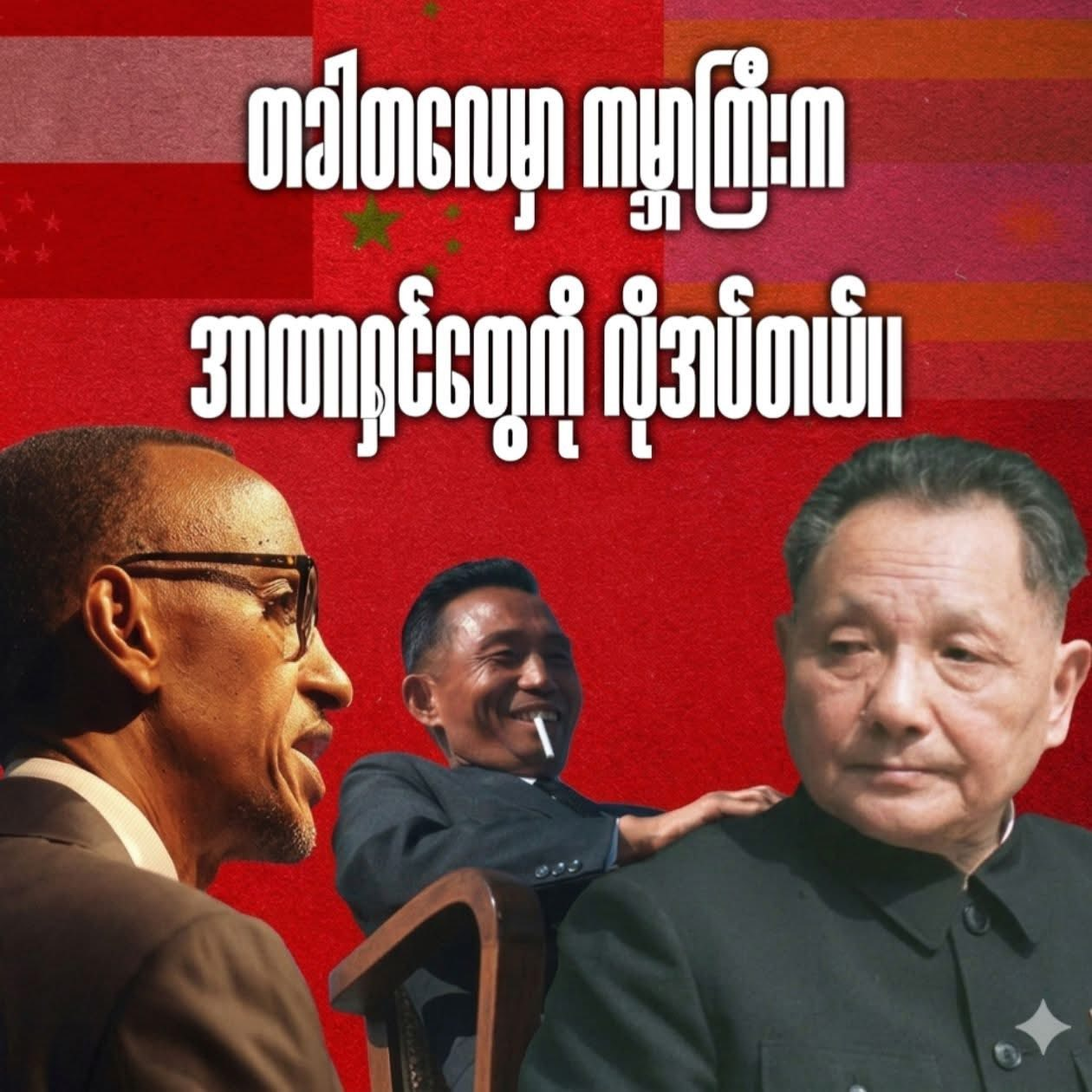
တခါတလေမှာ ဘာကြောင့် အာဏာရှင်တွေ လိုအပ်သလဲ…?
တောင်ကိုရီးယားဟာ တစ်ချိန်တုန်း အာဏာရှင် ပတ်ချွန်းဟီးရဲ့
လက်အောက်မှာ ရှိခဲ့ဖူးပါတယ်။
အဲဒီကာလ ၁၉၆၀ ပြည့်နှစ်တွေမှာ
တောင်ကိုးရီးယား နိုင်ငံသားတစ်ဦးရဲ့ တစ်နှစ်ဝင်ငွေဟာ
ဒေါ်လာ ၁၅၀ ဝန်းကျင်သာရှိပြီး အာဖရိက,က ဂါနာနိုင်ငံနဲ့ တန်းတူ
ဆင်းရဲခဲ့တာပါ။
အဲဒီနောက် ပတ်ချွန်းဟီးက စစ်အာဏာသိမ်းပြီးတော့
နိုင်ငံခေါင်းဆောင်ဖြစ်လာခဲ့ပါတယ်။
သူပထမဆုံး လုပ်ဆောင်ခဲ့တာက
အကျင့်ပျက်ခြစားတဲ့ စီးပွားရေးလုပ်ငန်းရှင်တွေကို ဖမ်းဆီးပြီး
“ငါခိုင်းတဲ့ စက်မှုလုပ်ငန်းတွေမှာ ရင်းနှီးမြှုပ်နှံမလား၊ ဒါမှမဟုတ်
လုပ်ငန်းတွေ အကုန်အသိမ်းခံမလား” ဆိုပြီး ရွေးချယ်ခိုင်းခဲ့ပါတယ်။
ပြီးတော့ ဘဏ်တွေကို နိုင်ငံပိုင်သိမ်းပြီး
သူရွေးချယ်ထားတဲ့ ” Samsung , Hyundai, LG” စတဲ့
ကုမ္ပဏီတွေကို ချေးငွေတွေ ပုံအောပေးခဲ့ပါတယ်။
ရလဒ်ကတော့ ဆယ်စုနှစ် (၃) ခုအတွင်းမှာ
တောင်ကိုးရီးယားနိုင်ငံရဲ့ စီးပွားရေးဟာ တစ်နှစ်ကို (၈%) နဲ့
တက်လာခဲ့ပါတယ်..။
ဒါပေမယ့်လည်း အလုပ်သမားတွေကတော့
တစ်နေ့ကို ၁၄ နာရီ မနားတမ်း အလုပ်လုပ်ခဲ့ရပြီး
လူ့အခွင့်အရေးတွေ ချိုးဖောက်ခံခဲ့ရပါတယ်။
၁၉၇၉ ခုနှစ်မှာ အာဏာရှင် ပတ်ချွန်းဟီးဟာ
သူ့ရဲ့ ထောက်လှမ်းရေးအကြီးအကဲ လက်ချက်နဲ့ လုပ်ကြံခံရပြီး
ကွယ်လွန်သွားခဲ့ရပေမယ့်…. တောင်ကိုးရီးယားနိုင်ငံရဲ့
စီးပွားရေးကို အရှိန်အောင် သူ့ရဲ့ အာဏာကိုအသုံးချပြီး လုပ်ဆောင်ပေးသွားခဲ့ပါတယ်… ။
ဒုတိယ တစ်ယောက်က စင်ကာပူရဲ့ ဖခင်ကြီး
လီကွမ်ယုပဲ ဖြစ်ပါတယ်။
၁၉၆၅ ခုနှစ်မှာ စင်ကာပူကျွန်းဟာ
မလေးရှား ဖယ်ဒရေးရှင်းကနေ ခွဲထွက်ပြီး လွတ်လပ်ရေးရခဲ့တဲ့
တစ်ခုတည်းသော နိုင်ငံဖြစ်ပါတယ်။
လီကွမ်ယုဟာ စင်ကာပူနိုင်ငံကို
ကုမ္ပဏီကြီးတစ်ခုလို စီမံခန့်ခွဲခဲ့ပါတယ်။
အင်္ဂလိပ်စာကို ရုံးသုံးစာဖြစ်အောင် လုပ်ပြီး
ကမ္ဘာ့ရင်းနှီးမြှုပ်နှံသူတွေကို ဆွဲဆောင်ခဲ့ပါတယ်။
ပြီးတော့ အကျင့်ပျက် ခြစားမှုကို
လုံးဝ သည်းမခံခဲ့သလို …. တစ်ဖက်မှာလည်း အရာရှိတွေကို
လစာ အမြင့်ဆုံးပေးပြီး ခြစားစရာ မလိုအောင် လုပ်ဆောင်ခဲ့ပါတယ်။
လီကွမ်ယုဟာ “ချစ်ခြင်းခံရတာထက် ကြောက်ရွံ့ခံရတာက ပိုကောင်းတယ်” ဆိုတဲ့ မက်ကီယာဗယ်လီရဲ့ အယူအဆကို ယုံကြည်သူတစ်ယောက်လည်း
ဖြစ်ပါတယ်။
ရလဒ်ကတော့ ယနေ့ နိုင်ငံသားတစ်ဦးချင်းရဲ့ တစ်နှစ်ဝင်ငွေဟာ
စင်ကာပူ ဒေါ်လာ ၆၀၀၀၀ အထက်မှာ ရှိလာနေပြီး ကမ္ဘာ့အချမ်းသာဆုံးနဲ့
အသန့်ရှင်းဆုံး နိုင်ငံဖြစ်လာခဲ့ပါပြီ…။
တတိယ ကတော့ တရုတ်နိုင်ငံက တိန့်ရှောင်ဖိန် ပဲ ဖြစ်ပါတယ်။
တိန့်ရှောင်ဖိန်ဟာ လူသားသမိုင်းမှာ
လူဦးရေ အများဆုံးကို ဆင်းရဲတွင်းက ဆွဲထုတ်ပေးနိုင်ခဲ့သူပါ။
တိန်ရှောင်ဖိန်ဟာ မော်စီတုံး လက်ထက်တုန်းက
နှစ်ကြိမ်တိုင်တိုင် ရာထူးက ဖယ်ရှားခံခဲ့ရပြီး
ထရက်တာစက်ရုံမှာ အလုပ်သမားအဖြစ် ပို့ဆောင်ခံခဲ့ရဖူးပါတယ်။
မော်စီတုံး ကွယ်လွန်ပြီးနောက် သူ အာဏာပြန်ရလာတဲ့အခါ
“အချက်အလက်တွေထဲကနေ အမှန်တရားကို ရှာပါ” ဆိုတဲ့ ဆောင်ပုဒ်နဲ့
“မော်ဝါဒ” တွေကို တဖြည်းဖြည်း ဖျက်သိမ်းခဲ့ပါတယ်။
ပြီးတော့ ရွာတွေမှာ တောင်သူတွေ လျှို့ဝှက်လုပ်ဆောင်ခဲ့တဲ့
“ကိုယ်ပိုင် စိုက်ပျိုးစားသောက်ခွင့်” ကို အပြစ်မပေးဘဲ တစ်နိုင်ငံလုံး အတိုင်းအတာနဲ့ စတင်စေခဲ့ပါတယ်…။
သူ့လက်ထက်မှာ အာဏာကိုအသုံးချပြီး
စီးပွားရေးအပြောင်းအလဲများစွာကို လုပ်ဆောင်စေခဲ့တဲ့အတွက်
လူဦးရေ သန်း ၈၀၀ ကျော်ကို ဆင်းရဲမွဲတေမှုကနေ ကယ်ထုတ်နိုင်ခဲ့ပါတယ်။
ဒါပေမဲ့ တိန်ရှောင်ဖိန်ဟာ ၁၉၈၉ ခုနှစ် တီယန်မင်ရင်ပြင်မှာ
ဒီမိုကရေစီ တောင်းဆိုတဲ့ ကျောင်းသားတွေကို
တင့်ကားတွေနဲ့ နှိမ်နင်းဖို့ အမိန့်ပေးခဲ့သူလည်း ဖြစ်ပါတယ်။
သူ့ရဲ့ မူဝါဒက “မင်းတို့ ချမ်းသာလာမယ်၊ ဒါပေမဲ့
မင်းတို့ လွတ်လပ်ခွင့် ရမှာ မဟုတ်ဘူး” ဆိုတာပါပဲ…။
နောက်ဆုံးတစ်ယောက်ကတော့
ရဝမ်ဒါနိုင်ငံက အာဏာရှင် ပေါလ်ကာဂါမီပဲ ဖြစ်ပါတယ်။
၁၉၉၄ ခုနှစ်တုန်းက ရဝမ်ဒါမှာ ရက်ပေါင်း ၁၀၀ အတွင်း
လူတစ်သန်းနီးပါး အသတ်ခံရတဲ့ လူမျိုးတုံးသတ်ဖြတ်မှုကြီး ဖြစ်ပွားခဲ့ပါတယ်။
ကာဂါမီ အာဏာရလာတဲ့အခါ
အဲဒီသတ်ဖြတ်မှုတွေကို ရပ်တန့်အောင် လုပ်ဆောင်ခဲ့ပါတယ်။
ဥပမာ – လူမျိုးရေး ခွဲခြားတဲ့ မှတ်ပုံတင်တွေကို ဖျက်သိမ်းပြီး
နိုင်ငံကို စင်ကာပူ ပုံစံအတိုင်း ပြန်လည် တည်ဆောက်ခဲ့ပါတယ်။
အကျင့်ပျက်ခြစားမှုကို လုံးဝ လက်မခံဘဲ
စီးပွားရေး လုပ်ရ လွယ်ကူအောင် ဖန်တီးပေးခဲ့ပါတယ်။
ရလဒ်ကတော့ ရဝမ်ဒါနိုင်ငံသားတွေရဲ့
ပျမ်းမျှသက်တမ်းဟာ ၄၀ နှစ်ကနေ အခုဆို ၇၀ အထိ တိုးလာခဲ့သလို မြို့တော် ကီဂါလီဟာ အာဖရိကရဲ့ အသန့်ရှင်းဆုံး မြို့ဖြစ်လာခဲ့ပါတယ်။
ဒါပေမဲ့ ရွေးကောက်ပွဲတွေမှာ
ထောက်ခံမဲ ၉၉% အထိ ရရှိနေတာကတော့
သူ့ရဲ့ အာဏာရှင်ဆန်မှုကို မေးခွန်းထုတ်စရာ ဖြစ်စေပါတယ်။
ဒီခေါင်းဆောင်တွေဟာ
သူတို့ရဲ့ နည်းလမ်းတွေနဲ့ အောင်မြင်မှုတွေ ရခဲ့ကြပေမဲ့
အဲဒီအောင်မြင်မှုတွေရဲ့ နောက်ကွယ်မှာတော့
လူ့အခွင့်အရေးနဲ့ ဒီမိုကရေစီဆိုင်ရာ ပေးဆပ်မှုတွေလည်း ရှိနေခဲ့ပါတယ်…။
ပြီးတော့ သူတို့ဟာ အာဏာရှင်ဆိုပေမယ့်
တိုင်းပြည်ကို စေတနာထားခဲ့တဲ့ အာဏာရှင်တွေလို့ ပြောရမယ် ထင်ပါတယ်။