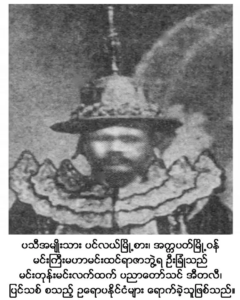
(Adapted from M-Media, 2013 | Written by Tin Min Htut)
The founding of any nation requires the gathering of diverse peoples—different ethnicities, beliefs, and skills. Unity born from diversity is strength; disunity leads to decline. This principle was clearly demonstrated by King Anawrahta, who successfully unified fragmented regions and established the first Myanmar Empire by harnessing diversity.
A review of Myanmar’s royal history reveals that the most successful kings practiced inclusive governance. Notably, during the reign of King Mindon, there was systematic assignment of duties across ethnic and religious groups, as recorded by the scholar U Pe Maung Tin.
Historical records show a remarkably structured and inclusive system:
- Brahmins (Ponna) served in large numbers (over 1,000 in various ritual and advisory roles), handling astrology, royal ceremonies, and religious functions.
- Manipuri (Kathe) communities served in cavalry, weaving, and royal household services.
- Myanmar Muslims (notably the Kalar Pyu artillery units) played a major role in the military, especially in cannon divisions, with units of around 1,000 personnel each. They were trusted with key defense responsibilities.
- Other Muslim groups also contributed according to their skills, including technical and military roles.
King Mindon not only allowed religious freedom but also personally supported the construction of mosques, demonstrating practical tolerance beyond mere policy.
- Shan groups (various subgroups) served prominently as soldiers.
- Palaung communities contributed both in agriculture (tea, fruits) and military duties.
- Chinese artisans worked in crafts such as carpentry, stonework, and performance arts.
- Foreign experts (including Europeans, called “Kala Thein”) specialized in fireworks, weapon-making, metallurgy, and ammunition production.
- Thai (Yodaya) communities served in cooking, water supply, and court entertainment.
- Mon (Mawlamyine/Dala) communities contributed to shipbuilding and carpentry.
- Various local groups worked as craftsmen, blacksmiths, textile makers, and suppliers of royal goods.
This system shows that skills—not ethnicity or religion—determined appointment and promotion.
A Notable Muslim Figure in Royal Service
Records also mention prominent Muslim officials such as Mula Ibrahim and his descendants, who held high-ranking administrative and financial positions across successive reigns—from the Konbaung kings to the British colonial period—demonstrating continuity of merit-based recognition.
The Myanmar Muslim men who served in the royal guard regiments were assigned to various artillery units:
- Yanpyo Artillery
- Yanphunghkwin Artillery
- Yankin Artillery
- Yanlin Gyi Artillery
- Lakmanheit Artillery
In each regiment, about 1,000 men were required to serve. During the reign of King Mindon, not only was religious freedom granted, but the King himself also sponsored and donated the construction of mosques. The Muslim guards, known as Kala Pyo Kintar, fulfilled their duties according to their skills. The Akkapat Kathi served as cavalrymen, wielding swords and spears in battle.
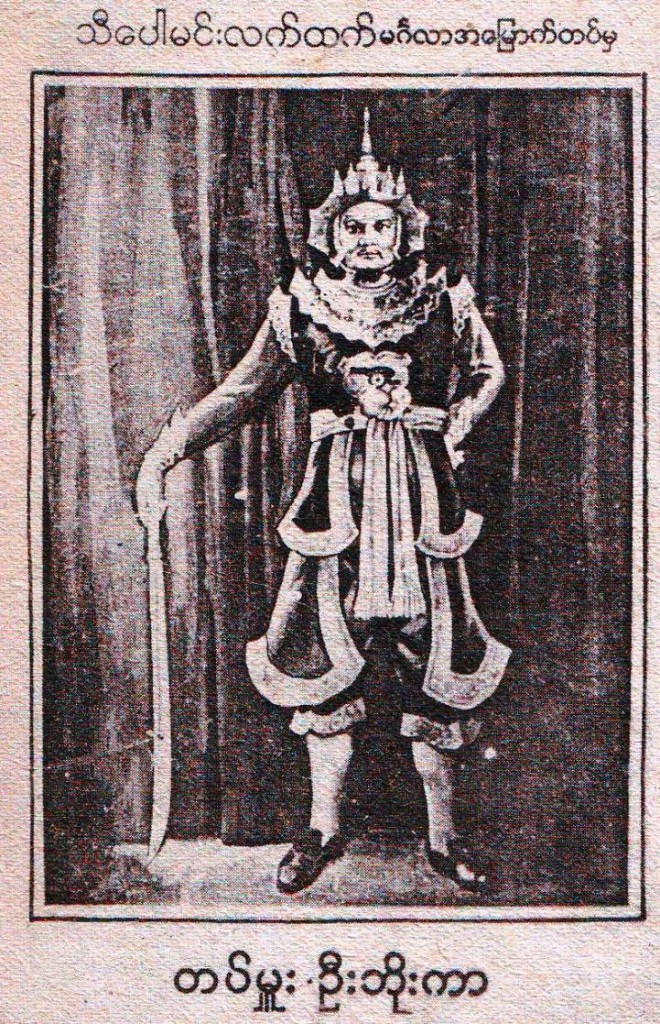
U Chone, son of U Lein Myan Dus, who was Mayor during King Thibaw’s reign, held the title of Akkapat Myin Wun (Cavalry Officer). Other Muslim officials served in roles such as elephant handlers, horse caretakers, craftsmen making harnesses, tailors for uniforms, bronze casters, and floral artisans—each contributing according to their expertise.
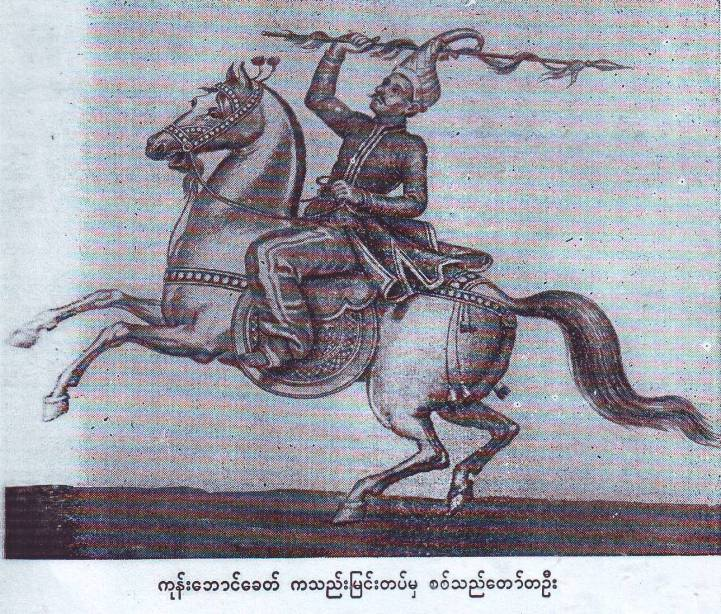
During the reign of King Thibaw, General U Chong, who was the chief of the army and the Mayor of the Pinlae Town.
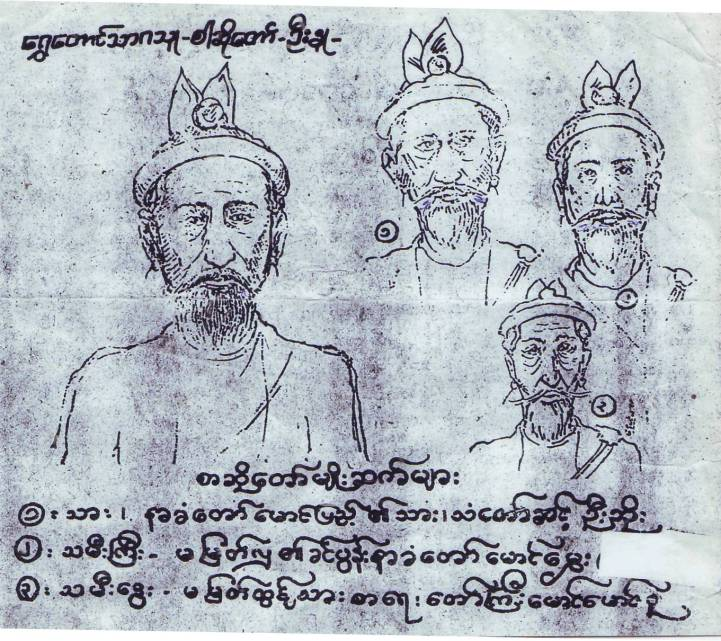
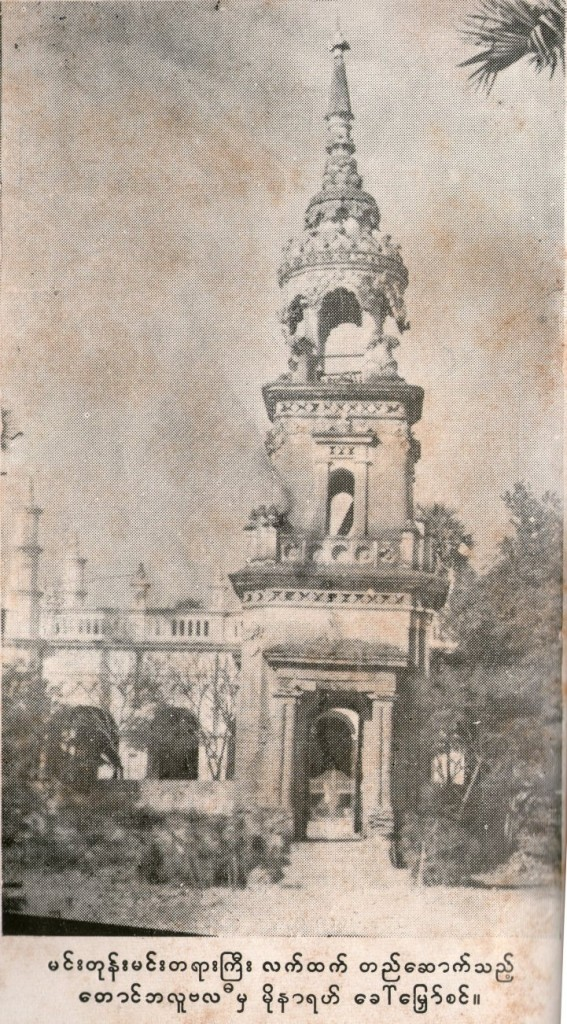
Notes (1, 2): The residence of General Moola Ibrahim, who oversaw tax administration, was located at present-day 26th Street and Azani Road in Mandalay, north of the old Yoke Company building. Before the war, this site housed a Muslim boys’ high school. Today, it is occupied by KB Motors. Nearby, in the Suleti cemetery, lies the tomb of Moola Ismail, son of Moola Ibrahim. During King Mindon’s reign, he was honored with the title Maha Bogadhana Raja for his service as a wealthy merchant. Later, his son Maung Aung became a donor of the Ratana Zedi Pagoda during King Thibaw’s reign, serving as a customs officer and holding the title Minhla Sittthu. Under British rule, he was granted the honorary title Khan Bahadur and continued to serve in various administrative posts. Moola Ismail passed away in 1841 at the age of 66, and his son Maung Aung died in 1905 at the age of 67.
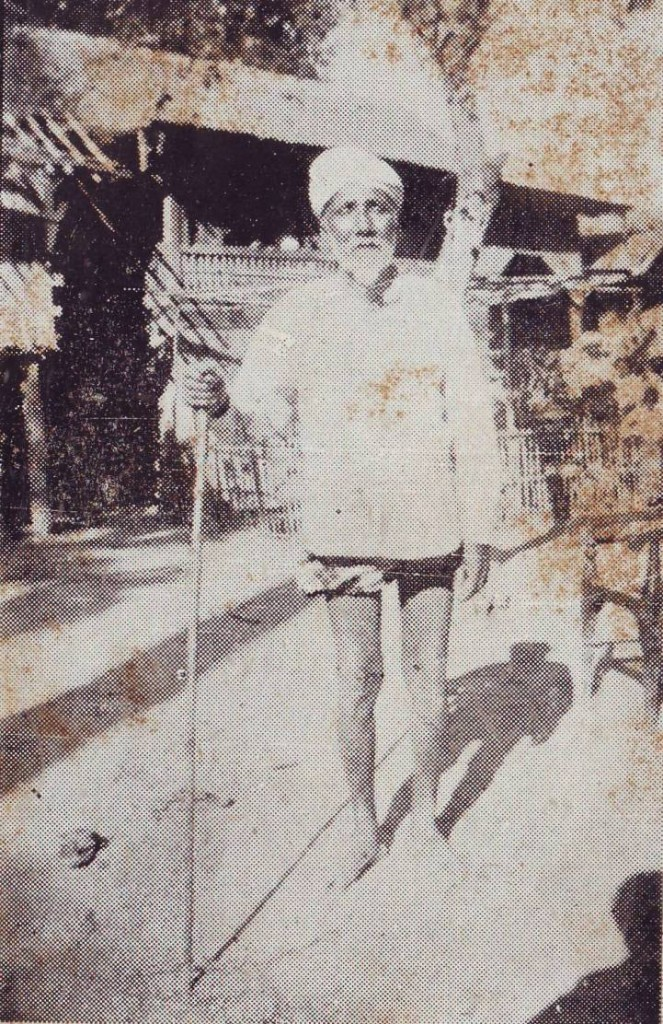
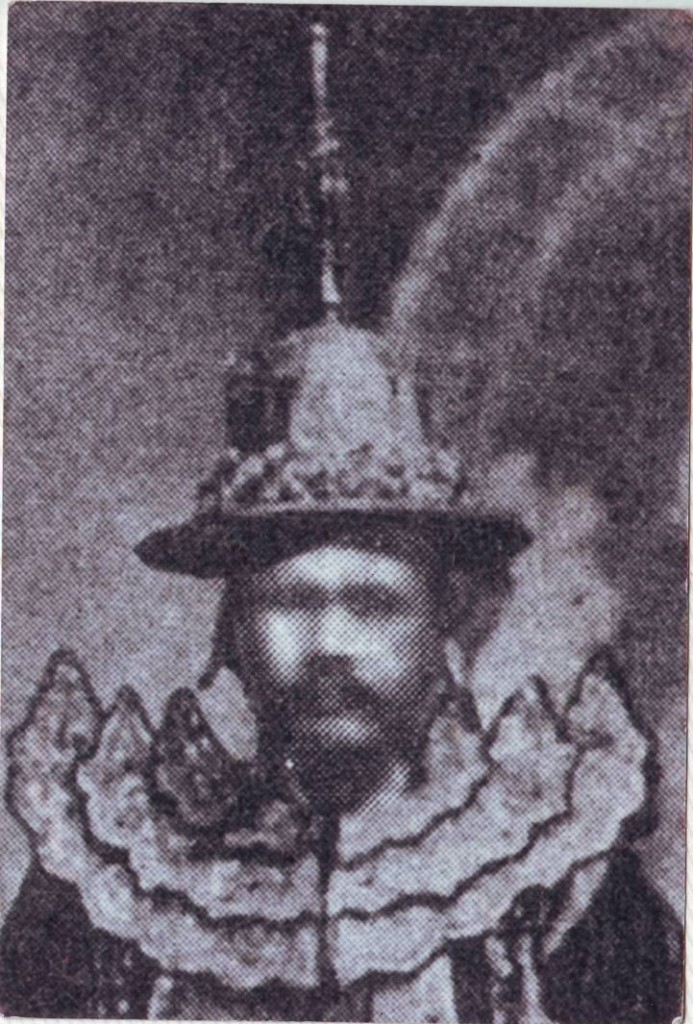
During King Thibaw’s reign, Captain U Shwe Gon of the Ywelachya Regiment was photographed wearing military trousers at age 76 in Buu Gyi village, Shwebo District, in 1938. This account is recorded in Shwe Mann’s Centenary History of Burmese Muslims, compiled by U Ba U of Shwebo.
Throughout these periods, appointments and honors were based not on ethnicity or religion but on merit and ability. Kings of Burma valued the contributions of diverse peoples, earning respect and loyalty from their subjects. Even during colonial subjugation, Myanmar regained independence earlier than many other nations. Across history, various ethnic groups resisted oppression and defended their homeland.
It is important to remember that sacrifices made by individuals were not just personal acts but collective contributions rooted in love and loyalty to the nation. To dismiss these sacrifices as insignificant is to insult entire communities. True courage—the willingness to sacrifice for one’s country—is rare, found in only a few among thousands. Behind every act of sacrifice lies a deep sense of value and devotion to the homeland.
Throughout Myanmar’s history:
- Loyalty to the kingdom was shared by all communities.
- People of diverse backgrounds sacrificed for the country, not as outsiders, but as stakeholders.
- National strength came from cooperation—not from a single ethnic group.
The idea that only one group built or defended the nation is historically inaccurate. Progress has always come through exchange, interaction, and shared effort.
History also teaches that:
- Division and ethnic supremacy are often tools used by authoritarian rulers to maintain power.
- When unity breaks down, societies become vulnerable to conflict and manipulation.
Myanmar’s past success was built on inclusive governance and mutual respect. Its decline, like many nations, followed disunity and exclusion.
This is not nostalgia for a “golden past,” but a reminder:
Understanding why unity led to success—and why division led to decline—is essential.
History tends to repeat itself. The lesson is clear:
Do not repeat the mistakes of the past—learn from them.
မြန်မာမင်းများ၏ လူမျိုးစုံ အမှုထမ်းများနှင့် တာဝန်ခွဲဝေခန့်ထားမှုများ
Written by M-Media in ဆောင်းပါး ဇန်နဝါရီ ၂၂ ၊ ၂၀၁၃ M-Media တင်မင်းထွဋ်
တိုင်းပြည်တစ်ပြည်တည်ထောင်ရာတွင် မတူကွဲပြားသောလူမျိုးစုံ အယူဝါဒကွဲပြားသူများကို စုရုံးကာ တည်ထောင်ခဲ့ကြရသည်။ စုရုံးမှုသည် အား တစ်ခုဟု မှတ်ယူသင့်ပေသည်။ စုရုံးမှုမှ စည်းလုံးညီညွတ်မှု ကို ရှရှိနိုင်ပေသည်။ ပြိုကွဲခြင်းများသည် စည်းလုံးညီညွတ်မှုပျက်သုဉ်းသောအခါ ပေါ်ပေါက်လာခဲ့သည်။
အနော်ရထာမင်းကြီးသည် အစုစုပြိုကွဲနေသော ပြည်နယ်များ လူမျိုးများကို စုရုံးကာ ပထမမြန်မာနိုင်ငံတော်ကို အောင်မြင်စွာ တည်ထောင်နိုင်ခဲ့သည်။ စုစည်းမှု၏ တန်ဖိုးကို ကောင်းမွန်စွာအသုံးချတည်ဆောက်ခဲ့သည်။ ဆက်ခံရာ မင်းဆက်များ၏ သမိုင်းကို ပြန်လည်လေ့လာသော် သမိုင်းလှခဲ့သည့် မင်းများ၏ ဆောင်ရွက်လုပ်ဆောင်ခဲ့သည်များသည် အလွန်မှတ်သားဖွယ် အတုယူဖွယ်များ တွေ့ရသည်။ မြန်မာမင်းများ၏ အမှုတော်ထမ်းရွက်ရန် မင်းမှုထမ်းများ ခန့်ထားမှုများနှင့် ပတ်သက်ပြီး မင်းတုန်းမင်းတရားကြီး၏ လူမျိုးပေါင်းစုံ တာဝန်ခွဲဝေခံထားမှုကို ဦးဖေမောင်တင် (မဟာဝိဇ္ဇာ) ရေးသားပြုစုတဲ့ မြန်မာမင်း လက်ထက်တော် စာတမ်းများ စာမျက်နှာ (၃၃) တွင်အောက်ပါအတိုင်း ဖော်ပြထားသည်။
ဤကဲ့သို့ သမိုင်းအထောက်အထားများ၊ မှတ်တမ်းများ များစွာရှိနေပါသည်။ သို့သော် ဒီသမိုင်းအထောက်အထားကိုတော့ လူသိနည်းသေးသည်ဟု ယူဆသည့် အဆက်ခံရာ မင်းဆက်များ၏ သမိုင်းကို ပြန်လည်လေ့လာသော် သမိုင်းလှခဲ့သည့် မင်းများ၏ ဆောင်ရွက်လုပ်ဆောင်ခဲ့သည်များသည် အလွန်မှတ်သားဖွယ် အတုယူဖွယ်များ တွေ့ရသည်။ မြန်မာမင်းများ၏ အမှုတော်ထမ်းရွက်ရန် မင်းမှုထမ်းများ ခန့်ထားမှုများနှင့် ပတ်သက်ပြီး မင်းတုန်းမင်းတရားကြီး၏ လူမျိုးပေါင်းစုံ တာဝန်ခွဲဝေခံထားမှုကို ဦးဖေမောင်တင် (မဟာဝိဇ္ဇာ) ရေးသားပြုစုတဲ့ မြန်မာမင်း လက်ထက်တော် စာတမ်းများ စာမျက်နှာ (၃၃) တွင်အောက်ပါအတိုင်း ဖော်ပြထားသည်။
ဤကဲ့သို့ သမိုင်းအထောက်အထားများ၊ မှတ်တမ်းများ များစွာရှိနေပါသည်။ သို့သော် ဒီသမိုင်းအထောက်အထားကိုတော့ လူသိနည်းသေးသည်ဟု ယူဆသည့် အ ပုဏ္ဏားအမှုထမ်းများလည်း ပုဂံခေတ်မှစ၍ တွေ့ရှိလာရာ မင်းတုန်းမင်းလက်ထက်တော်၌ ခတ္တိယ၊ ဗြဟ္မဏ၊ သုဒ္ဓ၊ ဗိသျှ၊ ပုဏ္ဏားဖြူ ၁၀ဝ၊ ပုဏ္ဏားညို ၁၀ဝ၊ ဘိသိက်တော်ပုဏ္ဏား ၃၀ဝ၊ ရေကြည်တော်ခပ် ၁၀ဝ၊ ဂြိုဟ်စာကျွေး နတ်တင် ၁၀ဝ၊ ဇာတာတော်ဆေး ၁၀ဝ၊ ပုရောဟိတ် ၆၀၊ အခါပေး ၁၀ဝ ရှိ၏။ ကသည်းလူမျိုးအမှုထမ်းများမှာ လှေတော်တန်း၊ မြင်းစီးသူရဲတန်း၊ ယက်ကန်းတော်၊ဆတ္တာတော်၊ ခဝါတော်၊ အနှိပ်တော်၊ ရေကြည်တော် ပျော်ရာက အမှုတော်ထမ်းကြရသည်။
မြန်မာမူဆလင်အမျိုးသားများဖြစ်ကြသော ကင်းတားကုလားပျိုတပ် အမှုထမ်းတို့သည်
(၁)ရန်ပြိုအမြောက်
(၂)ရန်ပုံခွင်းအမြောက်
(၃)ရန်ကင်းအမြောက်
(၄)ရန်လင်းကြီးအမြောက်
(၅)လက်မနှိပ်အမြောက် စသော အမြောက်စုအမှုတော်ထမ်း၌ တသင်းတွင် လူ ၁၀ဝ၀ ခန့်အမှုတော် ထမ်းရွက်ကြရသည်။
ထို့ကြောင့်လည်း မင်းတုန်းမင်းတရားကြီး လက်ထက်တော်၌ ဘာသာရေးလွတ်လပ်မှုရရှိရုံမျှမက မင်းတရားကြီးကိုယ်တော်တိုင် ပလီများ ဆောက်လုပ် လှူဒါန်းခဲ့လေသည်။
မြေထူးကုလားအမှုထမ်းတို့မှာ ကုလားပျိုကင်းတားအမြောက်စစ်သည်တော်တို့ မိမိတို့တတ်စွမ်းရာက အမှုထမ်းကြရသည်။ အက္ကပတ်ကသည်းတို့မှာ မြင်းစီး ဓားခုတ် လှံထိုး စစ်သည်တော်အဖြစ် အမှုထမ်း၏။
UChone Son of ULein_Myan Dus Mayor သီပေါမင်းလက်ထက်တွင် အက္ကပတ်မြင်းဝန်၊ပင်လယ်မြို့စား မင်းကြီး မဟာမင်းလှမင်းထင်ရာဇာဘွဲ့ခံ ဗိုလ်ချုပ်ဦးချုံ ကလယ်အမှုထမ်းတို့မှာ ပန်းဘဲအလုပ်၊ ဆင်တော် မြင်းတော်ကကြိုးတန်ဆာလုပ် အမှုထမ်းများ ဝတ်ဆင်ရန် အဝတ်တန်ဆာအချုပ်အလုပ်၊ ကြေးသွန်း၊ ပန်းတဉ်း၊ မိမိတတ်စွမ်းရာကအမှုထမ်းရသည်။
ဝေသာလီအမှုထမ်းတို့မှာ ဖျာရက်၊ ရိုင်ရက်၊ ခြင်းကြားရက်၊ ပဒေသာတန်ဆောင်တန်လုပ်ဝါးနှင့် ဆိုင်ရာ မိမိတတ်ကျွမ်းရာက အမှုထမ်းကြရသည်။
ရှမ်းအမှုထမ်းဖြစ်ကြသော ကောင်းဟန်ရှမ်း၊ ယွန်းရှမ်း၊ ဓနုရှမ်း၊ ကဒူးရှမ်းတို့သည် လက်နက်ကိုင် စစ်သည်ဘက်၌ အမှုထမ်းကြပြီးပလောင်အမှုထမ်းတို့မှာ လက်ဖက်၊ သစ်ကြားသီး၊ သစ်အယ်၊ သစ်တို၊ လိမ္မော်၊ ဗကျာက် ဟူသမျှအလုပ်နှင့်စစ်မှုတွင် ထမ်းဆောင်ကြရသည်။
တရုတ်အမှုထမ်းတို့မှာ မုန့်တော်ဆက်၊ နဂါးတိုး၊ နရားအက၊ လက်သမား၊ ကျောက်သွေး စသောအမှုတော်ကို ထမ်းရသည်။
ကုလားတိမ်အမှုထမ်းတို့မှာ မီးပန်း မီးကျည် မီးနီ မီးဝါ မီးစိမ်း မီးပြာ မီးဖြူ မီးပန်းအလုပ်၊ မျက်လှည့်၊ ကြေးသွန်း၊ ယမ်းချက်၊ ယမ်းထောင်း၊ အမြောက်ဆံလုပ် အမှုတော်ထမ်းကြရသည်။ (ပေါ်တူဂီ စသော တိုင်းတပါးမှ လာရောက်သော လူမျိုးများကို ကုလားတိမ်ဟုဆိုလိုခြင်း ဖြစ်ပါသည်။)
မရမံအမှုထမ်းများမှာ ဘုရင်ကိုးကွယ်တော်မူသော ဆရာတော် သံဃာတော်များ၏ ကျောင်းဝစ္စပသာကုဋီများကိုသုတ်သင်ရသည်။ ယိုးဒယားအမှုထမ်းတို့မှာ အချက်အပြုတ်အလုပ်၊ ရေကြည်တော်ခပ်၊ ယိုးဒယားရာမဇာတ်ဖြင့် အမှုတော် ထမ်းကြရသည်။ မော်လမြိုင် ဒလဘက်အမှုထမ်းတို့မှာ သင်းဘောသမ္ဘန်လှေတော်လုပ် လက်သမား စသဖြင့် အမှုထမ်းကြရလေသည်။
ဤသို့ဖြင့် မြန်မာမင်းများ၏အုပ်ချုပ်စီမံပုံသည် သဘောထားပြည့်ဝ၍ လွတ်လပ်မှုရှိသည်။ ဆရာဦးဖေမောင်တင်၏ မြန်မာမင်းလက်ထက်တော်များ စာအုပ်တွင် ဤကဲ့သို့ ဖေါ်ပြပါရှိသကဲ့သို့ စာမျက်နှာ (၃၅)တွင် ပေးထားသောမှတ်ချက် ၁-၂ သည်လည်း စိတ်ဝင်စားဖွယ် တွေ့ရပြန်သည်။
(မှတ်ချက် ၁၊ ၂။ ။ဤယံ ကောင်စစ်ဂျင်နရယ်တို့ တည်းခိုသော အခွန်ဝန်မူလာအီဗရာဟင်၏ တိုက်နေရာသည် ယခုမန္တလေးမြို့ ၂၆ ဘီလမ်း၊ အာဇာနီလမ်း ရိုးကုမ္ပဏီတိုက်ပျက်ကြီး၏မြောက်ဖက် ဝင်းကြီးပင်ဖြစ်သည်။ စစ်မဖြစ်မီက မွတ်စလင်အမျိုးသား အထက်တန်းကျောင်းရှိသည်။ ယခုအခါ ကေဘီမော်တော်စတိုး ကားပျက်များထားသည်။ ဈေးချိုတော် မြောက်ဖက်တိုက်တန်းနှင့်ကပ်လျက် စူလတီဗလီ၌ သင်းချိုင်းဂူတခုတွင် မူလာအီဗရာဟင်၏သား မူလာအစ္စမံအလယ်သည် အဖရှိစဉ်ကပင် မင်းတရားကြီးလက်ထက်တော်၌ သူဌေးကြီးတို့အစီးအနင်းအဆောင်အရွက် မဟာဘောဂဓနရာဇာဘွဲ့နှင့်တကွ သူကောင်းပြုတော်မူသည်။ ယင်းနောက် သား မာန်အောင် ရတနာစေတီတော်ဒါယကာသီပေါဘုရင်လက်ထက်တော်တွင် အခွန်ဝန် အကောက်ဝန် လောကဗိမာန် လှေတော်အုပ် ကျောက်ရဲမြို့စား မင်းလှစည်သူ ဘွဲ့အမည် အရည်နှင့် သူကောင်းပြုတော်မူသည်။ နောက် မြန်မာနိုင်ငံတော်ကို အရှင်အင်္ဂလိပ်အစိုးရ မင်းတို့ သိမ်းပိုက်အုပ်စိုးတော်မူရာ လူကြီးလူကောင်းမှန်သည့် အတိုင်း ခန်ဘဟာဒူးဟူသောဘွဲ့ကို ပေးသနားတော်မူ၍ မင်းသုံးဆက်တိုင် ရာထူးဌာနန္တရအမျိုးမျိုး သူကောင်းပြုတော်မူခြင်းကို ခံစံရသောမူလာအစ္စမံအလ်သည် သက္ကရာဇ် ၁၂၀၃ ခု ဒုတိယဝါဆိုလဆန်း ၁၁ ရက် တနင်္ဂနွေဘွား အသက် ၆၆ နှစ် သက္ကရာဇ်၁၂၆၇ နတ်တော်လဆန်း ၂ ရက် တနင်းလာနေ့ နံနက် ၅ နာရီအချိန် ထွက်ကသွာအေလာဟီရှိသည့်အတိုင်း အသျှင်မြတ်အမိန့်တော်ကို ခံရလေသည်}}စသည်ဖြင့် ကျောက်စာ ရေးထိုးထားလေသည်။)
သီပေါမင်းလက်ထက် ရွေးလကျာ်တပ်မှ ထိုးကွင်းမင်ကြောင်ဘောင်းဘီစွပ်နှင့် တွေ့ရသော တပ်မှူး ဦးရွှေဂုဏ် (အသက် ၇၆နှစ် အရွယ် ၁၃၀၀ပြည့်နှစ်က ရွှေဘိုခရိုင် ဘူးကြီးကျေးရွာတွင် ရိုက်ကူးပါသည်၊)
ရွှေဘို ဦးဘဦး ပြုစုစီရင်ရေးသားသော ရွှေမန်းအနှစ်တရာပြည့် ဗမာမွတ်စလင်တို့၏အထုပ္ပတ္တိ စာအုပ်မှ ကူးယူဖော်ပြပါသည်။
ထိုခေတ်ကာလသမိုင်းများ တစ်လျှောက်တွင်ပင် လူမျိုး ဘာသာထက် အရည်အချင်း အရည်အသွေးကို သာကြည့်၍ ဦးစားပေးရွေးချယ် ချီးမြှင့်မြှောက်စားခဲ့ကြကာ အရောင်အသွေးအစုံ ပြည်သူများ၏ ချစ်ကြည်လေးစားမှုကို မြန်မာဘုရင်များ ရရှိခဲ့ကြသည်။
မြန်မာနိုင်ငံတော်သည် သူ့ကျွန်ဘ၀ရောက်ခဲ့သော်လည်း ကျွန်ဘ၀ရောက်တဲ့ နိုင်ငံအများစုထက် စော၍ လွတ်မြောက်ခဲ့သလို ကျွန်ပြုခံကာလတစ်လျှောက်လုံးတွင်လည်း တိုင်းရင်းသားပေါင်းစုံ၏ နည်းမျိုးစုံ တော်လှန်မှုများကို ကာလအစဉ်အဆက် နယ်ချဲ့များ ရင်ဆိုင်ခဲ့ရသည်။ ယနေ့အချို့ပြောကြသလို တိုင်းတပါးသား ကျူးကျော်သူများ ဆိုပါက မိမိနိုင်ငံကိုသာ မိမိ အသက်ပေးချစ်ကာ စွန့်လွတ်ကြမည်သာ ဖြစ်သည်။ မြန်မာနိုင်ငံရှိမူရင်းနေထိုင်သူ img006တိုင်းရင်းသားအားလုံးသည် သမိုင်းကာလတစ်လျှောက်လုံး မြန်မာမင်းများ၏ ပျိုးထောင်ပေးခဲ့သော မိမိတိုင်းပြည် မိမိနယ်မြေကို ချစ်စိတ် တန်ဖိုးထားစိတ်များကြောင့်သာ ယခု လို ဘ၀ပေါင်းများစွာ ပေးဆပ်ခဲ့ကြခြင်း ဖြစ်ပါသည်။ သမိုင်းတွင် ပေးဆပ်ပြခဲ့သည် လုပ်ပြခဲ့သည် ဆိုသော စကားများသည် ၎င်းပုဂ္ဂိုလ်များ ကိုသာမက လူမျိုးအားလုံးကို စော်ကားသော စကားများပင်ဖြစ်သည်။ ပေးဆပ်ရဲသော လုပ်ရဲသောသတ္တိသည် လူတစ်ထောင်တွင် တစ်ယောက် မလုပ်နိုင်သော စိတ်ဓါတ်ဖြစ်သည်။ ပေးဆပ်ခြင်း၏ နောက်ကွယ်တွင် ဘ၀ပေါင်းများစွာ တန်ဖိုးထားမှုများစွာကို ပေးအပ်ခဲ့ရသည်ကို သိသင့်လှပေသည်။ သမိုင်းတွင် စုပေါင်း အား ကြောင့်သာ အောင်မြင်ခဲ့သည်များသာ ရှိပါသည်။ လူမျိူးတစ်မျိုးတည်း၏ တီထွင်မှုများကြောင့် ကမာ္ဘကြီး တိုးတက်မလာသည်ကို တွေ့မြင်နိုင်သလို ကူးလူးဆက်ဆံ ဖလှယ်ခြင်းကြောင့်သာ တိုးတက်လာခြင်းဖြစ်ပေသည်။ မြန်မာ့နိုင်ငံ၏ တိုးတက်မှုဏ္ဍစုံကို ပြန်လည်လေ့လာပါက နယ်ပယ်စုံတွင် ထူးချွန်ပြောင်မြောက်သူများသည် လူမျိုးစုံ အယူဝါဒစုံသူများ သာ ဖြစ်သည်။ စနစ်ဆိုးများ၏ အောက်တွင် ဘဝသက်တမ်းတစ်ခုစာမျှ နေထိုင်ခဲ့ရသော မျိုးဆက်များသည် ဆိုးမွေများကို အများအပြား ရရှိခဲ့ကြပေသည်။ ဘက်နှစ်ဖက်ကိုကြည့်တတ်သော စိတ်ဓါတ်များ ပျက်သုဉ်းကာ တစ်ဖက်ဆွဲ စိတ်ဓါတ်များ ရင့်သန်လာခဲ့ကြသည်။ စနစ်၏ သားကောင်များ ဖြစ်မှန်းမသိ ဖြစ်ခဲ့ကြရသည်။ တိုင်းပြည်တွင်းရှိ လူမျိုးပေါင်းစုံ စည်လုံးညီညွတ်ခြင်းကို ဘယ်တော့အခါမျှ မည်သည့်အာဏာရှင်များ မနှစ်မြို့နိုင်ပေ။
ထိုင်ခုံများတည်မြဲရေးအတွက် မဟာလူမျိုးကြီးဝါဒသည် အာဏာရှင်များ၏အသုံးချ နည်းဗျူဟာများထဲမှ သည်းခြေအကြိုက်တစ်ခု ပေဖြစ်သည်။
နေရာဒေသ နိုင်ငံကွာခြားသော်လည်း အာဏာရှင်ကြီးများ အနည်းနဲ့အများ ကျင့်သုံးခဲ့ကြသည်ကို သမိုင်းတွင် လေ့လာနိုင်ပေသည်။ ရွှေထီးဆောင်းခဲ့သည်များကို အရိုးဆွေးသည့်အထိ ပြန်လွမ်းနေခြင်း မဟုတ်သလို ဘာကြောင့် ရွှေထီးဆောင်းခဲ့ကြရသည်၊ ဘာကြောင့်ဇန်လျောခဲ့ကြသည် များကိုတော့ ပြန်လည် သုံးသပ်သင့်ပါက လေ့လာသင့်ပေသည်။ ကာလအပိုင်းအခြားကြောင့် ခေတ်ပြောင်းခဲ့ပင်မဲ့ အချို့သမိုင်းများသည် တစ်ပတ်လည် လာသည်။ ထိုအခါ သမိုင်းထဲက အမှားများကို ပြန်လည်သုံးသပ်မှုမရှိကာ သမိုင်းဟောင်းများထဲက အမှားများအတိုင်း ပြန်လည်မကျူးလွန်ဖို့ကိုတော့ သတိပြုသင့်လှပေသည်။
တင်မင်းထွဋ် ၂၀-ဒီဇင်ဘာ-၂၀၁၂ @ https://m-mediagroup.com/news/10386