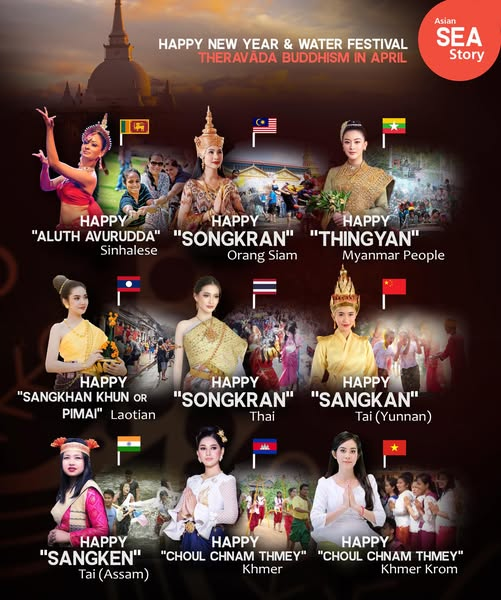
Thingyan is often seen as a Buddhist festival, but its roots lie in Hindu astrology and its meaning has evolved into a cultural celebration for all. This essay explores the origins, transformations, and inclusive spirit of Myanmar’s New Year festival, showing how it bridges faiths and traditions while remaining a shared heritage for the nation.
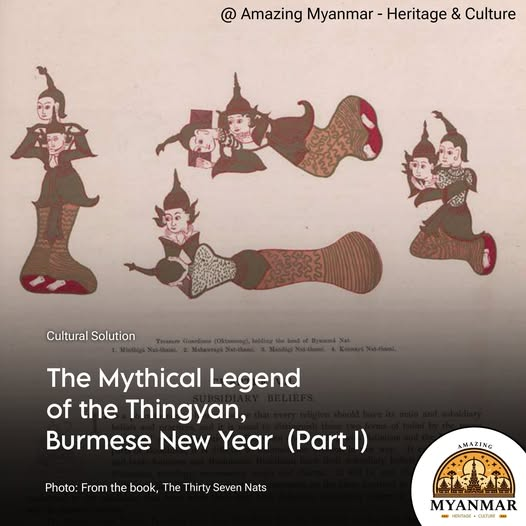
The origin of Myanmar’s Thingyan New Year is rooted in a legend involving a celestial wager between Arsi Brahma (the King of Brahmas) and Thagyamin (the King of Devas, or Sakra). This story is a localized, Buddhist version of the Hindu mythological story of Ganesha’s origin, where Shiva replaces Ganesha’s head with that of an elephant.
Lord Ganesha – Remover of Obstacles – God Of Wisdom & Prosperity.
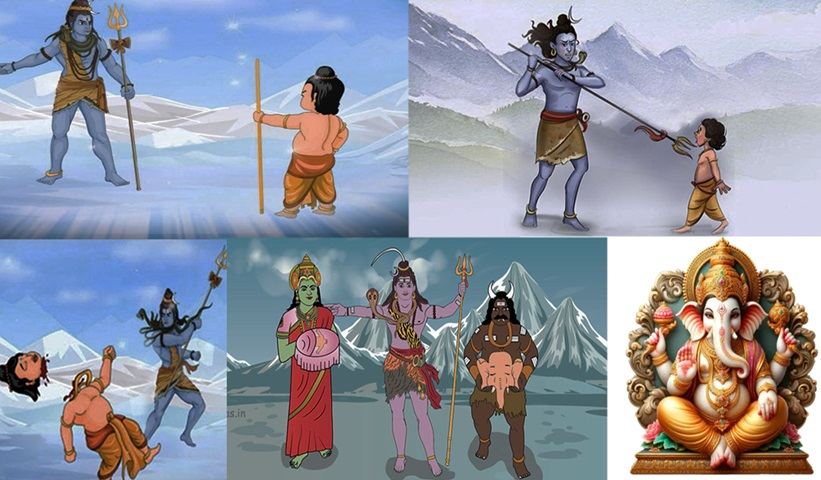
Vakratunda → Story of Ganesha and Sindhurasura – Sri Sathya Sai Balvikas
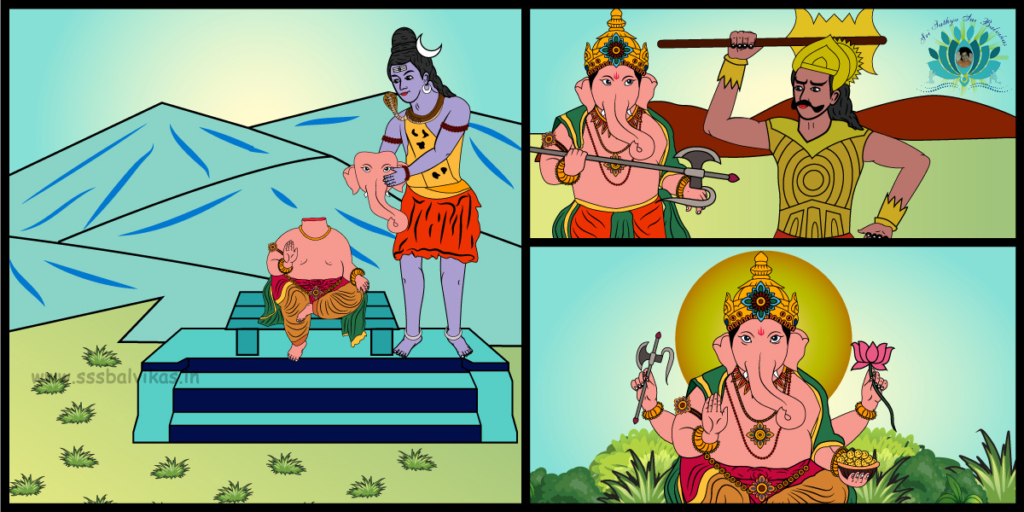
- The Decapitation: After losing a wager about mathematical or astrological calculations, Arsi Brahma was decapitated by Thagyamin as agreed.
- Birth of Ganesha (Maha Peinne Nat): To restore the Brahma’s body, Thagyamin attached the head of an elephant to it. According to this Burmese adaptation of Hindu myth, the Brahma then became Maha Peinne Nat, recognized in Myanmar as the Hindu god Ganesan (Ganesha).
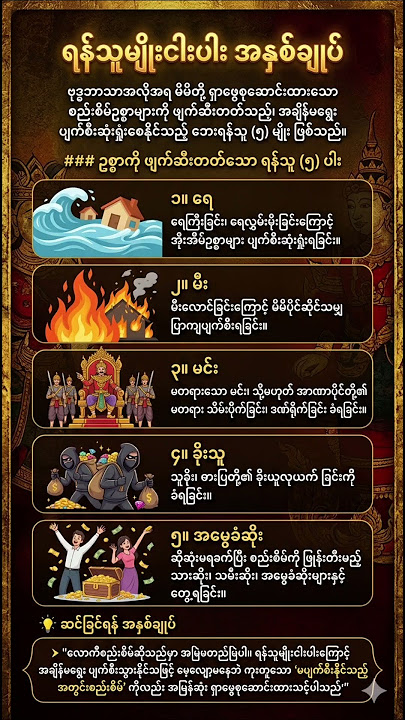
- The Dangerous Severed Head: The original severed head of the Brahma possessed catastrophic power.
- Earth: If dropped on land, it would scorch the earth and destroy all living creatures.
- Ocean: If thrown into the sea, it would cause the oceans to boil or dry up.
- Air: If cast into the sky, the atmosphere would burst into flames or cause a seven-year drought.
- The Seven Celestial Goddesses: To prevent a global disaster, Thagyamin assigned seven celestial goddesses (Natthamee or Devi) from Tavatimsa Heaven to take turns carrying the head. While some variations mention 12 figures, traditional Burmese accounts specifically name seven sisters—representing the seven days of the week—who pass the head to one another every New Year. This “Sakkaraj Head Change” symbolizes the transition between years celebrated during Thingyan.
Thingyan, the Myanmar New Year Water Festival, is often perceived as a Buddhist celebration. Yet, its origins, practices, and meaning reveal a much broader cultural and historical foundation. This essay explores the roots of Thingyan, its transformation in Myanmar society, and its relevance across religious boundaries, drawing on historical references and comparative perspectives.
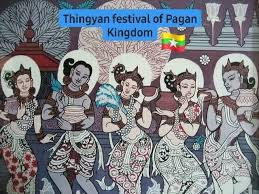
Thingyan, the Myanmar New Year Water Festival, is often perceived as a Buddhist celebration. Yet, its origins, practices, and meaning reveal a much broader cultural and historical foundation. This essay explores the roots of Thingyan, its transformation in Myanmar society, and its relevance across religious boundaries, drawing on historical references and comparative perspectives.
When introduced to Myanmar, Thingyan merged with Buddhist cultural practices, becoming a uniquely Burmese festival. While not prescribed in Buddhist scriptures, it absorbed Buddhist values and rituals:
- Respect for elders: Aligned with the Mangala Sutta’s emphasis on honoring parents and teachers.
- Releasing fish and cattle: Reflects Buddhist compassion (karuṇā).
- Observing precepts during holidays: A cultural adaptation of Buddhist discipline.
Thus, Thingyan became a syncretic celebration—rooted in Hindu cosmology but reshaped by Buddhist-majority society.
The Western New Year on January 1st illustrates a similar evolution. Originally tied to Roman religion, with the god Janus symbolizing transitions, it later became associated with Christianity through Pope Gregory XIII’s calendar reform in 1582. Today, however, it is celebrated globally as a secular cultural event.
Thingyan functions in much the same way: a seasonal and social festival with religious overlays, but not confined to any single faith.
Debates often arise about whether Christians or Muslims should participate in Thingyan. Critics sometimes claim that joining such festivals undermines religious identity. Yet, as both U Aung Tin and Ven. U Kundala argue:
- Thingyan is not a Buddhist commandment.
- Participation does not equate to conversion or betrayal of faith.
- Like Christmas or Eid, it is a cultural celebration that transcends religious boundaries.
This perspective underscores the festival’s inclusive nature, affirming that Thingyan belongs to all communities in Myanmar.
Thingyan today is both a social festival and a cultural marker:
- It symbolizes renewal, cleansing, and community bonding.
- It provides a long holiday period, during which Buddhist practices are often observed, but participation is open to all.
- It reflects Myanmar’s pluralistic heritage, where Hindu, Buddhist, and local traditions intersect.
Thingyan is best understood not as a Buddhist ritual, but as a cultural New Year festival with Hindu astrological roots, adapted through Buddhist society, and celebrated across communities. Its practices resonate with universal human values—respect, compassion, and renewal.
Just as the Gregorian New Year is celebrated worldwide regardless of religion, Thingyan too should be embraced as a shared cultural heritage, open to all who call Myanmar home.
References
- Ghosh, A. (2012). Hindu Festivals and Their Cultural Roots. Oxford University Press.
- Houtman, G. (1999). Mental Culture in Burmese Crisis Politics. Institute of Asian Studies.
- Keyes, C. (1977). The Golden Peninsula: Culture and Adaptation in Mainland Southeast Asia. Macmillan.
- Lieberman, V. (2003). Strange Parallels: Southeast Asia in Global Context, c. 800–1830. Cambridge University Press.
- Strong, J. (2015). Buddhism: The Religious and Cultural Traditions. Routledge.
U Aung Tin
အစွန်းရောက်တယ်ထင်တဲ့ ရခိုင်ဘုန်းကြီးရဲ့ သမမျှတတဲ့ပို့စ်ကိုကြိုက်လို့ရှယ်ပါတယ်။
သက်ြန်ရေပက်လို့၊ မဲရီးခရစ်စမတ်ပြောလို့၊ အိဒ်ပွဲတော်သွားလို့ မိမိဘာသာပျက်သွားပြီ။ သူများဘာသာဝင်ဖြစ်သွားပြီလို့ပြောနေသူတွေဟာ မိမိသာသနာနဲ့ မိမိနေထိုင်ရာ လူ့အဖွဲ့အစည်း၊ လူ့သဘာဝကို နားမလည်သူတွေဖြစ်တယ်။
သူ့ပို့စ်ထဲမှာ သကြ်န်က ဗုဒ္ဓဘာသာနဲ့မဆိုင်ဘူးလို့ ရှင်းရှင်းပြတ်ပြတ်ပြောရဲတဲ့ သတ္တိကိုလည်း ကြိုက်ပါတယ်။
မြန်မာ၊ မွန်၊ ရှမ်း၊ ရခိုင်၊ ထိုင်းသက်ြန်တွေဟာ ဟိန္ဒူကုလားအယူအဆက ဆင်းသက်လာတာပါ။ ကုလားယဉ်ကျေးမှုကို ဆက်ခံကျင့်သုံးနေကြတာပါ။
သို့သော် မြန်မာပြည်မှာက မွတ်စလင်နိုင်ငံရေးလုပ်ရင်ဖြစ်ဖြစ်၊ သက်ြန်ရေပက်ရင်ဖြစ်ဖြစ် ကုလားနဲ့ဘာဆိုင်သလဲလို့ ချိုးနှိမ်စော်ကားပြောတတ်တာကလည်း ဝမ်းနည်းစရာကောင်းတယ်။
တချို့ကလည်း ဒီကုလားက ကမ္မဝါဖတ်နေတယ်လို့ပြောတတ်ကြတယ်။ ကမ္မဝါ၊ ပါဠိကလည်း ကုလားစကားဖြစ်တယ်။
Ven U Kundala
သင်္ကြန်မှာ ခရစ်ယာန်တွေ ပါဝင်သင့်သလား
(Status တခု ဖတ်ရလို့ အောက်ပါစာကို ရေးပါတယ်)
လိုရင်းတိုရှင်း ပြောရရင် သင်္ကြန်ဆိုတာ မြန်မာသက္ကရာဇ် ပြောင်းတဲ့ နှစ်သစ်ကူးပွဲသာ ဖြစ်ပါတယ်။ ဗုဒ္ဓဘာသာက ဆင်းသက်လာတဲ့ ပွဲ မဟုတ်ပါဘူး။ ဗုဒ္ဓဘာသာ အများစုနေထိုင်တဲ့ နိုင်ငံမှာ လုပ်တဲ့ ပွဲ ဖြစ်လို့သာ ဘာသာရေးနှင့် ဆိုင်တဲ့ပွဲလို့ ထင်ကြတာပါ။
ဒီတော့ သင်္ကြန်ကျတဲ့အချိန်မှာ ဘာကြောင့် ကျောင်းကန် ဘုရားတွေမှာ ဘာသာရေးဆိုင်ရာ အလုပ်တွေနှင့် လူစည်ကားနေသလဲဆိုရင်၊ နှစ်သစ်ကူးကာလမှာ အလုပ်ပိတ်ရက် ရက်ရှည် ရကြလို့ ဖြစ်ပါတယ်။
အင်္ဂလိပ်နှစ်ကူး January 1st မှာ Happy New Year လို့ နှုတ်ခွန်းဆက်ပြီး ပွဲတော်ကျင်းပတာဟာလည်း အခြေခံအားဖြင့် ဘာသာရေးပွဲ မဟုတ်ပါဘူး။
ဒါဟာ ကမ္ဘာသုံး ပြက္ခဒိန်ဖြစ်တဲ့ (Gregorian Calendar) အရ နှစ်ဟောင်းကုန်လို့ နှစ်သစ်ကူးတာကို ဂုဏ်ပြုတဲ့ “လူမှုရေးဆိုင်ရာ ယဉ်ကျေးမှုပွဲတော်” သာ ဖြစ်ပါတယ်။
ဒါပေမယ့် သမိုင်းကြောင်း နောက်ခံကို ကြည့်ရင်တော့ အင်္ဂလိပ်နှစ်ကူးက ဘာသာရေးနဲ့ ဆက်စပ်မှု အနည်းငယ် ရှိခဲ့တာကို တွေ့နိုင်ပါတယ်။
ရောမခေတ် ရှေးရောမလူမျိုးတွေဟာ ဇန်နဝါရီလကို တံခါးစောင့်နတ်မင်း Janus (မျက်နှာနှစ်ဖက်ပါတဲ့ နတ်ဘုရား – တဖက်က အတိတ်ကိုကြည့်ပြီး တဖက်က အနာဂတ်ကိုကြည့်) ကို အစွဲပြုပြီး မှည့်ခေါ်ခဲ့တာပါ။
အဲ့ဒီခေတ်ကတော့ ဒါဟာ သူတို့ရဲ့ ရိုးရာယုံကြည်မှု ဖြစ်ပါတယ်။
အေဒီ ၁၅၈၂ မှာ ပုပ်ရဟန်းမင်းကြီး ဂရီဂိုရီ (Pope Gregory XIII) က အခု သုံးနေတဲ့ ပြက္ခဒိန်ကို ပြုပြင်ပြောင်းလဲ သတ်မှတ်ပေးခဲ့ပါတယ်။
ခရစ်ယာန်ဘာသာဝင် အများစုရှိတဲ့ နိုင်ငံတွေကနေ စတင်သုံးစွဲခဲ့တာကြောင့် အင်္ဂလိပ်နှစ်ကူးဟာ ခရစ်ယာန်ဘာသာနဲ့ ဆက်စပ်နေတယ်လို့ တချို့က ထင်မှတ်တတ်ကြတာပါ။
ဒီတော့ တိုက်ရိုက်ဖြေရမယ်ဆိုရင် သင်္ကြန်ပွဲဟာ ဗုဒ္ဓဘာသာကနေ တိုက်ရိုက်ဆင်းသက်လာတာ မဟုတ်ပါဘူး။ သင်္ကြန်ရဲ့ မူလအစဟာ ဟိန္ဒူဘာသာ ဗြဟ္မဏအယူဝါဒနှင့် နက္ခတ်ဗေဒင်ပညာရပ်တွေကနေ ဆင်းသက်လာတာ ဖြစ်ပါတယ်။
ဒါပေမဲ့ မြန်မာနိုင်ငံကို ရောက်ရှိလာတဲ့အခါမှာတော့ ဗုဒ္ဓဘာသာ ယဉ်ကျေးမှုတွေနဲ့ ရောယှက်သွားပြီး မြန်မာ့နည်းမြန်မာ့ဟန် ဗုဒ္ဓဘာသာနွှယ်တဲ့ ရိုးရာပွဲတော်တခု ဖြစ်လာခဲ့တာပါ။
အကြောင်းရင်းတွေကို အချက်အလက်နဲ့ ခွဲခြားကြည့်ရင် ပိုရှင်းပါလိမ့်မယ်။
သင်္ကြန်ဆိုတဲ့ ဝေါဟာရကိုယ်တိုင်က သက္ကတဘာသာကနေ ဆင်းသက်လာတာဖြစ်ပြီး နေမင်းကြီးက မိဿရာသီထဲကို ဝင်ရောက်တာ (နက္ခတ်ပြောင်းလဲတာ) ကို ဆိုလိုတာပါ။
သင်္ကြန်နဲ့ ပတ်သက်တဲ့ ဒဏ္ဍာရီ (သိကြားမင်းနဲ့ ဗြဟ္မာမင်း အလောင်းအစားလုပ်တာ) ဟာလည်း ဟိန္ဒူကျမ်းဂန်တွေမှာ ပါရှိတဲ့ အယူအဆတွေ ဖြစ်ပါတယ်။
ဘာကြောင့် ဗုဒ္ဓဘာသာနဲ့ ဆက်စပ်နေသလဲဆိုတော့၊ မြန်မာလူမျိုး အများစုဟာ ဗုဒ္ဓဘာသာဝင်တွေ ဖြစ်ကြတဲ့အတွက် ဒီပွဲတော်ကို ဘာသာရေးနဲ့ ပေါင်းစပ်လိုက်ကြတာပါ။
သင်္ကြန်ကာလမှာ အလုပ်ပိတ်ရက် ရက်ရည်ရလို့ ကျောင်းကန် ဇရပ်သွားပြီး ဥပုသ်သီလ ဆောက်တည်ကြတာဟာ ဗုဒ္ဓဘာသာဝင်တွေရဲ့ ဓလေ့ပါ။
မိဘဘိုးဘွားတွေကို ပူဇော်ကန်တော့တာဟာ ဗုဒ္ဓဘာသာရဲ့”မင်္ဂလာတရား” နဲ့ ကိုက်ညီတဲ့ လုပ်ရပ်ဖြစ်ပါတယ်။
ငါးလွှတ်၊ နွားလွှတ်တာတွေဟာ ဗုဒ္ဓဘာသာရဲ့ ကရုဏာတရားကို အခြေခံပါတယ်။
ဗုဒ္ဓဘာသာမှာ သင်္ကြန်ရှိသလား မေးရင်၊
ဗုဒ္ဓမြတ်စွာဘုရား ဟောကြားခဲ့တဲ့ တရားတော်တွေ၊ ဝိနည်းတော်တွေထဲမှာ “သင်္ကြန်ပွဲတော် ကျင်းပရမယ်” ဆိုတဲ့ အဆုံးအမ မရှိပါဘူး။ ဒါဟာ လူမှုရေးနဲ့ ရာသီဥတုအပေါ် အခြေခံတဲ့ “ယဉ်ကျေးမှုပွဲတော်” သာ ဖြစ်ပါတယ်။
သင်္ကြန်ဟာ ဗြဟ္မဏအယူဝါဒ (ဟိန္ဒူ) နှင့် နက္ခတ်ဗေဒင်ကနေ အခြေခံဆင်းသက်လာတာ ဖြစ်ပေမဲ့၊ မြန်မာတို့ရဲ့ လက်ထဲမှာတော့ ဗုဒ္ဓဘာသာအဆုံးအမတွေနဲ့ ယှဉ်တွဲပြီး “ကုသိုလ်ယူရင်း ပျော်ပါးတဲ့ ရိုးရာပွဲတော်” အဖြစ် အသွင်ပြောင်းလဲ ကျင်းပလာခဲ့တာ ဖြစ်ပါတယ်။