Who Is Donald Trump? — A Critical Reflection
(Adapted and expanded from remarks by U Aung Tin, Canada)
Who is Donald Trump?
In this world, no individual is entirely good or entirely evil. History repeatedly reminds us that human beings—and leaders especially—are complex, often embodying both constructive and destructive forces at the same time.
Take the example of United Kingdom’s colonial rule over Myanmar. The British conquered the البلاد, exploited its people, and reduced many to hardship and subjugation. Yet, paradoxically, they also introduced modern education systems, universities, railways, roads, and administrative institutions that shaped the country’s later development.
Similarly, Adolf Hitler was a brutal dictator responsible for immense human suffering and atrocities. Yet, within Germany, he is sometimes controversially credited with rebuilding a broken post-war economy and restoring national infrastructure. These examples do not justify their crimes—but they remind us that history is rarely black and white.
In Myanmar, defenders of the Burma Socialist Programme Party often argue that during the era of Ne Win, the government built roads, bridges, dams, schools, and expanded electrification. However, we do not therefore conclude that dictatorship is good, nor do we glorify authoritarian rule.
In the same spirit, it is reasonable to assume that Donald Trump, like any leader, may have done some things that his supporters consider positive.
However, when we examine his record critically, many observers argue that he stands out in modern American history for deeply troubling traits. He has been widely accused of divisive rhetoric, including statements that have been condemned as racist—such as derogatory remarks about African nations. His leadership style has often been described as confrontational, impulsive, and lacking long-term vision.
Critics also point to allegations of conflicts of interest, where business and family connections appeared to intersect with political power—raising serious ethical concerns. These issues, whether proven in courts or debated in public discourse, have shaped global perceptions of his presidency.
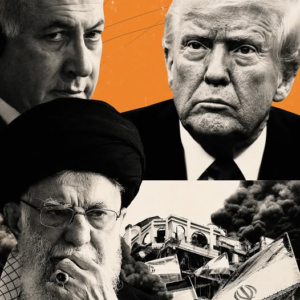
Beyond personal conduct, there is also criticism of the broader geopolitical agenda associated with his administration. Some analysts argue that his policies were heavily influenced by powerful ideological groups, including neoconservative strategists and pro-Israel political lobbies, which they believe contributed to heightened tensions and conflicts in various parts of the world.
From this perspective, actions toward countries such as Iran, Venezuela, and Cuba—as well as controversial rhetoric about allies like Canada—are seen not as efforts to promote democracy or human rights, but as driven by strategic, economic, or political interests.
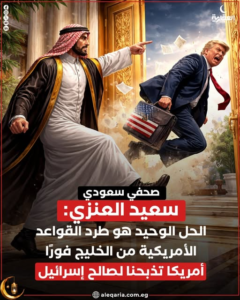
Critics further argue that if democracy and human rights were truly the guiding principles, then similar pressure would have been applied consistently to other nations with questionable records, such as Saudi Arabia or Egypt.
On the issue of nuclear threats, some observers note that even U.S. intelligence assessments have, at times, suggested that Iran was not actively developing nuclear weapons—raising questions about the justification for aggressive policies.
From this critical viewpoint, Trump’s lifelong priorities appear centered on two things: wealth and power. With both in hand, critics argue, he has pursued his ambitions with little regard for ethical constraints or broader humanitarian consequences—even for his own citizens.
Recent conflicts and military escalations involving the United States and Israel have, according to critics, resulted in significant civilian suffering—particularly in Iran—where infrastructure, homes, and public institutions have been damaged, and large numbers of people displaced.
The consequence, they argue, is stark:
- Ordinary people suffer and lose their livelihoods
- National economies weaken under debt and instability
- Meanwhile, powerful political and corporate actors profit immensely
In the bluntest terms, U Aung Tin concludes with a deeply emotional and condemnatory judgment: that Trump’s actions and character place him far below the standards expected of responsible human leadership.
Translator’s note:
While this article reflects a strongly critical perspective, it is important to acknowledge that supporters of Donald Trump highlight different aspects of his presidency—such as economic policies, deregulation, and an “America First” approach to foreign policy.
As always, readers are encouraged to examine multiple viewpoints and arrive at their own informed conclusions.
ထရမ့်ဘယ်သူလဲ။
အားလုံးကောင်းသူ၊ အားလုံးဆိုးသူဆိုတာ လောကမှာ မရှိပါဘူး။
မြန်မာကို အဂ်လိပ်သိမ်းပြီး ဂုတ်သွေးစုပ်ကျွန်လုပ်တယ်။ တက္ကသိုလ်စတဲ့ ပညာရေးအဆင့်မြင့်လာတယ်။ လမ်းတံတား မီးရထားကားတွေဖြစ်လာတယ်။
ဟစ်တလာနာဇီ နယ်ချဲ့ လူသတ်ဖြစ်တယ်။ သို့သော် ဂျာမဏီကိုပြာပုံထဲက ဆွဲထူသူ၊ စစ်အင်အားကြီးနိုင်ငံ ပြန်ဖြစ်စေသူဖြစ်ပြန်တယ်။
မဆလခေတ်မှာလောက် လမ်း တံတား ဆည် ကျောင်း တက္ကသိုလ် လျှပ်စစ်လုပ်ပေးနိုင်တဲ့ အစိုးရမရှိဘူးလို့ မဆလကာကွယ်သူတွေက ဆိုကြတယ်။ အဲဒါကြောင့် ကျနော်တို့က ဗိုလ်ချုပ်နေဝင်း ကောင်းတယ်။ စစ်အာဏာရှင်ကောင်းတယ် မလုပ်ကြပါဘူး။
ထရမ့်ကောင်းတာတွေလည်း ရှိမှာပါ။
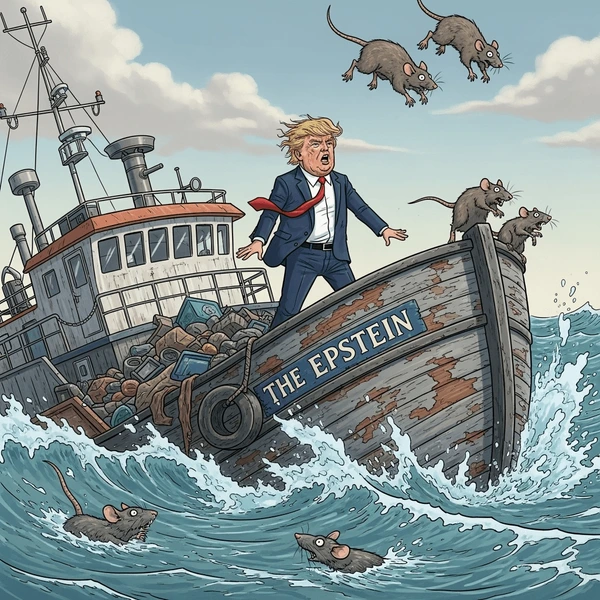
သို့သော် အမေရိကန်သမ္မတသမိုင်းမှာ ထရမ့်လောက် အကျင့်စာရိတ္တဖောက်ပြန်သူ (ခလေးမုဒိန်းကျင့်တဲ့အမှုက ပေါ်နေပါပြီ။ အတင်းဖုံးထားတဲ့အဆင့်။ သူ့ရှေ့နေချုပ်ကို ဖြုတ်ပြီး အပြစ်ပုံချတော့မယ်။) ခေတ်သစ်အမေရိကန်သမိုင်းမှာလည်း လူမျိုးခွဲခြားရေး racist အမြင့်ဆုံး၊ အာဖရိကနိုင်ငံတွေကို ချီးတွင်းနိုင်ငံတွေလို့ ဆိုခဲ့စော်ကားခဲ့သူ။ ကိုယ်ကျိုးရှာရာမှာ မိသားစုလိုက် ဩဇာအာဏာအလွဲသုံး ခိုးဝှက် အေးဓါးပြတိုက်နေသူ။ မိုက်ရိုင်းကြမ်းတမ်းသူ။ အမျှော်အမြင်နည်းပါးသူ မရှိဘူးလို့ မြင်ပါတယ်။
သူအခုလုပ်နိုင်နေတာကလည်း သူ့နောက်က ထက်မြက်အင်အားကြီးမားတဲ့ နီယိုကွန်အုပ်စုနဲ့ ဇီယွန်နစ်အုပ်စုတို့ရဲ့ ပြောင်မြောက်တဲ့ ကျောထောက်နောက်ခံ အားပေးကူညီမှုတွေနဲ့ ကမ္ဘာအရပ်ရပ်မှာ စစ်ပွဲတွေမီးမွှေး၊ လူတွေကိုသတ်ဖြတ်သေကြေ ပျက်ဆီးစေပြီး သူအပါအဝင် ကော်ပိုရေးရှင်းတွေ အကျိုးအမြတ်ကြောင့်သာပါ။
ဗင်နီဇွဲလားနဲ့ အီရန်ကိုတိုက်တာ၊ ကျူးဘားကိုခြိမ်းခြောက်တာ၊ ဂရင်းလန်ကို သိမ်းမယ်လုပ်နေတာ၊ ကနေဒါကို စော်ကားနေတာတွေ အားလုံးက ဒီမိုကရေစီ၊ လူ့အခွင့်အရေးကြောင့် လုံးဝ မဟုတ်ပါဘူး။ အဲဒီနှစ်ချက်သာမှန်ရင် ဆော်ဒီ၊ အီဂျစ်၊ ဘဲလာရူစ်တို့ကို တိုက်မှာပေါ့။
အနုမြူကြောင့်လည်း မဟုတ်ဘူး။ အီရန်မှာ အနုမြူလက်နက် မထုတ်နိုင်ဘူးဆိုတာကို သူ့ထောက်လှမ်းရေးတွေကိုယ်တိုင် ပြောနေတာဖြစ်တယ်။
သူ့အလေးအနက်ထားတဲ့ အချက်နှစ်ချက်ကြောင့်သာဖြစ်တယ်။
သူ့ဘဝတစ်လျှောက်လုံး သူအလေးအနက်ထားတာ နှစ်ခုပဲရှိတယ်။ တစ်ခုကငွေ၊ တစ်ခုက အာဏာလုပ်ပိုင်ခွင့်။ အဲဒီနှစ်ခုရှိနေရင် သူလုပ်ချင်တာလုပ်ခွင့်ရနေလို့၊ ရလည်းရနေခဲ့လို့ သူဘာမှ ဂရုမစိုက်ဘူး။ သူ့အမေရိကန်ပြည်သူတွေကိုလည်း ဂရုမစိုက်ဘူး။ သူ့မှာ ဘာကိုယ်ကျင့်တရားမှ မရှိဘူး။
အခုတော့ သူနဲ့အစ္စရေးလ်ရဲ့ မဆင်မခြင်ဗုံးကြဲမှုတွေကြောင့် အီရန်ပြည်သူတွေ ထောင်ချီပြီးသေကြေရ၊ သောင်းချီပြီး ဒါဏ်ရာရကြ၊ သိန်းချီပြီး အိုးမဲ့အိမ်မဲ့ ဖြစ်ရပြီ။ အိုးအိမ်တွေ၊ လျှပ်စစ်နဲ့ ရေသန့်စက်ရုံတွေ၊ ကျောင်းဆေးရုံတွေ၊ တက္ကသိုလ်နဲ့ ရှေးဟောင်းအမွေအနှစ်တွေ၊ လမ်းတံတား ဆိပ်ကမ်းတွေကို ခိုးသားဓါးပြတွေလို ဖျက်ဆီးခဲ့ပြီးနောက် အီရန်ပြည်သူတွေကို နှိပ်စက်နေပါတယ်ဆိုတဲ့ အယာတိုလာအုပ်ချုပ်မှုအောက်မှာ ထားခဲ့ပြီး သူတို့ထွက်သွားဖို့ ပြင်နေကြပြီ။
အီရန်တွေ ဘဝပျက် နာလံမထူ၊ အမေရိကန်ပြည်သူတွေ အကြွေးတင်၊ ပိုဆင်းရဲ၊ သူတို့အုပ်စု နီယိုကွန်နဲ့ဇီယွန်နစ်တွေက ဘီလျှံချီပြီး အမြတ်ရခဲ့ပြီ။
ဒဲ့ပြောရရင် ထရမ့်ဟာ တိရစ္ဆာန်ထက်ပင် အများကြီးနိမ့်ကျဆိုးယုတ်သူဖြစ်တယ်။
U Aung Tin
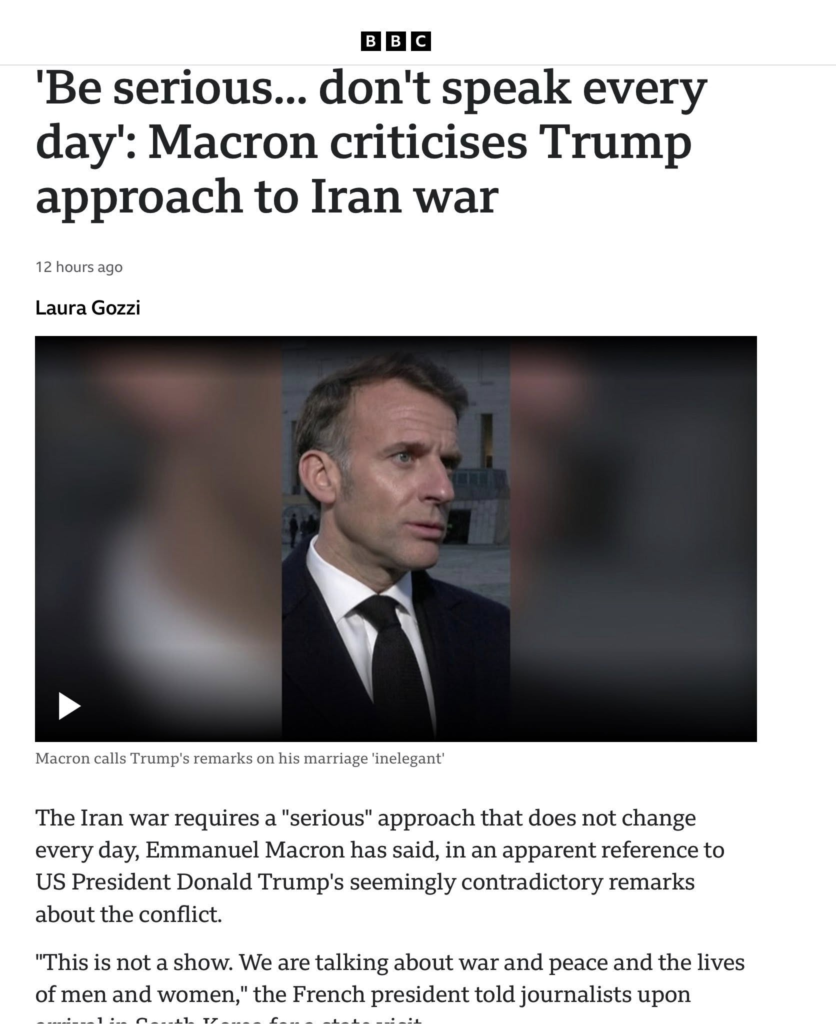
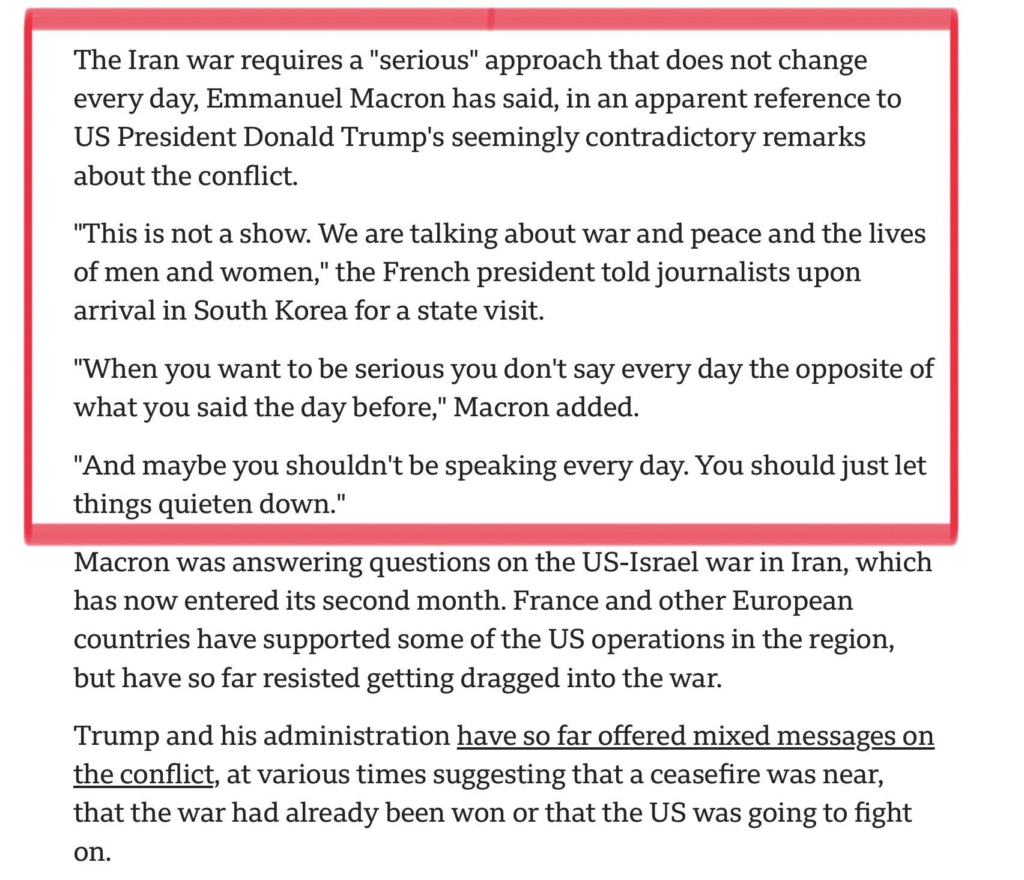
စစ်ပွဲဆိုတာ Talk show(ကွက်စိပ်) မဟုတ်ဘူး ဒေါ်နယ်
နေ့တိုင်းစကားပြောပြီး ဒီနေ့ပြောနေတာက မနေ့ကပြောခဲ့တာနဲ့ ဆန့်ကျင်ဖက်ဖြစ်မနေဖို့၊ နေ့တိုင်းပြောင်းလဲမနေဖို့လိုတယ်လို့ အမေရိကန်သမ္မတထရမ့်ကို ပြင်သစ်သမ္မတမာကရွန်က သတိပေး။
စစ်ပွဲဆိုတာ (စိတ်ထင်ရာပြောခွင့်ရှိတဲ့ ကွက်စိပ်) Talk showမဟုတ်ဘူး ဒေါ်နယ်။ စစ်နဲ့ ငြိမ်းချမ်းရေးဆိုတာ လူ့အသက်တွေနဲ့ဆိုင်တဲ့ အရေးကြီးတဲ့ကိစ္စဖြစ်တယ်။
ဖြစ်နိုင်ရင် (ဆိတ်ချေးပါသလို တပြစ်ပြစ်နဲ့) နေ့တိုင်းပြောချင်ရာ ပြောမနေပါနဲ့။ အခြေအနေမှန်သိရအောင် ခဏလောက်ဖြစ်ဖြစ် စောင့်ကြည့်ပေးပါ။
အီမန်နူရယ် မကရွန်
ပြင်သစ်သမ္မတ
ဧပြီ၂ ၂၀၂၆