Three Words, Three Problems, Zero Solutions
In the annals of mathematics, few puzzles have captured the imagination of scholars as much as the Three Classic Problems of ancient geometry. Each is expressed in just three words: Squaring the Circle, Trisecting the Angle, and Doubling the Cube.
First posed around 500 BC, during the era of Pythagoras and the flourishing of Greek thought, these problems became the intellectual Everest of classical geometry. For over two millennia, they resisted every attempt at solution.
The Ancient Challenge
Greek mathematicians believed that with only a compass and straightedge, any geometric construction should be possible. Yet these three problems proved stubborn:
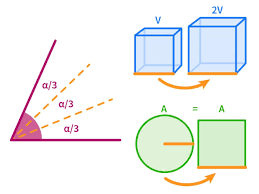
- Squaring the Circle: Constructing a square with the same area as a given circle.
- Trisecting the Angle: Dividing an arbitrary angle into three equal parts.
- Doubling the Cube: Constructing a cube with twice the volume of a given cube.
Generations of scholars—from Euclid to Archimedes—wrestled with these challenges. Their failure was not due to lack of brilliance, but because the problems themselves concealed a deeper impossibility.
The Turning Point: Algebra Meets Geometry
The breakthrough came not in antiquity, but in the 19th century, with the work of a young French mathematician: Évariste Galois.
Galois introduced a radical new framework—Galois Theory—which linked geometry to algebra. By analyzing the solvability of polynomial equations, mathematicians realized that these geometric problems were equivalent to constructing certain algebraic numbers.
- Squaring the Circle required constructing , impossible because is transcendental.
- Trisecting the Angle often reduces to solving cubic equations unsolvable by radicals.
- Doubling the Cube requires constructing , which cannot be achieved with compass-and-straightedge.
Thus, the problems were not merely unsolved—they were provably impossible.
A Tragic Genius
The story of Galois adds a poignant human dimension. At just 20 years old, he was killed in a duel, leaving behind a handful of manuscripts. Only after his death did the mathematical world recognize the power of his theory. Ironically, Galois himself never lived to see that his ideas had finally closed the book on the three ancient puzzles.
Impossible vs. Unsolved
Tin Aung Lwin’s reflection highlights a crucial distinction:
- Impossible Problems: Proven to have no solution. Attempting them is like fishing in a pond with no fish.
- Unsolved Problems: Solutions may exist, but remain undiscovered. This is like chasing a giant fish that no one has yet caught.
The three classical geometry problems belong firmly to the first category.
Conclusion: Lessons from the Impossible
The saga of these puzzles reminds us that mathematics is not only about finding solutions, but also about understanding the boundaries of possibility. For 2,500 years, humanity chased shadows, until algebra revealed the truth: some problems are not meant to be solved.
In the words of MMNN’s editorial spirit, these are not failures of human intellect, but triumphs of human persistence—proof that even impossibility can deepen our understanding of the universe.
 စာ(၃)လုံး၊ ပုစ္ဆာ(၃)ပုဒ်၊ နှစ်ပေါင်း(၂၅၀၀)၊ အဖြေ (၀)
 အခြေခံ ဂျီဩမေတြီမှာ ဂန္ဒဝင်မြောက်ပုစ္ဆာသုံးပုဒ် ရှိပါတယ်။ ခြောက်တန်းကလေးတွေနားလည်နိုင်လောက်အောင်ရှင်းတယ်။ စာသုံးလုံးစီဘဲပါတယ်။ “Squaring The Circle” ”Trisecting The Angle” “Doubling The Cube”တဲ့။ BC500 (လွန်ခဲ့တဲ့နှစ်ပေါင်း ၂၅၀၀) ဂျီဩမေတြီပေါ်ဦးစ၊ ပိုက်သာဂိုရပ်တို့ခေတ်ကပုစ္ဆာများပါ။ “Three Classic Problems in Classical Geometry” လို့ ခေါ်ကြပါတယ်။
 နှစ်ပေါင်း နှစ်ထောင်ကျော်သာ ကြာသွားပါတယ်။ ဘယ်သူမှမဖြေရှင်းနိုင်ပါဘူး။ (၁၉)ရာစုအစပိုင်းမှာ Galois ဆိုတဲ့ပြင်သစ်မြီးကောင်ပေါက်လေးတစ်ယောက်က အက္ခရာသင်္ချာကို ပါးပါးနပ်နပ်ကလေး အမြင်တစ်ခုထည့်ပြီးကြည့်လိုက်တာ “Galois Theory”ဆိုတာ ပေါ်ပေါက်လာပါတယ်။ Galois Theory အမြင်နဲ့ကြည့်ရင် Geometry ကဆောက်လုပ်ဆွဲသားချက် ပုစ္ဆာအားလုံးဟာ လုံးဝ Algebra ဖြစ်သွားပါတယ်။ အက္ခရာညီမျှခြင်းတွေနဲ့ဆက်စပ်နေပါတယ်။
အလွန်နှမြောကြေကွဲစရာအဖြစ်ကတော့ Galois ဟာ သူသီအိုရီဖေါ်ထုတ်ပြီးမကြာခင်မှာဘဲ လူငယ်ဘာဝ ရန်ဖြစ်ပြီး နပန်းပွဲတစ်ခုမှာသေဆုံးသွားပါတယ်။ သူသေပြီးနောက်မှ သူ့ရဲ့သီအိုရီအရ ကမ္ဘာကျော်ဂန္ဒဝင် ပုစ္ဆာသုံးလုံးပုဒ်မှာ အဖြေမရှိကြောင်းသက်သေပြနိုင်ခဲ့ပါတယ်။ ဝမ်းနည်းစရာကောင်းတာကတော့ Galois ကိုယ်တိုင်ကတော့ သူ့ Theory ရဲ့အစွမ်းနဲ့ နှစ်ပေါင်း နှစ်ထောင်ကျော် ကြာခဲ့တဲ့ ပုစ္ဆာသုံးပုဒ်လုံးကိုနိဂုံးချုပ်ပေးနိုင်ခဲ့တာကို သိမသွားရှာပါဘူး။
မှတ်ချက်
အဖြေမရှိတဲ့ပုစ္ဆာကို Impossible Problem လို့ခေါ်ပြီး နဲ့ မဖြေရှင်းနိုင်
သေးတတဲ့ပုစ္ဆာ ကိုတော့ Unsolved Problem လို့ခေါ်ပါတယ်။ ကွဲပြားပါသလားဗျာ။ Impossible Problem ကိုတွက်တာဟာ ငါးမရှိတဲ့ကန်မှာ ငါးမျှားသလိုပါ။ Unsolved Problem ကိုတွက်တာကျတော့ ဘယ်သူမှဖမ်းမမိသေးတဲ့ ငါးကြီးကြီးတစ်ကောင်ကိုဝိုင်းပြီးမျှားဖို့ကြိုးစားနေသလိုပါဘဲ။