Adaptation of Kaung Kin Ko‘s post into English.
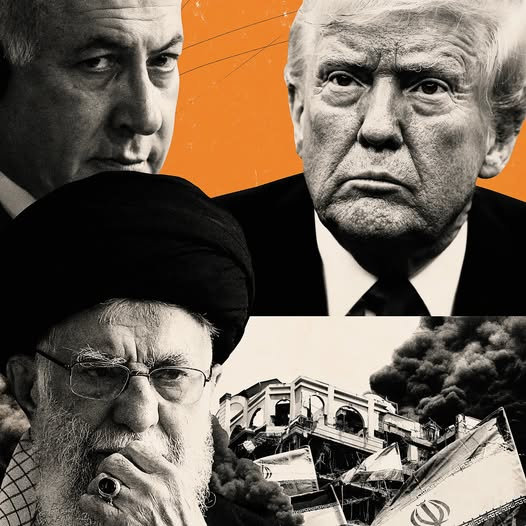
In a war between the United States + Israel and Iran, both sides lose.
Of course, “winning” and “losing” can be defined differently. When I say the United States loses, I do not mean it collapses as a country. I mean that its outcomes fall short of its expectations—that the costs outweigh the gains, that its power declines, and that its strategic calculations do not match reality.
The U.S. might even be capable—at its maximum potential—of invading Iran with ground forces and installing a friendly government. Let us assume, for argument’s sake, that it succeeds at that highest level. Even then, the cost would be far greater than anticipated: more American lives lost, heavy sacrifices from allies like Israel and Arab states, enormous financial burdens, potential damage to the role of the dollar, and a decline in soft power.
And even if such a regime change were achieved, would it last? The U.S. withdrawal from Afghanistan is already an example of how such “successes” can still end in failure. So “losing” here does not mean total defeat—it means overextension, miscalculation, and long-term weakening.
In any war, civilians suffer the most. Iranian schoolgirls, ordinary families—just as civilians on the other side—would bear the brunt. Many Iranians who already dislike their own government would still not welcome the United States. After all, they would see it as a bombing force waging what appears to be an unjust war of aggression.
Iran Also Loses
Iran loses as well.
Even if one argues that Iran “wins” by inflicting damage on the U.S., the reality is still loss. The deaths of key leaders alone already signal weakness—showing a lack of security and vulnerability at the highest levels. Leadership can be replaced, yes, but how sustainable is that?
Even if Iran manages to endure, its people will suffer. Infrastructure will be destroyed, cities damaged, and the country set back significantly. Arab nations are also growing more hostile toward Iran.
From an outside perspective, it might have been better for Iran to handle tensions with Arab countries diplomatically and with restraint. That said, this is only an external view—there may be constraints that make such restraint impossible, especially given the presence of U.S. military bases in those countries. If attacks are launched from there, Iran cannot simply remain passive.
Still, had diplomacy succeeded, Iran might have avoided expanding its list of enemies. That opportunity seems to have been lost.
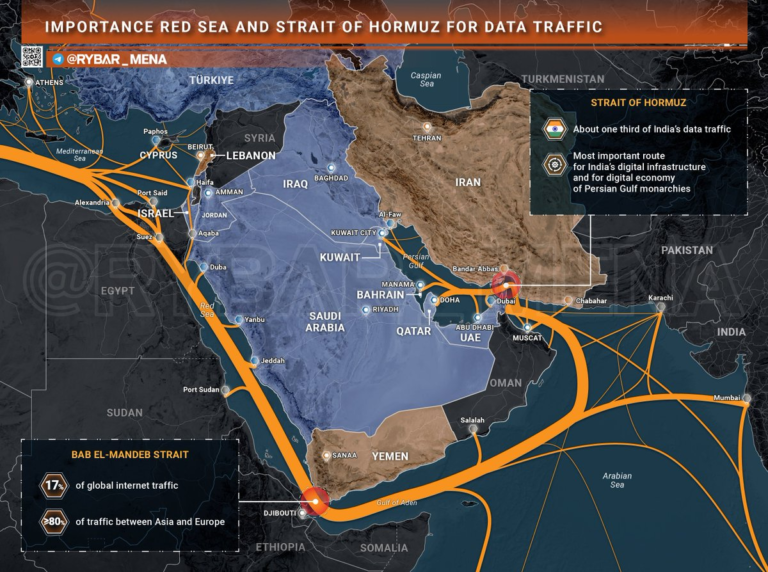
Although the war may clearly be initiated as an aggressive move by leaders like Donald Trump and Benjamin Netanyahu, the world may not judge it that way in the long run. If global economies are affected, pressure will eventually fall on Iran—especially since it would be responsible for reopening key maritime routes. For now, pressure is directed more at Trump, as the war is widely seen as unjust. But over time, that focus could shift.
If Arab countries were to unite militarily against Iran, it would be extremely difficult for Iran to withstand. Even groups like the Houthis—who claim to support Iran—do not fully control Yemen themselves.
Even if the war ends through negotiation, mutual trust will be deeply damaged. That, too, is a form of loss for Iran.
Arab States Also Lose
Arab countries such as the United Arab Emirates would also suffer. Their economies would be disrupted, their security threatened, and investor confidence shaken. They, too, lose.
Importantly, tensions between Arab states and Iran are often more about governments than ordinary people. Among the general public, hostility is often directed more toward the United States and Israel. This creates a dilemma: while some Arab governments may lean toward supporting the U.S., doing so risks domestic backlash from their own populations.
Who Wins? Possibly China
If anyone benefits, it may be China.
The China would likely feel less impact from energy disruptions. The yuan could gain relative strength. As the U.S. spends heavily, loses prestige, and sees its soft power decline, China gains strategic advantage as a competitor.
China may also benefit from arms sales and from countries distancing themselves from the U.S. and seeking closer ties with Beijing. It can largely “sit back,” intervening only when necessary. If it chooses, it has enough influence to persuade Iran toward de-escalation.
From a strategic perspective, the U.S. engaging in conflict with Iran instead of focusing on competing with China resembles a top-tier team wasting energy playing in a lower division. It expends strength without addressing its primary rival.
That said, China’s gains have limits. If Iran were to collapse completely and fall under long-term U.S. influence, China would lose an important oil supplier and a strategic partner. Stability in the Middle East is also crucial for China’s Belt and Road Initiative.
Other Secondary Winners and Losers
Reduced global attention on the Russia–Ukraine War could benefit Russia, though that requires deeper analysis.
Among the losers are Trump and his supporters. Millions have protested against him. Even Bernie Sanders has opposed U.S. arms sales to Israel, criticizing the use of taxpayer money in what he describes as enabling atrocities in Gaza.
Interestingly, some right-wing Americans—who usually oppose figures like Sanders—have found themselves agreeing with him. While social media reactions cannot fully represent public opinion, they do indicate that Trump’s political standing is being affected.
A different U.S. president might still pursue dominance—as great powers tend to do—but likely with more restraint. Trump, however, appears more impulsive and short-term focused. He often views foreign aid simply as financial loss, without considering its role in maintaining soft power. By acting openly and aggressively, he exposes what was previously hidden, damaging U.S. credibility and influence.
Final Thought
If we look strictly within the battlefield, one side may eventually suffer far more than the other, or even be forced into submission.
But the definition of “winning” and “losing” used here goes beyond immediate battlefield outcomes. It includes long-term consequences, indirect impacts, and the broader losses suffered by all parties involved—even those not directly part of the conflict, such as countries affected by rising fuel costs.
In that broader sense, this is a war where almost everyone loses.
Translator’s Note: A Painful Reflection from Myanmar
While this conflict unfolds far away, its emotional and social impact has reached Myanmar in troubling ways.
At a time when the people of Myanmar are already suffering—from revolution, military oppression, forced conscription, economic restrictions, and local armed conflicts—another layer of division has emerged online.
Across communities—military supporters, opposition groups, ethnic forces, and civilians—there has been a surge of hostility directed at Muslims, accusing them of “supporting Iran.” These attacks often include abusive, vulgar, and deeply insulting language.
This is happening despite the fact that Myanmar’s people have no real influence on this distant conflict.
The situation is especially tragic because all communities in Myanmar—Rakhine, ethnic minorities, Buddhists, Christians, and Muslims alike—are already enduring immense hardship. Instead of unity, this has led to further fragmentation.
It is, sadly, an ugly and shameful spectacle—one that reflects not strength, but pain, frustration, and misplaced anger.
At a time when compassion and solidarity are most needed, division only deepens suffering.
Appendix: The Overlooked Cost for Israel
While the main analysis focuses on the United States and Iran, it is important to briefly consider the position of Israel.
Even if Israel achieves short-term military objectives, it also faces significant losses:
- Security risks: Prolonged conflict increases the likelihood of missile retaliation and multi-front threats involving regional actors.
- Economic strain: Sustained military operations and instability can impact investment, tourism, and domestic economic confidence.
- International criticism: Continued association with a war widely perceived as aggressive may deepen global criticism and diplomatic isolation.
- Long-term instability: Rather than eliminating threats, conflict may reinforce cycles of hostility and resistance in the region.
In this sense, Israel’s situation mirrors that of other actors in the conflict: even potential tactical gains are overshadowed by strategic costs and long-term insecurity.
Kaung Kin Ko
အမေရိကန်+အစ္စရေး vs အီရန် စစ်ပွဲမှာက အမေရိကန်လည်း ရှုံးတယ်။ အီရန်လည်း ရှုံးတယ်။
ရှုံးတယ် နိုင်တယ် ဆိုတာမှာ definition တွေ မတူမှာမျိုးတော့ ရှိတယ်။ အမေရိကန် ရှုံးတယ်ဆိုတာက …. မှန်းချက်နဲ့ နှမ်းထွက် မကိုက်တာ၊ ပါဝါကျတာကိုပြောတာ။ အမေရိကန်ဟာ မြေပြင်တပ်နဲ့ ဝင်သိမ်းပြီး သူ့ဘက်ယိမ်းတဲ့ အစိုးရ ပေါ်လာတာကိုတောင် စွမ်းဆောင်နိုင်ကောင်း စွမ်းဆောင်နိုင်လိမ့်မယ်။ အမြင့်ဆုံးဖြစ်တဲ့ အဲလို စွမ်းဆောင်နိုင်တယ်ပဲ ထားလိုက်ဦး။ သူမှန်းထားတာနဲ့ မကိုက်ဘဲ အမေရိကန် စစ်သားတွေရဲ့ အသက်တွေကို နဂိုမှန်းထားတာထက် ပိုပေးလိုက်ရမယ်။ သူ့မဟာမိတ် အစ္စရေးနဲ့ အာရပ်နိုင်ငံတွေက အများကြီး စတေးလိုက်ရမယ်။ အကုန်အကျတွေ အရမ်းများမယ်။ ဒေါ်လာ အခန်းကဏ္ဍ ထိခိုက်ကောင်း ထိခိုက်သွားမယ်။ Soft power ပိုကျသွားမယ်။ အီရန်မှာ သူ့ဘက်ယိမ်းတဲ့ အစိုးရကို တင်နိုင်လိုက်တယ်ပဲထားဦး (အဲလို ကျိန်းသေ စွမ်းဆောင်နိုင်မယ်လို့ ဟောကိန်းထုတ်တာ မဟုတ်ဘူးနော်။ အမြင့်ဆုံး အနေအထားကို အမေရိကန် လုပ်နိုင်ရင်တောင် တွက်ခြေမကိုက်ဘူးဆိုတာကို အမြင့်ဆုံးထားပြီး သုံးသပ်ကြည့်တာ။ ညှိပြီး စစ်ရပ်သွားတာလည်း ဖြစ်နိုင်သလို၊ အထိအရမ်းနာပြီး အမေရိကန်တပ်တွေ ရုပ်သွားတာမျိုးလည်း ဖြစ်နိုင်တာပဲ။ အဲလိုပဲ အစိုးရပြောင်းနိုင်လိုက်တာမျိုးလည်း ဖြစ်တော့ ဖြစ်နိုင်တာပဲ။) ဒါပေမယ့် အဲလိုပြောင်းနိုင်ရင်တောင် ရေရှည်ခံပါ့မလား။ အာဖဂန်ကနေ အမေရိကန် တပ်တွေ ပြန်ရုပ်သိမ်းလိုက်ရတာမျိုးလည်း ရှုံးတာပါပဲ။ ဒီတော့ ရှုံးတယ်ဆိုတာက အမေရိကန် နိုင်ငံကြီး ပဲ့ပါသွားတာကို ဆိုလိုတာ မဟုတ်သလို၊ အီရန်က တောင့်ခံနိုင် မနိုင်ကိုတောင် ဆိုလိုတာ မဟုတ်ပါဘူး။ အထိနာမှာ၊ ပါဝါကျသွားမှာနဲ့ မှန်းချက်နဲ့ နှမ်းထွက် မကိုက်မှာမျိုးကိုပဲ ဆိုလိုတာပါ။ ပြီးတော့ စစ်ဖြစ်တဲ့အခါ အီရန် အမျိုးသမီးကျောင်းက ကျောင်းသူလေးတွေ ထိခိုက်သလို အရပ်သားတွေပဲ အများဆုံး ထိခိုက်မှာပါ။ နှစ်ဘက်လုံးက အရပ်သားတွေပဲ ထိမှာ။ ဒီတော့ အဲလို အသက်တွေ အများကြီး ပေးလိုက်ရတဲ့ အီရန်ပြည်သူတွေကလည်း အီရန်အစိုးရကို မကြိုက်သူတွေတော်င အမေရိကန်ကိုတော့ အများစုက ကြည်ဖြူကြမှာ မဟုတ်ဘူး။ သူတို့ကို ဗုံးကြဲသူတွေ ဖြစ်တဲ့အပြင်၊ စစ်ကလည်း မတရားစစ်၊ ကျူးကျော်စစ်လို ထင်ရှားနေတာကိုး။
အီရန်ကလည်း ရှုံးတာပဲ။ (အမေရိကန် အထိနာတာကို အီရန်နိုင်တယ်လို့ သတ်မှတ်ရင်တော့လည်း တမျိုးပေါ့) တကယ်ကတော့ ရှုံးတာပါပဲ။ ခေါင်းဆောင်တွေ အများကြီး သေသွားကတည်းက ရှုံးနေပြီ။ ဒါဟာ လုံခြုံမှု မရှိဘူး၊ ခေါင်းဆောင်ဆိုသူတွေက အစ အချိန်မရွေး ခြိမ်းခြောက်ခံရနိုင်တာကို ပြနေတာ။ လက်ဆင့်ကမ်းပြီး ဆက်ချတာကတော့ တပိုင်းပေါ့။ အဲဒါလည်း ဘယ်လောက်တောင့်ခံနိုင်မှာလဲ။ တောင့်ခံနိုင်တယ် ထားဦး၊ အီရန်က ပြည်သူတွေလည်း သေမယ်။ infrastructure တွေ ပျက်စီးမယ်၊ စိစိညက်ညက် ကြေမယ်။ အာရပ်နိုင်ငံတွေကလည်း အီရန်ကို ပိုမုန်းလာပြီ။ တကယ်တော့ အီရန်ဟာ အာရပ်နိုင်ငံတွေကို ဒီကေ့စ်မှာ သံတမန်နည်းနဲ့ သည်းခံပြီး ဖြေရှင်းရင် သူ့အတွက်ရော ဟိုနိုင်ငံတွေ အတွက်ရော ပိုကောင်းမှာလို့ ဘေးကနေ မြင်မိတာ။ (ဒါက ဘေးက အမြင်ဆိုတော့ လွဲကောင်းလွဲနိုင်တယ်။ အဲလို လုပ်လို့ မရတဲ ့အခြေအနေမျိုးလည်း ရှိနိုင်တယ်. ဘာလို့တုန်းဆိုတော့ အဲဒီ အာရပ်နိုင်ငံတွေမှာ အမေရိကန် စစ်စခန်းတွေ အခြေစိုက်နေတာကိုး။ အဲဒီကနေ တိုက်ရင် သူက သည်းခံနေဖို့ မလွယ်ဘူးကိုး။ ဘလိုင်းကြီး အတိုက်ခံရသလို ဖြစ်နေမှာ။) ဒါပေမယ့် ရအောင် ညှိနိုင်ခဲ့ရင်တော့ ရန်သူမများဘူးပေါ့။ အဲဒါကို မလုပ်နိုင်ခဲ့ဘူး။ ပြီးတော့ စစ်ပွဲက ဒေါ်နယ်ထရမ့်တို့ နေတန်ယာဟုတို့ရဲ့ ကျူးကျော်စစ် ဆိုပေမယ့် ရေရှည်မှာ ကမ္ဘာ့နိုင်ငံတွေက အဲဒါကို ကြည့်မှာ မဟုတ်။ သူတို့အထိနာလာရင် ရေလက်ကြားကို ပြန်ဖွင့်ပေးရမယ့်နိုင်ငံက အီရန်မို့ အီရန်ကိုပဲ ပိုဖိအားပေးလာမယ် ထင်တယ်။ လောလောဆယ်မှာတော့ ထရမ့်ကိုပဲ ပိုပြီး ဖိအားပေးနေကြပေမယ့်။ ဒါကတော့ မဖြစ်သင့်တဲ့ ကျူးကျော်စစ် ရည်ရွယ်ချက်မှန်း သိနေကြလို့။ ဒါပေမယ့် ရေရှည်မှာတော့ အီရန်က ပြန်ဖွင့်ပေးအောင်ပဲ လုပ်ကြရမှာပဲ။ ပြီးတော့ အာရပ်နိုင်ငံတွေကပါ အီရန်ကို ဝိုင်းတိုက်ရင် ဘယ်ခံနိုင်မှာလဲ။ စိစိညက်ညက် ကြေသွားမယ်။ အီရန်ဘက်က ဝင်ကူမယ် ဆိုတဲ့ ဟူသီ သူပုန်တွေဆိုတာကလည်း ယီမင်ကိုတောင် ၁၀၀ ရာခိုင်နှုန်း ထိန်းချုပ်ထားနိုင်သူတွေ မဟုတ်ဘူးလေ။
အီရန်ဘက်က ညှိပြီး စစ်ရပ်သွားရင်တောင် အပြန်အလှန် ယုံကြည်မှုတွေ ပျောက်ဆုံးသွားမယ်။ ဒီတော့ အီရန်ကလည်း ရှုံးပါတယ်။
ယူအေအီးတို့လို အာရပ်နိုင်ငံတွေလည်း စီးပွားရေးတွေ ထိခိုက်၊ လုံခြုံရေး ခြိမ်းခြောက်ခံရပြီး အပြန်အလှန် မယုံကြည်မှုတွေထဲ ရောက်သွားတယ်။ ရင်းနှီးမြှုပ်နှံသူတွေလည်း နောက်တွန့်သွားတာတွေ ရှိမှာပဲ။ ဒီတော့ သူတို့လည်း ရှုံးတာပဲ။
ပြီးတော့ နောက်တချက်က အာရပ် မွတ်စလင်နိုင်ငံတွေဟာ အီရန် နဲ့ မတည့်တာက အစိုးရချင်း မတည့်တာက ပိုများတာပါ။ သာမန်ပြည်သူ ကြားမှာတော့ ဝင်မွှေတဲ့ အမေရိကန်နဲ့ အစ္စရေးကို မုန်းတာက ပိုများမှာပါ။ ဒီတော့ ဆော်ဒီတို့လို အာရပ် မွတ်စလင်နိုင်ငံတွေက အမေရိကန်ဘက်ကနေ ဝင်တိုက်ပေးချင်မှာ ဆိုပေမယ့် အဲလိုလုပ်ရင် သူတို့ပြည်သူတွေ မကျေနပ်မှု များလာနိုင်တာကိုလည်း ထည့်တွက်ရဦးမှာပါ။
ဒီနေရာမှာ ရှုံးတယ်နိုင်တယ်ဆိုတာ moral value တွေ ၊ မျှတ မမျှတတာတွေကို ပြောနေတာ မဟုတ်။ နဂိုထက် ဘယ်လောက် ထိခိုက်လျော့ကျသွားလည်း ဆိုတာတွေကို နဂိုနဲ့ နှိုင်းပြီး ပြောတာပါ။ လောင်စာဆီ ဒဏ် ခံရတဲ့ တခြား မဆိုင်တဲ့ နိုင်ငံတွေလည်း ရှုံးတော့ ရှုံးတာပဲ။
ဘယ်သူနိုင်သွားလဲဆိုတော့ လက်ရှိ တရုတ်အစိုးရကတော့ နိုင်သွားတယ်လို့ ထင်တယ်။ လောင်စာဆီ ကိစ္စ သူတို့ဆီ ဂယက်မရိုက်ဘူး။ ယွမ်ငွေက နဂိုထက် နည်းနည်း အလေးသာလာမယ်။ အမေရိကန်က အကုန်အကျများ၊ သိက္ခာကျ၊ soft power တွေ ကျသွားတာဟာ သူနဲ့ ပြိုင်နေတဲ့ တရုတ်နိုင်ငံအတွက်တော့ အမြတ်ထွက်တာပဲ။ လက်နက်ရောင်းရတာတို့၊ အမေရိကန်နဲ့ မတည့်တဲ့ နိုင်ငံတွေ သူ့ကို ပိုအားကိုးလာတာတို့လည်း ရှိမှာ။ ထိုင်ကြည့်ပြီး နည်းနည်း ဝင်ထိန်းပေးရုံပဲ။ သူက စစ်ရပ်စေချင်ရင်လည်း အီရန်ကို နားချနိုင်တဲ့ ပါဝါရှိတယ်။ ပြီးတော့ စစ်က တရားခြင်း-မတရားခြင်းကို အသာထား။ တရုတ်နဲ့ ပြိုင်ရမယ့် အမေရိကန်က အီရန်ကို တိုက်တာက တန်းဆင်း ကန်သလို ဖြစ်နေတာ။ စူပါ ပါဝါခြင်း မပြိုင်ဘဲ တန်းဆင်းကန်ပြီး အင်အားဖြုန်းတီးသလို ဖြစ်သွားတာ။ ဒါပေမယ့် ထရမ့်ရဲ့ မူလ ရည်ရွယ်ချက်ကတော့ တန်းဆင်းကန်တာ မဟုတ်ဘဲ တရုတ်ကို နှဲ့ဖို့ သူ့တပည့်တွေကို (ဗင်နီဇွဲလား၊ အီရန်) တို့ကို ဖဲ့တာတော့ ဖြစ်နိုင်တယ်။
တရုတ် အစိုးရ နိုင်တယ်ဆိုပေမယ့်လည်း အကန့်အသတ်တော့ ရှိတယ်။ ခုအခြေအနေ မျိုးအထိပဲ ဆိုရင်တော့ တရုတ်က အမြတ်ထွက်ပေမယ့် တကယ်လို့ အီရန်က လုံးဝ ကျသွားပြီး အမေရိကန် ခြယ်လှယ်မှုအောက် ရေရှည် လုံးလုံးရောက်သွားရင်တော့ အီရန်ကနေ ရေနံဝယ်နေရတဲ့ တရုတ်အပေါ် အကျိုးသက်ရောက်မှာပါ။ သူ့ အရေးပါတဲ့ မဟာမိတ်တနိုင်ငံ လျော့သွားမှာပါ။ ပြီးတော့ သူ့ရဲ့ BRI ပရောဂျက်အတွက် အရှေ့အလယ်ပိုင်းက အတိုင်းအတာ တခုအထိ တည်ငြိမ်ဖို့ လိုပါတယ်။
ရုရှား-ယူကရိန်း စစ်အပေါ် အာရုံစိုက်မှု လျော့ကျသွားတာမို့ ရုရှားလည်း အမြတ်ထွက်နိုင်တယ်။ ဒါပေမယိ့် အဲဒါကို အကျယ်မသုံးသပ်တော့ဘူး။
နောက်ထပ် ရှုံးသူတွေက ထရမ့်နဲ့ သူ့ရဲ့ follower တွေ။ လူရှစ်သန်းလောက် ထရမ့်ကို ဆန္ဒပြကြတယ်။ ပြီးတော့ အမေရိကန် ဆီးနိတ်လွှတ်တော် အမတ် Bernie Sanders က ပြောတယ်။ ဂါဇာမှာ ဂျီနိုဆိုက်လုပ်နေတဲ့ နေတန်ယာဟုရဲ့ အစ္စရေး အစိုးရကို အမေရိကန်က ဒေါ်လာ ၁ ဘီလီယံဖိုး လက်နက်ရောင်းမယ့် ကိစ္စကို သူက လွှတ်တော်မှာ ကန့်ကွက်မယ်လို့ ပြောလိုက်တယ်။ အမေရိကန်က အခွန်ဆောင်သူတွေရဲံ ဝင်ငွေနဲ့ နေတန်ယာဟု ဂါဇာမှာ ဂျီနိုဆိုက် လုပ်နေတာကို ခွင့်မပြုချင်ဘူး ဆိုတဲ့သဘောမျိုး ပြောတယ်။ အဲဒီမှာ ထူးဆန်းတာ တခုက အမေရိကန်မှာ ကွန်မြူနစ်ကို မုန်းတဲ့ လက်ယာတချို့ကပါ ဒီတခါတော့ ကွန်မြူနစ်ဖြစ်တဲ့ Bernie ကို ထောက်ခံတယ်လို့ပါ x မှာ ရေးလာတာမျိုးတွေ တွေ့ရတယ်။ ဒါဟာ အမေရိကန်က လက်ယာ အများစုရဲ့ အမြင်ကို ကိုယ်စားပြုမပြုတော့ x က အရေးအသားတချို့နဲ့ ကျိန်းသေ ပြောလို့ မရပေမယ့် ထရမ့်ရဲ့ အခြေအနေ ထိခိုက်လာတာကတော့ သိသာတယ်။ ကွန်မြူနစ်တွေကိုရော Bernie Sanders ကိုပါ မကြိုက်တဲ့ လက်ယာစွန်း တယောက်ကတောင် ဒီလို ရေးထားတယ်။ “Unbelievable I’m agreeing with a commie, fraud like sanders. This is how far Trump and our govt have fallen.တဲ့။
ထရမ့်နေရာမှာ တခြား သမ္မတ ဆိုရင်လည်း အမေရိကန်ဟာ စူပါ ပါဝါပီပီ ဗိုလ်ကျလွှမ်းမိုး ထင်ရာ လုပ်မှာဆိုပေမယ့် ထရမ့်လောက်ကြီးတော့ ကမူးရှူးထိုး လုပ်မယ် မထင်ဘူး။ ပြီးတော့ ထရမ့်က ရေတိုပဲ ကြည့်တာ။ ဥပမာ အမေရိကန်ရဲ့ ထောက်ပံ့ငွေတွေကို သူက ငွေကုန်တာ တခုပဲ ကြည့်တာ။ အဲဒီလို ငွေအကုန်ခံတာက soft power အတွက်ဆိုတာမျိုး သေချာတွေးပုံ မရဘူး။ ပြီးတော့ မျက်နှာဖုံးကို ပေါ်တင်ချွတ်လိုက်တော့ ခါတိုင်း မမြင်ရတဲ့ ဘီလူးရုပ်က ထင်ရှားလာပြီး သိက္ခာတွေကျ၊ soft power တွေ ကျသွားတာပေါ့။
စစ်ပွဲဘောင် ကွက်ကွက်ထဲမှာပဲ သုံးသပ်ရင်တော့ ရေရှည်မှာ…..တဘက်ဘက်က အများကြီးပိုပြီး အထိနာတာမျိုးတွေ၊ အညံ့ခံလိုက်ရတာမျိုးတွေအထိ ရှိလာနိုင်ပါတယ်။ ဒါပေမယ့် ခုသုံးသပ်ထားတဲ့ အနိုင်-အရှုံး definition ကတော့စစ်ပွဲရဲ့ တိုက်ရိုက်ရလဒ်အပြင် ရိုက်ခတ်လာနိုင်တဲ့ အကျိုးဆက်တွေ၊ ဆုံးရှုံးမှုတွေကိုပါ ထည့်စဉ်းစားထားတာပါ။