The Bnei Menashe are a small community from northeast India (Mizoram and Manipur) and BURMA who claim descent from the biblical Lost Tribe of Manasseh. About 5,000 now live in Israel, while another 5,800 remain in India awaiting migration by 2030. Their claim is based on tradition and belief rather than conclusive DNA evidence, though Israel officially recognized them as Jews in 2005.
Origins and Identity
- Community name: Bnei Menashe (“Children of Manasseh”).
- Ethnic roots: They belong to Tibeto-Burmese groups such as Mizo and Kuki-Chin, not all “Chin” people are Bnei Menashe. Scholars classify them as part of the Zo peoples.
- Population: Around 10,800 total — about 5,000 in Israel and 5,800 in India.
Historical Narrative
- Ancient exile: They believe their ancestors were exiled by the Assyrians over 2,700 years ago.
- Settlement in India: Oral traditions say they lived in Mizoram and Manipur for 500–600 years.
- Conversion to Christianity: In the 19th–20th centuries, British missionaries converted many to Christianity.
- Return to Judaism: From the 1950s onward, some rediscovered Jewish practices and began adopting Judaism.
- Migration to Israel: In 2005, Israel’s Sephardic Chief Rabbi Shlomo Amar recognized them as descendants of the Lost Tribe, allowing immigration under special programs. Upon arrival, they undergo formal Jewish conversion.
Current Situation
- Israel: About 5,000 Bnei Menashe are Israeli citizens, integrated into society, serving in the army and workforce.
- Future migration: In 2025, Israel approved a plan to bring the remaining 5,800 members from India by 2030.
DNA and Scientific Evidence
- Genetic studies: DNA tests have not provided clear proof of Middle Eastern ancestry. Most evidence is cultural and linguistic rather than genetic.
- Recognition basis: Israel’s government and religious authorities accepted their claims based on faith, tradition, and community efforts rather than scientific certainty.
Cultural Practices Linked to Judaism
Before Christian conversion, they preserved traditions resembling Jewish customs:
- Funeral songs of lament.
- Ancestor names like Manmasi (Manasseh), Gelet (Gilead), Ulam.
- A traditional “Song of the Sea” recalling the crossing of the Red Sea.
- Eating unleavened bread during certain rituals.
Key References
- Wikipedia – Bnei Menashe (population, origins, recognition)
- Israel365 News – DNA studies (scientific evidence)
- DW News – Israel’s 2025 migration plan
In short: The Bnei Menashe are a recognized Jewish community in Israel with roots in northeast India. Their identity rests on tradition and belief rather than proven genetic links, but Israel has embraced them as part of the Jewish people.
KARENS
Abraham’s Arrival in Burma and the Ancient History of the Karen People
This account was researched and presented by Syed A.M.A. Karim Gani (Member of the Lower House of Parliament).
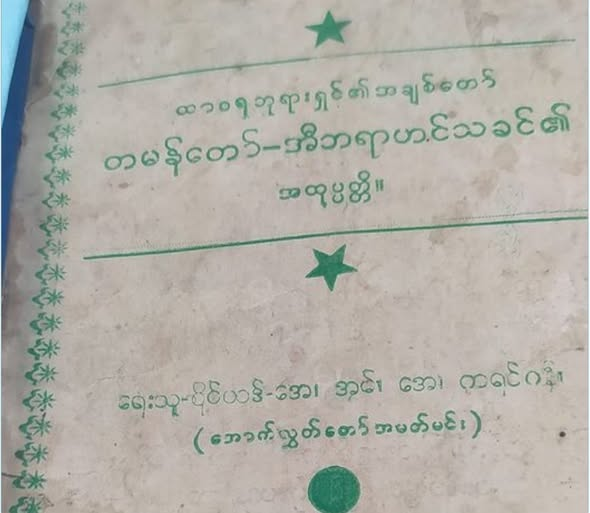
It was published in 1938 as part of the Lasan Yaung series (Issue No. 1) by the Muslim Youth Awakening Association (Rifāʿī), Yangon. Price: 2 pe per copy. Book title: The Beloved of the Eternal God – The Prophet Abraham’s Journey.
On page 9, the author writes:
After returning from Arabia, the Prophet Abraham left behind his concubine and wife in the desert. He wandered from place to place, preaching the teachings of the Eternal God. Wherever he went, he climbed to the tops of mountains, offered prayers to God, and sacrificed a lamb. This was one of his customary practices.
From what we know, the Prophet Abraham traveled across many lands of the world. Later investigations revealed that he even reached India and Burma. Near Taungoo, in Karen territory, at the peaks of Thanto Mountain and Tawti Mountain, Abraham is said to have prayed to God and sacrificed lambs, just as described above.
On pages 20–21, the book continues under the heading: “The Prophet Abraham’s Arrival in Burma”
Readers are told that Abraham came to Burma, especially to the Karen regions near Taungoo. The author emphasizes that Karen traditions and ancient chronicles align with stories of Abraham and his descendants. This connection, he argues, will deeply interest readers, especially Christian missionaries who have studied Karen history.
The author promises to publish a fuller book later, combining his own research with Karen oral traditions.
Karen Sacred Mountains
- Tawti Mountain: A revered site where Karen people still hold annual sacrificial ceremonies, continuing traditions said to date back to Abraham.
- Thanto Mountain: Also historically significant. Karen elders and monks held yearly rituals there. In 1934, the author himself visited the summit with Mr. Swam San-Damay and saw the place where ancient Karen ceremonies were performed.
At the base of the mountain is a small triangular cave. When worshipping, Abraham and his followers are said to have faced the direction of the Kaaba in Mecca. The cave itself is oriented toward the Kaaba, reinforcing this tradition.
The author concludes by saying he intends to conduct further research on these two mountains and publish a more detailed account.
Notes
- This is a historical claim from a 1938 publication, not mainstream history.
- It reflects Karen oral traditions and interpretations by Karim Gani, linking Abraham to Burma.
- Modern historians generally view such accounts as legendary or symbolic, not verified by archaeology or textual evidence.
Thu Tatuam
အစ္စရေးရောက် ချင်း (မီဇို ကူကီး ) များအကြောင်း မသိသူများလို့ ထပ်မံရေးပါရစေ
အခု အစ္စရေး Bnei Menashe (ဘနေး မနာရှေး) အနွယ် တွေဟာ စာရေးသူအမြင် ချင်းလူမျိုးများကြားရောက်နေတာ လို့ဘဲဆိုပါရစေ ချင်းအားလုံးဟာ မနာရှေး နွယ် မဟုတ်ပါဘူး
ချင်းလို့ဆိုပေမဲ့ စာဖတ်သူနားလည်အောင် ရေးပေးရတာပါ သူတိုကိုသူတို့ ချင်း လို့ မခေါ်ပါဘူး ကူကီး သို့ မီဇို ပါ ဒါပေမဲ့ မီဇို ကူကီး သမိုင်းပညာ ရှင်များက စကားအားဖြင့် အခြေခံအချက်တူညီလို သတ်မှတ်ချက်အရ ချင်းလူမျိုးလို့ဘဲဆိုပါရစေ
လိုတိုရှင်းနဲ့ဘဲရေးပေးပါမယ်
· မူလနေရာ : မီဇိုရမ် နှင့် မဏိပူရ ပြည်နယ် (မြောက်ပိုင်း-အရှေ့ပိုင်း အိန္ဒိယ)ကနေ လူဦးရေ : စုစုပေါင်း ၁၀,၈၀၀ ခန့်ဟာ (သူတို့ ထက်ဝက်ခန့် )လက်ရှိအစ္စရေးနိုင်ငံတွင်နေထိုင်ပါတယ်
ဘယ်ကေရာက်လာတာလဲ
· အခိုင်အမာ ယုံကြည်ချက် : အာရှရိလူမျိုး (ယခု အီရတ်နိုင်ငံ မြောက်ပိုင်း) တို့က နှစ် ၂,၇၀၀ ကျော်ကြာ ပြည်နှင်ဒဏ်ပေးခဲ့သည့် သမ္မာကျမ်းလာ မနာရှေအနွယ် (Lost Tribe of Manasseh) မှ ဆင်းသက်လာသူများဟု ယုံကြည်ကြပါတယ်
သမိုင်းကြောင်း အကျဉ်း
1. ရှေးခေတ် : အာရှရိပြည်နှင်ဒဏ်ခံရပြီး အရှေ့ဘက်သို့ ရွှေ့ပြောင်းနေထိုင်တယ်လိုယုံကြည်ကြပါတယ်
2. အိန္ဒိယတွင် နေထိုင်ခြင်း : နှစ်ပေါင်း ၅၀၀-၆၀၀ ခန့်ကြာ မဏိပူရ၊ မီဇိုရမ် တောင်တန်းဒေသများမှာ နေထိုင်ခဲ့တယ်လို့ဆိုပါတယ်
3. ခရစ်ယာန်ဘာသာသို့ ကူးပြောင်းခြင်း : ၁၉ ရာစုနဲ့ ၂၀ ရာစုအစောပိုင်းမှာ ဗြိတိသျှ သာသနာပြုများကြောင့် ခရစ်ယာန်ဘာသာကို အတော်များများ ကူးပြောင်းခဲ့ကြပါတယ်
4. ဂျူးဘာသာသို့ ပြန်လည်ရောက်ရှိခြင်း : ၁၉၅၀ ပြည့်လွန်နှစ်များမှစပြီး သူတို့ရဲ့ ရိုးရာဓလေ့များနှင့် သမ္မာကျမ်းစာကိုဖတ်ရှုရာကနေ တိုက်ဆိုင်မှုများတွေ့ရှိပြီး ဂျူးဘာသာကို ပြန်လည်ကျင့်သုံးကြဖို့ လှုပ်ရှားမှုစတင်လာပါတယ်
5. အစ္စရေးနိုင်ငံသို့ ပြန်လည်ပြောင်းရွှေ့ခြင်း : ၂၀၀၅ ခုနှစ်မှာ အစ္စရေးက လာတဲ့ဆဖာဒီ ဂျူးခေါင်းဆောင်ရာဇ်ဘုန်းတော်ကြီး “Shlomo Amar” က “ပျောက်ဆုံးနေတဲ့ အစ္စရေးများ(ဣသရေလလူမျိုး ) အဆက်အနွယ်” အဖြစ် အသိအမှတ်ပြုပြီး သီးသန့်အစီအစဉ်နဲ့ အစ္စရေးနိုင်ငံသို့ ပြောင်းရွှေ့နေထိုင်ခွင့်ရရှိခဲ့ပြီး (အစ္စရေးကို) ရောက်ရှိပါက ဘာသာရေး ပြောင်းလဲမှု ထုံးတမ်းစဉ်လာ (Conversion) ကို ထပ်မံပြုလုပ်ကြပါတယ်
လက်ရှိအခြေအနေ
· အစ္စရေးနိုင်ငံမှာ ချင်းအစ္စရေးနိုင်ငံသား ခံယူသူ ၅,၀၀၀ ခန့် ရှိပြီး စစ်မှုထမ်း၊ အလုပ်အကိုင်ရှာခြင်းစသဖြင့် လူမှုအသိုင်းအဝိုင်းတွေထဲမှာရောနှောနေထိုင်နေကြပါပြီ
· ၂၀၂၅ ခုနှစ်မှာ အစ္စရေးအစိုးရက အိန္ဒိယနိုင်ငံ မှာ ကျန်ရှိနေသေးတဲ့ Bnei Menashe လူဦးရေ ၅,၈၀၀ ခန့်ကို ၂၀၃၀ ပြည့်နှစ်အတွင်း အစ္စရေးနိုင်ငံသို့ ပြောင်းရွှေ့နိုင်ရန် စီမံချက်အား အတည်ပြုခဲ့ပါတယ်
DNA နှင့် သိပ္ပံနည်းကျ သက်သေများ
DNA စမ်းသပ်မှုအများစုက အလယ်ပိုင်းအရှေ့ဒေသမှ အဆက်အနွယ်ရှိကြောင်း ရှင်းရှင်းလင်းလင်း သက်သေမပြနိုင်သေးပါဘူး။ သို့သော် ငြားလည်း အစ္စရေးအစိုးရနှင့် ဘာသာရေးအဖွဲ့အစည်းများက သတို့ရဲ့ ကြိုးပမ်းအားထုတ်မှုနှင့် ယုံကြည်ချက်ကို အခြေခံပြီး အသိအမှတ်ပြု ၊ ပြန်လည်နေရာချထားပေးလိုက်တာပါ
ထူးခြားသော ရှေးရိုးစကားများ
ခရစ်ယာန်ဘာသာမရောက်မီက သူတို့ကို ဂျူးအနွယ်နဲ့ ဆက်နွယ်ပတ်သက်တဲ့ ထောက်ခံသည့် ရှေးဟောင်းဓလေ့များ အချို့ကတော့
– သင်္ချိုင်းမှာ အလွမ်းသီချင်း ဆိုတဲ့ အကျင့် ၊ နာမည်မှာManmasi” (မနာရှေး)၊ “Gelet” (ဂိလက်ဒ်)၊ “Ulam” (ဥလမ်) စသည့် ဘိုးဘွားအမည်များ ပါဝင်နေပါတယ်
-ပင်လယ်နီကို ဖြတ်ကျော်ခဲ့တဲ့ “Song of the Sea” ရိုးရာသီချင်းရှိနေခြင်း
– မုန့်ဖုတ်ရာတွင် တဆေးမသုံးဘဲ ပေါင်မုန့် (Unleavened Bread) ကို စားသုံးတဲ့ အကျင့် စတဲ့ ပတ်သက်ဆက်နွယ်မှုများရှိပါတယ်
Thutatuam
*****************
မြန်မာ့မြေရောက် တမန်တော် အီဘရာဟင်သခင်၏ မျိုးနွယ်ဝင်ရှေးဦး ကရင်လူမျိုးတို့သမိုင်းကို
သုတေသနပြု တင်ပြခဲ့သူ စိုင်ယဒ် အေ.အမ်.အေ.ကရင် ဂနီ(အောက်လွှတ်တော်အမတ်မင်း)

++++++++++++++++++++++++++++++++++
လဆန်းရောင်စာစဥ်အမှတ်(အမှတ်၁)အဖြစ် မိုစလင်လူငယ်များ၏(ရေဖွာအီ)နိုးကြားရေးအဖွဲ့။ အမှတ် ၉၇။
၃၉-လမ်း။ရန်ကုန်မြို့မှ ဖြန့်ချီ ထုတ်ဝေသည်။
အဘိုးငွေ—တစ်အုပ် ၂ပဲ။
စာအုပ်အမည်မှာ
ထာဝရဘုရားရှင်၏အချစ်တော်
တမန်တော်အီဘရာဟင်သခင်၏
အထုပ်ပတ်တိ
၁၉၃၈ခုနှစ်?
မူလသတ်ပုံ အတိုင်း
အဆိုပါစာအုပ် စာမျက်နှာ ၉ တွင် စာရေးသူက
တမန်တော်အီဗရာဟင်သခင်မှာ အာရေးဗီးယားနယ်မှ ပြန်လာရပြီးနောက် သဲကန္တာရအတွင်းဝယ် ထားပစ်ခဲ့သော လူမမယ်နှင့် ဇနီးသည်တို့အကြောင်း ဘာတစ်ခုမှ မသိရပေ။နေရာတခုမှတခုသို့ ရွှေ့ပြောင်းသွားလာကာ
ထာဝရတပါးတည်း တည်ရှိတော်မူသော ဘုရားသခင်၏
ဒေသနာတော်များကို ဟောပြောခြင်းဖြင့်သာလျှင် ရှိနေပေတော့၏။ထိုသို့ဟောပြောခြင်းပြုရာ၌ ရောက်ရာ အရပ်တိုင်းမှာပင် တောင်ထိပ်သို့တက်ရောက်ပြီး ဘုရား
ရှင်အား ရည်မှန်းကာ ဆိတ်ငယ်ကိုသတ်၍ ပူဇော်ပသခြင်း အလုပ်မှာလည်း တမန်တော်အီဗရာဟင်သခင်၏ ဓလေ့ထုံးစံတခုပင်ဖြစ်ပေတော့သည်။
…ကျွန်ုပ်တို့သိရသမျှတွင် ထိုတမန်တော်သခင်သည် ကမ္ဘာအရပ်ရပ်နေရာတိုင်းတွင် ရောက်ရှိသည်ဟု သိရ၏။
နောက်ဆုံး စုံစမ်းရှာဖွေခြင်းဖြင့် သိရှိရသောအကြောင်းမှာ ထိုတမန်တော်သခင်သည် အိန္ဒိယနှင့် မြန်မာပြည်သို့တိုင်အောင် ရောက်ရှိခဲ့ကြောင်းပင် ဖြစ်လေသည်။တောင်ငူမြို့အနီး ကရင်လူမျိုးတို့၏နယ်ရှိ (သံတောင်)
နှင့်(တော်တိ)တောင်ထိပ်များ၌ပင် တမန်တော် အီဘရာဟင်သခင်သည် ဘုရားရှင်အား ရည်စူးကာ အထက်တွင်ဘော်ပြခဲ့သည့်အတိုင်း ဆိတ်ငယ်ကို သတ်၍ ပူဇော်ပသခြင်း ပြုခဲ့ဘူးလေသည်ဟု သိရလေသည်။
စာမျက်နှာ ၂၀နှင့်၂၁တွင် ဆက်လက်ရေးသားထားချက်မှာ စိတ်ဝင်စားစရာပင်။
တမန်တော်အီဘရာဟင်သခင် မြန်မာပြည်သို့ ရောက်ရှိလာခြင်းအကြောင်း အကျယ်ဘော်ပြချက်ဟု ခေါင်းစဥ် ပေးထားပါသည်။
… ဤစာအုပ်ငယ်ကိုဘတ်ရှူရသူ ကျွန်ုပ်တို့၏ အဆွေ
တော်များသည် ကျွန်ုပ် ထုတ်ဘော် ရေးသားပြခဲ့သော
တမန်တော် အီဘရာဟင်သခင်သည် မြန်မာပြည်သို့ရောက်ရှိလာပုံနှင့် အထူးသဖြင့် တောင်ငူနယ်အတွင်းရှိ
(သံတောင်)နှင့်(တော်တိ)တောင်များအကြောင်း ဘော်ပြချက်ကို အထူးအံ့သြခြင်းဖြင့် သိလိုစိတ်များ ပြင်းထန်စွာ
ရှိနေကြမည်မှာ ယုံမှားဘွယ်ရာ မဟုတ်ပေ။
ကရင်လူမျိုးများး၏ ရှေးဟောင်းရာဇဝင် အကြောင်းကို
ဘတ်ဘူးကြသူတိုင်း တမန်တော်အီဘရာဟင်သခင်နှင့် ထိုသခင်၏အနွယ်တော်များ၏အကြောင်းအရာများ
အားလုံးတို့သည် ငုင်း ကရင်ရှေးဟောင်း ရာဇဝင်များနှင့်
ကိုက်ညီလျက်ရှိနေကြောင်းကို တွေ့ရှိကြရပေမည်။စာဘတ်သူအများပင် ခရာဇ်ယန်သာသနာပြုဆရာများ ရေးသားခဲ့သော ငုင်းကရင်လူမျိုးတို့၏ ရှေးဟောင်းရာဇဝင်အကြောင်းနှင့် ပတ်သက်၍ များစွာ စိတ်ဝင်စားကြပေမည်။ ကျွန်ုပ်ကြံရွယ်ထားသည့်အတိုင်း မကြာမီပင် ဖော်ပြခဲ့သော ကရင်လူမျိုးတို့၏ ရှေးဟောင်းရာဇဝင်များအကြောင်းနှင့် ပတ်သက်၍ ကျွန်ုပ်ကိုယ်တိုင်
စုံစမ်းရှာဖွေ ရရှိသမျှတို့ကိုပါ စုပေါင်းကာ စာအုပ်တအုပ်
ထုတ်ဝေမည် ဖြစ်ကြောင်း။
အထက်တွင်ဘော်ပြခဲ့သော ကရင်လူမျိုးတို့၏နယ်အတွင်းရှိ (တော်တိ)တောင်သည်ကား ကရင်လူမျိုးတို့၏
အထွဋ်အမြတ်ထားသော နေရာတခုပင်ဖြစ်ကြောင်း ကျွန်ုပ်သိရသမျှတွင် ကရင်လူမျိုးတို့သည် မိမိတို့၏ ဘိုး
စဥ်ဘောင်ဆက် အထက်ထက်က ပြုလုပ်ခဲ့ကြသော ထုံးတမ်းစဥ်လာအတိုင်းပင် ယခု အချိန်အထိ ထိုတောင်ပေါ်၌ နှစ်တိုင်း နှစ်တိုင်း ပူဇော်ပသပွဲများကို ကျင်းပလျက်ရှိကြပေသည်။
(သံတောင်)အကြောင်းနှင့်ပတ်သက်၍လည်း ရာဇဝင်အထင်အရှားရှိခဲ့လေသည်။ငုင်းသံတောင်၏ တောင်ထိပ်၌လည်း ရှေးကရင်လူကြီးများနှင့် ကရင်ဘုန်းတော်ကြီးများသည် နှစ်စဥ် တနှစ်တကြိမ်ကျ မိမိတို့ထုံးတမ်းစဥ်လာအရ ပူဇော်ပသပွဲများကို ပြုလုပ်ခဲ့ကြလေသည်။လွန်ခဲ့သည့် ၁၉၃၄-ခုနှစ်အတွင်းက ကံအားလျော်စွာပင်(မစ္စတာ သွမ်ဆန်-ဒါမေ)နှင့်အတူ
ငုင်းတောင်ထိပ်ပေါ်သို့ တကြိမ်တခါရောက်ဘူးခဲ့သဖြင့်
ရှေးအခါက ကရင်လူမျိုးများ ပူဇော်ပသပွဲများ ကျင်းပပြုလုပ်ခဲ့သောနေရာကို တွေ့မြင်ခဲ့ရပေသည်။ငုင်းနေရာမှာ ထိုတောင်၏အောက်ခြေ၌ရှိသော သုံးထောင့်ပုံသဏ္ဍာန် ဂူငယ်တခုပင်ဖြစ်လေသည်။တမန်တော်အီဘရာဟင်သခင်နှင့် မိမိနောက်လိုက်တပည့်အပေါင်းတို့သည် ဘုရားဝတ်ပြုသောအခါတိုင်း (ကအဘာ)ကျောင်းတော်ရှိရာဘက်သို့ မျက်နှာမူကာ ဝတ်ပြုလေ့ရှိကြောင်းကို အားလုံးပင် သိပြီးဖြစ်ကြပေမည်။ကျွန်ုပ်တို့သည်ထိုပူဇော်ပွဲကျင်းပသော ဂူ၏အနေအထားကို စုံစမ်းကြည့်ရှူရာ၌လည်း ငုင်းနေရာ အနေအထားတည်ပုံမှာလည်း” ကစ်ဘလာ”ဝါ “ကအဘာ”တော်ရှိရာဘက်သို့ မျက်နှာ မူလျက်ပင် တည်ရှိကြောင်းသိရပေသည်။
မကြာမီပင် ဤတောင် ၂ခု၏ အကြောင်းအရာစုံလင်စွာကို ကျွန်ုပ်တို့ကိုယ်တိုင် ပြည့်စုံနိုင်သမျှပြည့်စုံအောင် စုံစမ်း ရှာဖွေပြီးနောက် ထပ်မံရေးသား အကျယ်ဖော်ပြသွားရန် စိတ်ပိုင်းဖြတ်ပြီးဖြစ်ကြောင်း ဟုဖတ်ရသည်။
++++++++++++++++++++++++++++++++
သမိုင်းဟူသည် သမိုက်ဟူသော စကားက လာသည်။အစဥ်အဆက်ပြောကြားခဲ့သော စကားဟုဆိုပါသည်။ဤစာအုပ်ငယ်ကလေးကိုဖတ်ရအပြီးတွင် အစ္စလာမ်ဓမ္မဗိမာန်အပါအဝင်သင်တန်းများတွင် မြန်မာ့မြေမှမွတ်စလင်များ သမိုင်းကို သင်ကြားခဲ့ရာ၌ ဤအချက်ကိုထည့်သွင်းသင်ကြားခဲ့သလို သင်တန်းသားတို့ကိုလည်း သံတောင်ဒေသဘက်ရောက်ခဲ့ပါက ကိုယ်တွေ့မျက် မြင်သွားရောက် လေ့လာကြဖို့ တိုက်တွန်းခဲ့မြဲဖြစ်သည်။
န.ဝ.တ.ခေတ်မှာ ကမ္ဘာလှည့်ခရီးသည်တို့ ငှက်သဘာဝလေ့လာရာအပါအဝင် သဘာဝပတ်ဝန်းကျင်ကိုလေ့လာရာစခန်းအဖြစ် သတ်မှတ်ခဲ့သဖြင့် ဒေသခံကရင်လူမျ်ိုးတို့ ထိုနေရင်း ဒေသမှ ဖယ်ရှားခံခဲ့ရသည်။
ကမ္ဘာလှည့်ခရီးသွားလုပ်ငန်းစာစောင်တစ်ခုမှာတော့ ထိုဒေသမှာ “အလွန်ရှေးကျသည့် ကရင်လူမျ်ိုးတို့ နေထိုင်ကြကြောင်း ရှေးရိုးရာအတိုင်း ဘဝကို ရိုးရှင်းစွာနေထိုင်ခဲ့ကြပုံ စတီးလ် ကြွေ နှင့် ဒန် ပန်းကန် ခွက်ယောက်များကို လုံးဝ မသုံးဘဲ ဝါးခွက် ဝါးအိုး ဝါးယောင်းမ ဝါးဇွန်း ဝါးဇလုံနှင့် ဝါးလင်ဗန်း ဝါးကျဥ်တောက်တို့ဖြင့်သာ စားကြသောက်ကြသည်ဟု ဖတ်ရသည်။
ထိုခေတ်လောက်ကပင် မြန်မာသတင်းစာများ၌ ဘတ်တေး လစ်တနာ၏ အခန်းဆက် ဆောင်းပါးတစ်ခုမှာလည်း သံတောင်ဒေသနေ ကရင်လူမျိုးများမှာ တမန်တော်အီဘရာဟင်၏ မျိုးနွယ်ဝင် ၁၂မျိုးတို့ ထိုဒေ
သသို့ ရောက်ရှိနေထိုင်ရာမှ ဆင်းသက်လာသူများဖြစ်သည်ဟု ဖတ်ခဲ့ရသည်။ထိုဆောင်းပါးမှာ အသေအချာသိမ်းဆည်းထားသည့်ကြားက ပျောက်ဆုံး
သွားခဲ့၍ နှမျောမဆုံးဖြစ်ရပါသည်။