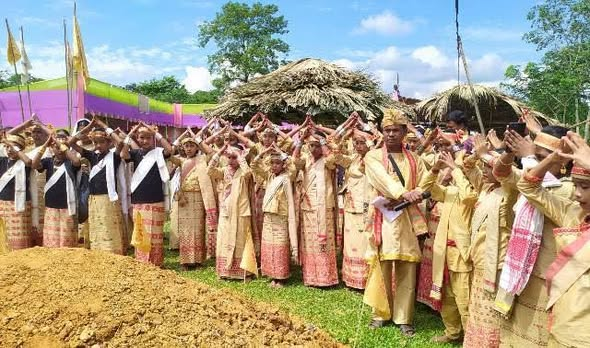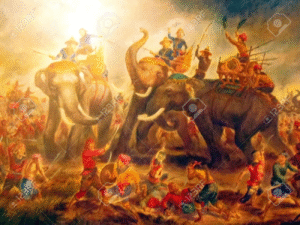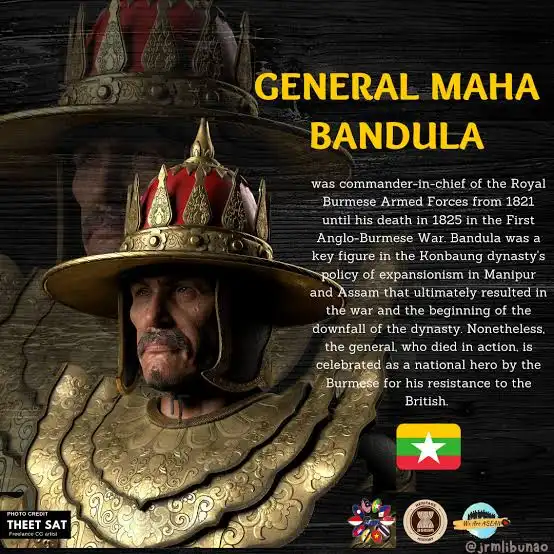
Between 1812 and 1819, during the final phase of the Burmese Konbaung dynasty’s western expansion, the armies of the Burmese general Maha Bandula carried out brutal campaigns in the Ahom (Shan) kingdom of Assam, in present-day India. These campaigns, ordered by the Burmese kings ruling from Ava and later Mandalay, were not merely military conquests but systematic acts of terror aimed at breaking resistance and permanently subjugating the Ahom Shan population.
According to Sir Edward Gait, the British historian and author of A History of Assam, the Burmese occupation was marked by extraordinary cruelty. Large segments of the civilian population—particularly men and boys—were killed or terrorised in ways intended to intimidate and destroy communal resistance. Gait records that as much as two-thirds of the population may have perished or been displaced during this period, with at least one-third of the male population eliminated. The result was not only demographic devastation but the complete collapse of Ahom political and social organisation.
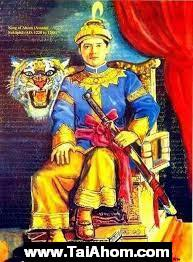
These atrocities so thoroughly weakened the Ahom state that, although it had survived for nearly six centuries (circa 1220–1812) under a continuous dynasty, it could no longer recover. By 1839, the once-powerful Ahom kingdom—renowned for successfully resisting repeated Mughal invasions—was finally annexed by the British. The Burmese destruction thus directly paved the way for British colonial consolidation in Assam.
Historically, the Ahoms were a Shan polity, with ancestral roots tracing back to Mong Mao (568–1604 AD), whose descendants also ruled Hsenwi (Theinni) in what is now northern Myanmar. The Ahom case therefore represents not an isolated tragedy, but part of a wider pattern of violence inflicted by the Burmese court against non-Bamar ethnic polities, including Shans, Rakhines, Mons, and others, long before British colonialism.
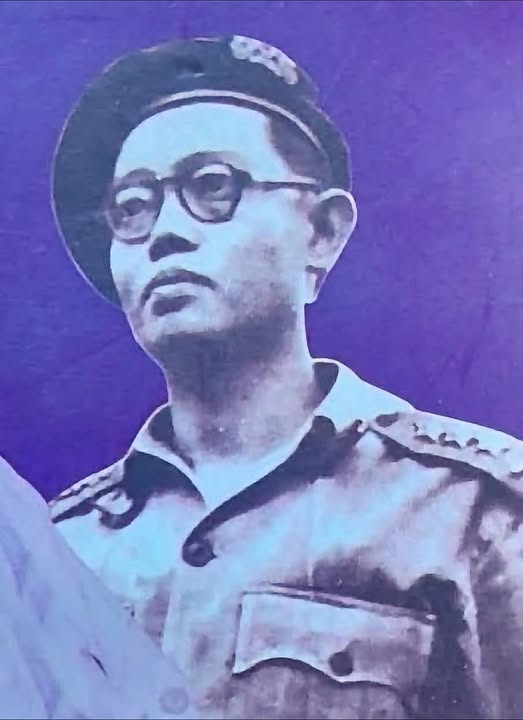
This interpretation is reinforced by Shan royal and political testimony. In “Dialogue with a Shan Leader: H.R.H. Hso Khan Pha”, Prince Hso Khan Pha—son of Sao Shwe Thaik, the last Saopha of Yawnghwe (Nyaung Shwe) and the first President of independent Burma—explicitly references the Ahom tragedy as a historical warning. Interviewed by Dr Tayza, Chief Editor of The Burma Digest, Prince Hso Khan Pha situates the massacre within a long continuum of Burman royal militarism and ethnic domination, a legacy that continues to shape Myanmar’s modern conflicts.
Today, these events are increasingly contested or erased by Myanmar military-aligned narratives, including coordinated cyber-trooper interventions on platforms such as Wikipedia. The deliberate sanitisation of figures like Maha Bandula—often portrayed solely as anti-colonial heroes—ignores their role in mass violence against neighbouring Asian peoples, including fellow Tai-Shan communities and Rakhines.
The historical record, however, remains clear. The destruction of the Ahom kingdom was not caused by British conquest, but by Burmese imperial brutality, which fatally weakened one of Southeast Asia’s longest-surviving indigenous states. Recognising this truth is essential—not to inflame ethnic hatred—but to challenge militarised myth-making and to affirm that state violence, whether pre-colonial or modern, must be named and remembered.
References
- Sir Edward Gait, A History of Assam
- Dialogue with a Shan Leader, H.R.H. Hso Khan Pha, interview with Dr Tayza, The Burma Digest
I retrieved this from the Wikipedia article which was attacked and edited or deleted the facts to rewrite by the history by Myanmar Military Cyber-trooper. (But I successfully published in India’s pages in Wikipedia, which is partially protected by WIKIPEDIA so that Myanmar cybertroopers could not attack, lasting for about 15 yrs).
Clarification on the Ahom (Ahon) Shans, the Patkai Range, and Early Migration Routes
The Ahom (often written as Ahon) Shans should not be understood merely as “brothers” of the Shan ethnic minorities now living on the Indian side of the border. They are, in fact, the same Tai–Shan people of Burma/Myanmar, who historically migrated westward after crossing the mountain barriers separating China, Burma, and the Indian subcontinent.
Burma/Myanmar has, since antiquity, functioned as a civilizational corridor—a natural land bridge between the great civilizations of China and India, which are otherwise divided by the Himalayan massif. Through this corridor, successive waves of ethnic groups originating from southern China—including Tai–Shan peoples, Kachin, Chin, and others—moved southward and westward. Some settled permanently within present-day Myanmar, while others continued onward into Assam, Northeast India, Bangladesh, Nepal, and Bhutan.
It is important to clarify that the commonly used term “Patkai Pass” is technically inaccurate. What actually exists is the Patkai mountain range, a broad and complex system of hills and mountains forming much of the northern and northeastern frontier between Burma (Myanmar) and India. Rather than a single pass, the Patkai range contains multiple passes and corridors that have been used for centuries by migrating peoples, traders, and armies.
Among these, the Diphu Pass—located near the tri-junction of India, China, and Myanmar—is generally regarded as the northernmost significant pass in this region. Historically, such passes facilitated the westward movement of Tai–Shan groups, including the ancestors of the Ahom Shans who eventually established a powerful kingdom in Assam.
Understanding this geography is crucial. The Ahom Shans did not emerge as a separate or alien group in India; rather, they represent a continuation of the same Tai–Shan migratory stream that shaped much of Upper Burma/Myanmar. Their history reinforces a broader truth: Burma has never been an isolated land, but a highway of peoples, cultures, and civilizations moving between East, Southeast, and South Asia.
For a broader discussion of Burma/Myanmar as an ancient migration corridor,
READ : “Highways and Rat Lanes: Migration Routes Through Burma”, MMNN, 14 July 2025.
ကျွန်တော်တို့ ငယ်ငယ်က ကျောင်းသင်ခန်းစာတွေမှာ “စစ်သူကြီး မဟာဗန္ဓုလ” ဆိုတာနဲ့ နယ်ချဲ့အင်္ဂလိပ်ကို ရဲရဲဝံ့ဝံ့ ပြန်တိုက်ခဲ့တဲ့ အမျိုးသားသူရဲကောင်းကြီးလို့ပဲ ပြေးမြင်ကြမှာပါ။ ဒါပေမဲ့ သမိုင်းရဲ့ တခြားတစ်ဖက်ခြမ်းမှာတော့ ကျွန်တော်တို့ သိပ်မသိခဲ့ရတဲ့၊ တော်တော်လေးကို တုန်လှုပ်စရာကောင်းတဲ့ Dark Side အမှောင်ထုတစ်ခု ရှိနေခဲ့ပါတယ်။ အဲဒါကတော့ မြန်မာတို့ရဲ့ နယ်ချဲ့စစ်ပွဲတွေကြောင့် မြေလှန်ဖျက်ဆီးခံလိုက်ရတဲ့ အာသံ-အဟုမ် (Ahom) ရှမ်းနိုင်ငံတော် ရဲ့ ကြေကွဲဖွယ် ဇာတ်လမ်းပါပဲ။
“အဟုမ်” ဆိုတာ တကယ်တော့ တခြားသူတွေမဟုတ်ပါဘူး။ ကျွန်တော်တို့ မြန်မာပြည်က ရှမ်းတွေနဲ့ သွေးမကွဲတဲ့ “တိုင်-ရှမ်း” (Tai-Shan) မျိုးနွယ်စုတွေပဲ ဖြစ်ပါတယ်။ အာဟုမ်ရှမ်း (Pron: /ˈɑːhɒm/) သို့မဟုတ် တိုင်းအာဟုမ်(အာဟုမ်: 𑜄𑜩 𑜒𑜑𑜪𑜨; အာသံ: টাই-আহোম) ဟာ ခု အိန္ဒိယ ပြည်နယ် အရုနာရှယ်ပရာဒေ့ရှ်ပြည်နယ် နဲ့ အာသံ ပြည်နယ်မှာ ရှိကြတဲ့ ရှမ်းနွယ်ဝင် လူမျိုးစုတစ်ခုဖြစ်ပါတယ်။
သူတို့ရဲ့ ဇာစ်မြစ်က မြန်မာပြည်မြောက်ပိုင်း သိန္နီ (မိုင်းမော) ဘက်က ဆင်းသက်လာတာပါ။ အေဒီ ၁၂၂၈ မှာ ရှမ်းမင်းသား ချောင်လုံဆူကာဖာ (Chaolung Sukapha) ဟာ ပတ်ကွိုင်တောင်တန်းကို ဖြတ်ပြီး အိန္ဒိယဘက်ကို နယ်မြေသစ်ရှာရင်း “အဟုမ်နိုင်ငံတော်” ကို တည်ထောင်ခဲ့ပါတယ်။ ဒီနိုင်ငံဟာ အင်အားကြီးတဲ့ မဂိုအင်ပါယာ (Mughal) ရဲ့ ကျူးကျော်မှု ၁၇ ကြိမ်ကိုတောင် ကြံ့ကြံ့ခံနိုင်ခဲ့တဲ့အထိ အနှစ် ၆၀၀ ကြာအောင် တန်ခိုးထွားခဲ့တဲ့ နိုင်ငံကြီးပါ။
၁၉ ရာစုအစ (၁၈၁၂-၁၈၁၉) ဝန်းကျင်မှာ အဟုမ်နန်းတွင်း အာဏာလုပွဲတွေ ဖြစ်လာချိန်မှာ မြန်မာဘုရင်တွေက အခွင့်ကောင်းယူပြီး ကျူးကျော်ခဲ့ပါတယ်။ စစ်သူကြီး မဟာဗန္ဓုလ ဦးဆောင်တဲ့ မြန်မာတပ်တွေ အာသံမြေထဲ ခြေချခဲ့တာဟာ အဟုမ်တို့အတွက်တော့ “ငရဲခန်း” စတာပါပဲ။
သမိုင်းပညာရှင် ဆာ အက်ဒဝပ် ဂိတ် (Sir Edward Gait) ရဲ့ မှတ်တမ်းတွေအရ မြန်မာစစ်တပ်ဟာ အာသံဒေသခံတွေကို အရမ်းရက်စက်ခဲ့ပါတယ်။ဒေသခံ လူဦးရေရဲ့ သုံးပုံနှစ်ပုံလောက်ဟာ အသတ်ခံရတာ ဒါမှမဟုတ် ထွက်ပြေးရတာမျိုး ဖြစ်ခဲ့ပါတယ်။အမျိုးသားဦးရေရဲ့ အနည်းဆုံး သုံးပုံတစ်ပုံကို သတ်ဖြတ်ပြီး ပြန်ခုခံလိုစိတ် ပျောက်သွားအောင် နိပ်ကွတ်ခဲ့ပါတယ်။
ဒီလို ရက်စက်မှုတွေကြောင့် အားနည်းသွားတဲ့ အဟုမ်နိုင်ငံတော်ဟာ နောက်ဆုံးမှာ ဗြိတိသျှနယ်ချဲ့လက်ထဲကို အလွယ်တကူ ကျရောက်သွားခဲ့ရပါတယ်။ တစ်နည်းအားဖြင့် မြန်မာတွေရဲ့ ရက်စက်မှုက ဗြိတိသျှတွေ အာသံကို အပိုင်သိမ်းဖို့ လမ်းခင်းပေးလိုက်သလို ဖြစ်ခဲ့တာပါ။
မြန်မာနိုင်ငံဟာ ရှေးကတည်းက တရုတ်နဲ့ အိန္ဒိယကြားမှာ “ယဉ်ကျေးမှု ကုန်းလမ်းမကြီး” တစ်ခုလို တည်ရှိနေခဲ့တာပါ။ ပတ်ကွိုင်တောင်တန်း (Patkai Range) က ဒိပု တောင်ကြားလမ်း (Diphu Pass) လို လမ်းကြောင်းတွေကနေတဆင့် ရှမ်း၊ ကချင်၊ ချင်း စတဲ့ လူမျိုးစုတွေဟာ အနောက်ဘက်ကို စီးဆင်းသွားခဲ့ကြတာ ဖြစ်ပါတယ်။ အဟုမ်ရှမ်းတွေဆိုတာလည်း ဒီစီးဆင်းမှုရဲ့ အစိတ်အပိုင်းတစ်ခုပါပဲ။
ယနေ့ခေတ်မှာ ဝီကီပီးဒီးယား (Wikipedia) လို နေရာမျိုးတွေမှာတောင် ဒီအမှန်တရားတွေကို ဖုံးကွယ်ဖို့၊ မဟာဗန္ဓုလရဲ့ ရက်စက်မှုကို သမိုင်းဖျောက်ပစ်ဖို့ မြန်မာစစ်တပ်အလိုကျ Cyber-troopers တွေက ကြိုးစားနေကြပါတယ်။ ဒါပေမဲ့ ညောင်ရွှေစော်ဘွားကြီး စပ်ရွှေသိုက်ရဲ့ သားတော် စပ်ဆိုခန်ဖ (H.R.H. Hso Khan Pha) ကတော့ ဒီ အာသံ-အဟုမ် ကြေကွဲဖွယ်ရာကို မြန်မာစစ်ဝါဒီတွေရဲ့ “လူမျိုးစုကြီးစိုးရေးဝါဒ” ရဲ့ အမွေဆိုးအဖြစ် အမြဲတမ်း သတိပေး ထောက်ပြခဲ့ပါတယ်။
သမိုင်းကို ကျွန်တော်တို့ ပြန်သင်ယူရတာဟာ အတိတ်က အမှားတွေကို သင်ခန်းစာယူဖို့ပါ။ မြန်မာဘုရင်တွေရဲ့ နယ်ချဲ့စစ်ဝါဒီကြောင့် တိုင်းရင်းသားမျိုးနွယ်စုတွေ ဘယ်လောက် ထိခိုက်ခဲ့ရလဲဆိုတာကို သိမှသာ ကျွန်တော်တို့ မျှော်လင့်နေတဲ့ စစ်မှန်တဲ့ ဖက်ဒရယ်နဲ့ ငြိမ်းချမ်းရေးကို တည်ဆောက်နိုင်မှာ ဖြစ်ပါတယ်။
ကိုးကားချက်များ (References):
• Sir Edward Gait, A History of Assam
• S.L. Baruah, Last Days of Ahom Monarchy
• The Burma Digest, Dialogue with a Shan Leader: H.R.H. Hso Khan Pha (Interview with Dr. Tayza)
• Wikipedia, Burmese Invasions of Assam (Verified data from protected international archives).
Aung San Oo – Myanmar Muslims News Network