What was Maurice Collis’ comment about Arakan or Rakhine people’s origin?
Maurice Collis stated that in the early period,
“Arakan was then an Indian land, its inhabitants being Indians similar to those resident in Bengal”.
This comment is frequently cited in discussions about the origins of the different communities in the region. According to Collis’s view:
- The area of Arakan now known as North Arakan was, for many years before the 8th century, the seat of Hindu dynasties.
- The government and people of the city of Wesali (founded in 788 A.D. by the Chandra dynasty) were Indian.
- The people resembled those of Bengal.
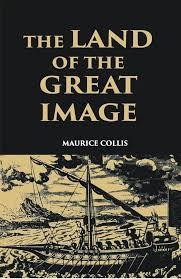
This perspective contrasts with some later views that emphasize the Tibeto-Burman (Rakhine) origins as the main genealogical branch of the people, while acknowledging mixing with Indo-Aryans to a limited extent. Collis’s writings, particularly in books like “The Land of the Great Image” and his paper “Arakan’s Place in the Civilization of the Bay,” are key sources in these historical discussions.
Maurice Collis, in his work on Arakan (Rakhine), noted that early inhabitants included indigenous Negritos (“Bilus”) and later waves of people from the north, suggesting Indo-Aryan influence from India, possibly linked to the Mauryan Empire (Maurya), leading to an Indianized culture and language (like Magadha) in early dynasties, with the Rakhine people’s origins complexly mixed but with significant ancient Indian roots reflected in early chronicles and inscriptions.
Key Points from Collis’s Observations (as cited in sources):
- Early Inhabitants: The very first people were indigenous Negritos, known in chronicles as “Bilus” (cannibals).
- Later Migrations: Subsequent waves of people, racially diverse, arrived from the north.
- Indo-Aryan Influence: Early Arakanese history points to conquest or significant cultural influence from Indo-Aryan peoples of Northern India, potentially during the Mauryan period (c. 322–187 BCE).
- Linguistic Clues: The early rulers and culture were Indian, with Magadha (a language of the Mauryan Empire) being spoken, which is why Rakhine people recall a time when everyone spoke Magadha, according to sources referencing Collis.
- Connection to Bengal: Early Arakanese culture and language were linked to Bengal, with early inscriptions found in Bengali script.
In essence, Collis highlighted a layered history where indigenous peoples were overlaid by significant Indian cultural and political influence, shaping early Arakanese identity, long before later influences solidified the distinct Rakhine identity.
Maurice Collis’s The Land of the Great Image (1943) is a historical narrative based on Friar Manrique’s 17th-century travels in Arakan (Burma), focusing on its culture, rulers, and Buddhism, while his paper “Arakan’s Place in the Civilization of the Bay” (1925) (with San Shwe Bu) is an earlier academic study exploring Arakan’s significance in regional maritime trade and civilization, using coinage and history to highlight its Indianized culture and power, linking the two works as foundational to Collis’s deeper exploration of the region’s complex history.
သမိုင်းမှန်များ is with Aung Tin.
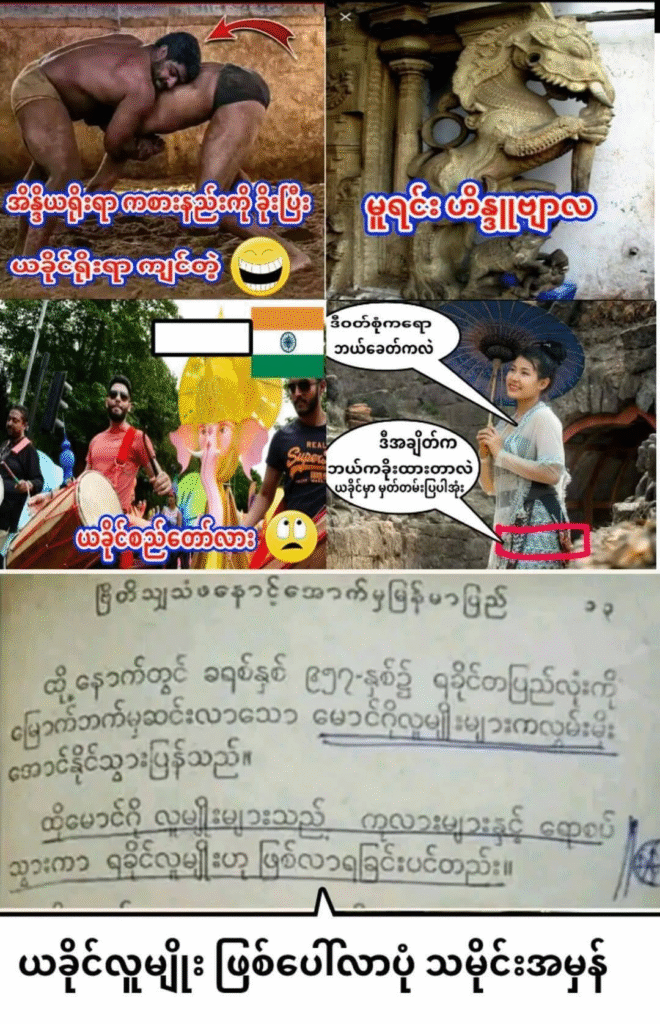
ရခိုင်တွေ ဘယ်လိုပေါ်ပေါက်လာလဲ
============================
ကမ္ဘာ့အထင်ကရ သမိုင်းပညာရှင်အားလုံးက
တညီတညွတ်တည်းပြောတာကတော့
ယခိုင်ဆိုတာ AD 10ရာစု ဝန်းကျင်မှ
ပေါ်ပေါက်လာတဲ့ လူမျိုး(သို့မဟုတ်)
ဝင်ရောက်လာတဲ့ လူမျိုးဖြစ်တယ်လို့
အခိုင်အမာ ပြောထားပါတယ်၊
10 ရာစု မတိုင်ခင်(သို့မဟုတ်)လေးမြို့ခေတ်
မတိုင်ခင် အာရကန်ဒေသမှာ ယနေ့ ယခိုင်လို့
ခေါ်နေတဲ့ လူမျိုးတွေနဲ့ ပတ်သတ်တဲ့
သမိုင်းအထောက်အထား ဘာမှ မရှိပါ
သမိုင်းပညာရှင်အားလုံးထဲကမှ Maurice Collisရဲ့
သုံးသပ်ချက်ကို ကျနော်ကတော့ သဘောအကျဆုံးပဲ
သူ့ရဲ့သုံးသပ်ချက်က ယခိုင်တွေဟာ ဝင်ရောက်လာတဲ့ လူမျိုးမဟုတ်ပဲ၊ ပေါ်ပေါက်လာတဲ့ လူမျိုးဖြစ်တယ်လို့ ဆိုထားပါတယ်၊ ယခိုင်တွေဟာ
AD 957 ရောက်မှ
အာရကန်ဒေသခံ ကလားပေါင်းစုံနဲ့ မွန်ဂိုတွေနဲ့
ပေါင်းစပ်ပြီး ဖြစ်ပေါ်လာတဲ့ လူမျိုးအသစ်ဖြစ်တယ်လို့ ဆိုထားတယ်၊ အိန္ဒိယတိုက်သား ကလားများ
ဖြစ်ကြသော ဟိန္ဒီ၊ ဘင်္ဂလီ၊ ပန်ဂျာဘီ၊ မရာဋီ၊ ဂုဂျာရသီ၊ သြရိယာ၊ သီရိလင်္ကာ ဆင်ဟာလီ၊ နီပေါ၊ တမီးလ်၊ ဘရာဟင်၊ တေလဂူ၊ ကန်နာဒါ၊ မလေယာလမ်၊
တူလူ၊ ရိုင်လီ၊ မဂါ၊ လင့်ဘူ၊ ဂေါ်ရခါး၊ ဘူတိရှ်၊ နဂါ၊
အာရပ် စသည့် ကလားပေါင်းစုံနှင့် မွန်ဂိုတွေနဲ့
ပေါင်းစပ်သွေးနှောသွားတဲ့အခါ ယခိုင်ဟုဖြစ်လာပါတော့သည်၊ ဒါကြောင့် ယခိုင်တွေရဲ့ ရုပ်ရည်ဟာ
ကလားပေါင်းစုံရုပ် ပေါက်နေခြင်း ဖြစ်ပါသည်၊
တချို့ယခိုင်တွေက ဟိန္ဒီတွေနဲ့ တူတယ်၊ တချို့ကြတော့ ဘင်္ဂလီတွေနဲ့ တူတယ်၊ တချို့က အာရပ်တွေနဲ့
တူကြတယ်၊ ယခိုင်တွေမှာ တိကျတဲ့ရုပ်ရည်မျိုး
မရှိကြပါဘူး၊
ယခိုင်တွေရဲ့ ရုပ်ရည်
အသားရောင်ကိုကြည့်ချင်းအားဖြင့် ယခိုင်တွေဟာ
ကလားသွေးနှောတွေ ဖြစ်တယ်ဆိုတာ သိသာတယ်
တိဗက်ဘားမန်းအုပ်စုထဲ ထည့်လို့ မရဘူး။
လူမျိုးဖြစ်စဥ်သမိုင်းကြောင်းကို လေ့လာတဲ့အခါ
ဘာသာစကား တခုတည်းကို ကြည့်ပြီး
ဆုံးဖြတ်လို့ မရဘူး၊ ဥပမာ – အမေရိကန်တွေက
အဂ်လိပ်စကားပြောလို့ အမေရိကန်တွေသည်
အဂ်လိပ်တွေ ဖြစ်တယ်လို့ ပြောလို့ မရသလိုပါပဲ၊
ယခိုင်တွေ ဗမာစကားပြောလို့ ဗမာတွေနဲ့
မျိုးနွယ်တူပါလို့ ပြောလို့ မရပါ၊ ရုပ်ရည် စိတ်ဓာတ်
ယဥ်ကျေးမှုတွေဟာ သိသိသာသာ ကွာခြားနေပါတယ်၊
ယခိုင်တွေဟာ နောက်မှ ေပါ်ပေါက်လာတဲ့
လူမျိုးဖြစ်တာကြောင့် ကိုယ်ပိုင်ယဥ်ကျေးမှုနဲ့
ကိုယ်ပိုင်ဘာသာစကား မရှိကြဘူး
အာရကန်ဒေသခံ ကလားတွေရဲ့ ယဥ်ကျေးမှုကို
ပုံတူကူးပြီး ယခိုင်ယဥ်ကျေးမှု လုပ်လာကြတယ်၊
ဥပမာ –
ဗျာလ – ဗျာလ(व्याल)ဆိုတာ ဟိန္ဒူကလားရိုးရာ
ဖြစ်ပါတယ် ဟိန္ဒူအယူအဆမှာ ဗျာလ ၁၆မျိုးခန့်
ရှိပါသည် ဗျာလဆိုတာ အပြင်အမှန်တကယ်မရှိပါ
ဟိန္ဒူကလားတို့ ဒဏ္ဍာရီထဲက သတ္တဝါဖြစ်ပါတယ်
ဟိန္ဒူအယူမှာ ဗျာလကို သူရဲကောင်းများက
ရန်သူကို တိုက်ခိုက်ရာမှာ ဗျာလဆိုလဲ သတ္တဝါကို
စီးကြသည်ဟု အယူအဆရှိကြသည်
ဗျာလ အခေါ်အဝေါ်သည် ဟိန္ဒူဝေါဟာရဖြစ်သည်
ကျင် – ကျင်ဆိုတာ အိန္ဒိယ ပါကစ္စတန်
ဘင်္ဂလားဒေရ့်နိုင်ငံတွေရဲ့ရိုးရာ ကစားနည်း
ဖြစ်ပါသည် Pehlwani သို့မဟုတ် Kushtiလို့ခေါ်တယ်
အဂ်လိပ်လို Indian Wrestlingလို့ခေါ်တယ်
ရခိုင်စည်တော် – ရခိုင်စည်တော်ဆိုတာ
ဟိန္ဒူရိုးရာအသုံးအဆောင်
အင်္ဂလိပ်လို Dhol လို့ ခေါ်တယ်
အိန္ဒိယဘာသာ (Hindi) စာလုံးဖြင့် ढोल လို့ ခေါ်တယ်
၁၉ရာစုနှောင်းပိုင်း ရောက်တဲ့အခါ ဗမာလူမျိုးတွေရဲ့
ယဥ်ကျေးမှု ဝတ်စားဆင်ယင်မှုတွေကို ပုံတူကူးလာကြတယ်၊ ယခိုင်တို့သည် သမိုင်းမှတ်တမ်းအရ
ကလားများကဲ့သို့ ဝတ်ဆင်ကြသော်လည်း
ယခုအခါ ဗမာတို့ကဲ့သို့ တုပ၍ဝတ်ဆင်လာကြသည်
သနပ်ခါးလိမ်းခြင်း ဓလေ့များ ပုံတူကူးလာကြသည်
ယခိုင်သမိုင်းမှာ သနပ်ခါးလိမ်းခြင်း ဓလေ့လုံးဝ
မရှိ၊ ဗမာတို့ ကဲ့သို့ နှစ်သစ်ကူး သင်္ကြန်ကျင်းပလာကြသည်၊ ကိုလိုခေတ်မှာတောင် ယခိုင်သင်္ကြန်မှတ်တမ်း
မရှိခဲ့ပါ၊ ယခိုင်သမိုင်းမှာတော့ ဘုရားရှင်လက်ထက်က ဘာဖြစ်တယ် ညာဖြစ်တယ်ဆိုပြီး ပြောပါလိမ့်မယ်၊ ဒါတွေက အိမ်ယာဝင်ပုံပြင်တွေပါ
ယခိုင်တွေရဲ့ အကျင့်က ဘာသမိုင်းဖြစ်ဖြစ်
သမိုင်းအထောက်အထား ရေရေရာရာပြစရာ
မရှိတဲ့အခါ ဘုရားရှင်လက်ထက်ကဆိုပြီး
ရောကြိတ်လေ့ရှိတယ်၊ အဲ့လို ဘုရားရှင်လက်ထက်က
ဘာဖြစ်တယ် ညာဖြစ်တယ်ဆိုပြီး အိမ်ယာဝင်ပုံပြင်တွေက ကမ္ဘာ့အလည်မှာ သမိုင်းကြောင်းတွေရှင်းတဲ့အခါ အသုံး မဝင်ပါ၊(အရှ-က်ကွဲပါလိမ့်မယ်)
ယခိုင်ဘာသာစကား
Maurice Collisရဲ့ အဆိုအရ ယခိုင်တွေမှာ
ဘာသာစကားမရှိပါဘူး၊ ကလားပေါင်းစုံ
ရောသမမွှေပြီး ယခိုင်ရယ်လို့ ဖြစ်ပေါ်လာချိန်တွင်
ဘာသာစကားမရှိသေးသဖြင့် မြန်မာတို့ဆီမှာ
ဘာသာစကားကို ယူသုံးကြတယ်လို့ ဆိုပါတယ်၊
တိဗက်ဘားမန်းဘာသာစကား စီးဆင်းရာ
လမ်းကြောင်းက မြောက်ဖျားဘက်က စီးဆင်းလာတာပါ၊ ယခိုင်က စတဲ့ ဘာသာစကား မဟုတ်သလို၊ အိန္ဒိယတိုက်ဘက်က လာတဲ့ ဘာသာစကားလည်း မဟုတ်ပေ၊
ဒီလောက်ဆိုရင် ယခိုင်ဘယ်လိုဖြစ်လာလဲဆိုတာ
သိလောက်ပြီ ထင်ပါတယ်