Myanmar’s history is not short of heroes, martyrs, revolutions, or noble intentions.
What it lacks is the ability to see its own recurring pattern.
We remember events separately.
We mourn tragedies individually.
But we rarely connect them.
When the beads are finally strung together, they form a single necklace — and that necklace tells one painful story:
Again and again, Myanmar’s movements have collapsed not because they were defeated, but because they consumed themselves from within.
The First Bead: The Jātaka of the Hinthas
An ancient Buddhist Jātaka tells of ninety thousand Hinthas — the revered Ruddy Shelducks — sheltering together inside a cave during a long monsoon.
A giant spider blocked the entrance with its web.
When united, the Hinthas survived.
They fed a strong young Hintha, broke the web, and escaped.
But one year, the rains lasted five months.
Food ran out.
In the name of survival, the Hinthas began to eat:
- first their own eggs,
- then the young,
- then the old.
When the rain finally stopped, the spider had spun five layers of web.
The Hinthas, weakened by consuming their own kind, tried to break free once more — and died trapped in the fifth web.
The spider did not kill them.
They destroyed themselves.
The Second Bead: ABSDF (Northern) — A Revolution That Ate Its Children
After 1988, idealistic students fled to the border to continue the struggle.
Among them were over 120 student revolutionaries, many from Mandalay.
They were not defeated by the junta.
They were destroyed by internal suspicion.
Around 40 were killed during a purge led by Than Chaung, justified by allegations of “Trojan Horse spies.”
Leaders such as Tun Aung Kyaw were brutally murdered.
This narrative conveniently echoed the claims of MI General Khin Nyunt, immortalised in propaganda books, Myet Khin Thit or New Grassland.
But suspicion is not proof — and fear is not justice.
One survivor, Smar Nyi Nyi, later wrote “Escape from Werewolves.”
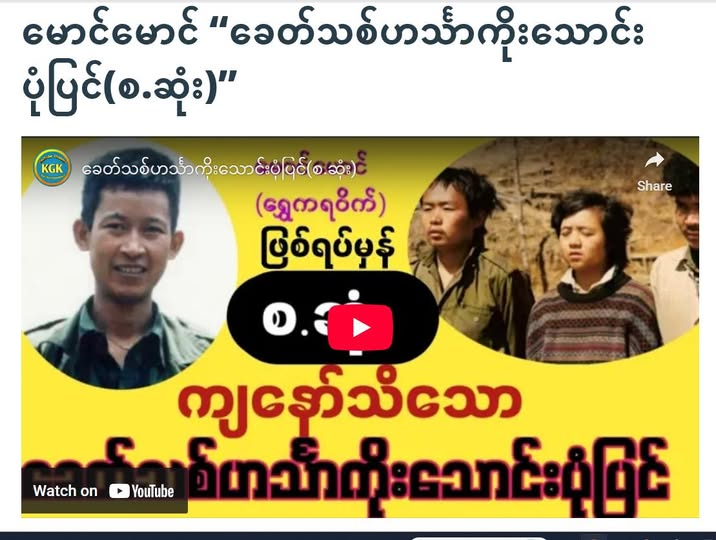
Another, Maung Maung, wrote “90,000 Hinthas” — a book that became a bestseller.
The title was not metaphorical by accident.
The revolution had devoured its own future.
The Third Bead: Divide the Karen, Rule the Battlefield
Military Intelligence learned a powerful lesson:
You don’t need to defeat your enemy — just divide them.
By implanting the Myaing Gyi Ngu monk, MI deliberately split:
- Buddhist Karen from
- Christian Karen.
Thus emerged the DKBA. MI Khin Nyunt was believed to be behind it.
Karen did not lose because they lacked courage or legitimacy.
They lost momentum because Karen fought Karen, while the junta stood back and watched.
Another web was spun.
The Fourth Bead: The Communist Purges and the 1989 Collapse
Frustrated by failed peace talks and inspired by China’s Cultural Revolution, Thakin Than Tun ordered purges within the Communist Party.
The slogan was ruthless:
“Purge, dismiss, eliminate.”
Veterans.
Students.
Comrades.
All sacrificed in the name of ideological purity.
The result was not discipline, but hollowing out.
In 1989, mutineers destroyed party headquarters, forced leaders into exile, and ended the CPB as a unified force. MI Khin Nyunt was believed to be behind the Wa rebels.
Out of the ruins emerged new armed groups — powerful, yes — but born from fracture, not unity.
The Fifth Bead: A Palace Coup That Killed the Future
This pattern reaches back to the monarchy.
King Mindon chose Prince Kanaung, capable and reform-minded, as Crown Prince.
Fearful and resentful, Princes Myingun and Myinkhondaing launched a palace coup in 1866.
Prince Kanaung was murdered.
With him died Myanmar’s best chance at peaceful reform.
The Sixth Bead: The Royal Massacre
Later, up to 80 royal princes were killed in a massacre often blamed on Queen Supayalat.
History, however, points to deeper responsibility among senior royals and ministers.
Once again:
- fear replaced wisdom,
- pre-emption replaced justice,
- extermination replaced stability.
The dynasty collapsed soon after.
The Necklace Reveals the Pattern
These stories span:
- Buddhist scripture,
- student revolutions,
- ethnic resistance,
- communist movements,
- royal courts.
Different eras.
Different ideologies.
Same outcome.
Every time Myanmar’s movements turned inward, the external enemy grew stronger.
The spider never needed to strike.
The Warning for Today’s Spring Revolution
Today’s Spring Revolution carries immense courage and moral legitimacy.
But history whispers a warning.
When energy is spent:
- accusing fellow revolutionaries,
- setting up competing authorities,
- threatening one another as enemies,
then strength is drained — quietly, fatally.
And when the fifth web appears — diplomatic fatigue, regional realignment, global distraction — there may be no strength left to break free.
Conclusion: Do Not Break the Necklace Again
Myanmar does not lack bravery.
It lacks collective memory woven into wisdom.
The tragedy of the 90,000 Hinthas is not ancient.
It is ongoing.
If we fail to learn, we will once again admire the beads —
but never see the necklace.
And once again, we will ask:
“Who destroyed us?”
When the answer has always been clear.
U Aung Tin
ဇာတ်တူသားစား ဟသ်ာကိုးသောင်းပျက်
ရှေးအခါက စိတ္တကုဋ်တောင် ရွှေဂူကြီးတစ်ခုအတွင်းတွင် ဟင်္သာကိုးသောင်းတို့ ခိုအောင်းနေထိုင်ကြသည်။ မိုးတွင်းကာလတွင် အပြင်သို့မထွက်ဘဲ နွေအခါက သိုမှီးထားသည့် အစားအစာများကိုသာ စား၍ နေထိုင်ကြသည်။
ထိုအခါ လှည်းဘီးခန့်ရှိသော ပင့်ကူကြီးတစ်ကောင်သည် ဂူဝတွင် အမြှေးကွန်ရက်ဖွဲ့၍ နေ၏။ ဟင်္သာတို့သည် ထိုကွန်ရက်ကို ဖောက်ရန် သန်စွမ်းသော ဟင်္သာပျိုတစ်ကောင်အား အစာနှစ်ဆကျွေးထား၏။ မိုးစဲသော် ဟင်္သာပျိုဦးဆောင်သော ဟင်္သာများသည် ပင့်ကူမြှေးကို ဖောက်ထွက်၍ သွားကြ၏။
တစ်ခါသော် ငါးလပတ်လုံးမိုးရွာ၏။ ဟင်္သာတို့အစာကုန်သော် အချင်းချင်းတိုင်ပင်၍ ဦးစွာဟင်္သာဥတို့ကိုစားကြ၏။ နောက်မှဟင်္သာငယ်တို့ကိုလည်းကောင်း၊ ဟင်္သာအိုတို့ကိုလည်းကောင်း စားကြ၏။ ငါးလလွန်၍ မိုးစဲသော် ပင့်ကူသည် အမြှေးကွန်ရက်ငါးခုဖွဲ့ပြီး၏။ ဟင်္သာတို့သည် မိမိတို့ ဇာတ်တူသားကို စားကြသဖြင့် ခွန်အားနည်းလေ၏။ အစာနှစ်ဆ စားရသော ဟင်္သာပျိုဦးဆောင်၍ ပင့်ကူမြှေးကို ရှေးနည်းတူ ဖောက်ရာ ငါးခုမြောက်သော ပင့်ကူကွန်ရက်၌ ငြိ၍ အသက်ဆုံးရှုံးကြရလေ၏။
ဤသို့ဖြင့် ဟင်္သာကိုးသောင်း ပျက်စီးရသည်။
ခုဒ္ဒကနိကာယ်၊ ၅၃၇-မဟာသုတသောမဇာတ်။
Myanmar Now
စစ်ဆေးရေးဂိတ်များဖွင့်လှစ်ကာ ငွေကြေးတောင်းခံနေကြောင်း ဒေသခံပြည်သူများက တိုင်ကြားလာ သည့်အတွက် NUG ၊ ကာကွယ်ရေးဝန်ကြီးဌာနအောက်ရှိ ယင်းမာပင်ခရိုင်ကွပ်ကဲရေးမှ ဦးဆောင်စီးနင်း ခဲ့သည်ဟု သိရသည်။
NUG အနေဖြင့် အဆိုပါဂိတ်များအား တရားမဝင် ငွေကြေးကောက်ခံသည့်ဂိတ်များအဖြစ် သတ်မှတ်ကာ စီးနင်းမှုတွင် ပစ်ခတ်မှု တစ်စုံတစ်ရာမဖြစ်ပွားဘဲ သေနတ်တစ်လက်သိမ်းဆည်းခဲ့ကြောင်း လတ်တလော သိရသည်။
NUG သည် တော်လှန်ရေးအင်အားစုချင်း တိုက်ခိုက်ရန် ဖွဲ့စည်းထားခြင်းမဟုတ်သော်လည်း အစိုးရ တရပ်အနေဖြင့် နယ်မြေအုပ်ချုပ်ရေး၊ တရားဥပဒေစိုးမိုးရေးဆောင်ရွက်မှုများကို အနှောင့်အယှက် ပေးလာပါက လိုအပ်သည့်အရေးယူဆောင်ရွက်မှုများ ရှိနိုင်ကြောင်း NUG ပြောခွင့်ရ ဦးနေဘုန်းလတ်က Myanmar Now ကို ပြောသည်။
NUG တပ်များက ၎င်းတို့တပ်ဖွဲ့ကို တိုက်ရန် ပြင်နေကြကြောင်း၊ တိုက်ခိုက်လာပါက ရန်ဘက်အဖြစ် သတ်မှတ်ပြီး အဆုံးစွန်အထိ တုံ့ပြန်သွားမည်ဟု BNRA က ယမန်နေ့တွင် ကြေညာချက်ထုတ်ထားပြီးနောက် ယနေ့နံနက် ဂိတ်နှစ်ခု စီးနင်းခံရမှု ဖြစ်ပွားခဲ့ခြင်းဖြစ်သည်။
ပုလဲဒေသတွင်း တော်လှန်ရေးအင်အားစုများက လက်နက်ကိုင်အဖွဲ့ချင်း ညှိနှိုင်း ဆွေးနွေးသင့်ကြောင်း အကြံပြုကြပြီး အဖွဲ့တစ်ခုက ဒေသအခြေစိုက်အဖွဲ့များအနေဖြင့် အဖွဲ့ရပ်တည်ရေး အခွန်ကောက်ခံမှုများ ရှိနိုင်ပြီး NUG အနေဖြင့် တစ်ဦးတည်း လုပ်ပိုင်ခွင့် မရှိကြောင်း မှတ်ချက်ပြုသည်။