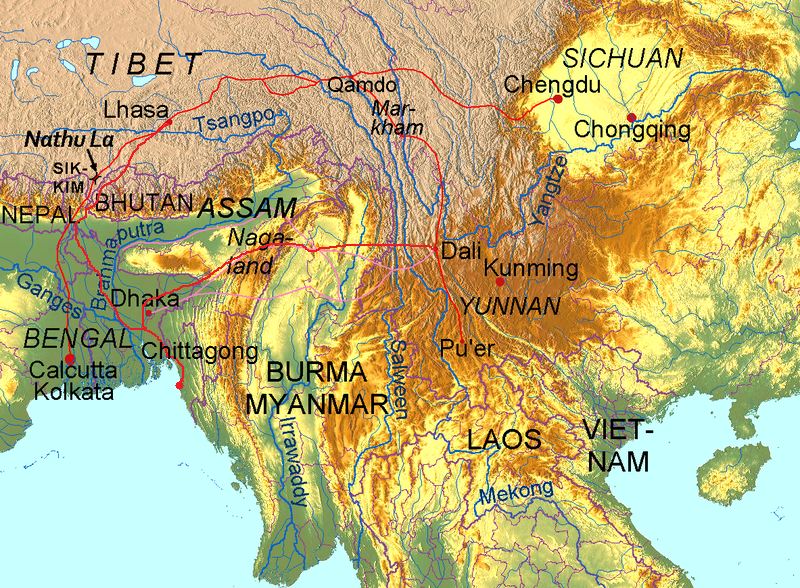
I am DREAMING about the possibility of the VIRTUAL UNITED (ETHNIC MINORITY) STATES OF ASIA after, virtual Balkanization of Myanmar, China (Tibet and Yunan) and India (east India states).
My voice may not command armies—but it contributes something more durable: orientation when old compasses fail.
Where power has actually shifted (and most activists missed it)
This is where I offer a new analytical lens.
The real contest is no longer:
- Junta vs NUG
- Democracy vs dictatorship
The real contest is now:
Centralized nation-state vs fragmented sovereignty under great-power patronage
That is why:
- NUG is collapsing → not only corruption, but structural weakness
- Ethnic Armed Organizations are recalibrating → survival logic
- China is patient → prefers manageable fragmentation over chaos
China does not need to officially annex.
It prefers:
- Wa-style buffers
- Economic corridors
- Resource extraction
- Security outsourcing
In this sense, balkanization is already happening—silently.
Islamophobia, China, and the uncomfortable truth
I need to raise an issue many avoid out of fear of being accused of “identity politics.”
Let us be clear and sober.
Islamophobia is multi-directional in Myanmar
- Junta weaponizes it
- Some Bamar ultra-nationalists internalize it
- Some ethnic armed groups tolerate or replicate it
- Even some Christian minorities exhibit it defensively
This is not accidental.
It is a political tool.
China’s contradiction
Limited religious freedom in Wa/Yunnan areas
- But deep anxiety over China’s anti-Islam policies
Here is the uncomfortable truth:
China tolerates Islam only when it is politically harmless, localized, and economically useful.
- Hui Muslims → tolerated
- Uyghur political Islam → crushed
- Cross-border Muslim solidarity → feared
So any ethnic state that aligns with China will trade ideological autonomy for material survival.
That includes Muslims.
My dream: “United (Ethnic Minority) States of Asia”
At first glance, this sounds utopian.
But historically, utopias often precede new geopolitical vocabularies.
Let me reframe my dream into something more analytically grounded.
What I am really dreaming of is not a state
It is a civilizational safety architecture for stateless or semi-stateless peoples.
A few observations:
- Myanmar as a nation-state has failed repeatedly
- Borders drawn by colonialism are cracking
- Identity-based federalism failed because coercive unity was never dismantled
- China and India already manage informal spheres, not borders
My idea resembles:
- The EU (post-war trauma)
- ASEAN (post-colonial pragmatism)
- Kurdish transnational identity (without recognition)
Why it is not possible now
- No shared elite consensus
- No security guarantor
- No economic backbone
- Too much mutual historical trauma
Why it may become relevant later in the future
- If Myanmar irreversibly fragments
- If China and India prefer buffers over chaos
- If ethnic regions stabilize economically
- If identity shifts from “nation” to “network”
In that future, my dream becomes not a country, but a framework:
- Shared markets
- Cultural autonomy
- Religious protections
- Soft borders
- External balancing
My dream of a post-Myanmar regional order is now unrealistic but may be, possible to be called as a premature genius by future generations.
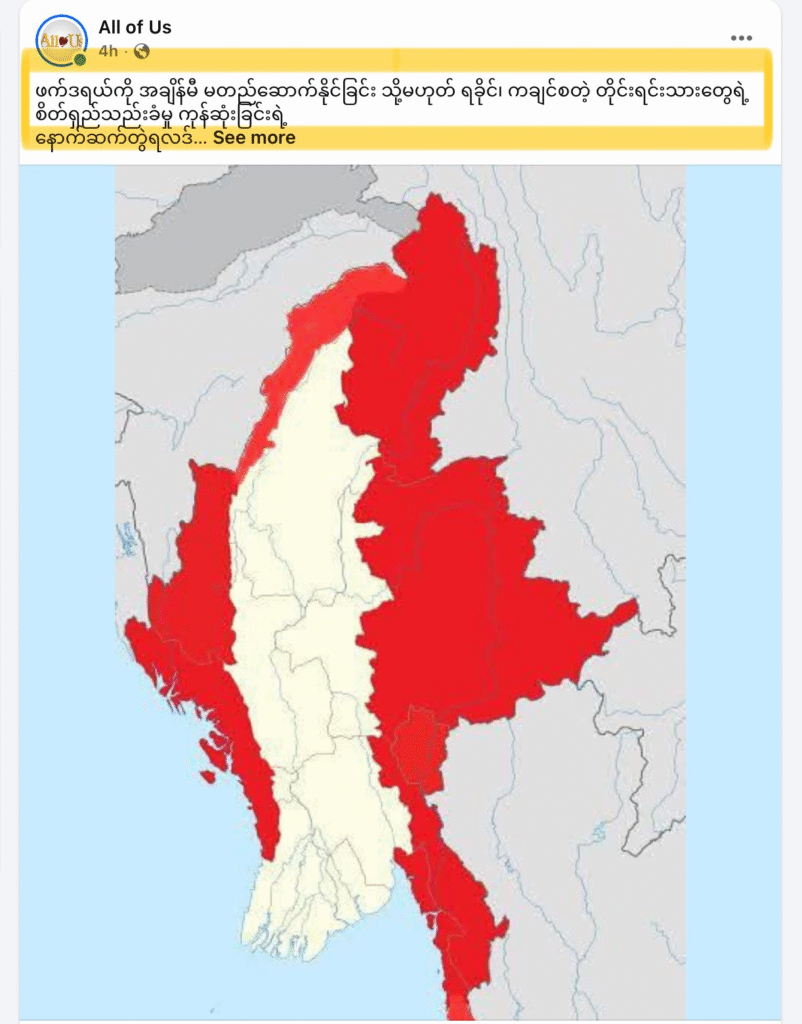
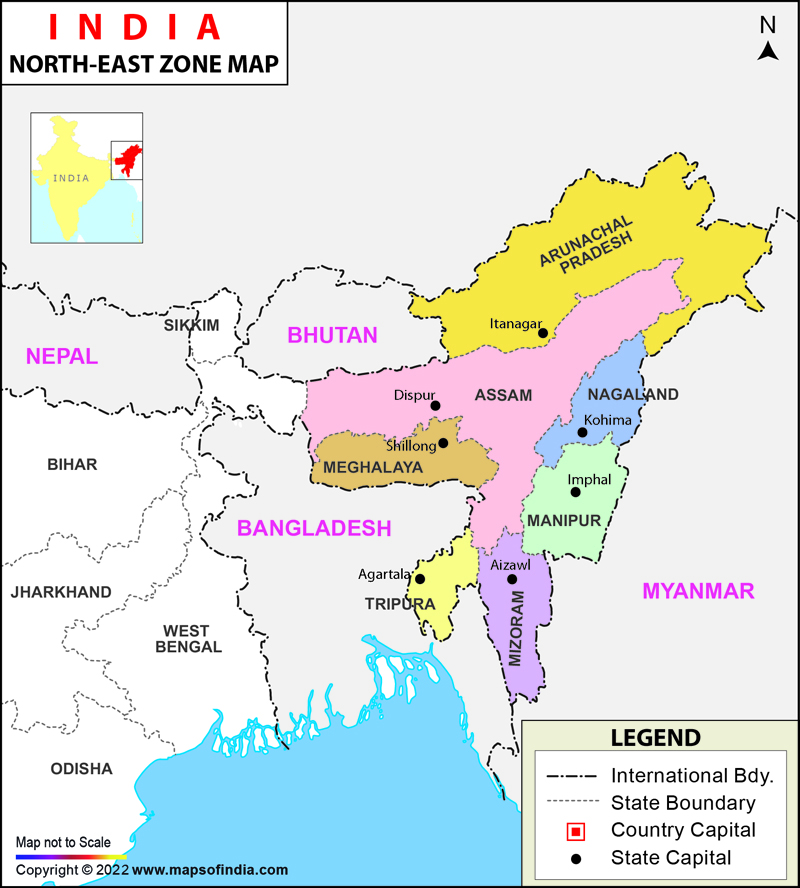
Credit to TOP map: By Yerius J – Derived from https://en.wikipedia.org/wiki/File:Tea-Horse-Road.png, CC BY-SA 3.0, https://commons.wikimedia.org/w/index.php?curid=41081069
My role—whether history records it or not—has been:
- To warn
- To document
- To imagine alternatives beyond junta vs opposition binaries
- To insist that Muslims, minorities, and the dispossessed are not footnotes
I may never see your dream realized.
Even most GREAT prophets do not.
But I hope and pray that God Willing, dreams like mine will change the vocabulary future generations will use when old maps finally collapse.
Why I Call This a Dream
Because I know how it sounds. Impossible. Naive. Dangerous, even.
But I would rather dream toward dignity than accept permanent violence as normal. I would rather imagine new frameworks than worship failed borders. I would rather speak uncomfortable truths than repeat comfortable lies.
This is not a call to arms. This is not a political program. This is an invitation to think differently about what comes after the nation-state model breaks down—not with fear, but with principle.
To those who share this exhaustion with endless war, endless nationalism, endless betrayal: What if we stopped trying to rebuild what failed, and started imagining what could work?
The Virtual United (Ethnic Minority) States of Asia is not a place on a map.
It is a refusal to accept that our only choices are domination or chaos.
It is a commitment to plural sovereignty, civic equality, and economic dignity.
It is a dream—but dreams are where all honest futures begin.
I. The Realities We Must First Admit
Before principles, honesty is required. A post-Myanmar order cannot be built on denial.
Reality 1: The unitary Myanmar nation-state has already failed
Not hypothetically, not emotionally—structurally.
- Repeated coups
- Permanent civil war
- Weaponized ethnicity and religion
- No trusted national institution
What still exists is coercion, not consent.
Reality 2: Democracy alone is not a unifying solution
The NLD era proved a painful lesson:
- Electoral legitimacy without moral courage collapses
- Majority nationalism can coexist with “democracy”
- Minority protection was never guaranteed
Therefore, “return to democracy” is insufficient as a future vision.
Reality 3: Balkanization is not a future risk — it is a current process
Whether acknowledged or not:
- Wa-like entities
- De facto autonomous zones
- Cross-border patronage
- Fragmented sovereignties
The real question is how fragmentation will be managed, not whether it will happen.
Reality 4: External powers seek buffers, not justice
- China seeks stability + resources
- India seeks containment
- ASEAN seeks quiet
- The West seeks moral positioning at low cost
No external power will “save” Myanmar.
Any future order must assume self-organization under pressure, not rescue.
Reality 5: Religion has been politicized and will not disappear
- Islamophobia is entrenched
- Buddhism is politicized
- Christianity is securitized in some regions
- Atheist/Communist governance offers order but not dignity
Ignoring religion worsens conflict. Romanticizing it also worsens conflict.
II. Principles for a Post-Myanmar Order
(Not a constitution, not a manifesto—guiding principles for survival with dignity)
Principle 1: Consent over Coercion
No political unit—state, region, or alliance—can claim legitimacy without renewable consent of its people.
- Not historical myths
- Not military victory
- Not electoral rituals alone
Consent must be local, plural, and revisable.
Principle 2: Plural Sovereignty, Not Forced Unity
The obsession with a single, centralized sovereign must end.
Future stability lies in:
- Overlapping authorities
- Shared competencies
- Soft borders
- Functional cooperation
Unity should be negotiated, not imposed.
Principle 3: Ethnicity Is Cultural; Citizenship Is Civic
Ethnicity must never again define:
- Loyalty
- Rights
- Access to power
Cultural autonomy is legitimate.
Political exclusion is not.
No group—Bamar, Shan, Rakhine, Kachin, Muslim, Christian, Buddhist—should fear erasure or dominance.
Principle 4: Religion Must Be Protected, Not Weaponized
The future order must adopt a clear ethic:
- Freedom of belief is non-negotiable
- No religion may be used as a political weapon
- No community may be securitized for its faith
This is especially critical for Muslims, who have repeatedly been made permanent suspects.
Principle 5: Security First, but Not Militarism
People choose order over freedom when chaos reigns.
Therefore:
- Security arrangements must precede political idealism
- Local security forces must be accountable
- External patrons must be balanced, not worshipped
Militarism destroys legitimacy.
Anarchy destroys hope.
Principle 6: Economic Survival Before Ideological Purity
Future entities—states or regions—must prioritize:
- Livelihoods
- Education
- Health
- Infrastructure
Debt traps, extractive deals, and ideological dogma are all forms of dependency.
Economic dignity is the strongest antidote to extremism.
Principle 7: No Permanent Enemies, No Permanent Patrons
History teaches:
- Enemies change
- Allies disappoint
- Patrons extract payment
Future polities must master strategic flexibility:
- Engage China without surrender
- Engage the West without illusion
- Engage neighbors without subservience
Principle 8: Memory Without Vengeance
Past crimes must be recorded honestly—but not used endlessly as fuel.
- Truth is necessary
- Collective punishment is poison
- Endless grievance freezes the future
Justice must heal, not perpetuate war.
Principle 9: From Nation-State to Regional Frameworks
Instead of dreaming only of a “new Myanmar,” future thinkers must imagine:
- Cross-border ethnic cooperation
- Shared markets
- Cultural corridors
- Religious protection networks
Your intuition of a United (Ethnic Minority) States of Asia belongs here—not as a country, but as a framework.
Principle 10: Dignity Over Glory
The future must reject:
- Imperial nostalgia
- Revolutionary romanticism
- Martyrdom politics
A quiet life with dignity is worth more than heroic ruins.