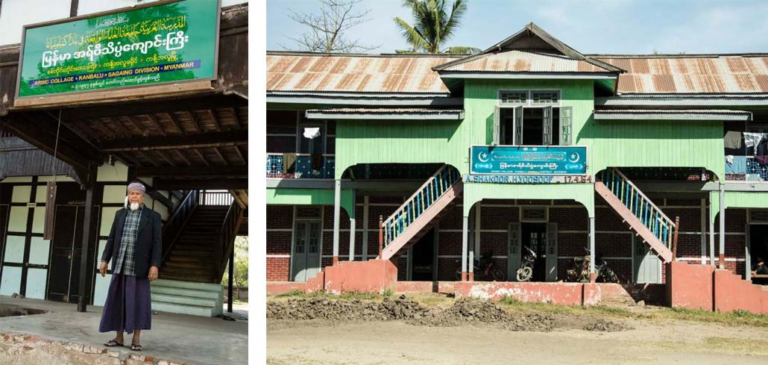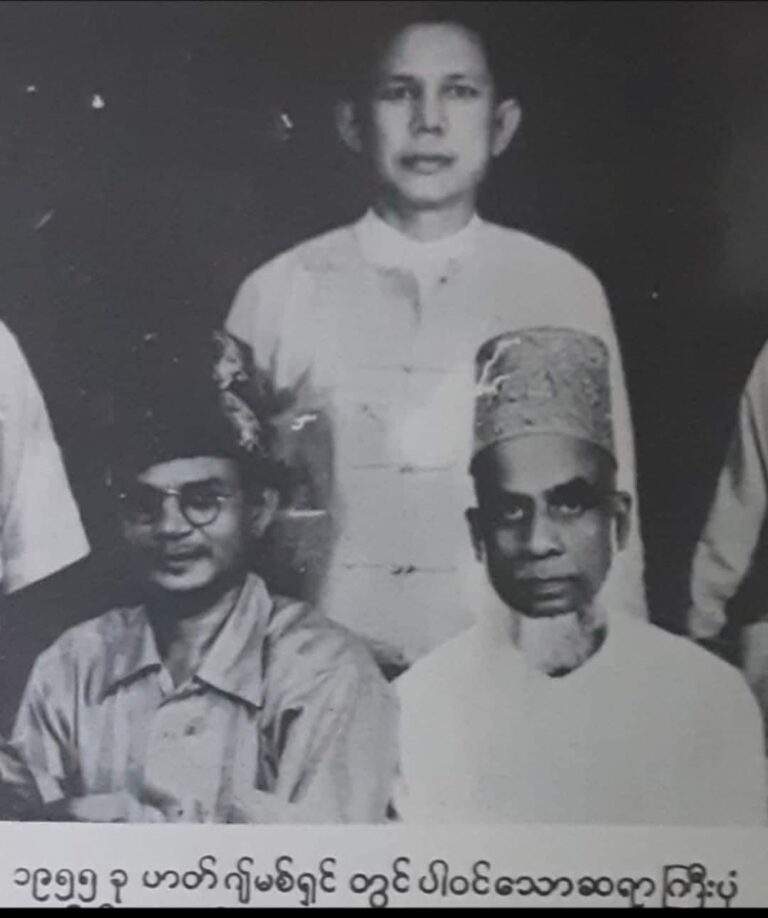
Historically, “Pathi” was the term used during Myanmar’s royal era for people of mixed ancestry—descendants of Arabs, Persians, Indians (including Bengali/Pakistani), Afghans, Turks, and local Burmese—who were Muslims integrated into Burmese society.
Key Historical Evidence
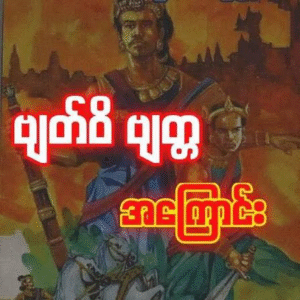
- U Ba Than, a prominent historian, recorded that among the seven heroes of Bagan, Byat Ta and his two sons (the Shwe Phyin Brothers) were Pathi Muslim heroes, making three Muslim heroes in total.
- Dr. Khin Maung Nyunt, former Chairman of the Myanmar Historical Commission, documented that Byat Ta, the renowned swift-footed hero of Bagan, was an Arab Muslim.
- Scholar Thawda Swe wrote that King Anawrahta allowed Byat Ta to freely practice Islam and noted that Byat Ta taught the people of Bagan horsemanship and desert-born equestrian skills, which he regularly demonstrated.
- Journalist Aung Moe stated in state-owned newspapers that among the 37 Nats of the Bagan era, the Shwe Phyin Brothers were revered as two Pathi (Muslim) Nats, known as Min Gyi Min Lay.
- Hanthawaddy U Ba Rin recorded that King Anawrahta maintained a Pathi (Muslim) military unit that practiced Islam.
- Historian Dr. Than Tun pointed out that the term “Pathi” appeared in Bagan-era stone inscriptions as early as AD 1224, indicating early contact between Arabs, Turks, and Bagan.
- The earliest known inscription using the term Pathi (Pathay) is the Ananta Thu Inscription, dated Myanmar Era 584.
- From AD 1221, Pathein (Bassein) was ruled for 12 consecutive years by three Pathi kings—Pathi Min, Or Lantay Min, and Akkapat Min.
- Because of this, the city became known as Pathi City, as recorded in both the Myanmar Encyclopedia and Pathein Chronicles.
- During the Second Myanmar Empire founded by Tabinshwehti and Bayinnaung, local Muslims were firmly settled among both Bamar and Mon populations, serving loyally in military, administration, and commerce, as noted in major chronicles.
- In what is considered Myanmar’s first census (AD 1629–1648, reign of King Thalun), local Muslims were officially recorded as “Kula Pyo Pathi” and “Taruk”, according to Dr. Than Tun’s book A New Look at Myanmar History.
- Kula Pyo Pathi served as elite musketeers and artillerymen loyal to the royal army.
- Throughout the Third Myanmar Empire founded by Alaungpaya, Myanmar Muslims (Pathi) lived on granted land, actively contributing to administration, military, economy, and social life.
- During the reign of King Bodawpaya (AD 1782–1819)—considered the second census period—the Pathi community was firmly established nationwide.
- A royal decree of King Bodawpaya clearly records the appointment of Sayyid Abid Shah Hussaini as the official Islamic religious authority (head of Muslim affairs).
- U Nu (Shwe Taung Thar Gathu), a Pathi court poet, classmate of Bodawpaya, and author of Myanmar’s first 55-verse travel poem, was appointed Mayor of Ramree (Rammawaddy) by the king.
- During the reign of King Sane Min, Pathi Muslims were officially settled in 12 towns, including Taungoo, Yamethin, Nyaungyan, Meiktila, Pinle, Debayin, and others—recorded in Minye Kyaw Htin’s Shwe Taung Pura chronicle.
- In the Amarapura period, Captain Henry Yule recorded that the royal capital had 9,000 Muslims and 40 mosques, as documented in British diplomatic records later translated by the University of Yangon.
- When Mandalay was established, 11 dedicated Muslim quarters were allocated to relocated Pathi communities, and land was granted for over 20 mosques.
- King Mindon personally laid the foundation stone for a mosque inside the southeast corner of the Mandalay palace walls for the royal Pathi bodyguards, including the construction of the Shwe Pan Net Hall.
- During the reigns of King Mindon and King Thibaw, Mandalay had over 30 mosques.
- After Myanmar fell fully under British colonial rule in 1886, the 1922 Yangon Municipal Act mandated that 4 out of 43 municipal council members must be from the Pathi community, recognizing them as a long-established and prominent ethnic group.
Author
Peace’s Sky
Note
This is a brief, simplified historical summary of a single indigenous ethnic group that has been known over time as Pathi, Kula, Zerbadi, Bamar Muslim, or Myanmar Muslim—different names for the same culturally integrated community—presented for easy understanding.
Read more here @ my article in Wikipedia Islam in Myanmar
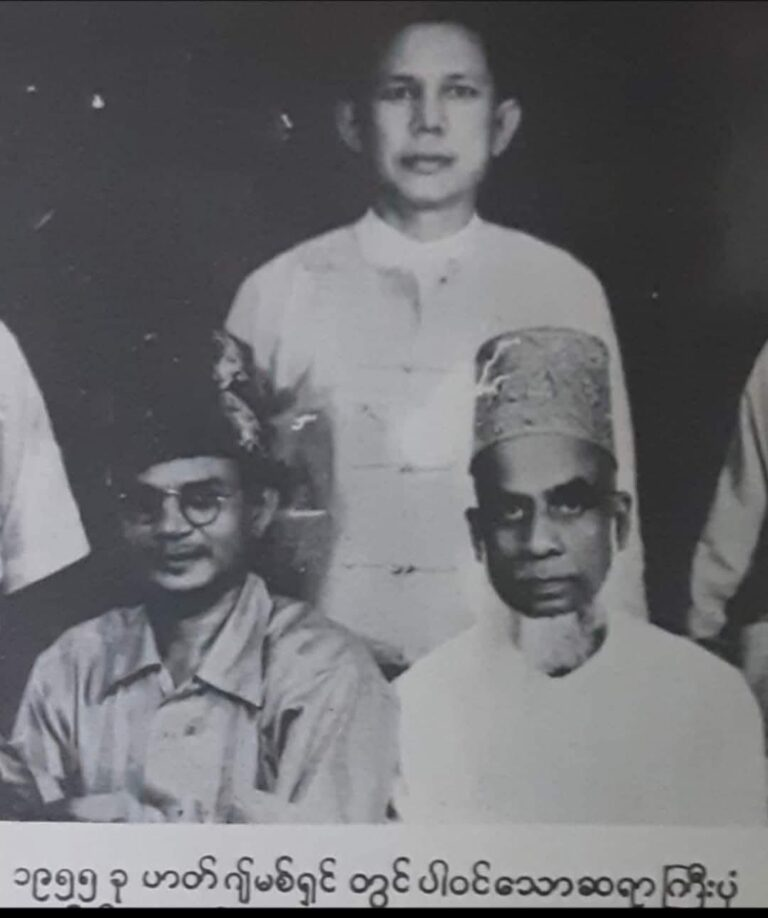
Per kind favour of U Aung Tin
ပသီ ဘယ်သူလဲ။ ဘယ်ကလာသလဲ။
အခြေခံအားဖြင့် အာရဗ်၊ ပါရှန်၊ အိန္ဒိယ(ပါကစ္စတန် ဘင်္ဂါလီ)၊ အာဖဂန်၊ တူရကီစသည့် လူမျိုးများနှင့် မြန်မာဒေသခံများ ပေါင်းဖက်မွေးဖွားလာသူများကို မြန်မာဘုရင်ခေတ်က ပသီဟု ခေါ်တွင်ခဲ့ပါသည်။
၁။ ရာဇဝင်ဆရာကြီး ဦးဘသန်းက ပုဂံသူရဲကောင်း (၇) ဦးရှိခဲ့ရာ ဗျတ္တနှင့် သားနှစ်ဦးဖြစ်ကြသော ရွှေဖျဉ်းညီနောင်တို့ကို ပသီသူရဲကောင်း အစ္စလာမ်ဘာသာဝင် (၃) ဦးပါဝင်ကြောင်း ဖေါ်ပြခဲ့ပါသည်။
၂။ မြန်မာနိုင်ငံ သမိုင်းကော်မရှင်ဥက္ကဌ ဒေါက်တာခင်မောင်ညွန့်က ပုဂံသူရဲကောင်း ခြေမြန်တော် ဗျတ္တသည် အာရဗ်လူမျိုး အစ္စလာမ် ဘာသာဝင်တစ်ဦးဖြစ်ကြောင်း မှတ်တမ်းတင်ခဲ့သည်။
၃။ ဆရာသော်တာဆွေက အနော်ရထာမင်းသည် ဗျတ္တ ကိုးကွယ်သော အစ္စလာမ်ဘာသာကို လွတ်လပ်စွာ ကိုးကွယ်ခွင့်ပြုခဲ့ကြောင်း၊ မိမိမွေးရပ်မြေ သဲကန္တာရမှ မြင်းနှင့်သက်ဆိုင်သော ပညာရပ်များကို ပုဂံသားတို့အား သင်ပြပေးပြီး စွမ်းရည်ပြလေ့ရှိကြောင်းတို့ကို အတိအကျဖေါ်ပြထားခဲ့ပါသည်။
၄။ သတင်းစာဆရာ အောင်မိုးကလည်း ပုဂံခေတ် ၃၇ မင်းနတ်တွင် မင်းကြီးမင်းလေး ခေါ်ရွှေဖျဉ်းညီနောင် ပသီနတ်နှစ်ပါး ပါရှိကြောင်း နိုင်ငံပိုင်သတင်းစာများတွင် အတိအလင်းဖေါ်ပြခဲ့ပါသည်။
၅။ ဟံသာဝတီ ဦးဘရင်ကလည်း အနော်ရထာဘုရင့်ထံတွင် အစ္စလာမ်ဘာသာ ကိုးကွယ်ကြသော ပသီတပ် တစ်တပ်ရှိကြောင်း ရေးသားထားခဲ့ပါသည်။
၆။ သမိုင်းပါရဂူ ဒေါက်တာသန်းထန်းကလည်း အေဒီ ၁၂၂၄ ခုနှစ်လောက်ကပင် ပုဂံခေတ်ကျောက်စာများတွင် ပသီ ဟူသော ဝေါဟာရတွေ့ရသဖြင့် အာရဗ်နှင့် တူရကီတို့သည် ပုဂံခေတ်နှင့်ဦးဆုံး အဆက်အသွယ် ရှိနှင့်နေပြီးသားဟု ထောက်ပြခဲ့ပါသည်။ ပသီ(ပသိယ်)လူမျိုး ဝေါဟာရပါ အစောဆုံး ပုဂံခေတ်ကျောက်စာမှာ မြန်မာသက္ကရာဇ် ၅၈၄ ခုနှစ်ထိုး အနန္တသူ ကျောက်စာဖြစ်ပါသည်။
၇။ မြန်မာပြည်အောက်ပိုင်းတွင် အေဒီ ၁၂၂၁ မှစ၍ ၁၂နှစ်တိုင်တိုင် ပုသိမ်မြို့ကို ပသီမင်း ၃ ဆက်ဖြစ်ကြသော (ပသီမင်း၊ အော်လံတေမင်း၊ အက္ကပတ်မင်း)တို့ အုပ်ချုပ်ခဲ့သဖြင့် ပသီမြို့ဟု ခေါ်တွင်ခဲ့ပါကြောင်းကို မြန်မာ့စွယ်စုံကျမ်းကြီးတွင်လည်းကောင်း ပုသိမ်ရာဇဝင်များတွင်လည်းကောင်း ထင်ထင်ရှားရှားဖေါ်ပြထားပါသည်။
၈။ တပင်ရွှေထီးနှင့် ဘုရင့်နောင်တို့တည်ထောင်ခဲ့သော ဒုတိယ မြန်မာနိုင်ငံတော်တွင်လည်း မြန်မာနှင့်မွန် နှစ်ဖက်စလုံးတွင် ဒေသခံ မွတ်စလင်များ အခြေစိုက်နေထိုင်ခဲ့ကြပြီး စစ်ရေး အုပ်ချုပ်ရေး စီးပွားရေး စသည်တို့တွင် သစ္စာရှရှိ တာဝန်ထမ်းရွက်ခဲ့ကြကြောင်း မြန်မာ့ရာဇဝင်ကျမ်းကြီးကျမ်းငယ်များတွင် အထင်ကရ ရှိနေပါသည်။
၉။ ထို့ကြောင့် မြန်မာ့သမိုင်းတွင် ပထမဆုံးသန်းခေါင်စာရင်းဟု ယူဆနိုင်သော သာလွန်မင်းလက်ထက် အေဒီ ၁၆၂၉-၁၆၄၈ စစ်တမ်းများတွင် ဒေသခံ အစ္စလာမ်ဘာသာဝင် မွတ်စလင်တို့အား ကုလားပျို ပသီနှင့် တရက်ဟု ဖေါ်ပြထားပါကြောင်း ဒေါက်တာသန်းထွန်းက ၎င်း၏ အသစ်မြင်ဗမာ့သမိုင်း စာအုပ်တွင် ဖေါ်ပြထားပါသည်။ ကုလားပျို ပသီတို့သည် ဘုရင့်တပ်မတော်မှ သစ္စာရှင် လေးသည်တော်နှင့် သေနတ်စွဲများဖြစ်ကြပါသည်။
၁၀။ အလောင်းဘုရားထူထောင်ခဲ့သော တတိယမြန်မာနိုင်ငံတော် တစ်လျှောက်လုံးတွင်လည်း မြန်မာမွတ်စလင်တို့သည် ပသီလူမျိုးစုအဖြစ် လုပ်မြေ၊ နေမြေများဖြင့် နေထိုင်ခဲ့ကြပြီး နိုင်ငံတော်၏ အုပ်ချုပ်ရေး၊ စစ်ရေး၊ စီးပွားရေး၊ လူမှုရေးစသည့် ကဏ္ဍရပ်တိုင်းတွင် ရွပ်ရွပ်ချွံချွံနဲ့ ထမ်းရွက်ခဲ့ကြပါသည်။
၁၁။ မြန်မာ့သမိုင်းတွင် ဒုတိယအကြိမ် သန်းခေါင်စာရင်းဟု ယူဆရပါသော ဘိုးတော်ဘုရားလက်ထက် အေဒီ ၁၇၈၂ -၁၈၁၉ စစ်တမ်းများတွင် ပသီလူမျိုးစု အခိုင်အမာ တည်ရှိနေပါသည်။
၁၂။ ဘိုးတော်ဘုရား၏ ပြန်တမ်းတစ်ခုတွင် ပသီတို့အတွက် အာဗိဒ်ရှဟ် ဟုစိုင်နီ သခင်ကြီးကို အစ္စလာမ်သာသနာပိုင် အဖြစ်ခန့်အပ်ခဲ့ကြောင်း ထင်ထင်ရှားရှား ဖေါ်ပြထားခဲ့ပါသည်။
၁၃။ မြန်မာ့ပထမဆုံး ခရီးသွား၅၅ပုဒ်လင်္ကာ ရေးသားသော၊ ဘိုးတော်ဘုရား၏ ကျောင်းနေဖက် ပသီစာဆိုတော် ရွှေတောင်သာဂသူ (ခေါ်) ဦးနုကို ဘိုးတော်ဘုရားက ရမ်းဗြဲ(ရမ္မာဝတီ) မြို့တော်ဝန်အဖြစ် မြှောက်စားချီးမြှင့်ခဲ့သည်။
၁၄။ စနေမင်းလက်ထက်တွင် တောင်ငူ၊ ရမည်းသင်း၊ ညောင်ရမ်း၊ ယင်းတော်၊ မိတ္ထီလာ၊ ပင်းတလဲ၊ တဘက်တွဲ၊ ဗောဓိ၊ စည်သာ၊ စည်ပုတ္တရာ၊ မြေဒူး၊ ဒီပဲယင်း မြို့ပေါင်း (၁၂)မြို့တွင် ပသီများအား နေရာချထားပေးခဲ့ကြောင်း ကျောက်တစ်လုံးဗိုလ် မင်းရဲကျော်ထင်၏ ရွှေတောင်ပုရပိုဒ်တွင် ရေးသားထားသည်။
၁၅။ အမရပူရခေတ် နေပြည်တော်တွင် မွတ်စလင်ဦးရေ (၉၀၀၀)နှင့် ဗလီအလုံး (၄၀) ရှိသည်ဟု Captain Henry Yule ရေးပြီး တက္ကသိုလ်နေဝင်း မြန်မာပြန်သော အင်းဝရွှေနန်းတော်ရောက် ဗြိတိသျှ သံအဖွဲ့မှတ်တမ်းတွင် ဖေါ်ပြထားသည်။
၁၆။ မန္တလေးနေပြည်တော် တည်ဆောက်ရာတွင် ပြောင်းရွှေ့လာကြသော ပသီများအတွက် စစ်ကိုင်းတန်း၊ ကုန်းရိုးတန်း၊ တေင်ပလူ၊ အိုးဘို၊ စင်္ကြာနွယ်စင်၊ ဂျွန်းအမြောက်တန်း၊ ဝလီခန်၊ တိုက်တန်း၊ ကိုယ်ရံတော်၊ အချုပ်တန်း၊ ကုလားပျို စုစုပေါင်း (၁၁)ရပ်ကွက်တွင် နေရာချပေးပြီး၊ ဗလီ(၂၀)ကျော် တည်ဆောက်ရန် မြေနေရာသတ်မှတ်ပေးခဲ့သည်။
၁၇။ ဘုရင့်ကိုယ်ရံတော် ပသီတပ်ဖွဲ့ဝင်များ ဝတ်ပြုနိုင်ရန်အတွက် မန္တလေးနန်းမြို့ရိုးတွင်း အရှေ့တောင်ထောင့်တွင် မင်းတုန်းမင်းတရားကြီးကိုယ်တိုင် ပန္နက်ရိုက်ပြီး ရွှေပန္နက်ပလီကိုလည်း တည်ဆောက်ပေးခဲ့သည်။ မင်းတုန်းမင်းနှင့် သီပေါမင်းလက်ထက်တွင် မန်းနေပြည်တော်တွင် ဗလီပေါင်း (၃၀)ကျော် ရှိခဲ့သည်။
၁၈။ ၁၈၈၆ ခုနှစ်တွင် မြန်မာတစ်နိုင်ငံလုံး ကိုလိုနီဘဝရောက်ခဲ့ရာ ဗြိတိသျှအစိုးရ၏ ၁၉၂၂ ခုနှစ် ရန်ကုန်မြို့ မြူနီစီပါယ် အက်ဥပဒေအရ မြူနီစပါယ် လူကြီး ၄၃ ဦး ရွေးချယ်ခဲ့ရာတွင် ပသီလူမျိုးစုမှ ၄ ဦး ပါဝင်ရမည်ဟု သတ်မှတ်ခဲ့ကြပါသည်။ ဤသို့ အထင်ကရ ပြန်တမ်းဝင်စာရင်း ရှိနေပြီးသော ပသီလူမျိုးစုများဖြစ်ကြပါသည်။
ရေးသားသူ
Peace’s Sky
မှတ်ချက် – ပသီ၊ ကုလား၊ ဇေတဘာဒီ၊ ဗမာမွတ်စလင်၊ မြန်မာမွတ်စလင်ဟု ခေတ်ကာလအလျှောက် အမည်အမျိုုးမျိုးဖြင့် ခေါ်တွင်ခဲ့သော ယဉ်ကျေးမှုတူ တိုင်းရင်းသားအုပ်စုကြီး၏ သမိုင်းအချက်အချို့၏ အကျဉ်းချုပ်ကိုသာ ပေါ့ပေါ့ပါးပါး သိမှတ်လွယ်အောင် ကောက်နှုတ်တင်ပြခြင်းဖြစ်၏။