It is a duty upon every Muslim to call others away from sinful behavior, and to do so with wisdom, within the limits of our various abilities.
Our Prophet (peace be upon him) said:
- Whoever sees something wrong should change it with his hands.
- If he is unable to do so, then he should do so with his tongue.
- If he is unable to do so, then he should do so in his heart and that is the weakest of faith.” [Sahîh Muslim]
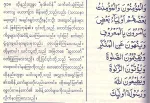
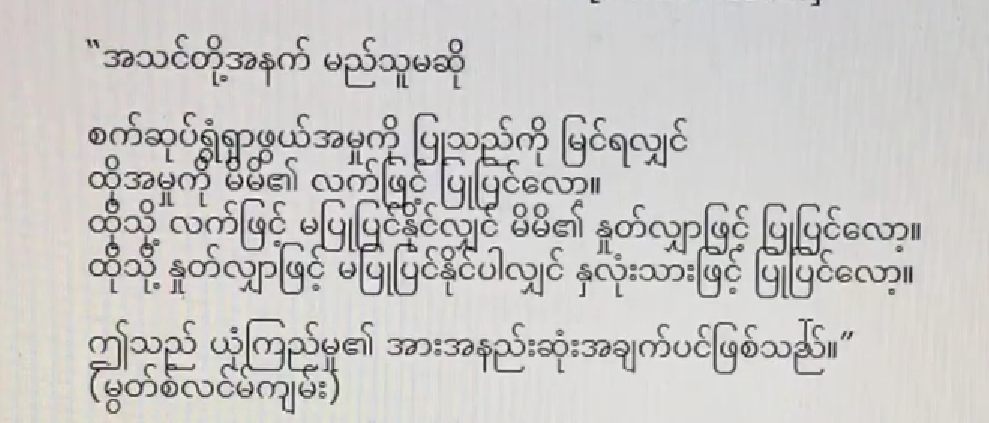
“အသင်တို့အနက် မည်သူမဆို
စက်ဆုပ်ရွံရှာဖွယ်အမှုကို ပြုသည်ကို မြင်ရလျှင်
ထိုအမှုကို မိမိ၏ လက်ဖြင့် ပြုပြင်လော့။
ထိုသို့ လက်ဖြင့် မပြုပြင်နိုင်လျှင် မိမိ၏ နှုတ်လျှာဖြင့် ပြုပြင်လော့။
ထိုသို့ နှုတ်လျှာဖြင့် မပြုပြင်နိုင်ပါလျှင် နှလုံးသားဖြင့် ပြုပြင်လော့။
ဤသည် ယုံကြည်မှု၏ အားအနည်းဆုံးအချက်ပင်ဖြစ်သည်။”
(မွတ်စ်လင်မ်ကျမ်း)
Enjoin what is good and forbid what is wrong is an often quoted phrase, used in the Qur’an. This expression is the base of the Islamic institution of hisbah and sometimes referred to by this word. Hisbah forms a central part of Islamic doctrine, and is explicitly referred to in the two of the Shi’a Branches of Religion, Commanding what is Just and Forbidding what is Evil.
Islam teaches that standing for the truth (haqq) publicly is a fundamental moral and religious obligation for the masses, not merely an optional act.

This duty is deeply embedded in the core Islamic principles of justice and enjoining right and forbidding wrong, and it applies to all situations, including speaking out against those in power.
Key Islamic Principles
- Truthfulness (al-Sidq):
- Islam places a high value on honesty in all aspects of life—in statements, actions, and intentions.
- The Quran commands believers: “O you who believe, fear Allah and be with those who are true” (Quran 9:119).
- Islam places a high value on honesty in all aspects of life—in statements, actions, and intentions.
- Enjoining Right and Forbidding Wrong (Amr bil Ma’ruf wa Nahy anil Munkar):
- This collective duty requires the Muslim community to actively promote virtue and prevent vice.
- If an individual or a group in power commits a wrong, it is an obligation to warn and reprimand them publicly.
- Justice (Adl):
- Upholding justice is a divine command that must be applied universally, even to one’s enemies.
- Muslims are instructed to “stand steadfast before God as witness for (truth and) fairplay” (Quran 4:135).
- Upholding justice is a divine command that must be applied universally, even to one’s enemies.
- Speaking Truth to Power:
- The Prophet Muhammad (PBUH) emphasized the importance of moral courage. He said,
- “The greatest of jihad is to speak the word of truth in front of a tyrannical ruler”.
- This highlights that public accountability and speaking against oppression are among the most virtuous deeds in Islam.
- The Prophet Muhammad (PBUH) emphasized the importance of moral courage. He said,
Methods for the Masses

Islam outlines several ways for individuals and the community to stand for the truth publicly:
- Verbal Advocacy:
- This involves proclaiming, explaining, and communicating the truth and divine guidance through speech and writing (known as da’wah, tabligh, etc.).
- It must be done with clarity, gentleness, and wisdom, avoiding abusive language unless one is a victim of injustice and is seeking redress.
- Actions and Example:
- Actions must align with beliefs to provide a living testimony of the truth.
- By practicing the principles of justice, honesty, and good conduct in daily life,
- individuals demonstrate the positive impact of Islamic teachings to the wider society.
- Actions must align with beliefs to provide a living testimony of the truth.
- Protest and Accountability:
- Islam grants the right to protest against tyranny and injustice.
- This includes holding leaders and institutions accountable and
- ensuring legal and social mechanisms for addressing grievances are available to all citizens.
- Community and Association: Muslims are encouraged to form communities and associate with truthful people to collectively promote virtue and discourage evil.
In essence, Islam views standing for the truth in public as an ongoing, collective struggle that requires moral integrity, courage, and a commitment to justice for all humanity.
Islam teaches a duty to stand for truth and justice in giving evidence through a strong emphasis on honesty, upholding justice even when difficult, and collective responsibility to confront wrongdoing.
Core principles from Islamic teachings:
- Duty to speak truthfully: The Quran and Hadith emphasize
- the absolute requirement to be truthful in all matters, especially when giving testimony, as it is a core part of upholding justice.
- Justice is a divine command:
- Islamic texts, such as the Quran, describe justice (“Mizan al-Adl”) as a fundamental principle established by God, and it is seen as an integral part of the divine order.
- Upholding justice for the vulnerable:
- Islam stresses the duty to protect the vulnerable and speak out against injustice to ensure no one is harmed by wrongdoing.
- Collective responsibility:
- Muslims are taught that they have a collective duty to stand against injustice.
- Silence in the face of wrongdoing can have serious consequences for the entire community, not just the wrongdoers.
- Levels of action against injustice:
- A widely cited Hadith outlines a three-tiered approach to combating injustice:
- Physical intervention: Change the injustice with your own hands if you have the ability.
- Verbal condemnation: Speak out against it with your tongue.
- Heartfelt disapproval: If you cannot do either of the above, condemn it in your heart, which is the weakest form of faith.
- Quranic examples
- Sura 3.110 translated by Abdullah Yusuf Ali
- A widely cited Hadith outlines a three-tiered approach to combating injustice:
- Ye are the best of peoples, evolved for mankind, enjoining what is right, forbidding what is wrong, and believing in Allah. If only the People of the Book had faith, it were best for them: among them are some who have faith, but most of them are perverted transgressors.
- Sura 3.104 translated by George Sale
- Let there be people among you, who invite to the best [in religion]; and command that which is just, and forbid that which is evil; and they shall be happy.Transliteration:Waltakun minkum ommatun yadAAoona ila alkhayri waya/muroona bilmaAAroofi wayanhawna AAani almunkari waola-ika humu almuflihoon
- Sura 7.157 translated by Sale
- “Those who follow the apostle, the unlettered Prophet, whom they find mentioned in their own (scriptures), – in the law and the Gospel; – for he commands them what is just and forbids them what is evil; he allows them as lawful what is good (and pure) and prohibits them from what is bad (and impure); He releases them from their heavy burdens and from the yokes that are upon them. So it is those who believe in him, honour him, help him, and follow the light which is sent down with him, – it is they who will prosper.”Transliteration:Allatheena yattabiAAoona alrrasoola alnnabiyya al-ommiyya allathee yajidoonahu maktooban AAindahum fee alttawrati waal-injeeli ya/muruhum bialmaAAroofi wayanhahum AAani almunkari wayuhillu lahumu alttayyibati wayuharrimu AAalayhimu alkhaba-itha wayadaAAu AAanhum israhum waal-aghlala allatee kanat AAalayhim faallatheena amanoo bihi waAAazzaroohu wanasaroohu waittabaAAoo alnnoora allathee onzila maAAahu ola-ika humu almuflihoona
- Sura 9.71 translated by Sale
- And the faithful men, and the faithful women are friends one to another: They command that which is just, and they forbid that which is evil; and they are constant at prayer, and pay their appointed alms; and they obey God, and his apostle: Unto these will God be Merciful; for He [is] Mighty [and] Wise.
အမှတ် (၂၃) အစ္စလာမ်ဘာသာက လူအများအတွက် အမှန်တရားနဲ့ ပတ်သက်ပြီး ဘယ်လိုရပ်တည်ဖို့ ညွန်ပြထားပါသလဲ.?
အစ္စလာမ်က အမှန်တရား အတွက် လူသိရှင်ကြား ရပ်တည်ခြင်းကို မွတ်စလင်ထုအတွက် အခြေခံကျသော ကိုယ်ကျင့်တရားနှင့် ဘာသာရေးတာဝန်အဖြစ်သတ်မှတ်ထားပြီး၊ အခြားဆန့်ကျင်ဖက် အမှားကိုမရွေးချယ်ရန် သင်ကြားပေးသည်။
ဤတာဝန်သည်
- တရားမျှတ၍ မှန်ကန်သောအရာကို လုပ်ရန်ညွှန်ကြားခြင်း၊
- မကောင်းသော မှားယွင်းသည့်အရာကို တားမြစ်ခြင်း
ဆိုသော အဓိကအစ္စလာမ်အခြေခံမူများတွင် ထည့်သွင်းထားပြီး
အုပ်ချုပ်သူ အစိုးရများသာမက အာဏာရှင်များကိုပင် မှားနေပါကဆန့်ကျင်ပြောဆိုရန် ဖြစ်၍
အခြားအခြေအနေ အားလုံးတွင် “မကောင်းမြစ်တား ကောင်းရာညွှန်လတ်” လုပ်ကြရန် ဆုံးမလမ်းညွှန်ထားပါသည်။
အဓိကအစ္စလာမ်အခြေခံမူများ
မှန်ကန်ခြင်း တရား-
အစ္စလာမ်သည် ပြောဆိုချက်များ၊ လုပ်ရပ်များနှင့် ရည်ရွယ်ချက်များစသည့် ဘဝ၏အခြေအနေအားလုံးတွင် – ရိုးသားမှုရှိရန် နှင့် အရာရာကို တန်ဖိုးထားရန် ညွှန်ကြားသည်။
ကုရ်အာန်ကျမ်းတော် (၉:၁၁၉) က မွတ်စလင်များကို အမိန့်ပေးသည်မှာ –
“အို ယုံကြည်သောသူတို့၊ အလ္လာဟ်ကို ကြောက်ရွံ့ကြလော့၊ ရိုးသားမှုရှိသူများနှင့်အတူ နေကြလော့”
‘သမ္မာအာဇီဝ’ မှန်ကန် တရားမျှတ သောအလုပ်ကို လုပ်ရန်ညွှန်ကြားခြင်းနှင့် မှားယွင်းသောအရာကို တားမြစ်ခြင်း-
ရိုးသားမှန်ကန်သော သမ္မာအာဇီဝ ဆိုသည်မှာ မည်သူ့ကိုမှ ဒုက္ခမပေး မလိမ်ညာ မကောက်ကျစ်ဘဲ၊ တရားသဖြင့် လုံ့လဝီရိယစိုက်ထုတ်၍ ရိုးသားစွာ စားဝတ်နေရေးအတွက် ရှာဖွေခြင်းကို ဆိုလိုပါသည်။
- ဤတာဝန်သည် မွတ်စလင်များ၏ အကျင့်သီလကို မြှင့်တင်ရန်နှင့် အကျင့်ပျက်ခြစားမှုကို တားဆီးရန် ဖြစ်သည်။
- အကယ်၍ လူတစ်ဦးတစ်ယောက် သို့မဟုတ် အာဏာရှိ အုပ်စုတစ်ခုက မှားယွင်းမှုကျူးလွန်လျှင် သိရှိသူတိုင်းက လူသိရှင်ကြား သတိပေးရန်နှင့် ဆုံးမရန် တာဝန်ရှိသည်။
တရားမျှတမှု
တရားမျှတမှုကို ကျင့်သုံးခြင်းသည် တနိုင်ငံလုံးတွင် ကျင့်သုံးရမည့် ဘုရားသခင်၏ အမိန့်တစ်ခုဖြစ်ပြီး ရန်သူများအပေါ်ပင် တရားမျှတမှု ကျင့်သုံးရမည်ဖြစ်ပါသည်။
ကုရ်အာန် ၄:၁၃၅ ၌ မွတ်စ်လင်များကို ညွှန်ကြားထားသည် –
“အလ္လာဟ်အသျှင်မြတ် ရှေ့တော်တွင် အမှန်တရားနှင့် မျှတမှုအတွက် သက်သေအဖြစ် ခိုင်မာစွာ ရပ်တည်ရန်။”
ကုရ်အာန် စူရာ အန်နီစာအမှတ်၄း၁၃၅ မှာ ဘာပြောထားသလဲဆိုတော့-
အို-‘မုအ်မင်န်’ သက်ဝင်ယုံကြည်သူအပေါင်းတို့၊ အသင်တို့သည် (မည်သည့်ကိစ္စမျိုး၌မဆို) တရားမျှတမှုကို ထာဝစဉ်တည်တံ့စေသူများ (တနည်း) တရားမျှတမှုအပေါ်၌ မြဲမြံစွာ တည်တံ့သူများ ဖြစ်ကြလေကုန်။ (သက်သေခံရာ၌လည်း) မိမိတို့ကိုယ်ကျိုးနှင့် ဆန့်ကျင်သည်ဖြစ်စေ၊ မိဘနှစ်ပါးနှင့် ဆန့်ကျင်သည်ဖြစ်စေ၊ ဆွေမျိုးနီးစပ်တို့နှင့် ဆန့်ကျင်သည်ဖြစ်စေ၊ (အသင်တို့သည်) အလ္လာဟ်အရှင်မြတ်ကိုသာ ထောက်ထား၍ (တိကျမှန်ကန်စွာ) သက်သေခံသူများပင် ဖြစ်ကြလေကုန်။ အကယ်၍ (အသင်တို့က) ဆန့်ကျင်၍ သက်သေထွက်ဆိုရမည့်သူသည် ချမ်းသာကြွယ်ဝသူပင်ဖြစ်စေ၊ ဆင်းရဲသူပင်ဖြစ်စေ (မည်သို့ပင်ဖြစ်စေကာမူ) အလ္လာဟ်အရှင်မြတ်သည် (အသင်တို့ထက်) ၎င်းတို့နှစ်ဦးလုံးနှင့် အနီးစပ်ဆုံးသောအရှင် ဖြစ်တော်မူပေ၏။ သို့ဖြစ်ပေရာ အသင်တို့သည် တရားမျှတမှုမှ တိမ်းစောင်းမသွားကြရန် စိတ်၏ အလိုဆန္ဒကို မလိုက်စားကြကုန်လင့်။ သို့ရာတွင် အကယ်၍ အသင်တို့သည် (သက်သေခံရာတွင် လိမ်လည်) ကွေ့ကောက်ပြောဆကြပါလျှင်၊ သို့တည်းမဟုတ် (သက်သေခံခြင်းမှလုံးဝ) လွှဲဖယ် တိမ်းရှောင်ကြပါလျှင် ဧကန်မလွဲ အလ္လာဟ်အရှင်မြတ်သည် အသင်တို့ပြုမူသမျှတို့ကို အကြွင်းမဲ့ သိမြင်တော်မူသော အရှင်မြတ်ပင်ဖြစ်တော်မူပေသတည်း။
— သီရိပျံချီ ဃာဇီမိုဟာမက်ဟာရှင်မ် နှင့် အဖွဲ့
ယုံကြည် သူအပေါင်းတို့ အမှန်တရားနဲ့ ပတ်သက်လာရင် တရားမျှတမှုအတွက်ကို ခိုင်ခိုင်မာမာရပ်တည်ကြပါ။
အလ္လာဟ်အရှင်မြတ်အတွက် သက်သေအနေနဲ့ ရပ်တည်ကြပါ
- အဲဒီအမှန်တရားက မင်းကိုယ်တိုင်ကိုဆန့်ကျင်ရပ်တည်ပြီးတော့ ဖြစ်စေ
- မင်းမိဘနှစ်ပါးကို ဆန့်ကျင်ပြီး တော့ဖြစ်စေ
- မင်းရဲ့ဆွေမျိုးသားချင်းတွေကိုဆန့်ကျင်ပြီးတော့ပဲဖြစ်စေ
- ဒါမှမဟုတ်ရင် ဆင်းရဲတဲ့သူ သို့မဟုတ် ချမ်းသာတဲ့သူ တွေကို ဆန့်ကျင်ပြီးတော့ဖြစ်ဖြစ်
- တရား မျှတမှု မှယိမ်းယိုင်မသွားစေနှင့်
- လိမ်ညာသက်သေထွက်ခြင်း၊ သက်သေမခံဘဲ ရှောင်တိန်းမနေရ
- အမှန်တရားအတွက်ရပ်တည်ကြပါဆိုပြီးတော့ အလ္လာဟ်အရှင်မြတ်ကမိန့်ကြားတော်မူတယ်။
နောက်တခုက ဘာပြောသလဲဆိုရင် ကုရ်အာန် (၅း၈)မှာပါတယ်..
5|8| အို-‘မုအ်မင်န်’ သက်ဝင်ယုံကြည်သူအပေါင်းတို့၊ အသင်တို့သည် အလ္လာဟ်အရှင်မြတ် (၏ နှစ်သက်မှုရယူရန်) အလို့ငှာ ဖြောင့်မတ်တည်ကြည်သောသူများ၊ (သက်သေခံရာတွင်) တရားမျှတစွာ သက်သေခံသူများ ဖြစ်ကြလေကုန်။ ၎င်းပြင် မည်သည့်လူမျိုးတစ်မျိုးကိုမဆို မုန်းတီးခြင်းသည် အသင်တို့အား တရားမျှတမှုကိုမပြုဘဲနေကြရန် လှုံ့ဆော်သည်မရှိစေရ။ အသင်တို့သည် (မည်သည့်ကိစ္စမျိုး၌မဆို) တရားမျှတကြလေကုန်။ ယင်းတရားမျှတမှုသည်ကား ပြစ်မှုဒုစရိုက်တို့မှကြဉ်ရှောင်ခြင်းနှင့် အနီးစပ်ဆုံးပင်တည်း။ထိုမှတစ်ပါး အသင်တို့သည် အလ္လာဟ်အရှင်မြတ်ကို ကြောက်ရွံ့ကြလေကုန်။ မလွဲဧကန် အလ္လာဟ်အရှင်မြတ်သည် အသင်တို့ပြုမူသမျှတို့ကို အကြွင်းမဲ့ကြားသိတော်မူသော အရှင်မြတ်ပင် ဖြစ်တော်မူချေသတည်း။
— သီရိပျံချီ ဃာဇီမိုဟာမက်ဟာရှင်မ် နှင့် အဖွဲ့
အို..ယုံကြည်သူအပေါင်းတို့ အလ္လာဟ်အရှင်မြတ်အတွက် ဖြောင့်မတ်သူများ တရားမျှတစွာသက်သေခံကြပါ
အမှန်ကိုပဲပြောပါ အမှန်ကိုပဲလုပ်ပါ။ ကိုယ်မုန်းတဲ့လူက ဟုတ်တာပြော နေတာလည်း မဟုတ်ဘူးလို့သွားမပြောပါနဲ့။ ကိုချစ်ခင်တဲ့လူက မဟုတ်တာပြောနေတာကို ဟုတ်ပါတယ် မှန်ပါတယ် ဆိုပြီးသွားမပြောနဲ့တဲ့။
တရားမျှမျှတတလုပ်ကြပါ၊ ကိုယ်က မုန်းနေတဲ့သူလုပ်လို့ အပြစ်ဖြစ်လာတဲ့အခါမှာ ပိုပြီးတော့ ဒုက္ခ ရောက်အောင်သာသာထိုးထိုး၊ နောက်ကနေ တွန်းလိုက် တိုက်လိုက်တာ မလုပ်ပါနဲ့၊ မပြောပါနဲ့။ မုန်းတာကြောင့်မို့လို မတရားကြီးမလုပ်နဲ့၊ ချစ်တာကြောင့်လည်းသူ့ဖက်ကို ဘက်လိုက်ပြီးသူများကို ဒုက္ခမပေးနဲ့တဲ့။ တခါတည်းကိုပြောလိုက်တာပဲအလ္လာဟ်အရှင်မြတ် ကအကုန်လုံးကို ကြားသိနေတော်မူ တယ်ဆိုတာ သတိထားပါ။
အာဏာရှင်များကိုပင် မှန်ကန်သောသစ္စာတရား ပြောဆိုရဲရမည်
တမန်တော်မိုဟမ္မဒ် (ဆွ) က ကိုယ်ကျင့်တရားဆိုင်ရာ ရဲစွမ်းသတ္တိ၏ အရေးပါမှုကို အလေးပေး ၍ အောက်ပါအတိုင်းမိန်ကြားတော်မူခဲ့သည် –
“အကြီးမားဆုံးဂျီဟတ်သည် အာဏာရှင်အုပ်စိုးရှင်တစ်ဦး၏ ရှေ့တွင် မှန်သောသစ္စာ တရားစကားလုံးကို ထောက်ပြပြောဆိုရဲခြင်းဖြစ်သည်။”
ဤသည်က-
- လူသိရှင်ကြား ထင်ရှားပွင့်လင်းမြင်သာစွာ တာဝန်ခံမှုနှင့်
- အာဏာရှင်အစိုးရ၏ဖိနှိပ်မှုကို ပင်ဆန့်ကျင်ပြောဆိုခြင်းသည်
အစ္စလာမ်တွင် ရှိသော အကျင့်သီလများထဲတွင် အရေးကြီးလှကြောင်း မီးမောင်းထိုးပြသည်။
ကျနော်တို့ မွတ်စလင်တွေက ဘာလဲဆိုတော့ ရက်စက်ကြမ်းကျုပ်တဲ့ဘုရင်ကိုတောင် ပြန်ပြောရဲရမယ်။ အဲ့ဒါ ဂျီဟတ် ပဲလို့ဆိုတယ်။ နောက်ကိုယ်ဘက်က မှန်နေရင် ရှင်ဘုရင်ကိုလည်းပြန်ပြောရဲတဲ့ သတိရှိရမယ်။ တမန်တော်မြတ်ကိုတောင်ပြန်ပြောတဲ့သူရှိတယ်နော်။ ကျနော်ရှေ့မှာပြောခဲ့ပါတယ်၊ စစ်သည်တော်တွေ တန်းစီနေတဲ့ အချိန်မှာ အတန်းမညီတဲ့ စစ်သားတယောက်ကို၊ ဒါးနှောင့်နဲ့ ဖိတွန်းလိုက်လို့နာသွားတယ်။ အဲဒီချိန်မှာတမန်တော်က တွန်းလိုက်တာသိပ်နာတယ်လို့ ပြန်ပြောလိုက်တဲ့ အချိန်မှာ တမန် တော်မြတ်က ပြန်တောင်းပန်တယ်။ မကျေနပ်ရင် ငါ့ကိုပြန် လုပ်ပါဆိုပြီးတော့မိန့တော်မူတယ်။ ငါဒီကိစ္စကို အလ္လာဟ်အသျှင်မြတ်ရဲ့ ရှေ့တော်ထိ ယူမသွား ချင်ဘူး ဆိုပြီးတော့ ပြောတယ်။ စစ်သားကကျေအေးလိုက်တယ်။ အဲ့ဒီမှာ တမန်တော်မြတ်က ဘယ်လောက်တော်တယ် ဘယ်လောက်မှန်ကန်မှုရှိတယ် ဆိုတာပြပါတယ်။
ကိုယ်ဘက်ကမှားနေရင်လည်း သူတောင်းစားဖြစ်နေပါစေ ပြန်တောင်းပန်ဖို့ ဝန်မလေးပါနဲ့တဲ့။
အစ္စလာမ်သည် လူထုနှင့် လူ့ပတ်ဝန်းကျင်အသိုင်းအဝိုင်းအတွက် လူသိရှင်ကြား အမှန်တရား သမ္မာတရားအတွက် ရပ်တည်ရန် နည်းလမ်းများစွာကို ဖော်ပြသည်-
သတင်းစကားကို ထောက်ခံ ဖြန့်ချီပေးခြင်း
- ဤသည်မှာ အမှန်တရားသစ္စာ တရားများအတွက် အလ္လာဟ်အသျှင်မြတ် ၏လမ်းပြမှုကို စကားနှင့်သော်၄င်း စာဖြင့်သော်၄င်း ကြေညာခြင်း၊ ရှင်းပြခြင်းနှင့်၊ တရားဒေဿနာ ဟောကြားခြင်း၊ တဘ်လီဂ် လုပ်ငန်း စသည်တို့ဖြင့် လူသိများအောင်လုပ်ခြင်းတို့ ပါဝင်သည်။
- နူးညံ့သိမ်မွေ့မှုဖြင့် ယဥ်ကျေးရှင်းလင်းစွာ၊ ပညာသားပါပါ ပြုလုပ်ရမည်ဖြစ်ပြီး။
(ကိုယ်တိုင်က မတရားမှု၏ သားကောင်ဖြစ်ပြီး တရားမျှတမှု ရှာဖွေနေသူ ဖြစ်လျင်ပင် ရိုင်းစိုင်းသော ဘာသာစကားကို ရှောင်ကြဉ်ရမည်။)
လုပ်ရပ်များနှင့် စံနမူနာ
သစ္စာအမှန်တရားအတွက် ကိုယ်တိုင် သက်သေခံချက်ပေးရန် လုပ်ရပ်များသည် မိမိ၏ တကယ့် ယုံကြည်ချက်များနှင့် ကိုက်ညီရမည်။
- နေ့စဉ်ဘဝတွင် တရားမျှတမှု၊ ရိုးသားမှုနှင့် ကောင်းမွန်သော ကျင့်ဝတ်၏ အခြေခံမူများကို အလေ့အကျင့်ပြုခြင်းဖြင့်
- မွတ်စလင်များသည် အစ္စလာမ်သင်ကြားချက်များ၏ အပြုသဘောဆောင်သော သွန်သင်ချက်များကို ပတ်ဝန်းကျင် လူ့အဖွဲ့အစည်းသိရှိအောင် စံနမူနာ သရုပ်ပြကြရမည်။
ဆန္ဒပြခြင်းနှင့် တာဝန်ခံမှု
- အစ္စလာမ်သည် အာဏာရှင်စနစ်နှင့် မတရားမှုကို ဆန့်ကျင်ဆန္ဒပြပိုင်ခွင့်ကို ပေးသည်။
- ဤနည်းဖြင့် ခေါင်းဆောင်များနှင့် လူ့အဖွဲ့အစည်းများကို ပွင့်လင်းမြင်သာ တာဝန်ခံစေခြင်းနှင့်
- တိုင်ကြားချက်များကို စစ်ဆေး ဖြေရှင်းရန် ဥပဒေရေးရာနှင့် လူမှုရေးယန္တရားများကို နိုင်ငံသားအားလုံးခံစားခွင့် ရရှိနိုင်အောင် စီမံခြင်းလည်းပါဝင်သည်။
အသိုင်းအဝိုင်းနှင့် ပူးပေါင်းခြင်း
မွတ်စ်လင်များ၏ အကျင့်သီလ သစ္စာ သမာဓိ ကို စုပေါင်းမြှင့်တင်ရန်နှင့် အကျင့်ပျက်ခြစားမှုကို တားဆီးရန် မိတ်ဆွေအသင်းအဖွဲ့များ ဖွဲ့စည်းရန်နှင့် သစ္စာသမ္မာတရားရှိသူများနှင့် ပေါင်းသင်းရန် အားပေးသည်။
အနှစ်ချုပ်အားဖြင့်-
အစ္စလာမ်သည် လူသိရှင်ကြား ပွင့်လင်းမြင်သာစွာ သစ္စာအမှန်တရား အတွက် ရပ်တည်ခြင်းကို လူသားတို့အားလုံးအတွက် ကိုယ်ကျင့်တရား၊ သမာဓိ၊ ရဲစွမ်းသတ္တိနှင့် တရားမျှတမှုအပေါ် စုပေါင်းရုန်းကန်မှု အဖြစ် ရှုမြင်သည်။
အစ္စလာမ်သည် သက်သေခံချက်ပေးရာတွင် အမှန်တရား သစ္စာတရားနှင့် တရားမျှတမှုအတွက် ရပ်တည်ရန်တာဝန်ကို ရိုးသားမှု၊ အခြေအနေအရခက်ခဲလျင်ပင် တရားမျှတမှုကို စွဲကိုင်ပြီး မှားယွင်းမှု မတရားမှုကို ရင်ဆိုင်ဆန့်ကျင်ရန် စုပေါင်းတာဝန်ရှိမှု အပေါ် အထူးအလေးပေး သင်ကြားပါသည်။
အစ္စလာမ်သင်ကြားချက်များမှ အဓိကအခြေခံမူများ
မှန်ကန်သောသစ္စာတရားကိုသာပြောဆိုရန် တာဝန်
ကုရ်အာန်နှင့် တမန်တော်မိုဟမ္မဒ် (ဆွ) မိန့်ကြားချက် ဟဒီစ်များက
သက်သေခံချက်ပေးရာတွင် ကိစ္စအားလုံးတွင် အမှန်တရား သစ္စာတရားနှင့် တရားမျှတမှုဖြစ်ရန် အမြဲတန်း လိုအပ်ချက်အဖြစ် အလေးပေးမိန့်ကြားထားပါသည်၊ အဘယ်ကြောင့်ဆိုသော် ဤသည် မှာ တရားမျှတမှု၏ အဓိကအစိတ်အပိုင်းဖြစ်သောကြောင့်ဖြစ်သည်။
တရားမျှတမှုသည် အလ္လာဟ်အသျှင်မြတ်၏အမိန့်ဖြစ်သည်
ကုရ်အာန်ကဲ့သို့သော အစ္စလာမ်ကျမ်းများသည် တရားမျှတမှုကို အလ္လာဟ်အသျှင်မြတ် ပြဌာန်းထားသော အခြေခံမူတစ်ခုအဖြစ် ဖော်ပြပြီး အလ္လာဟ်အသျှင်မြတ်၏ ပညတ်တော်ဥပဒေ၏ အရေးကြီးသော အစိတ်အပိုင်းတခုအဖြစ် မြင်ကြသည်။
အားနည်းသူများအတွက် တရားမျှတမှုကို ပေးခြင်း
အစ္စလာမ်သည် အားနည်းသူများကို ကာကွယ်ရန်နှင့် မှားယွင်းသောအကျင့်ကြောင့် မည်သူမျှ ထိခိုက်မှု မရစေရန် မတရားမှုကို ဆန့်ကျင်ပြောဆိုရန် တာဝန်ကို အလေးပေးသည်။
စုပေါင်းတာဝန်
မတရားမှုကို ဆန့်ကျင်ရပ်တည်ရန် မွတ်စ်လင်များအားလုံးအတွက်တာဝန်ရှိသည်။
မှားယွင်းသူ/အပြစ်ကျူးလွန်သူရှေ့တွင် မကန့်ကွက် အပြစ်မတင်ဘဲ တိတ်ဆိတ်နေခြင်း သည် အပြစ်ကျူးလွန်သူများကိုသာမက ဘေးပတ်ဝန်းကျင် အသိုင်းအဝိုင်းအတွက် ဆိုးရွားသော အကျိုးဆက်များဖြစ်စေနိုင်သည်။
“အသင်တို့အနက် မည်သူမဆို-
စက်ဆုပ်ရွံရှာဖွယ်အမှုကို ပြုသည်ကို မြင်ရလျှင်…
၁/ ထိုအမှုကို မိမိ၏ လက်ဖြင့် ပြုပြင်လော့။
၂/ ထိုသို့ လက်ဖြင့် မပြုပြင်နိုင်လျှင် မိမိ၏ နှုတ်လျှာဖြင့် ပြုပြင်လော့။
၃/ ထိုသို့ နှုတ်လျှာဖြင့် မပြုပြင်နိုင်ပါလျှင် နှလုံးသားဖြင့် ပြုပြင်လော့။
ဤ အမှတ်သုံးအချက် သည် ယုံကြည်မှု၏ အားအနည်းဆုံးအချက်ပင်ဖြစ်သည်။”
(မွတ်စလင်ကျမ်း)
မတရားမှုကို ဆန့်ကျင်သော လုပ်ရပ်၏ အဆင့်များ-
ပညာရှင်များသာမက သာမန်လူများကပင် သိရှိကိုးကားလေ့ရှိသော တမန်တော်မိုဟမ္မဒ် (ဆွ) မိန့်ကြားချက် ဟာဒစ်တစ်ခုက မတရားမှုကို တိုက်ဖျက်ရန် အဆင့်သုံးဆင့် ဖြင့် ကိုင်တွယ် ဆန့်ကျင်ရန် သင်ကြားပြသည်-
- ရုပ်ပိုင်းဆိုင်ရာ ဝင်ရောက်စွက်ဖက်ခြင်း: သင့်တွင် စွမ်းရည်ရှိလျှင် သင်၏လက်ဖြင့် မတရားမှုကို ပြောင်းလဲပါ။
- စကားဖြင့် ရှုတ်ချခြင်း: သင်၏လျှာဖြင့် ဆန့်ကျင်ပြောဆိုပါ။
- စိတ်နှလုံးဖြင့် သဘောမတူခြင်း: အကယ်၍ သင်သည် အထက်ပါနှစ်ခုစလုံး မပြုလုပ်နိုင်လျှင် သင်၏နှလုံးသားတွင် ရှုတ်ချပါ၊ ဤသည်မှာ အားနည်းဆုံးသော ယုံကြည်ခြင်းပုံစံဖြစ်သည်။
“မကောင်းမြစ်တား ကောင်းရာညွှန်လတ်”
အခြားသူများကို အပြစ်မကင်းသော အပြုအမူများမှ ရှောင်ကြဉ်စေရန် တိုက်တွန်းဖို့အတွက်
ပညာပါပါဖြင့် မိမိတတ်စွမ်းသမျှ ကြိုးစားရန်မှာ မွတ်စလင်တိုင်းအတွက် တာဝန်တစ်ခုဖြစ်သည်။
အသင်တို့မည်သူမဆို တစ်ယောက်ယောက်က မဟုတ်တာ ရွံရှာဖွယ်ရာ မကောင်းမှုတစ်ခုခုကို လုပ်တယ်ဆိုရင် လုပ်နိုင် ပြင်နိုင်တယ်ဆိုရင် လက်နဲ့ရရင် လက်နဲ့ပြင်လိုက်ပါ။
ဥပမာ “မင်းအရက်သောက်နေတာ…မင်းခိုးနေတာ မကောင်းဘူး လာခဲ့ဆိုပြီး ဆွဲခေါ်လိုက်ပါ”တဲ့ ကိုယ်လုပ်နိုင်တယ်ဆိုရင်ပေါ့။ အဲ့ဒီလို မလုပ်နိုင်ဘူးဆိုရင်တော့ ပါးစပ်နဲ့တော့ ပြောရမယ်၊
“မင်းပလီကိုတော့ မသွားဘဲနဲ့ အပျော်အပါးပဲလိုက်စားနေတယ်။ မင်းအရက်သောက် တာ တော့မဟုတ်ဘူးနော်” ဆိုပြီးပါစပ်နဲ့တော့ပြင်ပေး။ “မင်းခိုးနေတာတွေမကောင်းဘူး၊ မခိုးနဲ့” အဲ့လို ပါးစပ်နဲ့ တော့ပြုပြင်ပေးရမယ်။ အဲ့လိုမှမဟုတ်ဘူး၊ ကိုယ့်မှာ ပါးစပ်နဲ့ ဆုံးမဖို့တောင် သြဇာ အာဏာ သတ္တိမရှိဘူးဆိုရင်တောင် စိတ်ထဲမှာ၊ ဒီကောင်တော်တော် ဆိုးတဲ့ကောင်ပဲ၊ ပလီတော့မသွား ပဲနဲ့ အရက်ဆိုင်ထဲကို ဝင်သွားလိုက်ပြီ။ ဒါမကောင်းတဲ့အလုပ်ပဲ၊ ဆိုပြီး၊ အဲ့လိုမျိုးပေါ့လေ၊ အနည်းဆုံး နှစ်လုံးသားထဲက နေမကြိုက်ဘူး ဆိုပြီးဖြစ်နေရမှာ။
အဲ့လိုမှမဟုတ်ဘူး စိတ်ထဲကတောင်ဘာမျှမခံစားရဘဲ၊ သူ့ဟာသူသွားတာပဲ ဘာဖြစ် လဲ။ သူ့ဟာသူအရက်သောက်တာပဲ မင်းနဲ့ဘာဆိုင်လဲ ငါနဲ့ဘာဆိုင်လို့လဲလို့စိတ်ထဲမှာထားလိုက်ရင်၊ ကိုယ့်ယုံ ကြည်ချက် အီမန်တော့ သွားပြီပေါ့ ။ မသိလို့ဆို ရင်တော့ ထားပေါ့။ သိသိကြီးနဲ့ ကိုယ်က စိတ်ထဲမှာတောင် မဆန့်ကျင်ဘူး ထောက်ခံ နေတယ် ဆိုရင်တော့ သွားပြီလေ။
ကုရ်အာန်ကျမ်းတော်၏ နေရာများစွာ၌ ကောင်းသောအရာကို လုပ်ဖို့ ညွှန်ကြားပေးရန် နှင့် မှားယွင်းသောအချက်ကို တားမြစ်ရန် မကြာခဏ ဆုံးမလေ့ရှိပါသည်။
ဤအသုံးအနှုန်းသည် အစ္စလာမ်၏ လူမှုအဖွဲ့အစည်း၏ အခြေခံဖြစ်သည်။ “မကောင်းမြစ်တား ကောင်းရာညွှန်လတ်”သည် အစ္စလာမ်ဘာသာ၏ အဓိကအစိတ်အပိုင်းဖြစ်ပြီး စွန်နီများ၌သာမက ရှီအာ ဂိုဏ်းခွဲ များတွင်ပင် တိတိကျကျ ပြဌာန်းထားသည်။
ကုရ်အာန် ၃း၁၀၄ ၌-
၎င်းပြင် အသင်တို့တွင် (အကြင်သို့သော) အဖွဲ့အစည်းတစ်ခု ရှိရပေမည်။ ထိုအဖွဲ့အစည်းသည် (လူသားတို့အား) ကောင်းရာကောင်းကြောင်းဖက်သို့ ဖိတ်ခေါ်ကြရမည်။ ထို့ပြင် ကောင်းမြတ်သော အရာ များကို ညွှန်ကြားကြရမည်။ ၎င်းပြင် ထိုအဖွဲ့ အစည်းသည် မကောင်းမှုများမှ မြစ်တားကြရမည်။ ဤသို့သောသူများသည်ပင်လျှင် (လုံးဝ) အောင်မြင်မည့်သူများ ဖြစ်ကြပေသတည်း။
— သီရိပျံချီ ဃာဇီမိုဟာမက်ဟာရှင်မ် နှင့် အဖွဲ့
ကုရ်အာန်(စောင်၃-၁၁၀)မှာဘာပြော ထားသလဲဆိုတော့
(အို-မုစ်လင်မ်အပေါင်းတို့) အသင်တို့သည် လူခပင်းတို့အဖို့ (တရားဓမ္မ ညွှန်ကြားရန်အလို့ငှာ) ထွက်ပေါ်လာကြကုန်သော အကောင်းဆုံးသော သာသနာဝင် လူစုပင်တည်း။(အကြောင်းမူကား) အသင်တို့သည် ကောင်းမြတ်သော ကိစ္စများကို (ပြုလုပ်ကြရန်) ညွှန်ကြားကြသည့်ပြင် စက်ဆုပ် ရွံ့ရှာဖွယ် ရာများမှလည်း မြစ်တားကြကုန်၏။ ထိုမှတစ်ပါး အသင်တို့သည် အလ္လာဟ်အရှင်မြတ် ကိုလည်း ယုံကြည်ကြကုန်၏။
— သီရိပျံချီ ဃာဇီမိုဟာမက်ဟာရှင်မ် နှင့် အဖွဲ့
ဒါက မွတ်စလင် ဘာသာဝင်တိုင်းကိုညွှန်ကြားထားတာ။ ကျနော်တို့ လက်တွေ့ပြင်မှကိုရမှာ။ ကျနော်တို့က အဲ့လိုမလုပ်လို့ ၊ မဟုတ်တာတွေကို လုပ်နေလို့၊ မဟုတ်တာတွေကို အားပေးနေလို့ မဟုတ်တာတွေကို ကိုယ်တိုင်လုပ်တယ်၊ သူများတွေ လုပ်နေတာကိုလည်း အားပေးနေတယ် ဆိုရင် ကျနော်တို့ ရဲ့ ယုံကြည်ချက်တွေဟာ အလကားဖြစ်သွားပြီ။ အဲ့တော့ ကုရ်အာန်မှာ ပြောပြ ထားတဲ့အတိုင်း ကောင်းမြတ်သော ကိစ္စရပ်များကို ညွှန်ကြားကြ စက်ဆုတ်ရွံရှာဖွယ်ရာများကို မြစ်တားကြ အလ္လာဟ်အသျှင်မြတ်ကို လည်းယုံကြည်ကြလို့ ဆိုထားတယ်။
ကုရ်အာန်(စောင်၉-၇၁)မှာ-
ထိုနည်းတူစွာမုအ်မင်န်သက်ဝင်ယုံကြည်သောသူ ယောက်ျား၊ မိန်းမတို့သည်လည်း (သာသနာရေးတွင်)အချင်းချင်း တစ်ဦးနှင့်တစ်ဦး အဆွေခင်ပွန်းများပင် ဖြစ်ကြကုန်၏။၎င်းတို့သည် ကောင်းမြတ်သော ကိစ္စများကို အမိန့်ပေးကြလေသည်။ ၎င်းပြင် စက်ဆုပ်ရွံရှာဖွယ်ရာများမှလည်း တားမြစ်ကြလေသည်။
ထိုမှတစ်ပါး ယင်းသူတို့သည် အမြဲတစေ ဆွလာတ် ဝတ်ပြုကြလေသည်။
ထို့ပြင် ၎င်းတို့သည် ဇကာတ်တရားဝင်ဒါနကြေးကိုလည်း ပေးဆောင်ကြလေသည်။
ထိုနည်းတူစွာ ယင်းသူတို့သည် အလ္လာဟ်အရှင်မြတ်၏ အမိန့်တော်များကိုလည်းကောင်း၊
ထိုအရှင်မြတ်၏ ရစူလ် တမန်တော်၏ အမိန့်တော်များကိုလည်းကောင်း လိုက်နာကြလေသည်။ ဤသူများသည် အကြင်သူများပင်၊ အလ္လာဟ် အရှင်မြတ်သည်ထိုသူတို့အား မုချ ကရုဏာပြုတော်မူပေမည်။
— သီရိပျံချီ ဃာဇီမိုဟာမက်ဟာရှင်မ် နှင့် အဖွဲ့
အဲ့လိုလုပ်ကိုင် ဆောင်ရွက်သူများဟာ အောင်မြင်သူများဖြစ်သည်တဲ့၊ အစလာမ် ဘာသာကို သက်ဝင်ယုံကြည် သော ယောကျ်ား မိန်းမတို့သည် သာသနာရေးတွင် မိတ်ဆွေ မောင်နှမများဖြစ် ကြသည်။ ညီအကို စိတ်ဓါတ်ကို စိတ်ထဲမှာထား၊
ကောင်းမြတ်သောကိစ္စများကို အကြံပေးတိုင်ပင် အမိန့်ပေးပြီးလုပ်ကြ။ တယောက်နဲ့ တယောက် မိတ်ဆွေလို ညီအကိုလို နေကြပြီးတော့
- ကောင်းတာတွေကိုပဲ လုပ်ကိုင်ကြဖို့ အပြန်အလှန်တိုင်ပင် ပြီးလုပ်ကြတယ်။
- စက်စုတ်ဖွယ်ရာ အရာများကိုလည်း တားမြစ်ကြရမယ်။
- အသင့်တို့ဟာ အမြဲတစေ ဝတ်ပြုကြ၊
- ဆင်းရဲသားကြေးပေးဆောင်ကြ
- အလ္လာဟ်အသျှင်မြတ်ရဲ့ အမိန့် တော်တွေ ကို နာခံကြ
လို့ မိန့်ဆိုထားပါတယ်။ နောက် တချက် က အစ္စလာမ်က အမှန်တရားကို ထိပ်ဆုံးမှာ ထားတယ် အမှန်တရားရှိဖို့ ရိုးသားဖို့ အဓိကထားပြီး လုပ် ဆောင်ချက်တိုင်းမှာ အမှန်တရားရှိဘို့နဲ့ ရိုးသားမှု ရှိကြဘို့ လိုပါတယ်။ စိတ်ထဲမှာလည်းရိုးသားဘို့ လိုတယ်။
ကုရ်အာန်(စောင်၇-၁၅၇)
အကြင်သူတို့သည် ပွင့်လေပြီးသော ရစူလ်၊ နဗီတမန်တော်မြတ်ထူး၏ တောင်ရာတ်ကျမ်းတော် တွင်လည်းကောင်း၊ အင်(န်)ဂျီလ်ကျမ်းတော်တွင်လည်းကောင်း၊ရေးသားပြီး ဖြစ်သည်ကို တွေ့ရှိကြလေသည်။ ယင်းရစူလ်၊နဗီတမန်တော်မြတ်တို့သည် ထိုသူတို့အားကောင်းမှု သုစရိုက်များကို(ပြုလုပ်ကြရန်) ညွှန်ကြားသည့်အပြင် မကောင်းမှု ဒုစရိုက်များမှ ကြဉ်ရှောင်ကြရန် မြစ်တားလေသည်။ ၎င်းပြင် ထိုသူတို့အဖို့ စင်ကြယ်သောအရာများကို (စားသုံး)ခွင့်ပြုကာ မသန့်စင်သောအရာများကို ၎င်းတို့အပေါ်၌ (စားသုံးခြင်းမပြုကြရန်)တားမြစ်လေသည်။ ထိုသူတို့ သည်သာလျှင် အောင်မြင်သောသူများ ဖြစ်ကြကုန်သတည်း။(ရကူ-၉)
— သီရိပျံချီ ဃာဇီမိုဟာမက်ဟာရှင်မ် နှင့် အဖွဲ့
ကုရ်အာန်(စောင်၂-၄၄)
2|44| (အို-အစ္စရာအီလီ မျိုးနွယ်ဝံသ အပေါင်းတို့) အသင် တို့သည် လူအများတို့ကို ကောင်းမှုတရား ပွားများရန် ဆုံးမ ဩဝါဒ ပေးကြ၍ မိမိတို့ကိုယ်ကို မေ့လျော့နေကြကုန်သလော။ အမှန်အားဖြင့် အသင်တို့သည် (ငါအရှင် ထုတ်ပြန်ပို့ချ ပေးသနားတော်မူသော) ကျမ်းဂန်များကို ရွတ်ဘတ် သရဇ္ဈာယ်လျက် ရှိကြကုန်၏။ သို့ပါလျက် အသင်တို့ နားမလည်ကြပါသလော။
— သီရိပျံချီ ဃာဇီမိုဟာမက်ဟာရှင်မ် နှင့် အဖွဲ့
ကုရ်အာန် ၉း၁၁၉မှာပါတယ်
အို-မုအ်မင်န် သက်ဝင်ယုံကြည်သူအပေါင်းတို့၊ အသင်တို့သည် အလ္လာဟ်အရှင်မြတ်အား ကြောက်ရွံ့ကြလေကုန်၊ ထို့ပြင် အသင်တို့သည် သစ္စာဝါဒီတို့နှင့်အတူ ရှိကြလေကုန်။ သစ္စာဝါဒီနှင့်အတူ နေထိုင်ကြလေကုန်။
— သီရိပျံချီ ဃာဇီမိုဟာမက်ဟာရှင်မ် နှင့် အဖွဲ့
အလ္လာဟ်အသျှင်မြတ် ကိုကြောက်ကြ ပြီးတော့ မှန်ကန်ဘက် မှန်ကန်တဲ့လူတွေ ဘက်မှာ ရပ်ပါ။ တည်ကြတဲ့ မှန်ကန်တဲ့ လူတွေနဲ့ပေါင်းကြ၊ ဒုစရိုက်ကိုရှောင်ပြီး သုစရိုက်တွေကို လုပ်ဘို့ရာအားလုံးက ဝိုင်းပြီး ထိမ်းရမှာ။ နောက်တခုက လူစုလူဝေးနဲ့ လူတွေစုပြီး အမှားလုပ် နေတယ် ဆိုရင် အမှားလုပ်ကြဘို့ ကြံရွယ်နေ တယ်ဆိုရင်လည်း တားမြစ်ရမယ် မလုပ်ကြဖို့ပြောရမယ်။
ဒါမှပဲ မွတ်စလင်ဆိုတာဒီလိုပါလားလို့ သိလာကြ လိမ်မယ်။ မွတ်စလင် ဆိုတာ ဟိုမှာလည်း မယားငယ်ထား၊ ဒီမှာလည်းမယားငယ်ထား၊ သူတို့ဘာသာက လေးယောက်တောင်ယူခွင့်ရှိတာ။ ဒီဘက်က မိန်းမကြီးကို သုံးတလပ်ပေးပြီးတော့ နှင်ချလိုက်တယ်၊ ကန်ထုတ်လိုက်တယ်။ အဲ့လိုမျိုးတွေ လုပ်မပြသင့်ဘူး။
ရွှေတွေ ကိုလိမ်ပြီး ရောင်းတာမျိုးတွေ။ မသိနားမလည်တဲ့လူကို လိမ်ပြီးအရောင်းအဝယ် လုပ်တာမျိုးတွေ၊ အဲ့လိုမဖြစ်အောင် နေပြရမယ်။
ဦးကိုနီလို ဦးရာဇတ်လို အများအတွက် လုပ်သွားတာ၊ ဦးရာရှစ် ဆိုရင်လည်း ဗိုလ်ချုပ်အောင်ဆန်း က အိန္ဒိယဝန်ကြီးချုပ် နေရူးဆီကိုလှမ်းခေါ် ပြီး၊ဗမာပြည်မှာ အလုပ်တွေ လုပ်ခိုင်း စရာရှိလို့ ပြန်ပို့ပေးဖို့ ပြောရတယ်။ အဲ့လို စံပြပုဂ္ဂိုလ်တွေဖြစ်အောင် နေပြလုပ်ပြရမယ်။
ဘားလမ်း မွတ်စလင်ကုသိုလ်ဖြစ်ဆေးရုံ၊ မြင့်မြတ်ဖြူစင်ဆေးခန်းတွေ ဖွင့်ထားတာမျိုးတွေလည်း တိုးချဲ့သင့်တယ်။ မွတ်စလင်တွေဟာ စံပြဖြစ်အောင် လုပ်ပြလာရင် အများက မွတ်စလင်တွေအပေါ် မှာအကောင်းမြင်လာကြမှာပဲ။ မှန်တာကိုလုပ်၊ သင့်မြတ်အောင်ပေါင်းသင်းတတ်ဖို့ လည်းလုပ်ကြပါ။ မွတ်စလင်တွေကစံပြကိုဖြစ်ရမှာ။ ဝန်ကြီးဦးရာဇာတ်ဆိုရင် ဗိုလ်ချုပ်အောင်ဆန်းက သူ့ကိုမသိဘူး။ ဆရာကြီးဦးရာဇာတ်ကို ခန့်ဖို့ မန္တလေးက ဘုန်းကြီးတွေက ဗန္ဓုလဦးစိန်ကိုရန်ကုန်လွှတ် စာပို့ပြီး ဗိုလ်ချုပ်ကိုလှမ်းပြောကြတာ။ “ဗိုလ်ချုပ် သူ့ကို ဝန်ကြီးခန့်ပါ”ဆိုပြီးတော့။ ဘာကြောင့်လည်းဆိုတော့ ဦးရာဇတ်က လူအများအတွက် လုပ်ခဲ့တာ တွေအများကြီး ၊သူပေးဆပ်ခဲ့ တာတွေအများကြီး ဒါကြောင့် ဗုဒ္ဓဘာသာ ဆရာတော်တွေကိုယ်တိုင်က လေးစားကြတာ။ သူ့ကိုချစ်ခင်ကြတာ။ သူ့ကိုယုံကြည်ကြတာ။ အဲ့ဒါကြောင့် သူ့ကိုဝန်ကြီးတာဝန်ပေးဖို့ ဗိုလ်ချုပ်အောင်ဆန်းကို ပြောကြတာ။ အဲ့လိုပဲ ကျနော်တို့ မွတ်စလင်တွေကလည်း အများက ယုံကြည်လက်ခံလာအောင်၊ အများအတွက် ဝိုင်းလုပ်ကြပါ၊ အများကလေးစာအောင်နေကြပါ။ အခုဆိုရင်တော့ ရန်ကုန် မန္တလေးမှာ ပရဟိတ ဆေးရုံတွေ ဆေးခန်းတွေ စာသင်ခန်း ကျူရှင်တွေတော့ အတော်ဖွင့်လာကြပါပြီ။ မွတ်စလင် လူငယ်တွေ ကိုယ်တိုင် ဦးစီးပြီးတော့ ဖွင့်လှစ်လာကြတာ ကိုတွေ့လာရ ပါတယ်။
အစ္စလာမ်တွေကို ချစ်ခင်လာအောင် မွတ်စလင်တွေကိုချစ်ခင်လာအောင် မျိုးဆက် သစ် မွတ်စလင်လူငယ်တွေအနေနဲ့ အနာဂတ်မှာ လုပ်ပြလိုက်ကြစမ်းပါလို့ပြောချင်ပါတယ်။