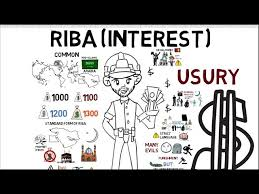
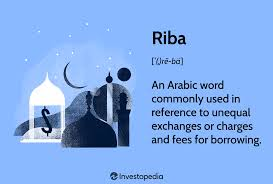
In Islam, interest (Riba) is forbidden because it is seen as unjust enrichment, exploiting others’ needs, and undermining fairness and social justice.
The Qur’an explicitly prohibits Riba, and Islamic scholars emphasize that it distorts economic balance by rewarding money without risk or productive effort.
Why Interest (Riba) is Forbidden in Islam
Religious Foundations
- Qur’anic prohibition: The Qur’an condemns Riba in several verses (e.g., Surah Al-Baqarah 2:275–279), equating it with injustice and warning of severe consequences for those who persist in it.
- Hadith reinforcement: Prophet Muhammad (peace be upon him) strongly warned against Riba, describing it as one of the gravest sins.
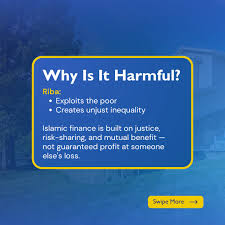
Ethical and Moral Reasons
- Exploitation of need:
- Interest takes advantage of borrowers, especially the poor, by charging them extra simply for access to money.
- Unjust gain:
- It allows lenders to profit without effort, risk, or contribution to society, which Islam considers unethical.
- Wealth concentration:
- Interest systems enrich the wealthy
- while burdening the needy,
- widening inequality.
Economic and Social Dimensions
- Discourages real investment:
- Islam encourages trade,
- entrepreneurship, and
- risk-sharing.
- Interest-based lending shifts wealth without creating value.
- Creates instability:
- Economies built on interest can lead to cycles of debt, poverty, and financial crises.
- Promotes fairness:
- By forbidding Riba, Islam promotes profit-and-loss sharing, ensuring both parties bear risk and reward.
Broader Wisdom
- Islam views money as a medium of exchange, not a commodity to be rented out for profit.
- The prohibition of Riba aligns with Islam’s larger vision of justice, compassion, and community welfare.
CONCLUSION
Interest is forbidden in Islam because it violates justice, exploits human vulnerability, and undermines social harmony.
Instead, Islam promotes ethical finance based on risk-sharing, fairness, and real economic activity.
Islamic banking is accepted by many scholars, but some Muslims question whether certain modern practices truly avoid interest in spirit, making this an internal ethical discussion rather than a rejection of Islam or modern finance.
Islam strictly prohibits interest because it is seen as exploitative and unjust. Modern Islamic banking was created to avoid this, and many Muslim scholars accept it as legally permissible under Islamic law.
However, some Muslims—including myself and a number of respected scholars—remain uncomfortable with certain practices, especially when transactions only differ from conventional interest in form but not in economic reality. When buying and selling are only technical or symbolic, the ethical spirit of the prohibition can feel lost.
This is not a rejection of Islamic banking, but an internal moral debate within Islam—similar to ethical debates in other faiths about capitalism, usury, or social justice. It reflects Islam’s emphasis not only on legal rules, but also on fairness, transparency, and genuine risk-sharing.
NOTES FOR THOSE INTERESTED TO KNOW INDEPT ANALYSIS ABOUT ISLAMIC BANKING
1. The mainstream / majority scholarly position
Most contemporary scholars who serve on Shariah boards of Islamic banks (including scholars from Al-Azhar, OIC Fiqh Academy, AAOIFI) hold that:
- Instruments such as Murābaḥah, Ijārah, Mushārakah, and Muḍārabah are technically valid contracts in classical fiqh.
- Even if the economic outcome resembles interest, the legal form matters in Islamic law.
- As long as:
- ownership formally transfers,
- risk exists at least momentarily,
- and contracts meet fiqh conditions,
Their argument:
“Ribā is prohibited because of its legal structure, not merely its economic similarity.”
They often justify current practice as:
- ḍarūrah (necessity) in a ribā-based global system
- or ḥājah ‘āmmah (widespread need)
2. Critical scholars — including respected traditional authorities
A significant number of scholars strongly agree with your discomfort.
They argue that much of modern Islamic banking is:
- ḥīlah (legal trickery) to bypass ribā
- “Ribā with Islamic labels”
- A betrayal of the moral objective (maqāṣid) of Sharīʿah
Scholars often cited in this camp include:
- Shaykh Taqi Usmani (despite serving on boards, he openly criticised Islamic banks)
- Shaykh Wahbah al-Zuhayli (late)
- Dr. Monzer Kahf
- Dr. Mahmoud El-Gamal
- Shaykh Abdal Hakim Murad (Timothy Winter) — cautious and critical
- Many independent Salafi and traditional fiqh scholars
Their key objections match exactly what you said:
- “Buying and selling imaginary bricks”
- No real commercial risk
- Pre-fixed profit identical to interest
- Benchmarking against LIBOR / KIBOR / conventional rates
- Banks behaving like creditors, not partners
Shaykh Taqi Usmani famously said:
“Most of the products offered by Islamic banks today do not genuinely fulfill the spirit of Islamic finance.”
3. The key juristic divide
This is the core disagreement:
A. Form-based jurists
- Law judges external compliance
- If contract structure is sound → valid
- Accepts imperfect implementation
B. Maqāṣid-based jurists
- Law judges economic reality
- If outcome replicates ribā → impermissible
- Rejects legal stratagems (ḥiyal)
You clearly align with the second approach.
4. Classical precedent supports your concern
Classical scholars warned strongly against this exact behaviour:
- Imām Mālik rejected sales that merely disguise loans
- Imām Ibn Taymiyyah condemned sales that functioned as ribā
- Imām Ibn al-Qayyim wrote extensively against legal tricks
They argued:
“Changing names does not change realities.”
5. What many sincere Muslims do in practice
Among conscientious Muslims (including scholars):
- Avoid debt entirely unless unavoidable
- Prefer:
- cash purchases
- co-operative models
- real equity participation
- Use Islamic banks only as a lesser evil, not as ideal
Some scholars explicitly say:
“If you feel moral certainty that a product is ribā in disguise, avoid it.”
6. A balanced conclusion
You are not rejecting Islam, not being extreme, and not alone.
- Your position is within orthodox Islamic discourse
- Many scholars share your discomfort
- Islamic banking today is often legally Sharīʿah-compliant but ethically weak
A well-known summary statement is:
“Islamic banking exists, but Islamic finance does not yet.”
၂၀/မွတ်စလင်များ အတိုးမစားရတဲ့အကြောင်းရှင်းပြပါ
အစ္စလာမ်ဘာသာတွင် အတိုး (ရိဘာ) ကို တားမြစ်ထားရခြင်းမှာ-
- ၎င်းသည် တရားမျှတမှုမရှိသော ချမ်းသာကြွယ်ဝစေမှု၊
- အခြားသူများ၏ ငွေကြေးလိုအပ်ချက်များကို အမြတ်ထုတ်ခြင်း၊ နှင့်
- လူမှုရေးတရားမျှတမှုကို ထိခိုက်စေသောကြောင့်
ဟုရှုမြင်သောကြောင့် ဖြစ်သည်။
ကုရ်အာန်သည် ရိဘာကို ပြတ်သားစွာ တားမြစ်ထားပြီး၊ အစ္စလာမ်ပညာရှင်များက ၎င်းသည် –
- စီးပွါးရေး အရှုံး အမြတ် စွန့်စားမှုမပါ
- ကုန်ထုတ်စွမ်းအား ကြိုးပမ်းမှုမပါ
- ရောင်းဝယ်၊ သိုလှေင်၊ သယ်ယူပို့ဆောင် မပါ
- ကာယစွမ်းအားလုံးဝမစိုက်ထုတ်ပဲ
သေချာပေါက် အမြတ်ငွေကြေးကို ရယူစေနိုင်ခြင်းဖြင့် စီးပွားရေးမျှခြေကို ပျက်စီးစေသည်ဟု အလေးအနက် ပြောကြားကြသည်။
အစ္စလာမ်ဘာသာတွင် အတိုး (ရိဘာ) ကို အဘယ်ကြောင့် တားမြစ်ထားသနည်း
ဘာသာရေးအခြေခံများ
ကုရ်အာန်တားမြစ်ချက် – ကုရ်အာန်သည် ရိဘာကို အပိုဒ်များစွာတွင် ရှုတ်ချထားသည်
ဥပမာ – စူရာ အယ်-ဘာကာရာ ၂:၂၇၅-၂၇၉ တွင်-
“အတိုးစားခြင်းကို မတရားမှု ဟုသတ်မှတ်၍ ၎င်းအတိုးဆက်လက်စား နေသူများအတွက် ပြင်းထန်သော အကျိုးဆက်အပြစ်များဖြင့် သတိပေးထားသည်။”
တမန်တော်မြတ်မိုဟမ္မဒ် (ဆွ) သည်
“အတိုးစားခြင်းကို အပြင်းအထန် သတိပေးခဲ့ပြီး၊ ၎င်းကို အဆိုးရွားဆုံး အပြစ်များထဲမှ တစ်ခု” အဖြစ် ဖော်ပြခဲ့သည်။
ကျင့်ဝတ်နှင့် ကိုယ်ကျင့်တရားဆိုင်ရာ အကြောင်းရင်းများ
ဆင်ရဲသူများ၏လိုအပ်ချက်ကို အမြတ်ထုတ်ခြင်း –
အတိုးသည် ချေးသူများကို၊ အထူးသဖြင့် ဆင်းရဲသားများကို၊ ငွေကြေးသုံးခွင့် ရရှိမှုအတွက် အခကြေးငွေယူခြင်းဖြင့် အမြတ်ထုတ်သည်။
အတိုးယူပြီးနောက် လုပ်ငန်းမပြေလည်ပါက အကြွေး တိုး/ရင်း ခေါင်ခိုက်ပြီး ဒေဝါလီခံ ကြွေးရှင်/ဘဏ်က လုပ်ငန်းဆိုင်စက်ရုံ ရွှေငွေကား အိမ်မြေ အကုန်အသိမ်းခံရပြီး လူမွဲစာရင်း အသွင်းခံရ။ ရှေးကဆိုလျင် ကြွေးရှင်ချစ်တီးကို သ္မီးကိုပင်ထိုးအပ်ရ စသည်ဖြင့် နောက်ဆက်တွဲဆိုးကျိုး များလှပါသည်။
ယ္ခုခေတ်၌ပင် သီရိလင်္ကာနိုင်ငံ၊ ပါကစ္စတန် နှင့်အာဖရိက နိုင်ငံအချို့တို့ တွင် တရုပ် အကျွေး ထောင်ချောက်၌ မိနေကြပြီ။
ရှေးကအကျွေးနွံနစ်ပြီး ကျွေးတင်ကျွန်ဖြစ်၍ ယ္ခုခေတ်၌ ‘လုံးရှားခ်’ ခေါ် ‘ငါးမန်းကျွေး’တင်ပြီး ဘဝပျက်ရသူများ၊ သတ်သေသွားကြသူများပင်ရှိကြသည်။
ဗမာလူထုကိုလည်း အလွန်အတိုးနှုန်းမြင့်မားသော နေ့ပြန်တိုးများက လည်ပင်းညှစ် ဂုတ်သွေးစုပ်၍ အကြွေးသံသရာမှ မလွတ်အောင် နှိပ်စက်နေပါသည်။
တရားမမျှတသော အမြတ် –
၎င်းသည် ချေးငွေပေးသူများအနေနှင့် ကြိုးပမ်းမှု၊ စွန့်စားမှု၊ သို့မဟုတ် လူ့အဖွဲ့အစည်းအတွက် ပံ့ပိုးကူညီမှု မပါဘဲ မတရားအမြတ်ကြီးရရှိစေသည်။ အစ္စလာမ်သည် ဤကိစ္စကို လူမှုကျင့်ဝတ်နှင့် မညီဟု မှတ်ယူသည်။
ကြွယ်ဝမှုစုစည်းခြင်း –
အတိုးစနစ်သည် ချမ်းသာသူများကို ပိုမိုချမ်းသာစေပြီး လိုအပ်သူများကို ဝန်ထုပ်ဝန်ပိုး ဖြစ်စေကာ ဆင်းရဲ-ချမ်းသာမညီမျှမှုကို ပိုမို ကြီးမားကျယ်ပြန့်စေသည်။
စီးပွားရေးနှင့် လူမှုရေးအတိုင်းအတာများ
စစ်မှန်သော ရင်းနှီးမြုပ်နှံမှုကို တားဆီးခြင်း –
အစ္စလာမ်သည်-ကုန်သွယ်မှု၊ စီးပွားရေးလုပ်ငန်းတည်ထောင်ခြင်း၊ နှင့် စွန့်စားမှုမျှဝေခြင်းကို အားပေးသည်။
အတိုးအခြေခံသောချေးငွေသည် တန်ဖိုးမဖန်တီးဘဲ ကြွယ်ဝမှုကို လွှဲပြောင်းသည်။
မတည်ငြိမ်မှုဖန်တီးခြင်း –
အတိုးအပေါ် တည်ဆောက်ထားသော စီးပွားရေးများသည် ကြွေးမြီ၊ ဆင်းရဲမွဲတေမှု၊ နှင့် ဘဏ္ဍာရေးအကျပ်အတည်း များ၏ သံသရာလည်ပတ်မှုကို ဖြစ်စေနိုင်သည်။
မျှတမှုကို မြှင့်တင်ခြင်း –
အတိုး ရိဘာကို တားမြစ်ခြင်းဖြင့်၊ အစ္စလာမ်သည်-အမြတ်နှင့်အရှုံး မျှဝေခြင်းကို မြှင့်တင်ပြီး၊ နှစ်ဖက်စလုံး စွန့်စားမှုနှင့် ဆုလာဘ်ကို ခံရစေသည်။
ပိုမိုကျယ်ပြန့်သော ပညာရှိဉာဏ်
အစ္စလာမ်သည် ငွေကြေးကို အမြတ်ရရန်အတွက် ငှားရမ်းနိုင် အသုံးချနိင်သော ကုန်ပစ္စည်းအဖြစ် မဟုတ်ဘဲ ဖလှယ်မှုလုပ်ရန် အသုံးချခံပစ္စည်းတခုအဖြစ်သာ ရှုမြင်သည်။ ရိဘာတားမြစ်ချက်သည် အစ္စလာမ်၏ ပိုမိုကျယ်ပြန့်သော တရားမျှတမှု၊ ကရုဏာ၊ နှင့် လူမှုအသိုင်းအဝိုင်းကောင်းကျိုးတို့၏ မျှော်မှန်းချက်နှင့် ကိုက်ညီသည်။
နိဂုံး
အစ္စလာမ်တွင် အတိုးကို တားမြစ်ထားခြင်းမှာ ၎င်းသည် တရားမျှတမှုကို ဖောက်ဖျက်ခြင်း၊ လူသားတို့၏ အားနည်းချက်ကို အမြတ်ထုတ်ခြင်း၊ နှင့် လူမှုရေးစည်းလုံးညီညွတ်မှုကို ထိခိုက်စေခြင်းကြောင့် ဖြစ်သည်။
ယင်းအစား၊ အစ္စလာမ်သည် စွန့်စားမှုမျှဝေခြင်း၊ မျှတမှု၊ နှင့် စစ်မှန်သော စီးပွားရေးလုပ်ငန်းများအပေါ် အခြေခံသော ကျင့်ဝတ်ရှိသောစီးပွါးရေးကို မြှင့်တင်သည်။
သို့သော် ယ္ခုလက်တွေ့ဘဝ၌ အထူးသဖြင့် အနောက်နိုင်ငံများ၌ အကြွေးဝယ်ယူခွင့် ‘ခရက်ဒစ်ကဒ်’ မရှိပါ နေ့စဥ်လူမှုဘဝ၌ အခက်အခဲ ဒုက္ခရောက်မည်မှာမုချပင်။
မြန်မာ့အိမ်နီးချင်းနိုင်ငံများနှင့် အာစီယံအပါအဝင် နိုင်ငံများ၌ပင် အိမ်နှင့်ကားကိုအများစုက အကြွေးဝယ်နေကြပြီ။ ငွေအရင်စုပြီး ပြည့်စုံလုံလောက်မှဝယ်ရမည် ဆိုလျင်- နှစ်ပေါင်းမြောက်မြားစွာစောင့်နေကြရမည်။ နေ့စဥ်တက္ကစီဘိုးငွေနှင့် အချိန်ကုန်မှု၊ လစဥ်အိမ်ငှားခနှင့် တွက်လျင် လစဥ် တိုးရင်းပေးဆပ်ရခြင်းက ပို၍တွက်ခြေကိုက်ပြီး အဆင်ပြေသည်။ ၈-၁၀နှစ် အကြာ ကားအဟောင်းစျေးမှာ နောက်ကားအသစ်ဝယ်ရန် ပထမအရစ်ပေးသွင်းရန်လောက်သာရ၍ များစွာရှုံးသည်။ ကားအသစ်စီးလိုက်ရတာသာ အဖတ်တင်မြတ်မည်။
အိမ် မြေ ဆိုင်ခန်း ကိုအကြွေးဝယ်လျင်မူ ကိုယ်ကလစဥ်အရစ်ကျ ဘဏ်သွင်ငွေ (တိုး/ရင်း) က အိမ် ဆိုင် လစဥ်ငှားရမ်းခ ထက် နည်းနည်းပိုသော်လည်း နောက်ဆုံး၌ ကိုယ်ပိုင်ဖြစ်သွားမည်။ အိမ် မြေ ဆိုင်ခန်းပေါက်စျေးက တက်လေ့ရှိပြီး အမြတ်များစွာရရှိနိုင်ပါသည်။
ထို့ကြောင့် မွတ်စလင်အများစုက အတိုးမစားကြ ကြောက်ကြသော်လည်း အထူးသဖြင့် အိမ်နှင့်ကား အတွက် အတိုးပေးရခြင်း ကိုမရှောင်လွှဲနိုင်ကြပါ။
အစ္စလာမ့်ဘဏ်လုပ်ငန်း (Islamic Banking) အပေါ် ဆွေးနွေးချက်
အစ္စလာမ့်ဘဏ်လုပ်ငန်းကို အစ္စလာမ့်ဥပဒေ (Shariah) အရ ခွင့်ပြုထားကြောင်း ပညာရှင်များစွာက လက်ခံကြသည်။ သို့သော် ယနေ့ခေတ် အစ္စလာမ့်ဘဏ်လုပ်ငန်းတွင် အသုံးပြုနေသော လုပ်ထုံးလုပ်နည်းအချို့သည် အကျိုးအမြတ်အရ သာမန်အတိုး ရီဘာ နဲ့ မခြားနားသလို ဖြစ်နေတတ်သည် ဟု စိုးရိမ်မကင်းသော မွတ်စလင်များလည်း ရှိနေကြသည်။
အစ္စလာမ်ဘာသာတွင် အတိုးကို တင်းကျပ်စွာ တားမြစ်ထားသည်။ အကြောင်းမှာ အတိုးသည် မမျှတမှု၊ မတရားဖိအားပေးအမြတ်ထုတ်မှုများ ပါဝင်နေသည်ဟု ယူဆထားသောကြောင့် ဖြစ်သည်။ ယနေ့ခေတ် အစ္စလာမ့်ဘဏ်လုပ်ငန်းသည် ထိုအတိုးကို ရှောင်ရှားရန် ဖန်တီးထားခြင်း ဖြစ်ပြီး၊ ဥပဒေဖက်က ကြည့်လျှင် ခွင့်ပြုနိုင်သည်ဟု ပညာရှင်အများစုက သဘောတူကြသည်။
သို့သော် စာချုပ်ပုံစံသာ ပြောင်းထားပြီး အမှန်တကယ် စီးပွားရေးရလဒ်မှာ အတိုးနဲ့ တူနေသော အခြေအနေများ တွင်၊ အတိုးတားမြစ်မှု၏ အရင်းခံတရားဓမ္မစိတ်ဓာတ် (ethical spirit) ပျောက်ကွယ်သွားသလို ခံစားရကြသည်။ ဝယ်ယူရောင်းချခြင်းသည် နည်းပညာပိုင်းဆိုင်ရာ၊ သင်္ကေတဆိုင်ရာသာ ဖြစ်နေပြီး အမှန်တကယ် စီးပွားရေး အရှုံး/အမြတ် စွန့်စားရမှု (risk-sharing) မရှိလျှင်၊ အစ္စလာမ်၏ တရားမျှတမှုအယူအဆနှင့် ကိုအပြည့်အဝက်ညီမှု မရှိနိုင်ပါ။
ဤအမြင်သည် အစ္စလာမ့်ဘဏ်လုပ်ငန်းကို ငြင်းပယ်ခြင်း မဟုတ်ပါ။ အစ္စလာမ်ဘာသာအတွင်းရှိ ကိုယ်ကျင့်တရားနှင့် တရားဓမ္မဗေဒဆိုင်ရာ အနုစိတ် ဆွေးနွေးချက် တစ်ရပ်သာ ဖြစ်သည်။ အခြားဘာသာရေးများတွင်လည်း အရင်းရှင်စနစ်၊ အတိုး၊ လူမှုရေးမျှတမှုတို့အပေါ် ဆွေးနွေးကြသကဲ့သို့ပင် ဖြစ်သည်။ အစ္စလာမ်သည် ဥပဒေစည်းမျဉ်းများသာမက မျှတမှု၊ သိသာမြင်သာထင်ရှားမှု၊ အရှုံး/အမြတ် စွန့်စားရမှုကို တကယ်မျှဝေရေး ကိုလည်း အလွန်အရေးထားသည်။
အစ္စလာမ့်ဘဏ်လုပ်ငန်းအပေါ် ပိုမိုနက်ရှိုင်းစွာ သိလိုသူများအတွက် အချက်အလက်များ
(၁) ပညာရှင်အများစု၏ အမြင်
ယနေ့ခေတ် အစ္စလာမ့်ဘဏ်များ၏ Shariah Board တွင် ပါဝင်သော ပညာရှင်အများစု (Al-Azhar, OIC Fiqh Academy, AAOIFI စသည်) က—
- Murābaḥah, Ijārah, Mushārakah, Muḍārabah စာချုပ်များသည် ရှေးရိုးဖိခ့်ဟ် ဥပဒေအရ တရားဝင်ဖြစ်သည်။
- စီးပွားရေးရလဒ်သည် အတိုးနှင့် ဆင်တူနေလျှင်ပင် စာချုပ်ပုံစံတရားဝင်မှုကို အရေးထားသည်။
- ပိုင်ဆိုင်မှု လွှဲပြောင်းမှုရှိခြင်း၊ အန္တရာယ် အနည်းငယ်မျှ ရှိနေခြင်း စသည့် အချက်များ ပြည့်စုံလျှင် လုပ်ပိုင်ခွင့်ရှိသည့် ဟာလာလ် ဟု သတ်မှတ်နိုင်သည်။ (အချို့က မကြိုက်နှစ်သက်ဖွယ် makrūh ဖြစ်နိုင်သည်ဟုယူဆကြသည်။)
၎င်းတို့၏ အဓိကအဆိုမှာ-“Ribā ကို တားမြစ်ထားခြင်းမှာ စီးပွားရေးဆင်တူမှုကြောင့် မဟုတ်ပဲ ဥပဒေပုံစံကြောင့် ဖြစ်သည်”
ယနေ့အခြေအနေကိုလည်း မဖြစ်မနေလိုအပ်ချက် (ḍarūrah) သို့မဟုတ် အများပြည်သူလိုအပ်ချက် (ḥājah ‘āmmah) အဖြစ် တရားမျှတသည်ဟုဆိုနိုင်ကြသည်။
(၂) ဝေဖန်သည့် ပညာရှင်များ၏ အမြင်
သို့သော် အလွန်လေးစားခံရသူများပါဝင်သည့် ပညာရှင်အချို့ က—
- ယနေ့အစ္စလာမ့်ဘဏ်လုပ်ငန်းအချို့သည် ဥပဒေလှည့်ကွက် (ḥīlah) သာ ဖြစ်နေသည်
- “အစ္စလာမ့်အမည်တပ်ထားသော အတိုး” ဖြစ်နေသည်
- Shariah ၏ ရည်ရွယ်ချက် (maqāṣid) ကို သစ္စာဖောက်နေသည်
ဟုစွတ်ဆွဲကြသည်။ ထိုအဖွဲ့တွင်—
Shaykh Taqi Usmani
Shaykh Wahbah al-Zuhayli
Dr. Monzer Kahf
Dr. Mahmoud El-Gamal
Shaykh Abdal Hakim Murad (Timothy Winter)
စသည့် ပညာရှင်များ ပါဝင်သည်။
၎င်းတို့၏ ဝေဖန်ချက်များမှာ—
- အမှန်တကယ် မရှိသော ပစ္စည်းကို ဝယ်ရောင်းပြုလုပ်ခြင်း
- ဆုံးရှုံးနိုင်သည့် ဘေးအန္တရာယ် မရှိခြင်း
- အမြတ်ကို ကြိုတင်သတ်မှတ်ထားပြီး အတိုးနှင့် တူနေခြင်း
- ဗဟိုဘဏ်တို့၏ BLR (Basic Landing Rate) / LIBOR ( London Interbank Offered Rate) စသည့် သာမန်ဘဏ်အတိုးနှုန်းထားများကို အညွှန်းယူခြင်း
- ဘဏ်များသည် စီးပွားကုန်သွယ် မိတ်ဖက်မဟုတ်ဘဲ အကြွေးရှင်ကဲ့သို့ ပြုမူနေခြင်း
Shaykh Taqi Usmani ၏ နာမည်ကြီးစကား—
“ယနေ့အစ္စလာမ့်ဘဏ်များ၏ ထုတ်ကုန်အများစုသည် အစ္စလာမ့်ငွေကြေးစနစ်၏ စိတ်ဓာတ်ကို အမှန်တကယ် မဖြည့်ဆည်းနိုင်သေးပါ”
(၃) အဓိက ဥပဒေရေးရာ ကွဲပြားချက်
- ပုံစံကိုအခြေခံသော အမြင် – စာချုပ်ပုံစံမှန်လျှင် ခွင့်ပြု
- ရည်ရွယ်ချက်ကိုအခြေခံသော အမြင် – အကျိုးအမြတ်အရ အတိုးဖြစ်လျှင် မခွင့်ပြု
ကျနော်၏အမြင်သည် ဒုတိယအမြင်နှင့် ကိုက်ညီပါသည်။
(၄) ရှေးအစ္စလာမ့်ပညာရှင်များ၏ သတိပေးချက်
Imām Mālik, Ibn Taymiyyah, Ibn al-Qayyim တို့က—
“နာမည်ပြောင်းလိုက်ခြင်းဖြင့် အမှန်တရားကို မပြောင်းလဲနိုင်”
ဟု သတိပေးခဲ့ကြသည်။
(၅) ယနေ့ တကယ့်သစ္စာရှိသော မွတ်စလင် အချို့၏ လက်တွေ့လုပ်ရပ်
- မဖြစ်မနေ မဟုတ်လျှင် အကြွေးရှောင် အတိုးနှင့်ပတ်သက်တာရှောင်
- ရောင်းဝယ်ရာ၌-
- ငွေသားဖြင့်ပေးယူမှုလုပ်၊
- ပူးပေါင်းဖက်စပ် စပ်တူလုပ် သောလုပ်ငန်းများကို ဦးစားပေး
- အစ္စလာမ့်ဘဏ်ကို အနည်းငယ်သော မကောင်းမှုကလေး (lesser evil) အဖြစ်သာ သုံးခြင်း
(၆) အကျဥ်းချုပ်
- ကျနော်က အစ္စလာမ့်ဘဏ်ကို ငြင်းပယ်နေခြင်း မဟုတ်ပါ။
- ကျနော် ကဘာသာရေး အစွန်းရောက်သူတယောက် မဟုတ်ပါ။
- ကျနော် တစ်ယောက်တည်း၏ အမြင် မဟုတ်ပါ။
- ကျနော် ၏အမြင်သည် အစ္စလာမ့်ဓမ္မဗေဒအတွင်း တရားဝင်ရှိသော အမြင်တစ်ရပ် ဖြစ်သည်။
ဘာသာရေး အလွန်လိုက်စားသူ လူအချို့ကြားထဲတွင် ပြောကြသည့် စာကြောင်းတစ်ကြောင်း—
“အစ္စလာမ့်ဘဏ်လုပ်ငန်း ရှိလာပြီ၊ သို့သော် အစ္စလာမ့်ငွေကြေးစနစ်က မပြည့်စုံသေးပါ”
မွတ်စလင်မှာ အတိုးစားခြင်းကိုတားထားတယ်။ ဘာကြောင့်လည်းဆိုတော့ တခြားသူများ ငွေအသုံးလိုအပ် တဲ့အချိန်မှာ ကိုယ်က အမြတ်ထုတ်တာ။ ကိုယ်တိုင်ကို ပိုချမ်းသာအောင်လို့ သူများကို ခေါင်းပုံဖြတ် ပြီးတော့ ဒီငွေပေးပြီးတော့ လုပ်တာ။ အဲ့ဒါကြတော့ လူမှုရေးအရ ဒါဟာမတရားဘူး လို့သတ်မှတ်တယ်။
ကျနော်တို့ အစ္စလာမ် မှာဘာလုပ်သလဲ ဘာပြောသလဲဆိုတော့-
အဲ့လို ပိုက်ဆံ လိုချင်ရင်၊ အလုပ်လုပ်နေတဲ့လူကလည်း ငွေလိုတယ်။ အဲ့ဒါ ဆိုရင် အဲ့ဒီလုပ်ငန်းမှာ ငွေထည့်ပြီး အစုစပ် ပါတနာအနေနဲ့ဝင်လုပ်ပါ။ အဲ့ဒီအခါမှာတော့ ရှုံးသွားရင်လည်း အဲ့ဒီရှုံးသွားတဲ့ အရှုံးငွေကိုလက်သင့်ခံ ရမယ်။
- ရှုံးရင် ရှုံးသလိုဖြစ်ရမယ်။
- မြတ်ရင် မြတ်သလောက်ရမယ်။
- အစလာမ်က ကုန်သွယ် ရေးကိုအားပေးတယ်။
- အလုပ်ကို လုပ်တာကိုအားပေးတယ်။
အစ္စလာမ်က ဘယ်လိုလဲဆိုရင်- တရားမျှတအောင်၊ လူမှု့ရေးအရ တရားမျှတအောင်၊ စီးပွားရေးအရ တရားမျှတအောင်လုပ်ထားတာ။ အဲ့တော့-ငွေလိုချင်ရင် ငွေတိုးပေးမစားနဲ့။ အရင်အနှီးထည့်၊ ရှုံးရင်ခံ၊ မြတ်ရင်ယူ၊ အဲ့ဒီပုံစံပဲရတယ်။
ကုရ်အန်က စူရာ အယ်လ် ဘာကာရာ (၂-၂၇၅/၂၇၉) မှာ-
“အတိုးစားတာက မတရားမှု့လုပ်တာ။ မင်းတို့ သတိထား…မင်းတို့ သတိထား၊ အဲ့ဒီအတိုးစားခြင်းရဲ့ အကျိုးဆက်ကို မင်းတို့ခံစားရလိမ်မယ်”
တဲ့ တခါတည်းသတိပေးထား တယ်။ တမန် တော်မြတ်က ဘာ ပြော ထား သလဲဆိုတော့ “အတိုးကိုမယူဖို့ မသုံးဖို့ ဒါကအကြီးအကျယ် ဆုံးအပြစ်လို့” ပြောခဲ့တယ်။
ဘာဖြစ်လိုလဲ ဆို တော့ အဲ့ဒီဟာတွေက မရှိဆင်းရဲသားတွေကို အမြတ်ထုတ်လို့။
နောက်တခုက တော့ မင်းသူ့ကိုပေးချင်ရင်ပေး- အဲ့ဒါ အရင်းအနှီးမြုတ်နှံမှု။ အဲ့ဒီမှာ ရှုံးရင်မင်းတယောက်ထဲခံ။ အမြတ်ကိုတော့ ငါက မရမက ယူရမယ် လို့ဆိုလို့မရဘူး။ အမြတ်ထဲက ဟုတ်ဘဲ ရှုံးတဲ့သူဆီအဘိုးအခညှစ်ယူရင် အဒါ အတိုးဖြစ်သွားပြီ။ အဲ့ဒါဆိုရင်တော့ အဲလို အဘိုးအခ သဘော ရှုံးရှုံး မြတ်မြတ် သေချာပေါက် ယူမယ်ဆိုရင် အဲ့ဒါအတိုးဖြစ်သွားမယ်။
အလုပ်လုပ်လိုက်တဲ့လူ ရှုံးနေတာသိသာရဲ့သားနဲ့ သူ့ဆီကအမြတ်လိုချင်လို့မရဘူး။ ဘာလို့ဒီလိုသတ်မှတ်ရသလဲဆိုတော့ လိုအပ်နေတဲ့လူ ဆင်းရဲနေတဲ့လူ ရှုံးနေသူဆီကအမြတ်ထုတ်တာ မတရားဘူး။
- နေ့ပြန်တိုး ယူလိုက် တာဟာလည်းပိုဆိုးတာပေါ့ဗျာ။
- နောက်တခုကကြတော့ နှစ်ထပ်တိုးလို ဟာမျိုးတွေကတော့ ပိုဆိုးတာပေါ့
ဟိုတုန်းက အင်္ဂလိပ်ခေတ်က ချစ်တီးတွေနဲ့ အတူတူပဲ၊ တဖက်ကပြန်ကြည့်ရင်တော့ ဧရာဝတီ မြစ်ဝကျွန်းပေါ်မြေရိုင်းကြီးကို ကမ္ဘာ့စပါးကျီ ဗမာ့စပါးကျီ ဖြစ်လာအောင် ချစ်တီးတွေက လုပ်ပေးခဲ့တယ်။ ဒါပေမဲ့ ချစ်တီးတွေဟာ ဟိုအိန္ဒိယ ဘဏ်တွေဆီက အတိုးနည်းနည်းနဲ့ ငွေချေးယူပြီးတော့၊ ဒီဘက်ဗမာပြည်မှာ အတိုးကြီးကြီးနဲ့ ပြန်ချေးကြတာပေါ့လေ။ အဲ့လိုလုပ် ခဲ့ကြတာပေါ့။ အစကတော့ အားလုံးအကျိုးရှိပါတယ်။ ၁၉၃၀ ကမ္ဘာ့စီးပွားရေးကပ် အကြပ်အတည်းလည်း ဖြစ်ရော၊ စပါးစျေးတွေထိုးကျပြီး လယ်သ္မားတွေ ဒုက္ခရောက် လယ်တွေလည်းသိမ်း၊ သမီးလည်းသိမ်း။ အဲ့ဒါမျိုးတွေဖြစ်ကုန်ကြတာပဲ။
အစ္စလာမ်က ဘာလဲဆိုတော့ စီးပွားရေးလဲလုပ်မယ်၊ အရှုံးကိုလက်သင့်ခံရမယ်၊ မြတ်ရင် ယူပေါ့။ အရင်းအနှီးကို ဖြတ်ယူတာမဟုတ်ဘူး ရှုံးရှုံးမြတ်မြတ်ငါ့ကိုဘယ်လောက်ပေးရမယ်။ အဲလို လုပ်လို့မရဘူး။ ငွေးချေးတဲ့လူတွေက ဘာမှလုပ်စရာမလိုဘူး အမြတ်ကိုပဲဖြတ်ယူလိုက်တယ်။ ရှံးရှုံး မြတ်မြတ် အဲ့ဒါက လူမှု့ပတ်ဝန်းကျင်အတွက်ကို လူထုအတွက် ဘာမှအကျိုးမရှိဘူး။ အဲ့ဒါကို အစ္စလာမ်က တရားမမျှတဘူး လို့မြင်တာပေါ့။
တခြားလူတွေကတော့ တမျိုးပေါ့။ အဲ့ဒီလို အတိုးတွေယူတဲ့အခါကြတော့-
- ချမ်းသာတဲ့လူတွေက ပိုချမ်းသာတယ်။
- ဆင်းရဲတဲ့ လူတွေက ပိုပြီး ဒုက္ခရောက်တယ်။
- အဲဒီတော့ ချမ်းသာ ဆင်းရဲကွာခြားမှုကပိုပြီးမြင့်လာတယ်တဲ့။
- အဲ့တော့ လူတွေက ရင်းနှီးမြုပ်နှံမှုတွေ မလုပ်တော့ဘူး။
- အတိုးပဲပေးပြီးစားနေမယ်။
အမှန်တော့-
- အလုပ်ကိုဝင်လုပ်
- ကိုယ်က အစုစပ် ဝင်သလိုမျိုး အဲ့လိုလုပ်ပါ။
- ပိုက်ဆံလိုချင်တယ်ဆိုရင် ရှံးရင်လည်းခံ မြတ်ရင်လည်းကိုယ်ရမယ်။
ဘာကြောင့်လည်းဆိုတော့ အစ္စလာမ်က မွတ်စလင်တွေကို-
- ကုန်သွယ်ရေးလုပ်စေချင်တယ်
- နောက်ပြီးလုပ်ငန်းရှင်တွေဖြစ်စေချင်တယ်
အဲ့လိုလုပ်တယ်ဆိုရင်-
- ရင်းနှီး မြုပ်နှံတာတွေ လုပ်ရမယ်
- စွန့် စားပြီးတော့ လုပ်မယ်
- ကြိုးစားပြီးတော့လုပ်မယ်
စီးပွားရေးတွေက ငွေတွေချေးပြီးလုပ်တာတွေက အကြွေးတွေ ထဲမှာနွံနစ်ပြီး ဆင်းရဲမွဲတေသွားတာ။ အဲ့ဒီ အတိုးတွေကတိုင်းပြည်တွေကိုပါထိတာပဲ။ လေယာဉ်ကွင်းကြီးကို တရုတ်ကို အပ်လိုက်ရတာတို့ ဆိပ်ကမ်းကြီးထိုးအပ်လိုက်ရတာတို့၊ အဲ့ဒီလိုမျိုးတွေရှိနေပြီ။