Islam teaches Muslims to treat the poor and less fortunate with profound compassion, justice, and respect, considering it a fundamental religious obligation, not merely optional kindness. All human beings possess inherent dignity, regardless of their wealth or social status.
Islam commands us to uphold the dignity of every human being, including beggars. Charity is encouraged, but if we are unable to give, we should excuse ourselves with politeness. Even after giving, we are forbidden from insulting or belittling the beggar, for kindness and respect are integral to true charity.
Islam teaches us not to mistreat beggars. If we cannot give, we should decline with kind words, for the Qur’an says: “Kind speech and forgiveness are better than charity followed by injury” (2:263). Even when we do give, we are forbidden from insulting or humiliating the beggar, as “do not repel the beggar” (93:10) reminds us. True charity is rooted in respect, sincerity, and compassion.
- Surah Al-Baqarah (2:263) “Kind speech and forgiveness are better than charity followed by injury. And Allah is Free of need and Forbearing.” → This verse directly teaches that politeness and forgiveness outweigh material charity if the latter is accompanied by harshness or humiliation.
- Surah Al-Baqarah (2:264) “O you who have believed, do not invalidate your charities with reminders or injury, like one who spends his wealth only to be seen by the people and does not believe in Allah and the Last Day…” → Here, the Qur’an warns that insulting or reminding others of your generosity nullifies the spiritual reward of charity.
- Surah Ad-Duha (93:10) “And do not repel the beggar.” → A simple but powerful command: beggars must not be mistreated or turned away harshly.
- Surah Al-Insan (76:8–9) “And they give food in spite of love for it to the needy, the orphan, and the captive, [saying], ‘We feed you only for the countenance of Allah. We wish not from you reward or gratitude.’” → This verse highlights the spirit of charity: giving with sincerity, without expecting thanks or showing superiority.
Core Principles
- Inherent Dignity and Equality: Islam emphasizes that all people are created with inherent human dignity and honor lies in one’s piety and good deeds, not wealth or social standing. The Prophet Muhammad (peace be upon him) actively sat and ate with the poor, reinforcing the value of equality and warning against arrogance towards them.
- A Right, Not Just Charity: The Quran states that in the wealth of the affluent there is a “recognized right” for the needy and deprived. This means supporting the poor is a mandatory responsibility placed upon the community, not just an act of generosity.
- Communal Responsibility: Muslims are taught to be sensitive to the problems of others and that the community is like one body, where if one limb is injured, the rest responds with support. Neglecting the poor is considered a moral failure and a sin that attracts divine warning.
- Protection from Exploitation: Islam strictly forbids exploiting the poor, such as through unfair wages or delayed payments to workers. The aim is to lift them out of poverty with dignity, offering access to opportunities like education and fair employment.
Practical Applications
Islam institutionalizes care for the poor through several mechanisms:
- Zakat (Obligatory Charity): This is one of the Five Pillars of Islam, a mandatory annual payment of 2.5% of a Muslim’s surplus wealth to specific beneficiaries including the poor and needy. This formal system helps ensure wealth redistribution.
- Sadaqah (Voluntary Charity): This is any voluntary act of charity or kindness beyond Zakat, which is highly encouraged and can be given at any time and in any form (money, food, a kind word, or even a smile).
- Waqf (Endowments): The establishment of charitable endowments (like for schools or shelters) is encouraged as a form of ongoing charity that provides sustainable support to the community.
- Personal and State Responsibility: The obligation extends from individuals to the state, which has a duty to ensure a minimum standard of living for all its residents, including non-Muslims.
In essence, the Islamic teaching is to not only provide for the immediate needs of the poor but to do so with the highest level of respect, actively working to eliminate the causes of poverty and injustice in society. The Prophet Muhammad (PBUH) is reported to have said, “He is not a believer who fills his stomach while his neighbor goes hungry”.
Islam taught us not to mistreat the Beggers. If we could not donate, just apologize politely and prohibid us from insulting the Begger even after donation.
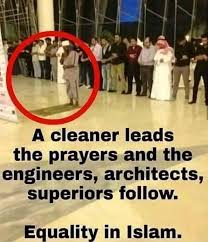
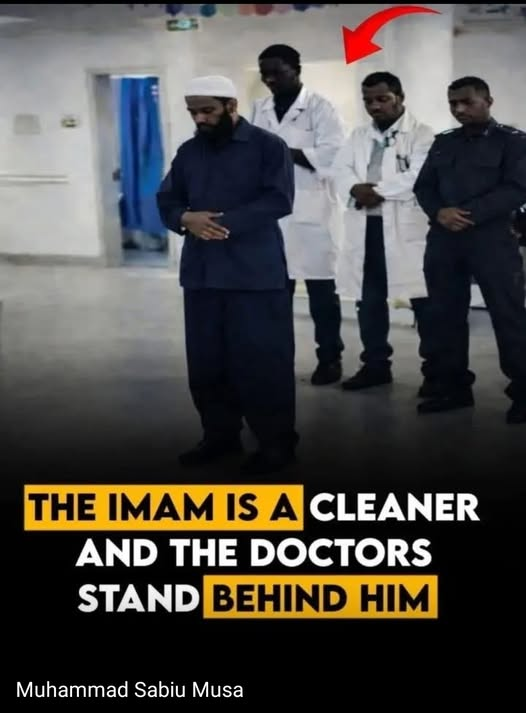
Rich or poor and the Ruler or beggar could pray side by side in the front row of the Masjid.
၈/အစ္စလာမ်ဘာသာမှာ ကိုယ့်ထက်နိမ့်ပါးတဲ့ ဆင်းရဲသားတွေအပေါ်ကို ဘယ်လိုဆက်ဆံရန် ညွှန်ကြား သတ်မှတ်ထားပါသလဲ?
အစ္စလာမ်ဘာသာရဲ့ ဆင်းရဲသူများနဲ့ ကံမကောင်းသူတွေအပေါ် သဘောထား
အစ္စလာမ်ဘာသာဟာ မွတ်စလင်တွေကို ဆင်းရဲသူတွေနဲ့ ကိုယ့်ထက်အဆင့်အတန်းနိမ့်တဲ့လူတွေ ဇတ်နိမ့်တဲ့ သူတွေလိုပေါ့ဗျာ၊ သူတို့တတွေကို သနားကြင်နာ ကရုဏာထားခြင်း၊ တရားမျှတစွာ ဆက်ဆံခြင်းနဲ့ လေးစားမှုတို့ဖြင့် ဆက်ဆံပါရန် သင်ကြားပေးထားပါတယ်။ ကရုဏာထားမှုတစ်ခုအဖြစ်နဲ့သာ မဟုတ်ဘဲ၊ ဘာသာရေးအရ မဖြစ်မနေ လိုက်နာရမဲ့ တာဝန်တစ်ရပ်အဖြစ် သတ်မှတ်ထားပါတယ်။ လူသား အားလုံးဟာ သူတို့ရဲ့ ချမ်းသာဆင်းရဲမှု ဒါမှမဟုတ် လူမှုအဆင့်အတန်း ဘယ်လိုပဲဖြစ်စေ၊ မွေးရာပါ ဂုဏ်သိက္ခာကို ပိုင်ဆိုင်ကြပါတယ်။
လူတိုင်းမှာ ဂုဏ် သိက္ခာရှိတယ် လူသားတွေမှာညီမျှမှုရှိတယ်။ အစ္စလာမ်က ဘာပြောသလဲဆိုတော့ လူသားကို ဖန်တီးကထဲက သူတို့မှာ ဂုဏ်သိက္ခာ ကရှိပြီးသားတဲ့ ။
ကုရ်အာန်တွင် လူ့ဂုဏ်သိက္ခာကို လူသားအားလုံး (အာဒံ၏ သားမြေးများအားလုံး) အတွက် (ဘယ်ဘာသာပဲကိုးကွယ်သည်ဖြစ်စေ) ယုံကြည်ချက်၊ လူမျိုး သို့မဟုတ် အဆင့်အတန်းမခွဲခြားဘဲ ပေးအပ်ထားသော ဘုရားသခင်၏ ကောင်းချီးမင်္ဂလာအဖြစ် ရှုမြင်ပါသည်။ ဤသဘောတရားသည် အစ္စလာမ်ကျင့်ဝတ်နှင့် လူ့အခွင့်အရေး၏ အခြေခံအုတ်မြစ်ဖြစ်ပါသည်။
ဂုဏ်သိက္ခာနှင့်ပတ်သက်သော အဓိက ကုရ်အာန်ကျမ်းပိုဒ်များ-
ဤအခြေခံမူ၏ အဓိကရင်းမြစ်မှာ ကုရ်အာန် စူရာ အလ်-အစ္စရာ (၁၇း၇၀) ဖြစ်ပြီး အောက်ပါအတိုင်း တိကျစွာဖော်ပြထားပါသည်:
“ငါတို့သည် လူသားအားလုံး (အာဒံ၏သားမြေး) တို့ကို ဂုဏ်အသရေပေးခဲ့ပြီး သူတို့ကို ကုန်းနှင့်ပင်လယ်တွင် ပို့ဆောင်ပေးခဲ့ပြီး ကောင်းမွန်သောအရာများကို သူတို့အတွက် စီမံပေးခဲ့ပြီး ငါအသျှင်မြတ် ဖန်ဆင်းခဲ့သော အခြားအရာ အများအပြားထက် သူတို့ကို ပို၍နှစ်သက်ခဲ့၏”။
ဤမွေးရာပါ လူသားတို့၏ တန်ဖိုးကို ပြသော အခြားကျမ်းပိုဒ်များမှာ:
ကုရ်အာန် (၂း၃၀) လူသားများကို အလ္လာဟ်အသျှင်မြတ် ၏ ကိုယ်စားလှယ်အာဏာပိုင်ခန့်ခြင်း
လူသားတို့ကို ကမ္ဘာမြေပေါ်တွင် အလ္လာဟ်အသျှင်မြတ် ၏ “ကိုယ်စားလှယ်” (ထိန်းသိမ်းစောင့်ရှောက်သူ) အဖြစ် ခန့်အပ်ထားပြီး ဤရာထူး၌ လူသားအားလုံးအတွက် ထူးခြားသော အာဏာနှင့် ကိုယ်ကျင့်တရားတာဝန်ကို ညွှန်ပြပါသည်။
ကုရ်အာန် (၁၅း၂၉ နှင့် ၃၈း၇၂) မြင့်မြတ်သော မူလအစ
ကုရ်အာန်၌ အလ္လာဟ်အသျှင်မြတ် သည် ပထမလူသား အာဒံအတွင်းသို့ မိမိ၏ “ဝိညာဉ်တော်” ကို မှုတ်သွင်းခဲ့ကြောင်း ဖော်ပြထားပြီး လူသားအားလုံးတွင် မြင့်မြတ်သော ဝိညာဉ်ရေးရာ ဂုဏ်သိက္ခာ အတိုင်းအတာတစ်ခု ရှိနေစေပါသည်။
ကုရ်အာန် (၉၅း၄) စုံလင်သော ဖန်ဆင်းခြင်း
လူသားအားလုံးကို “အကောင်းဆုံးပုံသဏ္ဍာန်” ဖြင့် ဖန်ဆင်းခဲ့ပြီး ရုပ်ပိုင်းဆိုင်ရာနှင့် ဝိညာဉ်ရေးရာ ထူးချွန်မှုကို ထင်ဟပ်စေပါသည်။
ကုရ်အာန် (၄၉း၁၁) အရှက်ခွဲခြင်းကို တားမြစ်ခြင်း
လှောင်ပြောင်ခြင်း၊ အသရေဖျက်ခြင်းနှင့် နောက်၌ အတင်းပြောဆိုခြင်းကဲ့သို့သော လုပ်ရပ်များသည် လူတစ်ဦး၏ ဂုဏ်သိက္ခာကို ချိုးဖောက်သောကြောင့် တင်းကြပ်စွာ တားမြစ်ထားပါသည်။
ကုရ်အာန် စူရာ အလ်-အစ္စရာ (၁၇း၇၀) သေဆုံးပြီးနောက် ဂုဏ်သိက္ခာ
သေဆုံးပြီးနောက်ပင် လူသားအားလုံး ကွယ်လွန်သူ၏ ယုံကြည်ချက်မခွဲခြားဘဲ ဘာသာသာသနာမရွေး လေးစားမှုဆက်လက်ထားရှိပြီး လူသေအလောင်းကို ဂုဏ်သိက္ခာရှိရှိ ဖြင့် ဆက်ဆံကိုင်တွယ်ရန် လိုအပ်ပါသည်။
ကုရ်အာန် စူရာ (၄၉း၁၃) ၌
လူသား၏ အမျိုးအနွယ် ဇာတိ ဆင်းရဲ ချမ်းသာခြင်းသည် အလ္လာဟ်အသျှင်မြတ်ရှေ့တော်၌ အရေးမပါပဲ ကိုယ်ကျင့်တရား ကောင်းမွန်မှု သည်သာအရေးကြီး၏။
လူတစ်ယောက်ဟာ ဘယ်လောက်ကိုယ်ကျင့်တရားကောင်းလဲ သူဘယ် လောက် အကျင့် ကောင်းလဲ ဆိုတာ သူ့ရဲငွေကြေးရှိတဲ့အပေါ်မှာ မူမတည်ဘူး ဒါကတော့သူဌေးကြီးမို့လို ဒါကတော့ အရာရှိကြီး မိုလို့ ဒါကတော့ သမတကြီးမိုလို့ ဆိုပြီးတော့ အဲ့ဒီအပေါ်မှာမူတည်တာမဟုတ်ဘူး သူဘာလုပ် နေသ လဲအဲဒါကိုပြောတာ။
ကုရ်အာန်(၂:၂၆၃) မှာ
“ကြင်နာသည့် စကားနှင့် ခွင့်လွှတ်မှုသည် စိတ်ထိခိုက်နစ်နာစေသော လှူဒါန်းမှုထက် ပိုကောင်းသည်” ဟု ဖော်ပြထားသည်။
ကုရ်အာန် (၉၃:၁၀) ၌
“သူတောင်းစားကို မနှင်ထုတ်ပါနှင့်” ဟူသော အာယတ်က သတိပေးထားသည်။
အစ္စလာမ်ဘာသာဟာ တောင်းစားသူတွေကို မညှဉ်းပန်း မနှိပ်စက် မနှိမ့်ချဖို့ သင်ကြားထားပါတယ်။ အလှူမပေးနိုင်တဲ့အခါမှာလည်း ယဉ်ကျေးစွာ တောင်းပန်ရမှာဖြစ်ပြီး အလှူပေးပြီးနောက်မှာလဲ တောင်းစားသူကို မထီမဲ့မြင် မပြုဖို့ တင်းကျပ်စွာ တားမြစ်ထားပါတယ်။
အစ္စလာမ်ဘာသာဟာ လူသားတိုင်း အထူးသဖြင့် သူတောင်းစားကိုပင် သူ့ရဲ့ဂုဏ်သိက္ခာကို ထိန်း သိမ်းကာကွယ်ဖို့ မွတ်စလင်တွေကို အမိန့်ပေးထားပါတယ်။ သူတောင်းစားတွေကို လှူဒါန်း တာကိုအားပေးသော်လည်း၊ မလှူဒါန်းနိုင်တဲ့ အခါမှာလည်း ယဉ်ကျေးတဲ့စကားမျိုးနဲ့ ငြင်းပယ် ရမှာဖြစ်ပါတယ်။
ဒါ့အပြင် လှူဒါန်းပြီးနောက်မှာလည်း သူတောင်းစားကို စော်ကားတာ၊ အထင်အမြင်သေးတာ၊ နှိမ်ပြောပြီးဆက်ဆန်တာကို ခွင့်မပြုပါဘူး။ အဓိက ကတော့ ကြင်နာမှုနဲ့ လေးစားမှုတွေဟာ လှူဒါန်းတာရဲ့အရေးပါဆုံး အစိတ်အပိုင်းတွေဖြစ်တာကြောင့် ဖြစ်ပါတယ်။
အဲ့တော့ ကျင်နာသနားတာတော့ ရှိကိုရှိရမယ်။ လေးလေးစားစားနဲ့ ဆက်ဆံရမယ်။ ကောင်း ကောင်း မွန်မွန် စကားပြော နောက်ပြီး မပေးချင်ရင်ချိုချိုသာသာတောင်းပန်တာက ပေးတော့ပေးပါတယ် ဒါပေမဲ့ ပေးပြီးစော်ကားတာနဲ့စာရင် ပိုပြီးတော့ကောင်းတယ်။ လှူတဲ့ တန်းဟာတွေ လုပ်ကြတာလဲရှိကြပါတယ် ကိုယ်မလုပ်နိုင်ရင်တောင်မှ ကောင်းကောင်းမွန်မွန် ယဉ်ယဉ်ကျေးကျေးနဲ့ ပြန်ပြောပေါ့ ပေးပြီးတော့မှာမစော်ကားနဲ့ပေါ့ မင်းတို့ကောင်တွေက တောင်း စားနေတယ် အလကားကောင်တွေ နောက်ဆိုလာမတောင်းနဲ့ ဆိုတာမျိုး ခြေထောက်နဲ့ ကန်ပြီးပေး လိုက်တာတို့ အဲ့လိုမျိုးပေါ့ အဖက်မတန်သလို သဘောထားပြီး ကြမ်းပေါ်ကိုပြစ် ပေးလိုက် တာမျိုး တို့အဲ့လို လုပ်လို့မရပါဘူး. အဲ့ဒီမှာ ပန့်သကူကျဲတာမျိုးတော့မပါဘူးပေါ့။
ကိုယ်ထက်ဆင်းရဲတဲ့ လူတွေ ပြောရမယ်ဆိုရင် ငါကသူဌေးမျိုး ဟိုက ဆင်းရဲသားမျိုး။ ကိုယ့်အိမ်က အလုပ်သမားဖြစ်နေရင်တောင် သနားညှာတာ ချစ်ခင်စွာနဲ့ သူတို့ကို ကိုယ်ချင်းစာရမယ် တရား မျှမျှ တတ လုပ်ရမယ် အနိုင်ကျင့် လို့မရဘူး။ လေးလေးစားစား ဆက်ဆံရမယ်။ အထက်စီးက ပြောလို့ မရဘူး။
“ကြင်နာတဲ့ စကားနဲ့ ခွင့်လွှတ်မှုဟာ ထိခိုက်စေတဲ့ လှူဒါန်းမှုထက် ပိုကောင်းပါတယ်” ။
အစ္စလာမ်က မွတ်စလင်တွေကို လူတိုင်းရဲ့ တန်ဖိုးကို နားလည်ရမယ်လို့သင်ထားပါတယ်။
လူအားလုံး ဘယ်နိုင်ငံဘယ်လူမျိုးဖြစ်ဖြစ် ဌာနေအိမ်ရှင်ရော ဧည့်သည်ရွေ့ပြောင်းအခြေချသူ စစ်ပြေးဒုက္ခသည် တိုးရစ်ခရီးသွား အလုပ်သမားကုန်သည် အတတ်ပညာရှင်တွေထဲမှာ သာမန်လူကောင်း လူရိုးတွေများပါတယ်။ လူဘဲဗျာ လူဆိုး၊ သူခိုး၊ စုန်းပြူးလည်းပါနိုင်တာပေါ့။
လူဆိုး၊လူကောင်းဆိုတာ၊လူမျိုးစုတိုင်းမှာ ပါတတ်တယ် သူဌေးလဲပါတယ် ဆင်ရဲသား လဲပါတတ် တာပဲ အမျိုးစုံပါတာပေါ့ဗျာ။ “အလကားကောင် အသုံးမကျတဲ့အကောင်” အဲ့ဒီလို မျိုးပြောဆိုနှိမ်ချတာမျိုး မလုပ်ရဘူး။ ဒီကောင်တွေက ငါတို့နိုင်ငံလာ ပိုက်ဆံရှာပြီး ဘာလုပ်တာ ညာလုပ်တာ တို့ပြောလေ့ရှိကြတယ်။ အခုကျနော်တို့ဗမာတွေ ပြန်ဝဋ်လည်နေပြီလေ။
လူသားရဲ့မူလဂုဏ်သိက္ခာနဲ့တန်းတူညီမျှမှု
အစ္စလာမ်ဘာသာဟာ လူသားအားလုံးကို မူလအခြေခံဂုဏ်သိက္ခာနဲ့အတူ ဖန်တီးထားတာကို အထူး အလေးထား သင်ကြားပါတယ်။ လူတစ်ဦးရဲ့ ဂုဏ်သိက္ခာဟာ ငွေကြေးပိုင်ဆိုင်မှု ဒါမှမဟုတ် လူမှု အဆင့်အတန်းအပေါ် မူတည်တာမရှိဘဲ၊ သူရဲ့ဘာသာရေးကျင့်ဝတ်နဲ့ ကောင်းတဲ့ လုပ် ရပ်တွေအပေါ်မှာသာ မူတည်ပါတယ်။
တမန်တော် မုဟမ္မဒ် (ငြိမ်းချမ်းမှု့အပေါင်းသူ့အပေါ်ကျရောက်ပါစေ)က ဆင်ရဲသား တွေနဲ့ အတူတူထိုင်ပြီးစားဖို့ရာဝန် မလေးဘူး။
တမန်တော် ဟာ ဆင်းရဲ သား တွေနဲ့အတူ ထိုင်စား၊ နေထိုင်ခဲ့ပြီး လူသားအားလုံး တန်းတူညီမျှကြောင်းကို ကိုယ်တိုင် ပြသ ခဲ့ပါ တယ်။ အဲ့ဒီလုပ်ဆောင်ခဲ့ပြီး ဆင်းရဲသားတွေအပေါ် မထီမဲ့မြင် မပြုဖို့နဲ့ မာနထောင် လွှား မှုမထားဖို့ကို သတိပေးခဲ့ပါတယ်။
ထို့ပြင် လှူဒါန်းရာ၌ ပြစားမှု ကြွားဝါမှုမလုပ်ရန်တားထား၏။
“ယုံကြည်သူတို့ အို— လူတို့အမြင်ကို ခံယူလိုကာ ကိုယ့်ရဲ့ ပိုင်ဆိုင်မှုကို သုံးစွဲသော်လည်း အလ္လာဟ် နှင့် နောက်ဆုံးနေ့ကို မယုံကြည်သူကဲ့သို့ မိမိ၏ လှူဒါန်းမှုကို ကြော်ညာခြင်း၊ ကြွားဝါခြင်းတို့ဖြင့် ဖျက်ဆီးမထားကြနှင့်…”
မကြွားနဲ့ ဘယ်သူ ဘယ်ဝါက လှူလိုက်တာပါဆိုပြီး မကြွားပါနဲ့၊ “ဘယ်ဖက်လက်က လှူ လိုက်တာ ကို ညာဖက်လက်က မသိစေနဲ့” လို့ အစ္စလာမ်ဘာသာက ပြောထား တယ် ။
ကြွားရင် ကိုယ်ရဲ့အလှူက လှူတာမမြောက်တော့ဘူးလို့ အစ္စလာမ်က ပြောထား ပါတယ်။ မသိအောင်ပေးပါ။ ဘုရားသခင်ရဲ့နောက်ဆုံးနေ ကိုအရေးမစိုက် သလို မလုပ်ပါနဲ့ ငါဒီလောက် လှူတာကွ ဆိုပြီးတော့အဲ့လိုလဲ သွားမပေးနဲ့တဲ့၊ မမေ့နဲ့နော်၊ ငါပေးထားတာ ငါကြွေး ထားတာ ဆိုပြီးသွားမပြောနဲ့တဲ့။
ကုရ်အာန်ဆူရဟ်အယ်လ်-ဘကာရာ(၂:၂၆၄)
ဤအာယတ်တွင် လှူဒါန်းပြီးနောက် စော်ကားခြင်း၊ ကျေးဇူးတင်ရန် ပြစားမှု ကြွားဝါမှုလုပ်ခြင်း တို့သည် လှူဒါန်းမှု၏ ဘာသာရေးဆိုင်ရာ ဆုလာဘ်ကို ပျက်ပြားစေကြောင်း သတိပေးထားသည်။
မလေးရှားက သိပ်ချမ်းသာတဲ့ ‘ရိုဟင်ဂျာ’ တစ်ယောက်က ပြောဘူးတယ်၊ “ခင်ဗျားတို့ ဗမာမွတ်စလင် တွေကို ကျုပ်တို အိန္ဒိယမွတ်စလင်တွေက ကျွေးထားတာ” ဆိုတော့
ကျနော်ကလည်း “ကျနော်တို့ အဖိုးအဖွား မိဘဇနီး သားသမီး မြေးတွေကအစ တခါမှ ခင်ဗျားတို့ ဆီ က အလှူမခံခဲ့ဘူးပါဘူး” လို့ပြောတော့သူက “ကျနော်တို့ အိန္ဒိယကမွတ်စလင်တွေက ခင်ဗျားတို့ ဗမာမွတ်စလင်တွေ စာသင်ဖို့ ဘာသာရေးစာသင်ကျောင်းတွေ ပလီတွေကို ဆောက်ပြီးလှုနေ တာ”တဲ့။ အဲဒါက သူတို့လှူတာက လှူတာပဲလေ ခင်ဗျားလှူတာလား?
သူကတော့ ဒီမှာ အခုအချိန်မှာ လှူနေ တာပေါ့လေ။ ပလီတွေ ဘာသာရေးစာသင်ကျောင်းတွေ ဟိုး ဆယ်နှစ်ကျော်တုန်း ကဆိုရင် ဘာသာရေးဆရာ တစ်ယောက်ကို ရင်းဂစ် ၁၀၀၀ ကျော်လောက် လစဉ်လှူနေတာတွေရှိတယ်လေ။ လှူတာက သူလှူနိုင်လို့လှူတာလေ ဒါပေမဲ့ ကျနော်တို့ကို လာပြောတဲ့အခါကြတော့ မဟုတ်တဲ့ လူကို လာပြီး စော်ကားသလို ဖြစ်နေတယ်။ကျနော်တို့ကတော့ အဲ့လိုမလှူနိုင်ဘူးလေ။ ကိုယ်တတ်နိုင် တာလေးတော့ ကူညီတာ လေးတွတော့ရှိ တာပေါ့။
အစားအသောက်ပေးတယ် ကိုယ်စားချင်တဲ့ အစားအစာကို လိုအပ်နေတဲ့လူ၊ ဆင်းရဲနေတဲ့လူ၊ ငတ်နေတဲ့လူ၊ကို ကိုယ်စားချင်နေတဲ့ အစာကို ခွဲဝေပေးမယ် မျှဝေပေးတယ်ဆိုရင်၊ အလ္လာဟ်အသျှင်မြတ်ကျေနပ် ဖို့ကျွေးတာ၊ မင်းတို့ကျေနပ်ဖို့ ကျေးဇူးတင်ပါတယ် ပြောဖို့ မဟုတ်ဘူး၊ ငါတို့က အလ္လာဟ်အသျှင်မြတ်ကျေနပ်ဖို့ကျွေးတာ အဲ့ဒီပုံစံဖြစ်ရမယ်။ လှူတယ် တန်းတယ် ဆိုတာ ဘုရားသခင်ကျေနပ် ဖို့ ဖြစ်ရမယ် ပြစားဖို့ ကြွားဝါဖို့ မဖြစ်ရဘူး။
လှူတယ်ဆိုရင် တခါတည်းရိုးရိုးသားနဲ့ အစစ်အမှန်ပေးတာဖြစ်ရမယ်။ ကျေးဇူးအတင် ခံချင်ဖို့ မလိုဘူး။ ငါက မင်းထက်သာလို့ပေးတာကွ၊ တွေ့တယ်မဟုတ်လား၊ ငါဘယ်လောက် ရက်ရော သလဲဆိုတာမျိုး ပြောလို့မရဘူး။ ပေးတာက အလ္လာဟ်အသျှင်မြတ် နှစ်သက်ဖို့ပေး တာဖြစ်ရမယ်။ ကြွားလိုက်လိုက်တာ နဲ့ တပြိုင်နက် အလ္လာဟ် အတွက်လည်းမဟုတ်တော့ဘူး။ ကေရာမတ် ခေါ် တရားစီရင် မဲ့နေ့အတွက် လည်းမဟုတ်တော့ဘူး။
ကုရ်အာန် စူရာ အယ်လ်-အင်ဆန် (၇၆:၈–၉)
“သူတို့သည် မိမိတို့ ချစ်မြတ်နိုးသော အစာကိုပင် ဆင်းရဲသူ၊ မိဘမဲ့ကလေး၊ ဖမ်းဆီးထားသူတို့အား ပေးလှူကြသည်။ ထိုအခါ သူတို့က ‘အလ္လာဟ်အသျှင်မြတ်၏ မျက်နှာတော်ကို ရည်ရွယ်၍သာ ကျွန်ုပ်တို့ ပေးလှူပါသည်။ သင်တို့ထံမှ ဆုလာဘ်တစ်စုံတစ်ရာ သို့မဟုတ် ကျေးဇူးတင်စကားတစ်စုံတစ်ရာကို မလိုလားပါ’ ဟုပြောကြသည်။”
ဤအာယတ်သည် လှူဒါန်းခြင်း၏ အဓိကစိတ်ဓာတ်ကို ထင်ဟပ်ပြထားပြီး— စိတ်ရင်းမှန်ကန်စွာ ပေးလှူခြင်း၊ ကျေးဇူးတင်မှုကို မမျှော်လင့်ခြင်း၊ ကိုယ်တန်ဖိုးမြင့်ကြောင်း ပြသလိုစိတ် မထားခြင်းတို့ ကို အလေးပေး သင်ကြားထားသည်။
အဓိက အခြေခံသဘောတရားများ
ကူညီထောက်ပံ့မှုဟာကရုဏာသာမကအခွင့်အရေးဖြစ်ခြင်း
ကုရ် အာန် ကျမ်း တော်မြတ်ထဲမှာ ချမ်းသာသူတွေရဲ့ ငွေကြေးအတွင်းမှာ ဆင်းရဲနွမ်းပါးသူတွေနဲ့ လိုအပ်နေ သူတွေအတွက် “အသိအမှတ်ပြုထားတဲ့ အခွင့်အရေး” တစ်ရပ် ရှိကြောင်း ဖော်ပြထားပါတယ်။
အစ္စလာမ်မှာ ချမ်းသာတဲ့လူတွေမှာရှိတဲ့ ပိုက်ဆံဟာ ဆင်ရဲသား ကအချိုးကျ ရပိုင်ခွင့်ရှိတယ်။
အဲ့ဒါကြောင့် ဆင်းရဲသားတွေကို ကူညီထောက်ပံ့ခြင်းဟာ စိတ်ကောင်းစေတနာနဲ့သာ လုပ်နိုင်တဲ့ အလှူတစ်ရပ် သာမဟုတ်ဘဲ လူမှုအသိုင်းအဝိုင်းတစ်ရပ်လုံးအပေါ် တာဝန်အဖြစ် ချမှတ်ထားတဲ့ မဖြစ်မနေ လိုက်နာရမဲ့ အရေးကြီးတာဝန် ဖြစ်ပါတယ်။
ဆင်းရဲသားတွေကို စွန့်ကျဲမှရမှာမဟုတ်ဘူး သူတို့မှာရပိုင်ခွင့်ကိုရှိတာ။ အလ္လာဟ်အသျှင်မြတ်က ချမ်းသာတဲ့လူ့ အထဲကို ဆင်းရဲတဲ့လူအတွက် ဝေစုကိုပါထည့်ပေးလိုက်တာ။ ဒါဟာ သူတို့ရဲရပိုင်ခွင့်ပဲ ချမ်းသာတဲ့လူဟာ လှူဖို့ရာတာဝန်ရှိကိုရှိတယ်။ ဒါက လုပ်ကို လုပ်ရမဲ့ဟာ၊ ဆင်းရဲတဲ့ သူကို ကူညီဖို့ဟာ လုပ်ကိုလုပ်ရမဲ့ တာဝန်ပါ။ ဒါက ခင်ဗျားရက်ရောလို့ ပေးတာ မဟုတ်ဘူး။ သူတို့မှာရပိုင်ခွင့်ကိုရှိနေတာ။
အသိုင်းအဝိုင်းအနေဖြင့်တာဝန်ယူရခြင်း
မွတ်စလင်တွေကို အခြားသူတွေရဲ့ ပြဿနာနဲ့ အခက်အခဲတွေကို နားလည်ခံစားတတ်စေ ဖို့မှာ ကြားထားပါတယ်။ အစ္စလာမ်ဘာသာအရ လူမှုအသိုင်းအဝိုင်းဟာ ကိုယ်ခန္ဓာတစ်ခုကဲ့သို့ ဖြစ်ပြီး ကိုယ် အင်္ဂါတစ်ခု ထိခိုက်ဒဏ်ရာရရင် အခြားအင်္ဂါတွေအားလုံးကပါ ထောက်ပံ့ကူညီကြရပါတယ်။
“ဆင်းရဲသားများကို လျစ်လျူရှုခြင်းသည် ကိုယ်ကျင့်တရားပျက်ကွက်မှုဖြစ်ပြီး အပြစ်တစ်ရပ်”လို့ အလ္လာဟ်အသျှင်မြတ်ရဲ့ သတ်မှတ် သတိပေးချက် ရှိပါတယ်။
အဲ့ဒီလုပ်ပိုင်ခွင့်တွေကလည်း အများကြီးပဲနော်
အဲဒီတော့ သူတောင်းစား ပဲဖြစ်ဖြစ် လမ်းပေါ်ကလူပဲ သေနေတာ ဖြစ်ဖြစ် ဘယ်သူမှသူ့ကို သဂြိုဟ် မပေးဘူးဆိုရင် တရပ်ကွက်လုံးမှာ တာဝန်ရှိ တယ် တမြို့လုံးမှာတာဝန်ရှိတယ်။
အဲလိုမျိုးပေါ့ သာရေးနာရေးတွေ လုပ်ကြဖို့အာလုံးမှာတာဝန်ရှိတယ်။ သာရေးနာရေးတွေ တခုခုဆို ရင် ကူညီဖို့ရာတာဝန်ရှိတယ်၊ တစ်ယောက်မှ မကူညီကြဘူးဆိုရင် အားလုံးမှာတာဝန်ရှိတယ်။
လက်သည်းဆိတ် တော့လက်ထိပ်နာ ဆိုသလိုပေါ့။ ဆင်းရဲသားလူတယောက်ကို မွတ်စလင် တွေအ နေနဲ့ ကူညီဆောင်ရွက်မှုတွေလုပ်ရမှာပဲ။ ဆင်းရဲတဲ့လူတွေကို ပြစ်မထားဖို့ကိုလည်း အလ္လာ အသျှင်မြတ်က သတိပေးထားတယ်။
အမြတ်ထုတ် သွေးစုပ်ခြင်းမှ ကာကွယ်ခြင်း
နောက်တစ်ခု ဆင်းရဲတဲ့ လူတွေအပေါ်မှာ မတရား မလုပ်ဖို့ရာအတွက် လုပ်အားခကို အချိန် မနှောင်း ခင် ပေးရမယ် အလုပ်သမားတွေ ချွေးမခြောက်ခင် လုပ်အားခကိုပေးရမယ် လို့တမန် တော်မြတ်က မိန့်ထားတာရှိတယ်။
အစ္စလာမ်ဘာသာသည် ဆင်းရဲသားများကို အမြတ်ထုတ်အသုံးချခြင်းကို တင်းကျပ်စွာ တားမြစ် ထားပါသည်။
ဥပမာအားဖြင့်
- ခေါင်းပုံဖြတ် အမြတ်ထုတ်တာတို့
- မတရားလခ နှိမ်ပေးတာတို့
- မမျှတသော လစာပေးတာ၊
- လခမပေး ပဲနေတာတို့
- အလုပ်သမားတွေရဲ့ လုပ်အားခကို နောက်ကျမှ ပေးတာ စတဲ့အပြုအမူတွေကိုလုံးဝ ခွင့်မပြုပါ။
ရည်ရွယ်ချက်မှာ
- ဆင်းရဲမှုမှ ဂုဏ်သိက္ခာရှိစွာ လွတ်မြောက်စေဖို့ ဖြစ်ပြီး
- ဆင်းရဲသားတွေရဲ့ ပညာရေးနဲ့
- ဆင်းရဲသားတွေအတွက် မျှတတဲ့ အလုပ်အကိုင် အခွင့်အလမ်းတွေကို ပေးအပ်တာနဲ့
ဆင်းရဲတွင်းထဲက လွတ်လာဖို့ သူတို့မှာ မနဲ့ရုန်းကန်နေရတာကြောင့် သူတို့ဘဝကို တိုးတက်စေဖို့ ကူညီရန်ဖြစ်ပါတယ်။
လက်တွေ့အသုံးချမှုများ
အစ္စလာမ်ဘာသာဟာ ဆင်းရဲသားတွေကို စနစ်တကျ စောင့်ရှောက်ဖို့ အောက်ပါ နည်းလမ်းတွေကို ဥပဒေအဖြစ် ပြဌာန်းထားရှိပါသည်-
ဇကာတ်ဆင်းရဲသားကြေး(မဖြစ်မနေပေးရသောအလှူ)
(ဇကာတ်)ဟာ အစ္စလာမ်ဘာသာရဲ့ အခြေခံမှတ်တိုင်တစ်ခု ဖြစ်ပြီး မူစလင်တစ်ဦးရဲ့ ပိုလျှံနေတဲ့ ငွေကြေးပိုင်ဆိုင်မှုအပေါ်မှ နှစ်စဉ် ၂.၅% ကျပ်၄၀ရှိရင် ၁ကျပ်ပေးတာ ကို ဆင်းရဲသူတွေနဲ့ လိုအပ် နေသူတွေ အပါအဝင် သတ်မှတ်ထားတဲ့ လူအုပ်စုတွေကို မဖြစ်မနေ ပေးရပါတယ်။
အဲ့ဒီတော့သူတို့တတွေကို ဆင်းရဲသားကြေးပေးဖို့ သတ်မှတ်ပြဌာန်းထားတာ
- ကျန်းမာရေး တို့ ပညာရေး စသဖြင့်တွေပေါ့ ကူညီဖို့ဖွဲ့ထာတာ
- ကိုယ်ရဲ့ ပိုလျှံနေတဲ့ ငွေကြေးထဲက ပေါ့လေ အဲဒါတင်မကပါဘူး
- အရောင်းအဝယ်လုပ်တဲ့ သုံးနေတဲ့ဟာလည်းပေးရမယ်
- ကိုယ်ဝတ်ဆင်ထားတဲ့ ရွှေတွေငွေတွေထဲကလည်း ပေးရမယ်
- အိမ်ပိုင်နဲ့ နေ နေတဲ့သူဆိုရင် ပဌမတနှစ်ပြီးရင် ပေးစရာမလိုဘူး
- အိမ်ငှားတင်ထားနေတဲ့ သူဆိုရင် နှစ်စဥ်ပေးရမယ်
- ကားအရောင်းအဝယ်လုပ်နေတဲ့ ငွေဆိုရင် လည်းပေးရမယ်
အဲ့ဒီစနစ်ဟာ လူမှုပတ်ဝန်းကျင်မှာ ငွေကြေး ပြန်လည်မျှဝေ လည်ပတ်မှုကို ဖြစ်စေဖို့ ကူညီပေးပါတယ်။
မိမိစိတ်ဆန္ဒအလျောက်စေတနာသဒ္ဒါအားဖြင့်ပေးသောအလှူ(ဆဒကာ)
ဇကာတ် ဆင်းရဲသားကြေးအပြင် ထပ်မံပြုလုပ်တဲ့ ဆန္ဒအလျောက် အလှူအတန်းတွေအားလုံးကို ဆဒကာ စေတနာအလျောက် အလှူဒါန လို့ခေါ်ပါတယ်။ ငွေကြေး၊ အစားအစာ သာမက ကြင်နာတဲ့ စကားတစ်ခွန်း၊ အပြုံးတစ်ခုပင် ဖြစ်စေကာမူဘယ် အချိန်မှာဘယ်ပုံစံနဲ့မဆို ပေးနိုင်ပြီး အစ္စလမ်က အလွန်အားပေး ထောက်ခံထားပါတယ်။
ဝကပ်ဖ်(အမြဲတမ်းအဖွဲ့အစည်းများအတွက်အလှူအတန်း)
ဆေးရုံ ဆေးခန်း၊ ကျောင်းတွေ၊ ပလီတွေ၊ ရေတွင်း ရေကန်၊ အိမ်ရာ၊ သက်ကြီးဂေဟာ၊ မိဘမဲ့ ကလေးစောင့်ရှောက်ရေးစခန်းတွေ၊ မသန်မစွမ်းသူများစောင့်ရှောက်ရေး စတဲ့လူမှုအကျိုးပြု အဖွဲ့အစည်းတွေအတွက် အလှူအတန်းအဖြစ် အမြဲတမ်းရံပုံငွေ (Waqf) တည်ထောင်တာကိုလည်း အားပေးထားပါတယ်။ အဲ့ဒီလုပ် ဆောင်တာ တွေဟာ ရေရှည်တည်တံ့တဲ့ အထောက်အပံ့ကို လူမှုအသိုင်းအဝိုင်းတွေကို ပေးနိုင်ပါတယ်။
တသီးပုဂ္ဂလအနေနဲ့ သို့မဟုတ် နိုင်ငံတော်အနေနှင့် နိုင်ငံ့တာဝန်ယူမှု
အဲ့ဒီတာဝန်ဟာ ပုဂ္ဂိုလ်တစ်ဦးချင်းမှ စတင်ကာ နိုင်ငံတော်အဆင့်အထိ တာဝန်သက်ရောက်မှုရှိပါတယ်။
မွတ်စလင်နိုင်ငံတော်သည် မွတ်စလင် မဟုတ်သူနိုင်ငံသားများ အပါအဝင် နေထိုင်သူအားလုံး အတွက် အရေးပေါ်တခုခုဖြစ်လျင် မှီခိုနိုင်ရန် လူမှုဖူလုံရေးကွန်ရက်တခု ပြုစုတည်ထောင်ပေးရန် နှင့်ပုံမှန်အားဖြင့် လူနေမှုအဆင့်အတန်း အဆင့်တခုကို ရရှိစေဖို့ အာမခံဖို့ တာဝန်ရှိပါတယ်။
ဒါကတော့ လူတစ်ယောက်ခြင်းစီရဲ့တာဝန်နဲ့ နိုင်ငံရဲ့တာဝန် လို့ဆိုရမှာပေါ့ ။
ဘယ်သူမဆို ဆင်းရဲတယ် အတိဒုက္ခရောက် ဘေးအန္တရာယ်နဲ့ ရင်ဆိုင်နေရတယ် ဆိုရင် တိုင်းပြည်မှာလည်း တာဝန်ရှိတယ်။ တတ်နိုင်တဲ့ ပုဂ္ဂိုလ်တစ်ဦးချင်း မှာလည်းကူညီရန် တာဝန်ရှိပါတယ်။
နိုင်ငံတခုမှာ လူတွေကို လူတန်းစေ့ လူလူသူသူ နေနိုင်ဖို့အတွက် လုပ်ပေးဖို့ နိုင်ငံတိုင်းမှာ တာဝန် ရှိပါတယ်။ လုပ်လည်း လုပ်နေကြပါတယ်။ ဘာသာမရှိတဲ့ ချမ်းသာတဲ့နိုင်ငံတွေမှာတော့ ပိုတောင်လုပ်နေနိုင်တာတွေ့ရပါတယ်။
မလေးရှားမှာဆိုရင်လည်း လူနေမှုအဆင့်ပိုပြီးတိုးလာအောင် အနိမ့်ဆုံးအဆင့် ဘီ၄၀ လို့ခေါ်တဲ့ အဆင်းရဲဆုံး ၄၀% အတွက် ထောက်ပံ့ကြေးတွေပေးတယ်၊ လျော့စျေးနဲ့ အရေးတကြီး မရှိမဖြစ် ပစ္စည်းတွေရောင်းပေးတယ်။
စင်္ကာပူလည်းလုပ်တာပဲ အဲ့လိုဘယ်နိုင်ငံဖြစ်ဖြစ် အနည်းနဲ့အများလုပ်နေကြတာပါ။
အကျဉ်းချုပ်အားဖြင့် အစ္စလာမ်၏ သင်ကြားချက် မှာ-
- ဆင်းရဲသားများရဲ့ ချက်ချင်း အရေးပေါ်လိုအပ်ချက်တွေကို ဖြည့်ဆည်းပေးရုံသာမက၊
- အမြင့်ဆုံး လေးစားမှုနဲ့ ကူညီထောက်ပံ့ဖို့
- လူမှုအဖွဲ့အစည်းအတွင်းရှိ ဆင်းရဲမှုနဲ့ မတရားမှုရဲ့ အကြောင်းရင်းတွေကို ဖယ်ရှားပစ်ဖို့ အစွမ်းကုန် ကြိုးပမ်းလုပ်ဆောင်ရမယ်လို့ ဆိုလိုပါတယ်။
တမန်တော်မိုဟမ္မဒ်(ငြိမ်းချမ်းမှုရှိပါစေ)ကလည်း“မိမိအိမ်နီးချင်း ဗိုက်ဆာနေချိန်တွင် မိမိဗိုက်ပြည့် အောင်စားသောက်နေသူသည် (အစ္စလာမ်ဘာသာကို) ယုံကြည်သူမဟုတ်ပါ”ဟု မိန့်ကြားခဲ့တယ် လို့ မှတ်တမ်းတင်ထားပါတယ်။
ချမ်းသာသူဖြစ်စေ၊ ဆင်းရဲသူဖြစ်စေ၊ အုပ်ချုပ်သူဖြစ်စေ၊ တောင်းစားသူဖြစ်စေ ပလီ အတွင်းမှာ တန်းတူညီမျှစွာ အရှေ့တန်းမှာ ဘေးချင်းယှဉ်ပြီး ဝတ်ပြုဆုတောင်းနိုင်ကြတာကို အချိန်မရွေး မြင်နိုင်ကြပါ တယ်။
တခုဆိုးတာက ကျနော်တို့နိုင်ငံမှာ သူများလှူတာကိုနှိမ့်ချစော်ကားကြတာ။ ဥပမာ အစ်ကြမှာ ကွရ်ဘာနီလုပ်တာကို ယစ်ပူဇော်တာလို့နှိမ်ပြောတာ။ ကွယ်လွန်သူ မန္တလေးကမော်လဗီဥက္ကဌ ဦးလှမောင်က မန္တလေးတိုင်းဝန်ကြီးချုပ် ဗိုလ်ချုပ်ရဲမြင့်က ယစ်ပူဇော်တာလို့အမှတ်တမဲ့ ပြောလိုက်တာကို ပြန်ပြောခဲ့တာကလေးသတိရတယ်ဗျာ။
“အလ္လာဟ်က ကျုပ်တို့လှူတာ ပေးကျွေးမှ စားရတာမဟုတ်ဘူး။ ဘာမှမလိုဘူး။ ကွရ်ဘာနီ မှာ ကျုပ်တို့တတွေက ကုရ်ဘာနီလုပ်ပြီးတော့ အဲ့ဒီအသားတွေရော အရေခွံတွေရော အကုန်စား အကုန်သုံးပြစ်တာ။ အသားရော အရိုးရော အရေရော အကုန်ကို ကျုပ်တို့ကစားပစ်တာ။ သွေးကတော့ ကျနော်တို့ ဟလာလ် မဟုတ်တော့ စားလို့မရဘူး။ အဲဒါ ကွရ်ဘာနီလုပ်ကလှူတာ ယစ်ပူဇော်တာမဟုတ်ဘူး၊ (မစော်ကားနဲ့ပေါ့)။
ကုရ်အာန် စူရာ အယ်လ်-ဘကာရာ (၂:၂၆၃)
အလ္လာဟ်အသျှင်မြတ်သည် မည်သည့်အရာမှ မလိုအပ်သူဖြစ်ပြီး သည်းခံနိုင်စွမ်းရှိသူဖြစ်သည်။”
အဲ့ဒီအာယတ်ဟာ ကြမ်းကြမ်းတန်းတန်း ရိုင်းဆိုင်းစွာပြောဆိုတာ၊ အရှက်ရစေတာတို့နဲ့ တွဲဖက်လာတဲ့ လှူဒါန်းမှုထက် ယဉ်ကျေးမှုနဲ့ ခွင့်လွှတ်တာက ပိုပြီး တန်ဖိုးရှိတယ်လို့ တိတိကျကျ သင်ကြားပေးထားပါတယ်။
ယစ်ပူဇော်တာလို့ ကျနော်တို့ မွတ်ဆလင်တွေကိုပြောမယ်ဆိုရင် ဗလိနတ်စာကျွေးတာ ဘုရားသခင် လက်ထက်ထဲက ဘုရားဟောတဲ့တရားထဲမှာပါပါတယ်။ ဗလိနတ်စာကျွေးတာဆက် လုပ်ကြ သလား၊ သူတို့တတွေ ဆက်လုပ်ကြသလားတဲ့။ သူတို့ဆက်ပြီး လုပ်ကြပါစေဆိုပြီးတော့ ဗုဒ္ဓ ဘုရားရှင်ကမိန့်ကြားခဲ့တာကို “အပရိဟာနိယတရား” မင်းတို့အတွက် မဆုတ်ယုတ်ကြောင်း ၇-ပါး ၌ အမှတ်(၆) တွင် မြို့တွင်း မြို့ပြင်ရှိ နတ်ကွန်းစေတီတို့ကို ရိုသေလေးမြတ်စွာ ပူဇော်ခြင်း၊ ရှေးထုံးစံနှင့်အညီ (ဝါ) တရားနှင့်အညီ ဗလိနတ်စာပေးခြင်း၌ ဖတ်ရှုနိုင်ပါသည်။
နောက်တော့ ဆဋ္ဌမအကြိမ်သင်္ဂါယနာတင် တဲ့ ဝန်ကြီးချုပ် ဦးနု လုပ်ခဲ့တာ၊ ရန်ကုန်မှာရော မန္တလေး စတဲ့မြို့တွေ အပါအဝင် ဗလိနတ်စာကြွေးတယ် ဆိုပြီးလုပ်တာ။ နွားတော့ ပါသလားမသိဘူး၊ ကျွဲတွေ ဆိတ်တွေ ရှိသမျှအကောင်တွေ အကုန်လုံး ထောင်သောင်းချီပြီး အတုန်းအရုန်းဗျာ၊ သူတို့သတ်ကြတာ။ အဲ့ဒါမျိုးတွေပေါ့သူများကို မပြောခင် ကိုယ်ဟာကို ပြန်ကြည့်ဖို့ ကောင်းတယ်၊ အဲ့တော့ ကိုယ်ချင်းစာရအောင်ပြောတာပါ။
ကုရ်ဘာနီ လုပ်တာဟာ အလ္လာဟ်အသျှင်မြတ်အတွက် ပို့ချင်လို့မဟုတ်ဘူး။ စွန့်လွှတ်နိုင်တာ ကိုပြတာ။ ဂျူး၊ ခရိယာန် နှင့် မွတ်စလင်တို့ အားလုံးရဲ့ တမန်တော်အီဘရာဟင်က သူ့ရဲ့သားကိုတောင်မှ အလ္လာဟ်အသျှင်မြတ်အတွက် စွန့်လွှတ်ပြရဲတာ။ အဲ့ဒီမှာ သားကလဲ သူကိုသတ်မယ်လို့ ရှိုင်တန် မာန်နတ်က လာပြော တဲ့အခါမှာ၊ သတ်ပါစေ အလ္လာဟ်အသျှင်မြတ် ခိုင်းတဲ့ဟာကို ငါ့အဖေကလုပ်တာပဲလို့ ပြန်ပြောလိုက်တာနော်။ အဲ့ဒီဖြစ်စဉ်ကို အလ္လာဟ်အသျှင်မြတ် ကိုယ်တော်တိုင်က ဘယ်လောက်အထိ ဂုဏ်ပြုသလဲဆိုတာ ဟာဂျ်မှာဆိုရင် သားကောင်ကို ကုရ်ဘာနီလုပ်ရတဲ့အပြင် ရှိုင်တန် မာန်နတ်ကိုကျောက်ခဲနဲ့ ပေါက်ရတဲ့ထုံးစံ လုပ်ထားပါတယ်။
အဲ့ဒီအကြောင်းအရာက တမန်တော် အီဗရာဟင် မျိုးဆက် အားလုံးမှာရှိတာပဲ၊ ဂျူးမှာရော ခရစ် ယာန် တွေမှာရော မွတ်စလင်တွေမှာရော။ ဒါ့အပြင် တောင်ငူနယ်က သံတောင်ဘက်မှာ ကရင်တွေ ဆိုရင် တနှစ်တခါ လုပ်တာ၊ ဆိတ်တို့ သိုးတို့ကို လည်လှီးပြီး အဲ့ဒီအထိမ်း အမှတ်နဲ့ကိုလုပ်တာ။ သူတို့က ပျောက် ဆုံးနေတဲ့ ဂျူးမျိုး နွယ်တစုလေ။
အခုကြတော့ ကုရ်ဘာနီ လုပ်တာကို မဘသတွေဦးဆောင်ပြီး လာတားနေတယ်။ တရုတ်ပြည် ကိုနေ့ တိုင်းနွားတွေသောင်းနဲ့ချီပြီး သတ်ဖို့ရောင်းနေကြတော့ ကိစ္စမရှိကြဘူး။ ဟိန္ဒူတွေလည်း သတ် နေတာပဲ နွားမသတ်ဘူးဆိုရင်တောင် ကျွဲတွေဆိတ်တွေအကုန်သတ်တာပဲ။ ခင်ဗျားတို့ အလှူအတန်း လုပ်တယ်ဆိုရင် ကြက်တွေ ဘဲတွေ အကုန်သတ်ကြတာပဲ၊ အမဲသား မစားဘူးဆိုပြီး ဆိတ်တို့ ကြက်တို့ တခြားအကောင်တွေ သတ်ပြီးသားဆိုရင် ပန့်သကူသား ဆိုပြီးတော့စားကြတာပဲ။ စျေးသည်ဆိုတာ အလကားနေရင်း မသတ်ဘူးဗျ။ ရောင်းဖို့ဘဲမှန်းပြီး သတ်ကြတာ။ ဒီနေ့တော့အလှူရှိတယ်၊ အော်ဒါရှိ တယ်ဟေ့ဆိုရင် သတ်နေကြတာပဲ။
နောက်တခုက ငါးကိုဖမ်းပြီး ငါးသက်စေ့လှူဖို့ရောင်းတာမျိုး၊ ငှတ်တွေ ပြန်လွှတ်ပေးရအောင်လို့ သွားဖမ်းပြီးရောင်းတာ၊ ငါးတွေလွှတ်ဖို့သွားဖမ်းတာ၊ ခင်ဗျားတို့နဲနဲပါးပါးလေး စဉ်းစားဖို့ကောင်း တယ်။