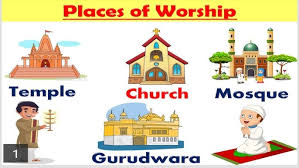
Islam mandates the protection and respect of non-Muslim places of worship, a principle established by the Prophet Muhammad and upheld by his successors through various covenants and historical precedents. This is rooted in the Islamic principle of freedom of faith and the Quranic verse (22:40) which speaks of the need to defend all places where God is mentioned.
Core Islamic Principles
- Freedom of Religion: The Quranic principle, “There is no compulsion in religion” (2:256), means non-Muslims are guaranteed the security to practice their religious rites within Muslim countries without coercion to abandon their faith.
- Protection as a Duty: It is a core duty for Muslims to protect all places of worship, including churches, synagogues, and temples. The early Muslim general Abu Bakr instructed his army commanders not to demolish any church or cloister.
- Covenants and Treaties: The Prophet Muhammad established covenants, such as the Charter of Medina and the Covenant with the Monks of Mount Sinai, which explicitly granted protection to non-Muslim communities and their properties, including religious sites.
- Prohibition of Aggression: Islamic teachings unequivocally condemn all forms of violence and aggression against non-Muslims and their places of worship. Violating the protection granted to a non-Muslim community is considered a severe transgression.
Historical Examples
- The Covenant of Umar: The second Caliph, Umar ibn Al-Khattab, granted the people of Jerusalem a famous covenant assuring safety for their lives, property, and churches. He notably refused to pray inside the Church of the Holy Sepulchre for fear that future Muslims would use his action as a pretext to seize the church and turn it into a mosque, thereby ensuring its preservation as a Christian site.
- Restoration of Churches: During the reign of Caliph Umar bin Abd al-Aziz, when a Christian community complained that the Umayyad ruler Walid b. Abd al-Malik had seized part of their church property to expand a mosque, the Caliph ordered the return of that portion to the Christians.
- Welfare and Assistance: Muslim rulers throughout history not only ensured the protection of existing non-Muslim places of worship but in some cases even authorized the construction or repair of new ones if needed, such as when ruler Abdul Aziz ibn Marwan authorized building a church in Helwan.
In summary, the fundamental Islamic perspective is one of tolerance and the active protection of non-Muslim places of worship, viewing them as sites where God’s name is mentioned and which must be defended.
၆/ အစ္စလာမ်ဘာသာက အခြားဘာသာဝင်တွေရဲ့ ဘုရားကျောင်းကန်တွေကို ဘယ်လိုသဘောထားပြီး စောင့်ရှောက်ဖို့ညွှန်ကြားပါသလဲ?
အခြေခံသဘောတရား
အစ္စလာမ်ဘာသာဟာ မွတ်စလင်မဟုတ်သူတွေရဲ့ ဘုရားဝတ်ပြုရာနေရာတွေကို ကာကွယ်စောင့် ရှောက်ဖို့နဲ့ လေးစားမှုကို တာဝန်တစ်ရပ်အဖြစ် ချမှတ်ထားပါတယ်။ အဲ့ဒီသဘောတရားဟာ တမန်တော်မုဟမ္မဒ်(ဆွ)က စတင်ဆုံးဖြတ်၍ အမိန့်ပေးခဲ့ပြီး၊ သူရဲ့ နောက်ဆက်တွဲ ခလီဖာတွေကလည်း သမိုင်းတလျှောက် သဘောတူစာချုပ်တွေနဲ့ လုပ်ရပ်တွေနဲ့ ဆက်လက်လိုက်နာခဲ့ကြပါတယ်။ အဲ့ဒီအချက်အလက်တွေရဲ့ အခြေခံမှာ ယုံကြည်ကိုးကွယ်မှု လွတ်လပ်ခွင့်ကို အလေးထားတဲ့ အစ္စလာမ်ရဲ့ အခြေခံ မူဝါဒနဲ့၊
“ဘုရားနာမည်ကို ခေါ်ဆိုတဲ့ နေရာအားလုံးကို ကာကွယ်ရမှာဖြစ်ပါတယ်” လို့ ဆိုထားတဲ့ ကုရ်အာန် အာယတ် (၂၂:၄၀) အပေါ် အခြေခံထားတာ ဖြစ်ပါတယ်။
အစ္စလာမ်ရဲ့ အဓိက အခြေခံမူဝါဒ
ဘာသာရေး လွတ်လပ်ခွင့်
ကုရ်အာန်မှာ “ဘာသာရေးအတွက် အတင်းအကျပ် မရှိ” (၂:၂၅၆) ဟု ဖော်ပြထားပြီး၊
မွတ်စလင်မဟုတ်တဲ့ ဘာသာခြားတွေအနေနဲ့ သူတို့ရဲ့ဘာသာရေးကို အတင်းအကျပ် ပြောင်းလဲစေဖို့ ဖိအားပေးရန်မလိုအပ်ဘဲ၊ မွတ်စလင်အုပ်ချုပ်မှုအောက်မှာ သူတို့တွေရဲ့ ဘာသာရေး အခမ်းအနား တွေကို လုံခြုံစွာ အေးချမ်းစွာ ဆောင်ရွက်နိုင်စေရမယ်လို့ အာမခံပေးထားပါတယ်။
ကာကွယ်စောင့်ရှောက်ရမဲ့ တာဝန်
ခရစ်ယာန်ဘုရားကျောင်းတွေ၊ ဂျူးဘုရားကျောင်း(ဆင်နာဂုတ်)တွေ၊ ဟိန္ဒူဘုရားကျောင်းတွေ အပါအဝင် ဘုရားဝတ်ပြု ရာနေရာ အားလုံးကို ကာကွယ်စောင့်ရှောက်ရမှာဟာ မွတ်စလင်တွေရဲ့ အဓိက တာဝန်တစ်ရပ် ဖြစ်ပါတယ်။ အစောပိုင်း မွတ်စလင် ခေါင်းဆောင် အဘူဘာကာ ဟာမိမိရဲ့ စစ်တပ် ခေါင်းဆောင်တွေကို ဘုရားကျောင်းတွေ၊ သီလရှင်နေထိုင်ရာ အဆောင်တွေကို မဖျက်ဆီးဖို့ တင်းကြပ်စွာ အမိန့်ပေးခဲ့ပါတယ်။
သဘောတူစာချုပ်တွေနဲ့ အကာအကွယ်ပေးမှုများ
တမန်တော် မုဟမ္မဒ် (ဆွ) ဟာ မက်ဒီနာစာချုပ်ဖြင့် စီနိုင်းတောင်ရှိ ဘုန်းတော်ကြီးတွေနဲ့ ချုပ်ဆိုခဲ့တဲ့ သဘောတူစာချုပ်ကဲ့သို့သော စာချုပ်တွေကို ချုပ်ဆိုခဲ့ပြီး၊ မွတ်စလင်မဟုတ်သူ အသိုင်းအဝိုင်းတွေနဲ့ သူတို့ရဲ့ ပိုင်ဆိုင်မှုတွေ၊ ဘုရားဝတ်ပြုရာနေရာတွေကို အကာအကွယ်ပေးဖို့ တိတိကျကျ ဖော်ပြထားပါတယ်။
အကြမ်းဖက်မှုကို တားမြစ်ခြင်း
အစ္စလာမ်ဟာ မွတ်စလင်မဟုတ်သူ ဘာသာခြားတွေနဲ့ သူတိုရဲ့ ဘုရားဝတ်ပြုရာ နေရာတွေအပေါ် အကြမ်းဖက်မှု၊ ရန်လိုမှု အားလုံးကို ပြတ်ပြတ်သားသား ရှုတ်ချတားမြစ်ထားပါတယ်။ မွတ်စလင်မဟုတ်သူ အသိုင်းအဝိုင်းတစ်ခုကို ပေးထားတဲ့ အကာအကွယ်ဂတိကို ချိုးဖောက်တာဟာ အလွန်လေးနက်တဲ့ ပြစ်မှုတစ်ရပ်အဖြစ် သတ်မှတ်ထားပါတယ်။
သမိုင်းဝင် ဥပမာများ
မွတ်စလင် ခေါင်းဆောင် အွမ်မာ ရဲ့ သဘောတူစာချုပ်
ဒုတိယ ခါလီဖာ အွမ်မာ ဘင် အလ်ခတ္တားဘ် (Umar ibn al-Khattab) ဟာ ဂျေရုဆလင်မြို့သား တွေကို သူတို့ရဲ့ အသက်အန္တရာယ်ကင်းရှင်းရေး၊ ပိုင်ဆိုင်မှုတွေမထိပါး မဆုံးရှုံးရေးနဲ့ ခရစ်ယာန် ဘုရားကျောင်းတွေကို အကာအကွယ်ပေးမယ်လို့ အာမခံတဲ့ သမိုင်းဝင် သဘောတူစာချုပ်တစ်ရပ်ကို ချုပ်ဆိုပေးအပ်ခဲ့ပါတယ်။ သူဟာ နောင် အခါ မွတ်စလင်က သူ့လုပ်ရပ်ကိုအကြောင်းပြချက်အဖြစ် အသုံးချပြီး ဘုရားကျောင်းကို မွတ်စလင်ဗလီ အနေနဲ့ ပြောင်းလဲမှာကို စိုးရိမ်ပြီး Holy Sepulchre ဘုရားကျောင်းအတွင်းမှာ ဝပ်ပြုဆုတောင်းရန် ခရစ်ယာန်တွေကခွင့်ပြုကမ်းလှမ်းတာကိုပင် ငြင်း ပယ်ခဲ့ပြီး၊ အဲဒီ ချချ်ဘုရားကျောင်းကို ခရစ်ယာန်တွေရဲ့ ဘုရားဝတ်ပြုရာနေရာအဖြစ် ထိန်းသိမ်း ထားနိုင်ဖို့ ကူညီခဲ့ပါတယ်။
ဘုရားကျောင်းတွေကို ပြန်လည်ပေးအပ်ခြင်း
ခါလီဖာ အွမ်မာ ဘင် အဘဒူ အလ်-အဇစ် အုပ်ချုပ်စဉ်ကာလမှာ၊ အရင် အုမေယာဒ်မင်း ဝါလစ် ဘင် အဘဒူ အလ်-မာလစ် က ဗလီချဲ့ထွင်ဖို့ ခရစ်ယာန် ဘုရားကျောင်းရဲ့ အစိတ်အပိုင်း တစ်ခုကို သိမ်းယူခဲ့တယ်လို့ ခရစ်ယာန်အသိုင်းအဝိုင်းက တိုင်ကြားလာရာ၊ ခါလီဖာဟာ အဲဒီအစိတ် အပိုင်းကို ခရစ်ယာန်တွေထံ ပြန်လည်ပေးအပ်ဖို့ အမိန့်ပေးခဲ့ပါတယ်။
စောင့်ရှောက်မှုနဲ့ အကူအညီပေးခြင်း
သမိုင်းတလျှောက် မွတ်စလင်အုပ်ချုပ်သူတွေဟာ မွတ်စလင် မဟုတ်သူ ဘာသာခြားတွေရဲ့ ရှိပြီးသား ဘုရားဝတ်ပြုရာ နေရာတွေကို ကာကွယ်စောင့်ရှောက်ရုံသာမက၊ လိုအပ်တဲ့အခါ အသစ်ဆောက် လုပ်တာ ဒါမှ မဟုတ် ပြုပြင်မွမ်းမံတာကိုပါ ခွင့်ပြုခဲ့ကြပါတယ်။ ဥပမာအားဖြင့် အုပ်ချုပ်သူ အဘဒူ အဇစ် အဘ်နေ့ မာရဝမ် သည် ဟဲလ်ဝမ်းမှာ ခရစ်ယာန် ဘုရားကျောင်း ဆောက်လုပ်ဖို့ ခွင့်ပြုခဲ့ပါတယ်။
အနှစ်ချုပ်
အစ္စလာမ်ရဲ့ အခြေခံသဘောထားမှာ မွတ်စလင်မဟုတ်သူတွေရဲ့ ဘုရားဝတ်ပြုရာနေရာများကို သည်းခံ လေးစားခြင်းနဲ့ တက်ကြွစွာ ကာကွယ်စောင့်ရှောက်ခြင်းလုပ်ခဲ့ပြီး၊ အဲ့ဒီနေရာတွေကို ဘုရားနာမည်ကို ခေါ် ဆိုတဲ့သန့်ရှင်းတဲ့ နေရာတွေအဖြစ် သတ်မှတ်ကာ ကာကွယ်ရမဲ့ တာဝန်ရှိတယ်လို့ ထင်မြင် သတ်မှတ် ခံယူထားခြင်း ဖြစ်ပါတယ်။