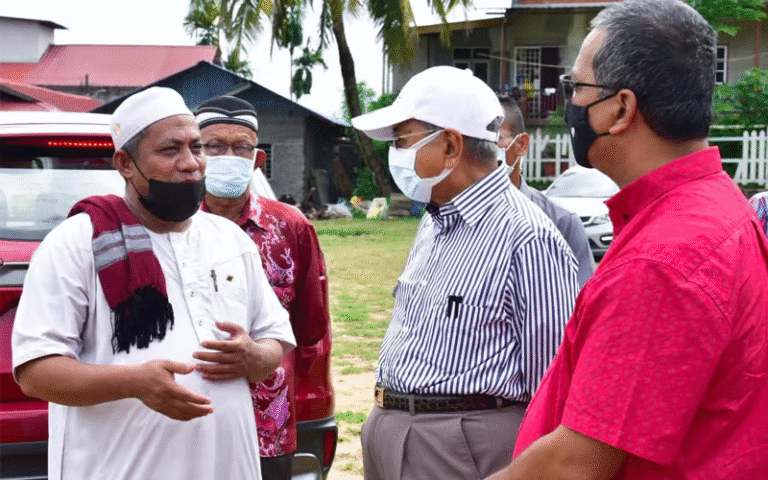
Dr Ko Ko Gyi @ Abdul Rahman Zafrudin
Procrastination Is the Thief of Time—for Me
At 76, I find myself in the twilight of life. The Asr prayer has passed, and I now await the Maghrib sunset—not just in the literal sense, but as a metaphor for the final chapter of my earthly journey. I do not say this with sadness, but with calm acceptance and quiet pride. For I have lived a life where procrastination was never welcome. Time, to me, was sacred—never to be squandered, always to be honored.
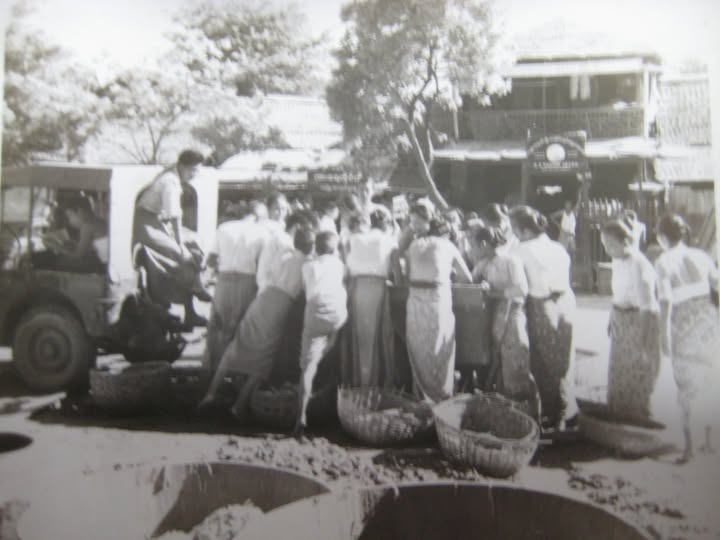
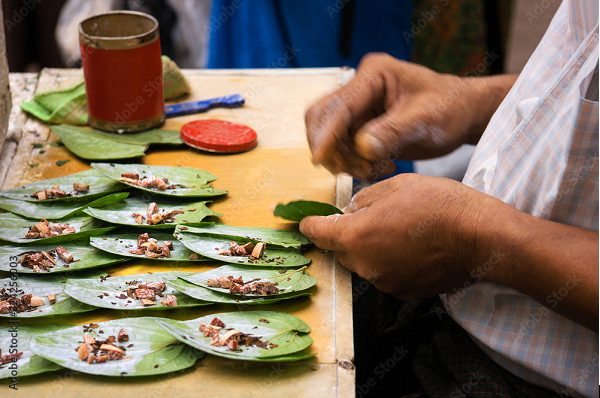
From my earliest days, I learned to make use of every moment. I read my notes while jogging, while waiting in line for cinema tickets (which I watched only once every few months), while the rice cooled, even in the toilet. I studied while helping my parents in their home industries—my father, a contractor for Burma Canning Factory, the army, hospitals, and jails; my mother, the owner of a small betel nut ingredient factory and making joss sticks. Amidst the bustle of their work, I kept my textbooks close, squeezing in study time wherever I could.


My academic discipline was rigorous. I began revising for final exams four months in advance, reading every prescribed textbook from cover to cover. It wasn’t easy—my memory was never strong, so I had to reread passages to grasp not just their meaning, but their deeper implications. I asked myself: Why does this matter? What is the effect, related of the new facts I read, from the basic Embryology, Anatomy, Physiology, Pathology etc? I had t read between the lines, compared and contrasted, and sought understanding beyond memorization as my memory is not very good. Two months before exams, I shifted to notes. In the final month, I studied with friends, focusing only on the most important topics.
Even after exams, I didn’t rest. On the very last day, I would search for textbooks and notes to prepare for the next academic year. Summer holidays were never idle—I began reading the upcoming year’s material, bit by bit.
Physical discipline was also part of my rhythm. At LYC (Luyechun Outstanding Standing Programme), I practiced push-ups, diving, tennis, rudimentary weightlifting with springs and machines at home, swimming, jogging, and bicycling. Before moving to Malaysia, I searched diligently for Malay language books and even a video tape of Malay songs to prepare myself linguistically and culturally.
As a doctor, I worked tirelessly—often holding two jobs or working in two places daily. My schedule was 12 hours a day, seven days a week, with only two days off per year for Eid. If there were no patients, I turned to activism. I wrote prolifically: over 300 posts for Burma Digest, more than 600 for MMNN (Myanmar Muslim News Network), and around 25,000 across my three personal blogs—Sann Oo Aung, Dr Ko Ko Gyi, and Dr Abdul Rahman. I contributed over 50 articles to Wikipedia on Islam in Myanmar and edited another 30. One article on the persecution of Muslims in Myanmar garnered over a million views. I created 346 YouTube videos and wrote for Asiaweek, FEER, and other journals and newspapers.
My activism extended to Facebook and its pages—Kingswood High School Kalaw, No 9 BEHS St. Peters High School Mandalay, Klinik Ng Dan Lee Wangsa Maju Branch, Outstanding Muslims from Myanmar, and MMNN FB. I used every platform available to amplify truth, justice, and identity.
In Islam, procrastination is not permitted. Prayer times, fasting, and religious obligations must be fulfilled promptly. I have always adhered to this principle. Time is not ours to waste—it is a trust from Allah.
I am reminded of Leo Tolstoy’s story about the three questions:
- What is the most important time? Now.
- Who is the most important person? The one you are with.
- What is the most important action? To do good.
These questions have guided me. The present moment is all we truly have. The person before us deserves our full attention. And goodness—whether through healing, writing, or helping—is our highest calling.
So yes, procrastination is the thief of time. But I have kept my doors locked against it. I have lived with urgency, with purpose, and with faith. And now, as the sun prepares to set, I sit not in regret, but in gratitude.