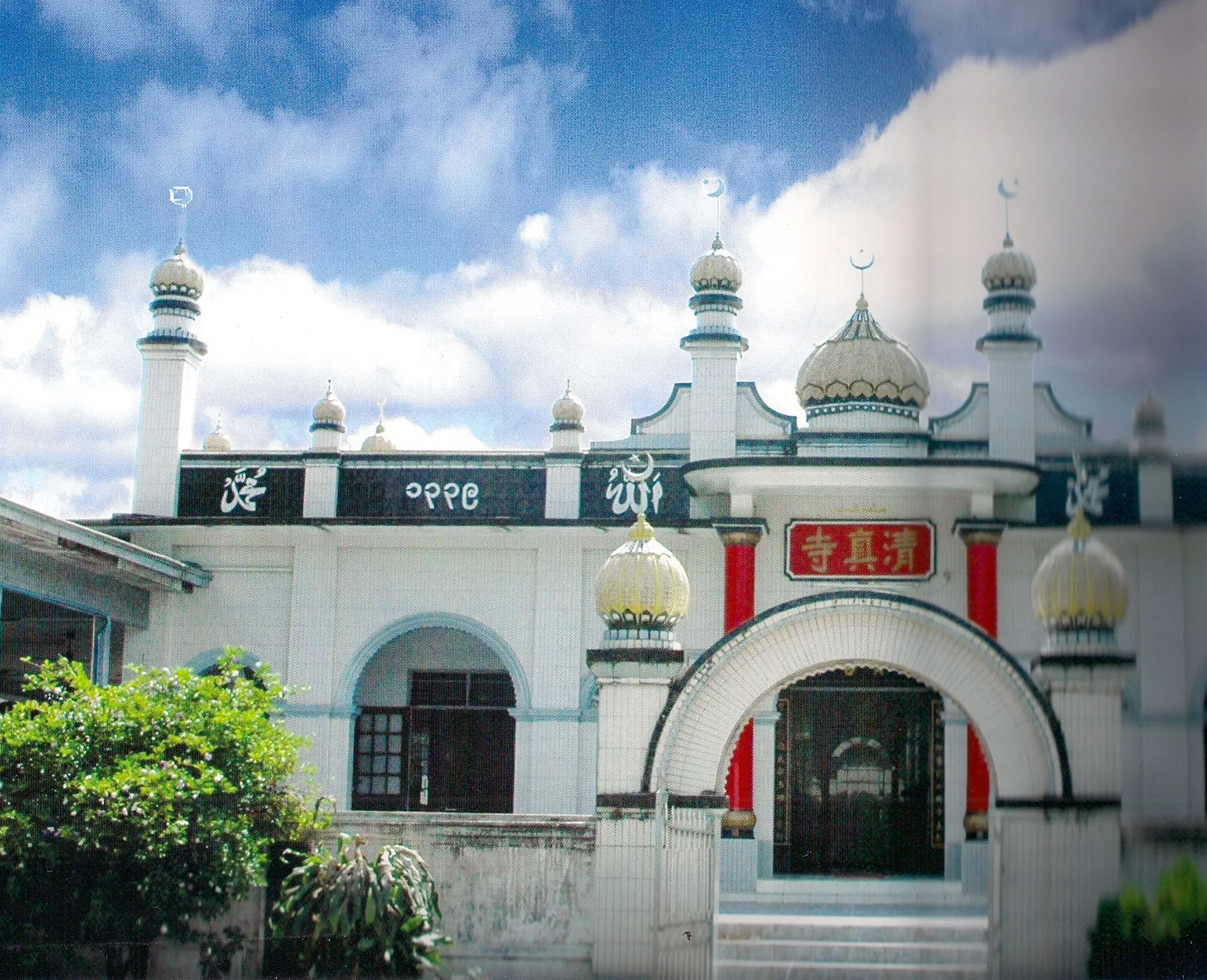
Myanmar Chinese Muslim Masjids
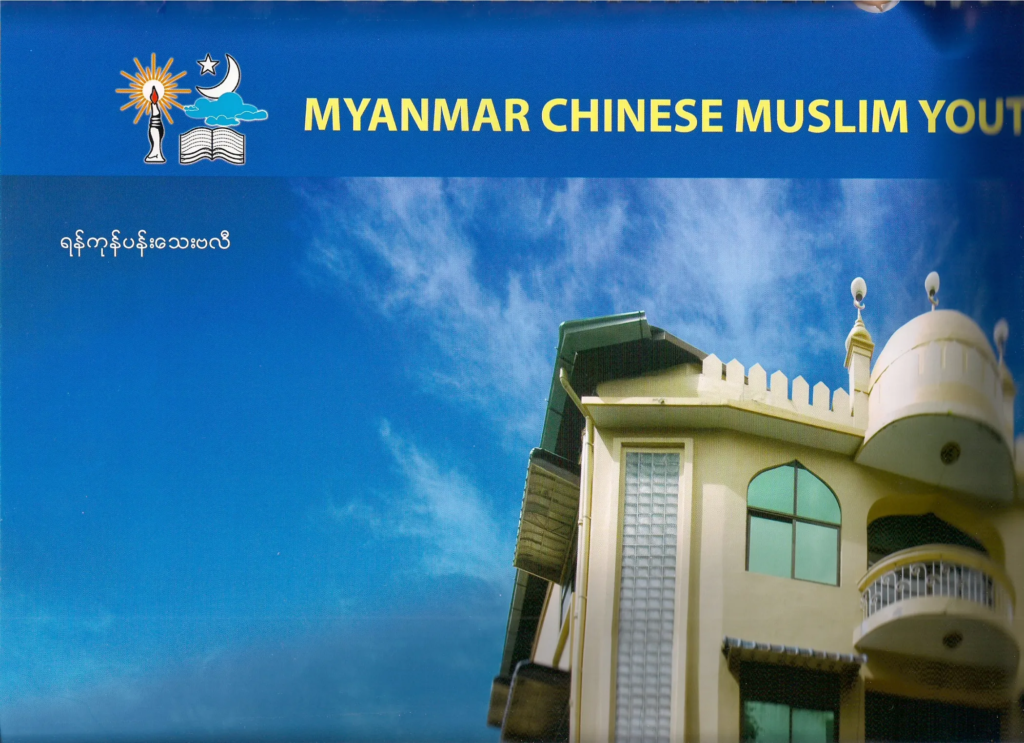
Scanned pictures of Masjids from the calender of the Myanmar Chinese Muslim Youth Association (Yangon)
- Panthay Masjid in Tantlyan? Tantyang?
- Panthay Masjid in Kyinetung, Eastern Shan State
- Panthay Masjid in Mogyoke, Ruby land.
- Panthay Masjid in Tachileik, Eastern Shan State
- Panthay Masjid in Myitkyina, Kachin State
- Panthay Masjid in Taunggyi, Southern Shan State
- Interior of the Panthay Masjid in Mandalay
- Panthay Masjid in Mandalay
- Interior of the Yangon Panthay Masjid
- Panthay Masjid in Yangon
- Panthay Masjid in Yangon
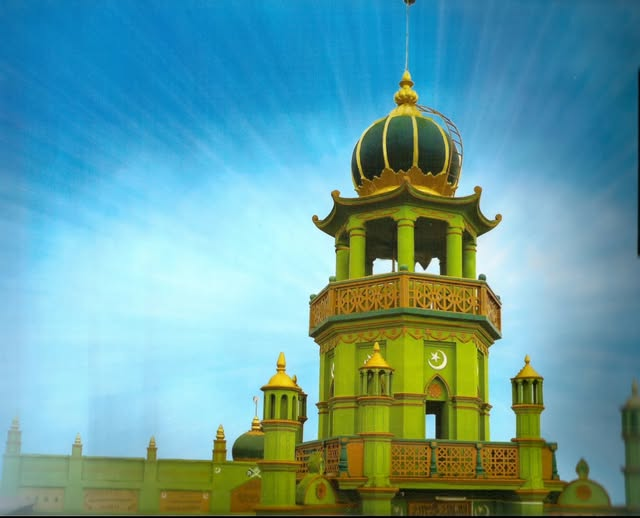
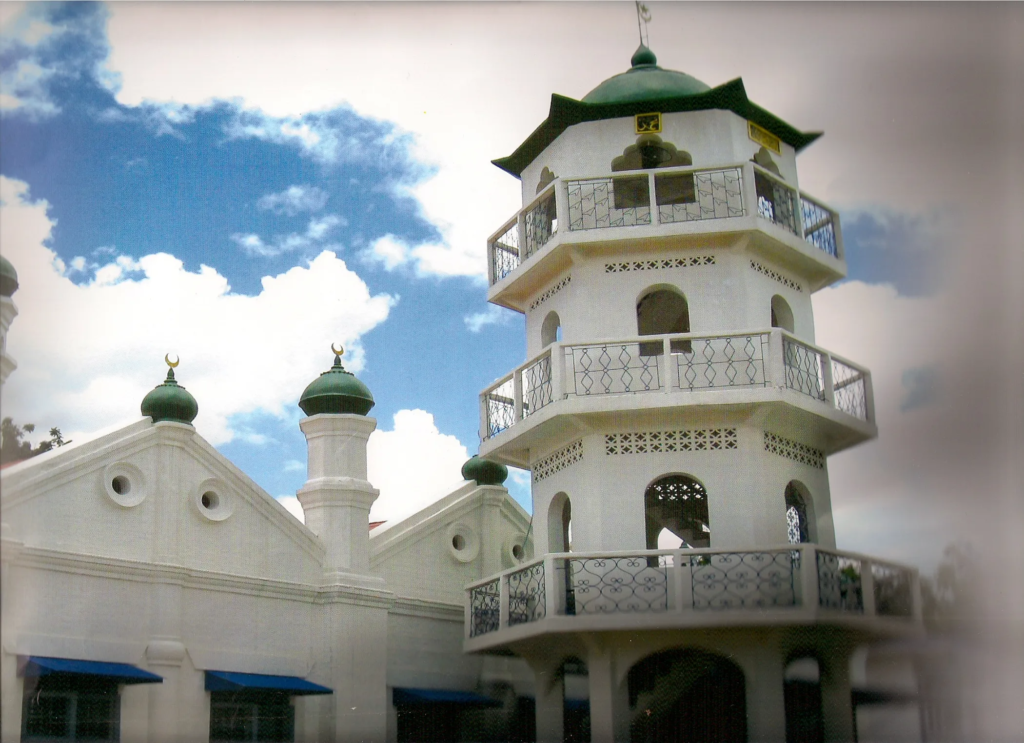
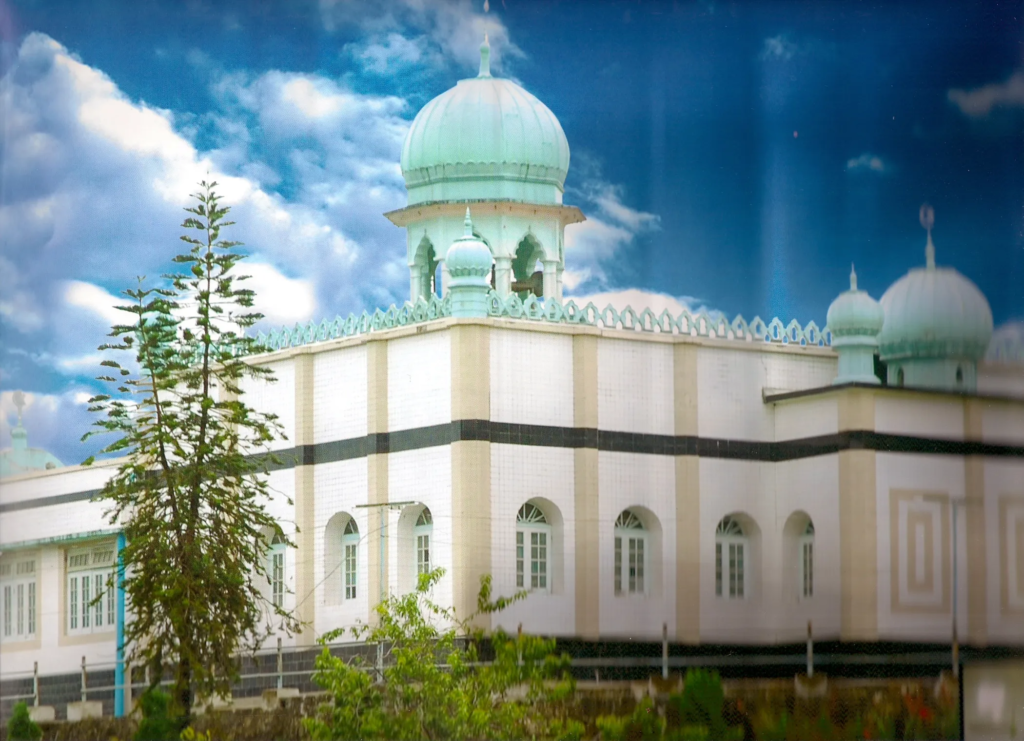
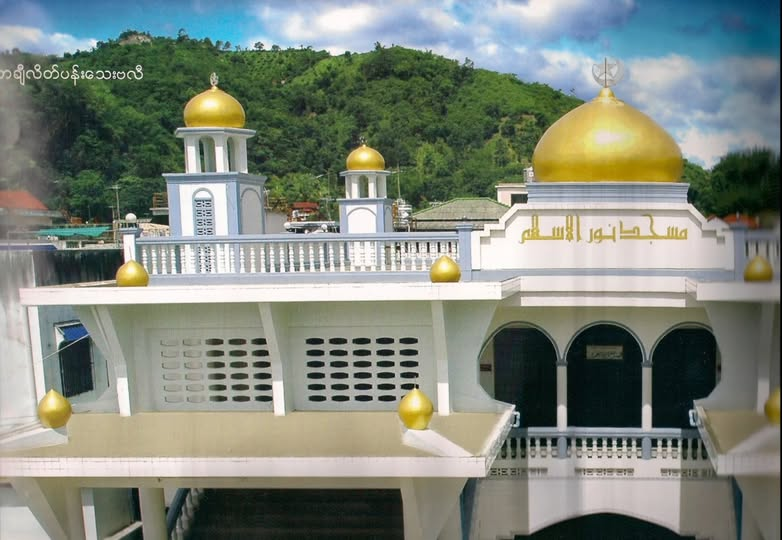
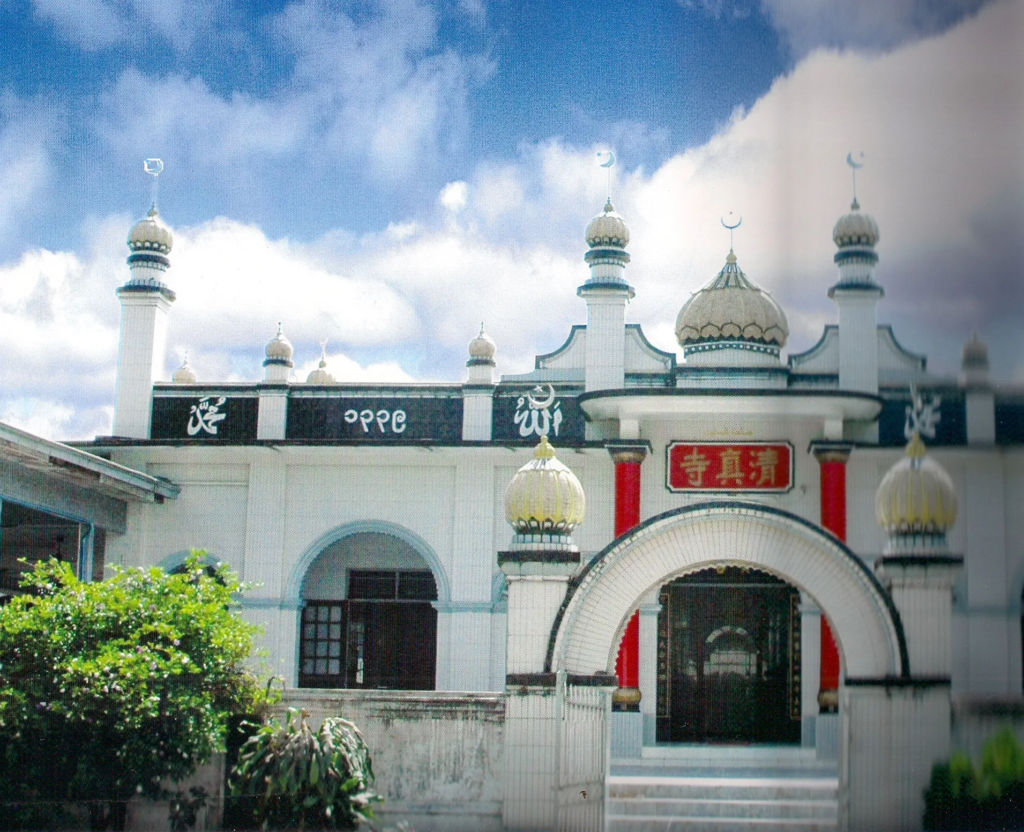
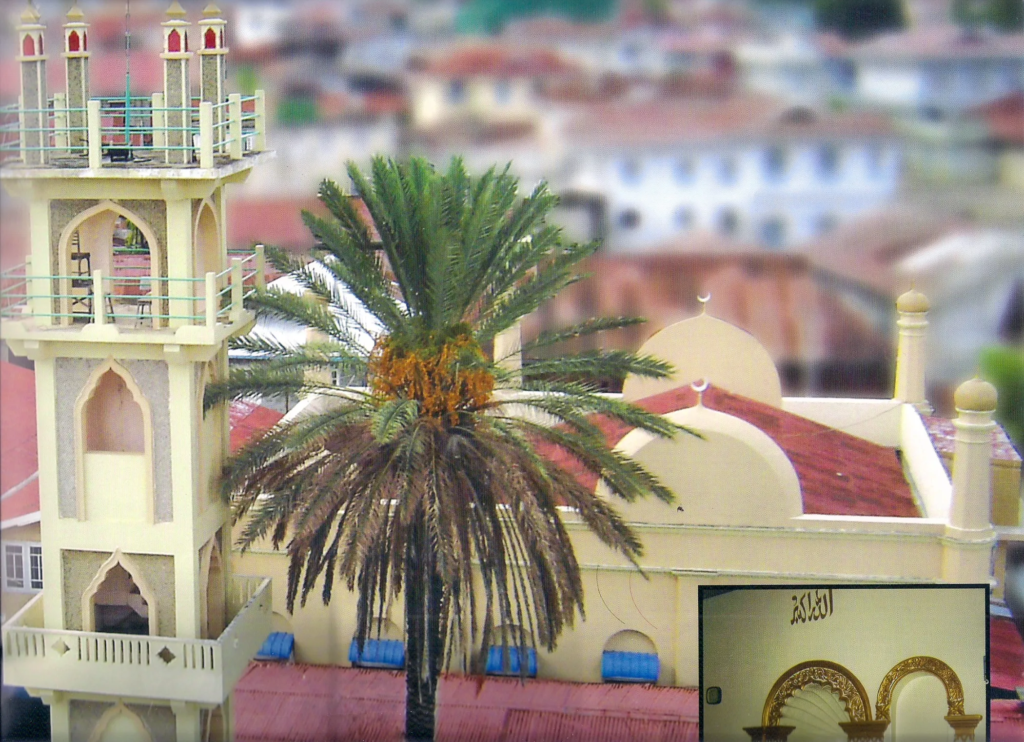
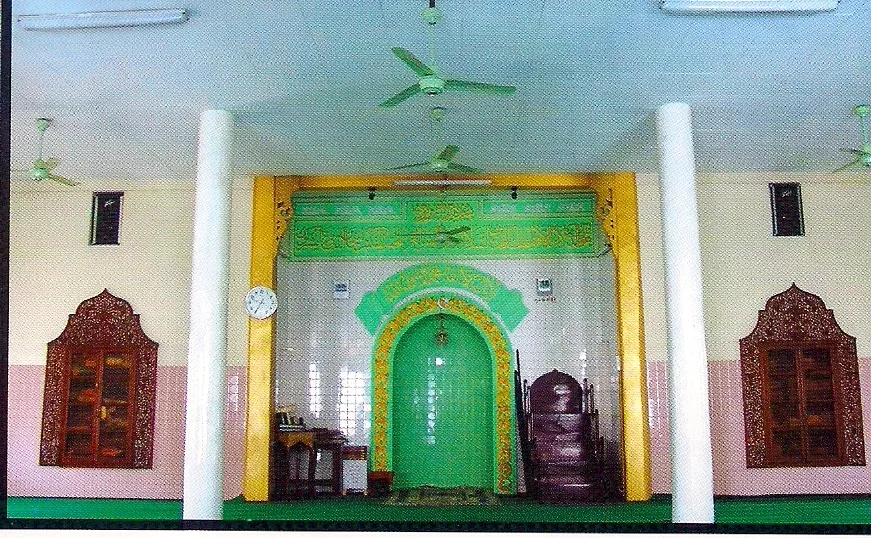
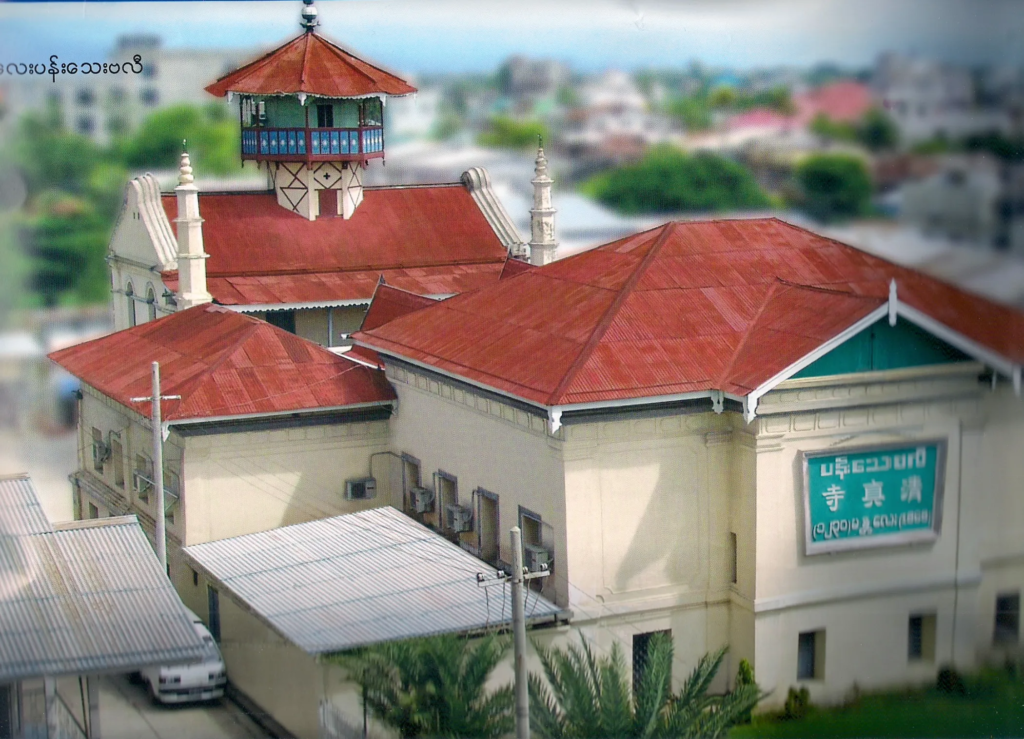
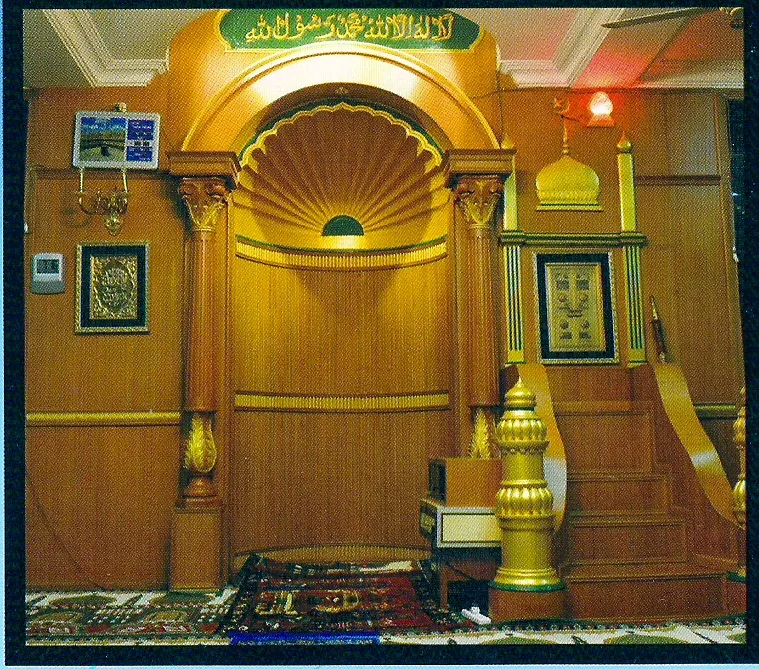
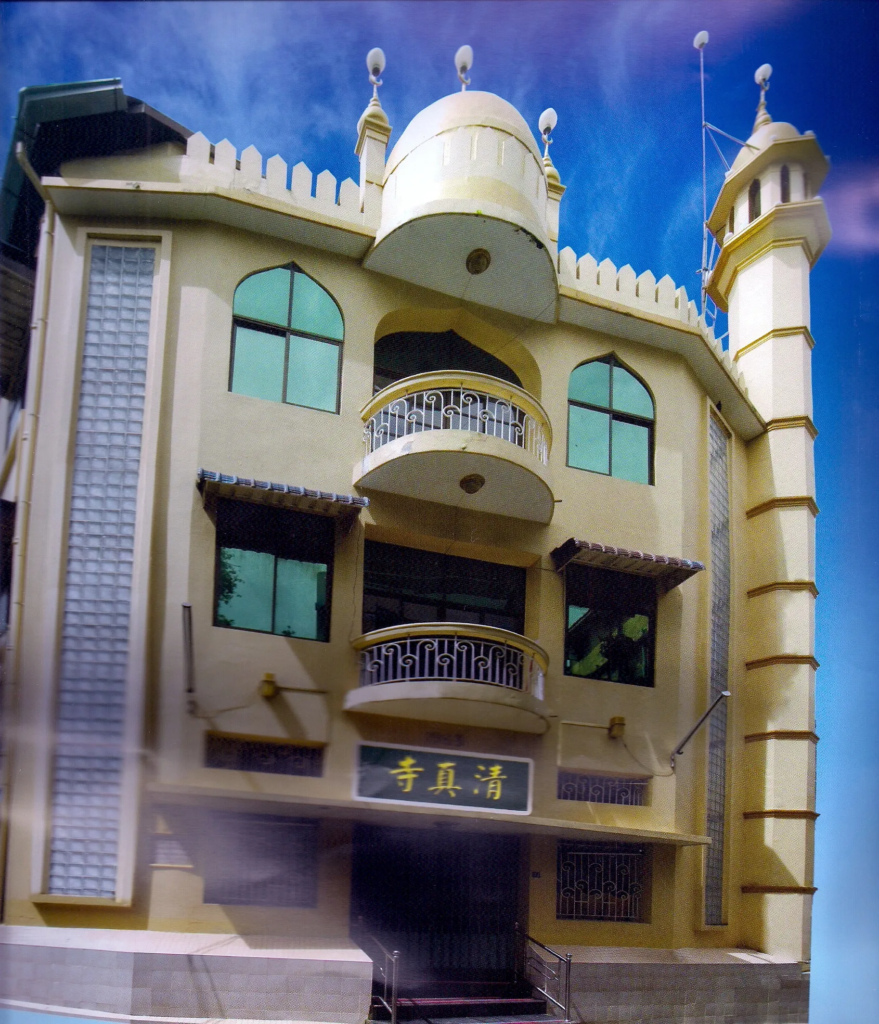
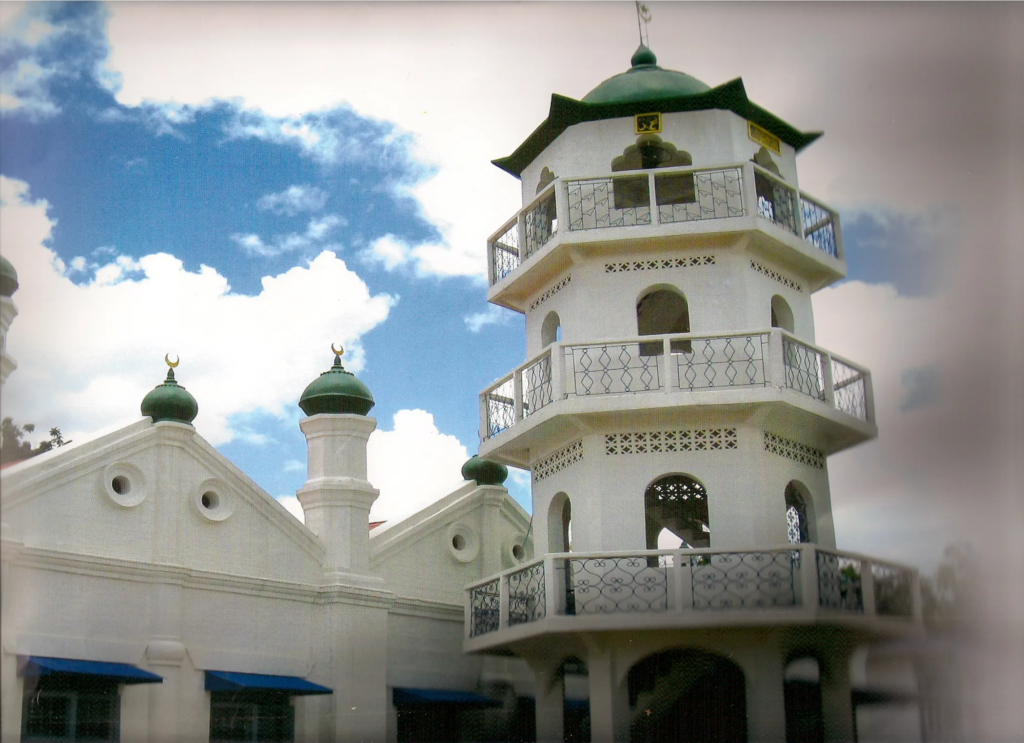
100 year anniversary of Myanmar Chinese Muslim’s “PANTHAY Masjid” in Mogyoke

100 year anniversary of Myanmar Chinese Muslim‘s “PANTHAY Masjid” in Mogok would be held on March 28 2011
Myanmar Chinese Muslims have their own masjids in Mandalay since 1850+ and in Mogok later. So it is already 100-150 years old now. They R the original Muslims from Hui. Here in Malaysia, Chinese Muslims R converted from Han. One great con…vert HAN Chinese Muslim Religious leader (Ustaz from PERKIM, Malaysia) once wrote that he and the Malaysian Chinese Muslims R superior than ORIGINAL Chinese Muslims from China because they are HANS but not Huis!
May be he forgot or NEVER UNDERSTAND the Farewell Sermon (Arabic: خطبة الوداع, Khuṭbatu l-Wadā), also known as the Prophet’s Final Sermon or The Last Sermon, was delivered by Muhammad on 9 Dhu al-Hijjah, 10 AH (632) in the Uranah valley of Mount Arafat (in Mecca, seventy-two days before his death, at the end of his final pilgrimage.
O People, lend me an attentive ear, for I know not whether after this year, I shall ever be amongst you again. Therefore listen to what I am saying to you very carefully and take these words to those who could not be present today…………….
“All mankind is from Adam and Hawwāʾ, an Arab has no superiority over a non-Arab nor a non-Arab has any superiority over an Arab; also a white has no superiority over black nor a black has any superiority over white except by piety and good action. Learn that every Muslim is a brother to every Muslim and that the Muslims constitute one brotherhood.”
Remember, one day you will appear before Allah and answer your deeds. So beware, do not stray from the path of righteousness after I am gone.
All those who listen to me shall pass on my words to others and those to others again; and may the …last ones understand my words better than those who listen to me directly. Be my witness, O Allah, that I have conveyed your message to your people”.
After all Myanmar Chinese Muslimis known as PANTHAYS who are ORIGINAL HUI Muslims have 100 to 150 years old masjids, and those convert Han Muslims in Malaysia are still in the planning stage of building their own masjids. I am not sure whether they had already got the approval from the authorities.
Panthays (Sourced from Wikipedia) form a group of Chinese Muslims in Burma. Some people refer to Panthays as the oldest group of Chinese Muslims in Burma. However, because of intermixing and cultural diffusion the Panthays but they are still a distinct ethnic group as they once were.
Panthay is a term used to refer to the predominantly Muslim Hui people of China who migrated to Burma. They are among the largest groups of Burmese Chinese, and predominantly reside in the northern regions of Burma (formerly known as Upper Burma), particularly in the Tangyan-Maymyo-Mandalay–Taunggyi area and Shan States.
The name Panthay is a Burmese word, which is said to be identical with the Shan word Pang hse.[1] It was the name by which the Burmese called the Chinese Muslims who came with caravans to Burma from the Chinese province of Yunnan. The name was not used or known in Yunnan itself.[2][3] The Chinese muslims of Yunnan call themselves HuiHui or Huizi, never Panthay.[4]
Several theories have been suggested as to its derivation, but none of them is strong enough to refute the others. The Burmese word Pathi is a corruption of Persian. The Burmese of Old Burma called their own indigenous Muslims Pathi. It was applied to all Muslims other than the Chinese Muslims. The name Panthay is still applied exclusively to the Chinese Muslims. However Chinese Muslims in Yunnan did not call themselves Panthay. They called themselves Huizu (回族), meaning Muslim in Chinese. Non-Muslim Chinese and Westerners refer to them as Huihui (回回).
Insofar as can be ascertained, the application of the term “Panthay” to Yunnanese Muslims (and, subsequently, to Burmese Muslims of Yunnanese origin) dates from about this time; certainly it was widely employed by British travelers and diplomats in the region from about 1875, and seems to have arisen as a corruption of the Burmese word pa-the meaning simply “Muslim”. A considerable body of literature exists surrounding the etymology of this term, but the definitive notice (which remains, as yet, unpublished). Indicated that it was introduced by Sladen at the time of his 1868 expedition to Teng-yueh, and that it represents an anglicised and shortened version of the Burmese tarup pase, or “Chinese Muslim”.
In fact, the term “Panthay” was never employed by the Yunnanese Muslims (whether of China or of Burma) who prefer simply to call themselves Hui-min or Hui-hui; nor did it, apparently, enjoy widespread usage amongst the Burmans, Shan, Karen or other Burmese peoples. Be that as it may, however – and according to some the designation is virtually unused within Burma today. whereas a lot would agree that it is still widely used both in Rangoon, Mandalay and in between towns; Pan-thay koch-sware or the pathay version of noodles [which used halal chicken] is still a much sought after breakfast, economy and yummy- the term “Panthay” achieved widespread usage during the period of British rule, and remains the name by which Burma’s Chinese Muslim community has generally been distinguished in English language sources to the present day.
The origin of Panthay as documented in a book named “Panthay History” written by Ming Kuan-Shih (明光熙) while he was alive in Maymyo as: the families of some loyal lieutenants led by Mah Lin-Gi(馬靈驥) of the reputable late Hui General Du Wenxiu (杜文秀; pinyin: Dù Wénxiù) (1823–1872), who led those perilous fights against the Qing Empire jointly with its Christian ally Taipin-Tienkuo failed, and to escape from massacre by the Qing Empire, they had no choice but had to flee to Burma for refuge.
Settled down in Wa region at Northern Shan State, Ma Lin-Gi divorced with his wife of surname Yuan and married a widow of surname Ting. They later had two sons, the elder named Mah Mei-Ting (馬美廷) born in 1878 and the second son named Mah Shen-Ting (馬陞廷) born in 1879 respectively. The elder son later became the leader of the Panthay community there he accomplished in making Panthay prosperous and secured; and the second son, a gentlemen with reputable skills was a handsome man of high dignity. Their later generations further resettled in Burma’s Tangyan, Lashio, Maymyo, Mandalay, Rangoon etc. and many of them immigrated to US, Australia and Taiwan and so on documented up to the current status. Among them, doctors and engineers are plenty and some of them even holding master or Ph.D degrees as well. One thing is certain, no matter where these people go for settling down, they share the common value of being peaceful, hardworking, law-abiding, honest and eco-friendly citizens of the global village.
Mogok Ruby land, where my wife’s relatives Panthay or Chinese Muslims are staying
Mogok Ruby land, where my wife’s relatives Panthay or Chinese Muslims stay
- Panthays form a group of Chinese Muslims in Burma. Some people refer to Panthays as the oldest group of Chinese Muslims in Burma. However, because of intermixing and cultural diffusion the Panthays are not as distinct a group as they once were. Read more in Wikipedia
- Mogok (Burmese: မိုးကုတ်, pronounced: [móɡoʊʔ]; Shan: မိူင်းၵုတ်ႈ) is a city in the Pyin Oo Lwin District of the Mandalay Region of Burma (Myanmar), located 200 km north of Mandalay and 148 km northeast of Shwebo. Read more in Wikipedia
- Minerals of Mogok in Wikipedia


Panthay, Pashu, Pathi, Myae Doo and Rohingya
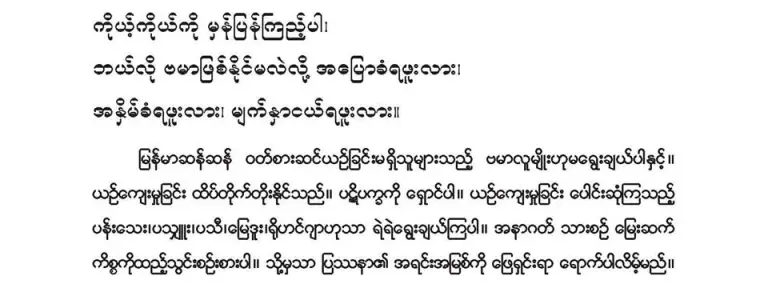
ကိုယ့်ကိုယ်ကို မှန်ပြန်ကြည့်ပါ။
Yes! Panthay, Pashu, Pathi, Myae Doo and Rohingya…
This is the way to go.
Not only Myanmar Gov but the Professionals around the world do not accept the race name: Myanmar Muslims.
But we could still refer our selves (UNOFFICIALLY) as Muslims of Myanmar (Myanmar citizens) and even those renounced Myanmar citizen could still refer as Muslims from Myanmar.