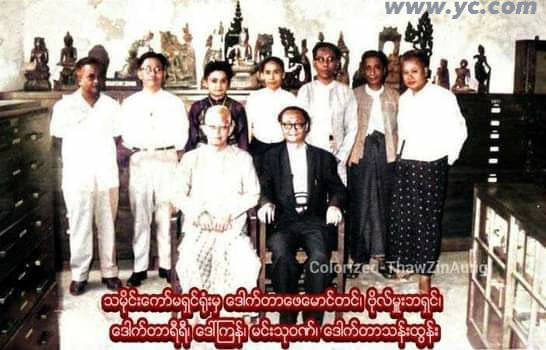
About Dr. Yi Yi, a Myanmar Woman Historian with a PhD — a Kaman Muslim Lady Who Played a Key Role in Repatriating Royal Court Regalia Taken by the British Back to Myanmar
Dr. Yi Yi, who passed away in 1984, would have been 90 years old today had she still been alive. A Kaman woman originally from Thandwe, Dr. Ri Ri devoted her life to the study of ancient Myanmar history and epigraphy, producing numerous research papers and scholarly works based on historical records and inscriptions.
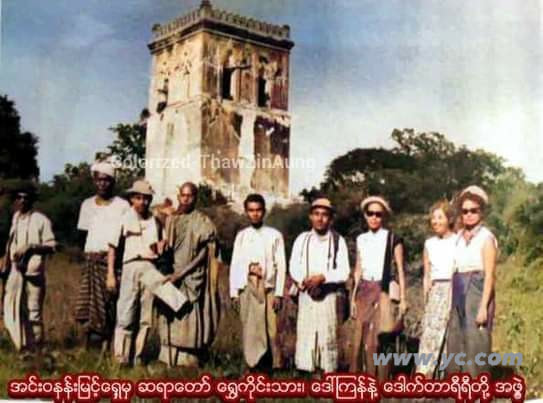
She and Daw Kyan were known in the History Department as “a pair of inseparable scholars.” Although they came from the same town but differed in ethnicity and religion, they were exceptionally close and intellectually harmonious female academics. Daw Kyan once remarked that when Dr. Ri Ri passed away, it felt as though she had lost one of her own arms.
Dr. Yi Yi was among the earliest Myanmar women to obtain a doctoral degree. After Ma Sawng (a Chinese-Myanmar scholar) earned a PhD in History from the University of London, Dr. Ri Ri became the second Myanmar woman historian to receive a PhD in 1958.
Notably, her doctoral dissertation was not on Myanmar history, but on trade in the South China Sea, a distinctive and uncommon research focus. In 1959, she returned to London together with Daw Kyan to collect historical materials related to Myanmar.
While in London, she also made efforts to have the “Myanmar Royal Court Regalia” she encountered at the Victoria and Albert Museum sent back to Yangon.
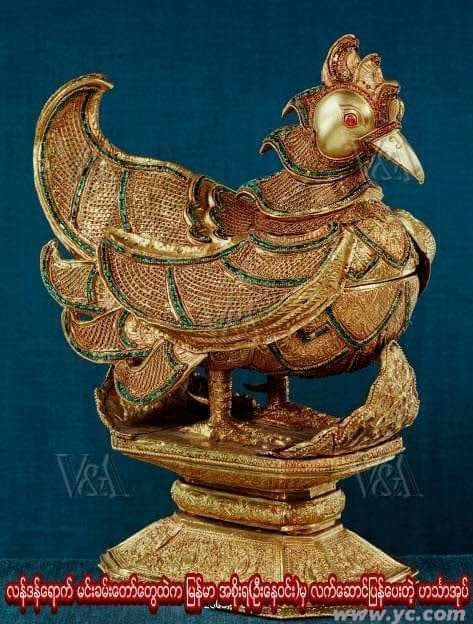
These royal court items included betel boxes, betel trays, spittoons, salvers, goblets, golden bowls, containers, cups, vessels, peacock insignia, ceremonial fans, trays, flower baskets, footrests, footwear, yak-tail fans, swords, staffs, walking sticks, armrests, and other royal accessories that accompanied the king wherever he went. These objects were lavishly decorated with gold and precious gems, and there were up to 35 distinct categories, arranged symmetrically on both the left and right sides of the throne.
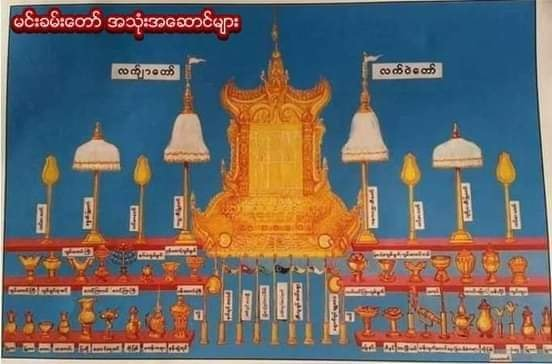
Based on Dr. Yi Yi ’s recommendations, the Chairman of the Revolutionary Council, General Ne Win, formally requested the British government to return these royal regalia. As a result, in 1964, the items were successfully repatriated and displayed at the National Museum of Myanmar.
Upon her return to Myanmar, Dr. Yi Yi joined the newly established Historical Commission, where she served as a research officer specializing in the Konbaung period. She produced numerous research papers and books grounded in original records and documentary evidence on the political, social, and administrative conditions of Konbaung-era Myanmar.
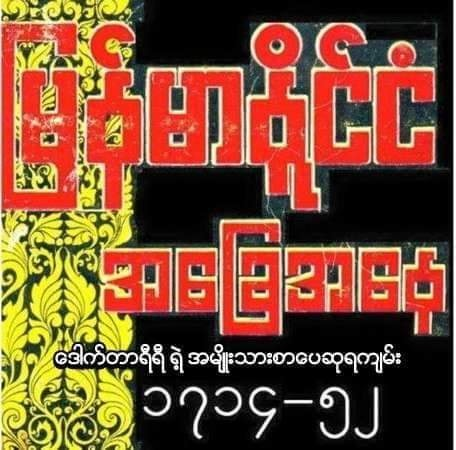
Her book “The Condition of Myanmar (1714–1752)” won the National Literary Award in 1975. This work meticulously documented the final years of the Nyaungyan period before the collapse of the state, drawing on rare primary sources. It stands as a pioneering example among historical works authored by Myanmar women scholars such as Daw Kyan and Daw Ni Ni Myint.
In the book, Dr. Yi Yi vividly described how poor governance by Nyaungyan kings led to food and water shortages, resulting in widespread famine among the population. The work also served as an indirect warning, foreshadowing the rice shortages and near-famine conditions Myanmar experienced in 1967 under socialist policies.
Her scholarly rigor is also evident in the book “Rural Administration and Life in Konbaung Myanmar,” published under the Myanmar Historical Research series. This volume was co-produced in 1979 with American scholars Professor William Traeger and William Koenig of New York University, incorporating Dr. Ri Ri’s survey data and research contributions.
Dr. Yi Yi and Daw Kyan also collaborated on a major study of bronze tiles from the Shwedagon Pagoda, analyzing offerings donated by people from across Myanmar over more than 100 years. These tiles, dating back to 1869, were donated during renovation works and provided insights into donors’ names, livelihoods, and social life.
When approximately 6,000 bronze tiles were uncovered during restoration works in 1976, the two women scholars conducted systematic research and authored a comprehensive study. Although Dr. Yi Yi had passed away, the book was finally published in 2007, more than 20 years after her death.
Dr. Yi Yi ’s research lexicon notes compiled in 1974 later formed the foundation for U Thein Hlaing’s Dictionary of Classical Myanmar Historical Research, which was published in 2011.
After Dr. Yi Yi ’s passing, more women scholars continued to emerge in the field of classical Myanmar history. However, scholars with her level of dedication, perseverance, and analytical rigor remain greatly needed in Myanmar.
Even today, scholars and students continue to rely on the Myanmar–English calendars and the Millennium Calendar jointly compiled by Dr. Yi Yi and Dr. Than Tun to convert between the Myanmar Era and the Gregorian calendar.
Win Hlaing Oo Old Burma ရှေးရှေးတုန်းကဗမာပြည်
သမိုင်း ပါရဂူဘွဲ့ရ မြန်မာအမျိုးသမီး ဒေါက်တာ ရီရီ (သို့) ဗြိတိသျှတို့ယူသွားတဲ့ နန်းတွင်းမှ ဘုရင့်အသုံးအဆောင်တွေကို မြန်မာနိုင်ငံသို့ ပြန်လည် ယူဆောင်နိုင်ရန် စွမ်းဆောင်ခဲ့သောမြန်မာပြည်ဖွား ဘာသာခြား အမျိုးသမီးတစ်ဦး အကြောင်း
၁၉၈၄ ခုနှစ်က ကွယ်လွန်ခဲ့တဲ့ ဒေါက်တာရီရီ အခုချိန် ရှိသေးရင် အသက် ၉ဝ ပြည့်ပါပြီ။ သံတွဲဇာတိ ကမန် အမျိုးသမီးဖြစ်သူ ဒေါက်တာ ရီရီဟာ မြန်မာပြည်ရဲ့ ခေတ်ဟောင်းသမိုင်းနဲ့ ကျောက်စာ စစ်တမ်းတွေကို လေ့လာပြီး စာတမ်းနဲ့ ကျမ်းတွေ ပြုစုသွားခဲ့ပါတယ်။
သူနဲ့ ဒေါ်ကြန်ကို “ပညာရှင်တရှဉ်း”လို့ သမိုင်းဌာနမှာ သိခဲ့ကြပါတယ်။ သူတို့နှစ်ယောက်ဟာ တစ်မြို့ထဲမှလာ ပြီး လူမျိုးနဲ့ ဘာသာ မတူပေမယ့် အင်မတန်အတွဲညီတဲ့ ပညာရှင်အမျိုးသမီးတွေ ဖြစ်ပါတယ်။
ဒါကြောင့် ဒေါက်တာရီရီ ကွယ်လွန်ချိန်မှာ လက်မောင်း တဘက် ပြုတ်တာပဲလို့ ဒေါ်ကြန်က ပြောဆိုပါတယ်။
ဒေါက်တာရီရီဟာ အစောပိုင်း ပါရဂူ ဘွဲ့ရခဲ့တဲ့ မြန်မာ အမျိုးသမီးတွေထဲမှ တစ်ယောက် ဖြစ်ပါတယ်။လန်ဒန် တက္ကသိုလ်မှာ တရုတ်မြန်မာနွယ်ဖွား မသောင်းမှသမိုင်း ပါရဂူ ဘွဲ့ရပြီးနောက် ၁၉၅၈ ခုနှစ်မှာ ဒေါက်တာရီရီက ဒုတိယမြောက် မြန်မာအမျိုးသမီးထဲက သမိုင်းပါရဂူ ဖြစ် လာခဲ့သူလည်း ဖြစ်ပါတယ်။
ဒေါက်တာရီရီ ဘွဲ့ယူခဲ့တဲ့ကျမ်းကမြန်မာပြည်အကြောင်း မဟုတ်ဘဲ တောင်တရုတ်ပင်လယ်က ကုန်သွယ်ရေး အကြောင်း ဖြစ်တာကလည်း ထူးခြားချက်တစ်ရပ် ပဲဖြစ် ပါတယ်။ဒေါ်ကြန်နဲ့အတူ ၁၉၅၉ ခုနှစ်မှာ လန်ဒန်ကို ပြန် သွားပြီး မြန်မာ့သမိုင်း အထောက်အထားတွေ စုဆောင်း ရရှိခဲ့ပါတယ်။
နောက်ပြီး လန်ဒန်မှာရှိတဲ့ဝိတိုရိယနဲ့ အဲလဘတ် ပြတိုက်မှာ တွေ့ခဲ့တဲ့ “မြန်မာ့မင်းခမ်းတော်” ပစ္စည်းတွေ ကို ရန်ကုန်ပြန်ပို့နိုင်အောင်လည်း ကြိုးပမ်းခဲ့ပါတယ်။
** မြေနန်းတော်မှာ ဘုရင် ညီလာခံရင် ပလ္လင်တဘက် တချက်က အစီအရီထားတဲ့ ကွမ်းလောင်း၊ ကွမ်းခွက်၊ ကွမ်းချပ်၊ စလင့်ကြာ၊ ထွေးခံ၊ ရွှေဖလား၊ တကောင်း၊ မြူတာ၊ကျပ်လျား၊အိုးပြစ်၊ပြတို့၊ဒေါင်းပေါင်၊မကန်းကရား၊ မုနောလင်ပန်း၊ သလင်းမြောင်၊ ရတနာပန်းတောင်း၊ ခြေနင်း၊ ဖိနပ်၊ သားမြီးယပ်၊ သန်လျက်၊ တောင်ဝှေး၊ မေးထောက် စတဲ့ ရှေးမင်းအသုံးအဆောင် ပစ္စည်းတွေ ဖြစ်ပြီး ဘုရင် သွားလေရာကို ယူသွားရတယ် လို့လည်း ဆိုပါတယ်။ဒီခွက်တွေ အုပ်တွေကို ရွှေနဲ့ ကျောက်မျက် ရတနာတွေစီချယ်ထားပြီး လက်ဝဲလက်ယာ ၃၅ မျိုးထိ ရှိတာပါ။ **
သူ့အကြံပေးချက်တွေကို တော်လှန်ရေးကောင်စီ ဥက္ကဋ္ဌ ဗိုလ်ချုပ်ကြီးနေဝင်းက လက်ခံပြီး အဆိုပါ မင်းခမ်းတော် ပစ္စည်းတွေ ပြန်ပို့ပေးဖို့ ဗြိတိသျှအစိုးရထံ တောင်းဆိုခဲ့ လို့ ၁၉၆၄ ခုနှစ်မှာ မြန်မာပြည် အမျိုးသား ပြတိုက်သို့ ပြန်လည် ယူလာပြီး ပြသထားနိုင်ခဲ့တာပဲ ဖြစ် ပါတယ်။
ဒေါက်တာရီရီဟာ မြန်မာနိုင်ငံသို့ ပြန်ရောက်တဲ့အခါ အသစ် တည်ထောင်စ သမိုင်းကော်မရှင်မှာ အမှုထမ်း ပြီး ကုန်းဘောင်ခေတ် သုတေသနအရာရှိ ဖြစ်လာခဲ့ ပါတယ်။
ကုန်းဘောင်ခေတ် မြန်မာနိုင်ငံအခြေအနေတွေကို မှတ်တမ်း နဲ့ အထောက်အထားတွေအား အခြေခံပြီး စာတမ်းတွေ ပြုစုခဲ့သလို စာအုပ်တွေလည်း ရေးသား ခဲ့ပါတယ်။
ဒီထဲက မြန်မာနိုင်ငံအခြေအနေ(၁၇၁၄-၁၇၅၂)စာအုပ် ဖြင့် ၁၉၇၅ ခုနှစ် အမျိုးသားစာပေဆု ကိုလက်ခံရရှိခဲ့ ပါတယ်။
ညောင်ရမ်းခေတ်အကုန် နိုင်ငံမပျက်မီအချိန်က အခြေ အနေတွေကို ရှားပါးတဲ့ အထောက်အထားတွေနဲ့ လက် ကုန်နှိုက် ပြုစုထားတဲ့ စာအုပ်ဖြစ်ပြီးဒေါ်ကြန်၊ဒေါ်နီနီမြင့် စတဲ့ အမျိုးသမီးပညာရှင်တွေ ပြုစုခဲ့တဲ့ မြန်မာ သမိုင်း စာအုပ်တွေရဲ့ ရှေ့ပြေး နမူနာ စာအုပ် တစ်အုပ်လည်းဖြစ် ပါတယ်။
ဒီစာအုပ်မှာ ညောင်ရမ်းခေတ် မင်းတွေရဲ့ အုပ်ချုပ်ရေး ညံ့ဖျင်းမှုကြောင့် အစာ ရေစာ ရှားပါးပြီး ပြည်သူတွေ အငတ်ဘေး သင့်ကြရပုံကို ကွင်းကွင်း ကွက်ကွက်နဲ့ ရေးသား ဖော်ပြခဲ့ပါတယ်။
၁၉၆၇ ခုနှစ် မြန်မာနိုင်ငံမှာ ဆိုရှယ်လစ်ရဲ့ မူတွေကြောင့် ဆန်ရေစပါး ရှားပါးပြီး အငတ်ဘေး ဒုက္ခရောက်မတတ် ဖြစ်ခဲ့တာကို သွယ်ဝိုက် သတိပေးခဲ့သလို အဖြစ်ရှိနေ ခဲ့ပါတယ်။
ဒေါက်တာရီရီရဲ့သုတေသန ပညာစွမ်းကိုမြန်မာနိုင်ငံ စစ်တမ်းများကပြောတဲ့”ကုန်းဘောင်ခေတ်ကျေးလက် အုပ်ချုပ်ရေးနဲ့ ဘဝ” စာအုပ်မှာလည်းတွေ့ရပြန်ပါတယ်။
အမေရိကန် နယူးယောက်တက္ကသိုလ်က ပါမောက္ခ ဝီလျံထရေဂါ၊ ဝီလျံကိုးနစ်တို့နဲ့ ၁၉၇၉ ခုနှစ်က အတူ ပြုစုခဲ့တဲ့ ဒီစာအုပ်မှာ ဒေါ်ရီရီ ကူညီပြီး စစ်တမ်းတွေနဲ့ သုတေသနပြုချက်တွေလည်း ပါဝင် ပါတယ်။
ရွှေတိဂုံစေတီတော်မှ ကြေးအုတ်များကို ဒေါက်တာ ရီရီ နဲ့ ဒေါ်ကြန်တို့အတူ ပူးတွဲပြုစုခဲ့ပြီး မြန်မာ တနိုင်ငံလုံးက ရွှေတိဂုံဘုရားမှာ လှူဒါန်းခဲ့ကြတဲ့ နှစ်ပေါင်း(၁၀၀)ကျော် က ကြေးအုတ်တွေကို လေ့လာခဲ့ပြီး လူနေမှုဘဝတွေ၊ အလှူရှင်အမည်တွေကို သုံးသပ်တဲ့စာတမ်းကြီး တစ်ခု လည်းဖြစ်ပါတယ်။ထိုအုတ်တွေက ၁၈၆၉ ခုနှစ်မှ ဘုရား ကို ပြုပြင်ရန် လှူဒါန်းခဲ့သော ကြေးအုတ်တွေပဲဖြစ် ပါတယ်။
၁၉၇၆ ခုနှစ်မှာ စေတီတော်ကို ပြန်ပြုပြင်တဲ့အခါမှာ ထွက်ရှိလာတဲ့ ကြေးအုတ်ချပ်ရေ ခြောက်ထောင်ကို အမျိုးသမီးပညာရှင် နှစ်ယောက် သုတေသနပြုပြီး စာတမ်းရေးကြတာ ဖြစ်ပါတယ်။ဒီစာအုပ်ကို ဒေါက်တာ ရီရီ ကွယ်လွန်ပြီး အနှစ် ၂ဝ ကျော်ကြာ ၂ဝဝ၇ ခုနှစ်ကျ မှ ထုတ်နိုင်ခဲ့ပါတယ်။
ဒေါက်တာရီရီ ၁၉၇၄ ခုနှစ်က ပြုစုခဲ့တဲ့ သုတေသန အဘိဓာန်များ မှတ်စု ရဲ့ အဆက် ဦးသိန်းလှိုင်ရဲ့ ခေတ်ဟောင်း မြန်မာ့သမိုင်းသုတေသန အဘိဓာန်က တော့ ၂ဝ၁၁ ခုနှစ်က ထွက်ရှိခဲ့ပါတယ်။
ဒေါက်တာရီရီ မရှိတဲ့နောက် ခေတ်ဟောင်းမြန်မာ့သမိုင်း လေ့လာသူ အမျိုးသမီးပညာရှင်တွေ ဆက်ပြီးပေါ်ထွက် လာခဲ့ပေမယ့် သူ့လို ဝီရိယဇွဲနဲ့ ပိုင်းခြားသုံးသပ်မှု အား ကောင်းတဲ့ ပညာရှင်တွေကတော့ မြန်မာပြည်မှာလိုအပ် နေဆဲပဲ ဖြစ်ပါတယ်။
ဒေါက်တာရီရီ နဲ့ ဒေါက်တာသန်းထွန်းတို့ ပြုစုခဲ့ကြတဲ့ မြန်မာအင်္ဂလိပ် ပြက္ခဒိန်၊နှစ်တစ်ထောင်ပြက္ခဒိန်တွေကို သုံးပြီး ယနေ့တိုင် ပညာရှင်တွေနဲ့ ကျောင်းသားတွေ မြန်မာသက္ကရာဇ်နဲ့ ခရစ်နှစ် ဖလှယ်နေကြဆဲလည်း ဖြစ် ပါတယ်။
crd # KoBoBo