In 1998 I was already working in Malaysia, at Ng and Lee Clinic group. More than 100 people died with the ‘wrongly suspected’ JBE virus which is spread through mosquito. F&N company brought in hundreds of JBE vaccines from USA and asked its panel clinic boss Dr Ng to help inject the vaccines to its staff in Serembang and Ipoh. Dr Ng requested to help and I voluntierred and went for two days with our Setapak branch Manager/Nurse Ms Shelly. As we wronggly thought as gov. said, mosquito born disease I applied mosquito repellents and long sleeves. But sadly, although we had injected the hundreds of vaccines, we were not allowed to inject ourselves. I am sure Dr Ng might got the payments for that servive, he never paid a cent to me for that service. FYI, I had also never ask and payment.
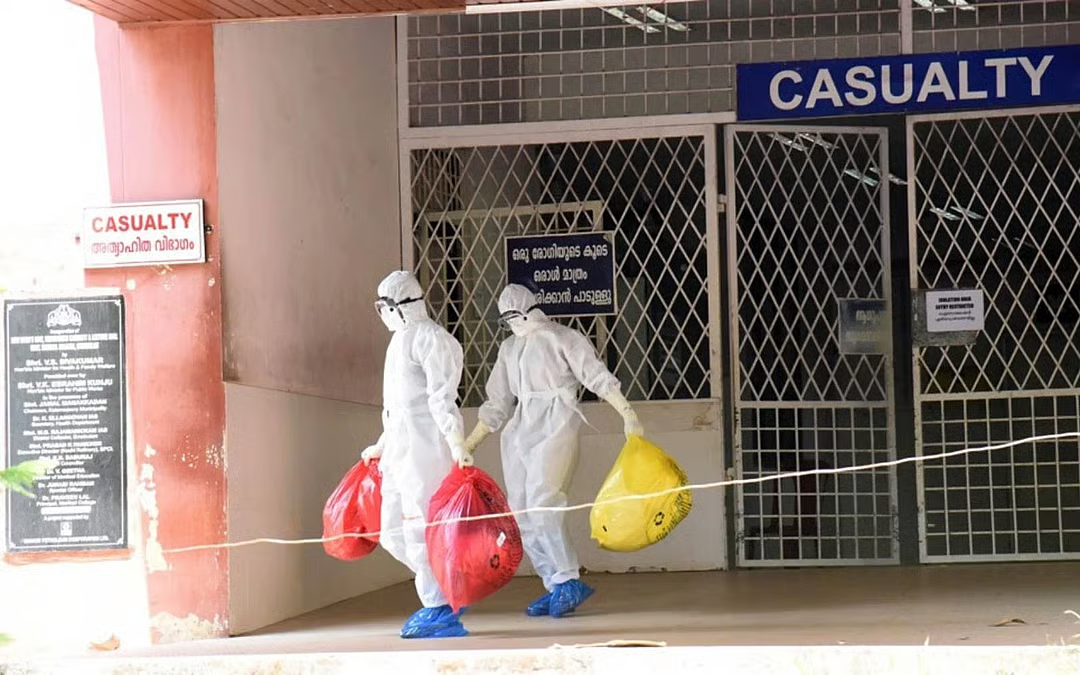
A new outbreak of the Nipah virus in India’s West Bengal state has once again put the deadly disease on the radar, particularly for countries in the region with close travel links.
Malaysians travelling to India have been urged to exercise caution following reports of confirmed infections, given the high death rate and the lack of a specific treatment.
While the virus does not spread easily, health authorities are stepping up monitoring as outbreaks can be devastating when they occur.
FMT looks at the history of the Nipah virus, from its discovery in Malaysia to its symptoms, how it is treated, and whether we should be concerned.
Nipah’s Malaysian beginnings
The Nipah virus was identified after an outbreak of a disease in Malaysian pig farms in 1998 caused the death of 150 people, mostly pig farmers and abattoir workers.
The outbreak caused widespread panic, as it was mistaken for Japanese encephalitis, a viral brain infection spread by mosquito bites.
Malaysian virologist Dr Chua Kaw Bing played a key role in identifying the virus and linking human infections to pigs, rather than mosquitoes, which helped authorities implement the correct containment measures.
It was named the Nipah virus after Sungai Nipah near Port Dickson, the source of the first human case in which the virus was identified.
Malaysia culled more than one million pigs, imposed movement controls on pig farms and restructured the livestock industry to prevent further spread, ending the outbreak. No further Nipah cases were reported in the country after 1999.
Since then, Nipah has appeared in Bangladesh and India through contaminated food and sometimes human-to-human spread, in Singapore from imported pigs, and in the Philippines from infected horses.
The virus and its symptoms
According to the World Health Organization, the Nipah virus is one of the deadliest known viruses, with a death rate ranging from 40% to 75%, depending on the outbreak and access to medical care.
It primarily spreads from animals such as pigs and fruit bats to humans, and in some cases, through close human-to-human contact.
Its incubation period is usually between four and 14 days. Early symptoms include fever, headache, muscle pain, vomiting and sore throat, which may progress to breathing difficulties and acute encephalitis, or swelling of the brain.
Treating infections
No licensed drugs or vaccines exist yet, though experimental treatments are available.
Management of Nipah infection mainly focuses on supportive care, with doctors treating symptoms and complications rather than the virus itself. In Malaysia’s first outbreak, doctors treated fever, breathing and neurological problems, and provided hydration, rest and respiratory support, as no antiviral proved effective.
The immunotherapeutic m102.4 has completed early-phase trials, administered in some cases on a compassionate basis (when no other treatment options are available). Early-stage vaccines, including an mRNA candidate by the US National Institutes of Health, are under way.
Should Malaysians be worried?
Geneticist and infectious disease researcher Dr Kumitaa Theva Das said the chances of someone infected with Nipah infecting another person are very low.
“It wouldn’t turn into a pandemic,” she said. “It does not spread easily like Covid-19, but is classified as a priority pathogen by WHO because of its high fatality and the lack of a cure.”
She likened Nipah outbreaks to an “explosive fire”, being limited in scale but severe in impact.
Health minister Dzulkefly Ahmad has said Malaysia is well-prepared to handle potential Nipah cases, citing strengthened surveillance systems and laboratory capacity. He said his ministry has also stepped up screening of travellers arriving from high-risk countries to enable early detection and prevent local transmission.