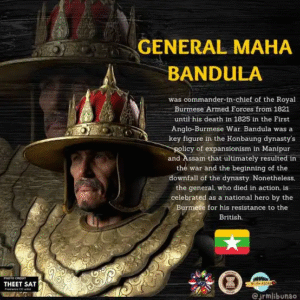
When examined comparatively, the destruction of the Ahom Shan kingdom, the historical subjugation of the Rakhine (Arakanese) kingdom, Mons, Ayoddaya Thais, Ethnic Minorities, and the ongoing persecution of the Rohingya reveal a deeply troubling and recurring pattern in the political culture of Burman-dominated state power. In each case, a non-Bamar population occupying a strategically important frontier region was first militarily targeted, then collectively punished, demonised, and finally erased or marginalised in official history.
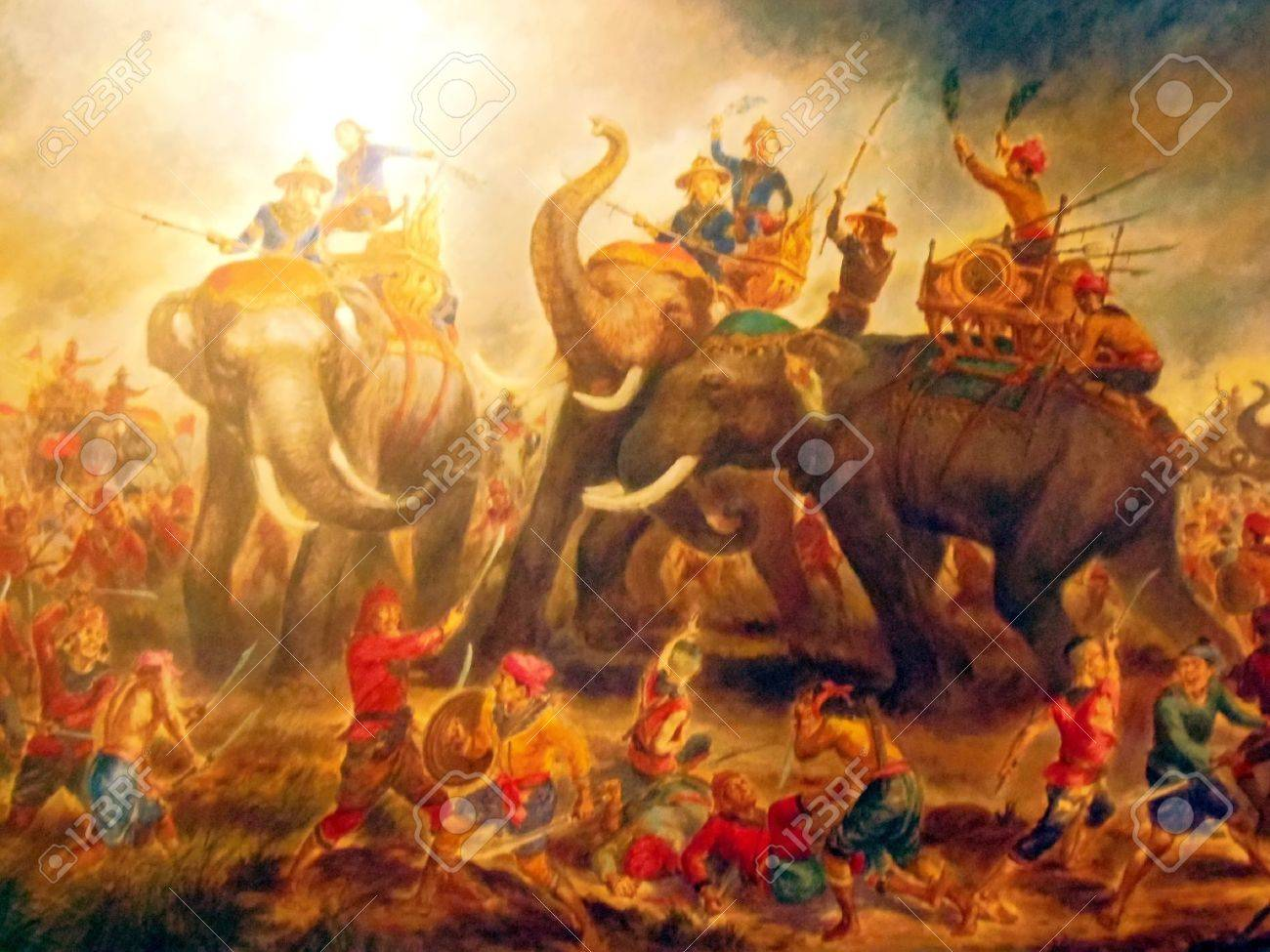
The Ahom Shan polity was crushed through extreme violence that shattered its demographic and institutional foundations, paving the way for colonial annexation. The independent Kingdom of Arakan, once a sophisticated maritime and multicultural state, was violently conquered in 1784, followed by mass deportations, cultural destruction, and forced assimilation.
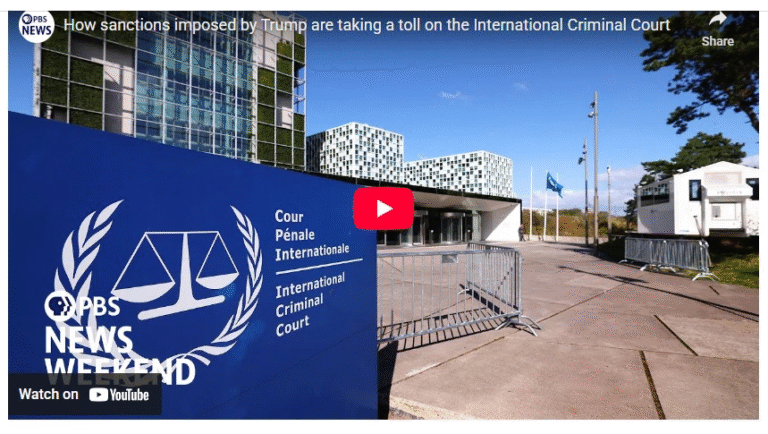
In the modern era, the Rohingya, an indigenous Muslim community of Rakhine State, have faced systematic discrimination, statelessness, mass displacement, and mass atrocities—culminating in actions now under scrutiny at the International Court of Justice (ICJ) as genocide.
What binds these cases together is not religion alone, nor ethnicity in isolation, but a state ideology that equates diversity with threat, frontier peoples with disloyalty, and historical plurality with danger. Just as crucially, each case has been followed by organized denial—the final and most enduring stage of genocide. Today, this denial is no longer confined to textbooks or official speeches; it is actively reproduced through digital propaganda, cyber-trooper interventions, and selective historical editing, including on platforms like Wikipedia.
The persistence of such denial—whether dismissing the Ahom massacres, minimising the destruction of Arakan, or outright rejecting Rohingya identity and suffering—does not merely falsify history. It extends the violence into the present, legitimising new abuses.
In this sense, denial is not a postscript to atrocity; it is its continuation. As Myanmar’s Spring Revolution struggles to build a just future, confronting these historical truths honestly is not optional—it is foundational.
A society that cannot acknowledge its past crimes cannot prevent their repetition.