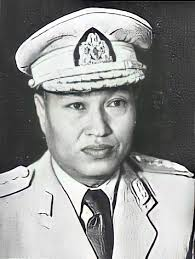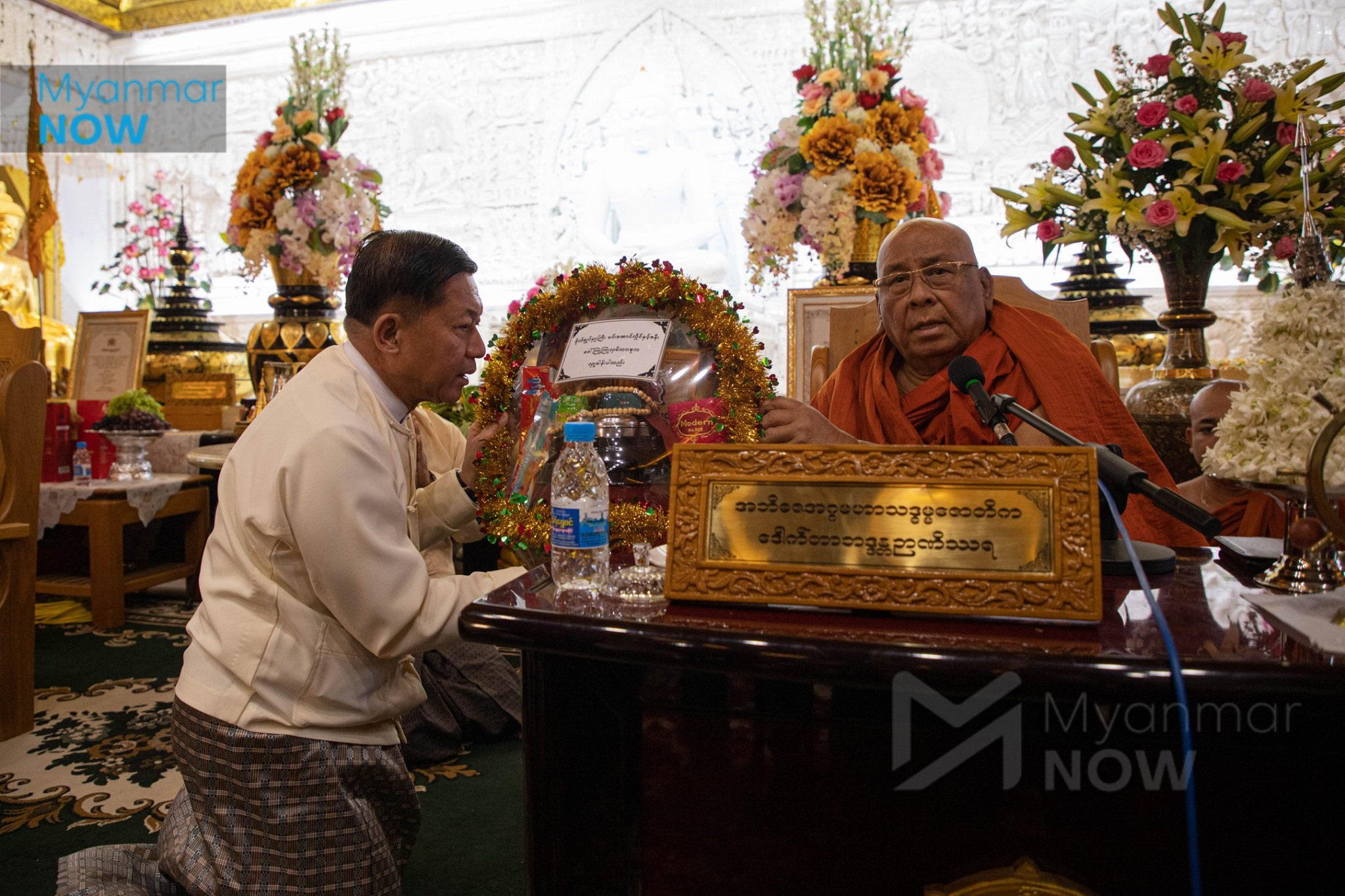
Although Myanmar’s military chief Min Aung Hlaing is not on the ballot and avoids campaign posters, he remains the central figure behind the junta-run election. Since seizing power in the 2021 coup that removed Aung San Suu Kyi’s elected government, he has ruled amid a brutal civil war, massive displacement, and shrinking military control over large parts of the country.
The current election, conducted in stages, has been widely criticised by the United Nations and rights groups as neither free nor fair. Suu Kyi’s party has been dissolved, major opposition groups are excluded, and the process is seen as a way for the junta to retain power through proxy parties rather than genuine civilian rule.
Despite battlefield losses and growing public resentment, Min Aung Hlaing has survived by carefully managing elite loyalties. He rewards trusted generals with control over military-linked businesses, sidelines or arrests potential rivals, and balances fear with patronage inside the officer corps. Analysts describe this as an “elite survival strategy” designed to preserve regime unity by sharing responsibility rather than surrendering control.
Internationally isolated since the coup, the junta has relied heavily on China’s diplomatic and strategic backing. Loyal figures such as Foreign Minister Than Swe—an experienced former UN diplomat—have helped Min Aung Hlaing cautiously re-engage with ASEAN and foreign governments, easing some of the regime’s isolation.
Min Aung Hlaing’s political ambitions predate the coup. Trained at the Defence Services Academy, where officers are taught to see themselves as guardians of national unity, Buddhism, and Bamar dominance, he viewed Suu Kyi’s overwhelming electoral victories as a threat to the military’s self-assigned role. This mindset helped justify the 2021 power grab in his eyes.
Suu Kyi, now 80, remains imprisoned with little transparency about her condition. Attempts by regional leaders, including Malaysia’s prime minister, to negotiate her release have failed, reportedly crossing one of the junta’s firm “red lines.”
While Min Aung Hlaing has hinted at eventually stepping back from direct military command and allowing a new government to form, the constitution still guarantees the armed forces decisive power. Even if leadership changes, analysts say the next generation of generals is unlikely to soften the military’s stance toward the resistance or restore genuine democracy.
In short, the junta chief’s grip on power rests not on popular support, but on managed fear, elite pacts, controlled elections, and the belief—deeply rooted in Myanmar’s military culture—that only the army can rule the country.