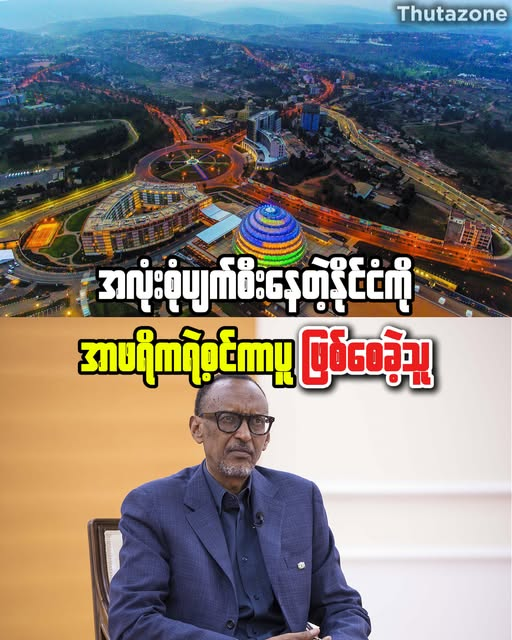
Rwanda has made remarkable progress in wealth creation, development, and internal peace since the 1994 genocide—an achievement often described as an “economic miracle.” From the ashes of one of the worst atrocities of the 20th century, Rwanda has transformed itself into a relatively stable and fast-growing nation. Yet this success has not been without challenges, including concerns about political freedoms and unequal distribution of wealth.
From a Collapsed State to the “Singapore of Africa”
Rwanda is a country that rose from total devastation to become what many now call the “Singapore of Africa.” Within just over 30 years, it transformed from the ashes of genocide into a modern, clean, and rapidly developing nation.
The person most credited for this dramatic transformation is Paul Kagame.
When Kagame first assumed leadership, Rwanda was a failed state in every sense: banks were empty, schools were closed, courts were destroyed, and the population was deeply traumatized by mass violence and loss.
Kagame openly admired Lee Kuan Yew, the founding Prime Minister of Singapore, and consciously adopted many of his governance principles in rebuilding Rwanda.
To deal with genocide-related crimes, he revived a traditional justice system known as Gacaca courts—community-based “grassroots courts” held in public spaces. Perpetrators were encouraged to confess before their communities, seek forgiveness, and accept accountability. This process played a crucial role in national reconciliation.
In 2008, Rwanda became the first country in Africa to completely ban plastic bags. Passengers arriving at airports are screened for plastic bags, which are confiscated immediately. As a result, Kigali is now widely recognized as the cleanest city in Africa.
Rwanda also institutionalized Umuganda, a nationwide community service program. On the last Saturday of every month, everyone—from the President to ordinary citizens—must participate in activities such as cleaning streets, planting trees, and repairing schools. This policy not only improves infrastructure but also strengthens social cohesion and collective responsibility.
The country places strong emphasis on technology and innovation. Because Rwanda is mountainous and road access to remote areas is difficult, it partnered with the company Zipline to deliver blood and medical supplies to distant hospitals using drones—the first successful nationwide system of its kind in the world.
Another remarkable achievement is women’s representation. More than 60% of Rwanda’s Members of Parliament are women, making it the country with the highest female parliamentary representation globally.
Rwanda has also made serious progress in fighting corruption, ranking 43rd among the least corrupt countries in the world. Its efficient and transparent governance system has earned the confidence of international investors.
When criticized about democracy, Kagame often responds bluntly:
“Before you lecture us about democracy, our people need food on the table and security in their lives.”
History is likely to remember Paul Kagame as the architect of modern Rwanda—the leader who lifted his country from ruin and steered it toward a disciplined, dignified, and hopeful future.
Still, Rwanda offers valuable lessons for deeply divided societies like Myanmar—particularly on how ethnic identity can either destroy or rebuild a nation.
Peace and Reconciliation in Rwanda
The Rwandan government placed national unity and security at the center of its post-genocide recovery, treating peace as a prerequisite for development. Several “home-grown” solutions were implemented:
1. National Identity
Rwanda abolished official ethnic classifications such as Hutu and Tutsi, promoting a single national identity: “Rwandan.” Ethnicity was removed from identity cards, and citizens were encouraged to see themselves first and foremost as members of one nation.
2. Justice and Reconciliation
Community-based Gacaca courts were established to try over one million genocide-related cases. These courts focused not only on punishment but also on truth-telling and reconciliation at the grassroots level.
In addition, the National Unity and Reconciliation Commission (NURC) was created to coordinate reconciliation efforts nationwide.
3. Stability
Today, Rwanda enjoys internal peace and stability—an extraordinary achievement in the volatile Great Lakes region. It is also one of the largest contributors to UN peacekeeping missions in Africa.
Wealth and Development
Rwanda’s economic achievements are widely recognized by institutions such as the World Bank and the IMF.
- Economic Growth: Average annual growth of 7–8% for more than two decades, making Rwanda one of Africa’s fastest-growing economies.
- Poverty Reduction: Approximately 1.5 million people lifted out of poverty through pro-poor and inclusive policies.
- Social Indicators: Life expectancy has increased by more than 30 years since 1990; child mortality has dropped sharply; primary school enrollment stands at around 99%.
- Modernization: Kigali is often cited as one of Africa’s cleanest, safest, and best-organized cities.
Why Rwanda’s Approach Attracts Admiration
After the devastation of 1994, Rwanda seemed destined to remain a failed state. Yet under President Paul Kagame’s firm leadership, it rose within three decades to become what some now call “the Singapore of Africa.”
The key factor was the dismantling of identity politics. Rwanda declared:
“We are not Hutu. We are not Tutsi. We are Rwandans.”
Ethnic labels were removed from national registration documents, and the idea of citizenship replaced ethnic belonging as the foundation of the state.
This achievement deserves respect. By suppressing ethnic hatred and replacing it with civic nationalism, Rwanda escaped the cycle of revenge and collapse.
The Myanmar Reality: Why Copying Rwanda Is Risky
Myanmar, however, faces a very different historical and social reality.
By naming states after ethnic groups, Myanmar unintentionally nurtured a dangerous mindset:
“This land belongs to us; you are guests.”
As ethnic identity increasingly overshadowed civic citizenship, endless conflicts followed. Instead of unity and development, Myanmar became trapped in poverty and violence, unable to escape Least Developed Country (LDC) status.
At first glance, one might ask:
Should Myanmar follow Rwanda’s example by removing ethnic labels from identity cards and avoiding ethnic names for states?
In theory, this seems logical. A nation built on civic nationalism—equal citizenship regardless of race or religion—offers the best chance for lasting peace.
But in practice, this approach is extremely sensitive and potentially dangerous in Myanmar.
The Core Difference: Language, History, and Trust
Rwanda’s population, despite ethnic differences, shares a single language (Kinyarwanda) and a relatively unified cultural background.
Myanmar does not.
Myanmar is home to Bamar, Shan, Kachin, Karen, Chin, Rakhine, Mon, Rohingya, and many others—each with distinct languages, literatures, cultures, and historical experiences. After more than 70 years of civil war, broken promises, and deep mistrust, suddenly declaring:
“We will remove ethnic identity; everyone is simply Myanmar citizen”
would not be perceived as a mature political reform by ethnic communities.
Instead, many would see it as yet another form of “Burmanization”—an attempt to erase their identities, self-determination, and cultural rights. At a time when ethnic groups are demanding genuine federalism, such a move could pour fuel on an already burning fire.
A Balanced Conclusion
Personally, I do not oppose what President Paul Kagame did in Rwanda. On the contrary, I deeply respect it. Rwanda survived precisely because ethnic hatred was neutralized and replaced with a strong sense of shared citizenship.
But one medicine does not cure every patient.
Myanmar’s history, linguistic diversity, political trauma, and deep lack of trust in central authority mean that applying Rwanda’s model abruptly could backfire badly. Without strong guarantees, ethnic communities may interpret it as forced assimilation rather than reconciliation—leading to even greater conflict.
A Thoughtful Path Forward: Principles for Myanmar’s Future Constitution
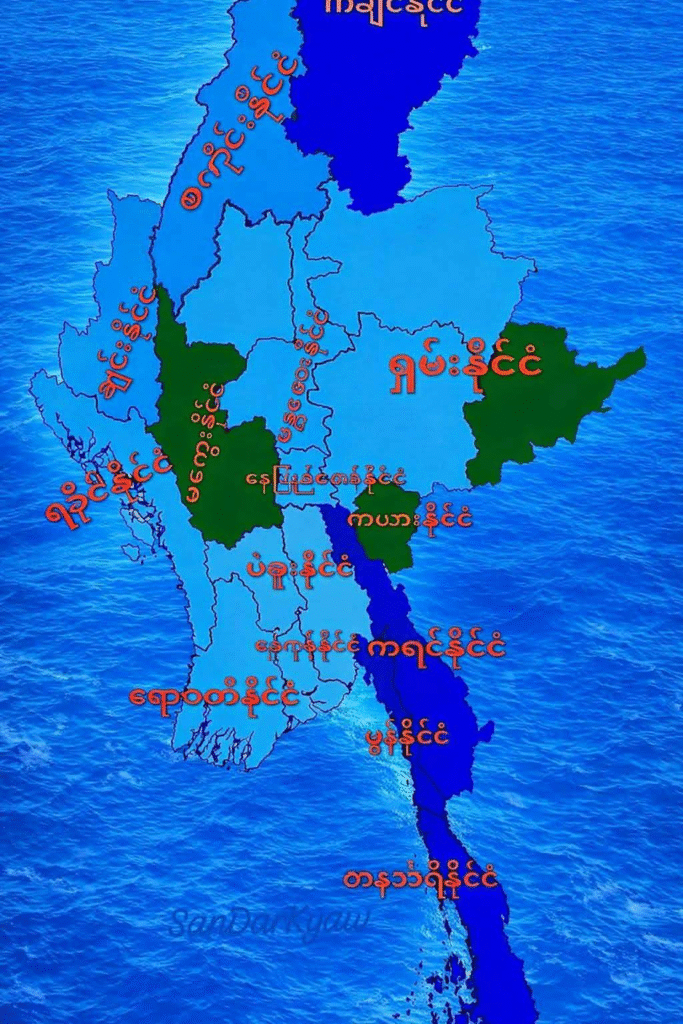
Instead of copying Rwanda mechanically, Myanmar needs a context-sensitive approach. A future constitutional framework could be guided by the following principles:
1. Political Structure
Myanmar must seriously consider one of the following:
- A Federal Democratic Union of Myanmar, or
- A Confederation of States, or
- A Hybrid System combining federal and confederal elements
This decision must emerge from inclusive dialogue, not military force.
2. Constitutional Guarantees of Equality
The Constitution must explicitly recognize and protect:
- Equal rights of the Bamar Buddhist majority
- Equal rights of ethnic minorities
- Equal rights of religious minorities
Minority protection should be a constitutional obligation, not a political favor.
3. Civic Equality and Meritocracy
- All citizens must be treated equally based on merit, not race or religion.
- All forms of religious discrimination must be abolished.
- No religion should be stated on National Registration Cards or official government records, where such information can be misused for exclusion or persecution.
Final Reflection
Rwanda teaches us that ethnic hatred can destroy a nation—and that disciplined unity can rebuild one.
Myanmar’s challenge is not whether unity is necessary—it is how to achieve unity without erasing identity, dignity, or historical truth.
Peace in Myanmar will not come from forced uniformity, but from voluntary unity built on trust, justice, and genuine equality.
That is the lesson we must learn—carefully, wisely, and with humility.
Phyo Win Latt
ရဝမ်ဒါသင်ခန်းစာ၊ တိုင်းရင်းသားအစွဲ နဲ့ မြန်မာ့နိုင်ငံရေး မျှော်လင့်ချက်
ဒီပို့စ်ကိုဖတ်ပြီး ကွန်မန့်တွေထဲက ဦးအောင်တင်တို့၊ ကိုစံလှကြီးတို့ ဆွေးနွေးထားတာတွေကိုပါ ဆက်ဖတ်ကြည့်လိုက်တော့ တွေးစရာတွေ အများကြီး ကျန်ခဲ့တယ်။
.
ရဝမ်ဒါနိုင်ငံဟာ ၁၉၉၄ ခုနှစ် လူမျိုးသုဉ်းသတ်ဖြတ်မှုကြီးအပြီးမှာ ပြာပုံဘဝရောက်ခဲ့ပေမယ့် သမ္မတ ပေါလ်ကာဂါမီရဲ့ ပြတ်သားတဲ့ ဦးဆောင်မှုနဲ့ နှစ် ၃၀ အတွင်းမှာ “အာဖရိကရဲ့ စင်ကာပူ” ဖြစ်လာခဲ့တယ်။ သူ့ရဲ့ အဓိက သော့ချက်ကတော့ “Identity Politics” ကို ဖြိုချပစ်လိုက်တာပါပဲ။ “ငါတို့ဟာ ဟူတူ မဟုတ်ဘူး၊ တူစီ မဟုတ်ဘူး၊ ရဝမ်ဒါ နိုင်ငံသားတွေပဲ” ဆိုပြီး မှတ်ပုံတင်ထဲက လူမျိုးနာမည်ကို ဖြုတ်ပစ်ခဲ့တယ်။
.
ဒီအချက်ကို ကိုစံလှကြီးတို့ ထောက်ပြထားတာက တော်တော်လေး မှန်ပါတယ်။ မြန်မာနိုင်ငံမှာ ပြည်နယ်တွေကို လူမျိုးနာမည်တွေ ပေးထားမိတဲ့အတွက် “ဒီမြေက ငါတို့ပိုင်တယ်၊ မင်းတို့က ဧည့်သည်” ဆိုတဲ့ စိတ်ဓာတ်တွေ ဝင်လာကြတယ်။ နိုင်ငံသား (Citizen) ဖြစ်ခြင်းထက် လူမျိုး (Ethnic) ဖြစ်ခြင်းကို ပိုအာရုံစိုက်လာကြတဲ့အခါ အချင်းချင်း သတ်လို့မကုန်၊ ရန်ဖြစ်လို့ မပြီးနိုင်ဘဲ ဦးအောင်တင် ပြောသလို LDC (အဆင်းရဲဆုံးနိုင်ငံ) ဘဝက မတက်နိုင် ဖြစ်နေကြရတယ်။
.
ဒါဆိုရင် ရဝမ်ဒါနည်းလမ်းအတိုင်း ကျွန်တော်တို့ဆီမှာလည်း မှတ်ပုံတင်ထဲက လူမျိုးနာမည်ကို ဖြုတ်၊ ပြည်နယ်နာမည်တွေကို လူမျိုးနာမည် မပေးဘဲ နေလိုက်ကြမလားလို့ မေးစရာ ရှိလာပါတယ်။ သီအိုရီအရ ကြည့်ရင်တော့ ဒါဟာ တကယ့်ကို ဖြစ်သင့်တဲ့ ကိစ္စပါ။ နိုင်ငံသားစိတ် (Civic Nationalism) ကို အခြေပြုမှ တိုင်းပြည်က ငြိမ်းချမ်းမှာပါ။
.
ဒါပေမဲ့ လက်တွေ့မြေပြင်အခြေအနေမှာတော့ ဒါဟာ အင်မတန် သတိထားရမယ့် ကိစ္စတစ်ခု ဖြစ်နေပါတယ်။
.
ရဝမ်ဒါမှာက လူမျိုးစုကွဲပြားပေမယ့် သူတို့အားလုံးက Kinyarwanda ဆိုတဲ့ ဘာသာစကား တစ်မျိုးတည်းကိုပဲ ပြောကြပါတယ်။ မြန်မာနိုင်ငံမှာကတော့ ဗမာ၊ ရှမ်း၊ ကချင်၊ ကရင် စသဖြင့် မတူကွဲပြားတဲ့ ဘာသာစကား၊ စာပေနဲ့ ယဉ်ကျေးမှု နောက်ခံတွေ ရှိနေကြတယ်။ နှစ်ပေါင်း ၇၀ ကျော် ပြည်တွင်းစစ်နဲ့ မယုံကြည်မှုတွေ ကြားထဲမှာ “လူမျိုးနာမည် ဖြုတ်လိုက်မယ်” “အားလုံး မြန်မာနိုင်ငံသားပဲ လုပ်လိုက်မယ်” လို့ ပြောလိုက်ရင် တိုင်းရင်းသားတွေဘက်က ဒါကို နိုင်ငံရေးအရ ရင့်ကျက်တဲ့ ခြေလှမ်းလို့ မြင်မှာ မဟုတ်ပါဘူး။
.
သူတို့ရဲ့ ကိုယ်ပိုင်ပြဋ္ဌာန်းခွင့်နဲ့ ယဉ်ကျေးမှုလက္ခဏာတွေကို ဝါးမျိုဖို့ ကြိုးစားတဲ့ “ဗမာမှုပြုခြင်း” (Burmanization) ရဲ့ နောက်ထပ် ပုံစံတစ်မျိုးလို့ပဲ စွပ်စွဲကြပါလိမ့်မယ်။ အထူးသဖြင့် ဖက်ဒရယ်အခွင့်အရေး တောင်းဆိုနေချိန်မှာ ဒီလိုလုပ်ရပ်မျိုးက မီးလောင်ရာ လေပင့်သလို ဖြစ်သွားနိုင်ပါတယ်။
.
နိဂုံးချုပ်အနေနဲ့ ပြောရရင်တော့ ရဝမ်ဒါမှာ သမ္မတ ပေါလ်ကာဂါမီ လုပ်ခဲ့တာကို ကျွန်တော့တဦးတည်းအနေနဲ့တော့ မနှစ်သက်တာမဟုတ်ပါဘူး။ တကယ်တော့ လူမျိုးစုအစွဲတွေကို ဖျောက်ပစ်ပြီး ‘နိုင်ငံသားစိတ်’ ကို အစားထိုးနိုင်ခဲ့လို့သာ ရဝမ်ဒါနိုင်ငံဟာ ပြာပုံထဲကနေ ပြန်ထနိုင်ခဲ့တာ ဖြစ်လို့ ဒီလုပ်ရပ်အပေါ် အင်မတန် လေးစားအားကျမိပါတယ်။ သို့သော်လည်း ‘ဆေးတစ်လက်ဟာ လူနာတိုင်းနဲ့ တည့်ချင်မှ တည့်ပါလိမ့်မယ်’။ ကျွန်တော်တို့နိုင်ငံရဲ့ သမိုင်း ကြောင်း၊ ဘာသာစကား ကွဲပြားမှုနဲ့ နိုင်ငံရေး အခင်းအကျင်းအရ အုပ်ချုပ်သူတွေအပေါ် ယုံကြည်မှု အခိုင်အမာ မတည်ဆောက်နိုင်သေးခင်မှာ ဒီနည်းလမ်းကို ချက်ချင်း အကောင်အထည်ဖော်လိုက်ရင်တော့ တိုင်းရင်းသားတွေဘက်က ဒါကို ‘ဗမာမှုပြုခြင်း’ (Burmanization) လို့ ရှုမြင်ပြီး ပိုမိုကြီးမားတဲ့ ပဋိပက္ခမီးတွေ တောက်လောင်သွားနိုင်တယ်ဆိုတာကို သတိချပ်စေချင်တာသာ ဖြစ်ပါတယ်။
Thuta Videos
အလုံးစုံပျက်စီးနေတဲ့နိုင်ငံကို အာဖရိကရဲ့စင်ကာပူ ဖြစ်စေခဲ့သူ
၁၉၉၄ ခုနှစ်၊ ဧပြီလမှာ ကမ္ဘာကြီးက မျက်နှာလွှဲထားခဲ့တဲ့ အာဖရိကနိုင်ငံငယ်လေးတစ်ခုမှာ လူသားသမိုင်းရဲ့ အဆိုးရွားဆုံး သွေးချောင်းစီးမှုကြီးတစ်ခု ဖြစ်ပွားခဲ့ပါတယ်။
ရက်ပေါင်း ၁၀၀ အတွင်းမှာ လူပေါင်း ၈ သိန်းကျော် ရက်ရက်စက်စက် _တျ – ဖြတ်ခံခဲ့ရတဲ့အထိ ဆိုးဝါးခဲ့တာဖြစ်ပါတယ်။
လမ်းမတွေ၊ မြစ်ချောင်းတွေမှာ အသက်မဲ့ခန္ဓာကိုယ်တွေ ပုံနေပြီး တိုင်းပြည်တစ်ခုလုံးဟာ “သုသာန်တစပြင်” ကြီးတစ်ခု ဖြစ်သွားခဲ့ပါတယ်။
အဲဒီနိုင်ငံကတော့ “ရဝမ်ဒါ” (Rwanda) နိုင်ငံ ဖြစ်ပြီး အဲဒီပြာပုံဘဝကနေ နှစ်ပေါင်း ၃၀ ကျော်အတွင်းမှာ ခေတ်မီတိုးတက်ပြီး သန့်ရှင်းသပ်ရပ်တဲ့ “အာဖရိကရဲ့ စင်ကာပူ” အဖြစ် ပြောင်းလဲနိုင်ခဲ့ပါတယ်။
ဒီလို ဆိုးရွားလွန်းတဲ့နိုင်ငံကို တိုးတက်ပြောင်းလဲစေခဲ့သူကတော့ ပေါလ်ကာဂါမီ (Paul Kagame) ပဲ ဖြစ်ပါတယ်။
ပေါလ်ကာဂါမီဟာ ရဝမ်ဒါမျိုးချစ်တပ်ဦး (RPF) ကို ဦးဆောင်ပြီး ၁၉၉၄ လူမျိုးသုဉ်း _ျ – ဖြတ်မှု ကို အဆုံးသတ်ပေးခဲ့သူပါ။
သူ တိုင်းပြည်ကို စတင်တာဝန်ယူချိန်မှာ ဘဏ်တွေမှာ ပိုက်ဆံမရှိ၊ ကျောင်းတွေ ပိတ်ထားရ၊ တရားရုံးတွေ ပျက်စီးပြီး ပြည်သူတွေက စိတ်ဒဏ်ရာအကြီးအကျယ် ရနေတဲ့ “နိုင်ငံပျက်” အခြေအနေဖြစ်ပါတယ်။
ကာဂါမီရဲ့ စံပြပုဂ္ဂိုလ်ကတော့ စင်ကာပူဝန်ကြီးချုပ် လီကွမ်ယု ပါပဲ။ သူဟာ လီကွမ်ယုရဲ့ နည်းလမ်းတွေကို အသုံးပြုပြီး ရဝမ်ဒါကို ပြန်လည်တည်ဆောက်ဖို့ ဆုံးဖြတ်ခဲ့ပါတယ်။
သူ့ရဲ့ ပထမဆုံးနဲ့ အရေးအကြီးဆုံး ခြေလှမ်းကတော့ လူမျိုးရေးခွဲခြားမှုကို အမြစ်ပြတ် ဖျောက်ဖျက်ပစ်ခြင်းပါပဲ။ အရင်တုန်းက မှတ်ပုံတင်ကတ်ပြားတွေမှာ Hutu နဲ့ Tutsi ဆိုပြီး လူမျိုးခွဲခြားရေးသားထားတာကို ပယ်ဖျက်လိုက်ပါတယ်။
“ငါတို့အားလုံးဟာ ဟူတူ မဟုတ်ဘူး၊ တူစီ မဟုတ်ဘူး၊ ငါတို့အားလုံး ရဝမ်ဒါ နိုင်ငံသားတွေပဲ” ဆိုတဲ့ စိတ်ဓာတ်ကို အကြီးအကျယ် ရိုက်သွင်းခဲ့ပါတယ်။
ပြစ်မှုကျူးလွန်သူတွေကို အပြစ်ပေးဖို့အတွက် “Gacaca courts” (မြက်ခင်းပြင်တရားရုံးများ) လို့ခေါ်တဲ့ ရိုးရာတရားစီရင်ရေးစနစ်ကို ပြန်လည်အသက်သွင်းပြီး ကျေးရွာလူထုရှေ့မှာ ဝန်ခံစေခြင်း၊ ခွင့်လွှတ်စေခြင်းတို့နဲ့ အမျိုးသားပြန်လည်သင့်မြတ်ရေးကို တည်ဆောက်ခဲ့ပါတယ်။
ကာဂါမီဟာ ၂၀၀၈ ခုနှစ်မှာ အာဖရိကမှာ ပထမဆုံးအနေနဲ့ “ပလတ်စတစ်အိတ် သုံးစွဲမှုကို လုံးဝပိတ်ပင်တဲ့ နိုင်ငံ” အဖြစ် ကြေညာခဲ့ပါတယ်။
လေဆိပ်ကို ဆင်းလိုက်တာနဲ့ ခရီးသည်တွေရဲ့ အိတ်ထဲမှာ ပလတ်စတစ်အိတ်ပါမပါ စစ်ဆေးပြီး သိမ်းဆည်းပါတယ်။ ဒါကြောင့် ရဝမ်ဒါရဲ့ မြို့တော် Kigali ဟာ အာဖရိကမှာ သန့်ရှင်းဆုံးမြို့အဖြစ် နာမည်ကြီးပါတယ်။
ဒါ့အပြင် “Umuganda” လို့ခေါ်တဲ့ ရပ်ရွာအကျိုးပြုလုပ်ငန်းကိုလည်း ပြဌာန်းထားပါတယ်။
လစဉ် နောက်ဆုံးစနေနေ့တိုင်းမှာ သမ္မတကစလို့ ပြည်သူတွေအားလုံးဟာ လမ်းတွေသန့်ရှင်းရေးလုပ်တာ၊ သစ်ပင်စိုက်တာ၊ ကျောင်းတွေပြင်တာကို မဖြစ်မနေ လုပ်ဆောင်ကြရပါတယ်။ ဒါဟာ လူထုစည်းလုံးမှုကိုပါ ရရှိစေတဲ့ နည်းလမ်းကောင်းတစ်ခု ဖြစ်ပါတယ်။
ရဝမ်ဒါဟာ နည်းပညာကို အလွန်အလေးထားပါတယ်။ တောင်တန်းတွေထူထပ်တဲ့ နိုင်ငံမို့ လမ်းပန်းဆက်သွယ်ရေးခက်ခဲတာကို ကျော်လွှားဖို့ Zipline ကုမ္ပဏီနဲ့ ပူးပေါင်းပြီး “မောင်းသူမဲ့လေယာဉ် (Drone)” တွေနဲ့ ဝေးလံခေါင်သီတဲ့ ဆေးရုံတွေဆီ သွေးအိတ်နဲ့ ဆေးဝါးတွေ ပို့ဆောင်တဲ့စနစ်ကို ကမ္ဘာမှာ ပထမဆုံး အောင်မြင်စွာ အကောင်အထည်ဖော်နိုင်ခဲ့ပါတယ်။
နောက်ထပ် ထူးခြားချက်ကတော့ အမျိုးသမီးအခွင့်အရေးပါ။ ရဝမ်ဒါပါလီမန်မှာ အမျိုးသမီးအမတ်ဦးရေ ၆၀% ကျော် ပါဝင်ပြီး ဒါဟာ ကမ္ဘာပေါ်မှာ အမျိုးသမီးပါဝင်မှုနှုန်း အမြင့်ဆုံးနိုင်ငံ ဖြစ်ပါတယ်။
နှစ်ပေါင်း ၃၀ အတွင်းမှာ ရဝမ်ဒါဟာ တစ်နှစ်ကို ပျမ်းမျှ ၈ ရာခိုင်နှုန်း ဝန်းကျင် စီးပွားရေးတိုးတက်မှုနှုန်းကို ထိန်းထားနိုင်ပါတယ်။
နောက်တချက်ကတော့ အဂတိလိုက်စားမှု တိုက်ဖျက်ရေးပါ။ ရဝမ်ဒါဟာ ကမ္ဘာ့အဂတိ အနည်းပါးဆုံးနိုင်ငံစာရင်းမှာ အဆင့် ၄၃ချိတ်ပါတယ်။ အစိုးရယန္တရားဟာ ထိရောက်မှုရှိပြီး ပွင့်လင်းမြင်သာမှု ရှိတာကြောင့် နိုင်ငံတကာ ရင်းနှီးမြှုပ်နှံသူတွေ ယုံကြည်ကြပါတယ်။
ဒါပေမဲ့ ဒီအောင်မြင်မှုတွေရဲ့ တဖက်ခြမ်းမှာ ဝေဖန်မှုတွေလည်း ရှိနေပါတယ်။ ကာဂါမီကို အနောက်နိုင်ငံတွေနဲ့ လူ့အခွင့်အရေးအဖွဲ့တွေက “အာဏာရှင်ဆန်တယ်” လို့ ဝေဖန်ကြပါတယ်။
လွတ်လပ်စွာ ပြောဆိုခွင့်ကို ကန့်သတ်တာ၊ အတိုက်အခံနိုင်ငံရေးသမားတွေ ပျောက်ဆုံးတာ၊ ရွေးကောက်ပွဲတွေမှာ ၉၉% မဲရရှိတာတွေဟာ သံသယဖြစ်စရာ ကောင်းတယ်လို့ ထောက်ပြကြပါတယ်။
ကာဂါမီကတော့ “ခင်ဗျားတို့ ဒီမိုကရေစီအကြောင်း မပြောခင် ကျုပ်တို့ဆီမှာ လူတွေ အစာဝဖို့နဲ့ လုံခြုံဖို့က အရင်လိုတယ်” လို့ ပြတ်ပြတ်သားသား ပြန်လည်တုံ့ပြန်လေ့ရှိပါတယ်။
ဘယ်လိုပဲ ဝေဖန်မှုတွေ ရှိနေပါစေ၊ လူ_ျ ကွင်းဖြစ်ခဲ့တဲ့ နိုင်ငံတစ်ခုကို နှစ် ၃၀ အတွင်းမှာ ခေတ်မီတိုးတက်ပြီး လုံခြုံစိတ်ချရတဲ့ ကမ္ဘာလှည့်ခရီးသွား ဆွဲဆောင်ရာနေရာတစ်ခု ဖြစ်အောင် ပြောင်းလဲပေးနိုင်ခဲ့တာကတော့ ပေါလ်ကာဂါမီရဲ့ ငြင်းလို့မရတဲ့ စွမ်းဆောင်ရည်ပါပဲ။
သူဟာ ရဝမ်ဒါနိုင်ငံကို ပြာပုံဘဝကနေ ရွှေရောင်လွှမ်းတဲ့ အနာဂတ်ဆီကို ဆွဲတင်ပေးခဲ့တဲ့ “ခေတ်သစ် ရဝမ်ဒါရဲ့ ဗိသုကာ” အဖြစ် သမိုင်းတွင် ကျန်ရစ်မှာ ဖြစ်ပါတယ်။