Credit Old Burma ရှေးရှေးတုန်းကဗမာပြည် La Minn Htet in Burmese.
DARZKKG translated
Hidden History of Rakhine and the Shwe Phone Shein Mosque
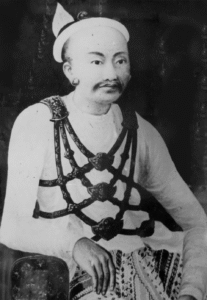
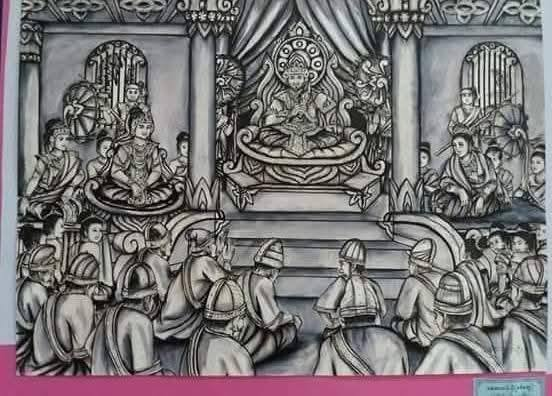
In 1785, the royal capital of the Rakhine Kingdom at Mrauk-U fell to the Konbaung Dynasty. With this collapse of a once-glorious kingdom that had flourished for centuries, the 49th and last monarch, King Maha Thammada Raza, together with the kingdom’s most treasured regalia—including the sacred Maha Muni Image—was forcibly taken to the Konbaung royal seat at Amarapura.
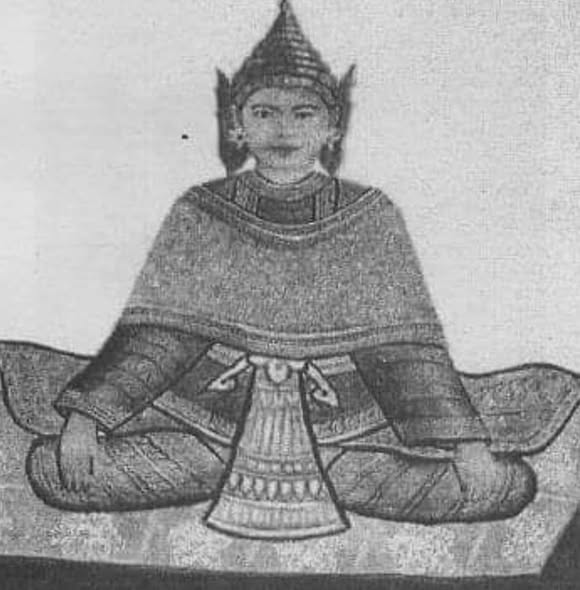
The king, his family members, scholars, court officials and military officers were arrested and deported.
For a monarch who once reigned in splendour, this descent into the life of a royal prisoner caused great emotional suffering. Historical accounts note that he could not bear the humiliation and pressure, and soon ended his own life by poison.
Although official royal chronicles never clearly record the exact location of his burial, a strong and persistent oral tradition has survived among local residents in Mandalay.
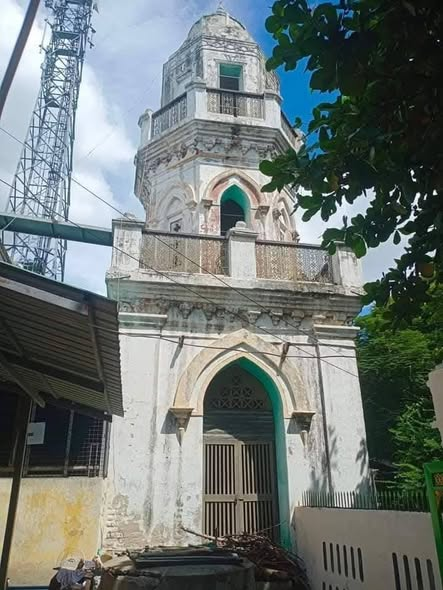
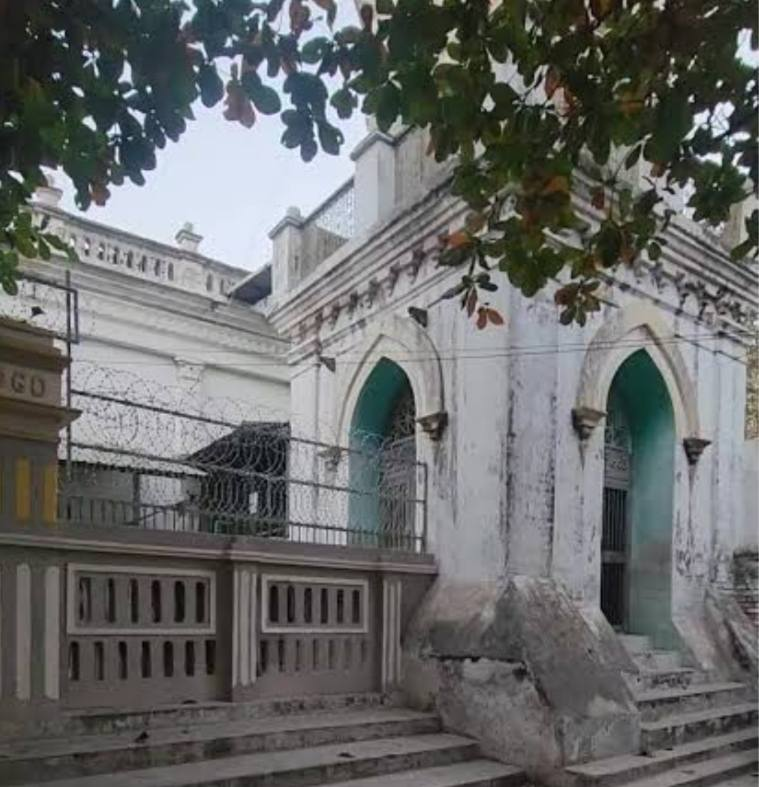
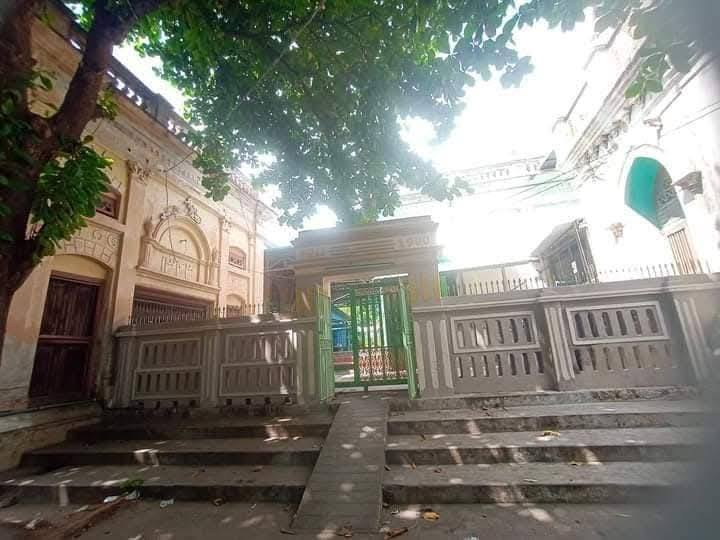
According to this longstanding historical belief, King Maha Thammada Raza converted to Islam in his final days and was quietly buried inside the compound of the Shwe Phone Shein Mosque in Mandalay.
Why this belief emerged
The background lies in the multicultural and multi-religious history of the old Rakhine Kingdom.
Many Rakhine kings, alongside their Buddhist titles, also adopted Islamic honorific names such as “Shah.” Within the Mrauk-U court, there had long been:
- high-ranking Muslim ministers,
- Muslim military commanders, and
- numerous Muslim soldiers.
- (Rakhine Kingdom was under the Bengal Sultans and the Rakhine coins were printed with Arabic Islamic words of declaration of faith.)
Muslim role in the Maha Muni Pagoda construction
Historical records also show that during the re-construction of the Maha Muni Pagoda of the Rakhine in Mandalay , Muslim military engineers and craftsmen served alongside the king. One Muslim officer, U Shwe Oo, played a crucial role but faced difficulty performing the five obligatory Prayers rituals required at the pagoda site.
Upon learning this, King Bodawpaya permitted the construction of a small prayer hall nearby for Muslims. This simple bamboo mosque was the origin of the Shwe Phone Shein Mosque, later rebuilt in brick after a fire.
This mosque is therefore older than the founding of Mandalay city itself.
Why Rakhine Muslims guarded the Maha Muni Image
When the Konbaung king transported the Maha Muni Image from Rakhine to Amarapura/Mandalay, Rakhine Muslim soldiers were forced to participate in carrying the massive Buddha image.
Later, due to repeated thefts and allegations of sabotage, the Burmese king ordered Muslims to stay nearby as guards of the pagoda.
The key to the pagoda was entrusted to them, and they were allowed to maintain their mosque—Shwe Phone Shein—close to the sacred site.
Final days of the Rakhine king
In his last days, King Maha Thammada Raza lived among Muslim soldiers who had served him since the Rakhine era. Surrounded by them and having embraced Islam, it is believed that—according to historical fragments and oral traditions—he was buried within the Shwe Phone Shein Mosque compound with the support and protection of the Muslim community.
Sources:
- Shwe Phone Shein Mosque History
- Ancient Rakhine Chronicles
Old Burma ရှေးရှေးတုန်းကဗမာပြည်
ရွှေဘုန်းရှိန် ဗလီ အတွင်း မြုပ်နှံခြင်းခံရသော
ရခိုင်ဘုရင်နိူင်ငံတော်ရဲ့ နောက်ဆုံး မင်းဆက်
၁၇၈၅ခုနှစ် ရခိုင်ဘုရင်နိူင်ငံတော်
မြို့တော် မြောက်ဦးသည် ကုန်းဘောင်
မင်းဆက်၏ လက်အောက်သို့ ကျဆင်းခဲ့ရသည်။
ရာစုနှစ်များစွာ ကြီးကျယ်ခမ်းနားခဲ့ သော နိူင်ငံတော်၏
အချုပ်အခြာ အာဏာ ဆုံးရူံးချိန် တွင် ၄၉ ပါးမြောက်
နောက်ဆုံးဘုရင် မဟာသမ္မတရာဇာသည် နိူင်ငံတော်၏
အဖိုးတန်ရတနာများ ၊မဟာမြတ်မုနိ ရုပ်ရှင်တော်မြတ်နှင့်
အတူ မိသားစုဝင်များ ၊ အတက်ပညာရှင်များ၊
စစ်သုံ့ပန်းများနှင့်တကွ ကုန်းဘောင်
နေပြည်တော် အမရပူရသို့ ဖမ်းဆီးခေါ်ဆောင် ခံခဲ့ရသည် ။ရွှေနန်းတော်၏ အရှင်သခင်ဘဝ မှ တော်ဝင်
အကျဥ်းသားဘဝ သို့ ကူးပြောင်းခြင်းသည် မဟာသမ္မတ
ရာဇာ အတွက် စိတ်ပိုင်းဆိုင်ရာ ဒဏ်ရာ အကြီးမားဆုံး
ဖြစ်ခဲ့သည် ။ ဖိအားများနှင့် အရှက်ရမူ ဒဏ်ကို မခံနိူင်
သောကြောင့် မကြာမီပင် အဆိပ်သောက်ကာ နိဂုံး
ချူပ်ခဲ့သည်ဟု သမိုင်း မှတ်တမ်းများက ဆိုသည်။
တရားဝင် ရာဇဝင်ကျမ်းများတွင် ဘုရင်၏ အုတ်ဂူ
တည်နေရာကို တိကျစွာ မဖော်ပြနိုင်သော် လည်း
မန္တလေး ဒေသ၏ ဒေသခံ များ အကြားတွင်
ခိုင်မာသော ရာဇဝင်စကားတစ်ခုက ယနေတိုင် ပျံနံနေဆဲ
ဖြစ်သည် ။ ထိုရာဇဝင်၏ အဆိုအရ ၊ ရခိုင်ဘုရင်
မဟာသမ္မတရာဇာ သည် အစ္စလာမ်ဘာသာသို့ ကူး
ပြောင်းခဲ့ပြီး မန္တလေး ရွှေဘုန်းရှိန် ဗလီဝင်း အတွင်း
၌ တိတ်ဆိတ်စွာ မြုပ်နှံခဲ့သည်ဟု ဆို သည် ။
ဤ အဆို ဖြစ်ပေါ်လာခြင်းမှာ ရခိုင်နိူင်ငံ၏
သမိုင်းနောက်ခံ ကြောင့် ဖြစ်သည် ။ ရခိုင်ဘုရင်များစွာ
သည် ဗုဒ္ဓဘာသာ ဘွဲ့အပြင် အစ္စလာမ်ဘွဲ့အမည်များ
( Shah ) ကိုပါ သုံးစွဲ ခဲ့ကြပြီး ၊ ရခိုင် နန်းတွင်းတွင်လည်း
အစ္စလာမ်ဘာသာဝင်အရာရှိကြီးများ ၊ မွတ်စလင် စစ်ဗိုလ်များ ၊ စစ်သားများ စွာလဲ ရှိခဲ့ပါတယ် ။
မဟာမြတ်မုနိ ဘုရားကြီး တည်ဆောက်ရေး
သမိုင်း တွေမှာလဲ ရခိုင်ဘုရင် နဲ့ အတူတူပါလာတဲ့
အစ္စလာမ်ဘာသာဝင် စစ်သုံပန်းတွေ ဟာ
ဘုရားကြီး တည်ဆောက် ပြီးမြောက် ရေးအတွက်
လုပ်အား ပေးခဲ့ရပြီး ၊ စစ်သုံပန်း မွတ်စလင် စစ်ဗိုလ်
ဦးရွှေအိုးဝတ်ပြု ရာမှာ ခက်ခဲ့ နေတာကို ဘိုးတော်
ဗဒုံမင်းကြားသိရတဲ့ အခါ ၊ ဝတ်ပြုရန် အတွက်
ရွှေဘုန်းရှိန်ဗလီ ကို တည်ဆောက်ပေးခဲ့တယ်လို့ သမိုင်း မှတ်တမ်းတွေမှာ ရေးသားထားပါတယ် ။ အစက
ဝါးကျောင်း သာသာ ဖြစ်ပြီး မီးဘေးသင့်မူကြောင့်နောက်ပိုင်း ပျဥ်ထောင်အဆောက်အဦးကနေ အုတ်ဗလီ အဖြစ် ပြောင်းလဲသွားပါတယ် ။ မန္တလေးမြို့တည်တဲ့
နှစ်ထက်တောင် ထိုဗလီကြီးရဲ့ သက်တမ်းဟာ
နှစ်ပေါင်းများစွာ စောနေပါတယ်
ရခိုင်ဘုရင်မဟာသမ္မတရာဇာ သူရဲ့ နောက်ဆုံး
နေရက်တွေမှာ စစ်သုံပန်း အစ္စလာမ်ဘာသာဝင်
စစ်သည် တွေ နဲ့ အတူနေထိုင်ခဲ့ရပြီး ၊ အစ္စလာမ်
ဘာသာဝင် အဖြစ်သို့ ကူးပြောင်းကာ မွတ်စလင်
အသ်ိုင်းဝန်း၏ ကူညီစောက်ရှောက်မူ ဖြင့်
ရွှေဘုန်းရှိန်ဗလီဝန်းအတွင်း ၌ မြုပ်နှံ ခဲ့ခြင်းဟုသောအဆိုမှာ သမိုင်းအချက်အလက်များအရ ဖြစ်နိူင်သည်။
ကိုးကား-ရွှေဘုန်းရှိန်ဗလီသမိုင်း
– ရခိုင် ရှေးသမိုင်းကျမ်း